What Plants Come Back Every Year Annuals or Perennials a Complete Guide to Choosing and Caring
Perennials are the plants that return every year without replanting. Annuals grow, bloom, and die within a single season. You have to plant annuals again each year.
Perennials go dormant in winter but sprout new growth from roots in spring. They save you planting work and season after season.
Perennials cost more upfront but return from winter dormancy in the same spot. You save money over time because you don’t need to buy new plants every year. Some perennials only live a few years.
These plants still count as perennials. You might need to replace them sooner than others.
Picking perennials helps you build a garden that needs little upkeep. They offer flowers or leaves over many seasons. Good soil and correct planting give them the best chance to grow back strong every year.
Key Takeaways
- Perennials return every year by regrowing from roots after winter dormancy.
- Annuals complete their life cycle in one season and must be replanted.
- Perennials cost more at first but save money over several years.
- Some perennials last only 2 to 5 years and may need replacement.
- Planting perennials creates a low-maintenance garden with long-term value.
- Start with well-prepared soil to help perennial plants thrive.
Do Annuals or Perennials Come Back Every Year?
Plants that come back every year are called perennials. They survive winter by dying back but regrow from the same roots each spring. Annuals live just one growing season and finish their life cycle within that year.
Annuals bloom quickly and give bright color but must be replanted after they finish. Perennials take longer to establish but return each year without replanting. This makes perennials a smart choice for long-term garden planning and lower costs over time.
The main difference is in their life strategy. Perennials focus on survival by storing energy in roots.
Annuals focus on quick reproduction through seeds. This biological difference explains why perennials come back every year, but annuals don’t.
| Annuals | Perennials | |
|---|---|---|
| Life span | One growing season | Multiple years |
| Replanting | Must plant every year | Planted once, return each year |
| Bloom duration | Fast, bright color | Longer-lasting, seasonal |
| Cost over time | Higher due to yearly purchase | Lower long-term cost |
Climate affects whether some plants come back yearly. For example, certain perennials may act like annuals in colder zones because they don’t survive winter. Sunlight, soil, and moisture also play roles in perennial survival.
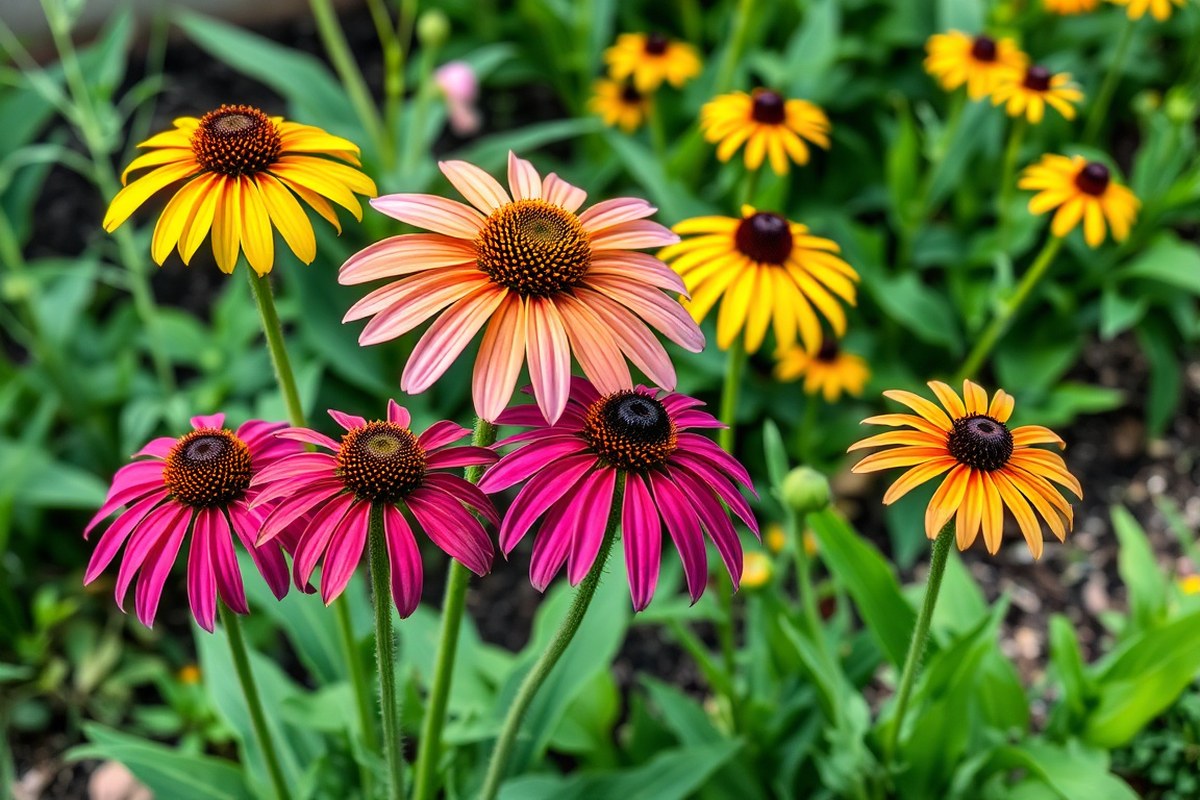
Perennials like black-eyed Susan and catmint return every year and bloom long into the growing season. Their roots store the energy needed to sprout again. Annuals like marigolds grow and finish in one year.
You need to plant them every spring. They don’t come back on their own.
Understanding Perennial Plant Life Cycles and Survival Strategies
How Perennials Survive Winter
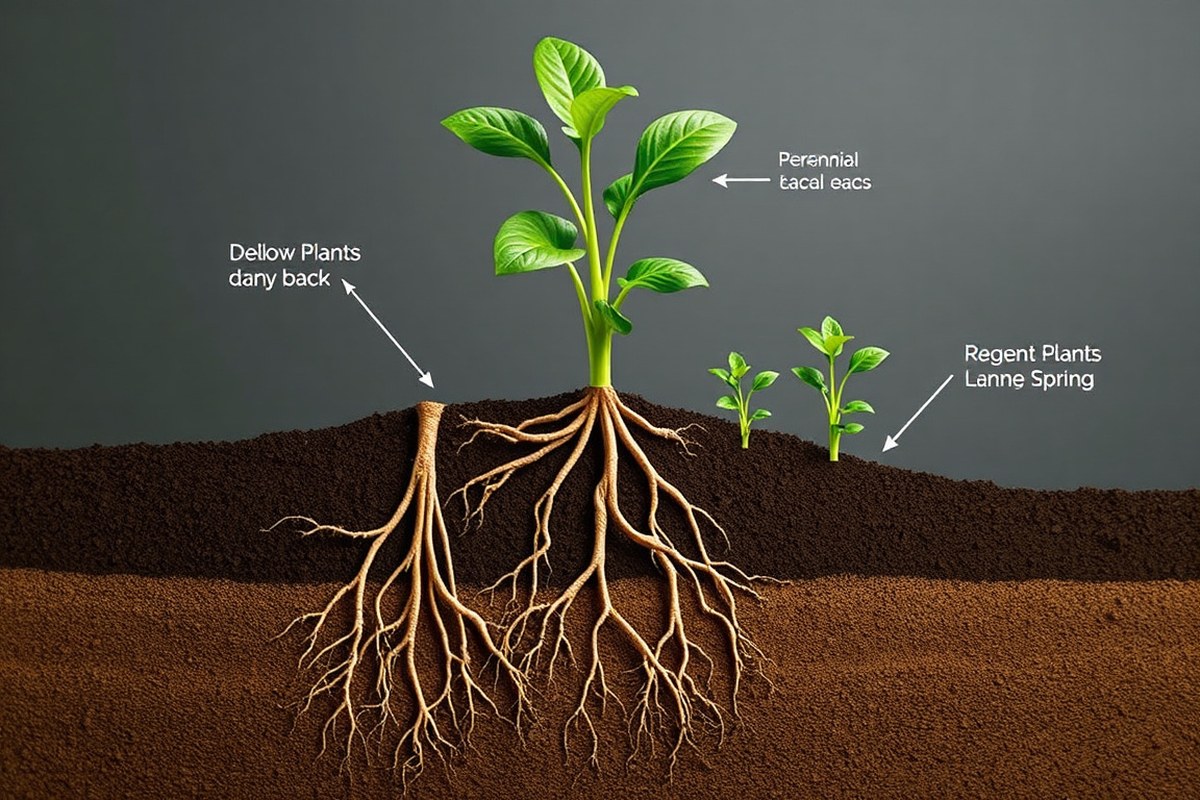
Perennials survive winter by going dormant to protect themselves from frost. Most die back to their roots, which store energy through the cold months. In spring, they use these reserves to regrow shoots and leaves.
The timing matters. Roots remain alive underground where temperatures stay more stable.
This dormancy prevents damage to the plant’s most important parts. When soil warms, growth resumes naturally.
Differences Between Woody and Herbaceous Perennials
Woody perennials keep their stems or branches above ground all year. Trees and many shrubs fall into this group. Their woody tissue protects them from cold, acting like a natural shield.
Herbaceous perennials lose all above-ground parts during winter. They die back to the ground and regrow fresh stems each spring. This method lets them avoid frost damage above soil level but demands energy stored in roots.
Steps to Help Perennials Regrow Each Year
Cut back dead or spent stems in early spring before new growth begins. This clearing helps sunlight reach the soil and encourages healthy growth. You can also prune lightly in late fall if needed, but spring is best.
Plant perennials in the right zone for your area. Do this after the last spring frost. Or plant before the first frost in fall.
Proper timing helps roots establish and survive winter better. Check your USDA Hardiness zone and plant accordingly.
How Roots and Energy Storage Work
Most perennials return yearly using root systems that store carbohydrates and nutrients. These give plants the boost to emerge quickly after winter. Some expand roots underground to spread and fill new spaces too.
Storing energy takes time and proper care, including enough water and nutrition during the growing season. Healthy roots lead to stronger, more reliable growth year after year.
Variations by Climate and Plant Type
Perennials in colder zones rely more on dormancy to survive harsh winters. Some need an extra layer of mulch to protect roots from deep freezes. Others in milder zones may stay green longer.
Switchgrass, for example, only needs one hard cutback in late winter to thrive. Moonbeam, a pale yellow blooming perennial, reliably flowers every year with minimal fuss in appropriate zones.
Always check your local frost dates and hardiness zone to protect perennials from winter damage.
Popular Perennials That Come Back Year After Year
Long-Blooming Perennials for Continuous Color
Some perennials offer long bloom periods that stretch from spring through fall. Catmint (Nepeta) is one such plant. It blooms with purple-blue flowers in late spring and early fall.
It grows best in full sun. The soil should drain well for this plant.
Daylilies are also known for their tough nature and long blooming. They grow well in most soils and tolerate full sun to part shade. Their flowers appear from summer into fall, providing color for months.
Popular Summer Bloomers That Come Back Strong
Hostas return year after year with their striking foliage. They prefer shade to part shade and bloom in summer. These plants can reach up to 36 inches tall, adding texture without constant flowers.
Shasta daisies bloom for an extra-long time in full sun, producing cheerful white flowers all summer. They like well-drained, neutral to slightly acidic soil. Deer usually avoid them, making them easier to grow.
Fall-Blooming Perennials to Extend Your Season
Rudbeckia, or black-eyed Susan, flowers in mid to late summer, often lasting into fall. Their bright yellow flowers attract pollinators and prefer full sun. Sedum, also called stonecrop, blooms from late summer to fall.
It has thick, juicy leaves and flower clusters. These flowers can be pink or red.
These plants tolerate dry conditions and full sun, making them perfect for drier spots. Phlox also blooms in late summer to fall and comes in tall or ground cover forms. It likes full sun and well-drained soil.
Care Tips to Help Perennials Return Every Year
Dividing perennials like hostas and daylilies every few years helps keep plants healthy. This prevents overcrowding and encourages more blooms. Do this in early spring or after blooming ends to reduce stress on plants.
Choose plants suited to your hardiness zone, usually 3 through 8 for these common perennials. Prepare well-drained soil and plant in spots that match their sun needs. Regular watering during dry spells helps, but avoid overwatering to prevent root rot.
Handling Growth Habits and Bloom Times
Perennials vary in height from 6 to 48 inches, so plan space accordingly. Shorter plants like sedum reach about 6 to 24 inches.
Daylilies can grow up to 48 inches. Taller plants work well at the back of beds or borders.
Bloom times range from late spring to fall. For plants flowering most of the season, use a good mix. Siberian iris blooms in late spring.
Pair it with catmint for long flowering times. This extends garden color and interest.
Biennials: The Two-Year Plants Between Annuals and Perennials
Biennials are plants that take two years to finish their life cycle. In year one, they grow leaves, stems, and roots. In year two, they flower, make seeds, and then die.
Unlike annuals, which live only one season, biennials survive through their first winter before flowering. Perennials, on the other hand, live and bloom for many years without dying after flowering.
You can spot a biennial by its growth pattern. In the first year, it mainly forms a low rosette of leaves. The second year brings tall flowering stalks.
Common biennials you might grow include foxglove, sweet William, and hollyhock. They add structure to a garden because they offer different visual interest each year.
Plant biennials in the fall or early spring in well-drained soil with full to partial sun. They need moderate watering, especially during dry spells.
Things can go wrong if biennials are crowded or planted in poor soil. They might fail to flower the second year. Thin seedlings early to give strong plants enough space.
Biennials fit well between annuals and perennials in a garden. Annuals give you fast color and bloom quickly.
Biennials flower the next year after planting. Perennials stay growing for many years.
Adding biennials offers mid-level commitment, they come back once but need replanting every couple of years. This can save you money while keeping your garden lively.
Factors That Affect Whether Perennials Return Yearly
Cold-hardiness shapes whether perennials survive winter and return next year. Knowing your USDA hardiness zone guides plant choices.
Zones range from 1 (coldest) to 13 (warmest). This helps you pick perennials adapted to your climate’s lowest temperatures.
Soil type and drainage affect root health and plant durability. Moist, well-drained soil prevents root rot.
Full sun or shade needs vary per species and impact growth. Some perennials thrive in deep sun, while others prefer partial shade.
- Identify your USDA hardiness zone using online maps.
- Test soil moisture and drainage to avoid soggy spots.
- Choose sun conditions matching your perennial’s preference.
- Inspect plants regularly for pests and remove affected leaves.
- Watch for diseases like powdery mildew and treat early.
- Mulch in fall to protect roots from freezing.
- Space plants to improve air flow and reduce disease.
Winter conditions can stress plants not suited for cold areas. For example, creeping thyme thrives in zones 5 to 9.
It returns yearly with the right winter cover and soil. Platycodon flourishes in zones 3 through 8 if planted in full sun and given enough room.
Maintenance like proper watering, pruning, and pest checks promote return. Pests and diseases weaken perennials and can reduce their winter survival. Regular care lowers these risks and keeps plants healthy through seasons.
Check the plant tag or seed packet for zone recommendations before buying. Growing a perennial outside its zone often means it won’t come back.
Some annuals behave like perennials in warm climates. They survive mild winters and can regrow the next season.
This happens mostly in zones 8 to 10, where freezing is rare or absent. Gardeners in cooler zones should not expect annuals to return year after year.
Best Practices for Planting and Caring for Perennials
Plant perennials in early spring or fall to give roots time before extremes. Set buds no more than 2 inches under soil and space plants well. Regular pruning, dividing, feeding, and pest care keep them lively and healthy year after year.
Preparing the Soil and Site
Choose a spot that matches your plant’s sunlight and soil preferences. Loosen the soil deeply, removing weeds and debris. Mixing in 2 to 3 inches of compost improves fertility and drainage.
Good soil lets water and air reach roots easily. Hard or clay soils need extra amendment with sand or organic matter. Avoid planting where water pools after rain to prevent root rot.
Planting Depth and Spacing Guidelines
Set the growth buds or “eyes” no deeper than 2 inches under soil. Planting too deep can smother new shoots and slow growth. Space plants to allow mature size with room for airflow and light.
Most perennials need 1 to 3 feet between plants, depending on species. Crowding traps moisture and spreads diseases. Use plant tags to confirm exact spacing needs.
Ongoing Watering and Feeding Tips
Water newly planted perennials deeply twice a week until established. After that, water about once a week or as soil dries. Avoid overhead watering to reduce disease risk.
Feed perennials once a month during the growing season with balanced fertilizer or slow-release granules. Excess nitrogen can cause weak stems or fewer flowers. Mulching helps retain moisture and adds nutrients slowly.
Pruning and Dividing for Vigor
Cut back dead stems after blooming or in early spring before growth restarts. This encourages fresh growth and keeps plants tidy. Divide crowded perennials every 3 to 4 years before growth peaks in spring.
Dig up the root ball, split into sections with healthy shoots and roots. Replant divisions at the same depth with fresh soil. Dividing rejuvenates plants and prevents them from flowering less.
Protecting from Pests and Winter Damage
Keep an eye on insects and fungal spots throughout spring and summer. Remove affected leaves and treat with insecticidal soap or fungicide as needed. Promoting beneficial insects like ladybugs helps control pests naturally.
Before winter, mulch around perennials to insulate roots from freezing. In late fall, cut back some perennials to avoid snow damage. Leave others standing for winter interest.
These also give shelter to small wildlife. Avoid heavy pruning in late fall that could expose crowns to cold injury.
- Choose a site with proper sunlight and well-prepared soil.
- Plant with buds no deeper than 2 inches below soil surface.
- Space plants according to their mature size, usually 1 to 3 feet.
- Water deeply twice a week until established, then weekly or as needed.
- Feed monthly during growing season with balanced fertilizer or mulch.
- Prune dead stems after flowering or in early spring.
- Divide crowded plants every 3 to 4 years by splitting roots.
- Inspect for pests regularly and protect with mulch before winter.
Choosing Annuals or Perennials Based on Garden Goals and Budgets
Annuals usually cost less upfront but need replacing each year. Perennials cost more at the start but last for several seasons. This means you spend less on plants over time with perennials.
Maintenance also differs. Annuals often require more watering and deadheading to keep blooming. Many perennials grow back on their own and demand less regular care.
Annuals give you design flexibility since you can change colors and styles yearly. Perennials form the garden’s base, providing structure and dependability.
| Aspect | Annuals | Perennials |
|---|---|---|
| Initial Cost | Low (usually under $3 per plant) | Higher (often $5 to $15 per plant) |
| Cost Over 5 Years | High (replace every year) | Lower (plant once for multiple years) |
| Bloom Duration | Full-season bloom, often all summer | Blooms for shorter periods, varies by type |
| Maintenance | Higher (regular watering, deadheading) | Low to moderate, some need dividing or cutting back |
| Design Flexibility | Very high (change plants yearly) | Moderate (stable garden structure) |
Choosing perennials like coneflowers, daylilies, and sedum means low maintenance. These plants come back every year without much fuss. You won’t have to water daily or deadhead often.
Try a garden planner tool to lay out perennial beds before buying plants. This helps you see how tall and wide perennial plants grow. You avoid overcrowding and plan for long-term garden design.
Common Perennial Mistakes and How to Fix Them
One common mistake is planting perennials too deep or too shallow. Planting depth affects root growth and flowering. Dig a hole as deep as the root ball.
This helps plants settle well. It also avoids root rot or drying out.
Another issue is neglecting division. Some perennials, like daylilies or hostas, grow crowded over time. Divide plants every 3 to 5 years.
This gives roots more space to grow. It also helps plants bloom better. Do this in early spring or fall when growth slows.
Watering mistakes also cause perennials to fail returning. Over-watering leads to root rot, while under-watering stresses plants.
Water deeply but infrequently, about 1 inch per week depending on rainfall. Check soil moisture by feeling it a few inches down before watering again.
- Plant at the right depth: soil level matches root ball top
- Divide crowded perennials every 3 to 5 years, ideally in spring or fall
- Water deeply about 1 inch weekly, adjusting for rain
- Prune dead stems after frost to encourage healthy growth
- Avoid disturbing roots by minimizing transplanting
Over-pruning or pruning at the wrong time can weaken perennials. For herbaceous types, leaf dieback in fall signals natural dormancy.
Pruning after this phase prevents damage. Also, moving plants often disrupts root systems and slows recovery.
Cut back perennials only after foliage yellows or dies back in late fall or early winter.
Perennials might stop coming back if their roots are damaged or conditions change. Soil that stays too wet, too dry, or gets compacted can kill roots.
Also, changes in sunlight or temperature stress plants. Keeping conditions stable and following care tips helps perennials thrive year after year.
Step-by-Step Action Plan for Planting and Caring for Perennials
Use this plan to help your perennials come back year after year. Follow it through the growing season and watch your garden thrive.
- Before planting: Choose perennials suited to your climate zone. Check local garden guides to make sure they’ll survive your winters.
- Planting time: Dig holes twice as wide as the root ball and water well after planting. The soil should stay moist to settle roots.
- Week 1-2: Water your new plants daily if there’s no rain. Look for firm soil around the roots, not soggy or dry.
- Month 1: Apply a balanced slow-release fertilizer once. Watch for new leaf growth as a sign of healthy roots.
- Growing season: Remove spent flowers regularly to encourage more blooms. Deadheading also keeps plants tidy and healthy.
- Late season: Cut back dead foliage after frost but leave some stems for winter protection. This helps survival over cold months.
- Early spring: Clear any winter debris and add mulch around plants. This warms the soil and keeps weeds from growing.
- Annual check: Divide crowded perennials every 2-3 years in early spring or fall. Dividing renews plants and prevents crowding.
Frequently Asked Questions
What Plants Come Back Every Year, Annuals or Perennials?
Perennials come back every year, while annuals complete their life cycle in one season. Perennials regrow from the same roots each spring after dying back in winter.
Can All Perennials Survive Harsh Winters and Return Yearly?
Not all perennials survive harsh winters; it depends on the plant’s hardiness zone. Choosing plants suited for your climate increases their chances of returning.
Do Biennials Come Back Every Year Like Perennials?
Biennials grow for two years, so they don’t return every year like perennials. They flower and die in their second year, unlike perennials that regrow annually.
How Do Soil and Sunlight Affect Plants That Come Back Every Year?
Soil and sunlight quality strongly affect whether perennials come back each year. Poor conditions or wrong light levels can weaken or kill plants over winter.
Can Perennials That Come Back Every Year Flower for Multiple Seasons?
Yes, many perennials bloom for multiple seasons or rebloom throughout the year. Catmint, for example, blooms from late spring to early fall.
Are Semi-Woody Plants Considered True Perennials?
Semi-woody plants are a type of perennial but don’t fully die back each year. Their stems stay partly hardened, unlike herbaceous perennials that die back completely.
The Bottom Line
Perennials come back each year if you pick the right ones and care for them well. Start by planting perennials that match your climate. Watch for new shoots next spring to know your plants are thriving.