Do Perennials Grow Back Every Year? A Complete Guide with Expert Care Tips
Do perennials grow back every year? Most of the time, yes, perennials come back year after year.
They survive winters by going dormant, then regrow from their roots when the weather warms. This makes them a smart choice for gardeners who want reliable blooms without replanting yearly.
Not all perennials behave the same, though. Some only last a few years before you need to replace them. Others bloom for a few seasons, then need dividing or care to stay healthy.
To get your perennials to return well, plant them in the right spot and soil. Good drainage and proper sunlight support their growth each season. Avoid disturbing roots during winter to protect their chance to come back strong.
Key Takeaways
- Most perennials survive winter by going dormant underground.
- Plant perennials where soil drains well to prevent root rot.
- Expect some perennials to last only 2 to 5 years before replacement.
- Dividing crowded perennials every few years helps them grow better.
- Choose perennials that suit your climate zone for best results.
- Cutting back foliage at the right time encourages healthy regrowth.
Do Perennials Grow Back Every Year Without Fail?
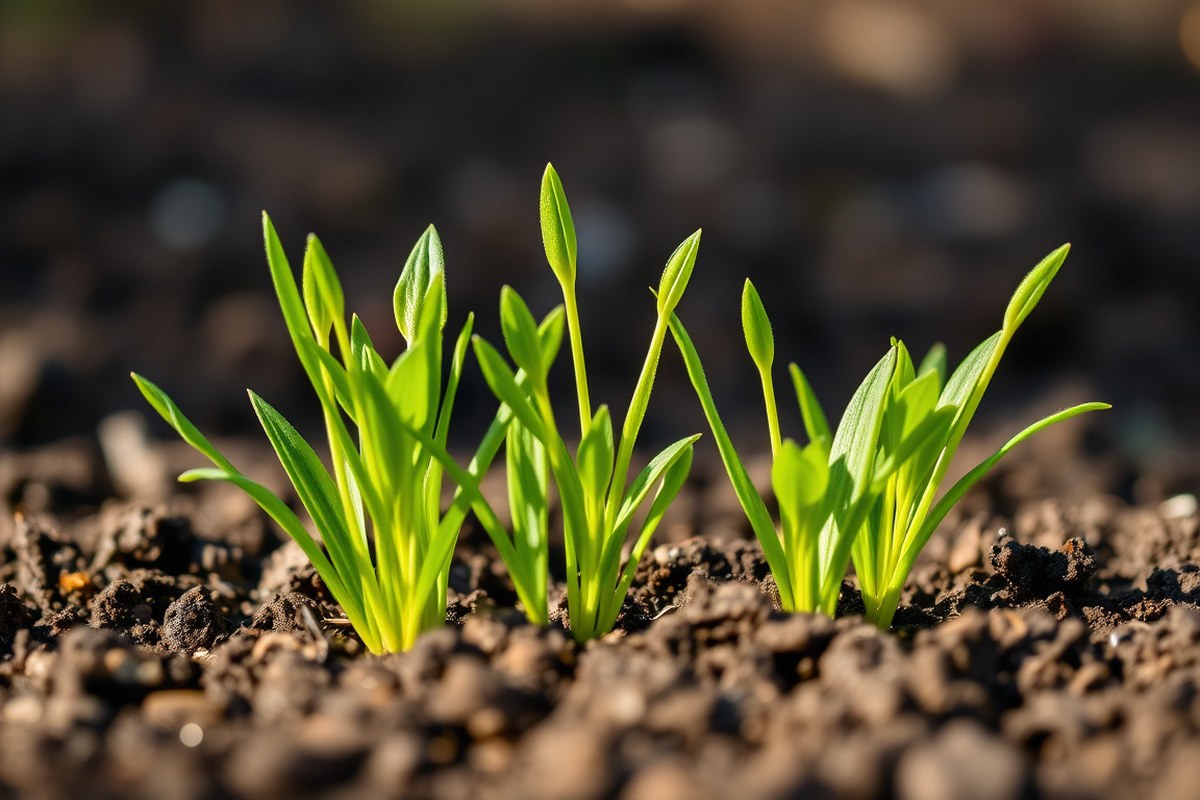
Perennials are plants that usually grow back every year from the same root system. They often die back to the ground in winter but regrow when spring arrives. This regrowth comes from roots or underground parts instead of new seeds.
Not all perennials lose their above-ground parts in winter. Some keep their leaves or stems depending on the species and climate. For example, in warmer zones, certain evergreen perennials stay green all year.
Perennials might fail to return if they face poor conditions like extreme cold or wet soil. Planting the right perennial for your local hardiness zone helps ensure yearly returns. Sometimes, new transplants take a season off to settle before showing growth again in later years.
How Perennial Types and Growth Cycles Differ

Perennials fall into three main types: herbaceous, evergreen, and semi-evergreen. Each type has different seasonal habits and growth cycles. These affect how they look in your garden.
They also impact how they grow over time. Understanding these differences helps you care for them better and know what to expect each year.
Herbaceous Perennials: Seasonal Dieback
Herbaceous perennials die back to their roots every autumn. Their leaves and stems wither, leaving just underground parts like roots or tubers alive. This dieback protects the plant during cold months and stops growth until spring.
These plants regrow from their root system when temperatures rise above about 50°F. New shoots push up through the soil. Buds develop into flowers over several weeks.
You often see a slow start the first year. But then they grow stronger each season.
Evergreen and Semi-Evergreen Perennials
Evergreen perennials keep their leaves year-round, so they stay green through winter. Semi-evergreen types lose some leaves but keep enough to look partially green. These plants tend to have tougher leaf structures that resist frost damage better.
Evergreens usually grow steadily but more slowly in winter. They don’t die back like herbaceous types.
So they give your garden greenery all year. Semi-evergreens may drop more leaves in harsher winters and recover in spring with fresh growth.
Dormancy and Regrowth Timing
Most perennials enter dormancy in late autumn when growth slows and water uptake drops. Herbaceous types clearly disappear above ground, while evergreens slow down without losing all leaves. Dormancy protects them from freezing damage and conserves energy.
Regrowth starts in early spring as soil temperatures rise and daylight lengthens. For hardy perennials in USDA zones 5 to 9, shoots grow in early spring. This usually happens between March and April.
Growth depends on local weather conditions each year. Timely watering and soil care then help new growth get a strong start.
Give herbaceous perennials a light mulch during winter to protect roots. Avoid heavy layers of mulch that hold too much moisture. Too much moisture can harm the plant roots.
What Factors Affect Perennials Returning Each Year?
Perennials usually come back each year when their basic needs match their environment. Climate, soil, sunlight, water, and winter care make a big difference. Meeting these needs helps plants survive cold, dry, or wet spells and grow back strong.
Climate and Hardiness Zones
Your USDA Hardiness Zone affects whether perennials can survive your winters. A plant rated for zones 4 to 9 will grow well there.
It also thrives in warmer zones. Choosing the right plant first saves you from disappointment in spring.
Some perennials are hardy outdoors year-round. Less hardy ones need winter protection or might not return. Knowing your zone helps pick perennials that thrive without extra fuss.
Soil Quality and Drainage
Good soil is important for perennial roots year-round. Test soil drainage by digging a 12-inch hole.
Fill it with water and note how long it takes to drain. Fast drainage helps prevent root rot.
Good soil lets water soak in but not pool. Adding organic matter improves poor soils, making roots stronger and plants better at bouncing back. Poor soil or bad drainage means perennials might struggle or die.
Sunlight and Watering Needs
Perennials need enough sunlight to make food. Full sun means at least six hours of direct light daily.
Part sun means about half that. Matching sun needs to your garden spot helps plants thrive without stress.
Water young perennials often to help roots settle. After the first season, water only when the top few inches of soil feel dry. Too much or too little water weakens plants and can stop them from returning.
Winter Protection Methods
Some perennials, like scabious, do better with winter mulch in colder zones. Cut back plants in fall before adding mulch. Place a few inches of mulch around the base.
This protects roots from freezing temperatures. This extra layer keeps soil temps steadier.
Other methods include covering plants or moving pots indoors if they are less hardy. Cut clumping perennials to about 6 inches tall in summer. Doing this keeps the plant healthy.
It helps them stay strong through winter. These steps help perennial survival through harsh winters.
- Apply 2 to 4 inches of mulch after cutting back in late fall
- Choose mulch materials like straw, shredded leaves, or bark
- Cut back perennial clumps to about 6 inches in mid-summer
- Water well before winter sets in to keep roots healthy
- Cover tender plants with frost blankets or burlap if needed
- Bring potted perennials indoors if zone ratings don’t match
How Long Do Perennials Live and Flower?
Perennials usually live for several years, but their lifespan varies a lot. Some last just three to five years. Others can live 15 years or more.
Coneflowers (echinacea) often come back stronger each year. They may look better after five years.
Most perennials take about three years to fully settle in and grow well in your garden. During that time, they establish roots and build up energy to bloom. You might notice that some start blooming more profusely after their third season.
How long perennials bloom each year depends on the type. Coneflowers can bloom for a long stretch through summer.
Astilbe blooms mostly from late spring to early summer. It thrives in shady spots where few flowers grow.
Some perennials live shorter lives and need to be replaced or divided every few years. Others are long-lived and can last a decade or more if cared for properly.
Dividing perennials every three to four years keeps them healthy. It also stops clumps from getting too big.
Perennials can either improve or decline with age based on their kind and your care. Coneflowers are one of the few that improve, growing fuller and more attractive after several years. However, some short-lived perennials may lose vigor as they age and stop flowering well.
Knowing how long your perennials last and flower helps plan your garden’s look year after year. You want plants that fit your patience and maintenance style.
Some gardeners prefer long-lived, low-maintenance plants. Others enjoy swapping out short-lived types for fresh colors regularly.
When and How to Plant Perennials for Best Return
Plant perennials during cool seasons when soil and weather support good growth. Prepare the soil well and follow spacing and planting depth guidelines. Container plants need extra care to thrive and return well each year.
Ideal Planting Seasons and Months
Plant perennials early in spring or in fall for best results. March to May works in most climates, letting roots settle before hot weather. Fall planting can help perennials develop strong roots before winter.
Avoid planting when the ground is frozen or overly wet to prevent damage. Southern gardeners might start earlier. Northern areas benefit from waiting until frost risk passes.
Soil Testing and Preparation
Good soil gives perennials the nutrients and drainage they need. Test soil pH with a kit or send samples to a local extension office. Most perennials prefer slightly acidic to neutral soil with a pH between 6.0 and 7.0.
Mix organic matter like compost or aged manure into soil. Work it into the top 6 to 8 inches. This helps feed and improve soil quality.
Loosen the soil to improve aeration and water flow. Avoid heavy clay that stays soggy or sandy soil that dries too fast.
Planting Depth and Spacing Tips
Set perennials at depths matching their root crowns or bulbs, not too deep or shallow. For instance, peony eyes go just below the soil surface.
Lily bulbs need about 4 inches deep. Follow the planting depth on your plant label to avoid rot or drying out.
Space plants to match their mature size, usually 12 to 24 inches apart. Leave more space at the back of beds for taller plants. Lilies, which can grow up to 7 feet tall, need room.
This prevents shading smaller plants. Crowded roots waste energy and leave plants vulnerable to disease.
Planting Perennials in Containers
Use pots with drainage holes and well-draining potting mix made for containers. Choose a container that allows 1 to 2 inches of space around the root ball. Container perennials dry faster, so water often during warm months.
Feed container plants monthly with balanced fertilizer to replace limited soil nutrients. Repot every 2 to 3 years to refresh soil and prevent root crowding. Moving pots helps protect roots from extreme temperatures.
- Pick healthy plants or bulbs with no signs of disease or damage.
- Test soil and amend with compost for good fertility and drainage.
- Dig a hole slightly wider than the root ball or bulb.
- Set the plant with the crown or eyes at recommended depth.
- Fill soil around roots gently, pressing lightly to remove air pockets.
- Space plants to allow room for growth and airflow.
- Water thoroughly after planting to settle soil and start roots.
- Add mulch around plants to conserve moisture and reduce weeds.
Plant perennials too deep and they may rot. Too shallow and roots dry out quickly.
Does Cutting Back Perennials Affect Their Return?
Not cutting back herbaceous perennials usually won’t kill them. These plants die back in late autumn and often leave dead stems standing through winter. Leaving that old growth can hide pests or disease and may slow new shoots in spring.
Cutting back dead stems at the base clears space for new shoots. Do this before new growth begins to help plants grow well.
It also lets sunlight reach the crown of the plant. This boosts air circulation, reduces disease risk, and encourages healthier new growth.
Pruning at the right time supports perennial vigor and flowering. The best time to cut back is late autumn or early spring.
Do it after plants die back, or before they start sprouting. Pruning too early can cut off energy reserves or damage new shoots.
- Remove dead stems at ground level in late fall or very early spring
- Clean tools before pruning to reduce disease spread
- Leave sturdy stems if using for winter garden structure or wildlife cover
- For some summer-blooming perennials, cut back after flowering to encourage a second bloom
- Avoid cutting tender new growth in spring
- Mulch after pruning to protect crowns and roots during winter
- Wait one growing season for new perennials to establish before heavy pruning
Pruning improves perennial vigor by removing dead tissue and channeling energy into new shoots. Without pruning, dead stems sap energy and block sunlight. It also can create a moist, congested area that attracts pests.
Pruned plants tend to grow thicker and flower more profusely in their third and later years. Many growers find pruning pays off after the first year, especially for hybrids bred for vigor.
Some woody perennials or evergreens keep dead stems without problems. You only need to cut these back if the stems show signs of disease.
Common Mistakes That Prevent Perennials from Returning
One common error is planting perennials in soil that drains poorly. Clay soil holds too much water, suffocating roots. Mix 2 to 3 inches of compost into the soil’s top 12 inches.
Do this to improve soil quality and plant growth. It helps the soil hold water and nutrients better. This amendment improves drainage and adds nutrients, helping plants survive winter and regrow.
Another problem comes from watering mistakes. Overwatering leads to root rot, especially in heavy soil. On the other hand, some perennials dry out, especially groundcovers under trees.
These plants need more water in hot, dry weather. Water them well to keep roots healthy. Healthy roots help the plant sprout again.
Planting at the wrong time also hurts perennials. Planting too late in the fall leaves roots with no time to settle before cold weather.
Early spring planting usually works better. It gives roots a chance to establish before summer heat or winter cold.
- Amend poorly draining clay soil with 2, 3 inches of compost before planting
- Water moist-soil perennials moderately; check soil moisture often
- Give dry-soil groundcovers extra watering in summer
- Plant perennials in early spring or early fall, not late fall
- Protect roots from winter freeze with mulch, especially in cold zones
- Don’t plant moisture-loving species in permanently saturated spots
- Check for signs of dieback like blackened stems or no new shoots by spring
Winter damage often causes perennials to fail next year. When roots or crowns freeze, the plant may not regrow in spring.
You can spot trouble by checking stems early in the season. Stems that are dry or black show the plant likely died.
Fixing perennials that don’t come back means starting fresh with better conditions. It might take a season or two to rebuild soil health or adjust watering habits.
Mulching before winter can stop damage, keeping plants safe longer. Mulch about 2 to 3 inches thick, avoiding too much around stems to prevent rot.
Choosing the Best Perennials for Your Garden Conditions
Picking perennials that fit your garden’s sun, soil, and climate helps them come back strong. Beginners often choose plants that don’t need much fuss, like blue star. It thrives in zones 4 to 9 and can grow in full sun or partial shade.
Some perennials love full sun all day, such as coneflowers and black-eyed Susans. Others prefer shade or part sun, like hostas and astilbes. Knowing your garden’s sunlight helps match plants to the spots where they grow best.
| Plant | Sun Exposure | Zones | Maintenance | Notes |
|---|---|---|---|---|
| Blue Star | Full sun, partial shade | 4, 9 | Low | Easy beginner plant, attracts pollinators |
| Hosta | Shade to part shade | 3, 9 | Low | Good for shady, moist spots |
| Coneflower (Echinacea) | Full sun | 3, 9 | Low | Drought tolerant, attracts bees and butterflies |
| Black-eyed Susan | Full sun | 3, 9 | Low | Hardy and easy to grow |
| Astilbe | Shade to part shade | 4, 8 | Medium | Likes moist, well-drained soil |
Match perennials to your goals by choosing bloom times and heights that fit your garden style. Mix annuals, perennials, and biennials. This keeps flowers coming from early spring to fall.
To keep your garden lively, include plants blooming in cooler months too. Choose species suited to your zone for reliable yearly returns. Your local garden center can suggest plants that thrive nearby.
Ask local experts about plants proven to grow well in your area.
Step-by-Step Action Plan for Growing Perennials Year After Year
Follow these clear steps to help your perennials come back healthy each spring. Check each step carefully to make sure your plants thrive.
- Before planting: Choose perennials suited to your zone and soil. Healthy plants stand a much better chance of returning.
- During planting (spring or fall): Plant perennials deeply but gently. Firm soil around roots to avoid air gaps that cause drying.
- First 2 weeks: Water your new perennials every day. Proper moisture encourages strong root growth and reduces transplant shock.
- After first month: Mulch around plants with 2-3 inches of organic material. Mulch keeps soil moist and controls weeds that compete for nutrients.
- Monthly during growing season: Deadhead spent flowers and remove dead growth. This prevents disease and sends energy back to roots.
- Late fall: Cut perennials back according to their type, some need cutting back, others don’t. Follow specific guidelines to protect crowns over winter.
- Every spring: Check soil and add fertilizer designed for perennials if needed. A light feeding supports new growth and blooming.
- Yearly: Split crowded perennials every 3 to 4 years. Dividing rejuvenates plants and encourages better blooming.
Frequently Asked Questions
What Is the Best Month to Plant Perennials?
The best month to plant perennials is early spring or fall. This timing helps roots establish before extreme temperatures arrive. Planting then improves the chance they come back strong next year.
How Do You Tell If a Plant Is Annual or Perennial?
You can tell a plant is perennial if it grows back yearly. This happens from the same roots underground. Identification guides or nursery labels also help confirm if a plant is perennial.
How Many Years Will Perennials Come Back?
Perennials typically come back for several years, often 3 to 10 years or more. Their lifespan depends on the species and growing conditions in your garden.
What Happens If You Don’t Cut Down Perennials?
Not cutting down perennials can make them look messy. This may also stop strong growth next year. Cutting back encourages healthy new shoots and better flowering in spring.
Can Perennials Survive Freezing Winters?
Many hardy perennials can survive freezing winters by dying back to roots. They regrow from these roots once spring returns, coming back each year.
Do Perennials Need Special Soil to Come Back Every Year?
Perennials do best in well-drained soil with some organic matter. Good soil supports root growth and helps perennials return year after year.
Final Thoughts
Perennials usually grow back each year when you meet their needs properly. Watering on time and cutting back correctly help make this happen. Start by preparing your soil and picking plants that suit your garden conditions.