Do Perennials Come Back Every Year? A Complete Guide for Gardeners
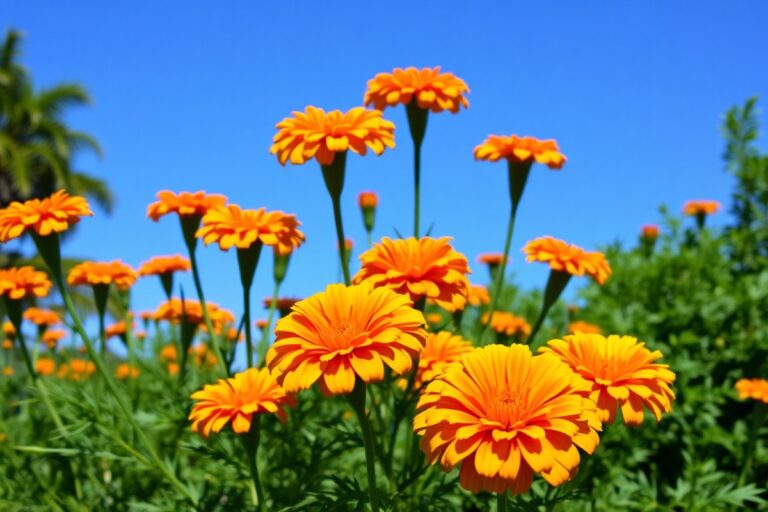
Do perennials come back every year? Most of the time, yes. Perennials die back in winter.
They return from the same roots each spring. This makes your garden easier to manage. They usually grow bright green foliage and can reach up to 3 feet tall.
Some perennials only live a few years. A few, like foxglove, act more like biennials. Keep this in mind.
Knowing your zone and climate helps you pick plants that will come back reliably. Starting with healthy plants and good soil also boosts their chances.
Watch for signs like crowded roots. Lack of flowering is another sign. These mean your perennials need dividing.
Some perennials also need extra care, like lifting tender varieties before frost hits. This simple step protects them for next year.
Key Takeaways
- Perennials usually return each year from the same root system.
- Some perennials live just 2 to 5 years and need replacement.
- Know your hardiness zone to choose long-lasting perennials.
- Crowded roots can stop blooming, divide perennials every 3 to 5 years.
- Lift tender perennials before freezing temperatures to protect them.
- Healthy soil and proper planting increase perennial survival rates.
Do Perennials Always Come Back Every Year?

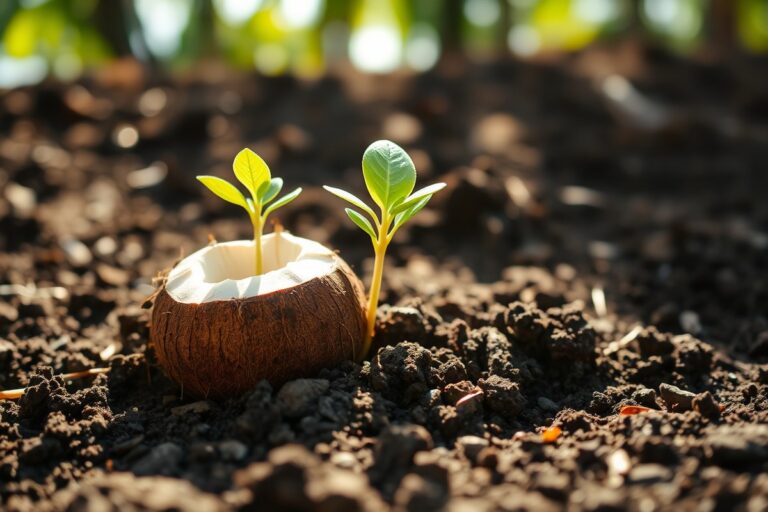
Perennials usually come back every year by dying back in winter and regrowing from their roots. Their roots and crowns survive underground while the top parts fade away. This cycle helps them handle cold and come back strong when spring arrives.
Not all perennials return without fail. They need the right conditions, like soil, light, and temperatures that match their hardiness zone.
A perennial might not come back if planted in the wrong spot. It struggles in areas with harsh winters or too much shade.
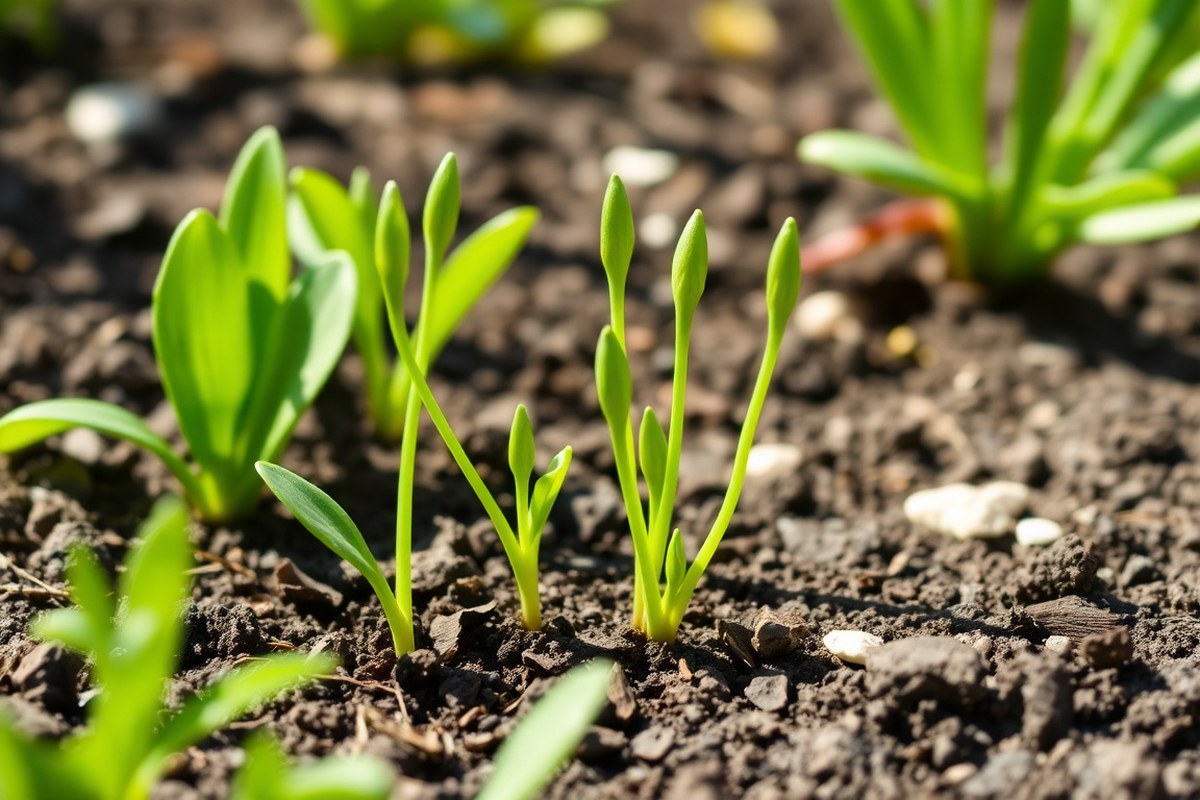
The basic process involves going dormant in cold months to conserve energy. When temperatures rise, roots send up new shoots. Perennials go through a natural dormancy and regrowth cycle.
This cycle helps them need little care. They can be very dependable with proper attention.
How Climate and Hardiness Zones Affect Perennial Survival
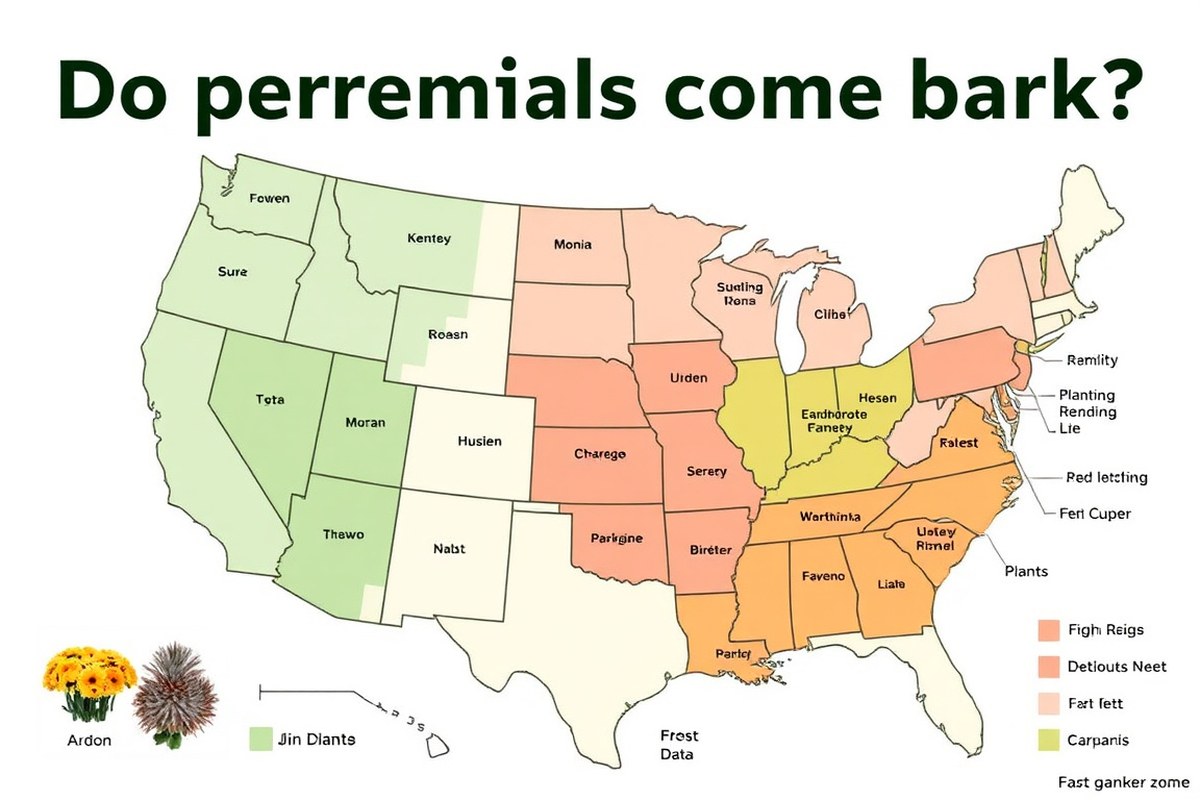
Hardiness zones are geographic areas defined by minimum winter temperatures. They help you know which perennials can survive where you live. The USDA zones go from 1, which is cold.
Zone 13 is the warmest. These zones help you pick plants for your climate.
Perennials grow best when they fit the recommended hardiness zone. A plant marked for zones 4 to 9 will survive winters there. Always check plant tags to match your zone.
Planting a perennial outside its zone often means it will struggle or fail to return. Cold-hardy perennials planted in warmer zones may suffer from too much heat or humidity. Tender perennials live only in warm zones.
In colder zones, they act like annuals. That means they won’t come back next spring.
Besides zones, sun exposure and well-drained soil improve return rates. Full sun and neutral soil help most perennials come back stronger. Living in zones 6a to 10b helps certain flowers return yearly.
You just need to give the right growing conditions. This can keep them coming back without replanting.
Sometimes a perennial doesn’t come back because it wasn’t suited for your zone. Sometimes, the original plant dies but reseeds itself. The new plants then show up as fresh growth.
This happens without you planting new seeds. Knowing your zone helps you avoid those surprises.
Plant perennials in your zone or one nearby. This helps avoid winter freeze or drought damage. Staying close to your zone keeps plants healthier.
Some gardeners in colder zones grow tender perennials as seasonal beauties, enjoying them for one year. Moving them indoors or treating them as annuals is the only option outside their zone. Planting in spring or early fall reduces plant stress.
These seasons help perennials come back stronger. Timing your planting can improve their survival chances.
Common Perennials That Come Back Year After Year
Many perennials reliably come back year after year, making them great choices for home gardens. Some live for many years, while others last just a few. Knowing which types fit your space and climate helps you plan better.
Long-Lived Perennials with Multi-Year Lifespan
Plants like lavender and peonies often live 10 to 15 years, providing steady garden color. Lavender also adds fragrance and can be used in soaps or tea. Peonies return with fragrant blooms in various colors year after year.
Bearded iris is another popular long-lived perennial. It blooms in vibrant shades and tends to thrive with minimal fuss. These perennials grow best in USDA zones 3 to 10.
Bloom size and color can change with sun exposure. Sunlight affects how well these flowers bloom.
Shorter-Lived or Biennial-Like Perennials
Columbines and phlox usually last several years but not as long as lavender or iris. They often bloom heavily for a few seasons then fade.
But they regrow from rootstock. Daylilies are tough plants growing in most soils and offer long-lasting blooms.
Spike speedwell produces blue or purple flower spikes, adding a vertical accent for a few seasons. Bee balm is deer resistant and attracts pollinators. But it may need dividing every few years to avoid overcrowding.
Tender Perennials Needing Extra Care
Some perennials like shampoo ginger do not survive harsh winter cold without protection. These plants thrive in zones 8 to 11, with mild winters. You may need to bring them indoors or cover them in frost-prone areas.
Astilbe grows in partial to full shade and tolerates cooler soil better than many tender plants. Its feathery flowers add texture. But it will die back in cold winters and return in later seasons with proper care.
Perennials for Shade vs. Full Sun
Hostas provide striking foliage in shade, offering a different garden look than flowering perennials. They return each year but don’t bloom heavily. Pinks bloom bright flowers all summer but prefer sunny spots.
Plants like Shasta daisy and lavender prefer full sun and often have longer bloom times. Bloom calendars vary. So combining shade and sun perennials can lengthen your garden’s flowering season.
Below is a table showing some popular perennial types with key care features.
| Plant | Feature | USDA Zones | Sun Needs | Bloom Time |
|---|---|---|---|---|
| Shasta Daisy | Extra-long bloom time | 3-10 | Full sun | Late spring to summer |
| Lavender | Fragrant flowers, multi-year lifespan | 5-9 | Full sun | Early summer |
| Hosta | Striking foliage in shade | 3-9 | Partial shade | Summer |
| Pinks | Bright flowers all summer | 3-8 | Full sun to part shade | Summer |
| Spike Speedwell | Blue or purple flower spikes | 3-8 | Full sun | Summer |
| Daylily | Tough, adaptable | 3-9 | Full sun to part shade | Summer |
| Bee Balm | Deer resistant, attracts pollinators | 4-9 | Full sun to part shade | Summer |
Choosing perennials that suit your site’s sun exposure prolongs their life and bloom time. These plants adapt well to average garden soils and return each season with basic care. Mixing sun and shade lovers means you get flowers and foliage all year.
How to Care for Perennials to Ensure They Come Back Strong
Start by preparing your soil well before planting. Remove perennial weeds completely so they don’t compete for nutrients.
Loosen compacted soil and improve drainage if water tends to pool around plant bases. Good soil helps perennials develop strong roots for a better comeback.
Plant in early fall or spring for the easiest root growth and less stress. These seasons have milder temperatures and work well with soil moisture. Avoid midsummer planting unless you can water daily to keep soil moist.
Water your perennials deeply at the base about once a week during dry spells. Avoid watering foliage to prevent disease. Use organic mulch like shredded bark to keep soil moist and regulate temperature.
- Remove weeds and loosen soil before planting
- Plant in early fall or spring, avoiding midsummer heat
- Water deeply once a week at the base only
- Apply 2, 3 inches of organic mulch around plants
- Fertilize with balanced plant food in early spring
- Divide crowded perennials every 3 to 4 years in spring or fall
Fertilize with a balanced plant food in early spring once growth appears. Avoid heavy fertilizing on drought-tolerant types, as it can harm roots.
Dividing crowded perennials helps them thrive and come back full and strong. Do this every 3 to 4 years in spring or fall.
Watch for signs like weak shoots or poor bloom to adjust care. Overwatering can rot roots, while underwatering slows growth. Proper soil prep, watering, mulching, fertilizing, and dividing improve survival rates and encourage healthy perennial returns.
Why Some Perennials Don’t Come Back: Diagnosing Problems
Sometimes perennials don’t come back because they look dead but are only dormant. You can check by gently scraping the stem or roots with your fingernail. Seeing green beneath the surface means the plant is alive.
It is resting and will grow again soon. True death shows as dry, brittle, and brown tissue with no green under the surface.
Poor drainage often kills perennials, more than underwatering does. Wet soil cuts off oxygen to roots. This causes rot.
The plant may struggle to recover in spring. Dig a small hole near your plant’s base. Check if the soil feels soggy or smells bad.
Watch if it stays wet for days. To improve drainage, add organic matter to the soil. You can also move the plant to a higher area.
Winter damage can stop perennials from coming back, even if they usually survive your zone. An unusually cold or icy winter can kill roots or crowns hidden under mulch. Some plants lose their aboveground parts yearly but regrow from underground parts if they stay healthy.
Watch early spring closely and avoid cutting back old stems too soon. So you don’t remove new shoots before they emerge.
Pests and diseases also stop perennials from returning. Insects can chew roots or crowns, while fungal infections cause rot or wilting. Check your plants for holes, slimy spots, or odd growths before winter.
Some diseases spread through standing water. So avoid overwatering and make sure water drains away quickly.
Don’t cut back hosta or similar perennials until new shoots appear in spring. Cutting dead leaves too early might remove the growing buds.
Stress from too little water is another common cause. Shade-loving perennials need moist soil regularly, especially when shaded beds dry out more than you expect. Check soil moisture by sticking your finger an inch deep near the plant.
When soil is dry, water deeply. Deep watering helps roots survive winter and grow strong next year.
Comparing the plant’s current condition with past years can help you spot problems. No new growth on a once-healthy perennial? Look for signs of pests or environmental problems.
Plants failing to return in patches often indicate drainage issues or localized root disease. If just a few spots lack growth, dig up the plant. Check roots and soil to find any problems.
Fixing these issues usually costs little, just time and care. But waiting too long might mean losing the plant for good.
Understanding Perennial Growth Stages over the First Three Years
Perennials come back each year by growing stronger roots. They also grow leaves and bloom again. This cycle repeats every season.
They spend the first few years settling in. So they might look weak or sparse initially. Understanding each year’s growth helps you care for them better and expect their natural pace.
Year One: Establishing Roots and Minimal Growth
In the first year, perennials focus on growing roots rather than aboveground parts. This root development helps them store energy for future growth and survive winter. Plants may look small or sparse because they spend most of their energy underground.
Planting in late summer or early fall gives roots time to establish before freezing temps. Water well, especially if your area has dry spells, to help young roots grow deep. Avoid expecting blooms this year; most varieties concentrate on survival instead.
Year Two: Increased Foliage and First Flowers
By the second year, perennials grow more leaves and may start blooming lightly. Their foliage thickens, making plants look fuller and healthier.
Some types, like echinacea or rudbeckia, might bloom well already. But many others show just a few early flowers.
Cutting flower stems after the first bloom helps growth. The plant makes new leaves to stay healthy. It might bloom a second time.
Keep watering regularly and add light fertilizer to encourage leafy growth. You want plants growing taller and spreading wider, typically between 1 and 3 feet.
Year Three: Strong Growth and Full Blooming
The third year often brings a lively display of flowers and strong, sturdy plants. Roots are fully developed, supporting big leafy mounds and abundant blooms. Peonies, for example, may not flower fully until this year, showing their true potential.
Keep cutting old blooms and watering in dry spells. These actions keep your perennials healthy and strong. Good care makes plants last longer.
Plants will grow to their normal height now. They fill garden beds with colors and textures.
Expect fuller beds during this time. This strong stage shows why patience matters with perennials.
Protecting Tender Perennials Through Winter and Frost
Tender perennials need special care to survive winter frost. You can dig them up before freezing weather and store them indoors. This protects plants like cannas and dahlias from cold damage.
Identifying Tender Perennials
Tender perennials are plants that cannot handle freezing temperatures. Examples include cannas, dahlias, calla lilies, and elephant ears. These plants die or get damaged if left in the ground during frost.
They often come from warmer climates and do well in zones warmer than 7. You should bring these plants indoors during winter in colder areas. Container-grown tender perennials also need more protection since their roots face the cold.
Best Timing for Digging Up Plants
Lift tender perennials as soon as frost threatens your area. The moment temperatures reach near or below 32°F, it’s time to dig. Waiting too long can cause root damage and reduce your chance to save the plant.
Choose a dry day to dig up the plants carefully to avoid root injury. Dig around the clump with a garden fork or spade.
Lift as much root as you can. Do this before the ground freezes hard, usually in late fall.
For container plants, bring the entire pot indoors before the first frost hits. Move containers to a sheltered spot if you cannot bring them inside right away.
Storage Conditions and Aftercare
Store lifted roots in a cool, dark place with temperatures between 40 and 50°F. A heated garage or basement often works well. Keep the plants slightly moist but not wet to prevent rotting.
You can pack the roots in boxes with dry peat moss, sawdust, or shredded newspaper. This protects roots and controls humidity. Check the stored plants every few weeks for mold or drying and remove any rotting parts.
In spring, inspect the roots and cut off dead or mushy parts. Then, replant after the threat of frost passes. Tender perennials that are properly stored often come back healthy and strong the next growing season.
Follow these steps to protect tender perennials through cold months:
- Identify which perennials in your garden are tender and frost-sensitive.
- Monitor local weather to catch the first freezing temperatures approaching.
- Pick a dry day before frost to dig up the plants. Handle the roots with care.
- Trim dead foliage but leave healthy stems and roots intact.
- Pack roots in boxes using dry peat moss or shredded newspaper for moisture control.
- Place boxes in a cool spot maintaining 40, 50°F with good darkness.
- Check plants every few weeks and remove any rotten parts promptly.
- In spring, inspect and prune roots, then replant after frost risk ends.
Can Perennials Thrive in Containers and Come Back Each Year?
Perennials can come back from containers, but they face extra challenges. The soil in pots freezes faster than in the ground. That can harm roots even if the plant survives in garden beds.
To help perennials survive winter in containers, start with a frost-resistant pot. Thick ceramic or plastic ones insulate better. Place containers where winds won’t chill them harshly, like near walls.
Use high-quality potting soil that drains well. Good drainage avoids root rot during wet months. Water your containers less in fall to slow root growth and reduce freeze damage.
Before frost hits, mulch the soil surface with straw or shredded bark. Wrap pots with bubble wrap or burlap for an extra layer of protection.
You can sink containers into the ground for winter. Add soil around the sides for insulation.
Some perennials need more care in containers. Dividing them every few years prevents overcrowding roots.
Cut back foliage in late fall to reduce winter stress. Check moisture levels regularly because containers dry out faster than garden soil.
Short-lived perennials in containers sometimes don’t return after two to five years. Others, like creeping thyme or daylilies, often regrow well.
These hardy types thrive in USDA zones 5-9. So match plant choices to your climate.
Make sure container soil never stays soggy; that invites root rot and kills perennials.
Step-by-Step Action Plan for Caring for Perennials
Follow these steps to help your perennials return strong each year. Track their progress so you know your care is working.
- Before planting: Choose perennials that suit your hardiness zone. Check seed packets or plant tags to confirm.
- Planting time: Plant perennials in well-drained soil and full or partial sun. Watch for healthy new shoots in spring.
- Spring: Remove dead growth and add mulch to protect roots. Healthy leaf growth means they’re thriving.
- Summer: Water deeply once a week if rain is low. Leaves should stay green and firm.
- Fall: Cut back perennials about 2-3 weeks after the first frost. Leaf or stem decay signals delayed cleanup.
- Early winter: Apply a fresh mulch layer to insulate roots. Check mulch doesn’t smother stems.
- Late winter: Remove winter mulch and watch for swelling buds. Firm buds show readiness for growth.
- Throughout the year: Check regularly for pests or diseases. Quick action stops problems from spreading.
Frequently Asked Questions
How Do I Know If a Perennial Will Come Back in My Garden?
Check the USDA hardiness zone on the plant tag. It shows if your climate suits that perennial’s survival through winter. This is the first step to ensure your perennial regrows each year.
Can Perennials Come Back After Being Cut Back Hard in Fall?
Yes, many perennials regrow well if cut back in fall. This helps remove dead parts and makes way for healthy spring growth. Be sure you know the cutting instructions for each type to avoid damage.
Are There Perennials That Come Back Even in Poor Soil Conditions?
Some perennials tolerate tough soils, but most need decent soil to return yearly. Improving soil with compost helps perennials survive and thrive. Choosing hardy varieties adapted to your site makes a big difference.
How Does Watering Affect Perennials Coming Back Each Year?
Proper watering supports healthy root systems that lead to regrowth. Overwatering or underwatering stress perennials and can stop them returning. Adjust watering to weather and soil; consistent moisture works best.
Can Diseases Stop Perennials from Coming Back After Winter?
Yes, diseases like root rot or fungal infections can kill roots over winter. Monitor plants for signs and remove any infected parts promptly. Healthy soil and good drainage reduce disease risks.
Do Perennials Come Back Better If Divided Every Few Years?
Dividing perennials refreshes plants and promotes stronger growth. It prevents overcrowding and helps plants come back more vigorously each year. Divide in early spring or fall for best results.
The Bottom Line
Perennials usually come back if you pick the right types and care for them well. Start by checking your zone and planting hardy varieties. Watch your plants closely in spring to catch problems early and keep them growing strong.