How to Grow Tulip Bulbs in Water: A Complete Guide for Healthy Blooms
How to grow tulip bulbs in water is simpler than you might think. Start by chilling healthy bulbs for 12 to 16 weeks in a cool, dark place.
Then place them in a container where only the roots touch the water. This method mimics winter’s chill and lets you enjoy blooms indoors.
Choose bulbs at least 1½ inches wide to ensure strong growth. Soak the bulbs in warm water for 2 hours before chilling to kick-start root development. Keep the vase filled just enough to reach the roots, avoiding waterlogged bulbs that cause rot.
The chilling period at 40 or 45 °F is very important. It tricks bulbs into blooming at just the right time. This process ensures healthy flowers indoors.
After 3 to 5 weeks in water, you’ll see roots and shoots appear, signaling healthy progress. Patience during this step means bigger, better tulip flowers later.
Key Takeaways
- Soak tulip bulbs in warm water for 2 hours before chilling.
- Chill bulbs for 12 to 16 weeks in a 40, 45 °F, dark place.
- Use bulbs at least 1½ inches in diameter for taller stems.
- Place bulbs on gravel or glass beads with roots in water only.
- Keep water levels low to prevent bulb rot; never submerge the bulb.
- Provide bright, indirect light after rooting starts to encourage bloom.
How to Grow Tulip Bulbs in Water Step-by-Step

Growing tulip bulbs in water lets you see roots, shoots, and blooms inside your home. You pick strong bulbs and chill them to start growth.
Then place them in water, touching only the base. The process takes about 8 to 10 weeks from chilling to blooming indoors.
Selecting Healthy Tulip Bulbs
Pick large, firm bulbs without blemishes or soft spots. Bigger bulbs have more stored energy, so they grow stronger roots and blooms. Choose tulip varieties suitable for indoor forcing and growing in water for best results.
Look for bulbs that feel heavy for their size. Avoid any shriveled or moldy ones, as they won’t grow well in water. Fresh bulbs bought from garden centers in fall work best.
Preparing and Setting Up the Container
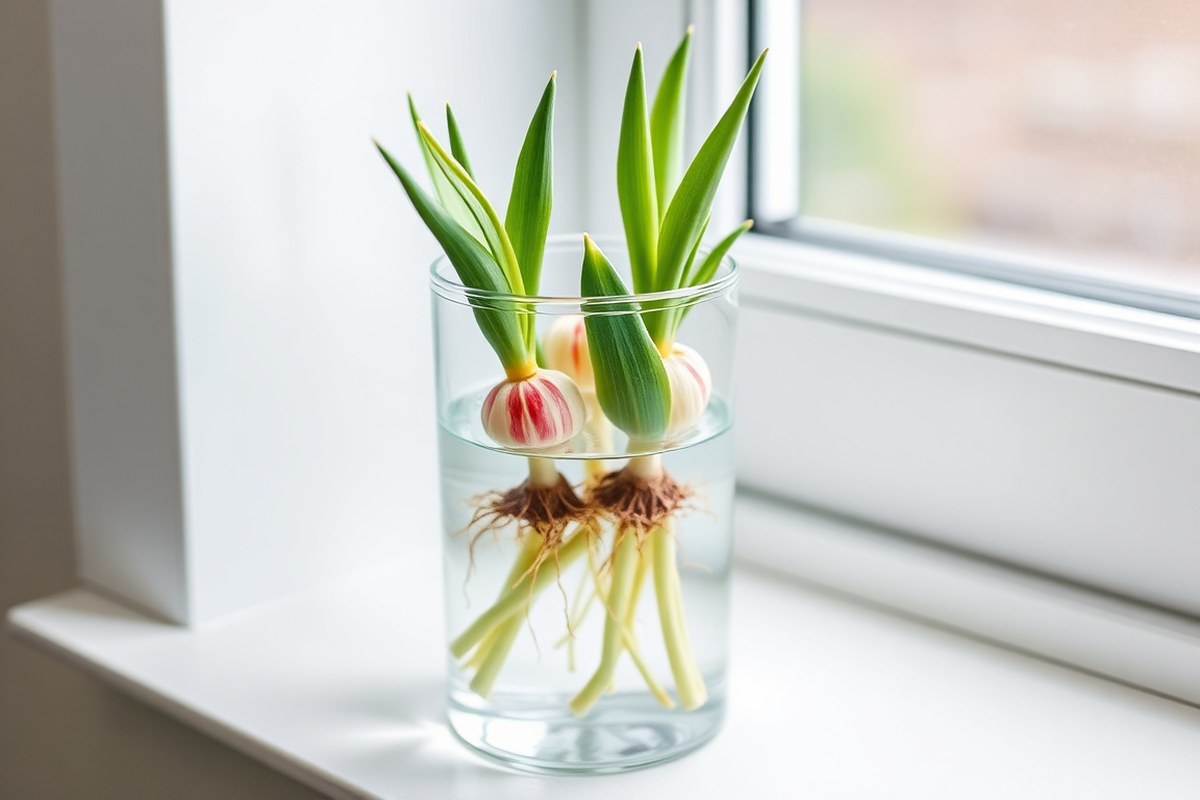
Use a clear vase or a container with a narrow neck to hold each bulb. The neck supports the bulb and keeps it from sitting fully submerged. Water should touch just the bulb base to encourage root growth and avoid rot.
Fill the container with clean water. Add small pebbles or glass beads. They keep the bulbs stable.
Change water regularly to stop mold and bacteria growth. Make sure roots have room to grow in the water below.
Chilling Bulbs for Optimal Root Growth
Chill bulbs between 35 and 48°F (1 to 9°C) for 12 to 16 weeks. This cold period simulates winter, telling the bulb to start growing roots and shoots. Use a refrigerator or a cold garage to keep the temperature steady.
Place bulbs on a tray or inside a paper bag when chilling. This protects them and keeps moisture balanced. Check to see roots start forming during the last few weeks in the cold.
Starting Root and Shoot Development
After chilling, soak bulbs in warm water for 2 hours. Then put them in the container.
This jump-starts hydration and root growth. Set bulbs so their base lightly touches the water without being fully submerged.
Keep the bulbs in a dark, cool place for 3 to 5 weeks. You’ll see white roots and green shoots begin to grow during this time. Avoid light to encourage strong root growth before leaves appear.
Transitioning Bulbs to Light for Blooming
Move the container into bright, indirect light after roots and shoots are clearly visible. Normal indoor temperatures, around 60 to 70°F, support blooming. The shoot grows upward and your tulip will flower in 2 to 3 weeks.
Change the water weekly to keep it fresh. Keep the bulb base just above water to avoid rot. Support tall stems if needed to stop them from falling over as flowers open.
- Choose large, firm tulip bulbs without blemishes for the best energy.
- Select a narrow-neck vase and add pebbles to stabilize the bulb.
- Chill bulbs at 35-48°F for 12-16 weeks to mimic winter cold.
- Soak chilled bulbs in warm water for 2 hours before planting.
- Place bulbs to just touch water, keeping most above to prevent rot.
- Store bulbs in a dark, cool spot for 3-5 weeks to grow roots and shoots.
- Move bulbs to bright, indirect light and normal indoor temperature to bloom.
- Change water weekly and watch tulips flower in 2-3 weeks indoors.
Choosing the Best Tulip Varieties for Growing in Water
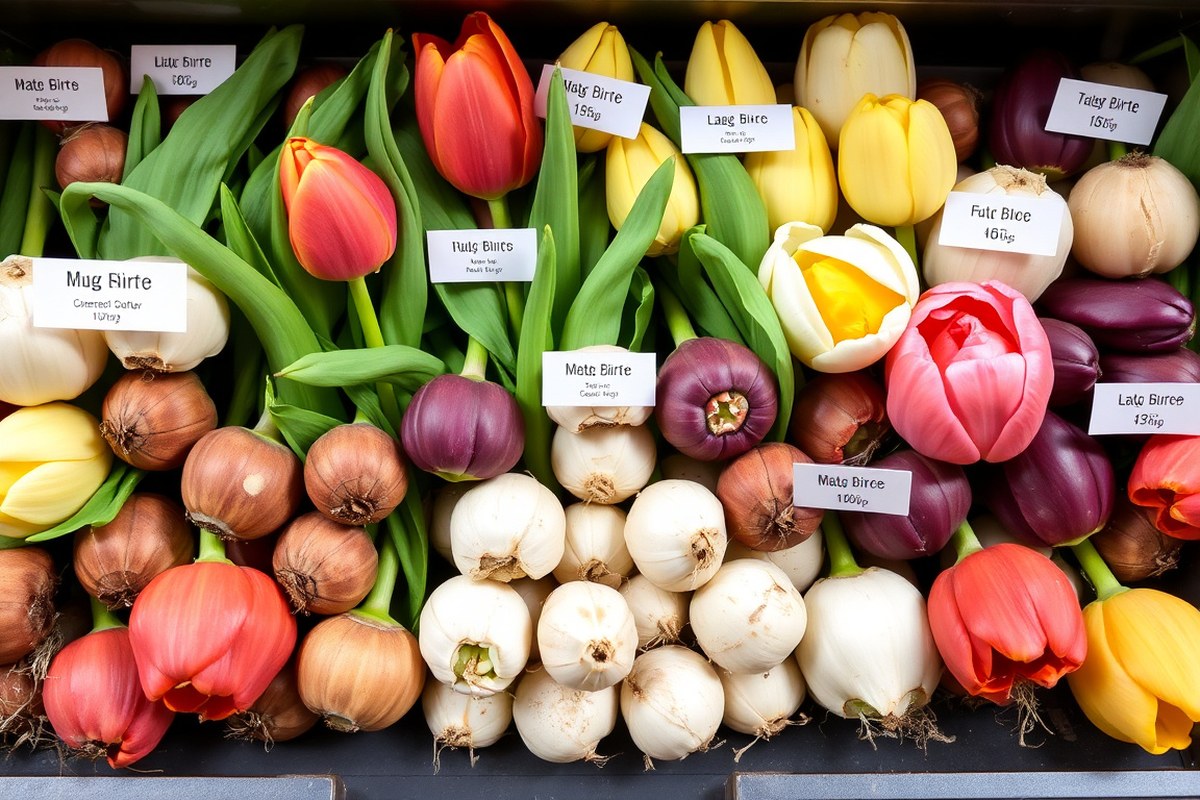
Not all tulip types work well in water. But early single and some midseason varieties do best.
Small to medium bulbs with firm texture produce stronger stems and faster blooms. Avoid large parrot types that tend to rot or split in water.
Top Early Tulip Varieties for Water Growth
Single Early tulips like ‘Red Impression’ are excellent for water forcing. Their bulbs stay firm and develop quick, strong stems. Triumph types also do well for beginners because they have similar growth habits and reliable blooms.
These varieties grow fast once they get cold and wet. They bloom bright flowers in about 10 to 12 weeks.
They don’t need fertilizer since healthy bulbs already contain enough nutrients to grow indoors. You can expect stems several inches long and sturdy enough for indoor arrangements.
Midseason and Late Tulips: Pros and Cons
Midseason tulips such as ‘Queen of the Night’ can grow in water. But they need longer chilling to perform well.
Their stems often grow softer, so watch for limpness during the bloom period. They’re slower to flower than early varieties, requiring patience and close monitoring.
Late tulips, especially parrot types like ‘Black Parrot,’ usually fail in water setups. Their large, delicate bulbs and petals split easily and often develop rot. The weak stems won’t support the heavy flowers, making them poor choices for indoor water forcing.
Bulb Size and Firmness Guidelines
The best bulbs are medium size and feel firm. They weigh heavy and measure 12 to 14 centimeters around.
Firm bulbs usually indicate health and are less prone to disease. These bulbs produce stronger shoots and resist rot better than softer or shriveled ones.
Bulbs that are too large can struggle in water because the tissue gets soggy or splits. Smaller bulbs may produce weaker stems and fewer flowers. Always buy high-quality bulbs labeled for forcing and inspect for firmness before starting.
| Variety Example | Water-Forcing Suitability |
|---|---|
| Early Single (e.g., ‘Red Impression’) | Best overall; firm bulbs, quick bloom, strong stems |
| Early Double (e.g., ‘Monte Carlo’) | Good with frequent water changes; petals retain moisture |
| Mid-season (e.g., ‘Queen of the Night’) | Viable with longer chilling; stems softer, monitor closely |
| Late Parrot (e.g., ‘Black Parrot’) | Poor; prone to splitting, rot, and weak stems |
This table helps you pick tulip types that fit your water-growing setup. Early singles like ‘Red Impression’ are the safest bet for most growers.
Doubles need more attention to water changes. Avoid late parrot varieties due to their fragility.
Varieties Prone to Rot or Weak Stems
The delicate tissue of large parrot tulips breaks down quickly in water. Those flowers often droop or fall apart before fully opening.
Rot and fungal issues can spread fast in standing water. So avoid these types indoors.
Weak stems also affect some mid- and late-season sorts. Their stems bend and snap easily, making them unsuitable for cut-flower style displays. Stick to strong, early types with firm bulbs for the best chance of success.
Choose bulbs marked for forcing and check for firmness to avoid rot and weak stems indoors.
Proper Chilling Techniques for Tulip Bulbs
Tulip bulbs need a cold period to start growing roots and shoots indoors. The chilling tricks the bulbs into thinking winter is ending.
You chill bulbs at 40 to 45°F for 12 to 15 weeks. This keeps them cold enough before you put them in water.
Ideal Temperature Range and Duration
Keep your bulbs cool between 40 and 45 degrees Fahrenheit. This mimics natural winter temps that tulips need to break dormancy. Chill them for 12 to 15 weeks to trigger root and shoot growth.
Temperatures above 50°F may prevent proper chilling. Below 35°F risks freezing and damaging the bulb. Keep the fridge steady and avoid temperature swings.
- Maintain 40-45°F temperature
- Chill for 12 to 15 weeks
- Avoid freezing temps below 35°F
- Prevent warming above 50°F
- Ensure steady temperature without big swings
Best Locations and Containers for Chilling
Use a paper bag to hold the bulbs inside your fridge. This keeps them dry and prevents rot during chilling. The crisper drawer or a shelf works well if temps stay stable.
An unheated garage or basement can work if temps are in the right range. Basements are cooler but often humid; watch for mold or sprouting. Cold frames outdoors mimic nature but may not suit indoor gardeners.
Handling Pre-Chilled vs Fresh Bulbs
Pre-chilled bulbs shorten your chilling to about 10 to 13 weeks. They come ready to grow.
But they still need 40 to 45°F to finish growing. Avoid planting them too warm, or they might skip rooting.
Fresh bulbs need the full 12 to 15 weeks of chilling before water growth. Using fresh bulbs means you should start early before you want blooms. Check for firm, healthy bulbs without damage for best results.
Preventing Common Chilling Mistakes
Don’t store your bulbs near ripening fruits like apples or bananas. They release ethylene gas, which can kill the tulip’s flower bud inside. Always keep bulbs separated to avoid this damage.
Watch bulbs carefully during chilling for early sprouts. When bulbs sprout, move them to a cooler place.
Add one more week to chill time. Too much warmth or light can cause premature sprouting and poor blooms.
Selecting and Preparing Containers for Water Growth
Glass vases work best for growing tulip bulbs in water. They let you watch the roots and water level easily. A forcing vase has a narrow neck.
It holds one bulb steady. The bulb won’t touch the water directly.
You want to grow multiple bulbs. Choose a glass bowl filled with smooth pebbles.
The pebbles support bulbs above the water line. Avoid submerging the base of bulbs to prevent rot and fungus.
Use clean, filtered water to avoid minerals or chemicals that tap water may contain. Fill the vase with water until it comes about 1/4 inch below the bulb’s base. This keeps the bulb dry while roots can reach water to grow.
- Use a glass forcing vase or bowl with pebbles for support
- Ensure bulb bases stay dry, just roots touch the water
- Fill water about 1/4 inch (0.6 cm) below the bulb base
- Filter tap water to remove chlorine and minerals
- Check water level every few days, top off if low
- Choose bulbs with firm skin and 10, 12 cm circumference
Keep the vase in a stable spot where you can check water often. Too much water touching bulbs invites mold. The stems get support from tall vases, which also let leaves lean naturally.
Some gardeners add a tiny amount of vodka. Use about 1 part alcohol to 7 parts water. This helps keep stems sturdy.
This step isn’t necessary but can help if stems look too long or floppy. Bulb-supporting vases cost between $5 and $20.
This is a small investment. It makes growing indoor tulips easy.
Ideal Light, Temperature, and Water Care for Growing Tulips
Tulip bulbs need bright, consistent light after chilling to grow strong stems. Place them near a sunny window but out of direct afternoon sun. This helps the flowers develop vivid colors without wilting.
Keep indoor temperatures around 60 to 65°F for root and flower growth. Cooler than room temperature but not near freezing works best. Higher heat can shorten bloom life and weaken stems.
Change the water every 5 to 7 days to prevent bacteria and keep roots healthy. Use fresh tap water at room temperature each time you refresh it. Cleaning the container with warm, soapy water before refilling also stops algae buildup.
- Use bright indirect sunlight for 8 to 12 hours daily
- Maintain 60 to 65°F temperature to encourage steady growth
- Change water weekly and clean the container thoroughly
- Use plain tap water, no fertilisers or additives needed
- Avoid placing bulbs near heat vents or drafts
- Support stems gently if they start to lean
Some gardeners add a pinch of sugar or a few drops of bleach to water. Sugar can feed roots but may also promote bacteria growth.
Bleach fights bacteria but risks harming the bulb if used too much. Sticking to fresh tap water is safest.
Strong stems and long-lasting blooms depend on light, cool warmth, and fresh water. This care routine usually takes about 3 to 5 weeks from chilling to blooming. Watch for limp stems or dull petals to know if conditions need adjustment.
Never skip changing the water, it keeps tulip roots healthy and bloom vibrant.
Troubleshooting Common Problems When Growing Tulips in Water
Bulbs rot mainly because their bases sit in water, not just near it. This constant wetness encourages mold and bacteria. Always keep water just below the bulb’s base.
So it gets moisture but never soaks the bulb. Change the water every few days to prevent buildup of harmful microorganisms.
Your tulips might not sprout or bloom if the bulbs are small. Weak bulbs can also stop growth. Professional growers recommend bulbs at least 1 1/2 inches wide or 4 1/2 inches around.
Also, chilling the bulbs properly before placing them in water is important for blooming. Without cold treatment, buds likely won’t develop fully.
Mold or bacteria usually come from dirty containers. Standing water left too long causes growth. Refresh the water regularly to avoid this.
You can stop and remove mold by rinsing the container and bulbs carefully with lukewarm water. Add about 1 teaspoon of bleach per gallon of water.
This mild bleach helps control mold growth. It won’t harm the bulbs if you use it right.
Weak or pale shoots often signal low light or poor nutrition. Place your vase in bright indirect light. Use a bit of liquid fertilizer every two weeks.
Dilute it to half the normal strength first. This keeps your tulips healthy without overfeeding.
Weakness can also come from too much heat. Keep the room between 60 and 68 degrees Fahrenheit for best growth.
- Position bulbs so roots touch water, but bases stay dry
- Chill bulbs for 12 to 16 weeks before forcing in water
- Refresh water every 3 to 4 days with clean, room-temperature water
- Use bulbs at least 1 1/2 inches in diameter for best blooms
- Rinse containers and bulbs if mold appears, adding mild bleach if needed
- Keep shoots in bright indirect light and cool room temperature
- Apply diluted liquid fertilizer every two weeks for weak plants
Rotten bulbs can spread problems quickly. Throw away any damaged bulbs right away. This protects your healthy bulbs from rot.
Blooms failing may mean re-checking your chilling and variety choice. Mold can quicken if ignored, so act early. Weak growth improves with light and fertilizer adjustments, but avoid overfeeding, which causes harm.
How to Support and Design an Indoor Tulip Display
Tulip stems can get top-heavy as they grow, so support is key. Use narrow sticks or bamboo skewers placed carefully beside the bulb to keep stems upright. Tie stems loosely with soft twine or string to the supports to avoid damage.
Mixing tulip colors or types in one container makes a lovely display. Picking early single tulips like ‘Red Impression’ is smart. ‘Apricot Beauty’ also has sturdy stems. Both are easier to manage indoors.
You can mix red, yellow, and apricot shades together. This creates a bright, natural look. Plant them all at once.
To add stability and style, use fillers or props inside the container. Small stones, pebbles, or marbles work well around the bulb base for grip. Add moss or twigs on top to cover the bulb base.
This hides the glass rim too. It makes your setup look neater.
- Place bamboo sticks or thin wooden skewers near bulbs for stem support
- Secure stems gently with string or soft twine to stakes
- Mix bold tulip colors like red, yellow, and apricot for contrast
- Use small stones or glass marbles to keep bulbs and stems steady
- Cover the waterline and bulbs with decorative moss or twigs
- Choose shorter, sturdier tulip varieties for less need of support
A clean, clear vase highlights the tulip’s colors and water clarity. Change water every few days to avoid cloudiness and bacteria.
Make sure the bulb’s base just touches water to avoid rot. Keep measuring stakes handy in case stems loosen as they grow taller.
Reusing Tulip Bulbs and Safety Tips for Indoor Growing
Bulbs that have already bloomed in water usually won’t bloom well a second time. Tulip bulbs need a full 12 to 16 weeks of cold to reset their growth cycle. After forcing them indoors, they often use up their stored energy.
You can try again by chilling the bulbs for 12 weeks. Keep them at 35 to 48°F. Then replant the bulbs. Still, blooms may be smaller or weaker the second time.
Tulip bulbs and plants can be toxic to pets and kids. Avoid letting them chew on these plants. Keep them out of reach.
They contain compounds that can cause stomach upset, drooling, or worse. Always place your containers out of reach and supervise areas where children play or pets roam. Wrap old bulbs in a plastic bag before throwing them away.
Put them in the trash. This helps prevent animals from biting.
- Re-chill bulbs at 35 to 48°F for at least 12 weeks if reusing
- Keep tulips away from pets and small children to avoid poisoning
- Dispose of used bulbs in sealed bags in the trash, not compost
- Watch bulbs closely for soft spots or mold when forcing
- Clean containers thoroughly before reusing to prevent disease
- Consult a plant expert if bulbs fail to bloom after multiple attempts
- Call a vet immediately if a pet or child chews on tulip parts
Only force a second bloom if you have space, time, and patience. Used bulbs often weaken and get infected if handled roughly.
Healthy bulbs look firm and plump, not shriveled or mushy. Too often forcing weak bulbs leads to wasted time and disappointment.
Keep bulbs dry and cool during storage to avoid rot and mold forming early.
Call a specialist if your bulbs develop unusual smells, dark spots, or soft patches. These signs point to infections requiring expert advice.
Also, contact a veterinarian immediately for any pet or child exposure to bulbs or tulip leaves. Quick action limits health risks and reduces serious problems indoors.
Step-by-Step Action Plan
Follow these easy steps to start growing your tulip bulbs in water today. Each step guides you to check for success along the way.
- Before You Start: Choose healthy tulip bulbs and chill them in the fridge for 10-12 weeks. You’ll see firmness and no signs of mold when ready.
- Day 1: Set bulbs on a shallow water container leaving the base just above water. The roots should begin to grow within 1-2 weeks.
- Week 1: Place the container in a cool, dark spot to encourage root growth. By day 10, small root tips should appear.
- Week 3: Move bulbs to bright, indirect light; keep water level consistent. Leaves will start growing by this time.
- Week 5: Add a gentle liquid plant food once a week for stronger blooms. Watch for solid green leaves and sturdy stems.
- Week 7: Support taller stems with clips or stakes if needed. Flowers should start to open within days.
- After Bloom: Remove dead flowers to keep bulbs healthy. Cut back leaves only after they yellow naturally.
Frequently Asked Questions
Can Tulip Bulbs Grow in Just Water?
Yes, tulip bulbs absolutely can grow in just water indoors. This method, called forcing, is a rewarding way to bring spring inside during colder months. It lets you watch roots and blooms without using soil.
Do I Need to Chill Tulip Bulbs Before Placing Them in Water?
Yes, chilling tulip bulbs for 12-14 weeks at 40, 45 °F helps trigger blooming. The cold mimics winter conditions. Without chilling, tulips may not bloom well or at all.
Can I Reuse Tulip Bulbs After Growing Them in Water?
You can try reusing tulip bulbs next season by planting them outdoors. Forcing weakens bulbs, but healthy ones might regrow. Treat them gently and store properly in a cool, dry place until planting time.
How Often Should I Change the Water for Tulip Bulbs?
Change the water every few days to prevent bacteria and mold growth. Fresh water keeps bulbs healthy and encourages strong roots. Use room temperature water to avoid shocking the bulbs.
What Is the Best Container Shape for Growing Tulip Bulbs in Water?
Narrow-necked containers hold bulbs above water while roots grow down. This prevents bulbs from rotting by avoiding water contact. Glass containers work well because you can watch roots develop.
Can Tulip Bulbs Bloom Faster in Water Than Soil?
Tulips in water may bloom faster because conditions are controlled indoors. Warm rooms and consistent moisture encourage quicker growth. Still, flowering time depends on variety and chilling duration.
Before You Go
You can grow tulip bulbs in water with patience and proper care. Watch your bulbs and adjust water or light if growth slows. Start your chilling phase today to get tulips in bloom this season.