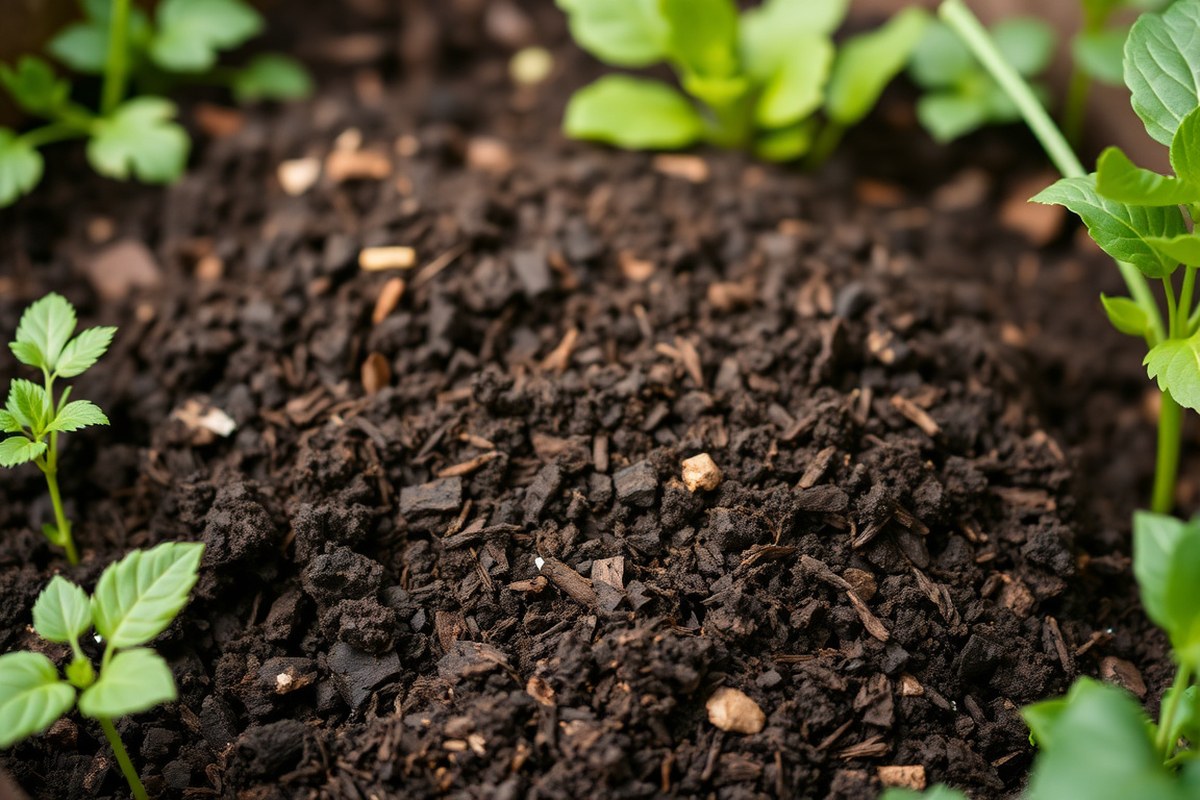
What Does Compost Mean? A Complete Guide to Composting and Benefits
What does compost mean? Compost is decomposed organic material that enriches soil.
It forms when things like food scraps and yard waste break down naturally. This process creates a dark, crumbly substance that plants love.
Compost improves soil health by adding nutrients and helping it retain water. It also promotes beneficial microbes that support plant growth. It’s a natural way to recycle waste instead of sending it to landfills.
Starting with kitchen scraps and dry leaves gives you a good mix to begin composting. A balance of green and brown materials is key. Green items are moist and rich in nitrogen, like fruit and veggie scraps.
Keep fruit and veggie waste buried under about 10 inches of compost material. This keeps pests away and speeds up decomposition. Also, watch your pile’s moisture, it should feel like a wrung-out sponge.
Key Takeaways
- Mix green waste like grass clippings with brown material like dry leaves evenly.
- Bury fruit and vegetable scraps under at least 10 inches of compost layer.
- Keep compost moisture similar to a wrung-out sponge for faster decay.
- A hot compost pile near 130-150°F speeds breakdown and kills harmful seeds.
- Shred newspaper or cardboard as bedding and soak it for 10 minutes.
- Good compost usually has a balanced 50/50 mix of greens and browns.
What Does Compost Mean and Why Is It Important?

Compost means organic material that breaks down naturally into a dark, crumbly substance. You get compost by mixing kitchen scraps and yard waste. Add other plant material in a pile or bin.
Let it sit and start breaking down. Microbes break down the waste by feeding on it.
They turn it into nutrient-rich compost. This process is called microbial activity.
This nutrient-rich compost improves soil by improving its structure and water retention. Unlike soil, compost isn’t the earth beneath your feet but an amendment added to soil. Compost feeds plants with essential nutrients.
It also helps soil hold moisture better. This keeps your garden soil healthy and fertile.
Compost cuts down on buying fertilizers and pesticides. It naturally supplies what plants need. This reduces your gardening costs.
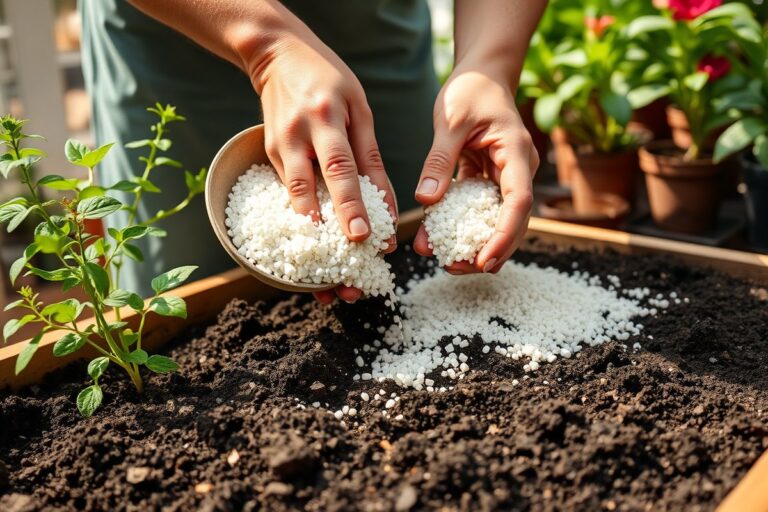
Spread compost as mulch on garden beds. You can also mix it directly into soil. Both ways help plants grow better.
Compost is a valuable, low-cost resource for gardeners. It improves soil without harsh chemicals. This makes it a good choice for your garden.
The process takes months to turn scraps into compost. You need to keep the pile moist and turn it periodically. Add green waste like grass clippings to the pile.
Bury fruit and veggie scraps under about 10 inches of material. This speeds up compost breakdown.
The pile heating up shows microbes are active. It means they are working effectively in breaking down waste.
Compost is different from mulch in purpose. Mulch mainly covers soil to stop weeds and keep moisture. Compost adds nutrients to the soil.
Compost adds nutrients while mulch mostly provides a protective layer. You can even use compost as a mulch layer itself, giving you two benefits in one.
Making your own compost adds organic matter back to soil. It also keeps waste out of landfills. This helps your garden and the environment.
Soil around the world holds about 1.5 trillion tons of carbon. Compost helps keep more of that carbon stored in soil rather than released into the air. This process supports healthier plants and reduces harmful greenhouse gas emissions.
How Does the Composting Process Work Step-by-Step?
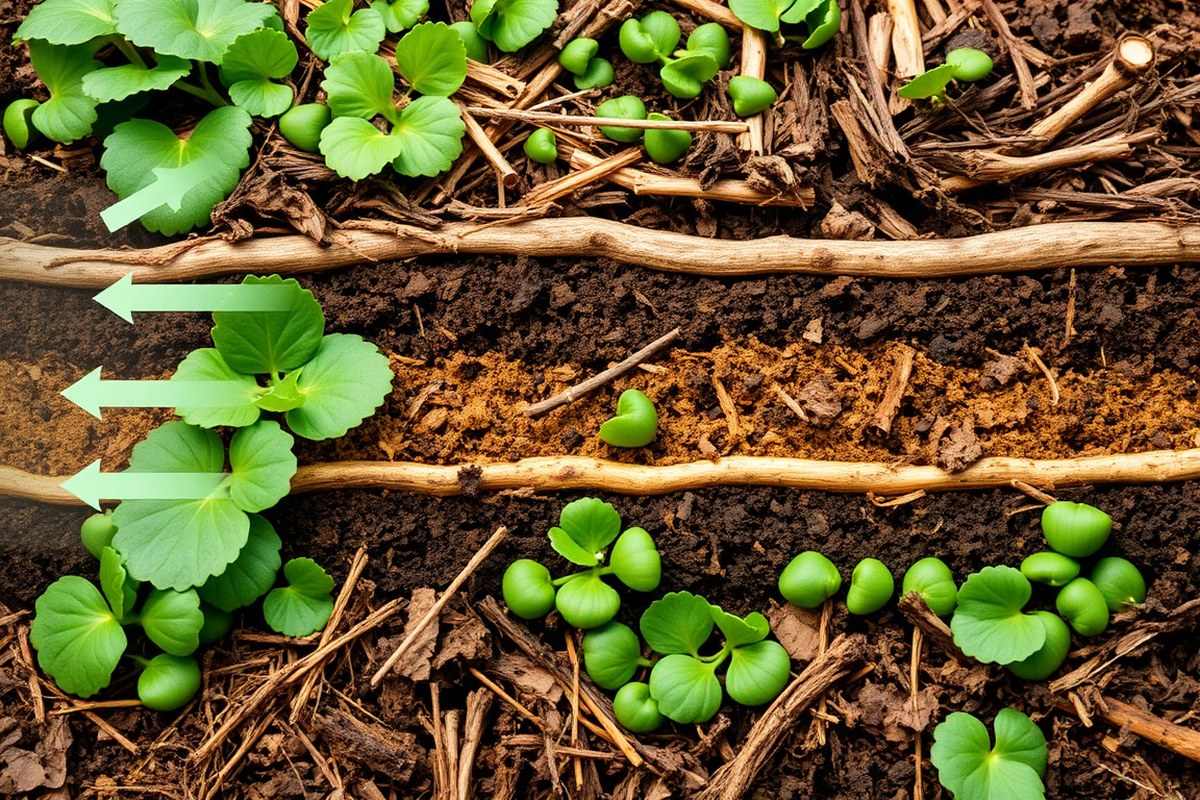
Composting works by breaking down organic waste into nutrient-rich soil. Microorganisms like bacteria and fungi digest the materials. Temperature, oxygen, and moisture play key roles in speeding up or slowing down the process.
Initial Breakdown by Microorganisms
At first, bacteria and fungi start eating the organic matter you add. These microorganisms need oxygen to breathe and moisture to thrive. They feed on carbon and nitrogen in the compost materials to break them down.
Small creatures like protozoa, worms, and nematodes also join the process. They help break down larger material and mix the pile. This stage creates heat while turning the waste into simpler substances.
Heat Generation and Pathogen Destruction
Microbial activity raises the temperature of the compost pile. Hot composting reaches between 130°F and 150°F, speeding decomposition. This heat also kills weed seeds and harmful pathogens.
Keeping the pile aerated with regular turning supplies oxygen for microbes. Moisture should be about as damp as a wrung-out sponge to keep microbes happy. Without enough air or water, decomposition slows down and odors develop.
Curing and Maturation Phase
After the hot phase, the compost cools and enters curing. Breakdown continues at a slower pace, leaving a stable, nutrient-rich product. Finished compost is dark, crumbly, and smells earthy.
This mature compost is full of beneficial microorganisms. It helps improve soil health and provides nutrients like nitrogen, phosphorus, and potassium to plants. Steps to compost effectively:
- Layer brown (carbon-rich) and green (nitrogen-rich) materials in your pile.
- Moisten the pile so it feels like a wrung-out sponge.
- Aerate by turning the pile every few days to supply oxygen.
- Monitor the temperature; hot piles reach 130-150°F for best results.
- Add fresh materials regularly, keeping a balance of browns and greens.
- Maintain moisture and oxygen levels to keep microbes active.
- Let the pile cure once it cools down before using the compost.
Keep your compost moist but not soggy, or microbes will slow down.
What Materials Can You Compost and What Should You Avoid?
You can compost many kitchen and yard scraps, but some materials should stay out. Fruit peels, vegetable scraps, dry leaves, and grass clippings work well. Avoid meat, dairy, and oily foods since they smell and attract pests.
Nitrogen-Rich Materials (Greens)
Greens add nitrogen, which feeds the microbes breaking down your compost. These include soft plant scraps like vegetable peelings, coffee grounds, and grass clippings. Eggshells crushed into small pieces also fit here since they provide calcium, not nitrogen.
Keep a steady supply of greens as they help create heat to speed up composting. Adding too many can make the pile wet and smelly, so balance is key.
Carbon-Rich Materials (Browns)
Browns bring carbon to the mix, helping balance moisture and create air pockets. Dry leaves, straw, wood chips, and shredded paper all count as browns. Avoid glossy paper or anything with wax, glue, or plastic coatings.
Two to three times more browns than greens help keep your pile turning without odor. Browns slow down decomposition slightly but keep your compost healthy and crumbly.
Materials to Avoid in Compost
Meat, fish, bones, dairy, fats, and oils should not go in regular compost bins. They take longer to break down and smell, attracting animals. Cooked food is OK only in very small amounts because it can cause similar problems.
Compostable utensils and bags may look like a good idea. But they usually need industrial composting. Herbicide-treated plants, diseased plants, pet waste, and synthetic materials also don’t belong in your bin.
For meat and dairy, try Bokashi or trench composting. These methods handle such waste without causing pests and smells.
| Material Type | Examples |
|---|---|
| Nitrogen-Rich (“Greens”) | Fruit and vegetable scraps, grass clippings, coffee grounds, paper tea bags (no staples), eggshells (crushed) |
| Carbon-Rich (“Browns”) | Dry leaves, plant stalks, twigs, shredded paper, shredded cardboard (no wax or glue), untreated wood chips |
| Avoid | Avoid adding meat, fish, bones, cheese, dairy, and fats. Cooked food in large amounts also shouldn’t go in. Don’t compost herbicide-treated plants, diseased plants, pet waste, or glossy paper. |
Keep the right balance of browns and greens for a healthy compost pile. Use two to three parts browns to one part greens to stay on track. When you add wrong items, your compost may smell bad or attract pests.
Different Composting Methods and Choosing the Best One
Composting at home varies by your space and time. It also depends on what scraps you want to compost. You can pick methods that fit your needs.
A backyard pile is the most common method, with two main styles: hot and cold composting. Hot composting involves regularly turning a pile to keep temperatures between 130-160°F. This speeds up breaking down food scraps and yard waste within months.
Cold composting means just piling organic materials and letting them sit for a year or more. It’s easier but slower and might not kill weed seeds or pathogens.
Vermicomposting uses red wiggler worms to turn food scraps into nutrient-rich castings indoors. Worm bins work best in a small, ventilated container with bedding like shredded paper. You feed worms fruit and vegetable scraps, avoiding meat or dairy.
Worm bins don’t reach high temperatures. So they are good for small-scale, odor-free composting inside. However, worms won’t survive in a hot backyard pile, so keep them separate.
Another option is compost tumblers or bins. These enclosed containers make turning the compost easier and help keep pests away. Tumblers speed up compost by mixing scraps often.
They take 6 to 8 weeks to make compost. This method uses hot composting for faster results. They cost more upfront but suit tech-savvy or busy gardeners well.
| Composting Method | Time to Compost | Temperature | Space Needed | Materials Accepted | Maintenance | Cost |
|---|---|---|---|---|---|---|
| Hot Backyard Pile | 2-3 months | 130-160°F | Medium to large | Yard waste, food scraps (no meat) | Regular turning, moisture check | Low |
| Cold Backyard Pile | 6-12 months+ | Ambient | Medium to large | Yard waste, kitchen scraps | Minimal | Low |
| Vermicomposting (Worm Bin) | 1-3 months | 65-75°F (indoors) | Small (indoors) | Fruit, vegetable scraps | Feeding worms, moisture, bedding | Moderate |
| Compost Tumbler | 6-8 weeks | 130-160°F | Small to medium | Yard waste, food scraps (no meat) | Regular turning | Moderate to high |
Keep your backyard pile moist but not soggy. A common mistake is letting it dry out, which slows decomposition. Turning a hot pile every few days adds oxygen and keeps heat high.
Worm bins should stay out of direct sunlight and maintain consistent indoor temperatures. Only feed what worms can eat in a day or two to avoid odors and pests. Compost tumblers keep pests away by enclosing materials.
They also make turning compost easy. This helps compost finish faster and cleaner.
How Long Does Composting Take and What Affects It?
Composting usually takes between a few months and one year to finish. Hot compost piles speed up decay by reaching temperatures of 130°F to 160°F in the center.
The heat helps bacteria and fungi break down materials faster. Cooler piles, like many backyard bins, may take longer since the lower temperature slows microbes down.
The size of your compost materials affects timing too. Smaller pieces decompose quicker because they offer more surface area for microbes. Shredding leaves or chopping vegetable scraps cuts down composting time.
Moisture levels also matter, with damp but not soggy piles working best. Too dry or too wet slows decomposition and invites pests or foul smells.
Temperature, moisture, and particle size interact a lot. You can speed things by turning the pile every week or two to add oxygen. This feeds aerobic microbes.
They work faster and stop bad odors. Too much nitrogen causes these smells.
Balancing “greens” like kitchen scraps with “browns” such as dry leaves helps. A good carbon-to-nitrogen ratio sits around 25-30 parts carbon to 1 part nitrogen.
- Keep compost moist like a wrung-out sponge for best results.
- Turn your pile regularly to maintain airflow.
- Cut or shred large items before adding them.
- Combine green nitrogen materials with brown carbon materials.
- Avoid adding too much fresh grass clippings at once to prevent odors.
- Check the pile’s temperature to ensure it’s warm and active.
A smelly compost pile usually means there’s too much nitrogen and not enough air.
Urban gardeners might face delays due to limited brown materials and smaller spaces. Using a balanced mix of kitchen scraps, dry leaves, and shredded paper helps keep things moving.
Technologies like smart compost bins that monitor moisture and temperature can assist but aren’t necessary. Just stick to basic timing and maintenance tips for steady composting success.
Common Composting Problems and How to Fix Them
Foul odors in compost usually come from too much wet, green material or poor airflow. These conditions create a smelly, slimy mess that slows down decomposition. Add dry, brown materials like shredded leaves or cardboard.
They soak up moisture. Turn the pile to improve air flow.
Pests appear when compost has food scraps that attract animals. Pests also come if the pile isn’t covered well. Rats, flies, and other bugs can be a nuisance and slow composting.
Bury food scraps under 6 to 8 inches of brown material. Keep the compost covered with a lid or tarp. This helps prevent pests.
Your compost might not break down because it needs nitrogen, moisture, or oxygen. Compost needs a good balance of carbon and nitrogen and the right wetness to work fast.
Look for these signs: dry pile that won’t heat up. Or soggy pile with a bad smell.
- Turn the compost every week to add oxygen
- Add water if the pile is dry, enough to feel like a wrung-out sponge
- Mix in more green materials if the pile isn’t heating
- Aim for a carbon-to-nitrogen ratio around 30:1 for best results
- Chop or shred large pieces to speed breakdown
- Avoid adding meat, dairy, or oily foods that attract pests
- Use a compost thermometer to check for 130 to 160°F, the ideal temperature range
Patience helps too, some slow breakdown is normal with outdoor piles in cooler weather. You can speed things up by moving the pile to a sunnier spot. Clean your compost bin regularly.
It helps keep pests from building up. Healthier compost supports your garden by feeding soil microbes and earthworms.
How to Maintain a Healthy Compost: Tips for Best Results
Maintaining healthy compost means balancing moisture, turning the pile for air, and mixing the right materials. You want a damp, crumbly pile that heats up well. Regular care speeds decomposition and keeps pests away.
Balancing Greens and Browns
The ideal mix has about 30 parts carbon to 1 part nitrogen. Browns are things like dry leaves, straw, and paper. Greens include vegetable scraps, fresh grass clippings, and coffee grounds.
Too many greens cause a smelly, slimy pile. Too many browns slow down the process. Aim for a loose layering or mixing of both for the best balance.
Moisture Management Best Practices
Keep your compost moist like a wrung-out sponge. Squeeze it gently.
One drop means the moisture level is good. Too wet means water pools, and the pile smells bad.
Dry compost stops breaking down. It feels dry. Add water slowly and mix it well.
Rain can add moisture. So cover your pile if it gets too soaked during storms.
- Check moisture by squeezing a handful of compost
- Add water slowly to keep it damp but not soaked
- Cover compost during heavy rain to avoid sogginess
- Add dry browns if compost feels muddy or smelly
- Turn compost after adding water to mix moisture evenly
Balancing moisture keeps microbes working and stops odors. A good pile heats up to 130°F to 160°F, signaling active decomposition.
Aeration and Turning Schedule
Turning your compost every 2 to 3 weeks adds oxygen and speeds up decay. Use a garden fork or compost aerator to fluff the pile. Without air, the pile becomes anaerobic and stinky.
Turn the compost tumbler as the instructions say. Usually, do it every few days.
Sometimes once a week is enough. This provides constant aeration and mixes the materials well.
- Turn the pile every 2 to 3 weeks with a pitchfork
- Use a compost tumbler for easy spinning and air mixing
- Turn more often if compost smells bad or looks soggy
- Layer browns when turning to introduce dry carbon
- Remove large bits or sticks during turning for better airflow
Regular turning keeps high temps for break down and stops rodents nesting. It also blends new materials to keep a steady progress.
Using Compost in Your Garden and Its Environmental Benefits
Compost improves soil health by adding organic matter that retains nutrients and moisture. This helps plants absorb water and nutrients more efficiently, leading to stronger growth. Your garden soil becomes more fertile and less prone to erosion or water runoff.
When you mix compost into your soil, it supports beneficial microbes. These microbes break down nutrients slowly, feeding your plants well over time. Compost also improves soil structure.
It helps roots grow deeper. This allows roots to find more water and nutrients.
Using compost reduces environmental waste by turning food scraps and yard trimmings into a valuable resource. This process cuts down organic waste sent to landfills. Landfills create methane from this waste.
Methane is a strong greenhouse gas. According to environmental experts, composting can significantly cut methane emissions from landfills.
Applying compost regularly can help your garden withstand weather extremes. It improves the soil’s ability to hold water during droughts and reduces erosion during heavy rains. This makes your garden more resilient and supports a healthy ecosystem.
For established plants, apply a 3-inch layer of compost. This top-dressing keeps nutrients steady. It also protects soil quality.
Loosen the top 2 to 3 inches of soil before adding compost to allow better mixing. Keep the compost a few inches away from stems to avoid moisture buildup and rot.
Keep compost moist but not soggy to protect soil microbes and speed up nutrient release.
Step-by-Step Action Plan to Start Composting Today
Follow these simple steps to build your first compost pile and keep it healthy.
- Before you start: Choose a dry, shady spot near water for your compost bin or pile. This helps control moisture and temperature.
- Day 1: Add a layer of coarse, dry materials like small branches or straw. This improves airflow and drainage.
- Day 2: Add a 3-inch layer of green materials such as fruit scraps or grass clippings. This provides nitrogen to feed the microbes.
- Day 3, 7: Layer brown and green materials one after the other. Use about three parts brown to one part green each time. This balance helps compost break down effectively. This balance creates heat and breaks down materials efficiently.
- Week 2: Turn or mix the compost with a garden fork. The pile should feel warm inside, showing decomposition is happening.
- Week 3, 4: Keep the pile moist like a wrung-out sponge. Add water if it feels too dry or add more browns if too wet.
- After 1 month: Watch for dark, crumbly soil smell and appearance. This means your compost is nearly ready to use.
- After 2 months: Take out any large pieces from your compost. The rest should look dark and crumbly. Then use it for your garden beds or pots.
Frequently Asked Questions
What Is the Difference Between Compost and Mulch?
Compost is decomposed organic matter used to improve soil. Mulch is material placed on soil surface to protect it, like bark or leaves. Compost improves soil fertility, while mulch mainly reduces moisture loss and weeds.
Can Composting Attract Pests to My Garden?
Compost can attract pests if food scraps are exposed. Burying food waste under 10 inches of material helps prevent attracting animals. Keeping compost covered and balanced between greens and browns also reduces pest issues.
Why Does My Compost Pile Smell Bad Sometimes?
Bad smells usually mean too much nitrogen or wet conditions. Adding more brown, dry materials and turning the pile can reduce odors. Proper balance and aeration keep the compost healthy and odor-free.
How Do Hot Compost Piles Kill Weed Seeds?
Hot compost piles reach 130 to 150°F, killing most weed seeds. This heat speeds decomposition and sanitizes the pile. Regularly turning the pile helps keep these high temperatures.
Can I Compost Meat or Dairy at Home?
Most home compost systems do not recommend meat or dairy. These items attract pests and cause odors quickly. Specialized compost facilities handle them, but skip them in backyard compost.
How Much Space Do I Need for Composting at Home?
A compost pile between 3x3x3 feet is ideal for good heat. Smaller piles cool quickly and slow down decomposition. If space is tight, use a compost bin or tumbler to keep it neat.
Wrapping Up
Composting means recycling your yard and kitchen waste into healthy soil. Start with small steps and adjust based on what your compost needs. The easiest way to learn is by trying compost at home.
See how the materials change as time passes. This hands-on approach makes it clear and simple.