Do Money Plants Need Sunlight? The Complete Guide to Ideal Lighting
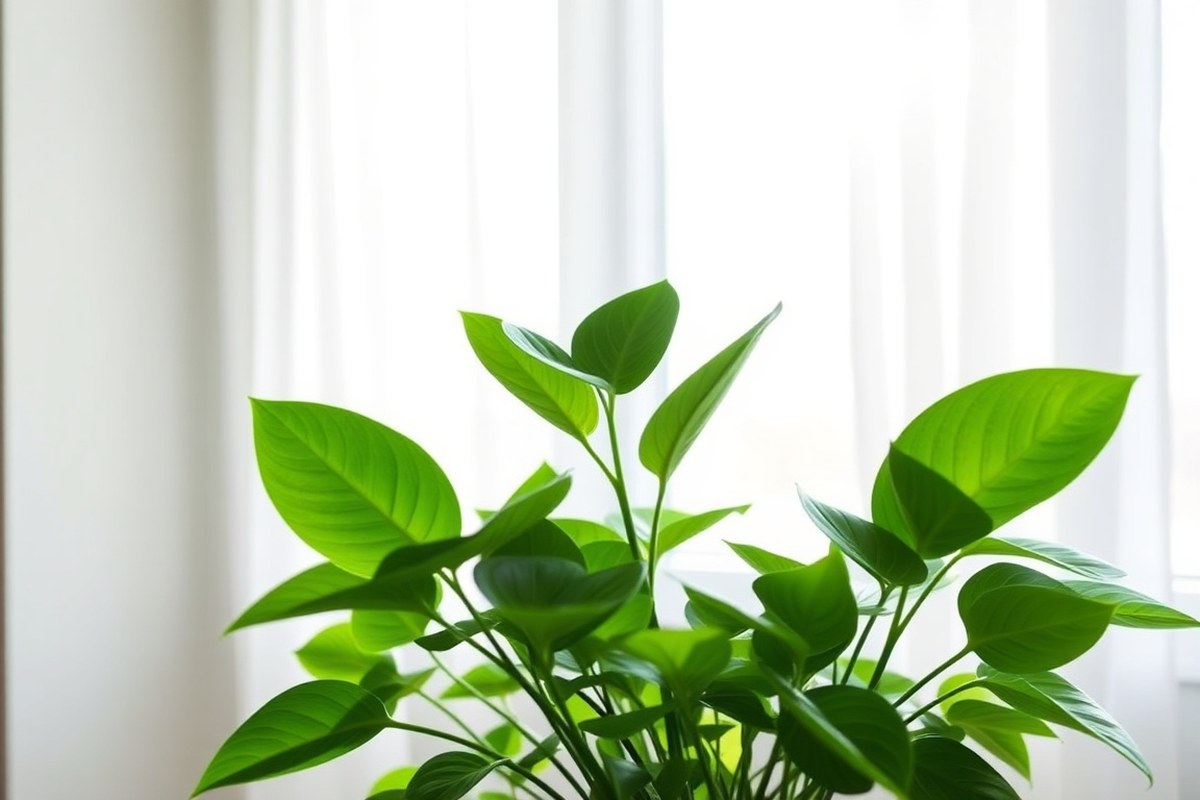
Money plants do need sunlight, but not direct harsh rays. They grow best in bright, indirect light for 6 to 8 hours a day. A spot near an east- or west-facing window usually provides this kind of light.
Too much direct sun can burn their leaves, causing brown spots or crispy edges. Too little light slows growth and makes stems leggy. Place your plant where it gets filtered light through sheer curtains or blinds.
Look for leaf yellowing or drooping to adjust light levels quickly. Rotating the plant every few weeks offers even light exposure on all sides. This keeps the plant balanced and helps it stay healthy over time.
Key Takeaways
- Money plants grow best with 6 to 8 hours of bright, indirect sunlight daily.
- Avoid direct sunlight to prevent leaf burn and fading.
- Place money plants near east- or north-facing windows for gentle light.
- Rotate the plant every 2 to 4 weeks for even light exposure.
- Watch your plant’s leaves for signs of too much or too little light.
- Move the plant gradually if increasing light to avoid shock.
Do Money Plants Need Sunlight to Thrive?

Money plants need sunlight to grow well, but they don’t require direct sun. They thrive best with bright, indirect light for about 6 to 8 hours each day. This light level mimics their natural home under tree canopies where sunlight is filtered.
Sunlight fuels photosynthesis, the process plants use to make their food. Without enough light, money plants survive but grow slowly and lose vibrant leaf colors. They may become leggy, stretching toward the nearest light source.
They can live in low-light rooms like offices, but their growth slows significantly. Your space might be too dim for this plant. Try plants that do better in low light.
Use a modest LED grow light on a timer. Set it for 12 to 14 hours daily. This helps keep your money plant growing steady and healthy.
How Much Light Do Money Plants Require Daily?

Money plants need about 6 to 8 hours of bright, indirect light each day. The light should be between 10,000 and 20,000 lux. This range helps your plant grow well.
It also improves the colour of the leaves. Less light slows growth and fades variegation. Too much direct sun risks leaf burn and yellowing.
Light needs can vary, especially by season and variety. Winter days are shorter, so your plant needs extra light. Use artificial light for a few more hours daily.
This helps keep your plant healthy. Variegated money plants need brighter light than green ones.
This keeps their leaf patterns clear and sharp. Solid green types do fine with less light.
This table shows light intensity and daily hours for your plant. It also explains how your money plant reacts.
Use it to adjust care. It helps you see what your plant needs and what happens if conditions change:
| Light Condition | Light Intensity (Lux) | Duration (Hours/Day) | Plant Response |
|---|---|---|---|
| Bright Indirect | 10,000, 20,000 | 6, 8 | Optimal growth, vibrant variegation |
| Low Light | 500, 2,000 | 8, 10 | Survival mode, slow growth, loss of variegation |
| Direct Sunlight | 30,000, 100,000+ | 2, 4 | Leaf burn, yellowing, dehydration |
| Artificial Light | 2,000, 5,000 | 12, 16 | Moderate growth if consistent |
Put your money plant by an east or west window. These windows get mild sun for about 6 to 8 hours.
Avoid strong afternoon sun; it can burn leaves. Add artificial light if natural light is weak or short.
Watch for faded colour or slow growth as signs your plant needs more light. On the flip side, yellowing or crispy edges show too much direct sun. Move your plant’s spot little by little.
Shift it a few inches at a time. This helps you find the best place for it.
Keep your money plant away from harsh midday sun to avoid leaf burn and dehydration.
Why Bright, Indirect Light Is Best for Money Plants
Money plants grow best with bright, indirect light, not direct sun. This light mimics their natural home under tree canopies. Direct sunlight can scorch their leaves quickly, so bright shade is safer indoors.
Defining Bright Indirect Light
Bright indirect light means the plant gets plenty of daylight but no harsh sun rays. This usually means near a window with filtered light or some distance away from direct sunlight. Bright indirect light typically measures around 1,000 to 2,000 lux, enough for healthy growth.
You can spot this light in a bright room with soft shadows. Sunlight may hit the floor but not your plant directly. That’s indirect light.
East- or west-facing windows work for your money plant. The sun should only shine early or late in the day. This keeps the light gentle.
Risks of Direct Sunlight
Direct sun, especially in midday or afternoon, can burn the leaves of your money plant. These burns will look like brown spots or crispy edges. Direct light also dries soil quickly, forcing more frequent watering to keep your plant happy.
Too much sun causes stress that slows growth and leads to leaf drop. Avoid placing your plant at south-facing windows without a sheer curtain. Or move it one to two feet back from the window.
This protects it from harsh sun. This reduces exposure and prevents damage.
Window Placement Tips
Putting your money plant by the right window helps it stay healthy. Good light makes a noticeable difference in its growth.
Place it carefully. Here are easy tips to find bright indirect light indoors:
- East-facing window provides gentle morning sun for 4-6 hours, perfect for bright indirect light.
- West-facing window offers bright afternoon light. But move plant further from the window if sun is too strong.
- South-facing windows give intense direct light. Use sheer curtains or place the plant 1-2 feet away.
- North-facing windows offer low to moderate indirect light. This light may slow your money plant’s growth slightly. But it will keep the plant safe.
- Don’t put your money plant on window sills with midday sun. Direct summer sun harms the leaves and stresses the plant. Find a cooler spot.
- Use light-colored curtains to filter harsh sun rays without blocking all light.
Adjusting placement seasonally helps too. The sun’s position changes each day. Move your money plant to avoid direct rays when needed.
Also, shift it to brighter spots on cloudy days. A window that works well in winter can be too intense during summer afternoons.
How to Identify If Your Money Plant Gets Too Much or Too Little Sunlight
Symptoms of Sunburn or Leaf Burn
Too much sunlight can cause your money plant’s leaves to burn. Leaves may turn brown, dry, or crispy around the edges. You might also see patches that look bleached or faded.
The plant looks stressed when leaf spots or yellowing develop suddenly. This happens because strong direct sun damages leaf cells. You should check your plant if it gets several hours of bright direct sunlight daily.
Signs of Light Deficiency
Leaves look pale, smaller, or sickly if the light is too weak. Your money plant may grow tall with long gaps between leaves as it reaches for light. New leaves might be fewer or drop off more often.
The plant loses its natural rich green color without enough indirect light. It will seem sluggish and lose its usual fullness. Lack of light slows photosynthesis, which is important for healthy growth.
Corrective Actions to Take
Move your money plant to a spot with bright light. Avoid direct sunlight to prevent sunburn.
Watch leaves for sunburn signs and adjust placement. Avoid placing it near a window with harsh afternoon rays.
- Shift the plant away from direct sun to a filtered light area
- Rotate your plant every 2 to 4 weeks for balanced light exposure
- Use a sheer curtain to soften strong sunlight
- Bring the plant closer to a light source if leaves look pale
- Consider supplementing with a grow light during darker months
- Check changes after one to two weeks to see if the plant improves
Adjusting your money plant’s placement takes little effort but helps avoid ongoing stress. Small moves can restore leaf health within days to weeks. Pay attention to how the leaves respond, then fine-tune as needed.
How to Safely Acclimate Your Money Plant to Stronger Light
Gradually increasing your money plant’s light exposure prevents leaf burn or shock. This step-by-step plan helps it adjust safely to stronger light. The process usually takes two to four weeks.
Start in Low to Medium Light
Begin with your money plant in a spot that receives filtered or indirect light. Avoid any direct sunlight at this stage to prevent leaf scorch. Low to medium light means a few feet from a bright window.
It can also mean behind a sheer curtain. This gives indirect, soft light for the plant.
Keeping the light gentle gives the plant time to strengthen its leaves. In low light, it keeps its natural color and avoids stress. This stage typically lasts about a week or more, depending on your plant’s condition.
Incremental Movement Towards Brighter Spots
Move your money plant closer to a light source in small steps every few days. Move the plant 6 to 12 inches closer to the window. Or take away part of the curtain.
This will boost how much light the plant gets. Limit direct sunlight to short periods under two hours daily.
Do this slowly so the plant adjusts well. It helps the plant grow a stronger cuticle. That makes leaves tougher against pests and heat.
The gradual increase also boosts growth without sacrificing leaf colour. You can follow these steps for safe acclimation:
- Place the plant in low to medium light for 7 days.
- Move it 6 inches closer to a bright window.
- Allow 3 to 4 days before increasing exposure again.
- Introduce 15 to 30 minutes of morning direct sun.
- Observe leaf condition daily for any burning or fading.
- Continue to increase direct sun by 15 minutes every few days.
- Adjust if leaves show signs of stress by retreating to indirect light.
- After 2 to 4 weeks, the plant gets used to more sun. It can safely handle 3 to 4 hours of morning sun.
Keep a close eye on leaves during adjustment to catch sunburn early.
Monitoring Plant Response Throughout
Watch for leaf colour and texture changes as you increase light. Healthy leaves look vibrant with no brown spots or curling. A faded or scorched leaf usually means the light is too strong or increased too quickly.
Move the plant away from direct sun if you spot damage. It’s better to take tiny steps back and restart the process or reduce the exposure time. Patience here helps you find the sweet spot for your money plant’s light needs.
Using Artificial Light to Supplement or Replace Sunlight for Money Plants
You can grow money plants under artificial light when natural light is limited. Full-spectrum LED grow lights work best because they mimic sunlight closely. These lights provide the right balance of wavelengths your plant needs to thrive indoors.
Place the grow light about 12 to 24 inches above your money plant’s foliage. Keep the light on for 10 to 12 hours a day, similar to natural daylight hours. Using a timer helps maintain a consistent light cycle without extra effort.
Here are some quick tips to use grow lights effectively for your money plant:
- Choose full-spectrum LED grow lights with moderate intensity.
- Position lights 12 to 24 inches above the plant leaves.
- Run lights for 10 to 12 hours daily, simulating daylight.
- Avoid placing lights too close to prevent leaf burn.
- Use a timer to keep the light schedule steady.
- Supplement partial sunlight with grow lights, especially near north-facing windows.
- Check plant growth weekly for signs of light stress or slow growth.
Grow lights cost around $20 to $60 depending on size and quality. They save you from slow growth caused by too little light. Your money plant will grow healthier with fuller leaves and stronger stems.
Watch for pale leaves or leggy stems; that means it needs more light. Too much light can cause wilting or leaf spots, so adjust the distance accordingly. Keeping these factors balanced leads to a thriving indoor money plant no matter the season.
Best Window Placement and Seasonal Lighting Tips for Money Plants
South-facing windows work best for money plants because they get bright, filtered light. In summer, place the plant 2 to 3 feet away to avoid leaf scorch. In winter, move your plant closer to a window.
This helps it catch the lower sun angles. The daylight hours are also shorter in winter.
East or west-facing windows also work well if south-facing isn’t an option. These windows provide moderate morning or afternoon light.
North-facing windows tend to be too dim. So consider adding a grow light if that’s your only choice.
Light changes with the seasons, so check your plant’s spot regularly. In winter, shorter days and weaker sunlight mean your money plant needs more light exposure. Put your plant near a bright window to keep it healthy.
You can also use extra lights if needed. This helps the plant keep growing well.
- Keep money plant 2, 3 feet from south window in summer
- Move plant closer to window in winter to catch lower sun
- Use east or west-facing windows for moderate filtered light
- Add a grow light in north-facing or dark rooms year-round
- Adjust plant location every few weeks as daylight changes
- Avoid direct hot sun in peak summer to prevent leaf burn
- Check for light shifts when furniture or curtains block windows
The seasonal switch in light affects photosynthesis, which fuels growth. Too little light causes slow growth or yellow leaves, so pay attention to changes. Adjusting your money plant’s placement regularly keeps it steady through all seasons.
Common Lighting Mistakes and How to Fix Them for Money Plants
One common mistake is placing money plants in direct sunlight. Their broad leaves can burn quickly, turning brown or crispy.
Move your plant to a spot with bright, indirect light. This prevents leaf scorch and keeps your plant healthy.
Too little light is another frequent problem. Leaves may lose their rich green color and stems grow long and weak.
Move the plant closer to a window or add artificial light. Use the light for about 12 to 14 hours each day.
Money plants often lean toward their light source, causing uneven growth. Rotate the pot every week to help even growth.
This keeps leaves bright on all sides. This also prevents pale leaves on the shaded side.
- Check leaf color weekly for signs of too much sun or too little.
- Keep the plant at least 3 feet away from windows with harsh direct sunlight.
- Use sheer curtains to soften intense afternoon sun.
- Rotate the plant 90 degrees every 7 days to promote even growth.
- Add a fluorescent or LED grow light for 12 hours on darker days.
- Bring the plant indoors in fall if outdoor light becomes too weak.
Adjusting your money plant’s position is usually free and takes a few minutes. Checking leaf health helps you catch lighting issues before damage occurs. A well-lit money plant grows vibrant green with strong stems and no scorch marks.
Move your money plant gradually when adjusting light to prevent shock or leaf drop.
Using a timer for lights and rotating plants regularly will keep your money plant growing strong. Avoid sudden moves from low to high light.
Do it over a week for best results. Bright, even light helps your plant stay lush and prevents weak, leggy growth.
Step-by-Step Action Plan for Perfect Money Plant Lighting
Follow these steps to give your money plant the best light it needs. Watch for clear signs of healthy growth to know you’re on track.
- Day 1: Place your money plant near a bright window with indirect light. Check for bright but filtered light without direct sun rays.
- Week 1: Observe the leaves for any yellowing or browning. Healthy green leaves show the light level is right.
- Week 2: Check your plant’s leaves. If they look pale or stretched, move it closer to brighter light. Avoid direct afternoon sun.
- Week 3: Introduce about 2 hours of morning sunlight gradually if possible. Watch for leaf burn or spots.
- Week 4: Use a fluorescent grow light for 12-14 hours if natural light is low indoors. Make sure the light is 6-12 inches from the leaves.
- Month 2: Rotate your plant weekly to give all sides balanced light exposure. This keeps growth even and strong.
- Seasonal check: Adjust your plant’s location with seasons. Move it closer to windows in winter and shield from strong summer sun.
- Ongoing: Keep monitoring leaf colour and shape. Changes signal if you need to adjust the light again.
Frequently Asked Questions
Can Money Plants Survive Without Any Natural Sunlight?
Money plants can survive in low light but won’t grow well. They need at least some indirect light to stay healthy and green.
Is Morning Sunlight Better Than Afternoon Sunlight for Money Plants?
Morning sunlight is gentler and less likely to burn leaves. Money plants do best near east-facing windows with soft morning light.
Can Money Plants Tolerate Fluorescent Office Lighting?
Yes, they can live under fluorescent lights but growth may slow. Supplement with a grow light if natural light is very low.
How Does Sunlight Affect the Watering Needs of Money Plants?
More sunlight can dry soil faster, so water more often. Less light means slower growth and less frequent watering.
Should I Rotate My Money Plant to Ensure Even Sunlight Exposure?
Yes, rotating helps all sides get light and grow evenly. Turn it every week or two for balanced growth.
Can Too Little Sunlight Cause Yellow Leaves on a Money Plant?
Yes, yellow leaves often signal insufficient light or overwatering. Check light levels before adjusting nutrients or water.
The Bottom Line
Your money plant needs bright indirect light to thrive without burning. Pick a spot with filtered sunlight and watch its leaves daily. Adjust light slowly, and your plant will stay healthy and happy for years.