How Big Is a 7 Gallon Tree? Complete Size Guide and Growth Tips
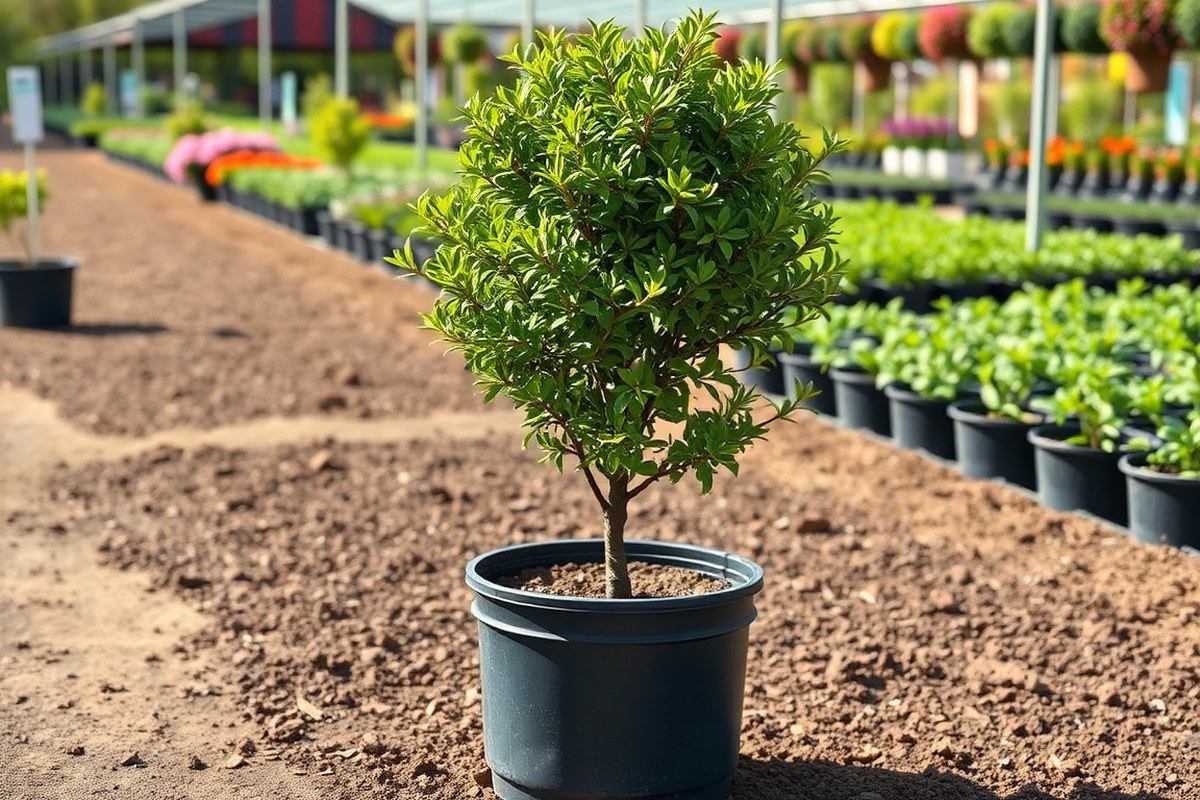
Wondering how big is a 7 gallon tree? Typically, it stands about 3 to 6 feet tall. The “7 gallon” label means the size of the container only.
It does not show the tree’s height or width. Trees can be bigger or smaller in size.
Usually, these trees take between 5 and 10 years to reach their full height. Age and species affect size.
A younger tree in a 7-gallon pot is smaller than one that’s been growing longer. Picking a tree species that fits your space helps avoid surprises.
Measure the trunk caliper 6 inches above the ground to check thickness. The height often is noted as the distance from soil to the top. Knowing these details ensures you pick and plant strong trees that fit your yard.
Key Takeaways
- A 7 gallon tree commonly grows 3 to 6 feet tall above soil.
- “7 gallon” means the container size, not a set tree height.
- Tree age influences size more than container capacity does.
- Measure trunk caliper 6 inches above ground for thickness.
- Different species grow at different rates and reach distinct heights.
- Full height usually takes 5 to 10 years to develop.
How Tall and Wide Is a Typical 7-Gallon Tree?
7-gallon trees usually stand between 3 and 6 feet tall. Their height depends on the species and how the nursery pruned and grew them. Width or canopy size changes a lot.
Branch spread or growth shape affects it. The tree’s natural growth habit shapes the canopy size.
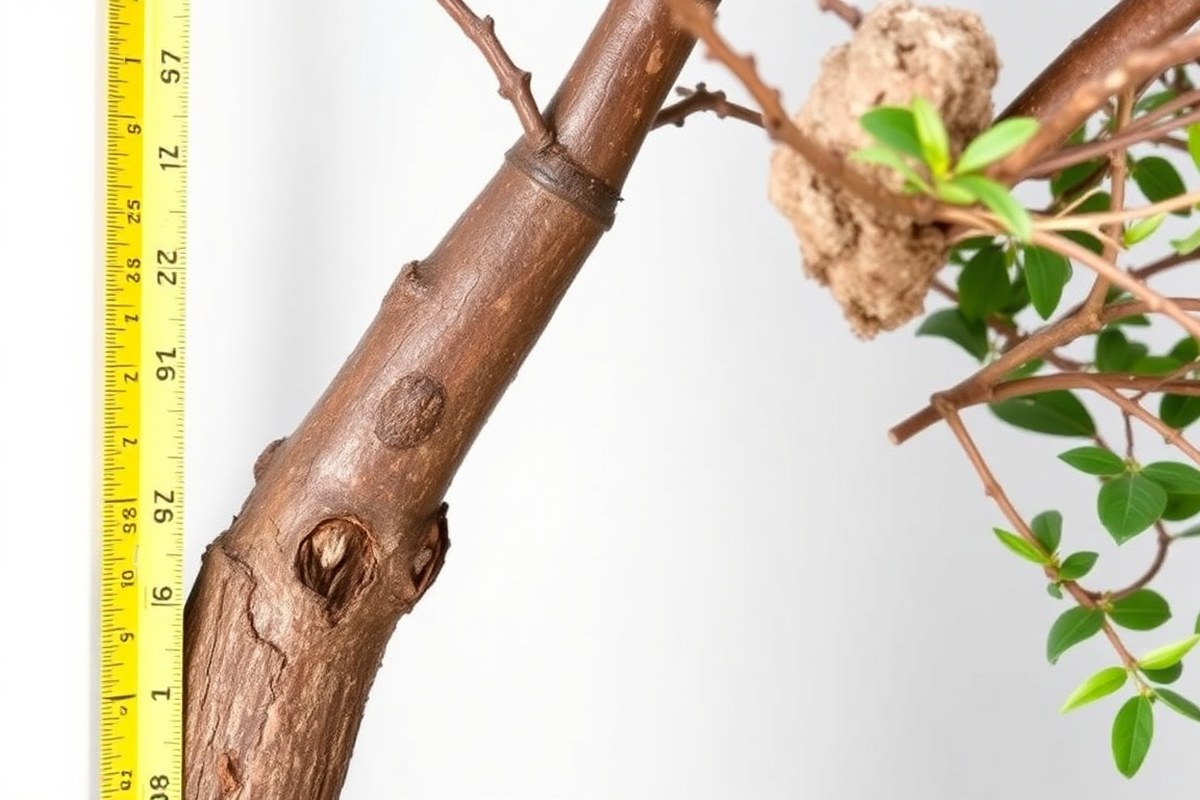
The trunk diameter, also called caliper, ranges from about 0.5 to 1.5 inches. This measurement is taken 6 inches above the soil line in the pot. It helps estimate the tree’s age, strength, and the size of the root ball below.
| Trunk Caliper (inches) | Average Tree Height (feet) | Typical Max Height (feet) | Minimum Root Ball Diameter (inches) | Minimum Root Ball Depth (inches) |
|---|---|---|---|---|
| 0.5 | 4, 5 | 6 | 12 | 7⅞ |
| 0.625 | 5, 6 | 8 | 13 | 8⅜ |
| 0.75 | 6, 8 | 10 | 14 | 9 |
| 1.0 | 8, 10 | 11 | 16 | 10⅜ |
| 1.25 | 8, 10 | 12 | 18 | 11¾ |
| 1.5 | 10, 12 | 14 | 20 | 12 |
The root ball size grows as the trunk caliper grows. A 7-gallon tree has a root ball 10 to 14 inches wide. It is about a foot deep.
This suits most planting needs. The root ball holds soil and roots.
It helps the tree survive moving. It lets the tree grow well in your yard.
Many 7-gallon deciduous trees like maples or oaks are 5 to 7 feet tall. This is their height at purchase. Size varies by species.
Evergreens might be shorter but with denser foliage. These size ranges help plan your space.
They also guide the tools needed. Good planning makes planting and transport easier.
What Does the 7-Gallon Size Really Mean for Trees?

The “7-gallon” tag tells the size of the pot used for growing. It holds between 5.8 and 7.7 U.S. Liquid gallons of soil. It does not describe the tree’s height, weight, or future size.
Containers with the same “7-gallon” label can hold different volumes. The label is a general guide, not exact. You might see some size variation.
The American Nursery Standards set a range of about 5.79 to 7.75 gallons for a #7 container. Different manufacturers design pots differently. This causes slight variations in soil volume and root space.
A tree’s overall size depends heavily on its root system, which is why container volume matters. The 7-gallon pot size signals the root ball can support a medium-sized tree. Typically, 7-gallon trees stand 3 to 6 feet tall, with roots filling the container shape.
The root ball usually copies the pot’s shape. It is about 14 inches deep. Its width generally matches the pot’s diameter.
This setup holds the roots and soil together for easy handling. Trees in smaller or bigger pots will have corresponding differences in their root ball size.
Different tree types and growing methods affect the tree’s top size. The root space stays the same in the pot. Trees can look different despite similar root sizes.
A 7-gallon Eastern White Pine may grow about 3 feet tall. A 7-gallon maple can reach around 6 feet.
Growth depends on the tree species. Both fill the same root space but grow above ground at different rates.
The container size is a sales term, not an exact size for the tree. It does not define how tall or heavy the tree is. The label describes pot volume only.
This size label helps growers and gardeners estimate root volume. It also gives a hint about the plant’s overall size. Knowing this helps with handling and planting.
Seven-gallon trees suit backyard planting well. They are large enough to grow well. At the same time, they stay easy to carry and plant.
Don’t assume “7-gallon” means the tree’s height. Always check the species and seller’s size info.
How Species and Growth Habit Affect 7-Gallon Tree Size
Species traits and growth habits shape how tall and wide a 7-gallon tree gets. Differences in trunk size, branch spread, and height show clearly between maples, pines, and palms.
Growth pace and mature size vary by tree type. So pick species based on your yard’s space and goals.
Common Deciduous Trees
Deciduous trees like red maples and sweetgums grow at a medium to fast rate. Typical growth ranges from 12 to 36 inches a year. Their branch spread usually balances with trunk thickness and height within the pot size.
A 7-gallon red maple might be 6 to 10 feet tall. Its spread is about two-thirds of that height. These trees shed leaves in winter, which can influence their growth rhythm and appearance each season.
Conifers and Evergreens
Conifers like blue spruce grow slower and have denser, tighter branch structures. Growth rates can be on the lower side, around 12 to 24 inches annually. Their spread is often narrower compared to broadleaf trees in the same pot size.
Pines and firs hold their needles all year. Pruning helps keep small trees fuller.
It also shapes their width and height. This is key when using smaller containers.
Specialty Trees and Palms
Specialty trees and palms come in many shapes and sizes, with varied growth habits. Palms in 7-gallon pots tend to be smaller with slower trunk thickness increase. Their mature height depends greatly on the species.
Fruit trees may show big differences too. Some are dwarf varieties growing slowly. Others reach full size faster, depending on rootstock and pruning choices.
| Tree Species | Average Height (Feet) at Maturity | Growth Rate (Inches per Year) |
|---|---|---|
| Red Maple | 30-50 | 24-36 |
| Sweetgum | 60-75 | 24-36 |
| Eastern Redbud | 20-30 | 12-24 |
| Lacebark Elm | 40-50 | 24-36 |
| Live Oak | 40-80 | 12-24 |
Use this table to compare growth pace and mature size before buying. Choose slower growers for tight spaces and fast growers for quick shade. Check nursery notes for exact variety traits and rootstock details to match your landscape plan.
How Trunk Caliper and Height Are Measured for 7-Gallon Trees
Trunk caliper and tree height are standard measures for sizing 7-gallon trees. Caliper is the trunk diameter measured 6 inches above the soil.
Tree height is measured from the ground to the top of the highest branch. These measurements help you understand the tree’s current size and predict how it will grow.
Measuring the Trunk Caliper
Caliper measures the tree trunk’s thickness at a consistent spot. It is measured exactly 6 inches above the soil line, not at the root flare. This spot is where trunk diameter best reflects the tree’s stage and health.
Use a caliper tool or a tape measure for accuracy. Avoid spots with trunk damage or swelling. Consistent measurement helps compare tree sizes fairly across nurseries and species.
- Locate the soil line around the tree trunk carefully.
- Measure 6 inches straight up from the soil line on the trunk.
- Place the caliper or tape measure across the trunk at this point.
- Record the diameter in inches or millimeters.
- Repeat the measurement at least twice for accuracy.
Determining Tree Height
Height is the length from the ground to the tallest living branch. Only count parts growing above the root flare. Some nurseries bury the lower trunk in soil, so watch for that.
Use a measuring stick or tape and stand the tree straight. Measure from the soil surface around the trunk base. Don’t include bare stems or dead branches in your height measure.
- Place the tree upright on flat ground for an accurate reading.
- Find the soil surface near the trunk base, avoiding buried trunk parts.
- Measure straight up to the highest healthy branch tip.
- Record the height in feet or inches.
- Double-check by seeing if the tape or stick is vertical and aligned.
Using Measurements to Compare Trees
Caliper gives a better idea about tree root size and future growth than height alone. A thicker trunk means a larger root ball and stronger initial growth. Height only shows current visual size, which can be misleading.
For example, two 7-gallon trees might be 5 feet tall. If one has a 1.5-inch caliper and the other 0.5 inch, the thicker one will establish faster. Knowing both measurements helps choose the best tree for your space and goals.
Factors Influencing the Actual Size of a 7-Gallon Tree
The age of a 7-gallon tree directly affects its size. Older trees, like five-year-olds, grow taller and fuller. Younger trees, about one year old, are smaller and thinner.
You can notice the size difference easily. You can check a tree’s maturity by looking for a thicker trunk and more branching. These signs mean the tree has spent more time growing and developing.
Nursery practices also influence a tree’s final size. Trees grown in nurseries receive regular pruning to shape their growth and control height.
For example, trimming back the top and sides encourages a sturdier and more balanced shape. Nurseries often manage watering and fertilizer carefully to speed growth and ensure health before sale.
Be careful not to overprune after planting. It can stress the tree and slow growth.
Environmental factors matter a lot too. Trees getting full sunlight usually grow faster and bigger than those in shade. Soil quality changes how well roots spread and absorb nutrients.
Mixing native soil with potting soil helps new trees settle in and grow strong roots outward. Adequate watering and slope in the planting hole keep roots healthy, supporting steady growth.
Good root space encourages root tips to grow outward, which supports better overall size. To check if a 7-gallon tree is healthy, look at its leaves. Watch for yellowing or wilting signs.
These show stress on the tree. Healthy leaves mean the tree gets enough sun, water, and nutrients.
This helps the tree grow faster and bigger. Keep an eye on leaf health to help growth.
How to Choose and Plant a 7-Gallon Tree Successfully
Selecting the Right 7-Gallon Tree
Choose a 7-gallon tree that fits your space and goals. A shorter, fuller tree works well for screening. A taller, narrow one suits tight strips or rows.
Think about your local climate and soil too. Make sure the species you pick is hardy and fits your yard’s sunlight. Common species vary, so check with your nursery.
Preparing the Planting Site
Pick a spot with enough room for the tree’s mature width. Dig a hole about twice as wide as the root ball. Make it no deeper than the root ball height to avoid root rot.
Loosen the soil to help roots spread easily. Avoid adding too much fertilizer at planting; good soil prep reduces shocks. Water the hole well before placing the tree.
Planting and Aftercare Best Practices
Handle the tree gently to protect roots and the trunk bark. Remove the container carefully and tease out circling roots. Set the tree straight in the hole and backfill with soil.
Water the tree deeply after planting to settle soil around roots. Mulch around the base, but leave a few inches clear from the trunk. Keep the soil moist, not soggy, for the first several weeks.
Check for signs of stress like wilting or yellow leaves. Protect young trees from harsh wind or sun if needed. Proper care the first few months boosts growth and strength.
Follow these steps for planting your 7-gallon tree:
- Choose a tree species and shape that suits your site and needs.
- Locate a planting area with good space and sunlight for the tree.
- Dig a hole about twice as wide and as deep as the root ball.
- Loosen the surrounding soil to encourage root growth.
- Remove the tree carefully from its container and straighten roots.
- Place the tree in the hole at the correct depth and backfill soil.
- Water deeply to settle soil and remove air pockets.
- Apply mulch, keep soil moist, and monitor the tree’s health.
Understanding Weight and Transport Considerations for 7-Gallon Trees
Most 7-gallon trees weigh between 30 and 50 pounds when fully watered. The exact weight varies by species, soil moisture, and container material. For instance, a 7-gallon oak tree often weighs more than a maple in the same pot.
Knowing the weight helps you prepare for lifting and moving. Always lift with your legs, not your back. Avoid twisting while holding the tree to prevent injury or dropping it.
- Get a good grip around the pot’s base or the root ball area
- Keep the tree close to your body while lifting
- Ask for help if the tree feels too heavy or awkward
- Wear gloves to protect your hands from splinters or rough branches
- Take small steps when carrying to keep balance
- Set the tree down gently to avoid damaging roots or branches
Transporting a 7-gallon tree needs vehicle space. That space is about 2 to 3 feet wide and long. This size helps keep the tree safe during transport.
The container stands roughly 12 to 15 inches tall. But branches can extend beyond that. Secure the tree upright using straps or padding to avoid shaking or tipping during transit.
Check your vehicle’s space before loading. Removing rear seats or folding them down helps.
Trunk sandbags or blankets prevent the tree from sliding. Avoid stacking other items on top of the tree to keep branches safe and soil intact.
How Pruning and Nursery Techniques Affect 7-Gallon Tree Appearance
Nurseries often prune 7-gallon trees to create fuller canopies and balanced shapes. They trim branches to encourage growth in certain areas, making the tree look denser. This shaping helps the plant use its energy well.
It keeps the size manageable for container growth. The plant can grow better this way.
Pruning affects growth rate by directing energy to main branches instead of weak or crowded shoots. Cutting back branches helps the tree focus on healthier parts. This strengthens the trunk and roots.
It supports better overall growth. For example, thinning crowded branches early encourages better air flow and sunlight, reducing disease risk.
After planting, you should continue light pruning to maintain the tree’s shape and health. Remove any dead, damaged, or crossing branches during the first few years. Prune to open the tree’s center for good air flow.
This helps the tree grow stronger. It also reduces pests and mold.
Pruning style depends on the tree’s growth habit. Some species grow upright and benefit from trimming the top to promote side branches.
Others spread wide and require thinning to avoid heavy, weak limbs. Knowing your tree’s natural shape helps guide when and where you make cuts.
Training young trees with selective pruning costs only time and a good pair of pruning shears. Most pruning work happens during dormancy in late winter or early spring. Avoid heavy cutting during hot weather to prevent stress and disease.
Prune moderately after planting, focusing on dead or crossing branches. But avoid heavy cuts in the first year to reduce stress.
Step-by-Step Action Plan for Planting Your 7-Gallon Tree
Follow these steps to plant your 7-gallon tree successfully and help it thrive in your yard.
- Before You Plant: Choose a sunny spot with well-draining soil. Your tree should match the space and soil conditions.
- Day of Planting: Dig a hole twice as wide as the root ball. Make the hole just as deep as the root ball. This makes it easier for roots to spread.
- Right After Planting: Put the tree in the hole. Make sure the root ball top is level with the soil. This prevents root rot.
- Immediately After: Fill the hole halfway with soil and water it well. This settles soil around the roots and removes air pockets.
- Within the First Week: Finish filling the hole and water again deeply. Check soil moisture every day; soil should stay moist but not soggy.
- Week 2 to Week 4: Spread 2 to 3 inches of mulch around the tree. Keep mulch from touching the trunk directly. Mulch keeps roots cool and retains moisture.
- Month 1 and Ongoing: Water weekly during dry spells. Adjust watering based on rain and soil moisture.
- Month 3 and Beyond: Inspect the tree for pests or diseases monthly. Prune dead branches if needed to keep the tree healthy.
Frequently Asked Questions
How Long Does It Usually Take for a 7-gallon Tree to Settle in After Planting?
A 7-gallon tree typically takes one to two growing seasons to settle in. This period allows roots to establish well before rapid growth starts.
Can You Plant a 7-gallon Tree in Winter?
You can plant a 7-gallon tree in winter if the ground isn’t frozen. Just avoid planting during hard freezes for better survival chances.
What Kind of Root Ball Comes with a 7-gallon Tree?
A 7-gallon tree usually has a root ball about 12 to 16 inches in diameter. This size helps protect the roots during transplanting.
What Tools Do I Need to Plant a 7-gallon Tree?
You only need basic tools like a shovel and gloves to plant a 7-gallon tree. These tools help dig the hole and protect your hands.
Can 7-gallon Trees Be Grown Indoors?
Growing 7-gallon trees indoors is possible but tricky due to size and light needs. Choose slow-growing indoor species for the best results.
How Heavy Is a 7-gallon Tree with Its Root Ball?
A 7-gallon tree with moist soil generally weighs between 30 and 45 pounds. This weight makes it manageable for one or two people to carry.
Before You Go
A 7-gallon tree is a practical size, offering quick establishment and manageable planting. Start by selecting the right planting spot and preparing well. Watching your tree take root and grow is the next step you can do today.