How Much Does Grass Seed Cost? Complete Guide to Pricing by Type & Lawn Size
Grass seed costs vary mainly by type and quality. You can pay between $3 and $15 per pound for seeds.
Basic mixes tend to be cheaper. Premium seeds or special blends usually cost more and resist weeds better.
Buying seed alone typically costs $10 to $120, depending on lawn size and type. Some bags contain up to 15% filler, which changes how much pure seed you get.
Check purity to know the real seed amount you pay for. Look for labels that list the seed percentage clearly.
Price per square foot depends on seeding rate and grass type. Warm-season grasses like Bermuda or Zoysia usually cost more than cool-season ones.
Seed takes weeks to grow but costs less than instant sod. This delay lets you save money while waiting for a lawn to fill in.
Key Takeaways
- Grass seed costs $3 to $10 per pound for basic mixes. Premium types can cost up to $15 per pound. Prices depend on quality and type.
- Check seed bag purity; 15% might be filler, not actual seed.
- Calculate seed needed by lawn size and seeding rate to estimate total cost.
- Warm-season grasses usually cost more but offer benefits like drought tolerance.
- Seed costs less upfront than sod but takes longer to establish.
- Professional seeding costs about $0.09 to $0.15 per square foot in most areas.
How Much Does Grass Seed Cost per Pound and Square Foot?

Grass seed costs vary widely by type, quality, and packaging. You can expect to pay roughly $3 to $41 per pound for grass seed alone. This price depends on seed purity and germination rate.
It also depends if the seed is coated or weed-free. These factors affect the total cost.
Seed cost per square foot depends on your grass’s seeding rate. Use that amount to figure the true price. It varies by grass type.
Typical seed prices range from $0.10 to $0.50 per square foot. But premium blends can reach about $0.08 to $0.75 per square foot when seed and seeding rate are both high.
Seed purity affects how much viable seed is inside the bag. Germination rate tells you the percentage of seed that will sprout. Lower purity or germination means you must spread more seed.
That raises the effective cost. More seed covers the lawn better.
| Grass Species | Average Cost per Pound (USD) |
|---|---|
| Tall Fescue | $2, $6 |
| Perennial Ryegrass | $3, $8 |
| Bermudagrass | $3, $12 |
| Bahiagrass | $6, $15 |
| Kentucky Bluegrass | $7, $15 |
| Fine Fescue | $8, $14 |
| Zoysiagrass | $8, $41 |
| Carpetgrass | $10, $15 |
Contractor mix bags usually cost less than premium seed bags. They often have more weed seeds or lower purity. So they are cheaper but lower quality.
Premium seeds are usually cleaned and coated, offering better germination and less waste. Each bag label shows purity and germination percentages.
Use these numbers to calculate how much seed will actually grow. It helps estimate coverage.
For example, 90% purity and 80% germination equals 72% viable seed. Only 72% of one pound will produce new grass. The rest won’t grow.
You’ll need to buy extra to cover your lawn fully. Price per square foot helps more than price per pound.
It shows the real cost when planting your lawn. It makes budgeting clearer.
How to Calculate Total Grass Seed Needed for Your Lawn
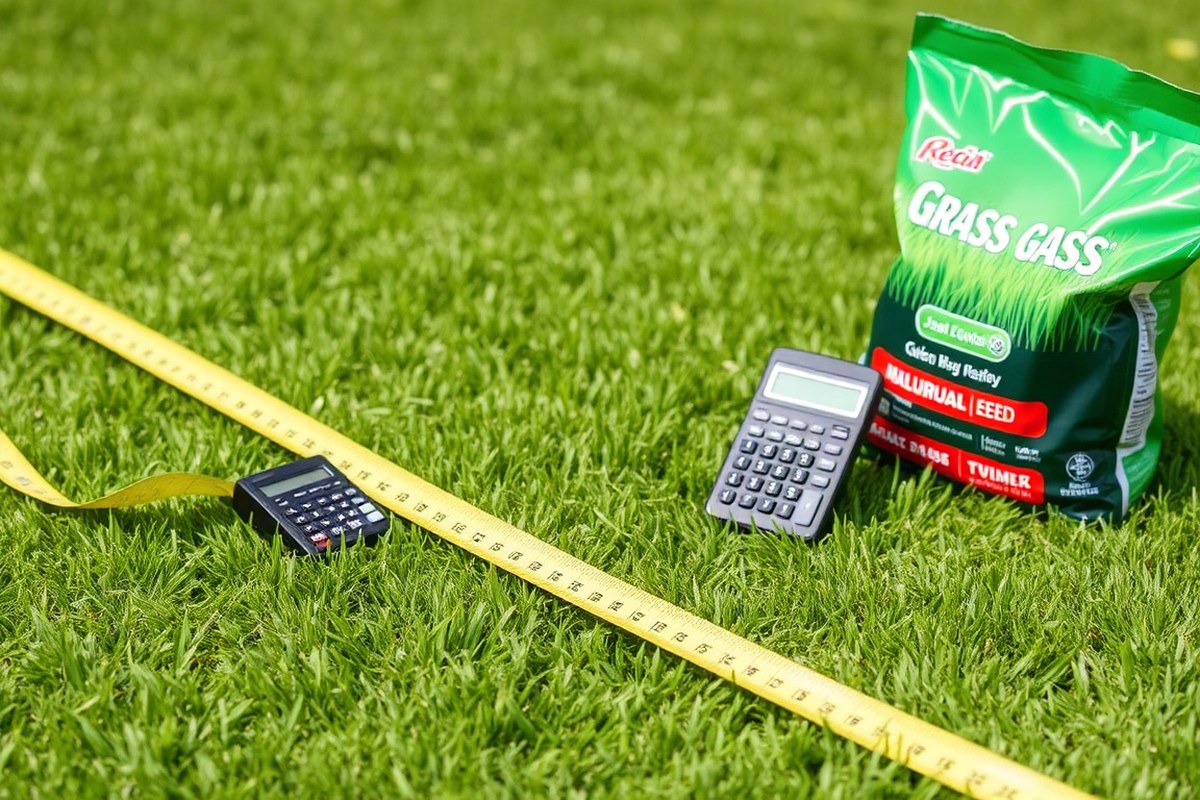
To find the total grass seed needed, start by measuring your lawn size in square feet. Then pick the right seeding rate based on whether you’re planting a new lawn or overseeding. Finally, adjust the amount to match your seed’s purity and germination rates.
Measuring Lawn Size Accurately
Knowing your lawn’s exact size helps you buy just the right seed amount. Use a tape measure, a measuring wheel, or a smartphone app that tracks area. Divide your yard into smaller shapes, like rectangles or triangles, for easier measuring.
Write down all measurements and calculate each area separately. Then add them together to get the total lawn size. Double-check your work to avoid mistakes that will lead to extra costs or wasted seed.
- Walk the lawn edge and measure each straight section with a tape or wheel.
- Break the lawn into rectangles, squares, or triangles.
- Use length × width for rectangles/squares. For triangles, use base × height ÷ 2.
- Write down each section’s area.
- Add all separate areas to get the total square footage.
- Verify measurements by re-measuring your largest or oddly shaped sections.
Double-check your lawn measurements to avoid spending on extra seed you don’t need.
Selecting the Correct Seeding Rate
Establishing new lawns requires more seed than overseeding. Spread 5 to 10 pounds of seed per 1,000 square feet for new lawns. Overseeding calls for roughly half that amount, around 2 to 5 pounds per 1,000 square feet.
The seeding rate changes based on the type of grass. Larger seeds require more pounds to cover the same space. This affects how much seed you should buy.
Check the seed label or supplier recommendations for exact rates. Tall fescue needs 5 to 8 pounds per 1,000 square feet on new lawns.
It requires more seed than some other grass types. Use this amount for good coverage.
Using the right seeding rate helps prevent patchy grass and wasted seed. Too little seed means poor growth. Too much seed raises costs without extra benefit.
Adjusting for Purity and Germination
Seed labels show purity and germination percentages. Purity means how much of the seed bag is actual seed, not debris. Germination means how many seeds are likely to sprout.
To get live seed percentage, multiply purity by germination. For example, 85% purity and 80% germination means 68% live seed. To make up for this, increase your seeding rate by about 18-20%.
Your seed label says 8 pounds per 1,000 square feet. You should apply about 9 pounds for best results. This slight increase accounts for common spreader losses.5 pounds instead.
This adjustment ensures enough viable seed lands in your soil, improving lawn density without wasting seed. For a 5,000 square foot lawn with a new tall fescue lawn:
- Divide 5,000 by 1,000 = 5
- Use seeding rate: 8 lbs per 1,000 sq ft (typical for new lawn)
- Calculate base seed needed: 5 × 8 = 40 pounds
- Adjust for purity (85%) and germination (80%): 40 ÷ 0.68 = 58.8 pounds needed
You would buy about 59 pounds of seed in total to cover your lawn effectively.
How Grass Type Affects Seed Cost and Seeding Rate
Grass seed costs vary widely depending on the type of grass and region you live in. Warm-season grass tends to have a lower seeding rate but may cost more per pound. Choosing the right grass seed means balancing cost, seeding rate, and your local climate.
Cool-Season Grasses and Their Costs
Cool-season grasses like tall fescue and Kentucky bluegrass work well in northern climates. They cost between $2 and $15 for every pound of seed. Plant about 4 to 10 pounds per 1,000 square feet with these grass types.
Here is a comparison of common cool-season grass seed prices and seeding rates:
| Grass Type | Typical Price per Pound | Seeding Rate per 1,000 Sq Ft | Notes |
|---|---|---|---|
| Tall fescue | $2, $6 | 10 lb | Requires heavy seeding for thick lawn |
| Kentucky bluegrass | $7, $15 | 4 lb | More expensive per pound, lower seeding rate |
| Perennial ryegrass | $3, $8 | 10 lb | Good for quick germination and repair |
Choosing cool-season grasses is ideal when you live in climates with cold winters. Tall fescue is a budget pick. Kentucky bluegrass suits areas where fine texture and less seeding are priorities.
Warm-Season Grass Seed Prices
Warm-season grasses such as bermudagrass, bahiagrass, and zoysiagrass grow best in southern states. Prices vary from $3 up to $40 per pound depending on the type. These grasses grow quickly and need less seed, usually 2 to 10 pounds per 1,000 square feet.
Here is a quick look at warm-season seed costs and rates:
| Grass Type | Typical Price per Pound | Seeding Rate per 1,000 Sq Ft | Notes |
|---|---|---|---|
| Bermudagrass | $3, $12 | 2 lb | Drought tolerant, fast growing |
| Bahiagrass | $6, $15 | Varies | Good in sandy soils, low maintenance |
| Zoysiagrass | $8, $40 | Varies | More expensive but durable and dense |
Warm-season grasses usually cost more per pound but need less seed overall. These grasses handle drought and heat well.
That makes them good for hot, dry areas. You can count on their tough nature during summer.
Choosing Grass Seed by Climate Region
Pick cool-season grass if you live in the northern US, where winters are cold. These grasses green up early in spring and tolerate frost well. Your budget will influence whether you pick affordable tall fescue or pricier Kentucky bluegrass.
In southern regions with hot summers, warm-season grasses like bermudagrass or zoysia fit better. They resist heat and drought but can need more care in cooler seasons. Consider your watering habits and maintenance skills when choosing.
Living in a transition zone between warm and cool climates? Try mixing seed types for better results. This blend can handle changing conditions.
This choice balances cost and durability to create a lawn that survives a wider temperature range. Always check local extension office recommendations to match seed with climate and soil.
Comparing DIY vs Professional Lawn Seeding Costs
Seeding your lawn yourself means buying grass seed, fertilizer, and some basic tools. Expect to pay about $150 to $400 for seed on a 5,000-square-foot lawn. You’ll need a spreader.
You might also need a rake. Together, they cost $30 to $70 if you lack them.
Your DIY cost usually stays under $500. This is for a medium-sized lawn.
Professional lawn seeding costs include labor, equipment, and materials. Labor rates run between $45 and $95 per hour, not including supplies. For a 5,000-square-foot lawn, hiring pros tends to cost between $400 and $750 total.
This price covers seed, soil prep tools, application machines, and cleanup. Larger lawns, like a quarter-acre, can run close to $1,200 or more with labor included.
Doing it yourself saves money but requires time and effort. Hiring a pro makes sense for large lawns. Also for uneven or wet lawns.
Drainage problems need expert care too. Professionals have equipment and experience to get even coverage and faster germination.
They also handle fertilizing and aeration, which can boost seed success if included. For simple overseeding on flat, healthy lawns, DIY seeding is usually good enough and more budget-friendly.
How Different Seeding Methods Impact Overall Costs
Seeding method affects cost, lawn condition, and seed use. Slice seeding, overseeding, and hydroseeding each fit different needs and budgets. Knowing their costs and uses helps you pick the best option.
Slice Seeding Costs and Benefits
Slice seeding cuts shallow grooves in soil and drops seeds directly into them. It costs about $0.08 to $0.18 per square foot, depending on lawn size and machine rental or professional fees. This method is great for lawns with bare patches or compacted soil.
Slice seeding improves seed-to-soil contact, boosting germination chances without removing old grass. You need a slice seeder or can rent a machine. Rentals cost about $50 to $100 per day.
This tool cuts into soil to plant seeds evenly. Avoid slice seeding in very rocky or uneven lawns because it won’t cut properly.
Prepare soil by mowing and lightly raking before slice seeding to help seeds settle in grooves.
Overseeding Price Comparison
Overseeding adds seed on top of existing grass and usually costs from $0.06 to $0.22 per square foot. It’s the cheapest option and helps thicken lawns, repair thin spots, and improve grass variety. Use the seeder during early fall or spring seasons.
These times have good moisture and the right temperatures. Cool-season grasses do best then.
Since overseeding doesn’t involve cutting, it needs aeration or raking first to open the soil. Overseeding can fail if done on a lawn with too much dead grass or weeds. Use roughly 5 pounds of seed per 1,000 square feet.
This amount applies for overseeding, not starting a new lawn. New lawns need more seeds.
- Cost depends on seed quality and lawn prep needed
- Works well for lawns mostly alive but sparse
- Less seed used compared to new lawn seeding
- Requires good soil moisture after planting
- Follow with light watering for 2 to 3 weeks
Hydroseeding: Costs and Considerations
Hydroseeding spreads a mix of seeds, mulch, water, and fertilizer. It costs about 7 to 21 cents per square foot.
This method works well on large or steep lawns. It helps ground cover fast and reduces soil erosion more than dry seeding.
Hydroseeding requires specialized equipment and often a professional crew, which lifts upfront costs. It’s best when planting new lawns or fixing eroded patches. Keep the area moist for a month after hydroseeding to ensure seeds germinate well.
Hydroseeding can fail if watering isn’t consistent, so plan for daily misting or irrigation.
Additional Costs: Fertilizer, Aeration, and Supplies
Starter fertilizer helps new grass seed grow strong roots. Look for fertilizers with a high phosphorus number like 10-18-10 NPK. A 10-pound bag costs about $15 to $30.
This amount covers 5,000 square feet. Apply the fertilizer right when you seed to give young grass a nutrient boost early on.
Core aeration improves soil by creating holes that let air, water, and nutrients reach roots better. Renting a core aerator usually costs $40 to $80 per day. The price depends on your location and the type of machine.
Rent the aerator one or two days before sowing seeds. This helps loosen soil compaction. It also lets seeds settle better for growth.
Besides fertilizer and aeration, you’ll need basic supplies like a spreader, rake, and watering tools. A fertilizer spreader rental costs around $30 a day. Handheld models usually cost $20 to $50 to buy.
A good drop or broadcast spreader helps evenly apply seed and fertilizer, improving germination rates. Holding off on proper tools can lead to patchy grass and waste.
Rakes help by loosening soil and covering seeds after spreading. A basic garden rake costs $10 to $25. Also, watering supplies like hoses and sprinklers are essential.
New seeds need consistent moisture for two to three weeks. So a good sprinkler can help maintain even watering. Check that your watering system delivers light, frequent watering to avoid washing seeds away.
Some homeowners use lawn repair mixes like Scotts Turf Builder Thick’R Lawn. These combine seed, fertilizer, and soil improver in one package.
The cost runs $20 to $40 per 5,000 square feet and simplifies your supply list. These products help fill in worn patches faster but are extra expenses beyond just seed.
Timing matters. Buy fertilizer and supplies near your planting date so they don’t sit unused. Store unopened fertilizer in a cool, dry place to avoid nutrient loss.
Renting aerators just for your seeding day saves money compared to long rentals. Don’t aerate if your lawn is soft or newly built. Avoid pricey seed coatings that add cost but no clear benefit.
When to Buy in Bulk or Shop Online to Save Money
Buying grass seed in bulk usually cuts the price per pound by 15% to 30%. Online suppliers often beat big-box store prices by a similar margin. A 50-pound bag bought off-season online costs less.
Smaller seed bags at local stores are pricier. Buying in bulk saves you money this way.
Bulk buying works if you need seed for 5,000 square feet or more. It’s cheaper when you cover larger areas. Less than that, it might not pay off.
Small yards or spot repairs might cost more buying in bulk. The unit price per small bag totals less. So, buy small if your lawn is small.
Look at the seed coverage listed on the bags. Compare price per square foot before you buy. This helps find the best deal on seed.
Farm supply stores or agricultural co-ops offer another option. They often carry certified seeds at 10% to 20% lower prices due to larger volume sales. Visit seed suppliers early spring or late fall for the best price.
Demand drops outside main planting seasons. This timing can save you money.
Online shopping shines for price and variety. Ordering early, before peak lawn seeding season, scores big savings.
Plus, sellers like Anderson’s Seed and Garden provide quality assurance. So you get good seed without overpaying.
Seed storage affects value, especially bought in bulk. Store seed in a cool, dry spot under 50°F to keep it fresh. Seed stays good for up to two years this way.
Avoid warm or humid places. Moisture or heat kills the seed quickly, which wastes your purchase.
Seed coated with clay or polymers weighs more but has less seed. Usually it’s only half actual seed by weight. The coating just adds bulk, not seed.
This increases cost without more lawn coverage. Check the seed weight versus the coating weight before buying. This will stop you from paying extra for coatings you may not want.
Know what you pay for. Plain seed often costs less and covers more ground.
Plan purchases based on your lawn’s size, budget, and planting time. Buying bulk seed online or at farm outlets early can lower cost. Price can drop to between 1 and 6 cents per square foot.
Early shopping saves money. That’s a solid deal but requires thoughtful storage and seed selection.
Common Mistakes That Increase Grass Seeding Costs
Buying too much or too little seed wastes money. Use about 6 pounds per 1,000 square feet for new lawns.
Too little seed leaves bare patches. Too much seed clumps and costs extra without helping.
Spreading seed unevenly causes some spots to grow thick and others to stay bare. Walk slowly and spread seed in overlapping rows. Calibrate your spreader first to know exactly how much seed comes out per pass.
Picking the wrong time to seed delays germination and forces reseeding. Cool-season grasses do best when temperatures are 50 to 65°F. Warm-season types prefer 65 to 75°F. Avoid seeding in extreme heat or cold, which kills seed or slows growth.
- Measure lawn area carefully before buying seed.
- Test soil pH and nutrients before planting.
- Prepare soil by loosening top 2 inches for seed-to-soil contact.
- Use a broadcast spreader with even, overlapping passes.
- Water lightly twice daily until seeds sprout.
- Avoid seeding during drought or heavy rain periods.
- Don’t seed too thickly; stick to recommended rates.
Poor soil preparation wastes seed and raises costs. Till or rake soil to loosen and clear debris. Seed needs good soil contact to grow.
Heavy clumps block sunlight and water. They make seedlings weaker or kill them.
Skipping watering after seeding costs more later. Keep the soil moist but not soaked for 2 to 3 weeks.
Dry soil kills seeds; too much water causes rot. Watch daily weather and adjust watering as needed.
Use a small test patch with your spreader first. Check seed flow carefully. Do this before seeding the entire lawn.
Step-by-Step Action Plan for Affordable Grass Seeding
Follow these simple steps to keep your grass seed project on track and within budget. Check your progress as you complete each stage.
- Before you start: Measure your lawn area carefully to calculate the exact seed needed. Make sure you have the right seed type for your climate and soil.
- Day 1: Prepare your soil by removing debris and aerating the lawn. Test the soil to check if fertilizer is needed for better seed growth.
- Day 2: Buy grass seed from a reliable local or online store. Look for bulk deals if your lawn is large to save money per pound of seed.
- Day 3: Spread the seed in your chosen way. Use hand spreading or a mechanical spreader. Check for even coverage and good seed-to-soil contact.
- After seeding: Lightly water your lawn every day to keep soil moist but not soaked. Watch for healthy green shoots to confirm seed germination.
- Week 3: Apply fertilizer as recommended for your grass type. Avoid overfeeding, which can increase costs and harm your lawn.
- Month 2: Mow carefully once grass reaches 3 inches tall. This promotes healthy thick growth and prevents weed takeover.
Frequently Asked Questions
How Much Does Grass Seed Cost?
Grass seed costs about $0.10 to $0.75 per square foot. The price depends on the grass type, seed quality, and where you buy it.
What Is the Average Cost of Grass Seed?
Grass seed usually costs between $0.09 and $0.15 for each square foot. This price range covers most typical lawn types and seed qualities.
How Much Does It Cost to Seed a 1000 Square Foot Lawn?
Seeding a 1000 square foot lawn usually costs $90 to $150 in grass seed. Labor and extra supplies will add to this price.
How Much Does a 50 Lb Bag of Grass Seed Cost?
A 50 lb bag typically costs between $150 and $300. Prices vary based on grass variety and whether the seed is premium or standard.
How Much Does 100 Lb of Grass Seed Cost?
100 pounds of grass seed often costs $300 to $600. Buying larger amounts can sometimes lower the price per pound.
Can You Plant Grass Seed Year-Round?
No, the best times are spring and early fall. Planting then gives seed the best chance to grow well.
Before You Go
Grass seed cost depends on seed type, lawn size, and chosen methods. Knowing these details helps avoid overspending. Start by measuring your lawn and selecting seed now.