What Grass Seed Should I Use for Your Lawn: Complete Guide with Best Picks
What grass seed should I use depends mostly on your climate and lawn conditions. Living in a cold winter area means choosing cool-season grasses. Kentucky bluegrass and fine fescue are top picks.
They handle cold better than warm-season types. For warmer places, warm-season grasses thrive when temperatures hit between 70°F and 90°F.
Sun exposure is a big deal in choosing grass seed. Seed blends with fine fescue are great for shady spots.
Other seeds do better under full sun. Soil type also matters, clay, sand, or loam all affect how well grass seed grows.
Start by assessing your lawn’s sun, soil, and typical weather. Pick seed mixes designed for your conditions to save time and avoid wasted effort. Water your new grass once or twice daily after planting.
Do this until seedlings reach about 2 inches tall. Regular watering helps young grass grow strong.
Key Takeaways
- Choose cool-season grass seed if soil stays between 50°F and 65°F in spring.
- Pick warm-season grass seed suited for soil temperatures between 70°F and 90°F.
- Use fine fescue seed blends for lawns with less than six hours of direct sun daily.
- Match grass seed to soil type for better root growth and lawn health.
- Water newly planted seed daily until seedlings reach about 2 inches tall.
- Avoid planting seed when temperatures drop below 40°F or rise above 95°F.
Which Grass Seed Is Best for Your Lawn Conditions?

Choose grass seed by matching it to your lawn’s sun, soil, traffic, and climate. First, measure how much sun your yard gets daily. Choose seeds like Kentucky bluegrass or Bermuda for full sun.
These need at least six hours of direct sunlight each day. They grow best with plenty of light. For shaded spots, fine fescue works better because it tolerates less sun.
Test your soil type too. Sandy, clay, or loamy soils need different grasses. Tall fescue fits many soils, especially heavier clay, since its roots grow deep.
For sandy soil, Bermuda grass does well and prefers slightly acidic pH between 6 and 7. Adjust seed choice to your soil improves growth drastically.
Your lawn gets a lot of foot traffic? Pick durable seeds. Perennial ryegrass and tall fescue handle heavy use well.
Kentucky bluegrass does better with light wear. Choose based on how much traffic your lawn gets.
Bermuda grass also handles traffic well, making them good for playgrounds or busy yards. Keep in mind, heavier foot traffic means slower seed germination and growth.
Climate shapes your final decision. Cool-season grasses like tall fescue and bluegrass thrive in northern states with spring and fall planting.
Warm-season grasses like Bermuda or Bahia do best in southern areas with hot summers. Plan to seed when temperatures stay above 50°F consistently for the best germination.
Combine these factors into a simple rule: Match seed type to your main conditions. Say your yard has patchy sun and clay soil. Then pick a tall fescue mix that handles both conditions well.
For high traffic and dry summers, a drought-tolerant tall fescue or Bermuda mix fits best. Scotts Turf Builder has mixes made for sun, shade, or drought. These cater to most lawn care problems you might face.
Assess your yard carefully, then pick a seed blend that fits those conditions. Quality seed costs about $30 to $60 for five pounds. That covers 1,000 to 2,000 square feet of lawn area.
Proper choice saves you time and avoids early failure from poor growth or disease. Watch for uneven spots and reseed as needed to fill thin areas.
How to Choose Between Cool-Season and Warm-Season Grasses
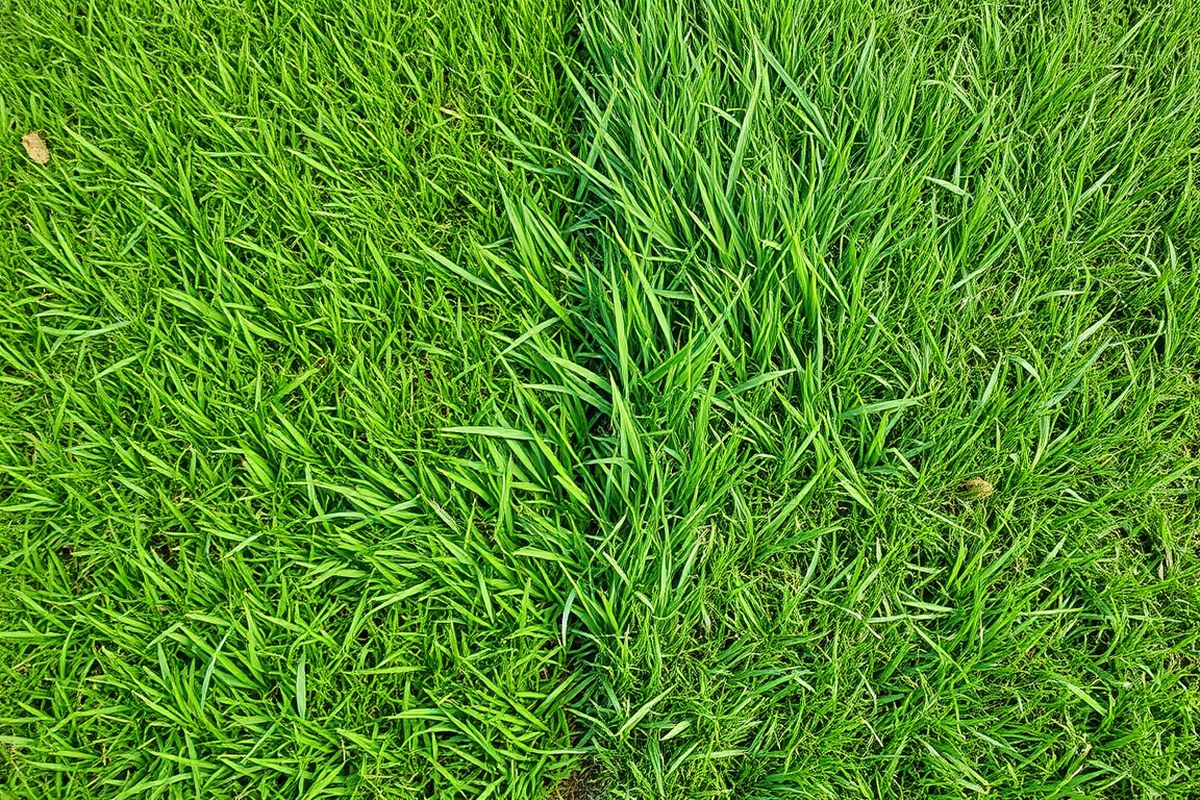
Cool-season grasses thrive in cooler temperatures, typically between 60°F and 75°F. Warm-season grasses prefer warmer weather, growing best between 80°F and 95°F. Choose based on your climate zone to get a healthy, lasting lawn without too much struggle.
Characteristics of Cool-Season Grasses
Cool-season grasses like Kentucky bluegrass and tall fescue grow best in northern areas. They also do well in the transition zone. Perennial ryegrass is another example of these grasses.
They stay green longer in cooler months and handle shade better than many warm-season types. These grasses spread well to fill in bare spots and often have fine textures.
Cool-season grasses start to sprout within 5 to 30 days, based on the type. Perennial ryegrass grows fast and usually sprouts in about a week. Their roots go deep, which helps them deal with cold, drought, and lots of foot traffic.
Traits of Warm-Season Grasses
Warm-season grasses include bermudagrass, zoysiagrass, and centipedegrass. They do best in the southern states where summers last long and are hot. These grasses love warm weather the most.
They grow actively when soil temperatures stay above 65°F. These grasses handle drought and heat better than cool-season types. They stop growing and turn brown in winter. This dormancy helps them survive cold weather.
Warm-season seeds usually take a bit longer to germinate. Their roots grow deeper in hot growing seasons.
They form thick, dense turf but require full sun to do their best. These grasses recover quickly from wear but will struggle in heavy shade.
Seasonal Planting Windows
The best time to plant cool-season grass seed is in early fall, especially September. Soil and air temperatures cool down.
But the ground is still warm enough for seed to sprout well. Spring is another option, but fall gives roots more time to settle before winter.
Plant warm-season grass seed in late spring or early summer, typically May. This timing matches when soil temperatures consistently exceed 65°F. Planting too early in cooler soil will delay germination. Late planting risks the grass not maturing before cold weather.
| Grass Type | Category | Ideal Climate | Germination Time |
|---|---|---|---|
| Kentucky Bluegrass | Cool-Season | North, Transition Zone | 14 to 30 days |
| Perennial Ryegrass | Cool-Season | North, Transition Zone | 5 to 10 days |
| Tall Fescue | Cool-Season | North, Transition Zone | 10 to 14 days |
| Bermudagrass | Warm-Season | South | 14 to 28 days |
Never plant grass seed when soil temperatures are below 40°F or above 95°F; germination drops fast.
Understanding Sun Exposure and Its Impact on Seed Selection
Sun exposure guides what grass seed fits your lawn best. Full sun lawns need different seeds than shady spots. Some seed mixes work well for areas with both sun and shade.
Full Sun Grass Seed Options
Lawns that get six or more hours of direct sun do well. Kentucky bluegrass and perennial ryegrass grow best in these spots. Both types handle full sun nicely.
A mix with 85 to 90 percent Kentucky bluegrass works well. Add 10 to 15 percent perennial ryegrass for durability. This combo creates a deep green, tough lawn.
Tall fescue is a good choice for sunny lawns. It has deep roots that help it resist drought. This grass stays healthy even in dry weather.
These seed types sprout within two weeks and fill in quickly. Keep lawns watered regularly during germination to avoid dry patches.
Full sun lawns need seeds that tolerate heat and dry periods. So pick blends tested for your region’s climate.
Grass Seed for Partial Shade
Areas with four to six hours of sun need special mixes. Use tall fescue, perennial ryegrass, and fine fescues combined. These blends suit spots with moderate sunlight.
These blends perform well in partial sun and tolerate some shade without thinning. Tall fescue’s toughness and fine fescues’ shade tolerance make a good balance.
Pennington Smart Seed is a good example of these blends. It mixes tall fescue, Kentucky bluegrass, ryegrass, and fine fescues. This works for yards with sun and shade.
These seed mixes usually take 8 to 21 days to sprout. This timing helps you get a denser, fuller lawn.
The grass also stays green longer this way. Overseeding in early fall can improve germination success in these spots.
Best Seeds for Deep Shade Areas
For spots with two to six hours or less sun, fine fescue is best. It dominates most seed blends made for shade. This grass grows well under trees or buildings.
Fine fescues are the most shade-tolerant grasses and stay green even under heavy tree cover. Mixes at least 50 percent fine fescue work well in the North and transition zones.
Choose mixes like Pennington Smart Seed Dense Shade for deep shade. They contain shade-loving fescues and also tall fescue. These seeds help lawns grow where sunlight is limited.
These blends grow slowly but create thick, healthy turf with less sun. Avoid sun-loving grass varieties here; they will thin out and leave bare spots.
Soil Type Matters: Choosing Seed Based on Your Lawn’s Soil
Your lawn’s soil type plays a big role in how well grass seed grows. Soil includes texture, pH, and nutrients, each influencing seed germination and growth. Testing your soil is the first step to pick the right seed.
It also helps you prepare the ground the right way. Good prep boosts seed growth.
Start with a soil test kit from a garden center or your local extension office. Collect soil from a few spots in your yard about 3 to 4 inches deep. Mix these samples, then send some to a lab or use a home test kit.
Testing costs $10 to $30 and takes a few days for results. You’ll get soil pH, nutrient levels, and texture info, sandy, loamy, or clay.
Matching grass seed to soil helps get strong roots and thick grass. Some seeds handle poor quality or specific soils better. Tall fescue grows well in clay and loam soils.
It handles heavy soils and low nutrients. That makes it a solid choice. Bermuda grass prefers sandy soil and lots of heat.
It’s great for dry, sandy yards in southern states. It survives those tough spots well. Kentucky bluegrass grows best in loam with good drainage but struggles in wet clay.
Your soil needs fixing if it’s not right. Add organic matter or lime to balance pH and nutrients. Do this before planting seeds.
- Tall fescue: adaptable to clay, loam, and some sandy soils
- Bermudagrass: best for sandy, well-drained, warm soils
- Kentucky bluegrass: thrives in loamy, fertile soils
- Ryegrass: tolerates a variety of soils, good for overseeding
- Lawn repair mixes: include seed plus fertilizer and soil improver
- Adjust soil pH to 6.0-7.0 for most grasses
- Add compost to improve nutrient-poor or compacted soils
Soil testing shows where to add lime for acidic soil. It also helps if you need sulfur for alkaline soil. This keeps soil balanced.
This keeps pH between 6.0 and 7.0, where most grasses grow best. Nutrient-rich soils speed up germination, and balanced soil retains enough moisture. Skipping soil tests risks picking seeds that won’t grow well.
You might waste time fixing problems that aren’t there. Good tests avoid this.
Once you know your soil type and test results, pick seed compatible with your soil’s needs. Amend soils with organic matter if it’s too sandy or clayey. Use fertilizer with your seed if soil lacks nitrogen or phosphorus.
This helps new grass grow strong and healthy. Check soil first. The right seed and soil prep lead to a healthy, green lawn that lasts through seasons.
Grass Seed Varieties for High Foot Traffic and Durability
Grasses like tall fescue and perennial ryegrass stand out for areas with heavy foot traffic. These species develop deep, strong roots that hold soil tightly.
They can recover fast after being stepped on. Their thick blades resist damage and keep the lawn dense, which helps prevent bare spots.
Tall fescue’s roots grow 12 to 15 inches deep. This gives it extra strength during dry spells. Perennial ryegrass roots grow 6 to 10 inches deep.
They spread fast and fill worn spots. A good mix of these grasses offers both durability and fast repair, especially in cooler climates.
For warm-season lawns, Bermuda grass and zoysia grass are top picks for durability. Bermuda grass grows roots 18 inches deep, supporting heavy use and drought resistance.
Zoysia spreads densely and recovers well from traffic. But it grows slowly and needs more patience to fill in bare spots.
Using seed blends with these species balances quick coverage and long-lasting strength. For example, a tall fescue and perennial ryegrass blend works well in northern states. Warm-season blends usually include Bermuda and zoysia seeds for southern lawns.
Maintaining tough grass means watering deeply but less often to encourage deep roots. Lawns need about 1 to 1.5 inches of water weekly during warm months. Avoid frequent, shallow watering, which only trains shallow roots and weakens durability.
Regular mowing at recommended heights keeps grass healthy. Tall fescue should be mowed at 3 to 4 inches high. Bermuda prefers 1 to 2 inches.
Taller grass shades roots and soil, helping resist wear and drought. Also, aerate compacted soil yearly to loosen it, allowing roots to grow deeper and recover faster.
Tall fescue and perennial ryegrass work well for heavy traffic lawns. They suit cool climates and clay soils.
Bermuda and zoysia thrive in hot, sunny areas and resist drought. Choose the right type based on your climate and sunlight for best durability.
Overwatering can weaken grass roots, making your lawn less durable under heavy use.
How to Calculate Grass Seed Quantity and Quality (PLS)
Pure live seed (PLS) tells you what portion of grass seed will actually grow. To plant the right amount, you must adjust bought seed weight for PLS. This ensures your lawn gets enough viable seed and you won’t waste money.
Understanding Seed Purity and Germination
Purity tells you how much of the bag is real grass seed. It does not include debris or other seeds.
You want a higher purity for better seed quality. Germination rate tells what percentage of that seed will sprout under good conditions.
Multiply purity by germination, then divide by 100 to get the PLS percentage. For example, 85% purity and 72% germination gives 0.85 × 0.72 = 0.612, or 61.2% PLS.
Converting Seed Weight to PLS
You can’t just use the seed bag weight to judge how much seed you’re applying. Bags with lower PLS contain less viable seed inside the total weight.
Divide your target pure seed weight by the PLS fraction on the bag. This shows how much seed you should buy. Keep your math clear to avoid mistakes.
For example, if you want 1 pound of pure seed, your bag has 61% PLS. Then you buy 1 divided by 0.61 pounds. This gives the total seed weight to purchase.612 = about 1.63 pounds.
Calculating Seed Needed for Your Lawn Size
Lawn seed rates appear on the bag or online. They usually show pounds for every 1,000 square feet.
Check these rates before buying your seed. Using PLS, calculate how much bulk seed to buy for your area.
Try these steps to figure it out exactly:
- Look for the recommended PLS seeding rate for your grass type. It might say 5 pounds per 1,000 square feet. Follow this number for best results.
- Find seed purity and germination on the bag label. Multiply purity by germination, then divide by 100 to get PLS percentage.
- Measure your lawn’s size in square feet.
- Divide your lawn area by 1,000 to find the amount of 1,000-square-foot units. This helps you calculate how much seed you need. Use this step before buying seed.
- Multiply the recommended PLS seeding rate by this unit number to find total PLS pounds needed.
- Divide the total PLS pounds needed by the PLS fraction from earlier. This gives the bulk seed weight you must buy. Use this to get the right amount of seed.
Here’s an example: You have 4,000 sq ft. Recommended pure seed rate is 5 pounds per 1,000 sq ft.
Seed bag shows 90% purity and 80% germination. So PLS is 0.9 × 0.8 = 0.72 (72%).
Calculate total PLS needed: 5 × 4 = 20 pounds pure seed. Divide by 0.72 to get bulk seed: 20 ÷ 0.72 = ~27.8 pounds to buy.
When and How to Plant Grass Seed for Best Results
Plant grass seed during times when your soil’s temperature fits the seed type. Cool-season seed works best when soil is between 50°F and 65°F, typically early fall or spring.
Warm-season seeds need soil temperatures near 70°F or higher. So late spring to early summer usually fits.
Consistent moisture helps seeds sprout. Water lightly but often, making sure the top inch of soil stays damp.
Avoid soaking seeds or letting them dry out. Once grass starts growing, cut back to deeper, less frequent watering to build strong roots.
Taking care of new grass includes mowing, fertilizing, and protecting it. Keep grass blades about 3 to 4 inches tall to shield the soil and roots.
Choose fertilizers designed for new lawns to fuel growth and fend off disease. Avoid heavy foot traffic until the grass thickens.
Follow these steps to plant your grass seed at the right time and nurture it properly:
- Test soil temperature with a probe during early morning for accuracy.
- Prepare the soil by aerating to loosen compacted dirt and improve water absorption.
- Spread grass seed evenly at the recommended rate for your seed type and lawn size.
- Cover seeds lightly with soil or mulch to protect them without blocking sunlight.
- Water the seeded area gently for 10 to 15 minutes, twice a day at first.
- Keep watering daily, adjusting to maintain moist soil until seeds germinate, about 10 to 14 days.
- Cut back watering to once a week. Water for 25 to 30 minutes. This helps encourage root growth.
- Mow new grass when it reaches 3 to 4 inches. Apply fertilizer recommended for young lawns.
Planting at the right time helps seeds root before extreme heat or cold arrives. Watering too much can cause rot, and too little slows germination. Grass that’s mowed and fertilized properly resists weeds and disease better and grows thick and green.
Common Grass Seed Mistakes and How to Avoid Them
Using the wrong grass seed is a common mistake that hurts your lawn’s success. You should pick seed with at least 85% germination and less than 0.01% weed seed. Old seeds often fail, so check for a recent test date on the bag.
Watering is another big issue. Too much water drowns seeds and stops growth. Too little water dries seeds out and lowers germination.
Water lightly twice a day until sprouts show up. Then, water less often. Make sure to water deeply with fewer sessions.
- Choose high-quality seed with good germination and low weed content.
- Prepare soil by removing rocks and raking for good seed contact.
- Water the area gently, keeping soil moist but not soaked.
- Avoid seeding during extreme heat or frost to protect seeds.
- Thin out or reseed spots where grass fails to grow after 3 weeks.
- Keep pets and foot traffic off the seeded area until grass roots.
Some lawns fail because of poor soil contact or heavy weeds choking out the seedlings. Lightly rolling the seed after spreading can help it touch the soil better. You might need to reseed thin spots in your lawn.
This happens if you didn’t water enough at first. Birds eating the seeds can also cause thin areas.
Weeds often sneak into lawns because of poor seed quality or neglect. Using seed with low weed seed levels prevents this problem.
Using a starter fertilizer safe for grass seed helps new grass. It helps your grass grow stronger and compete with weeds.
Keep watering consistent, too much or too little water can kill seeds before they sprout.
Choosing Between Grass Seed and Sod for Your Lawn
| Factor | Grass Seed | Sod |
|---|---|---|
| Cost per 1,000 sq ft | $30 to $70 depending on quality | $700 to $1,500 including installation |
| Installation labor | Medium; requires soil prep, spreading, watering | High; needs heavy lifting and quick laying |
| Time to usable lawn | 4 to 8 weeks for germination and growth | Instant green but needs 2 to 3 weeks rooting |
| Maintenance effort | High at start; requires frequent watering and care | Moderate; water daily at first, then less often |
| Durability | Varies by seed quality and care | Immediate thick cover, less patchy |
| When to consider pro help | If soil needs heavy work or large area | Recommended for large lawns and uneven ground |
Seed is cheaper but takes longer to deliver a thick lawn. You will spend at least a month watering and protecting young grass. Good seed has a high germination rate, often above 80%.
Poor seed or low-quality mixes can cost more in time and effort. For example, annual ryegrass in quick mixes grows fast but dies out early, needing replanting.
Sod gives instant green with less wait time. You get a lawn ready for light use in about three weeks. It costs much more, often 10 times the price of seed per square foot installed.
Carrying and squaring off rolls are hard work. Hiring a pro helps here, especially for slopes or big yards.
Labor varies a lot. Seeding needs soil prep, loose topsoil, and steady watering. You will water daily for 2 weeks at least.
Sod installation requires moving heavy rolls, flattening uneven spots, and quick watering. It still needs water often to root well. Installing sod on compacted or rocky soil can fail to take root.
Pick seed if you have time and a tighter budget. Choose sod if you want instant results or plan events soon. Professional help fits big areas or rough soil for either option.
For a small yard, seeding yourself saves money. For quick curb appeal or heavy foot traffic soon, sod pays off.
Step-by-Step Action Plan for Planting Your Grass Seed
Follow this plan to pick the best seed and get it growing strong. Check each step to be sure your lawn looks healthy.
- Before You Plant: Test your soil to know its type and pH. Healthy soil means better seed growth.
- Week 1: Choose grass seed suited for your sunlight and traffic needs. This fits your lawn conditions.
- Week 1: Prepare the soil by removing debris and loosening the top layer. Seeds need contact with soil.
- Day of Planting: Spread the seed evenly, using the right amount based on your lawn’s size. You should see good coverage.
- Days 2, 14: Keep the soil moist but not soaked. Look for sprouting within two weeks.
- After 3 Weeks: Start light mowing when grass reaches about 3 inches tall. This promotes healthy blades.
- Month 1: Apply fertilizer made for new lawns if your soil needs nutrients. It supports strong roots.
- Ongoing: Water deeply twice a week once established. This helps roots grow deep and makes the lawn tough.
Frequently Asked Questions
Can I Mix Different Grass Seed Types for Better Lawn Results?
Yes, mixing seeds can balance traits like shade tolerance and durability. Use a blend suited for your lawn’s sun and soil conditions.
This way, you get a good mix of qualities. The mix fits your lawn better overall.
How Long Does It Take for Grass Seed to Fully Establish?
Grass seed usually takes 4 to 8 weeks to establish, depending on the type. Cool-season grasses grow slower, while some improved varieties grow faster for quick lawns.
What’s the Best Way to Store Grass Seed Before Planting?
Store grass seed in a cool, dry place away from sunlight. Keeping it sealed in an airtight container helps maintain germination rates until planting time.
How Do I Know If My Grass Seed Is Still Good to Use?
Check the seed’s package date and germination rate, usually 90-95%. Old seed loses viability, so planting fresh seeds improves lawn success.
Is Coated Grass Seed Better Than Regular Grass Seed?
Coated seeds often have nutrients and protectants that help germination and growth. Choose coated seed if you want easier planting and higher success rates.
Can I Plant Grass Seed After the First Frost?
Planting after the first frost isn’t ideal, as cold soil stops germination. It’s better to seed in spring or early fall when soil temperatures are right.
The Bottom Line
Choosing the right grass seed fits your yard’s soil, sun, and use. Start with a small soil test and pick seed that matches your needs. Plant today to enjoy a fresh, green lawn soon.