When Should Harvest Potatoes: A Complete Guide with Best Timing and Tips
When should harvest potatoes depends on what kind you want and how mature the plants are. For new potatoes, dig them about 2 to 3 weeks after the plants flower. This yields tender, thin-skinned tubers that are great fresh and small.
For maincrop potatoes, wait until the foliage starts to yellow and die back. This usually happens around 90 to 120 days after planting, letting the tubers develop thick skins. Waiting longer helps the potatoes store better and reduces damage during harvest.
Watch the plant’s signs first before digging. Feel for potatoes near the soil surface at flowering to catch new potatoes early. Always handle tubers gently to avoid bruising, especially with mature potatoes that take longer to harvest.
Key Takeaways
- Harvest new potatoes 2 to 3 weeks after the plants flower for best tenderness.
- Wait for maincrop potatoes until foliage yellows and dies back before digging.
- New potatoes are usually ready 6 to 8 weeks after planting.
- Maincrop potatoes need about 90 to 120 days to fully mature.
- Check soil near plants at flowering to find small new potatoes early.
- Handle all potatoes carefully to avoid damage during harvest.
When to Harvest Potatoes: Key Timeframes and Signs
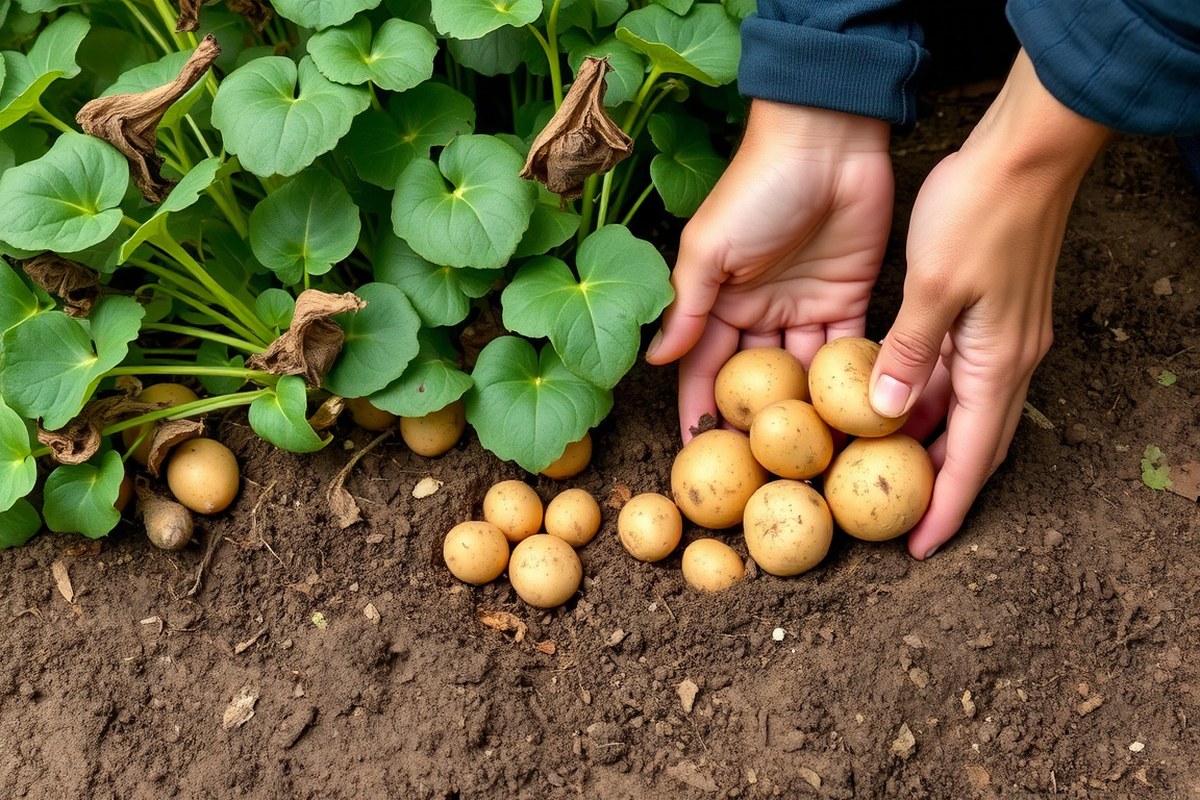
New potatoes are ready to harvest about 6 to 8 weeks after planting. Harvest them around the time your plants start to flower. You can gently feel for small potatoes near the hill edges.
This happens during the 2 to 3 week period. Take care not to damage the plants.
Mature potatoes need longer to develop. They typically take between 70 and 120 days from planting, depending on your variety. Most maincrop potatoes are ready 2 to 3 weeks after yellow leaves.
The foliage will die back completely by then. That’s the sign to harvest.
Here’s an easy way to check maturity: rub the tuber skin with your thumb. Look for firm skin that doesn’t slip off. This means potatoes are mature.
Then, you can harvest them safely. When the skin peels off easily, wait a little longer.
They need more time to mature fully. Keep checking every few days.
New potatoes have delicate skins and taste best when dug early. Mature potatoes have thicker skins and store well for a few months. Use these signs to plan your harvest timing.
Pick potatoes when ready for eating or storage. This makes sure they suit your needs.
In cooler climates, potatoes can take up to 150 days to mature. Use your seed-potato packaging as a rough guide for harvest time. Remember, weather and soil temperature also influence how fast your potatoes grow.
How Different Potato Varieties Affect Harvest Timing
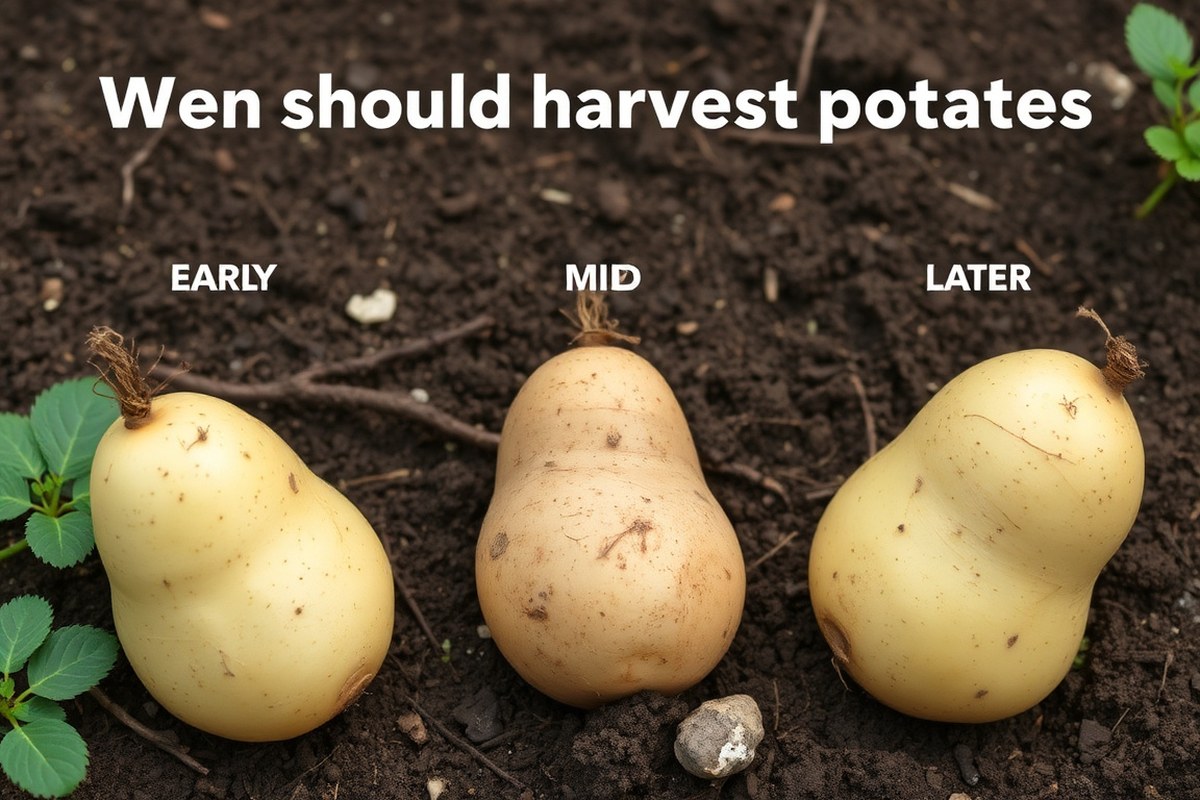
Potato varieties differ in the time they take to mature. Early varieties like Yukon Gold are ready in about 60 to 80 days.
Mid-season types such as Kennebec usually take 80 to 100 days. Late-season ones, like Russet Burbank, need 100 to 130 days or more.
Knowing the variety’s maturity helps you plan your harvest to match your cooking needs. Early potatoes can be harvested as new potatoes within 2 to 3 weeks after flowering.
These tubers have thin skins and a waxy texture, perfect for fresh eating. Late-season potatoes develop thicker skins and a starchy texture, making them better for storage.
Here’s a quick comparison to guide your timing:
| Variety Type | Days to Maturity | Harvest Window (Days after Planting) | Examples |
|---|---|---|---|
| Early Season | 60, 80 | 70, 90 | Yukon Gold, Red Norland, Casablanca |
| Mid-Season | 80, 100 | 95, 110 | Kennebec, Charlotte, Désirée |
| Late Season | 100, 130+ | 110, 140+ | Russet Burbank, Ranger Russet, Kufri Jyoti |
Plan your planting so harvest occurs during the ideal window for your climate. Early potatoes work well for short growing seasons or quick meals. Mid-season and late potatoes suit longer seasons or when you want storage potatoes that last months.
To time harvest, watch for 80 to 100 percent yellow leaves. Also, wait until flowers have dropped. These signs show your potatoes are ready.
These signs signal tuber growth has finished and the skins begin to set. You can also rub the skin with your thumb. The potato is ready to dig when it resists peeling.
Harvest new potatoes early, about 2 to 3 weeks post bloom. They will have tender tubers and thin skins then.
Cutting the vines 1 or 2 weeks before digging will help set the skins faster. This practice allows you to delay harvest slightly without risking damage during digging. Store potatoes properly after harvesting to keep them fresh and firm for weeks or months.
Recognizing Potato Harvest Readiness: Signs to Watch For
You can tell potatoes are ready to harvest by watching six clear signs. These include changes in the plant’s leaves and flower timing.
The skin set test and soil temperature also matter. Also, stopping watering about two weeks before harvest helps firm the soil and finish skin setting.
Foliage Yellowing and Dieback
The potato plant’s leaves turning yellow and dying back signals harvest time. This usually happens 90 to 120 days after planting for storage potatoes.
Slow, gradual dieback means tubers are maturing. Sudden dieback calls for a close plant inspection before you harvest.
Stop watering two weeks before harvest to help the soil firm up. Soil that’s too wet can cause tubers to bruise or rot during digging. Letting foliage die on its own protects the potatoes.
It also helps skin setting and makes harvesting easier. This process helps the tubers keep longer.
Flowering and Petal Drop Timing
The potato flowers blooming is a good early signal that new potatoes are ready. This usually happens six to eight weeks after planting, depending on the variety. You can carefully dig early for new potatoes once petals start to drop.
Harvesting early potatoes during or just after flowering gives you small, tender tubers. These potatoes don’t have fully set skins yet. They should be eaten soon.
They won’t store well for long. For larger, storage-ready tubers, wait for the foliage to yellow and die back fully.
Performing the Skin Set Test
The skin set test shows if the potato skin is tough enough for harvest and storage. Skin set means the skin resists rubbing off easily.
Tubers with loose skin can bruise or rot quickly after harvest. So the test helps avoid that.
Follow these steps to check skin set before digging all your potatoes:
- Stop watering two weeks before testing to start skin setting.
- Dig up one or two tubers gently with a fork or hand.
- Rub the potato skin with your thumb or fingers.
- Look for skin that doesn’t peel or scratch off easily.
- Leave the potatoes in the ground one or two more weeks if the skin peels.
- Check soil temperature; aim for 45°F to 60°F for best harvest conditions.
- Repeat the test weekly until skin is tough enough for harvest.
You can cure the potatoes after harvest if the skin rubs off easily. Keep them at 60-65°F with good airflow for ten days or more to improve storage quality. But waiting for full skin set in the ground is safer for longer storage.
Harvesting Techniques: How to Dig Potatoes Without Damage
Choosing the Right Tools for Harvesting
A garden fork is the best tool for digging out potatoes safely. Avoid using sharp shovels or spades that can cut tubers. You can harvest small batches by hand.
This works well with potatoes grown in straw. It also helps if the soil is loose.
Look for a fork with sturdy tines spaced around 1 inch apart. This spacing loosens soil comfortably without stabbing tubers. A clean, dry fork makes it easier to spot potatoes as you dig.
Preparing the Soil Before Harvest
Loosen soil about 12 to 16 inches away from the plant stems. Digging here reduces the risk of cutting tubers near the base. The soil should be dry and between 45 and 65°F for the gentlest harvest.
Wait at least a few days after rain to prevent soil from sticking to potatoes. Wet soil can cause tubers to bruise or rot faster in storage. Harvesting right after a dry spell saves you effort and reduces damage.
Step-by-Step Guide to Digging Potatoes
Follow these steps to get your potatoes out without bruises or cuts. Take care to loosen soil around, then gently lift plants and tubers free. Handle potatoes carefully to keep skins intact and ready for curing.
- Insert the garden fork about 12 to 16 inches from the plant’s base.
- Push the fork vertically into the soil, tines spaced evenly.
- Rock the fork backward to loosen soil around tubers, avoiding prying.
- Lift the soil with the fork gently, exposing the potatoes.
- Pick up potatoes by hand, scanning soil to find any missed ones.
- Place potatoes in a shallow container to prevent bruising.
Handling Potatoes Carefully After Digging
Don’t drop potatoes into piles or hard containers. These bumps can bruise skins and open wounds for storage diseases. Lay them out in a single layer to dry if curing on site.
Keep harvested potatoes shaded and cool, around 50 to 60°F. Avoid exposing them to sunlight, which turns skins green and bitter. Bring potatoes inside within a few hours if temperatures rise.
Special Tips for Different Growing Setups
For container or raised bed potatoes, use a hand fork or dig gently by hand. Containers often have looser soil, so less force is needed. You may only need to sift through the soil slowly.
When potatoes grow in straw mulch, carefully pull back straw to access new potatoes. This method lets you harvest small batches without disturbing the whole plant. It works well for early, tender new potatoes.
How Weather, Climate, and Soil Impact Harvest Timing
How Temperature and Frost Risk Guide Harvest
Potatoes grow best when soil stays warm, above 50°F. Cooler soil slows tuber growth and can make skins tough. Watch your local frost dates closely. Frost can damage potatoes left in the ground, so harvest before the first freeze.
In mild climates, mature potatoes can stay in dry soil. Leave them a few weeks after frost risk has passed. This helps them mature fully without damage.
Avoid this if soil freezes or if rodents are common. Cold, wet soil often leads to rot and poor storage quality.
Why Dry Soil Matters for Harvest Success
Harvest during a dry spell when soil is crumbly and loose. Wet dirt sticks to potatoes, causing skin damage and increasing rot risk. Dry soil also makes digging easier and less likely to bruise tubers.
When rain is expected, delay digging potatoes if possible. Otherwise, dig carefully to avoid bruising the tubers. Keep soil as dry as you can.
Let the soil dry for a few days after rain to protect tubers. Dry soil helps your potatoes keep their shape and store longer after harvest.
Adjusting Harvest by Climate and Growing Zone
Your planting region shifts harvest timing roughly 10 to 15 days. Warmer zones bring earlier harvests, while colder zones delay them. Pay attention to your average growing degree-days, local frost dates, and day length.
Keep seed potato tags to track maturity days. A 75-day variety in zone 8 may mature quicker than a 120-day variety in zone 4. Match harvest plans with your local climate for the best timing results.
Handling Soil Moisture and Temperature
Soil temperature affects harvest ease and potato quality. Dig when the soil is above 50°F and dry for best results. Colder or muddy soil makes potatoes prone to injury and difficult to harvest.
After vine-kill, wait for soil to dry before digging. Managing moisture with timely vine-kill helps fit harvest into your schedule. This practice reduces disease risk and protects tuber skin integrity.
Never harvest potatoes right after heavy rain. Wait until the soil is dry to prevent skin damage and rot.
Curing and Storing Potatoes: Preparing for Long-Term Use
Harvested potatoes need curing to toughen their skins and heal minor cuts. This process takes about 7 to 14 days in a dark, well-ventilated area. Keep the temperature between 45 and 60°F and humidity high, around 85 to 95 percent.
High humidity prevents the potatoes from shriveling, while the cooler temperature stops sprouting. After curing, move potatoes to storage with temperatures held at 40 to 50°F. Keep the storage space dark and ventilated to avoid moisture buildup and rot.
Sort potatoes carefully before curing. Remove any damaged or bruised ones since they spoil faster. Handle them gently and keep them shaded during and after harvest to reduce stress and injury.
- Store mature potatoes with thick, dry skins only
- Do not wash potatoes before curing; dirt protects them
- Keep storage humidity around 90%, or potatoes will dry out
- Avoid exposing potatoes to light to prevent greening
- Check stored potatoes regularly for soft spots or sprouting
- Use new potatoes quickly because they have thinner skins
Green potatoes happen when light exposure triggers chlorophyll and solanine forming. Solanine tastes bitter and can be toxic if eaten in large amounts. Avoid this by storing potatoes in complete darkness and removing any green spots before cooking.
Common mistakes include skipping curing, washing before storage, and storing at wrong temperatures. These errors can lead to sprouting, rotting, or shriveling within weeks. Proper curing and storage keep potatoes fresh four to eight months.
The exact time depends on the potato type and storage conditions. Store in a cool, dark place for best results.
Harvesting in Containers and Raised Beds: Timing and Tips
Potatoes grown in containers and raised beds can mature faster than those in the ground. Containers tend to dry out quickly and warm up, speeding up growth. Because of this, you may see your potato vines yellow and die earlier in summer heat.
You should watch the vines closely. The potatoes are ready about 2 to 3 weeks after the leaves die. You should wait for the foliage to die off before harvesting.
This helps the potatoes grow fully. New potatoes in containers can be picked 2 or 3 weeks after flowering. Look for the first flowers on the plants.
Then wait a few weeks to harvest. Check the skins by rubbing them with your thumb. Wait longer if the potato skins rub off easily.
This lets them firm up. Firm skins last better in storage.
Harvesting from containers takes some care. Avoid dumping heavy soil all at once from containers. Containers often hold 10 to 15 gallons of potting mix.
Remove soil carefully to keep tubers safe. Remove the top layer of soil gently, then dig carefully with your hands. This helps avoid damaging smaller potatoes near the surface.
Raised beds usually hold more soil and retain moisture better than containers. This can slow potato maturity slightly, but timing still depends on vine health.
Wait for the vines to die back completely before digging. Use a garden fork to lift soil gently around the plants to avoid bruising tubers.
In both setups, avoid harvesting too early. Potatoes need time after the vines die to develop tough skins.
Utah State University Extension says about 3 weeks after removing vines helps skin set. This reduces bruising and disease when you store your potatoes.
Remember containers dry out faster. Water your potatoes well during dry spells, but stop watering when vines yellow.
This encourages the tubers to finish growing. Raised beds usually need less frequent watering, but check soil moisture regularly.
Harvest potatoes at the right time for the best quality. Handle them gently to avoid damage. This leads to better spuds for eating or storing.
Potatoes with firm skins store better and resist damage. Keep your harvested potatoes in cool, dark places in well-ventilated containers to maintain freshness longer.
Common Potato Harvesting Mistakes and How to Fix Them
Harvesting potatoes too early often means small, underdeveloped tubers. They might look okay but won’t store well and will shrink quickly. Waiting until the vines die back fully usually gives better size and storage life.
Digging too late can cause tubers to get damaged. Dry, hard soil makes tubers tough. You might also cut tubers by accident.
Also, if the ground freezes, tubers can get mushy, which ruins them for storage. Be sure to harvest before the first heavy freeze but after the plants mature.
Green potatoes happen when tubers get sunlight during growth or after digging. They turn green because of chlorophyll.
But more importantly, it can mean higher solanine levels. Solanine tastes bitter and can cause stomach issues, so avoid eating green portions.
- Check vine health, wait for full yellowing or browning
- Dig gently with a fork, not a shovel, to prevent cuts
- Harvest early varieties after 60 to 100 cool days patience
- Shade tubers immediately if they show green spots
- Cure potatoes for two weeks at 50 to 60 °F with high humidity
- Store potatoes in a dark, cool place at 45 to 50 °F
- Plant healthy, certified seed potatoes to avoid disease
Careless digging can bruise tubers, creating entry points for rot. Using a digging fork about 12 inches away from the plants helps lift potatoes safely.
After harvesting, curing lets tubers heal cuts and toughen skins. Skipping curing leads to quick rot and shriveling.
Sometimes, you might find green spots after harvest. Scrape those areas off before cooking. When greening spreads a lot, it’s safest to throw the tuber away.
Cover tubers with soil or mulch while they grow to stop greening. Store harvested potatoes somewhere dark to keep them safe.
Handle tubers gently to avoid bruises that can lead to rot during curing and storage.
Step-by-Step Action Plan for Harvesting Potatoes
Follow these simple steps to know when to harvest potatoes. They help you get the best results from your crop. Watch your plants closely and dig carefully at the right time.
- Before Planting: Choose potato varieties suitable for your season and soil to set a good base.
- After 8-10 Weeks: Check plant leaves. Your tubers may be forming if the leaves start turning yellow. This is a sign to check your potato plants.
- When Flowers Appear: Carefully dig near one plant. Check if the potatoes are the size you want. Keep digging if they need more time to grow.
- About 2 Weeks After Vines Die Back: Dig up whole plants to harvest mature potatoes.
- During Clear, Dry Weather: Dig carefully using a spade or fork to avoid bruising potatoes.
- Immediately After Harvest: Place potatoes in a cool, shaded, dry spot. Let them cure there for 1 to 2 weeks before storing.
- Before Storage: Remove dirt gently and discard damaged tubers to prevent rot.
- Storage Phase: Keep cured potatoes in a dark, cool spot around 45-55°F with good air circulation.
Frequently Asked Questions
How Long After Planting Can I Start Harvesting New Potatoes?
You can begin harvesting new potatoes about 6 to 8 weeks after planting. This usually aligns with the time your potato plants start flowering. Dig gently near the plant’s edge to avoid damaging the tubers.
Can I Harvest Potatoes Before the Plant’s Foliage Dies Back?
Yes, you can harvest new potatoes 2 to 3 weeks after flowering before the leaves die. These are smaller, tender tubers with thin skins. For mature potatoes, wait until the foliage starts to brown and die back.
What’s the Main Sign That Potatoes Are Ready for Storage Harvest?
The main sign is when potato plant foliage begins to yellow and die. This usually happens around 90 to 120 days after planting, depending on the variety. Let the tubers sit two weeks longer to thicken their skin for storage.
Does the Type of Potato Variety Really Change Harvest Time?
Early varieties mature in 60 to 80 days. Mid-season types need 80 to 100 days.
Late varieties take 100 to 130 days to mature. Knowing your variety helps plan your harvest better and ensures you dig at the right time.
Can Cold Climates Delay When Potatoes Are Ready?
Cold climates can extend the harvest time up to about 150 days after planting. Cooler soil slows tuber growth, so patience is key there. Check the seed-potato label for rough timing guidance adapted to your region.
Is It Better to Harvest Potatoes After Rain or Dry Weather?
It’s best to wait for dry weather before harvesting. Wet soil increases clumping and can damage tubers while digging. Dry soil also helps potatoes cure better if you’re storing them long-term.
Before You Go
Harvest your potatoes when their vines die back and the skin feels firm. Use gentle digging to avoid damage. Now, check your potatoes regularly so you’re ready to dig at the perfect time.