Does Liquid Fence Work? What You Need to Know for Effective Animal Control
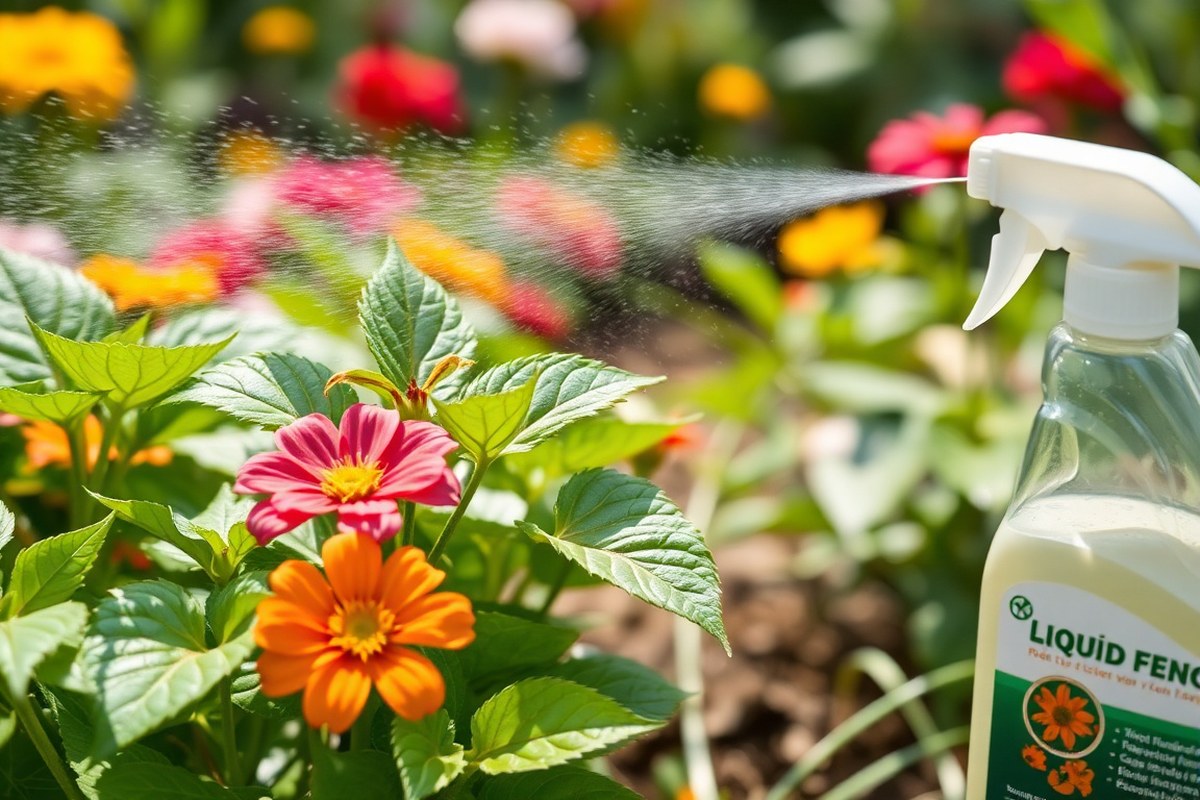
Does Liquid Fence work to keep deer and rabbits away? Yes, it does help protect plants, but it’s not perfect.
It works best when you apply it properly and regularly. Following the label instructions boosts how well it keeps animals out of your yard.
Liquid Fence sprays away from plants’ smells that deer and rabbits hate. The scent fades in a few days.
So you need to reapply often for good protection. Wait at least five hours after spraying before watering or rain, so it sticks well.
Don’t spray just before rain. Avoid spraying plants taller than two feet. The spray will not work well in these cases.
Focus on low plants and keep an eye on the weather to make your effort count. Proper timing and technique make all the difference in stopping garden damage.
Key Takeaways
- Apply Liquid Fence only when temperatures stay above 40°F and rain isn’t expected soon.
- Use granular Liquid Fence on low plants less than 24 inches tall, like lawns and ivy.
- Wait five to six hours for the spray to dry. Don’t water the plants during this time. Also, avoid spraying if rain is coming.
- Reapply Liquid Fence every 2 to 4 weeks or after heavy rain for best results.
- Don’t spray before rain or on tall plants to avoid wasted product and poor results.
- Store Liquid Fence indoors between 40 and 90 degrees to keep it effective longer.
Does Liquid Fence Really Keep Deer and Rabbits Away?
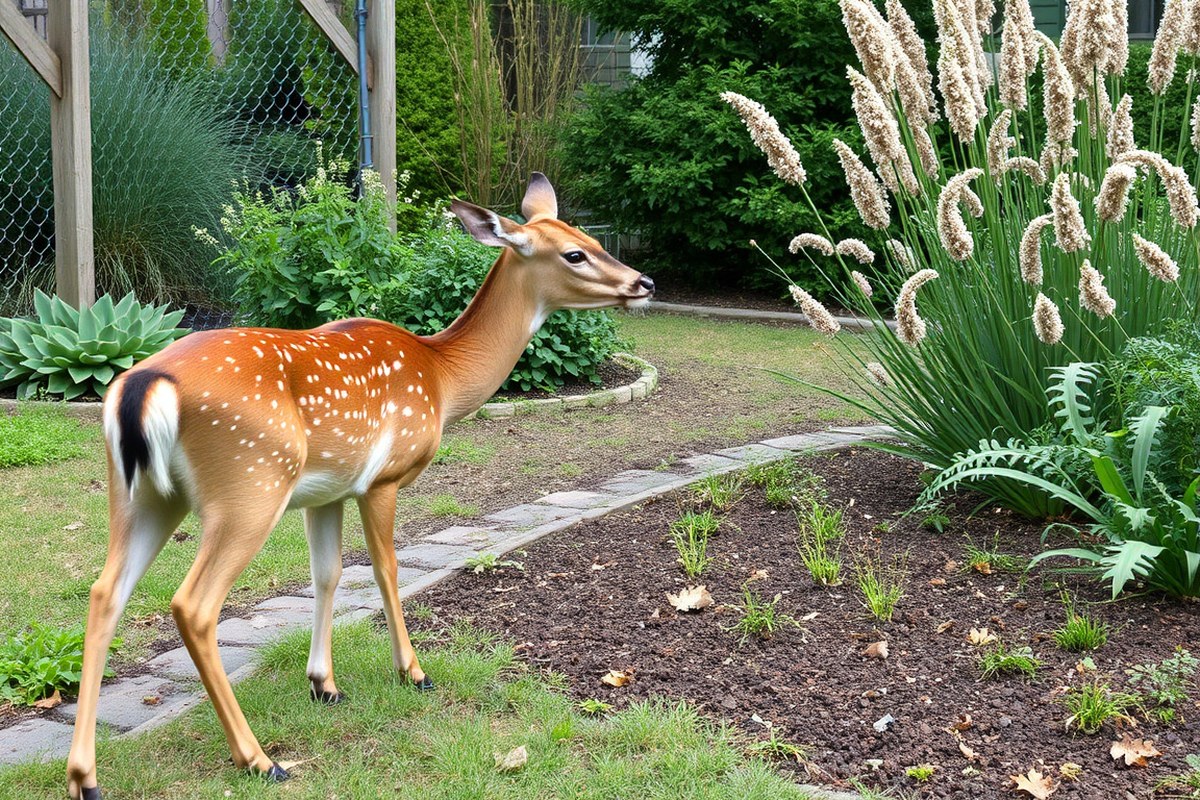
Liquid Fence does work to keep deer and rabbits away from gardens. Many gardeners report their plants face less nibbling after they apply it regularly.
This repellent uses natural ingredients that smell bad to animals. It does not harm your plants or pets.
For small garden areas, Liquid Fence is reliable if you follow the directions carefully. You need to cover all plants evenly.
Spray or use granular form with water to do this. It’s best for low plants under 24 inches tall, such as flower beds and vegetable patches.
The repellent helps prevent leaf and stem damage caused by deer and rabbits. These animals usually eat flowers, vegetables, and young shoots, leaving plants weakened or dead. Using Liquid Fence reduces visits from these pests, which improves your garden’s health and appearance.
Application matters: most users see fewer animals after applying Liquid Fence every 2 to 4 weeks. The product’s natural ingredients lose their strength in rain or intense sun. So reapplying keeps protection steady.
Expect to pay about $20 to $30. This amount covers small to medium garden areas.
Some fail to get good results when they miss spots or skip repeat applications. Also, very hungry deer might still nibble if no other food is available.
Liquid Fence works best with other methods. Remove attractive weeds and plant less tasty types.
How Liquid Fence Repellent Works to Deter Animals
Liquid Fence repels animals by using a strong, unpleasant smell that they avoid. It contains natural ingredients like rotten eggs, garlic, and fish oil. These create a stinky scent.
It makes deer, rabbits, and herbivores stay away. They avoid your plants because of the smell.
The mix works well. Animals use their sense of smell to find food. They also sniff out danger this way.
The odor from Liquid Fence signals an unsafe area. So they stop eating the plants.
It combines both taste and smell deterrents. So animals learn not to bite into treated surfaces.
Applying Liquid Fence correctly matters for the scent to work well. Spray a thin, even layer on leaves, stems, and soil around your plants. The repellent works until rain washes it off.
It also fades after a few weeks. Then you need to reapply it.
For best results, reapply after heavy rain or every few weeks during active feeding seasons. Store your product between 40 and 90 degrees Fahrenheit to keep it fresh and potent. Using it regularly keeps animals from getting used to the smell and returning to your garden.
Always apply Liquid Fence on dry plants and soil. This helps it stick better. It also lasts longer this way.
Some animals may take time to avoid the scent. This is true if they have fed in your yard already. Patience helps with this.
That’s why early and consistent use gives plants a better chance to grow undamaged. Liquid Fence is safe because it uses natural ingredients.
It doesn’t harm pets or helpful wildlife near your garden. This is a big plus.
Choosing Between Liquid and Granular Liquid Fence Products
Both Liquid Fence liquid and granular products help repel deer and rabbits. But they suit different plants and garden zones.
Use liquid products on tall plants and varied garden areas. Granular ones work best on low plants under 24 inches.
Differences in Application Methods
The liquid formula sprays evenly across lawns, flowers, shrubs, trees, and vines. You can cover any plant height or garden space with it. The spray also treats the areas around the garden plants.
This helps reduce visits from animals. It works best before plants grow big and tall.
The granular product has small pellets you spread on plants. Use it on low-growing plants like pansies, ivy, or grass. It helps keep animals away from these areas.
It’s easiest to apply on flat areas with plants shorter than two feet. Granules don’t work well on tall or thick plants.
They don’t stick well on plants taller than 24 inches. So, avoid using them on dense or tall vegetation.
Plant Height and Coverage Limits
Liquid Fence liquid spray offers full coverage without height limits, protecting small to tall plants. You can spray trees, shrubs, vines, and tall flowers. Meanwhile, granular formula sets limits at plants 24 inches tall or shorter.
Using granules beyond 24 inches risks uneven repellent coverage and weak results. For example, tall rose bushes or fruit trees need liquid spray applications for reliable protection. The spray also resists water better than granules, so it lasts through weather changes.
Best Use Cases for Each Formula
Use liquid repellent in large or mixed gardens with tall plants or areas with varied vegetation. It’s best for new growth when surrounding areas need coverage too. The spray works well on lawns, shrubs, and trees simultaneously.
Granular Liquid Fence suits low-growing beds or lawns where you want simple, direct repellent coverage. It’s fast to apply on flat ground with short plants, saving time compared to spraying. But don’t use it on taller flowers or bushes since it won’t reach all leaves evenly.
Here’s a quick comparison to help you decide:
| Feature | Liquid Fence Liquid | Liquid Fence Granular |
|---|---|---|
| Plant height limit | No limit, good for tall plants | Up to 24 inches tall only |
| Application areas | Lawns, flowers, shrubs, trees, vines | Low-growing vegetation like lawns, pansies, ivy |
| Weather resistance | Resists washing off, lasts 3-4 weeks | Can wash away more easily on uneven plants |
| Ease of application | Requires spraying equipment, more time | Spread pellets quickly on flat, low vegetation |
| Effectiveness on tall plants | Highly effective | Not recommended |
Use the liquid spray for all your garden areas unless you only have small, low plants. Granular works best on short plants for quick protection. You may need to reapply after rain.
It’s good if you don’t mind regular treatments. Spray with liquid to cover tall bushes and trees for more complete protection.
Step-by-Step Guide to Applying Liquid Fence Effectively
To use Liquid Fence well, first get your garden ready. Next, pick the best time to apply it. Finally, clean up the area once done.
Follow a clear process to protect your plants from deer and rabbits. Paying attention to weather and label instructions helps the product last longer and work better.
Preparing Your Garden Area
Start by selecting the right Liquid Fence product based on your plants and animal problems. Read the label carefully to match the product with your garden’s needs. Clear any debris or new growth near plants before spraying.
Focus on treating the perimeter or the most vulnerable plants like shrubs, flowers, and trees. Avoid spraying edible plants directly, such as tomatoes. This keeps the repellent where it works best without harming your vegetables.
Application Timing and Weather Tips
Apply Liquid Fence during calm weather conditions in the early morning or late evening. These times help prevent the liquid from drying too fast or evaporating in the sun. Avoid applying if rain is expected within 30 minutes to prevent washing off the repellent.
The best temperature range is mild weather without heat stress on plants. Apply again every 2 to 4 weeks for steady protection. Also, reapply after heavy rain.
Heavy means over one inch in one week. Expect some patience as animals adjust to the repellent over time.
Post-Application Cleanup and Safety
After spraying, check for any drips or spills around plants and clean them up quickly. Use water and a cloth to remove excess repellent on hard surfaces or unintended areas. This avoids unnecessary harm to your garden and keeps pets safe.
Keep pets and kids away until the spray dries completely. Store leftover liquid in a cool, dry place out of children’s reach. Following these steps prevents accidents and ensures the repellent performs as expected.
Follow these steps to apply Liquid Fence properly and protect your garden from deer and rabbits:
- Choose the right Liquid Fence product for your specific garden needs.
- Prepare the area by clearing debris and trimming new growth near plants.
- Read and follow all label instructions carefully before starting.
- Spray the perimeter of plants, avoiding direct application on edible crops.
- Apply during calm, cool times like early morning or late evening.
- Skip application if rain is expected within 30 minutes.
- Reapply every 2 to 4 weeks and after heavy rainfall exceeding one inch.
- Clean any spills quickly and keep pets away until dried.
How Long Does Liquid Fence Last and When to Reapply
Liquid Fence usually works right after you apply it. The smell that keeps deer and rabbits away appears within hours. You don’t need to wait days to see if it’s working.
Heavy rain reduces how long Liquid Fence lasts. According to the manufacturer, heavy rain or watering needs a reapplication. That means more than 4 inches in 4 weeks calls for it.
Don’t forget to reapply after that much water exposure. The scent washes off or fades faster after a heavy downpour.
For most gardens, plan to reapply every 3 to 4 weeks. During rainy seasons like spring or summer, the product’s life shortens. Drier fall or winter weather lets the repellent stay effective longer.
Reapply Liquid Fence right after heavy rain to keep deer and rabbits away.
Apply the repellent generously on all vulnerable plants and areas. Mark your calendar to check your garden for damage monthly. Set a reminder to reapply the treatment when needed.
Regular checks help keep pests away effectively. Your garden may need more frequent reapplications during heavy rain periods.
Watch for weather changes to decide when to treat again. Adjust your schedule based on how wet it stays outside.
Remember, this product isn’t meant for edible plants. Use it on flowers, shrubs, and other non-food plants to avoid safety issues. Good timing and regular reapplication keep the scent strong enough to stop damage.
Common Mistakes That Reduce Liquid Fence Effectiveness
One common mistake is applying Liquid Fence too lightly or unevenly. The repellent must fully coat leaves, stems, and branches for animals to smell the deterrent. Spray plants early in the morning or late afternoon.
Cooler temperatures stop quick evaporation and run-off. This helps the repellent last longer.
People sometimes forget to reapply on schedule. Liquid Fence usually lasts about 4 to 6 weeks. But rain and watering can wash it away faster.
Set a reminder to check your plants every month. Reapply repellent if the scent fades or after heavy rain. This keeps your garden protected.
Another error is using the same product repeatedly without rotating. Rotate repellents with different ingredients every month. For example, use Liquid Fence one month, then try Plantskydd next.
This stops deer and rabbits from getting used to one smell. This can boost long-term effectiveness.
- Ensure thorough coverage on all plant surfaces to reach pests’ noses.
- Apply during cool parts of the day to extend repellent life.
- Reapply every 4 to 6 weeks or after heavy rain for best results.
- Rotate between Liquid Fence and Plantskydd to prevent scent tolerance.
- Keep repellent away from edible crops that won’t be washed.
- Use concentrate or ready-to-use spray depending on your garden size.
You might think Liquid Fence isn’t working if you still see damage. Check your application for missed spots or thinning scent. Animals nibbling just a bit means the repellent partly works.
This is a sign to add a fresh coat or switch products. Doing so increases protection.
Applying too close to harvest can risk residues on edible plants. Follow label instructions carefully and avoid spraying crops you eat raw without washing. Use Liquid Fence on large fence lines or garden edges.
This forms a strong scent barrier for deer and rabbits. Spot treatments don’t work as well as this method.
Safety Considerations When Using Liquid Fence Near Pets and Plants
Liquid Fence is safe for dogs and cats when you follow the label instructions. Its active ingredients are egg solids and garlic oil.
They are not toxic to pets with normal use. Avoid spraying directly on pets to cut down on any irritation or discomfort.
You can use Liquid Fence on edible plants. It has natural ingredients and no harmful chemicals. Spray it on leaves and stems only when it’s above freezing.
This stops the solution from crystallizing and not sticking. Cover vegetables with lightweight row covers during heavy pest activity. This is especially needed if you don’t spray them directly.
Beneficial animals like bees and birds face little risk with Liquid Fence. Just follow the directions carefully. It’s designed to deter larger nuisance animals without poisoning or trapping harmless wildlife.
Apply the repellent in the early morning or late evening. This avoids disturbing pollinators when they’re most active.
Reapply Liquid Fence every three to four weeks, or after heavy rain, to maintain protection. Light rainfall under an inch won’t wash it away, but more rain reduces effectiveness.
Sticking to this schedule keeps deer, rabbits, and pests away. It also protects your pets and plants.
When to Consider Alternatives or Professional Solutions Instead
Liquid Fence can help keep deer and rabbits away, but it’s not always enough. When deer pressure is heavy or they ignore the smell, try other options. Professionals or stronger physical barriers can give better, longer-lasting protection.
Limits of Chemical Repellents
Chemical repellents like Liquid Fence rely on scent to deter animals. This means heavy deer traffic or hungry rabbits may ignore the smell after a while. Rain or watering can wash repellents off, lowering their effectiveness quickly.
You must reapply after rain or every 2 to 4 weeks. But that gets costly and time-consuming.
Also, repellents won’t protect young plants that animals can easily reach or jump over. Deer jumping fences or rabbits chewing plants mean it’s time for new methods.
Physical Barriers and Fencing Options
Fences made of strong wire or netting stop animals from reaching plants. Deer need at least 7 feet tall fences, as they can jump lower ones easily.
Rabbits need fences buried a few inches underground to stop burrowing. The fence should be 2 feet tall to block their jumps.
Setting up proper fencing costs about $1-$3 per linear foot depending on materials. Although pricier upfront, fences need less maintenance than repellents. For heavy animal activity, a tall deer fence plus rabbit-proof mesh works best to avoid damage.
Make sure rabbit fences go 6 inches underground to block digging under the barrier.
Professional Animal Control Services
When animals still damage your garden after repellents and fencing, professional help can step in. Experts use stronger deterrents or traps suited for your location and local laws. They also identify animal species causing problems and adapt solutions that work better.
Costs for professional services vary widely but expect a few hundred dollars for the first visit. Hiring pros saves time and prevents costly plant loss from persistent wildlife. Call a local wildlife control expert if damage continues despite your efforts.
Step-by-Step Action Plan to Use Liquid Fence
Follow this plan to set up Liquid Fence. Check if it keeps deer and rabbits off your plants.
- Before you start: Clear your garden area of debris and dry it well. This helps the repellent stick and work better.
- Day 1: Shake the Liquid Fence bottle well. Spray it evenly on leaves, stems, and soil nearby. Watch for any animal visits to see if they stay away.
- Week 1: Reapply the spray after heavy rain or if you notice damage signs. Check for fresh animal tracks or nibble marks daily.
- After 2 weeks: Inspect plant health to make sure the repellent isn’t harming your garden. No browning or wilting means it’s safe to keep using.
- Month 1: Reapply Liquid Fence regularly, especially in spring and fall when animals feed the most. Look for less damage to decide it’s working.
- Ongoing: Watch your garden closely. Animals returning often? Try mixing repellents or adding fencing.
Frequently Asked Questions
Can Liquid Fence Be Used on Edible Plants?
Liquid Fence is not labeled for use on edible crop surfaces eaten without washing. Use it on ornamental or non-edible plants only to avoid potential contamination of food crops.
Does Liquid Fence Lose Effectiveness in Heavy Rain?
Yes, heavy rain can wash away Liquid Fence, reducing its effectiveness. You should reapply after strong rains to maintain protection for your plants.
Can Liquid Fence Repel Animals Other Than Deer and Rabbits?
It mainly targets deer and rabbits but may deter some other animals. For pests like groundhogs or squirrels, consider additional or different repellents.
Is Liquid Fence Safe for Pets in the Yard?
Liquid Fence is generally safe for pets when applied as directed. Avoid direct contact with pets and store the product indoors between 40 and 90 degrees.
Does Liquid Fence Require a Specific Temperature Range to Work?
It works best when stored indoors between 40 and 90 degrees. Applying during dry, mild weather helps repel animals more effectively.
Do Taller Plants Reduce the Effectiveness of Granular Liquid Fence?
Yes, granular Liquid Fence doesn’t work well on plants taller than 2 feet. Use liquid versions for shrubs or taller plants instead.
Before You Go
Liquid Fence usually works well when applied right and on time. Start by treating your plants this week, then watch for signs of deer or rabbits. Adjust your method based on what you see to protect your garden best.