How Long Does a Peach Tree Take to Bear Fruit? A Complete Timeline and Guide
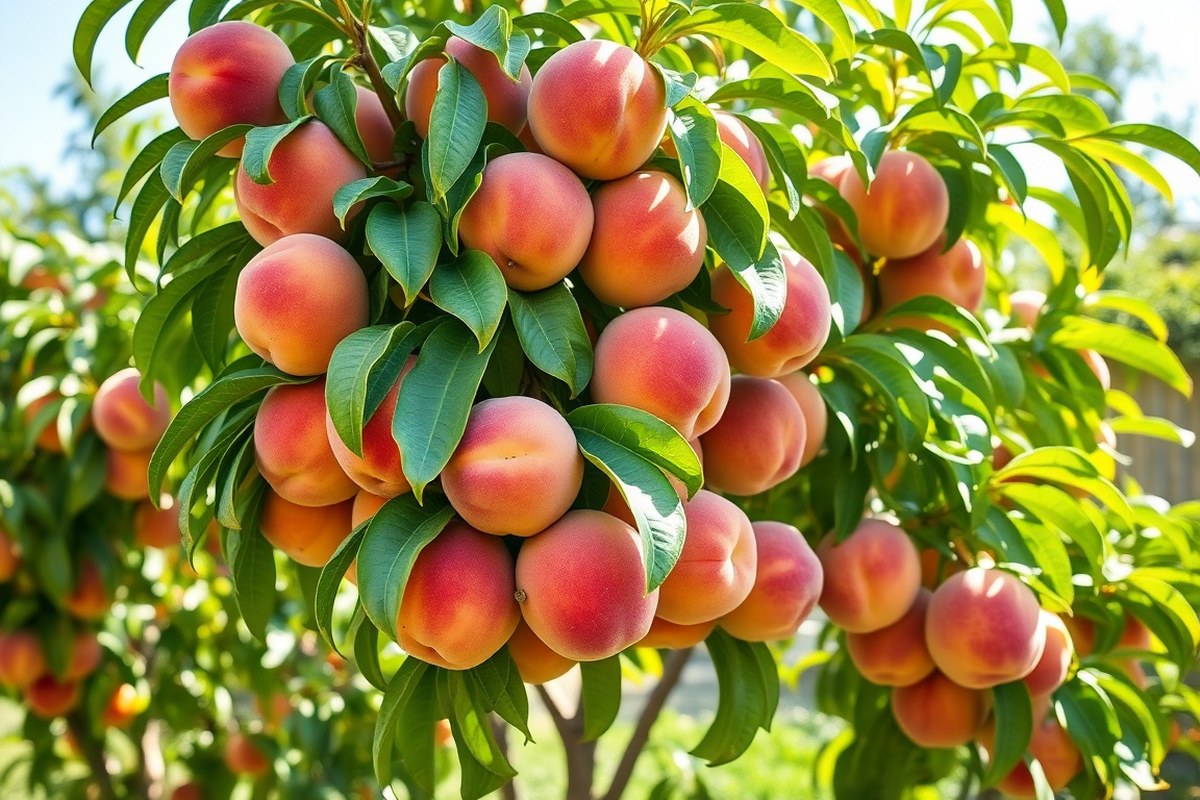
How long does a peach tree take to bear fruit? Usually, you’ll see fruit in 2 to 6 years.
Dwarf peach trees often start producing in about 2 years. Larger standard types take longer, around 4 to 6 years.
Peach trees grow about 18 to 24 inches per year before fruiting. They only produce fruit on branches that grew the year before. So growth in early years matters a lot.
Fruit ripens 3 to 5 months after flowers get pollinated. This usually happens in summer.
You can expect ripe fruit between June and August. Starting well and pruning right can encourage earlier and healthier fruit production.
Keep in mind soil quality and sunlight also affect fruit timing. Trees need full sun for at least 6 hours daily to thrive. Watering consistently during dry spells helps ensure good growth as well.
Key Takeaways
- Dwarf peach trees bear fruit faster, often within 2 years.
- Standard peach trees usually take 4 to 6 years to produce fruit.
- Peach trees grow 18 to 24 inches each year before fruiting.
- Fruit only forms on branches that grew the previous year.
- Peach fruit ripens about 3 to 5 months after pollination.
- Prune to promote healthy 1-year-old growth for better fruit set.
How Long Before a Peach Tree Bears Fruit?

Peach trees typically start bearing fruit about two to four years after planting. Nursery-bought trees usually begin fruiting within this time because they come grafted onto rootstock. This grafting speeds up growth and fruit production compared to trees grown from seed.
Trees grown from seed take longer to produce fruit, often five to seven years or more. Seed-grown trees need extra time to develop strong roots and branches before they can support fruit.
Dwarf peach trees start to bear fruit in about two years. This happens when you give good care and the conditions are ideal.
The timeline varies by tree type and care. Standard trees grow 18 to 24 inches each year. They begin to bloom in the third or fourth year.
Blooming happens from mid to late summer. Clingstone varieties often take a bit longer, up to four to six years, to yield fruit. Good soil, water, and sunlight help speed fruiting, while poor conditions slow it down.
Peach Tree Growth Stages Before Fruiting
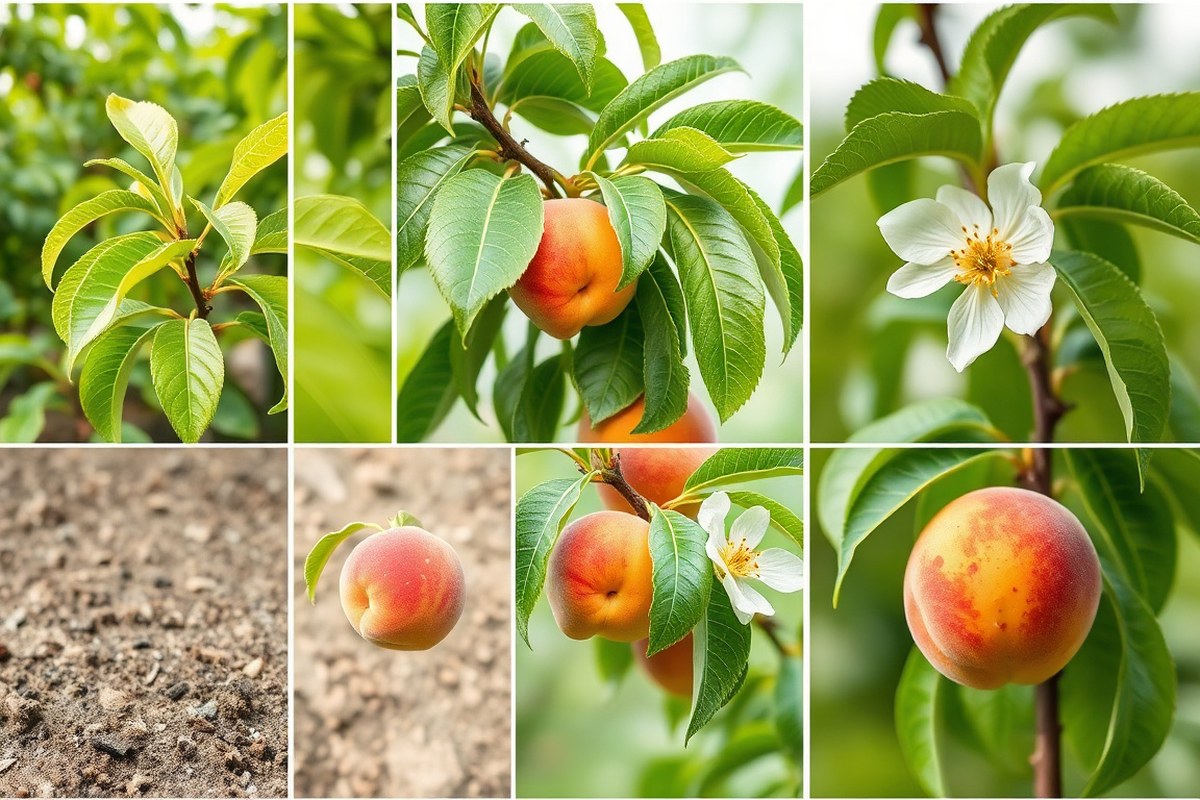
Peach trees usually pass through several growth stages before fruiting. The process takes about 3 to 5 years for a standard tree. Dwarf types start fruiting sooner than standard ones.
Expect a shorter wait with dwarf peach trees. Each stage builds the tree’s strength and readiness to produce healthy peaches.
Year 1: Establishment and Root Growth
The first year focuses on root development. The tree works on establishing itself in the soil. This sets the stage for future growth.
During this time, it grows about 12 to 24 inches tall but doesn’t produce fruit. The roots spread out to support future growth above ground.
Good soil, proper watering, and full sun help the roots grow strong. Avoid heavy fertilization at this stage because it can harm young roots. Pruning the tree into a manageable shape helps set a good structure for branches later.
Year 2 to 3: Branching and Flower Bud Formation
During the second and third years, the tree grows more branches that will hold fruit later. Branches from the previous year start forming flower buds, which are necessary for fruit development. Expect the tree to continue growing 12 to 24 inches each year during this phase.
Dwarf peach trees can start producing fruit by year two or three. Standard trees usually need more time. Winter chill is important for peach trees.
Late frost can damage buds and delay fruiting. Protect your tree from cold to keep it healthy. Year-round care during this stage influences how well buds form.
Year 3 to 4: First Flowering and Initial Fruit Set
Peach trees typically bloom in the third or fourth year, showing their first flowers. These flowers can develop fruit, but the crop may be light initially.
The fruit grows on branches that are roughly one year old. So pruning to keep healthy new wood matters now.
This first fruit set can be uneven. It’s normal for the tree to drop some young fruit as it grows. Avoid heavy fruit loads on young trees.
Stress from too much fruit hinders strong growth. This helps your tree grow better in later years.
Year 4 to 6: Maturing to Full Fruit Production
Between years four and six, your peach tree reaches full fruit production stage. Growth slows somewhat, focusing energy on fruiting rather than just growing taller. Trees produce more flowers, larger fruit, and better yields with proper care.
Full sun, correct watering, and timely pruning help maintain fruit production and tree health. At this stage, your tree should bear peaches every year.
The fruit should taste good and be consistent. This means you handled earlier care well.
Protect flower buds from late frost by covering young trees on cold nights. This prevents loss of fruit for the season.
How Peach Variety and Tree Type Affect Fruiting Time
Different peach varieties and tree sizes affect how soon your peach tree will bear fruit. Dwarf trees usually fruit faster than standard trees. Freestone types generally mature earlier than clingstone varieties.
Dwarf vs Standard Peach Trees
Dwarf peach trees typically start producing fruit 1 to 2 years earlier than standard trees. You can expect dwarfs to fruit between 2 and 4 years. Standard trees grow bigger and take longer, about 4 to 6 years.
They focus first on developing roots and branches before fruiting. This slower growth means you wait more to see peaches.
Dwarf trees fit small gardens and save space but may yield less fruit per harvest. Standard trees need more room but produce more fruit once mature. Semi-dwarf trees are medium sized and usually fruit in 3 to 5 years.
They yield a moderate amount of fruit that fits smaller spaces well. This is a middle ground between standard and dwarf trees.
Freestone vs Clingstone Peach Varieties
Freestone peach varieties reach maturity faster, often bearing fruit in 3 to 4 years. They release easily from the pit, which gardeners find convenient for eating and preserving. Clingstone peach trees take about 4 to 6 years to fruit.
The fruit flesh sticks tightly to the pit, slowing development. This trait causes the longer wait compared to freestone types.
Choosing freestone varieties allows earlier fruit harvest, which fits gardeners eager for quicker results. Clingstone peaches are often preferred for processing and cooking but require more patience for fruiting.
Low-Chill vs High-Chill Peach Trees
Peach trees must meet chill hour needs to bloom and fruit well. Low-chill types need 100 to 300 cold hours, good for warm areas. High-chill types require 800 to 1,000 cold hours and suit cooler climates best.
Picking a low-chill variety is important if you live in a mild winter area. Growing high-chill peaches where winters are warm can delay or prevent fruiting altogether. Check your local agricultural extension service for recommendations that match your climate.
| Tree Type | Fruit Production Timeline | Key Factors |
|---|---|---|
| Dwarf | 2-4 years | Faster maturity, ideal for small spaces |
| Semi-Dwarf | 3-5 years | Balanced size, moderate growth rate |
| Standard | 4-6 years | Full-size tree, needs more space |
| Freestone Varieties | 3-4 years | Mature faster, easy pit removal |
| Clingstone Varieties | 4-6 years | Slower maturity, flesh clings tightly |
This table helps you pick the right tree and variety for faster fruiting. Choose dwarf trees or freestone varieties to get peaches sooner. Expect to wait longer when growing full-size trees or clingstone peaches.
These take more time to grow and mature fruit properly. Planning for patience helps set the right expectations. This choice also depends on your space and how you plan to use your peaches.
Environmental Factors That Influence Fruiting Time
Peach trees must get enough cold hours to grow fruit well. These chill hours count when temperatures stay between 32°F and 45°F during winter. For instance, Gulf King Peach needs around 250 to 300 chill hours.
Red Peach Tree needs 600 to 800. Without enough chill hours, your tree might not bloom or make fruit right.
Sunlight plays a big role in fruit production. Peach trees require at least six hours of direct sunlight each day. This sunlight helps them grow healthy and produce fruit.
Make sure your tree gets this sun daily for best results. More sun means better photosynthesis, which fuels fruit development. Plant your tree where it won’t get shaded by buildings or other trees during the day.
Soil conditions affect how soon your peach tree fruits. They prefer well-drained, loamy soil rich in organic matter.
This soil type holds enough moisture but doesn’t stay soggy, which prevents root rot. You can improve soil by mixing in compost or aged manure before planting.
Watering is another key factor. Deep, regular watering helps establish strong roots and supports fruit growth. Aim to water about 1 inch per week during dry spells.
Too much water can drown roots and cause diseases. So keep the soil moist but not soaked.
Climate matters because peach trees need warmth in growing seasons and cold in winter. They won’t survive or fruit in too-hot or too-cold areas.
Make sure your local climate matches the chill hour needs of your peach variety before planting. This prevents wasted time waiting for fruit that may never come.
Key Care Practices to Encourage Early Peach Fruit Production
Prune your peach tree regularly to help it bear fruit sooner. Water it properly. Thin the fruit at the right time for healthy growth.
These care steps build strong branches on your tree. They reduce stress on the tree.
The tree puts energy into producing fruit. You can encourage early fruit production with some simple actions at the right time.
Pruning to Promote Fruit Buds
Pruning shapes your peach tree and makes room for sunlight and air. This encourages fruit bud growth and prevents damage from overcrowded branches. Most pruning happens in late winter or early spring before buds start to swell.
Follow these steps for effective pruning:
- Remove all dead, diseased, or damaged branches first to keep the tree healthy.
- Cut back long branches by about one-third, just above an outward-facing bud.
- Thin crowded branches to improve airflow and prevent fungal issues.
- Shape the tree so light can reach the center, usually by opening the middle.
- Remove any suckers or shoots growing from the tree trunk base.
- Keep the main scaffold branches strong but not too heavy with fruit.
Use sharp, clean pruning tools to avoid spreading disease.
Proper Watering and Fertilizing Schedules
Young peach trees need regular water during their first two years, especially in dry spells. Most peach trees need 1 to 2 inches of water each week.
This water can come from rain or irrigation. Avoid overwatering as it causes root problems and weak growth.
Fertilize in early spring and again after harvest with a balanced fertilizer like 10-10-10. Use about 1/2 pound per year of the tree’s age up to 3 years. Apply fertilizer evenly under the tree’s drip line and water it in well.
Too much fertilizer causes excessive leaf growth but delays fruiting.
Fruit Thinning for Better Size and Yield
Thinning means removing some young peaches about 4 to 6 weeks after bloom. This reduces competition and helps remaining fruits grow larger and sweeter. Thin fruits so about 6 to 8 inches separate each peach along the branch.
This timeline works best:
- Wait until young fruits are about the size of a dime.
- Pinch or snip off the smallest, weakest fruits first.
- Space remaining fruits evenly along branches, 6 to 8 inches apart.
- Remove any deformed or damaged peaches.
- Keep healthy, well-placed fruits to improve overall yield quality.
Don’t thin too early or too late; timing affects fruit size and harvest time.
Understanding Peach Tree Pollination and Fruit Set
Peach trees mostly pollinate themselves, so you usually only need one tree. The flowers on your tree attract pollinators like bees. They help carry pollen between the tree’s flowers.
This moves pollen around for better fruit growth. This natural process boosts fruit set and improves peach quality.
It’s best to avoid spraying insecticides when your peach tree blooms. Chemicals can harm the bees and reduce pollination activity. Planting more than one tree is optional.
You might do it for extra fruit or a backup. Most peach trees can fruit alone.
You will notice beautiful pink flowers in early spring. Bees visit blossoms all the time. They carry pollen to other flowers on the same tree.
They also visit flowers on nearby trees. That’s how pollination leads to fruit development.
Sometimes flowers drop before fruit forms. This happens if frost hits the blossoms. Harsh weather can also cause poor pollination.
Both reduce fruit growth. Another reason could be the tree dropping fruit early to focus on growing stronger peaches.
Check for frost damage if your peach tree flowers but has no fruit. Look especially if temperatures dropped below 32°F during bloom. Also, observe if bees are active.
You might need to plant near a strong pollinator. Adding flowers nearby helps attract more bees for pollination.
Place your peach tree where it gets 6 hours of direct sunlight daily. Plenty of sun helps encourage good fruit set.
Sunlight supports pollen development and ripens the fruit better. When the tree is healthy and pollinators are busy, chances of fruiting increase significantly.
Common Problems That Delay Peach Tree Fruiting
Peach trees may bloom well but fail to bear fruit. Late frost can damage their flowers or young fruit. This stops the fruit from developing properly.
Frost damage often happens when temperatures dip below 28°F during bloom. You can protect trees by covering them with frost cloths.
Portable heaters also help when a freeze is expected. Both methods keep your tree warm and safe.
Pests like peach tree borers and aphids can weaken young trees and reduce fruit yield. Borers create holes in the trunk, causing sap to ooze and weakening the tree.
Aphids feed on leaves and new shoots, spreading diseases. Early detection helps, so inspect your tree regularly for stickiness, holes, or wilting leaves.
- Use insecticidal soap or neem oil to control aphids every 7-10 days.
- Wrap tree trunks with protective bands to keep borers out.
- Remove and destroy infected branches to limit disease spread.
- Keep the area around trees weed-free to reduce pests hiding spots.
- Water deeply but avoid overwatering to prevent root rot.
- Fertilize in early spring with a balanced 10-10-10 fertilizer for healthy growth.
- Place your tree at least 20 feet from walls or buildings for root and air circulation.
Diseases such as peach leaf curl and brown rot stop fruit from developing. Leaf curl causes leaves to pucker and fall off.
Brown rot attacks blossoms and fruit, turning them brown and mushy. Fungicides applied in late winter and early spring prevent these diseases.
Sometimes trees produce flowers but no fruit because of poor pollination or improper pruning. Over-pruning can remove fruiting wood, reducing yield for the season.
Also, high nitrogen encourages leafy growth but delays fruiting. Prune lightly in late winter, focusing on damaged or crowded branches.
Fixing common cultural mistakes can speed fruit production. Avoid overwatering, which leads to root and crown rot. Use mulch to keep soil moist but avoid piling it against the trunk.
Check soil pH; peach trees prefer slightly acidic to neutral soil (pH 6.0-7.0). Proper care helps your tree mature faster and grow healthy.
Once established, expect 3 to 6 bushels of peaches yearly. This depends on your tree’s variety and care.
How to Maximize Peach Tree Lifespan and Fruit Production
Peach trees generally live and produce fruit for 7 to 15 years. Keeping them healthy extends this period and boosts harvest size. Good care pays off with tasty fruit for many seasons.
Pruning is key to peach tree health. Cut branches yearly in late winter before buds swell.
Remove weak, dead, or crossing branches to improve air flow and sunlight. This helps control pests and molds, which hurt fruit quality.
Use pest control to stop insects and diseases from damaging your tree. Inspect leaves, stems, and fruit regularly.
Treat common problems like peach leaf curl with approved fungicides. Insect pests such as aphids need quick attention to avoid spread.
Fertilize in early spring using a balanced fertilizer with nitrogen, phosphorus, and potassium. Follow package instructions for amount based on tree size. Stop feeding in late summer to avoid encouraging soft growth that won’t harden before winter.
Water young trees weekly when soil dries 2-3 inches down. Mature trees need less frequent deep watering.
Overwatering can cause root rot. Monitoring soil moisture helps keep watering right.
Watch for signs your peach tree needs rejuvenation or replacement. Lower fruit size, fewer blooms, or excessive twig die-back mean the tree is aging.
You can prune older branches back hard to promote new growth. But this may reduce fruit for a year or two.
Some gardeners replace peach trees every 10 to 12 years to keep yields strong. Dwarf varieties might need renewing more often due to smaller root systems. Planting a new tree near an old one spreads out harvest timing and risk.
Prune peach trees each year in late winter when fully dormant to avoid hurting buds.
Maintaining a schedule keeps your peach tree in good shape. Inspect for pests every two weeks in spring and summer.
Prune annually and apply fertilizer once a year early in spring. Adjust watering depending on rainfall and soil dryness.
Following these steps helps your peach tree live its full productive life. Proper care minimizes disease and stress, which cause early decline. You’ll see healthier branches, bigger fruit, and less need for emergency fixes.
Step-by-Step Action Plan to Start Growing Peaches
Start your peach tree journey right to enjoy fruit as soon as possible. Follow these clear steps from planting to first fruit.
- Before Planting: Choose a peach variety suited to your climate and soil. Check local extension services to confirm the best types for your area.
- Day 1 (Planting Day): Plant your tree in full sun with well-draining soil. Make sure roots are spread and soil is firm but not packed.
- Weeks 1-2: Water deeply at least twice a week to help roots settle. Soil should be moist but not soggy.
- Month 2: Apply a balanced fertilizer (10-10-10) following label instructions. Watch for new leaf growth showing good health.
- Month 4: Begin regular pruning to shape the tree and remove weak branches. Look for open center growth to improve air and light flow.
- Month 6: Monitor for pests and diseases, treating promptly with organic or chemical controls as needed. Healthy leaves and no signs of damage show success.
- Year 1 (Spring): Promote pollination by planting nearby compatible peach varieties or encouraging bees. Expect flowers to open fully without damage.
- Year 2 to 3: Keep watering, feeding, and pruning on schedule. The first fruit should start appearing by then if care stays consistent.
Frequently Asked Questions
What Is the Quickest Fruit Tree to Bear Fruit?
Dwarf peach trees are the fastest, often fruiting in about 2 years. They grow quicker and mature faster than standard trees under good care.
Will Peach Trees Produce Fruit the First Year?
No, peach trees usually don’t produce fruit their first year. They focus on growing roots and branches before fruiting starts later.
Should You Water a Peach Tree Every Day?
You shouldn’t water peach trees every day; they need deep but less frequent watering. This helps develop strong roots and prevents diseases.
Do You Need Two Peach Trees or Just One?
Most peach trees are self-pollinating and need only one tree to produce fruit. However, planting two can improve yield and fruit quality.
How Long Does a Peach Tree Take to Bear Fruit?
Peach trees usually start bearing fruit between 3 to 4 years after planting. Dwarf varieties may fruit sooner, around 2 years with good care.
When Do Peach Trees Bear Fruit During the Year?
Peach trees typically bear fruit from June to August in most climates. This timing depends on the variety and local weather conditions.
Final Thoughts
Peach trees usually begin fruiting about two to three years after planting. Your consistent care and the right conditions speed this up. Start by choosing the right variety for your area today to set yourself up for success.