How to Keep Deer Away from Hostas Naturally: 8 Proven Methods That Work
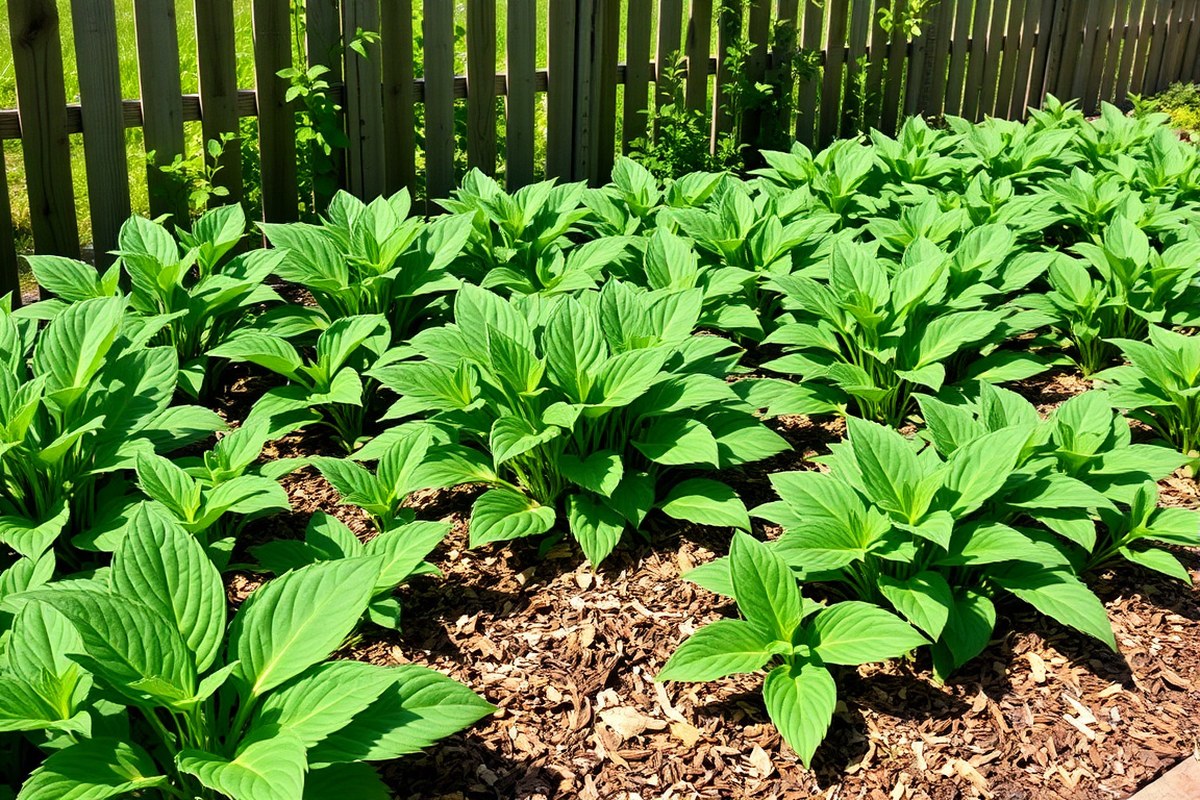
Knowing how to keep deer away from hostas naturally makes a big difference. You can protect your plants by using natural repellents, companion plants, and barriers.
Combining these methods lowers the chance of deer damaging your hostas. Start with treating all hostas within 100 feet to stop deer from following scent trails.
Deer get used to smells quickly. Rain can wash repellent scents away in just two days. Reapplying sprays every 1 to 2 weeks keeps the protection strong.
Physical barriers like fences must be at least 8 feet tall. Deer can jump high, so shorter fences won’t stop them. Use a tall fence to keep deer out of your hostas.
Lower fences might work sometimes. But deer are great jumpers and won’t always stay out.
Key Takeaways
- Apply deer repellents to all hostas near the ones already nibbled. Cover plants within 100 feet to confuse deer scent trails around damage. This helps protect nearby hostas from deer browsing.
- Reapply natural repellent sprays every 1-2 weeks to maintain effectiveness.
- Use companion plants that naturally repel deer near your hostas.
- Use fences that stand at least 8 feet tall to block deer. Shorter fences won’t keep clever deer from jumping inside your garden. This height gives the best chance to protect your plants.
- Combine repellents, fences, and plants for the best deer protection.
- Expect some deer damage even with resistant hosta varieties in high-pressure areas.
1. Natural Ways to Keep Deer Away from Hostas That Work
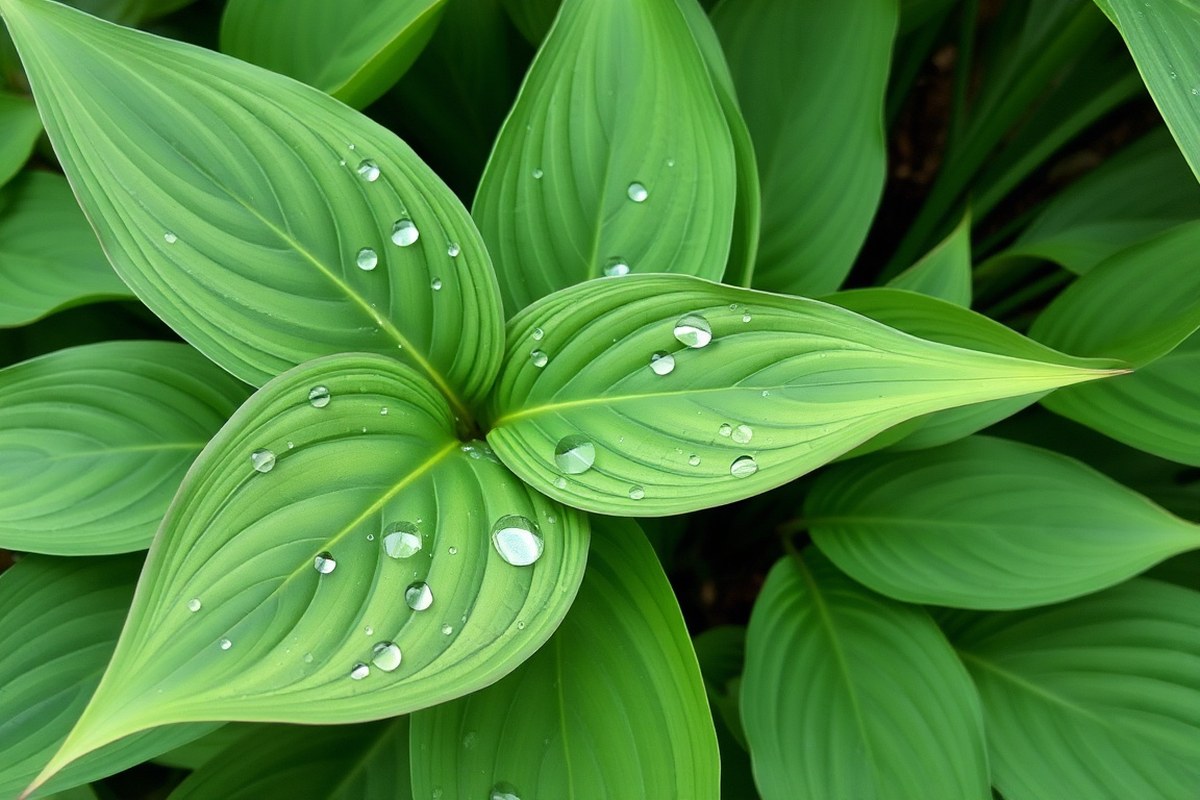
Deer avoid strong smells and tastes they find unpleasant. You can use this by planting deer-repelling plants near your hostas. These plants work as natural barriers by confusing or deterring deer with their scent.
Another natural way is spray repellents that smell or taste bad to deer. Applying these around your hostas can keep deer from nibbling on the leaves.
Physical barriers also stop deer from accessing your hostas directly. Fences, especially tall ones, block deer from jumping into your garden.
When a fence won’t work, use netting or wire cages for your hostas. These barriers don’t harm deer but make it hard for them to reach your plants.
- Plant lavender, garlic, or rosemary near your hostas
- Apply natural sprays like Liquid Fence around your garden weekly
- Use a 7 to 8-foot tall fence for reliable deer exclusion
- Put chicken wire cages around small hosta clusters
- Keep plants watered and healthy to resist deer damage
- Spread human hair or soap bars with strong scents around hostas
Companion plants with strong scents confuse deer and protect your hostas naturally. You can buy sprays like Liquid Fence for a ready-to-use option. Spray every seven to ten days, especially after rain, for best results.
Fencing needs to be tall, since deer can jump over fences under six feet. Wire cages are cheaper and good for small garden spots. These natural methods cost less than chemical repellents and avoid harming wildlife.
Tracking which methods work well help you adjust your strategy as seasons change. Deer may get used to some repellents, so rotating plants and sprays is smart. Bars of soap and clumps of human hair give off smells deer hate.
Place them near your hosta plants to help keep deer away. Just replace them when the scent fades. Keeping your hostas healthy is important too since stressed plants attract more deer attention.
2. Why Deer Love Hostas and When They Are Most Vulnerable

Deer like hostas because the leaves are soft and tender. These leaves taste good to deer. They are also easy for deer to eat.
Hostas’ large, lush foliage resembles a tasty salad to deer, especially young plants with fresh growth. The scent and texture appeal to deer more than many other garden plants.
Deer usually browse on hostas most during spring and early summer. New hosta leaves grow in spring and are very soft. They are easy for deer to chew.
This makes them especially vulnerable. Deer pressure also increases during droughts when natural food sources are scarce. Around these times, deer often seek out irrigated gardens with hostas for an easy meal.
Deer damage increases when there are about 25 deer per square mile. This fact comes from a Rutgers University trial in 2022. More deer mean more damage.
When natural plants drop by over 40%, deer get hungry. This often happens during dry spells. Then, they eat your hostas more.
Deer eat the softest leaves first. This means young hostas are hit hardest. New growth suffers the most.
Deer browsing often happens in the evening and early morning when these animals feel safest. They avoid open areas during the day to stay hidden from predators. Hostas in shady or protected spots look like a buffet.
Deer go there especially when food is scarce. Your plants are at risk then.
Keep your garden edges clear and trimmed. This reduces hiding spots where deer wait to browse your hostas.
Many gardeners notice deer eat hostas more when other food is limited. Drought reduces native plants by 40% or more, pushing deer towards your garden.
Without alternative browse, deer treat hostas almost like a five-star salad bar. This makes it more important to use protection when dry weather hits.
Deer are less likely to browse if you grow other plants they dislike nearby. A mixed border confuses them compared to a patch of only hostas. This approach can reduce damage by making your hostas less easy and appealing to find.
3. Top Natural Deer-Repelling Plants to Use as Companions
Several plants repel deer naturally and can protect your hostas when placed nearby. Strong-smelling herbs and flowers confuse deer and keep them at bay. Arranging these plants around hostas makes a buffer deer usually avoid.
Lavender and Its Strong Scent
Lavender produces a powerful scent deer don’t like. The smell masks hostas’ scent and discourages deer from coming close.
Plant lavender in groups around your hostas. A 12-inch spacing works well to create a fragrant barrier. Lavender also attracts pollinators, helping your garden thrive.
Herbs Like Rosemary and Thyme
Rosemary and thyme have woody stems and strong aromas deer avoid. These herbs also survive dry conditions and stay evergreen in mild climates.
Plant rosemary and thyme in clusters beside or between hosta beds. Use 8 to 10 plants for every 10 square feet.
This helps form a noticeable scent barrier. You’ll protect your hostas naturally this way.
Garlic, Onions, and Other Alliums
Alliums such as garlic and onions emit sulfur-rich smells deer find unpleasant. These can trip up deer’s sensitive noses and keep them away.
Set garlic or onions in containers or plant them near hostas. Space alliums at least 6 inches apart. Keep the soil moist for healthy bulbs.
Other Deer-Repellant Flowers
Marigolds and catmint add color and smells that deer dislike. Marigolds give off a pungent odor, while catmint releases a minty scent. Both grow well around hostas.
- Marigolds: plant 6 to 9 inches apart around hostas edges
- Catmint (Nepeta): space 12 inches apart for continuous scent
- Mint: grow in containers to prevent spreading
- Sage: plant near hostas for its strong aroma
- Oregano: place at hosta borders to boost scent barrier
These flowers attract bees and butterflies, improving garden health. They form a colorful, scented border deer want to avoid.
Companion Plant Placement Tips
Scatter deer-repelling plants among and around hostas to confuse deer. Mixing strong scents makes it harder for deer to zero in on hostas.
Put taller herbs like rosemary and lavender in the back or border. Place shorter plants like thyme and marigolds closer to hostas.
Use containers for spreading plants like mint to keep them controlled but close. Check plants every few weeks to replace any that fade or lose scent.
4. How to Make and Apply Homemade Natural Deer Repellent Sprays
Making and using homemade natural deer repellent sprays is a cost-effective way to protect your hostas. These sprays use common household ingredients that deer dislike, like chili pepper and coffee grounds. Applying them regularly keeps deer away without harming your plants.
Ingredients for Peppermint and Chili Pepper Spray
This spray uses strong scents and spicy compounds deer avoid. Peppermint oil and chili powder irritate deer’s noses and tongues. Dish soap helps the spray stick to hosta leaves longer.
Gather these items: 1 tablespoon chili powder or cayenne pepper. Add 1 teaspoon peppermint essential oil and 1 teaspoon mild dish soap.
Mix everything with 1 quart of water. These are easy to find at a grocery or hardware store for just a few dollars.
Coffee Grounds Spray Preparation
Coffee grounds provide a bitter smell that deer dislike. But used as a spray, they coat your plants more evenly.
Combine coffee grounds with water and a small amount of dish soap. This brew can make hosta leaves less tasty.
Start with 1 cup fresh or used coffee grounds. Add 1 quart of water and 1 teaspoon dish soap.
Mix them together. Mixing these supplies takes just a few minutes using kitchen tools.
- Mix the chili powder, peppermint oil, dish soap, and water thoroughly in a spray bottle.
- Shake well before each use to keep ingredients blended.
- Spray the hosta leaves on all sides until moist but not dripping.
- For coffee spray, stir the coffee grounds and dish soap into water in a large container.
- Let the mix sit overnight for stronger scent extraction if possible.
- Pour the coffee mixture through a strainer into a spray bottle to avoid clogging.
- Apply it liberally to the hosta leaves, coating both tops and bottoms.
- Reapply spray every 7 to 10 days or after rain to maintain effectiveness.
Application Timing and Frequency
Apply repellent sprays early in the morning or late afternoon to avoid leaf burn. Using spray during cool weather helps last longer. Letting homemade spray sit 24 hours before first use boosts its power.
Reapply sprays every week or right after heavy rain, since rain washes them off. More frequent spraying might be needed if deer pressure is high. Consistent use trains deer to avoid your hostas over time.
Safety Precautions and Plant Compatibility
These sprays usually don’t harm hostas if you avoid strong sunlight right after spraying. Test spray on a few leaves first and wait 24 hours to check for leaf damage. Avoid using harsh detergents or chemicals not meant for plants.
Homemade sprays are safe for pets and people outdoors. Wipe your hands after use. Avoid indoor use to keep safety.
Avoid spraying directly on edible herbs or vegetables. Store any leftover spray in a labeled container out of children’s reach.
5. Choosing and Installing Natural Physical Barriers Against Deer
To keep deer away from your hostas, fences need to be tall enough. Deer can jump very high. You need fences at least 8 feet tall.
This height helps block them well. Use a solid fence to hide your hostas from deer.
Covering the plants lowers their urge to jump over. Solid fences work better than see-through ones.
You might find an 8-foot fence too tall or costly. Try using two shorter fences instead. This double fence setup works well.
Deer avoid jumping into areas where the landing is unsure. So two fences spaced a few feet apart can scare them off. You can also protect individual hosta plants by using small cages or netting around them.
Here’s a table with popular physical barriers. It shows their height or size. You’ll see their effectiveness and how to use them.
| Type | Height / Size | Effectiveness | Installation Notes |
|---|---|---|---|
| Tall Solid Fence | At least 8 feet | Highly effective; blocks view | More costly; may need permits |
| Double Fence | Two fences 3-4 feet tall, 3-5 feet apart | Effective by creating uncertain jump zone | More space needed; moderate cost |
| Individual Cages | Small cages around each plant (about 2-3 feet high) | Very effective for single hostas | Cheap; needs regular checking |
| Netting Mini Fences | 2-3 feet tall around key plants | Good localized protection | Easy to install; may reduce appearance |
Installing tall fences requires sturdy posts and strong wire or panels. Check local rules to see if a tall fence needs permission. A solid panel prevents deer from spotting your hostas.
So they’re less likely to leap over it. Double fences need two runs of fencing spaced at least 3 feet apart to work. That space disrupts the deer’s landing plans and scares them.
For smaller gardens or specific plants, use cages made of wire mesh. These cages should be about 2 to 3 feet tall to block deer heads. They cost less and you can move them if you rearrange your garden.
Netting mini fences work well if you know certain hostas get hit hard. They keep deer away and can be put up quickly.
Double fences take up more garden space but greatly reduce deer jumping risk.
6. How Garden Layout and Hostas Placement Reduce Deer Damage
Hostas planted more than 50 feet from deer cover face less risk. Deer cover means woods or tall brush near your garden. This distance helps keep deer away from your plants.
According to the USDA Forest Service, this distance cuts incidental deer damage by over 70%. When your hosta bed is closer than 50 feet, deer visits rise fast.
This happens especially during times when food is low. Deer find your hostas easier to reach then.
Placing hostas 5 to 6 feet away from thick shrubs or fences helps. This spacing makes it harder for deer to jump directly. It reduces damage in many cases.
But it won’t stop more determined deer. In neighborhoods where deer are plentiful, they often leap small obstacles like this. The extra space gives you some protection but relies on other defenses for full effect.
Plant density matters, too. Deer feel safer and browse more in dense, tangled spots where they can hide. Keep your garden open around hostas by pruning nearby shrubs.
Remove fallen leaves that block your view of the area. Open space helps you spot deer coming. This lowers the chance deer will settle nearby to nibble.
Mixing in plants deer usually avoid adds a shield around your hostas. You should include plants like lavender or daffodils in borders to discourage deer without chemicals. Choose varied species spaced so they don’t crowd each other but cover the soil well.
Regularly changing where you place pots, garden decorations, and furniture stops deer from getting comfortable. They remember safe feeding spots.
So moving these items every few weeks shakes up their habits. This also lets you spot areas needing fresh protection before deer start visiting.
In bigger gardens, group hostas in clusters with walkways between them. You can also use low fences to break deer paths. This setup makes it harder for deer to move freely.
Paths between beds reduce how easily deer move through your space. Adding gravel or wood chips discourages deer steps in hosta beds.
Deer prefer soft ground that hides their sounds and scent. Hard surfaces make it easier to detect them.
Good cultural care also helps. Healthy hostas grow quicker and recover faster from any deer bites.
Fertilize as needed and water during dry spells to keep plants strong. Healthy plants look less tempting because they produce more leaves and can survive light browsing.
In rural spots where deer are very hungry, layout helps less. Even good spacing might not stop deer from eating hostas. Hunger makes deer take bigger risks in gardens.
In these cases, combining garden layout changes with natural repellents or barriers works better. You can adapt your design each season depending on deer activity and plant growth.
7. Common Mistakes When Using Natural Deer Deterrents and How to Fix Them
Many natural repellents fail fast because they dry out or lose scent quickly. You need to reapply sprays every 7 to 10 days or after rain. Skipping this lets deer get used to your plants, so damage comes back.
Maintenance often slips with fences too. Loose posts or low fences don’t stop deer from pushing through. Check for gaps at least once a week and tighten or raise fences if needed.
Plant placement can confuse your efforts. Hostas closer to woods or deer paths get hit first. Putting them amid other deer-resistant plants adds a layer of protection and spreads out the risk.
- Apply homemade sprays every 7 to 10 days, especially after rain
- Inspect fences weekly for gaps and fix loose posts promptly
- Keep fences at least 8 feet tall to block most deer
- Plant hostas near strong-smelling companions like garlic or lavender
- Avoid placing hostas next to woods or known deer trails
Sometimes, repellents don’t work because their scent wears off too quickly. Using sprays with garlic and peppermint oil often smells strong at first but fades in days. Mix extra drops or boost with fresh ingredients to keep scents sharp.
Measure your fence’s height and width when deer break through it. It costs less to add a fence extension or wire roll.
You don’t need to replace the whole fence. Tightening loose wire also keeps deer from slipping inside easily, saving you time and work later.
8. Tracking and Maintaining Natural Deer Protection for Hostas
Watch your hostas closely for any deer signs and damage. Check your plants often to catch issues early. Adjust your repellent and protection plans based on what you find.
Inspecting Hostas Regularly for Damage
Look for torn, ragged, or missing leaves, especially early in the morning. Deer usually nibble hostas at night or dawn. Notice bent stems or footprints in nearby soil or mulch.
Inspect after rain, since scents from repellents can wash away. A quick daily scan keeps you aware of deer presence. Pay special attention to new growth, since it’s tastier to deer.
Remove fallen leaves or debris that can hide damage or deer tracks. Keep plants visible and healthy so problems show up easier. Deer often browse low to the ground, so bend down to check.
Recording Deer Activity and Repellent Use
Make notes on a calendar or garden journal each time you spot damage or deer signs. Include the date, weather, and repellent used. This helps you see patterns and what works best.
Track how often you use repellents and their types. Note any physical barriers used. Write down companion plants you planted too.
Record any changes in deer visits or hosta condition. This takes just minutes but helps tune your strategy over time.
Review your records monthly and after harsh weather like heavy rain or windstorms. Deer activity can shift with seasons, so watch especially in spring and fall. Adjust records by noting when you refreshed repellents or trimmed bushes.
Adjusting Strategies Based on Observations
Change repellents or rotate sprays every two weeks to keep deer from getting used to smells. Deer can adapt quickly, so variety helps maintain the effect. Reapply sprays after rain to keep a strong scent.
Trim back any overgrowth that hides your hostas or provides deer shelter. Keep your garden tidy so deer feel less safe hanging around. Adding fresh companion plants can also improve your defenses.
Notice more deer visits despite your efforts? Try using more methods together.
Use physical barriers along with sprays and deer-resistant plants. Be patient; you often need several adjustments before you see consistent results.
- Check your hostas early each morning for any new damage or deer signs.
- Record the date, type of damage, repellent used, and weather conditions.
- Note how often you apply repellents or change barriers around your hostas.
- Trim bushes and remove debris where deer might hide near your plants.
- Switch repellent types or rotate sprays every 10 to 14 days for best effect.
- Reapply spray repellents immediately after it rains to maintain scent.
- Consider adding more protective plants or physical barriers if damage continues.
- Review and adjust your notes monthly to track trends and spot problem times.
Keep your records simple and consistent for clear tracking of what works. Deer learn and adapt, so don’t rely on a single method too long.
Step-by-Step Action Plan to Protect Hostas from Deer Naturally
Start using simple, natural methods today to see quick results. Follow these steps to keep your hostas safe from deer.
- Before planting: Choose deer-resistant plants to mix with your hostas. Success means fewer deer visits early on.
- Week 1: Apply a homemade deer repellent spray around your hostas. Look for less nibbling after three days.
- Week 2: Install physical barriers like garden fencing or mesh around vulnerable plants. Check the barriers hold up after a week.
- Week 3: Rearrange your garden layout placing less tasty plants near hostas. Notice if deer avoid the new setup.
- Month 1: Reapply natural sprays after rain or every 10 days. Keep track of deer activity to adjust timing.
- Ongoing: Remove fallen fruits or plants that attract deer nearby. See fewer deer signs in your garden paths.
- Every 2 months: Refresh companion plants that help repel deer. Watch for steady hosta health and no new damage.
Frequently Asked Questions
Can Deer Jump over a Fence to Get to Hostas?
Yes, deer can jump fences under 8 feet tall. Use at least an 8-foot fence to keep deer out for good. Adding an angled top can improve fence effectiveness in keeping deer away.
Does Spraying Hostas with Soap Deter Deer Naturally?
Mild soap sprays can make hostas less tasty for deer. These sprays work by creating a slippery, unfamiliar texture that deer avoid. Reapply after rain for best results.
Are Deer Repellent Candles Safe to Use Near Hostas?
Some gardeners use deer repellent candles, but results vary. They release scents that might keep deer at bay temporarily. Use them alongside other natural deterrents for better protection.
Can Planting Noisy Objects Near Hostas Scare Deer Away?
Noise makers can startle deer and keep them off your garden. Motion-activated devices often work best by surprising deer as they approach. Combine noise deterrents with natural repellents for stronger effect.
Is Vinegar Spray Effective in Keeping Deer from Eating Hostas?
Vinegar sprays can repel deer, but they may damage your plants if too strong. Dilute vinegar with water and test it on a small leaf first. Reapply often to maintain its scent.
Do Deer Avoid Hostas During Certain Weather Conditions?
Deer tend to eat hostas more in dry or snowy weather when food is scarce. Your hostas face more risk in winter or drought times. Extra protection during those seasons helps preserve your plants.
Key Points to Remember
Using natural methods can effectively keep deer from eating your hostas. Start by applying a homemade repellent on your plants. Keep up with the plan and watch your garden flourish without chemicals or added stress.