How to Get Rid of Bush Roots: 8 Effective Methods That Really Work
Start by cutting the bush down to about 12 inches high. Cut as close to the ground as you can. This gives you clear access to the roots without the branches getting in your way.
Dig a trench around the bush about 12 to 18 inches out. This will help expose the roots.
For tough roots, use a 50% glyphosate mix or pure triclopyr. Apply it right after cutting the bush. Be very careful to avoid spills on nearby plants.
Fence off the treated area for at least 48 hours. This keeps pets and kids safe.
Removing bush roots can be really tough, especially with persistent species like barberry or forsythia. Use loppers for medium branches. Root saws work best for very thick roots.
Dig down at least 12 inches to find the main root flare. This helps remove roots better.
Key Takeaways
- Trim bushes to 12 inches above ground before starting root removal.
- Dig trenches 12 to 18 inches from the main stem to expose roots.
- Apply glyphosate or triclopyr on fresh cuts to kill woody roots effectively.
- Fence off treated areas for 48 hours to protect children and pets.
- Use loppers for branches up to 2 inches thick and a root saw for thick roots.
- Dive at least 12 inches deep to cut feeder roots and main root flare.
1. Effective Methods to Remove Bush Roots Completely
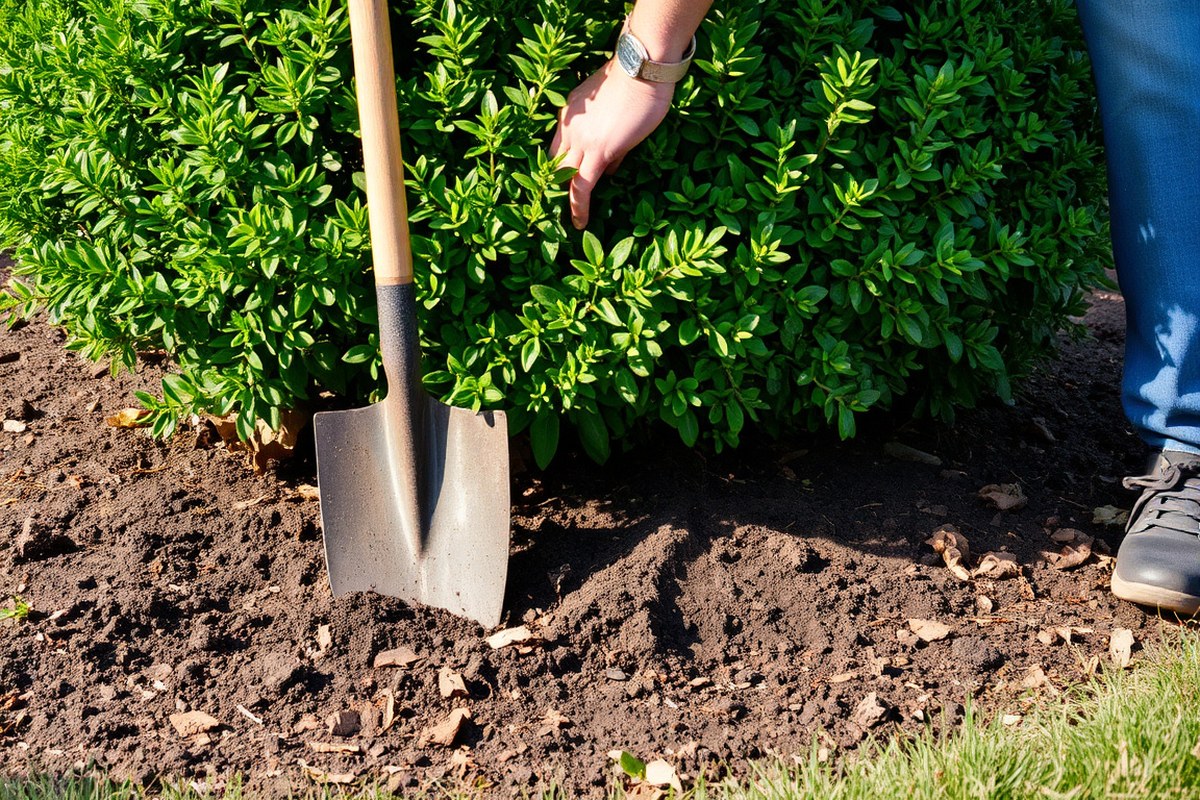
Removing bush roots completely requires picking the right method for your situation. Manual digging gets rid of roots right away but takes a lot of work. Chemical treatments take longer and expose soil to herbicides.
Mechanical tools like stump grinders speed up removal with less sweat. Each option fits different needs based on time, cost, and eco-concerns. Here’s a quick comparison of the top methods:
| Method | Time Required | Physical Effort | Cost | Effectiveness | Environmental Impact |
|---|---|---|---|---|---|
| Manual Removal | 1-3 hours per bush | High | Low ($20-50 for tools) | High, Immediate and complete | Low |
| Stump Grinding | 30 mins, 1 hour per stump | Low | Medium ($80-150 rental) | High, Quick removal of visible portions | Medium |
| Chemical Treatment | Weeks to months | Very Low | Low ($15-30 for herbicide) | Medium, May require repeated treatments | Higher, Introduces chemicals to soil |
Using a spade and mattock works well in looser soil with younger bushes. For tougher roots, saws or loppers help cut through dense fibers near paths or borders. You want to dig trenches around the roots first.
Then expose the roots. After that, cut as much as you can.
Stump grinders handle thick, woody crowns faster but cost more upfront. Chemical methods, often herbicides with glyphosate or triclopyr, take weeks to kill roots. Apply herbicide right after cutting fresh surfaces and avoid spraying nearby plants.
Manual removal provides complete root removal and stops sprouts fast. It’s best when you want to plant something else soon after removing the bush. Chemicals work if you can wait and want less physical labor but carry some soil risk.
2. Manual Steps for Digging Out and Cutting Bush Roots
Cutting Back the Bush to Access Roots
Begin by trimming the bush to about 12 inches above the ground. Remove branches carefully to create open space around the stump. This helps you reach the roots without obstruction.
Cutting back the bush also stops new growth while you work. It makes handling the roots easier and safer. Wear gloves to avoid scratches or irritations during this step.
Digging a Trench to Expose Roots
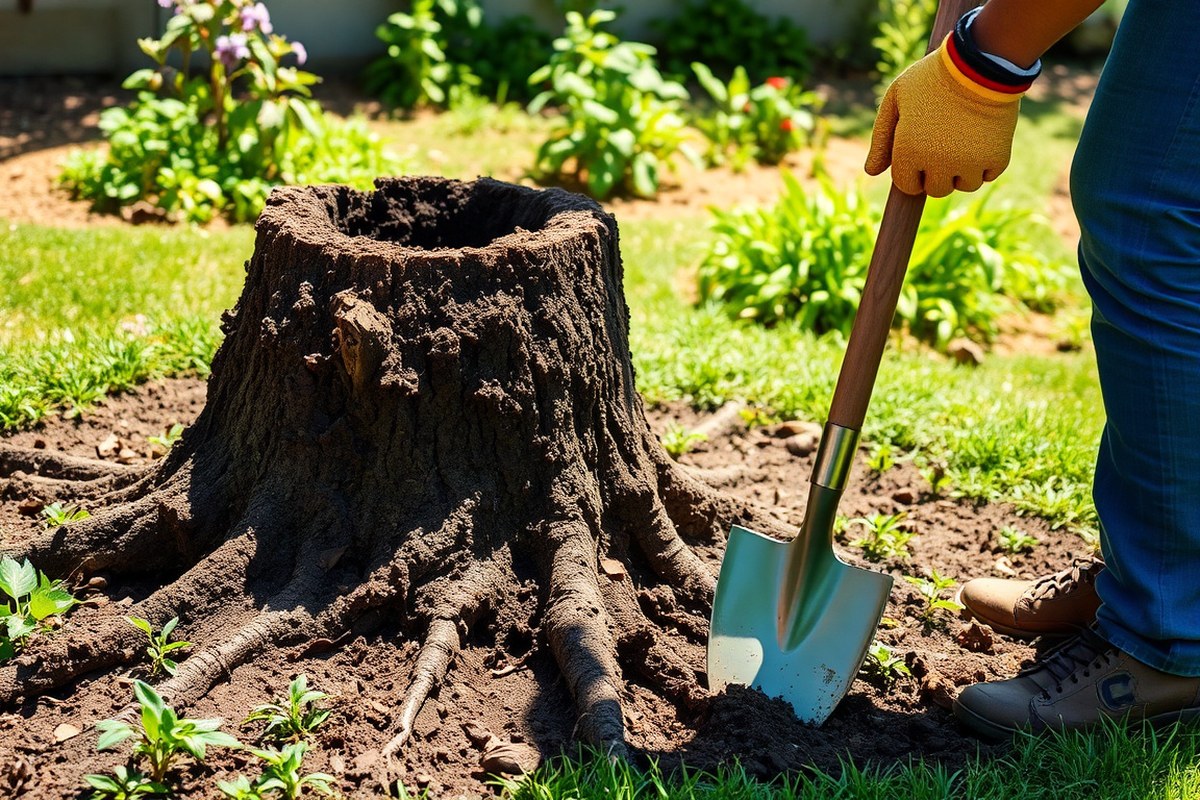
Start digging a trench around the bush using a shovel. Dig the trench 12 to 18 inches away from the stem.
Make it wide enough to show the root system. A round-point shovel works best for deeper digging.
The trench should be deep enough to show both shallow and deep roots. Dig carefully around visible thick roots to avoid injury. Check the depth regularly and increase it as needed to find all major roots.
Severing Roots and Removing the Root Ball
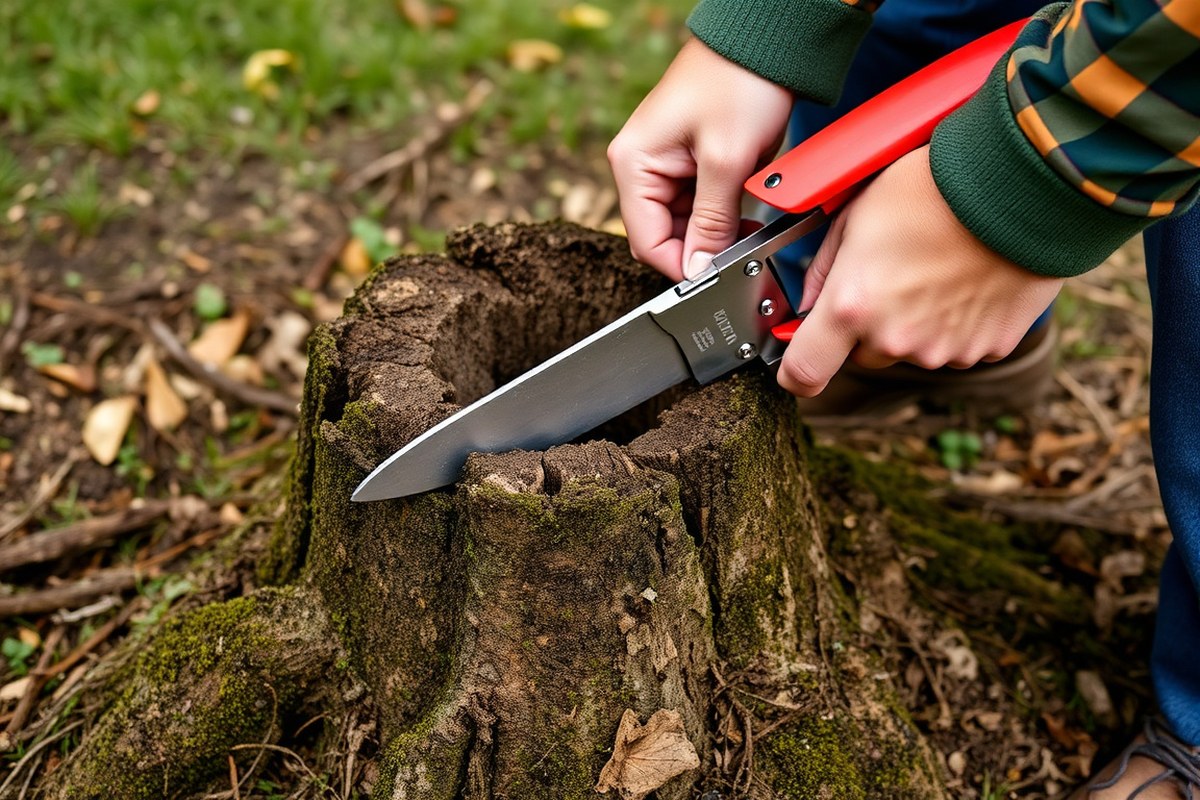
Use cutting tools like a mattock, axe, or loppers to cut exposed roots. Choose the tool based on root thickness. A mattock handles medium roots, while loppers are best for thinner ones.
After cutting, shake or brush soil from the root ball to lighten it. Push the stump gently back and forth to loosen remaining roots. Pull or lever the root ball out once it moves freely.
Check for leftover roots and cut them to prevent regrowth. Don’t leave thick roots uncut, or the bush may come back stronger.
Tips for Handling Thick, Stubborn Roots
Thick roots can be tough to cut with just a shovel or loppers. Dig deeper around stubborn roots before trying to cut. Use an axe or a sharp mattock to sever thick parts cleanly.
Lever systems can help lift the root ball without straining your back. Place a sturdy board and a long bar to pry the roots out slowly. This technique saves time and physical effort.
Large or tough roots need several rounds of digging and cutting. Patience is key when working on deep-rooted bushes.
- Trim the bush to 12 inches high, clearing branches.
- Dig a trench 12 to 18 inches from the bush base.
- Expose roots by digging down and around them carefully.
- Select cutting tools based on root thickness.
- Cut all major lateral roots cleanly using a mattock or loppers.
- Shake off soil to lighten the root ball.
- Push the stump back and forth to loosen roots.
- Pull or lever the root ball free from the ground.
Wear gloves and protective gear when cutting roots to avoid injuries.
3. Using Chemical Treatments to Kill Bush Roots Safely
Glyphosate and triclopyr are the best herbicides to kill bush roots and stop regrowth. Apply these right after cutting the stump for the most effective results. Make sure to protect nearby plants and yourself during the process.
Preparing the Stump and Cuts for Treatment
First, prune back the bush to expose the stump and roots clearly. Cut the stump close to the ground for better herbicide absorption. Fresh, moist cuts soak up the treatment best, so apply herbicides promptly.
After cutting, test if the bush is loose by rocking it gently. If it still holds firm, the herbicide will need time to work. Avoid delays because stump surfaces seal quickly, blocking chemical intake.
Choosing the Right Herbicide and Concentration
Use glyphosate at 50% concentration mixed with water or undiluted triclopyr. Both kill woody plants by moving through the plant’s vascular system. Glyphosate works well for most bushes, while triclopyr targets tough deciduous shrubs better.
Pick glyphosate if surrounding plants need protecting, as it has limited soil activity. Choose triclopyr for stubborn roots, but apply carefully to avoid drift. Stronger concentrations are needed to kill deep root systems fully.
Safe Application and Aftercare Measures
Wear gloves and avoid chemical contact with skin or eyes. Apply the herbicide immediately after cutting, focusing on the outer cambium ring of the stump. This zone moves the chemical downward into the roots.
Prevent the herbicide from dripping or running off to nearby plants or soil. Use a small brush or squirt bottle to control application exactly. Dispose of gloves and wash hands after treatment to avoid contamination.
Wait several months for the roots to die and the bush to stop regrowing. Monitor the area for sprouts and repeat treatment if needed.
But do not apply herbicides on windy days. Keep pets and children away from treated areas until dry.
- Prune back and cut the bush stump close to the ground.
- Test stump looseness by gently rocking it.
- Select glyphosate (50% mix) or undiluted triclopyr depending on root toughness.
- Wear gloves and protective gear before application.
- Apply herbicide immediately to fresh cuts, focusing on the cambium ring.
- Use a brush or squirt bottle for targeted application to avoid spills.
- Keep herbicide away from surrounding plants and soil.
- Wash up and dispose of gloves safely after use.
4. Mechanical and Tool-Assisted Approaches for Stubborn Roots
Mechanical tools like jacks, chains, and stump grinders make tough root removal easier. These tools help lift, cut, or grind roots. Some roots are deep or hard to pull by hand.
These tools make the job easier. Using the right equipment saves time and reduces physical strain.
Choosing the Right Equipment for Heavy Root Removal
Large bushes over 8 feet tall often have thick and deep root systems. A stump grinder is perfect for cutting down these stubborn stumps into small pieces. Jacks and chains help you pull out heavy roots without damaging surrounding soil.
For small to medium bushes, strong loppers or a root saw may do the job. But for old, established bushes with deep roots, mechanical aids offer the most practical solution. You can rent a stump grinder.
Or buy a farm jack and heavy chain. Find these at garden centers.
Setting Up Lever Systems and Jack Lifts
Using a jack and chain creates a powerful lever to remove tough roots. This method lifts the root ball out of the ground step by step. It works well with roots that don’t easily break free from the soil.
Secure the chain tightly around the base of the bush stump or root mass. Connect the chain to the jack. The jack should be on a stable base.
Use a large plank of wood for support. As you operate the jack, it pulls the root upwards, loosening it from the soil.
Steps for Using a Lever or Jack System
Follow these instructions for the best results. Safety gear like gloves and eye protection is essential. Have a friend help if the root system is very heavy.
- Clear away soil to expose as much of the root system as possible.
- Wrap a strong chain securely around the root ball or stump base.
- Place a solid plank or metal plate on the ground to serve as a stable base.
- Position the jack on the base near the plant and attach the chain.
- Operate the jack in small pulls to slowly lift or loosen the roots.
- Use a shovel or loppers to cut any loosened roots that stay connected.
- Remove the root mass once it’s loose enough to lift by hand or with the jack.
How to Use a Stump Grinder for Bush Removal
The stump grinder quickly shreds tough root stumps down several inches below soil level. This stops regrowth and makes the hole ready for planting. Rentals typically cost $50 to $100 per day depending on the model.
Wear protective goggles, ear protection, and gloves when operating the grinder. Slowly move the grinder’s spinning wheel across the stump and around the edges. Keep grinding until the stump is no more than 6 inches deep underground.
What to Expect and Avoid with Mechanical Tools
Mechanical aids reduce the time and effort needed compared to hand digging. You can remove stubborn bush roots that manual tools struggle with. Avoid rushing the process; steady, slow pulling or grinding prevents damage to nearby plants.
Too much force can snap your chain or break your jack. With stump grinders, moving too fast causes uneven cuts or missed wood. Watch the area around you to avoid damaging underground pipes or wires.
5. Identifying and Managing Problematic Bush Species
Some bushes like privet, bamboo, and multiflora rose grow roots that send up new shoots easily. These plants spread by roots that grow side to side. They send up suckers far from the main bush.
Removing these roots helps stop new growth. Dig a trench wider than the bush’s drip line.
This will cut all the roots around it. A big trench helps stop the roots from growing back.
When dealing with suckering bushes, repeated cutting is your best bet. Cut new shoots back every couple of weeks during the growing season. This stops the bush from feeding new root growth and weakens the root system over time.
Combining this with a targeted chemical treatment helps too. Apply a herbicide made for woody plants to the freshly cut stems. This way, the chemical soaks into the roots through the cut part.
Repeat treatment after each cut until no new growth appears. This usually takes 1 to 2 growing seasons.
Thorny bushes like multiflora rose need careful handling. Their sharp thorns can hurt you while working. Their tough roots also need strong digging to remove.
Thick gloves, long sleeves, and pruners with strong blades will protect you and make cutting safer. For invasive species, mechanical removal plus chemical follow-up is almost always necessary.
Invasive species often regrow quickly unless roots are fully removed or killed. It means you can’t just chop the top and walk away. Dig a wide trench around where the roots spread.
Take out large root parts to stop regrowth. This lowers the chance the bush will grow again. After that, chemical treatment helps clear stubborn pieces.
Wear thick gloves when cutting thorny bushes to avoid injury and infection risk.
6. Protecting Surrounding Plants and Soil During Removal
When getting rid of bush roots, protect nearby plants by creating a clear boundary. Avoid digging near the roots of plants you want to keep.
Root systems can spread several feet beyond the bush’s base. So mark a safe distance before you start.
Applying chemicals requires extra care to prevent harm to other plants. Use a shield or cardboard to block spray drift. Aim to protect leaves and stems of your good plants.
This stops harmful spray from reaching them. Water the surrounding soil before and after applying herbicides to reduce chemical movement in the soil.
Pets and children should stay out of the treated area for at least 48 hours. Set up temporary barriers like fencing or cones to keep people and animals away. Herbicides can be toxic and tracking chemicals into the house or yard will spread contamination.
- Wear gloves and protective clothing when handling chemicals
- Use a dropper or brush to apply herbicide directly onto roots or cut stumps
- Dig carefully to minimize soil disturbance and erosion near other plants
- Break up compacted soil gently with hand tools, not heavy machinery
- Dispose of removed bushes and roots following local regulations
- Water plants around the work zone after digging to settle soil
- Fence off the area for 48 hours after herbicide application
Keeping soil intact around surrounding plants helps prevent erosion. Disturbed soil can wash away with rain and stress nearby roots. Use a rake to smooth soil without overworking it or exposing too much bare ground.
Good results mean your other plants stay healthy and your soil stays stable. Excess chemical use or careless digging may kill more than just the target bush roots. Stick to safe methods and pay attention to warning labels for the product you choose.
7. Post-Removal Care: Preventing Regrowth and Preparing Soil
Stopping roots from sprouting again starts with removing all root fragments. Any leftover pieces can grow back. After digging out roots, use a natural herbicide on the soil.
Cover the area with thick mulch next. This blocks sunlight and stops roots from growing back.
Improving soil health after removal helps your new plants thrive. You should loosen the soil to reduce compaction and add organic matter like compost.
This feeds beneficial microbes and improves drainage. Avoid heavy fertilizers right away; wait until your soil shows signs of recovery.
Replanting works best after the soil is healthy and stable. Give the site about 4 to 6 weeks to settle, especially if you used chemical treatments. Test soil moisture and texture, and prepare a well-draining bed for the new plants.
- Clear all root fragments from the removal site
- Apply natural herbicide or thick mulch to block sunlight
- Loosen compacted soil with a garden fork or tiller
- Add 2 to 3 inches of compost to improve soil quality
- Wait 4 to 6 weeks before planting new bushes
- Check soil moisture and drainage before replanting
Mulching costs around $20 to $30 for a 3-inch layer over 100 square feet. Compost adds nutrients without harsh chemicals. Natural herbicides made from vinegar or citrus oils work well on small regrowth but need reapplication.
Watch for smaller shoots that might pop up weeks after removal. Remove them quickly to avoid a full regrowth. Be careful near foundations or fences.
Avoid disturbing these structures while stopping roots from coming back. Take extra care in these spots.
8. When and How to Call a Professional for Bush Root Removal
Calling a pro for bush root removal depends on its size. It also depends on how far the roots spread. Large bushes with deep, thick roots are tough to handle alone.
If the bush is near utilities or foundations, call a pro. They can avoid damage and know the safety rules.
Steep slopes or unstable ground add risk and can make digging dangerous. Pros use heavy root cutters and mini excavators.
These tools work faster and handle tough ground better. They also understand how to safely navigate these hazards without harming your property.
Cost varies based on bush size, root complexity, and location. But expect $150 to $600 for average shrub removal. Small bushes with shallow roots may cost under $200.
Large shrubs near structures can reach $500 or more. Some companies offer package deals including stump grinding and cleanup, which usually raises the price.
| Service Type | Typical Cost Range | Equipment/Expertise Used |
|---|---|---|
| Small Bush Removal | $150 – $250 | Hand tools, chainsaws, manual root cutting |
| Large Bush or Complex Root System | $300 – $600 | Mini excavators, root cutters, expert excavation |
| Near Utilities/Foundation | $400 – $700+ | Utility-aware digging tools, site assessment, permits |
You can start by assessing how much digging and root cutting you can do safely. Professionals can do thorough root removal in hours.
It might take days for you. Expect them to check the site, mark underground utilities, and remove roots without damaging nearby plants.
Never attempt removing roots under power lines or near septic tanks without professional help. It risks serious damage or injury.
Step-by-Step Action Plan for Removing Bush Roots
Follow these steps to remove bush roots completely and prepare your garden for new plants.
- Before you start: Gather tools like a shovel, loppers, and gloves to work safely. Check your plants to identify which bush roots to remove.
- Day 1: Dig around the bush base about 12 inches away to expose roots. Remove as many roots as you can by cutting and pulling. You’ll know it worked when you see the root systems clearly.
- Day 2: Apply a safe chemical root killer following label instructions if roots are stubborn. Cover treated roots with soil and wait about two weeks. Roots should blacken or soften, showing the treatment took effect.
- Week 2: Grab a pry bar or a mechanical tool. Use it to loosen dead roots in the soil. Then, pull them out carefully. Loose roots indicate you removed most of the system.
- Week 3: Check for new shoots or green growth sprouting. Pull these out immediately to stop regrowth.
- Week 4: Improve soil by adding compost or mulch where the roots were removed. This helps prepare the area for new plants.
- Ongoing: Monitor the area for several weeks to catch any returning roots early. Early removal prevents larger problems later.
Frequently Asked Questions
How Deep Do Bush Roots Usually Grow Underground?
Bush roots can spread 12 to 24 inches deep and wide. This depth varies by species and soil type.
Can I Use Vinegar to Kill Bush Roots Naturally?
Vinegar can burn small roots but won’t kill large root systems. It works better on young shoots for quick dieback.
What Is the Best Season to Remove Bush Roots for Easier Pulling?
Late summer or fall is best to remove bush roots. The bush moves resources down then, making roots weaker and easier to sever.
How Long Does It Take for Chemical Treatments to Kill Bush Roots?
Chemical treatments can take several weeks to kill bush roots. Persistence is key; multiple applications may be needed for stubborn roots.
Can Mulch Prevent Bush Root Regrowth After Removal?
Mulch alone won’t stop bush root regrowth but helps soil health. Use it with root removal or chemical treatment for better control.
What Common Mistakes Cause Bush Roots to Regrow After Removal?
Leaving even small roots or stumps behind often causes regrowth. Cutting roots too shallow or during the wrong season reduces success.
Key Points to Remember
Removing bush roots is a slow but manageable job when done right. Start by digging and cutting roots deeply to avoid regrowth. Take your first step today by identifying which bushes need removal in your garden.