What Is Companion Gardening: A Complete Guide with Proven Plant Pairings
Wondering what is companion gardening and how it helps your garden? Companion gardening is planting different species close together to help each other grow. These plants provide benefits like pest control, better soil nutrients, and improved yields.
It works best when companion plants grow within 2 to 4 feet of each other. This spacing allows them to share nutrients and keep pests away while still having enough airflow. For example, beans fix nitrogen for corn when planted nearby, boosting growth naturally.
Some companions repel pests naturally, like marigolds deterring nematodes and aphids. Others improve soil health by adding nutrients or breaking up compacted ground. You can use these pairings to reduce chemical use and encourage beneficial insects.
Companion gardening is an ancient method, used for centuries, like the Indigenous Three Sisters system. Watch your garden’s sun patterns and soil needs to plant companions where they’ll thrive together.
Key Takeaways
- Plant companion species 2 to 4 feet apart to maximize mutual benefits.
- Leave 12 inches between groups to maintain good airflow.
- Add nitrogen-fixing plants like beans near heavy-feeding crops.
- Avoid planting antagonistic pairs, such as fennel and tomatoes, too close.
- Start planting corn first, then beans when corn reaches 6 inches.
- Use your garden’s sun exposure map to position companion plants wisely.
What Is Companion Gardening and How It Works
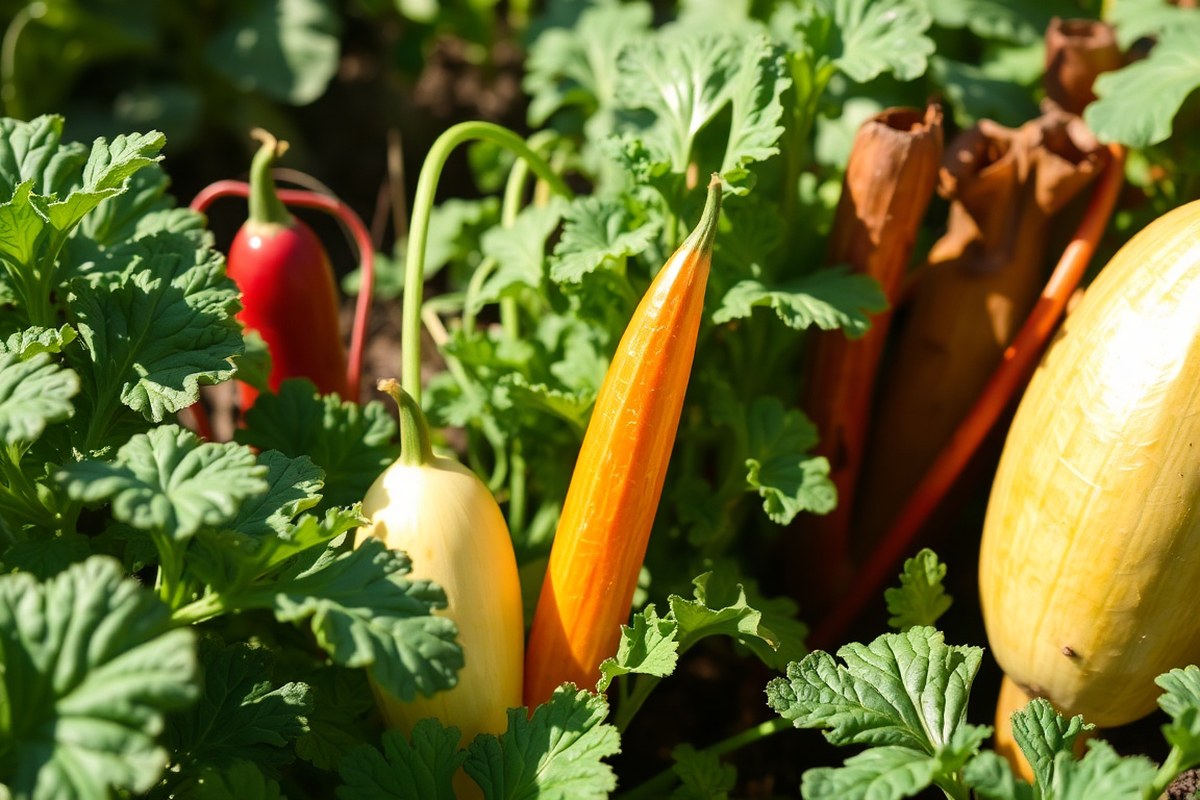
Companion gardening means growing different plants close together so they help each other. These plants support each other by improving soil, attracting pollinators, or keeping pests away. This method creates a natural community where each plant benefits its neighbors.
This approach goes beyond just planting different crops side by side. It focuses on plant pairs or groups that help each other. These plants can control pests or improve soil with nitrogen.
They work together for better garden health. Unlike crop rotation, companion gardening keeps plants near each other.
This stays the same all season in the garden. It builds ongoing benefits between the plants.
Some plants grow better together because they complement each other’s needs. For example, one plant might repel harmful insects, while another attracts beneficial ones. Companion planting also balances nutrients in the soil by mixing deep-rooted and shallow-rooted plants.
To practice companion gardening, start by choosing plants known to support each other. You can plant a pest-repelling herb next to vegetables vulnerable to bugs. This method is easy to try and costs nothing.
It works great in garden beds or big containers. You just plant the companions together and watch them help.
The key is understanding how plants interact with each other and their environment. Companion gardening can reduce or eliminate the need for pesticides by relying on natural defenses. It also helps keep the soil healthy by maintaining coverage and diverse root structures.
Key Benefits of Companion Gardening for Your Garden
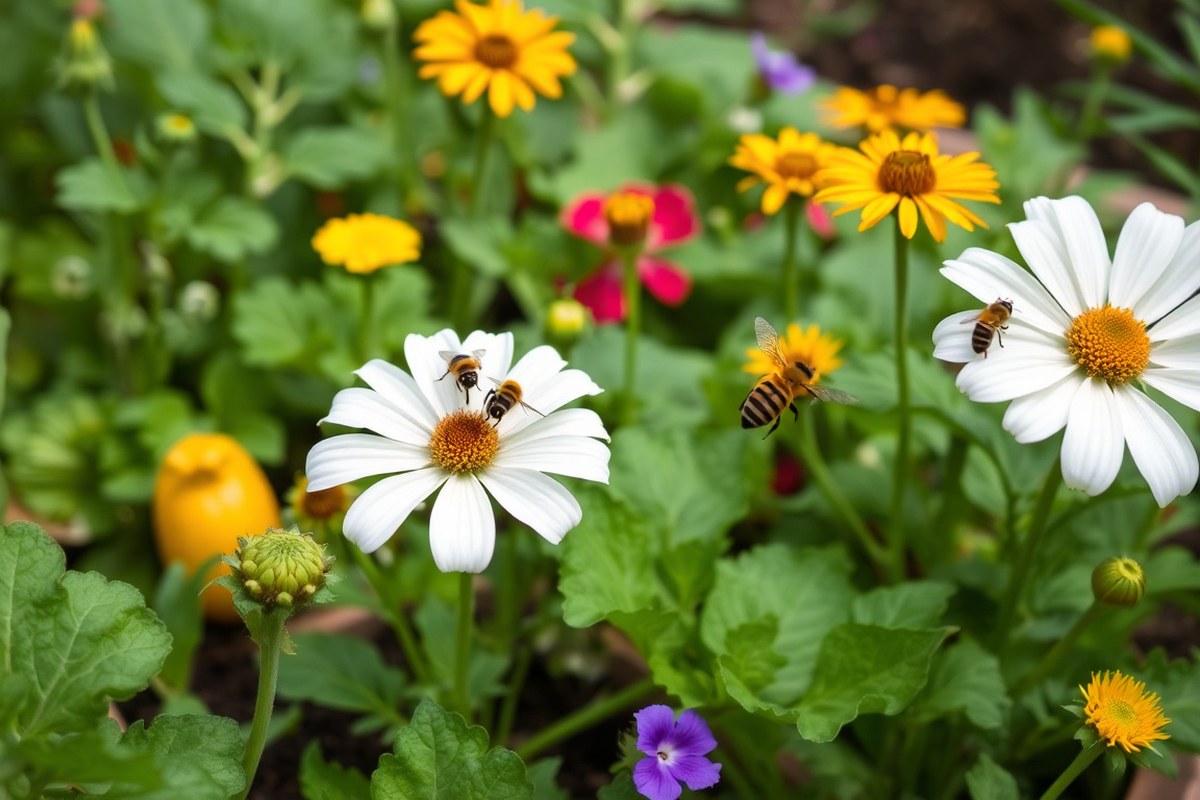
Companion gardening offers practical benefits like natural pest control and better pollination. Strong-smelling plants, such as basil near tomatoes, can repel pests like tomato hornworms. Meanwhile, flowers like borage attract bees and butterflies, boosting fruit and seed production on nearby crops.
Soil health gets better with nitrogen-fixing plants like beans and peas. These plants add nitrogen to the soil. This helps heavy feeders like corn grow well.
This helps reduce the need for chemical fertilizers. A mix of plants also improves soil microbiomes, which supports healthier root growth and nutrient uptake.
Dense planting with companion species reduces weeds by blocking sunlight, according to the Clemson Cooperative Extension. Taller plants give shade that keeps soil moist. Shade also helps stop weeds from growing.
This means you have fewer garden chores. When you plant companions closely, you leave little room for weeds to establish.
Using companions saves space, an important benefit for gardeners with small yards. Vertical growers like beans climb tall corn stalks, using vertical space well. Ground covers suppress weeds and protect soil temperature, helping smaller plants thrive.
Place pollinator-attracting flowers near fruits and vegetables to increase yields and reduce pests naturally.
Mixing plants this way also reduces disease spread. Disease spreads more slowly in a garden that has many types of plants. Pests and pathogens find it hard to find one host.
That slows down infections. Strategically combining plants improves the garden’s resilience without extra chemicals or labor.
Companion gardening does require some planning to choose the right pairs. This method reduces pest problems and attracts more pollinators. It also improves soil health and controls weeds.
You use space well and get bigger harvests. This natural approach fits well if you want a productive and low-maintenance garden.
How Close Should Companion Plants Be Planted?
Companion plants should be spaced about 2 to 4 feet apart to work their best. This distance lets them share benefits like pest control and soil nutrients without crowding. Proper spacing lets air flow well around your plants.
This airflow keeps leaves dry. Dry leaves reduce disease by lowering humidity near plants.
Crowding plants can cause problems like poor air circulation and competition for water and nutrients. Too-close planting leads to slower growth and more risk of pests and disease. You want air to move freely through the garden to keep plants healthy.
Plants that don’t get along need extra space between them. For example, keep antagonistic plants at least 4 feet apart to avoid negative effects. This spacing helps prevent chemical signals or root interference from harming your crops.
- Plant companions within 2 to 4 feet for best interaction
- Leave about 12 inches between different species groups
- Keep antagonistic plants at least 4 feet apart
- Space plants to allow sunlight to reach all leaves
- Avoid dense clusters that block airflow around plants
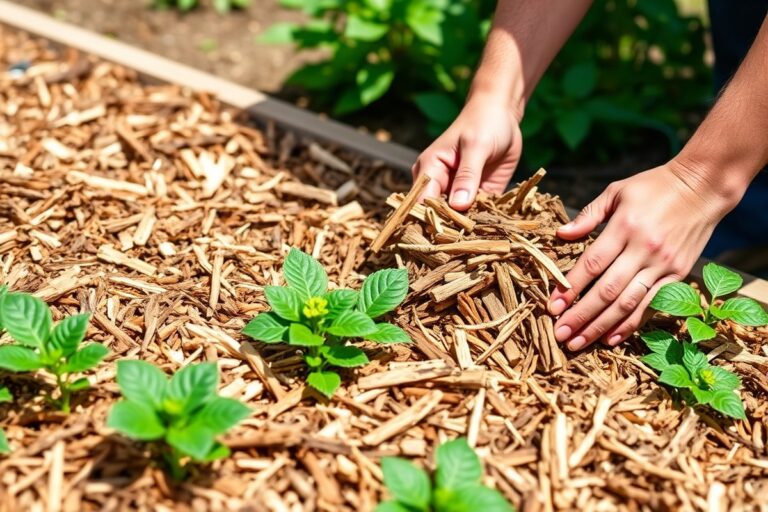
- Use mulch to reduce weeds and help soil moisture
Spacing depends on the plants’ size and growth habits. Larger plants like corn or squash need more room than herbs or leafy greens. Adjust spacing a bit based on your garden’s layout.
Think about how close plants are to sunlight. Make sure air can move freely among plants.
Properly spaced companion plants grow stronger and support each other well. You’ll notice fewer pests and better yields with good distance between friends and foes. Pay attention to your garden’s flow and move things each season based on what worked well.
Classic Companion Plant Pairings and Why They Work
Some companion plant pairings boost growth, protect against pests, or enrich soil. The Three Sisters garden combines corn, beans, and squash for mutual benefit. Tomatoes pair well with basil, improving their flavor naturally.
Carrots and onions make a good team too. They help keep pests away from each other.
The Three Sisters: Corn, Beans, and Squash
The Three Sisters system plants corn, pole beans, and squash together in one mound. Corn acts as a natural pole for beans to climb. Beans fix nitrogen in the soil, helping corn grow better.
Squash spreads along the ground, shading weeds and keeping soil moist. This trio has been grown by Indigenous peoples for over 1,000 years. It saves space and creates a balanced garden ecosystem.
Vegetable Pairings That Improve Growth or Pest Control
Tomatoes and basil are classic companions. Basil repels pests and improve tomato flavor. Carrots and onions grow well together because onions deter carrot flies.
Beans and corn also pair well: beans enrich the soil with nitrogen. Corn’s structure helps pole beans climb higher. These combos help plants thrive without extra chemicals.
| Pairing | Benefit |
|---|---|
| Tomato & Basil | Improve flavor, repels pests |
| Carrots & Onions | Deters pests, promotes healthy roots |
| Beans & Corn | Nitrogen fixation, structural support |
These pairings fit well in most home gardens. They reduce pest damage naturally and improve plant health. You can plant them close, often in the same bed, for best effects.
Common Flower and Herb Companions
Marigolds frequently grow near tomatoes and squash. They suppress nematodes and deter whiteflies. Nasturtiums act as trap crops for aphids and grow well with cucumbers and beans.
Herbs like rosemary and parsley protect carrots from pests. Borage attracts pollinators and deters tomato pests. Including these plants helps reduce chemical use and increases harvest quality.
How to Start Companion Gardening in Your Home Garden
Assess Your Garden Space and Sunlight
Look at your garden plot and how much sun it gets daily. Most vegetable and flower companions need at least 6 hours of sunlight.
Note any shady or windy spots that could affect plant health. Also, check your soil quality for nutrients and drainage before planting.
Select Companion Plant Pairs for Your Climate
Choose plants that thrive in your USDA hardiness zone and climate conditions. Select companion pairs that benefit each other by repelling pests or attracting helpers.
Plant Anywhere is a free tool that shows 248 companion relationships. You can see them in real time on your garden map.
It helps you plan your garden better. It helps avoid harmful neighbors and shows good plant combos.
Use a garden planner with companion planting lines to prevent planting antagonistic crops too close.
Planting Sequence and Care Tips for Beginners
Start with nitrogen-fixing plants like beans or peas to boost soil health. Follow with taller crops that offer shade and support, then low-growing companions.
Water regularly, focusing on young plants during their first 2 to 3 weeks. Mulch to retain moisture and watch for early pest signs.
Space your plants by following companion guidelines. Usually, keep them 6 to 18 inches apart. It depends on the type of plant.
Try these steps to get your companion garden growing:
- Map out your garden bed size and note sunny versus shady areas.
- Test soil pH and texture or use a beginner-friendly kit costing $10 to $20.
- Use a companion planting planner to select crops suited to your climate and soil.
- Plan your layout to avoid putting nutrient-hungry plants side-by-side.
- Plant nitrogen fixers like legumes early to help enrich the soil.
- Follow with crops needing support or shade from taller plants.
- Water seedlings daily for the first two weeks, then reduce frequency.
- Regularly remove weeds and monitor for pest damage or nutrient deficiencies.
Common Mistakes and How to Avoid Them in Companion Gardening
Choosing the wrong plant pairs stops companion gardening from working well. Potatoes and zucchini suffer blight if grown close together.
Hyssop near radishes can slow their growth, ruining both crops. These poor combos can let pests gather or stunt your plants.
Spacing is another mistake that weakens companion benefits. Crowding plants fights for light, water, and soil. Sun-loving crops need 6 to 8 hours of full sun daily.
If you plant too tight or put shade-tolerant species in full sun, growth will struggle. Proper spacing lets each plant stay healthy and support its neighbors.
Soil conditions are often overlooked in companion gardening. Annual plants disrupt soil each year, hurting perennials nearby. Soil pH, nutrients, and moisture must match all companion plants.
Ignoring this creates weak growth and pest problems. Check soil before planting and add compost or amendments if needed.
- Match plant types to avoid shared diseases like blight
- Space plants to fit their sun and growth needs
- Test soil and avoid annuals near perennials
- Use insect-repelling plants like rosemary near herbs
- Watch out for allelopathic plants that stunt neighbors
- Observe your garden’s sun path and adjust planting spots
- Refer to trusted companion planting guides before planting
Beginners should start with easy pairs and learn how plants behave. Keep notes on what grows well and what doesn’t in your garden.
Avoid mixing tough and delicate plants so the delicate ones don’t suffer. Companion gardening depends on careful observation and adjustment to get the best results.
Environmental Factors That Influence Companion Gardening Success
Sunlight needs vary among companion plants, so group them by light preference. Tall plants like corn or sunflowers shade shorter, shade-loving plants to protect them. Place small vines near larger trees for shade and physical support.
Soil type affects how well companion plants grow together. Plants that like loose, well-drained soil won’t do well alongside those needing heavy, moisture-retentive soil. Test your soil before planting and add sand or organic matter to adjust texture as needed.
Watering can be a challenge with mixed plants. So pick companions with similar water needs.
Overwatering a drought-tolerant plant because its neighbor likes moist soil leads to root problems. Set up drip irrigation zones or water by hand carefully to manage different plants.
In containers or shaded spots, choose plants that enjoy lower light and less root space. Leafy greens such as spinach grow well in small pots. Herbs like mint also do well under a tree’s canopy.
These plants don’t need much space to thrive. Use high-quality potting mix to hold enough moisture without oversaturating roots.
Climate influences what plants grow best together. In hot, dry climates, pair heat-tolerant plants to reduce stress and water use.
Cooler regions benefit from grouping plants that thrive in shorter growing seasons. Check your USDA zone and pick companion plants suited to your area’s conditions.
Optimizing these environmental factors improves companion planting success. Plant compatible crops close together in your garden. Tuck smaller plants beside big ones for better growth.
Check soil moisture and light every day. Proper placement saves time and protects plants from pests and harsh weather.
Understanding Plant Companions and Antagonists: What to Plant Near and What to Avoid
Some plants block growth or harm others when planted nearby. These antagonists take the same nutrients, release harmful chemicals, or attract pests. Knowing which pairs to avoid helps your garden thrive and keeps crops healthy.
Common Antagonistic Plant Pairings
Onions stop beans and peas from growing well by blocking nutrient uptake. Tomatoes and brassicas compete heavily for nutrients, making both suffer.
Fennel releases chemicals that slow most vegetable growth. Sunflowers steal water and nitrogen from potatoes and corn.
Black walnut trees release juglone. This toxin harms many garden plants. It often causes problems nearby.
| Plant 1 | Plant 2 | Reason to Avoid |
|---|---|---|
| Onions | Beans or peas | Inhibits legume growth |
| Tomatoes | Brassicas (cabbage family) | Competes for same heavy nutrients |
| Fennel | Most vegetables | Produces allelopathic chemicals |
| Sunflowers | Potatoes or corn | Heavy competition for water and nitrogen |
Plant antagonistic crops at least two to three rows apart for less harm. This helps reduce nutrient competition and chemical effects.
How to Use a Companion and Antagonist Chart
Place your crops on a garden grid to see green and red lines linking them. Green lines show good companions, red lines highlight antagonists. This visual helps you plan spacing and avoid conflicts before planting.
Charts typically list beneficial and harmful links between common vegetables. Use them as a guide.
They show which plants to plant together. They also show which to keep apart.
Space antagonistic plants two to three rows apart to reduce harmful effects.
Exceptions and Contextual Considerations
Negative pairings are rare, and most plants grow fine with many companions. Soil type and water availability can change how plants compete or cooperate. For example, salty soils may shift how halophytic plants like purslane affect nearby crops.
Some plants, like tarragon, repel pests. They also boost growth of nearby plants.
This happens regardless of plant pairs. Your garden conditions might let you bend some companion planting rules.
Step-by-Step Action Plan to Start Companion Gardening
Get ready to set up your garden for companion planting success. Follow these easy steps to see results this growing season.
- Before planting: Choose companion plants based on your garden’s existing crops. Look for pairs that improve growth or repel pests.
- Week 1: Prepare your soil with compost and organic matter. Healthy soil supports all plants and maximizes companion benefits.
- Week 2: Plant your companion pairs at recommended spacing (6 to 18 inches apart). Watch for healthy growth and fewer pests soon after.
- Week 4: Water consistently but avoid overwatering. Check plant leaves for signs of stress or pest damage regularly.
- Week 6: Add mulch around your plants to keep moisture steady and reduce weeds. This keeps companions happy and productive.
- Week 8: Monitor plant health and note improvements or issues. Adjust plant spacing or companion choices next season based on what you learned.
- After harvest: Rotate companion plants to maintain soil health. Keep learning which combinations worked best in your garden.
Frequently Asked Questions
How Do Companion Plants Improve Pest Control?
Companion plants can repel pests naturally or attract beneficial insects. This helps reduce the need for chemical pesticides in your garden.
Can Companion Gardening Boost Soil Health?
Yes, some companion plants fix nitrogen or improve soil structure. This supports the growth of nearby plants without added fertilizer.
Does Companion Planting Work for Flowers as Well as Vegetables?
Yes, flowers can attract pollinators and repel pests. Adding marigolds or nasturtiums is common in vegetable gardens.
Can Companion Gardening Increase Vegetable Yield?
Planting compatible crops close together often improves growth and yield. It helps maximize space, especially in small gardens or containers.
Are There Companion Plants That Improve Flavor?
Some companions may improve the taste of vegetables, like basil with tomatoes. This is a traditional gardener belief but varies with conditions.
Is Companion Gardening Suitable for Beginners?
Yes, it is a good method for new gardeners willing to learn plant relationships. Start with simple combinations and observe how plants interact.
The Bottom Line
Companion gardening makes your plants help each other grow stronger and resist pests naturally. Start small and pick easy pairs to learn what works in your garden. Try planting one new companion pair this week and watch your garden thrive.