How to Grow Strawberries at Home: A Complete Guide for Beginners
Wondering how to grow strawberries at home? Start with healthy plants or seeds in rich soil.
Choose a sunny spot where they get at least eight hours of sunlight daily. Good air circulation stops disease and helps the plants thrive.
Space strawberry plants 12 to 15 inches apart in rows. Leave 2 to 4 rows in each garden bed. This setup helps strawberries grow better.
This staggered pattern keeps the air flowing between the leaves. Avoid crowded plants because they may drop fruit or get sick more easily.
Strawberries like soil that drains well but also holds moisture. Water regularly to keep the soil damp but not soggy. Proper watering and sunlight promote strong growth and juicy fruit ready to harvest.
Key Takeaways
- Pick a sunny location with at least eight hours of sunlight per day.
- Space plants 12 to 15 inches apart for good air circulation.
- Use rich, well-drained soil to support strawberry growth.
- Water plants consistently to keep soil moist but not waterlogged.
- Plant strawberry varieties suited for your region’s climate.
- Consider container or raised bed planting for limited garden space.
How to Plant and Start Strawberry Plants at Home
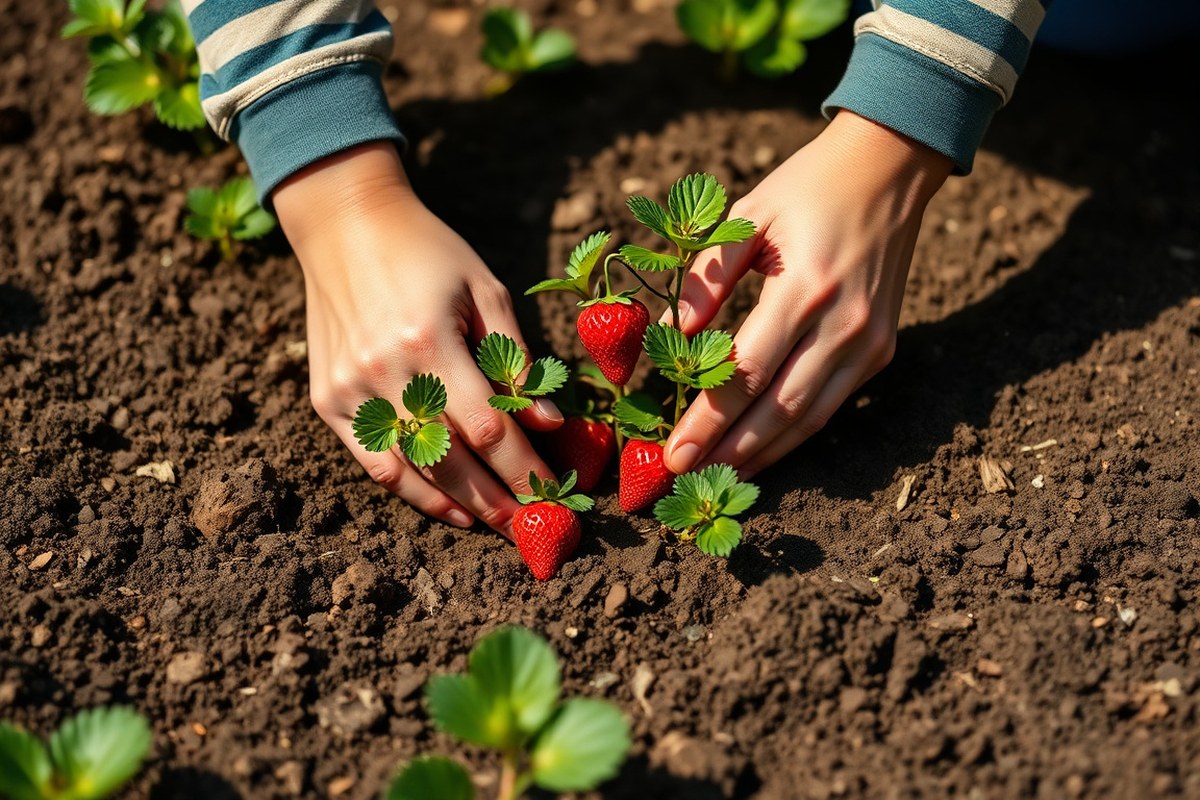
Starting strawberry plants at home can be done from seeds or nursery plants. Seeds take longer and need more care. So beginners usually choose bare-root plants or runners.
The best time to plant strawberries is early spring. Wait until the last frost passes. Make sure the soil is not too wet.
Your new plants should be healthy and disease-free. Choose certified plants from a reputable nursery. Water seedlings well before transplanting.
Harden them off outside for a few days. This helps them adjust to outdoor conditions.
Plant strawberries about 12 to 15 inches apart in staggered rows. This spacing helps air flow and stops diseases. Plant the crown at soil level.
The crown is where roots meet stems. This avoids rot and helps roots grow strong.
- Choose your plants: Buy bare-root strawberries, runners, or seedlings from a nursery. Seeds work but take extra time and patience.
- Prepare the planting area: Pick a sunny spot with good drainage. Work organic matter into the soil for nutrients.
- Water seedlings: Keep seedlings moist before transplanting. Move them outside to get used to outdoor conditions for 3 to 5 days.
- Plant at the right time: Plant bare-root or runners in early spring. Wait until after the last frost. Make sure soil is dry enough to work.
- Space plants properly: Space plants 12 to 15 inches apart. Leave 2 to 3 feet between rows. This gives them room to grow. This helps airflow and root growth.
- Set crown at soil level: Plant so the crown is just at the soil surface. Too deep causes rot; too shallow can dry out roots.
- Water well: Give new plants a deep watering after planting to settle the soil around roots.
- Check regularly: Watch for dry soil and pests. Healthy roots mean the plant will establish quickly and produce more fruit.
Choosing the Best Varieties and Types for Your Home Garden
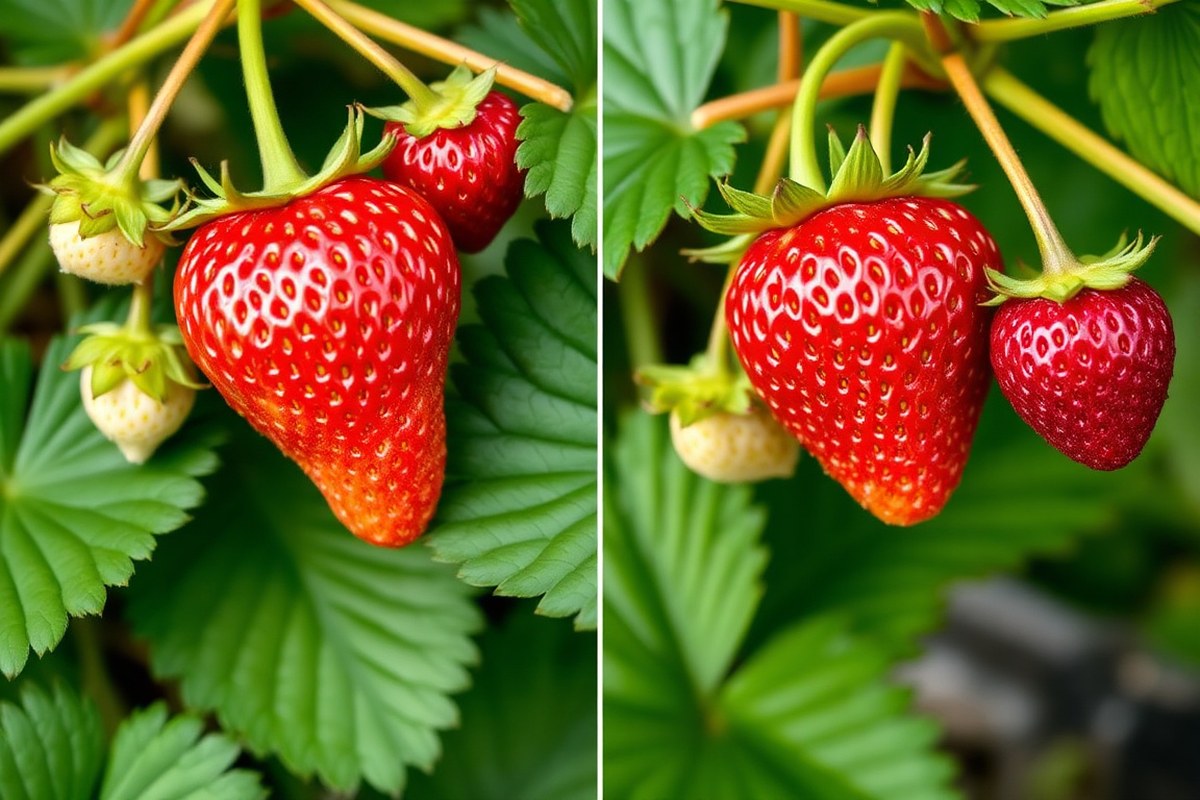
Strawberries come in three main types: June-bearing, day-neutral, and everbearing. Each type has different fruiting habits and growth patterns. Some suit containers better.
Others grow well indoors or in garden beds. Your choice depends on space, climate, and fruiting time. Think about when you want strawberries to ripen.
June-Bearing Strawberry Varieties
June-bearing strawberries produce one large, concentrated crop in early summer. These types usually produce large berries and send out many runners. Runners help spread plants in garden beds.
These varieties often give the highest yield per small area. Expect 12 to 19 pounds from a 10-by-4-foot bed.
Plant June-bearers in permanent beds using matted row or annual hill methods. These methods help control their runners.
Varieties like ‘Camarosa’ or ‘Florida Brilliance’ thrive in warm climates like Florida. Cooler areas may do better with varieties bred for their local climate.
Day-Neutral and Everbearing Varieties
Day-neutral strawberries produce fruit steadily all season long. Everbearing types give two or three smaller harvests from summer to fall.
Both have medium-sized berries and fewer runners than June-bearing. They are perfect if you want fresh berries through the growing months.
These plants suit containers and limited spaces because they don’t spread as aggressively. Day-neutral and everbearing varieties also adapt well to indoor growing when you control temperature and light. Choose cultivars like Sweet Sensation™ ‘Florida127’ for warm regions.
| Type | Fruiting Pattern | Berry Size | Fruiting Season | Runner Production |
|---|---|---|---|---|
| June-bearing | Short, intense crop | Large | Summer | Vigorous |
| Everbearing | Few flushes | Medium | Summer to autumn | Few |
| Day-neutral | Steady production | Medium | Summer to autumn | Moderate |
This table helps you compare strawberry types by fruiting time, size, and runners. Use this to choose a variety that fits your garden space.
Also consider how often you want fresh berries. Combining June-bearing for a big summer harvest with day-neutral for steady berries works well.
Variety Selection by Growing Method
Pick June-bearing varieties for in-ground beds with space for runners to spread. They yield the most fruit but need room and regular management.
For containers or small balconies, day-neutral or everbearing types are better. They suit pots at least 12 inches wide and don’t send out many runners.
You need day-neutral types for indoor growing. Control temperature between 50°F and 80°F. Keep light under 14 hours a day.
Alpine strawberry varieties also hold up well indoors and in containers. Remember to provide rich, compost-filled soil for best results.
Growing strawberries in containers helps avoid pests common in garden soil, reducing crop loss.
Ideal Growing Conditions: Soil, Sunlight, and Watering Needs
Strawberries prefer soil that drains easily and has a mildly acidic pH of 5.5 to 6.5. You can test your soil’s pH with a kit from a garden store.
Lower alkaline levels by adding sulfur or peat moss. Blend compost into clay or sandy soil to improve texture and drainage.
Pick a sunny spot that gets at least 6 hours of direct sunlight a day. More sun, like 8 to 10 hours, helps berries grow bigger and sweeter. Avoid shady places near tall trees or buildings that block sunlight.
Morning sun helps dry dew and lowers the chance of disease. For container-grown strawberries, place pots where they get sun all day long.
Water strawberries with about 1 to 1.5 inches of water weekly during the growing season. This means watering plants deeply once or twice a week, not daily shallow watering. Too much water can cause root rot.
Too little water leads to small, tough fruit. After the soil dries a little, give water slowly to soak roots well. Mulch around plants helps keep soil moist and reduces weeds.
Add compost or old manure to poor soil before you plant strawberries. This improves nutrients and soil texture for better growth. Spread 2 to 3 inches of compost over the planting spot.
Work it into the top 6 inches of soil. This helps the soil hold moisture and nutrients better. This improves fertility and helps hold moisture.
For container plants, use a high-quality potting mix with added slow-release fertilizer. Avoid garden soil in pots to prevent compaction and poor drainage.
Keep an eye on soil moisture and plant health. Wilting leaves or dry soil between watering means it’s time to water again. Yellowing leaves may indicate nutrient problems, so supplement soil if needed.
Healthy soil and plenty of sun give strong strawberry plants. You get juicy, tasty berries. Plants also produce lots of runners for growing new strawberries.
Planting Methods: In-Ground, Containers, and Raised Beds
Strawberries grow well in the ground, raised beds, and containers. Your choice depends on space, soil quality, and ease of care. In-ground planting suits gardeners with loose, well-drained soil and plenty of room.
Raised beds work best if your soil is heavy clay or poorly draining. These beds improve drainage and soil warmth, helping roots grow deep. You can mix compost into loose soil or raised bed soil to improve fertility.
Containers let you grow strawberries on patios or small spaces. Use a pot at least 12 inches wide and deep for one to three plants. Choose a high-quality potting mix with compost to keep soil loose and nutrient-rich.
Spacing depends on your method. Plant strawberries 12 to 18 inches apart in the ground or raised beds.
In containers or small raised beds, keep plants closer, about 6 to 12 inches apart. Plant crowns at soil level to avoid rot.
- In-ground: prepare soil, add compost, space plants 12-18 inches apart
- Raised beds: build beds 6-12 inches high, amend soil with compost, space 12-18 inches
- Containers: use 12-inch pots with quality potting mix, space plants 6-12 inches apart
- Water containers daily; garden beds every few days
- Use weed-suppressing fabric under plants for fewer weeds
- Check drainage to avoid waterlogging and root rot
Containers dry out faster and need more frequent watering. Raised beds and garden soil retain moisture longer but still need regular checks. Make sure drainage is enough in all methods to prevent fungal problems.
Growing strawberries in containers offers flexibility for small spaces. Raised beds improve soil quality and drainage, which is important in heavy or poor soils. Planting in the ground costs less if you have good soil.
You also need enough space to space plants farther apart. This method works best for wider spacing needs.
Caring for Your Strawberry Plants Through the Growing Season
To care for your strawberry plants, focus on mulching. Manage flowers and runners regularly. Feed your plants properly through the season.
Removing the first flowers and runners helps plants build strong roots. Pruning and feeding at the right times promotes healthy growth and better fruiting.
Mulching and Moisture Management
Cover the soil around your strawberry plants with 4 to 6 inches of straw mulch. This helps keep soil moist, cools the roots, and prevents fruit from touching wet soil. Mulching also reduces weed growth and protects plants from cold temperatures.
Place biodegradable mats or straw beneath berries as they begin to form. This stops them from rotting in damp soil. Keep mulch loose and clear of the main crown to avoid trapping moisture that causes rot.
- Apply straw mulch after planting or in early spring
- Add a fresh layer if mulch gets thin during summer
- Keep mulch about 2 inches away from plant crowns
- Remove mulch in spring to warm the soil if needed
- Use wood chips or leaves if straw is unavailable
Too much mulch piled tightly on crowns can cause rotting and weak plants.
Controlling Flowers and Runners
Pinch off flowers during the first six weeks after planting. This stops energy going to fruit and encourages root growth. For June-bearing types, remove all flowers the first year to build stronger plants.
Pull off runners regularly during the first season. This helps the main plant focus its energy.
It also strengthens the daughter plants. Once your patch is established, you can let some runners root to expand your patch naturally.
- Remove flower stalks as soon as they appear in year one
- Snip runners cleanly with scissors or pinch by hand
- Allow runners only in the second year or after plants are strong
- Watch for up to 120 runners per plant each season
- Monitor plant strength; remove runners if plants look weak
Leaving flowers or runners on weak plants reduces next year’s fruit yield.
Fertilizing and Pruning Tips
Feed strawberries twice a year with a balanced fertilizer rich in nitrogen, phosphorus, and potassium. Apply it in early spring to boost growth. Use it again after the first harvest.
This supports the plants to produce more berries. Avoid over-fertilizing, which can promote leaf growth over fruit.
Trim dead leaves and old flower stalks at the season’s end. Removing decayed material limits disease and prepares plants for winter. Cut back runners that won’t be used for new plants to direct energy back to crowns.
- Use fertilizer with equal N-P-K ratios like 10-10-10
- Feed in early spring and again post-harvest
- Remove dead or yellow leaves during pruning
- Cut unwanted runners after fruiting season ends
- Water after fertilizing to help nutrients reach roots
Never fertilize with fresh manure; it can burn roots and spread disease.
Recognizing and Managing Common Pests and Diseases
Common pests on strawberries include slugs, aphids, and spider mites. Look for small holes in leaves or fruit to spot slugs early. Aphids cluster on new growth and leave sticky residue.
Spider mites cause fine webbing and pale, speckled leaves. Check plants often, especially under leaves, to catch infestations.
Fungal diseases often show as gray or white powder on leaves. Brown spots with rings may appear on leaves and fruit. Wilting or stunted growth can signal viral infections.
Yellowing leaves and poor fruit development also indicate trouble. Removing dead leaves and old mulch reduces disease risk by cutting shelter for pests.
Using organic controls like neem oil or insecticidal soap helps manage pests safely. Spray at first sign of infestation, focusing on leaf undersides. Repeat applications every 5 to 7 days until pests disappear.
Hand-picking slugs and dropping them in soapy water is effective too. Predatory mites work well against spider mites if you want a natural helper.
Water your plants early in the day and soak soil, not leaves. Dry leaves slow fungal growth. Avoid planting strawberries after tomatoes, potatoes, or sod; this reduces disease buildup.
Choose disease-resistant plants from reliable sources to start strong. Removing straw mulch in the fall stops slugs and fungi from using it for winter shelter.
Keep an eye on your plants weekly. Spotting problems early lets you treat them before damage spreads. Organic fungicides can shield leaves and fruit.
Two or three treatments spaced about a week apart work best. Good air circulation and sunlight also make it harder for diseases to thrive. Clean your tools and gloves after working to stop spreading infections.
Harvesting Strawberries and Post-Harvest Plant Care
Pick strawberries only when they are fully red and glossy. Use gentle hands to avoid bruising the delicate fruit. After harvesting, cut back old leaves and runners to prepare plants for fresh growth.
Harvest Timing and Picking Technique
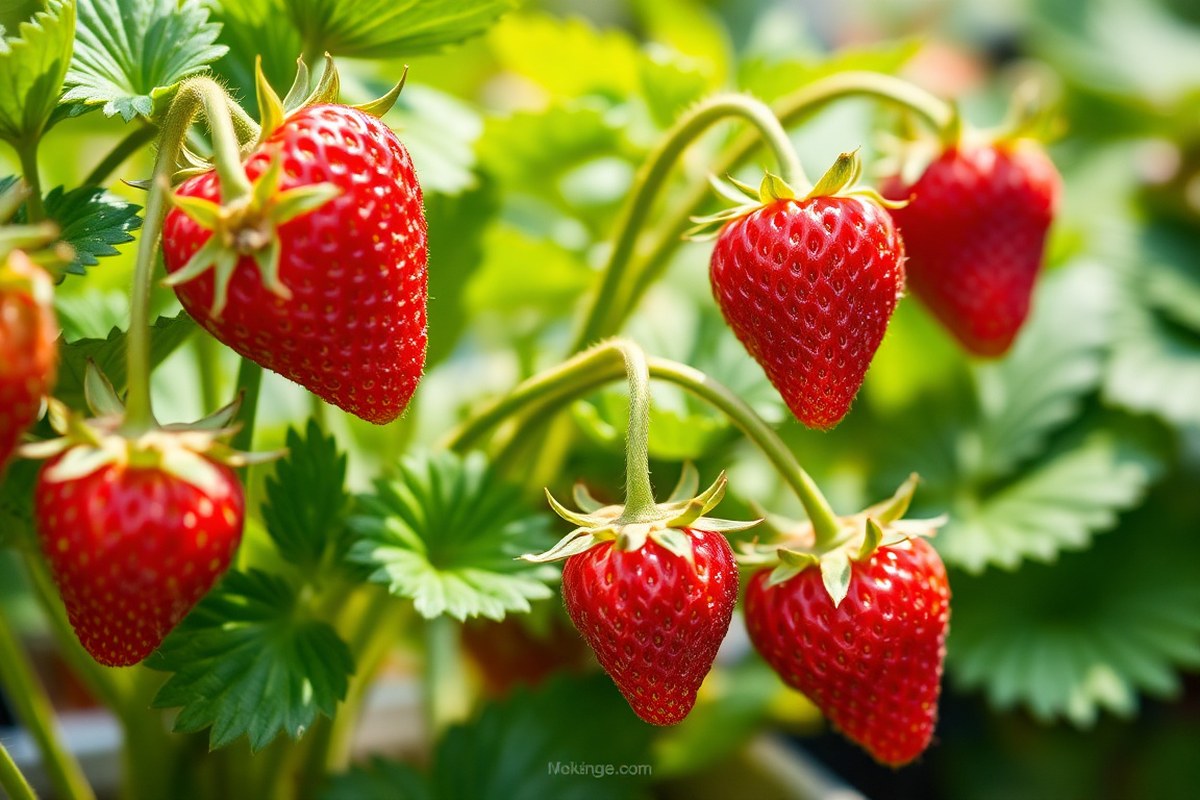
Look for strawberries that are fully red, with no white or green near the stem. A ripe berry is about three quarters red on all sides. This signals the best flavor and sweetness.
Gently hold the berry. Snip the stem with scissors. Or pinch it off with your fingers.
Avoid pulling hard to keep the plant and fruit intact. Handle each berry carefully since they bruise easily.
Your day-neutral strawberries can produce fruit for many months. You can harvest them continuously over this time.
For summer-fruiting plants, most fruit comes in a shorter period. So frequent picking helps keep more berries coming.
Post-Harvest Pruning and Renovation
After the harvest ends, cut back the leaves about 4 inches above the crown. Removing old leaves lets new growth emerge with fresh energy. This also reduces pests and diseases.
Next, remove old runners that won’t produce fruit next season. Keep some healthy runners to fill bare spots. You can also use runners to start new plants elsewhere.
Keep the bed free of weeds by hand-pulling or shallow hoeing. This reduces competition for water and nutrients during the plant’s recovery.
- Cut old leaves 10 cm (4 in) above the crown using clean scissors.
- Snip off spent runners that look weak or diseased.
- Remove weeds carefully around the plants without disturbing roots.
- Check plants for pest damage and treat only if needed.
- Water the bed lightly if dry to help new leaves develop.
Preparing Plants for Winter Dormancy
After pruning, mulch the strawberry bed with straw or fresh leaves. Mulch keeps roots insulated from extreme winter temperatures. It also protects against soil drying and some diseases.
Apply mulch to a 2- to 3-inch depth around plants. Avoid piling mulch directly on the crown to prevent rot. Remove mulch in early spring once frost risk passes.
Keep watering plants sparingly in late fall if soil is dry. Well-hydrated roots tolerate winter better and support early spring growth.
Growing Strawberries Indoors and in Limited Spaces
Yes, you can grow strawberries indoors in containers or hanging baskets. Use day-neutral or remontant types for steady fruit from 35° to 85°F. These sorts don’t rely on daylight length. So they bear fruit indoors all the time.
Place your plants where they get at least 6 hours of bright light daily. A south-facing window gives good light for your strawberries. You can also use a full-spectrum grow light instead.
Keep the light on for 12 to 16 hours daily to copy sunlight. Move containers around to catch the best light during the seasons.
Keep humidity moderate by misting occasionally or placing a tray of water nearby. Strawberries like moist but well-drained soil, so water when the top inch feels dry. Avoid soggy conditions that cause root rot.
Pollination indoors is tricky since there are no insects. Hand-pollinate flowers using a soft paintbrush or gently shake plants every few days. This helps transfer pollen and improves fruit set.
Use containers at least 12 inches wide and 8 inches deep to give roots room. Potting soil mixed with compost works well. Fertilize monthly with a balanced water-soluble fertilizer to support steady growth.
Remember, strawberry plants grown indoors may produce less fruit than outdoor plants. Still, with care, expect about 8 to 12 ounces of berries per plant in a season. It usually takes about 3 to 4 months from flowering to harvest indoors.
Keep plants away from cold drafts and heaters to avoid stress and poor fruiting indoors.
Step-by-Step Action Plan to Grow Strawberries at Home
Follow these steps to get your strawberry garden started and growing well. Each step helps you see clear progress.
- Before you start: Choose a sunny spot with well-drained soil or prepare containers. Check the soil pH is between 5.5 and 6.8 using a soil test kit.
- Day 1: Plant your strawberry plants. Space them about 12 inches apart and water well. The soil should stay moist but not soggy.
- Week 2: Mulch around your plants with straw or pine needles. This keeps weeds down and holds soil moisture.
- Month 1: Watch for pests like slugs or aphids. Use safe methods like handpicking or insecticidal soap if needed.
- Month 2 to 3: Fertilize your strawberries with a balanced fertilizer once or twice. Look for healthy leaves and steady growth.
- Harvest time: Pick ripe berries when fully red and firm. Pick daily during harvest to encourage more fruit.
- After harvest: Cut back dead leaves and runners to prepare plants for next season. Keep watering and mulch refreshed through fall.
- Winter prep: Add extra mulch to protect plants in cold weather. Use a frost cover if you live where temperatures drop below freezing. This helps keep your strawberries safe during harsh winter. Check plants regularly for damage or pests.
Frequently Asked Questions
How Long Does It Take for a Strawberry Plant to Bear Fruit?
Strawberry plants usually bear fruit within four to six months after planting. June-bearing types produce fruit mainly in the first year. Day-neutral types can fruit continuously.
Are Strawberries Better to Grow in Pots or Ground?
Both options work well. Pots are good for limited space.
Pick pots if pests are a problem. Ground planting typically yields more fruit from established beds.
What Month Do You Plant Strawberries?
Plant strawberries in early spring or late fall, depending on your region. Early spring planting is most common for better fruit in summer.
Can I Grow a Strawberry Plant in My House?
Yes, you can grow strawberries indoors with enough sunlight or grow lights. They need at least eight hours of direct light daily for good growth.
How Do I Increase Strawberry Yields in a Small Garden?
Plant different strawberry types like day-neutral and June-bearing together. This gives fruit over a longer season and maximizes space in your garden.
What’s the Best Way to Propagate Strawberry Plants at Home?
Use runners, also called stolons, which are long stems from mature plants. Planting these gives you new plants faster than growing from seed.
Wrapping Up
Growing strawberries at home can bring fresh berries right to your table. Start by selecting the right spot and planting healthy plants. Check your strawberries often and enjoy the harvest when it comes.