When Do Lavender Flowers Bloom: A Complete Guide for Best Results
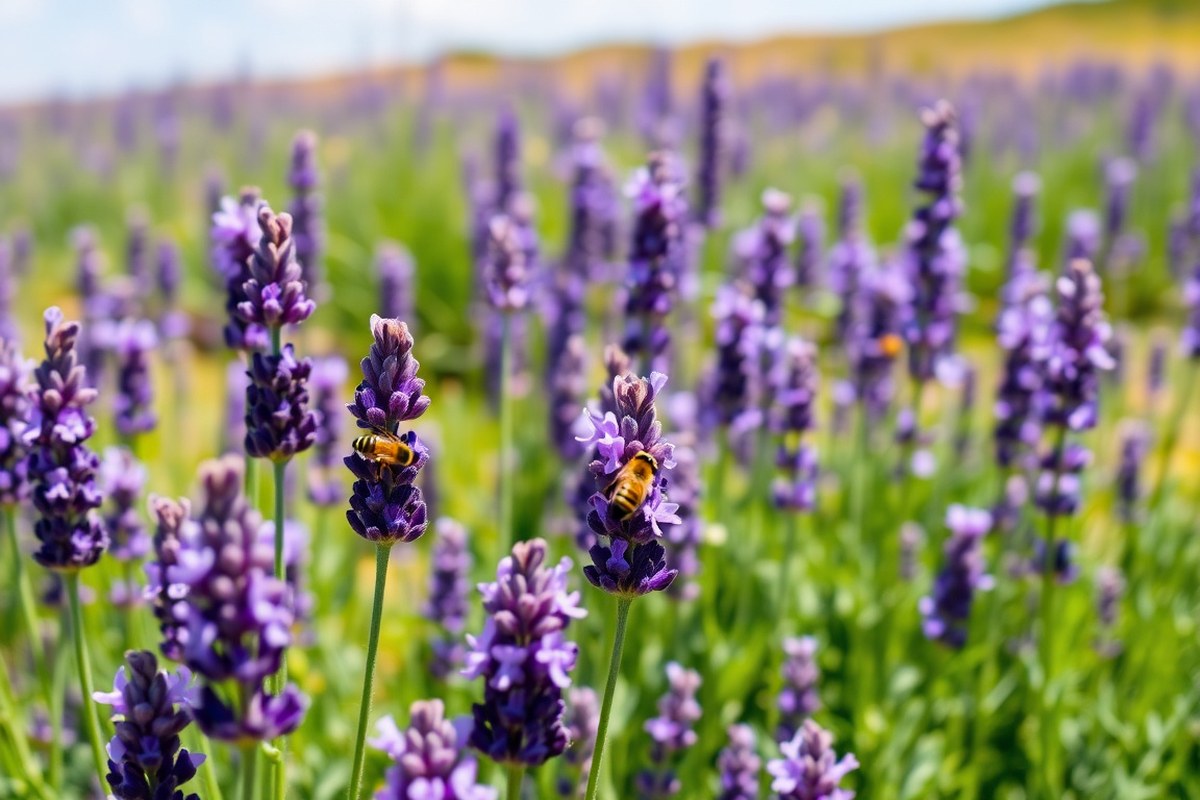
When do lavender flowers bloom? Usually, lavender starts blooming in mid to late spring or early summer.
English lavender, the most common type, typically blooms around mid-June for about four weeks. This blooming period can shift slightly depending on the variety and your location.
Lavender buds form about one to two weeks before the flowers open. The main flower burst happens during a short window, roughly four weeks long in early summer. Keeping an eye on the budding stage helps you know when the flowers will appear.
To get the best bloom, make sure your lavender gets enough sunlight and the right temperatures. Lavender needs temps between 60°F and 70°F to start blooming. Pruning and watering also play a big role in encouraging a strong bloom.
Key Takeaways
- English lavender blooms mid-June for about four weeks.
- Most lavender flowers last 2 to 4 weeks on the plant.
- Bud appearance signals flowers coming in 1 to 2 weeks.
- Lavender needs 60-70°F to begin blooming well.
- Prune after flowering to boost next season’s bloom.
- Too young lavender may take 2 to 3 years to bloom.
When Do Lavender Flowers Usually Bloom and How Long?

Most lavender flowers start blooming in late spring, usually around May or June. The full bloom peaks between June and July, when the flowers show their brightest purple hues.
You can expect the bloom to last about three to four weeks on the plant. Still, this varies by variety and care.
Lavender starts with small flower buds at the stem tips. These buds form before full blooming. You’ll see this bud stage first.
These buds gradually swell and grow tighter before opening into the familiar fragrant flowers. This stage shows it’s time to get ready for harvest.
Harvest now for the best scent and oil. You want to catch this phase.
Lavender blooming can last from three to eight weeks. Deadheading old flowers helps keep blooms going longer. That extends the bloom time.
Some lavender types, like French lavender, can bloom almost continuously from May through fall. Bloom length depends on sunlight, water, and pruning care.
More sun and water usually mean longer blooming. Proper pruning also helps flowers last.
How Different Lavender Varieties Affect Bloom Time
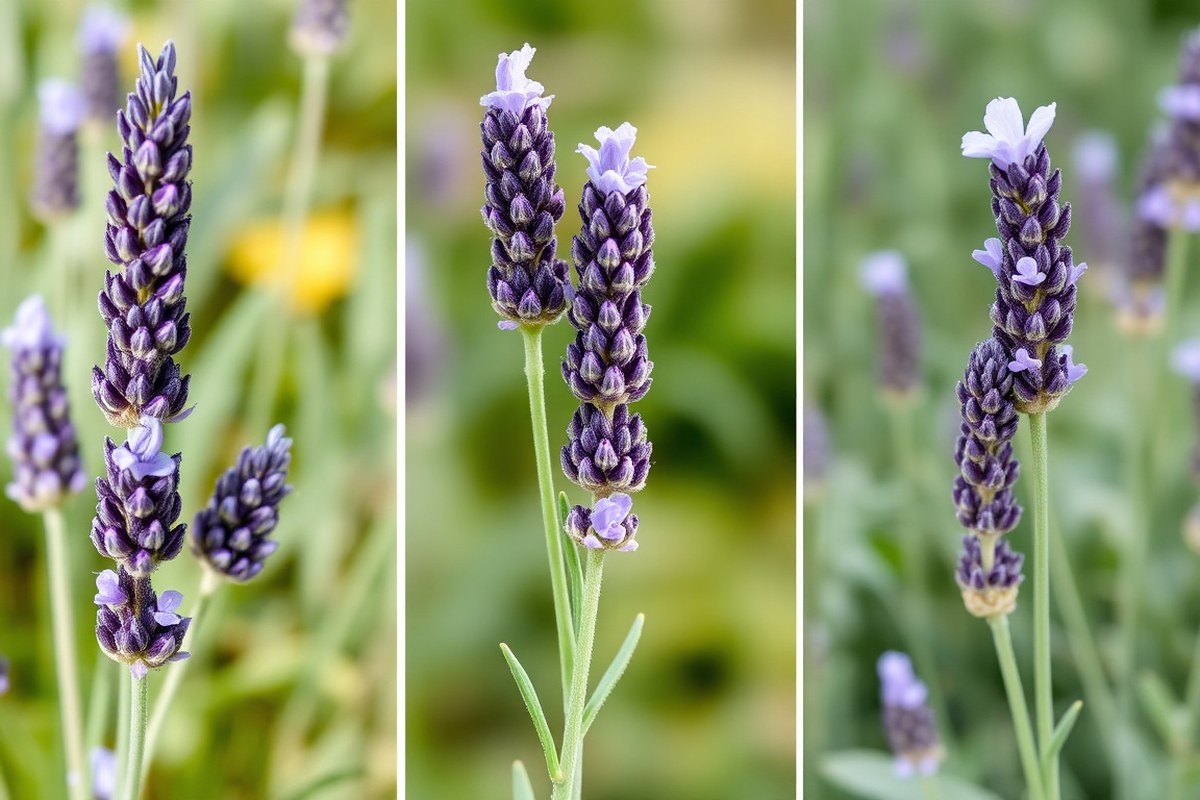
Lavender species show clear differences in when and how long they bloom. English lavender flowers earliest, usually in spring, lasting about a month. French lavender blooms later and less reliably, mostly in warmer zones.
Hybrids offer longer stretches of flowering, combining traits from both parents. Some types bloom just once while others may have a longer or repeat bloom season.
English Lavender (Lavandula Angustifolia) Bloom Details
English lavender blooms mainly in mid to late spring or early summer. It typically flowers for around four weeks. Popular cultivars like ‘Hidcote’ and ‘Munstead’ deliver vivid purple flowers early enough to enjoy through spring.
This species is hardy in many zones and prefers cooler growing regions. Its consistent bloom time makes it a reliable choice. For gardeners wanting early flowers, these plants perform well and are low maintenance.
French Lavender (Lavandula Dentata) Bloom Characteristics
French lavender blooms later than English lavender, with flowers appearing from late spring to summer. It suits zones 8 and 9, sometimes grown as an annual in cooler areas. Flowering may be less predictable and shorter than English lavender.
The bloom season is often warm and continuous in mild climates. French lavender’s unique leaf texture and scent complement its flowers. It can provide interest after English lavender stops blooming.
Hybrid Lavenders and Extended Bloom Varieties
Hybrid lavenders, like Lavandula x intermedia ‘Grosso’ and ‘Provence’, combine traits of English and French lavender. These hybrids bloom longer than English lavender alone. Their flowering usually starts in late spring and continues into summer.
Some hybrids have a longer bloom window, making them ideal for extending your lavender display. Although hybrids mainly bloom once, their season lasts several weeks. Growing a mix of hybrids and species helps extend total flower presence.
The table below compares several common lavenders by bloom time, hardiness zones, and bloom length. This helps you pick the right types for a staggered or long-lasting flower show.
| Lavender Variety | Typical Bloom Months | Hardiness Zones | Bloom Duration |
|---|---|---|---|
| English Lavender (L. Angustifolia) | Mid to late spring, early summer | 5, 8 | About 4 weeks |
| French Lavender (L. Dentata) | Late spring, summer | 8, 9 (annual elsewhere) | 3 to 4 weeks, less predictable |
| Hybrid Lavender (L. X intermedia ‘Grosso’) | Late spring, summer | 5, 9 | Up to 6 weeks |
| Hybrid Lavender (L. X intermedia ‘Provence’) | Late spring, summer | 5, 9 | Up to 6 weeks |
Choosing lavenders with different bloom times helps you plan your garden. This way, you get flowers from early spring through summer. You can enjoy blooms for many months.
Pay attention to your zone and plant health to get the best results. Most lavender requires full sun and well-drained soil for maximum bloom duration.
Avoid overcrowding plants to reduce disease and encourage longer flowering.
What Environmental Factors Control Lavender Bloom Timing?
Lavender needs full sun to flower properly. Aim for 6 to 8 hours of direct sun daily. Without enough sun, lavender blooms later and less abundantly.
Soil quality affects how quickly and how much lavender flowers. Loose, well-draining soil keeps roots healthy and promotes early blooms. Lavender prefers slightly alkaline soil with a pH between 6.7 and 7.3.
Your soil might be too acidic. Adding lime helps increase the pH level.
Temperature plays a big role in bloom timing. Lavender grows best when daytime temperatures range from 65°F to 85°F. Cool nights help buds develop.
But frost can damage them. In colder zones, bloom can be later or weaker if spring warms slowly.
Warm climates often stretch lavender’s flowering from early summer through October. Cooler zones see shorter bloom periods mostly in late spring and early summer. Plant lavender in a sunny spot facing south.
This captures more warmth. More heat boosts blooming during cool weather.
Good drainage is essential. Standing water leads to root rot and poor flowering. Plant lavender in raised beds to improve drainage.
Mix sand and gravel into clay soils for better water flow. This adjustment helps blooms appear on time and keeps plants healthy.
To encourage timely blooms, check your soil pH with a testing kit from garden centers. Add lime in fall or early spring to raise pH if needed.
Choose a site with full sun for your lavender. Avoid spots near tall shrubs that shade the plants.
Cover young lavender plants with row covers in cool springs. This traps heat around them. It helps blooms appear earlier.
Avoid overwatering; lavender thrives in moderately dry soil. Water only when the top inch feels dry.
Finally, avoid heavy fertilizing. Lavender thrives in poor soil.
Avoid too much nitrogen fertilizer, which causes more leaves and fewer blooms. A light feeding with bone meal or kelp in early spring helps strengthen plants for flowering.
Pruning and Watering Practices to Maximize Flowering
Proper pruning and watering directly increase lavender’s flower quantity and how long it blooms. Prune right after blooming and water carefully without overdoing it. Both help the plant stay healthy and ready to flower again.
Best Times to Prune for Flower Initiation
Pruning after lavender finishes blooming boosts growth and leads to more flowers next time. Avoid heavy pruning in early spring because it delays flowering slightly. Lightly prune again after a second bloom to extend the flowering season.
Proper pruning avoids cutting into woody stems, which won’t grow new shoots. Cut back about one-third of the plant after the first bloom.
This helps new growth start strong. It encourages your lavender to bloom again.
- Wait until all flowers fade and buds dry on the stem.
- Use sharp, clean pruning shears to make precise cuts.
- Cut back spent flower stems just above green, leafy growth.
- Remove up to one-third of the green foliage, but avoid woody parts.
- Dispose of removed clippings to prevent pests and diseases.
- Lightly prune again after a possible second bloom to maintain shape.
- Leave pruning for autumn if your goal is a longer bloom season.
How to Water Without Overhydrating Lavender
Lavender needs about 1 inch of water per week during the growing season. Water deeply but infrequently to encourage strong roots. Don’t water again until the top 2 inches of soil feel dry.
Adjust watering more in hot, dry climates to prevent stress. In cool, humid regions, reduce watering to avoid root rot. Avoid overhead watering to keep leaves dry and lower fungal risks.
| Season | Watering Frequency | Amount |
|---|---|---|
| Spring (pre-bloom) | Once every 7 days | 1 inch deep |
| Summer (blooming) | Once every 5-7 days | 1 inch deep |
| Fall (post-bloom) | Once every 10-14 days | 0.5 inch deep |
| Winter (dormant) | Only if very dry | Minimal, if any |
Common Pruning and Watering Mistakes to Avoid
Cutting too deep into woody stems prevents new growth and delays blooming. Avoid pruning in early spring if you want a timely bloom, because it slows flower development. Leaving dead flowers on eats energy and reduces future blooms.
Watering too often or too much causes root rot and weak flowers. Don’t let lavender sit in soggy soil since it thrives in dry, well-drained conditions. Skipping necessary watering during heat waves can stress the plant and reduce bloom quality.
How Climate and Regional Differences Influence Blooming
Lavender bloom times shift depending on where you live. In northern US zones like 5 and 6, lavender starts blooming late June.
It can bloom in early July too. These cooler regions delay bloom because lavender needs warmer temperatures to flower well.
Warm southern zones, such as 8 and 9, can see lavender bloom as early as May. Perennial varieties in these areas might even bloom several times a year if conditions stay mild. The longer warm seasons in the South let lavender grow and flower for more weeks.
USDA hardiness zones provide a good guide. Zones 5 to 6 tend to have shorter bloom periods starting later in summer.
Zones 7 to 9 enjoy longer seasons with blooms beginning in late spring. Your local microclimate will tweak these patterns.
- South-facing slopes warm faster and speed flowering.
- Windy, dry spots extend bloom by reducing fungal risks.
- Altitude matters: Higher elevation delays bloom by weeks.
- Urban heat islands often bring earlier blooms in cities.
- Shady spots can push bloom back or reduce flower fullness.
Knowing your regional climate helps you plan when to prune and expect blooms. A warmer site means an earlier start but watch for heat stress that cuts flowering. Cooler areas need patience but often yield stronger, longer-lasting blooms.
Plant lavender in well-drained soil with full sun. This helps it bloom well in your area.
Tracking local weather patterns year to year also gives clues. After a mild winter, lavender might flower earlier.
A spring frost or cold snap can delay blooms by weeks. It can also reduce flower numbers sometimes.
How Long Does Lavender Take to Bloom from Seed or Transplant?
Lavender grown from seed usually takes about 1 to 2 years to bloom. The first year, plants focus on building roots and leaves. You may see few or no flowers in the first season.
This happens especially when starting from seeds indoors. The plant needs more time to bloom.
Transplanted lavender typically blooms sooner than seed starts. Buying a healthy young potted plant usually brings flowers the first season.
Expect blooms by late spring or early summer. This is because established roots and a stronger plant speed up flowering.
To help young lavender bloom faster, plant in full sun with well-draining soil. Avoid overwatering, and keep soil on the drier side. Regularly removing weeds and feeding with a balanced fertilizer also supports early growth and flowering.
Warm temperatures can encourage earlier blooms, especially in southern climates. Trim lavender lightly once it starts growing tall in spring. This can help make the plant bushier.
Bushier plants often flower sooner. But don’t prune too aggressively before they bloom, since that can slow flowering.
Some gardeners start lavender seeds indoors about 8 to 10 weeks before frost. This gives seedlings a chance to grow strong.
That gives seedlings a head start but doesn’t always speed up first blooms. A well-established transplant from a reputable nursery costs about $8 to $15 and often saves time.
Good results mean healthy green leaves by the end of the first season. You should also see tight flower buds on transplants.
Seedlings that stay thin or don’t bud after a year may need more light. They might also need less water or a sunnier spot.
Common Reasons Lavender Fails to Bloom and Fixes
Lavender often fails to bloom due to too much shade. It needs at least six hours of direct sunlight daily.
Your plant looks leggy or weak when it lacks enough sunlight. Move it to a sunnier spot where it can thrive and bloom.
Soil issues can also stop lavender from flowering. Lavender prefers well-drained soil with a pH between 6 and 8. Wet, heavy soil causes root rot and weak growth.
Check the soil moisture by sticking your finger an inch deep near the roots. The soil feels soggy. Add sand or gravel for better drainage.
Water no more than once a week during dry spells. Let soil dry out before watering again. Avoid overwatering to keep roots healthy.
Pruning at the wrong time is a common cause of poor blooms. Cutting back in late fall or winter can prevent flower buds from forming. Prune right after the plant blooms or in early spring.
Clip about one-third of the green growth, shaping without cutting into old wood. This helps new flowering stems develop for the next season.
Age plays a role too. Young lavender plants often bloom poorly until two or three years old. Patience and regular care are key during this time.
Keep the plant healthy with proper watering, full sun, correct pruning, and good soil. Expect better blooms as the plant matures.
Yellow leaves or wilting may signal root problems. This happens even when you water correctly. Inspect roots to find any issues.
Root rot kills the plant and stops blooming. Cut off dead branches if you spot this problem.
Repot the lavender in fresh, well-draining soil afterward. Cut watering back to avoid excess moisture.
Finally, lateness in bloom may result from too much nitrogen in the soil. Fertilizers high in nitrogen encourage leaf growth but reduce flowers.
Use a balanced or low-nitrogen fertilizer in early spring only. Overfeeding can push the plant to grow more leaves than flowers.
Give your lavender enough sun and check soil moisture regularly. Prune at the right time and adjust fertilizer as needed. These steps help non-flowering lavender bloom again.
Watch for blooming about one to two weeks after buds form. Talk to a licensed garden expert for help if problems continue. They can advise based on your local climate and soil type.
Practical Tips to Extend and improve Lavender Bloom Period
To get the most from lavender blooms, deadhead steadily. Plant lavender varieties that bloom at different times.
Feed your plants at the right moments. These steps help keep flowers coming longer and boost overall plant health.
Deadheading Techniques to Encourage More Blooms
Removing spent flowers stops the plant from wasting energy on seed production. It encourages lavender to produce more blooms, sometimes extending the flowering by several weeks.
Focus on snipping off flower stalks when the petals fade but before seeds form. Use clean garden shears to avoid damaging the new buds.
- Wait until flower heads lose color but still hold their shape.
- Cut the flower stem just above a set of green leaves.
- Remove faded flowers regularly every 1 to 2 weeks during bloom season.
- Avoid cutting into old woody stems; stay on new, green growth.
- Dispose of cut flowers to prevent pests and diseases.
Deadheading too late wastes plant energy and shortens the overall bloom time.
Using Successive Varieties for Extended Bloom Season
Choosing lavender types with staggered bloom times spreads out flowering through the season. English lavender often blooms early, while Spanish lavender may flower later.
Plant several varieties spaced apart by 2 to 3 feet to manage growth. This strategy can extend your lavender display by up to 6 weeks or more.
- Select early, mid, and late-season lavender varieties suited to your zone.
- Plant groups of each variety separately for easier care and timing.
- Start with nursery plants or cuttings for faster results over seed.
- Space plants to allow airflow and avoid disease buildup during bloom.
- Adjust watering based on each variety’s needs to keep flowers healthy.
Some varieties need cold winters to bloom well, so plan planting by climate.
Fertilizing and Feeding Strategies During Bloom Phase
Light feeding helps lavender put energy into flowers. But too much fertilizer causes leaf growth over blooms. Balanced feeding supports longer bloom periods.
Use a low-nitrogen fertilizer in early spring and again after the main bloom fades. Avoid heavy feeding in late summer.
- Choose a fertilizer with an N-P-K ratio like 5-10-10, favoring phosphorus and potassium.
- Apply fertilizer in early spring before blooms start.
- Repeat feeding after initial flower drop to encourage a second bloom.
- Water plants well after fertilizing to help nutrient absorption.
- Skip feeding in fall to prepare plants for winter dormancy.
Overfeeding with nitrogen-rich fertilizers can reduce bloom quantity and quality.
Your Lavender Bloom Success: Step-by-Step Action Plan
Follow these simple steps to help your lavender bloom on time and keep flowers longer.
- Before planting: Choose a lavender variety suited for your climate. Confirm your soil drains well by digging a test hole or checking after a rain.
- Planting time: Plant lavender in full sun with at least 6 hours daily. After planting, water deeply but avoid soggy soil.
- Weeks 1-4: Water regularly to keep soil moist but not wet. Watch for new shoots and stem growth as a sign of good root development.
- After 6 weeks: Prune young plants lightly to encourage bushier growth. Look for multiple stems growing evenly from the base.
- Spring, before bloom: Remove old flowers and thin crowded stems. This helps air flow and pushes the plant to produce fresh blooms.
- During bloom: Water deeply once a week in dry weather to keep flowers healthy. Avoid overhead watering to prevent mold.
- Late summer: Deadhead spent flowers to prolong bloom time. Check that new flower buds form after you prune.
- Fall prep: Cut back lavender by one-third to shape it for winter. Make sure the plant still has some green growth after cutting.
Frequently Asked Questions
When Do Lavender Flowers Bloom?
Lavender flowers usually bloom in late spring to early summer. Peak bloom happens from June to July, depending on the variety and where you live.
What Month Does Lavender Come Back?
Lavender typically comes back each spring, with new growth appearing in early spring. Old wood pruning promotes fresh growth and healthy blooms.
What Is the 8 8 8 Rule for Lavender?
The 8 8 8 rule means pruning lavender three times a year at 8 weeks apart. This encourages more blooms and a bushier plant.
How Do I Get My Lavender to Bloom?
To get lavender to bloom, plant it in full sun with well-drained soil. Deadhead spent flowers regularly to encourage continuous blooming.
How Many Years Does It Take for Lavender to Flower?
Lavender usually takes 2 to 3 years to bloom well, especially from seed. Plants grown from cuttings or transplants often flower sooner.
Can Lavender Bloom More Than Once a Year?
Some lavender types can bloom twice yearly with proper pruning and climate. However, most bloom once, from late spring through summer.
Final Thoughts
Lavender usually blooms in late spring to mid-summer and needs proper care to flower well. You can help your plants bloom longer by pruning, watering, and choosing the right spot. Start with a good variety and solid soil, then watch your lavender thrive season after season.