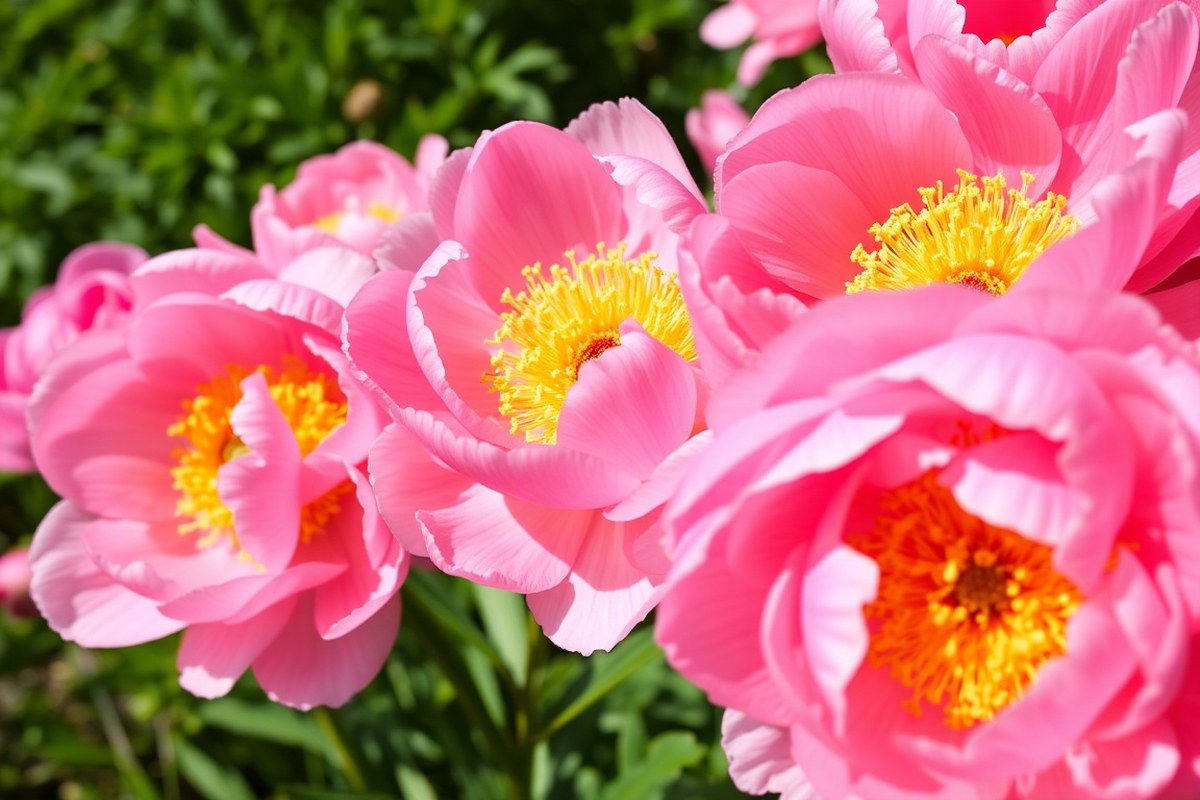
When Do Peonies Bloom: Complete Guide to Timing and Extending Blooms
When do peonies bloom? They usually flower in late spring, around May or early June.
The exact time shifts depending on where you live and the weather each year. Peonies bloom for about two weeks, giving you a nice show of flowers.
Peony flowers last about 7 to 10 days each. So timing is key for the best display.
You can watch for the first signs of leaf and bud growth in early spring. This will tell you the blooming is on its way.
Peonies perform best when they get 6 to 8 hours of sunlight each day. Plant their eyes 1 to 2 inches below the soil’s surface for better flowering. Planting too deep might help the plant grow leaves but stops flower buds.
Key Takeaways
- Peonies bloom generally between late spring and early summer with blooms lasting about two weeks.
- Each individual peony flower stays fresh for about 7 to 10 days.
- Watch for new shoots and buds in early spring as bloom indicators.
- Plant peonies with eyes 1 to 2 inches below soil for best blooming.
- Ensure peonies get 6 to 8 hours of direct sunlight each day.
- Peonies usually need 2 to 3 years after planting before they bloom fully.
When Do Peonies Typically Bloom and How Long Does It Last?

Peonies mostly bloom in late spring to early summer, between April and June. The exact time depends on your climate and peony type. For example, colder regions in USDA zones 3 and 4 see blooms in late May.
Blooms continue into mid-June in these zones. This timeline suits cooler climates well.
In warmer zones, like 7 and 8, peonies bloom earlier, from late March to early May. Tree peonies usually bloom earlier than herbaceous types. Intersectional peonies often bloom last, sometimes into mid-June.
A single peony bloom lasts about one to two weeks under good conditions. Some types like intersectional (Itoh) peonies bloom more than once. They can have two or three bloom waves each season.
This makes them different from regular peonies. Each bloom flush lasts around two to three weeks.
Peonies usually don’t bloom more than once in one growing season. Still, certain hybrid peonies can give multiple flushes, extending the blooming window. This means you might see flowers here and there over several weeks.
Peonies planted from bare roots often take two to three years before blooming fully. Younger plants spend energy on root growth first. They may bloom lightly or not bloom at all in year one.
This is normal for peony seedlings. Patience helps since flowering improves as the plant matures.
How Climate and USDA Zones Affect Peony Bloom Timing

Climate and USDA zones strongly shape when peonies bloom each spring. In cooler zones, like 3 to 5, peonies bloom from late April. They bloom through May because they get plenty of chilling hours.
The cold helps peonies open early in spring. In zones 6 and 7, peonies start blooming mostly in May.
They keep blooming into early June. This happens because spring warms up later there.
In warmer zones such as 8, peonies can survive but often struggle to bloom. These zones get fewer chilling hours below 40°F, which peonies need to signal spring flowering. Only low-chill cultivars may bloom.
Even then, an unusually warm winter can stop blooms entirely. Zone 9 and above usually lets peonies leaf out but not flower reliably.
Microclimates can speed up or delay blooming within the same zone. For example, a peony near a south-facing stone wall in zone 6 blooms early. It might bloom on a schedule like zone 7.
The wall’s warmth speeds this up. Walls soak up heat and create a warmer spot for peonies. This warmth encourages flowers to open earlier than the area around it.
That’s why blooming happens sooner near walls. Urban gardens often enjoy slightly advanced blooms due to heat retained by buildings and pavement.
Zone 3 peonies bloom late April to mid-May thanks to cold winters. Zone 4 shifts blooming toward early to mid-May. Zone 5 sees mid to late May flowers.
Zone 6 blooms late May to early June. Zone 7 blooms arrive around early to mid-June. Zone 8 is iffy, some peonies bloom in early June.
But often they just grow leaves. Zone 9 and up usually won’t bloom.
To grow peonies in warmer zones, pick low-chill varieties specially bred for mild winters. Plant in areas with some afternoon shade to limit heat stress. Also, ensure good winter moisture and a lengthy cool period if possible.
These steps improve blooming odds but expect less reliable results than in cooler zones. Always choose cultivars tested in your region if you want blooms.
Peonies need a cold rest period to flower well. Without it, they may only grow leaves.
Why Cold and Chilling Hours Are Essential for Peony Blooming
Peonies need chilling hours to bloom properly. These are hours spent between 32°F and 40°F during winter.
The cold triggers buds to develop when spring arrives. Without enough chilling, buds may not form, and your peony won’t flower.
The University of Connecticut Extension says peonies require about 1,000 chilling hours. This means roughly six weeks of temperatures below 40°F. The cold doesn’t mean just a few cold nights. But a consistent stretch of winter chill.
Your area should stay below 45°F most of winter for buds to develop. Peony buds might not grow well in warmer winters. Watch the temperature through the season.
For example, zones 7 to 8 often have fewer chilling hours. Gardeners there sometimes switch to low-chill peony varieties that need less cold. Otherwise, blooms can be poor or missing entirely.
Plant where you get at least six weeks below 40°F. These cold weeks add up and help buds grow. Continuous cold helps your peonies bloom better. Avoid places with warm nights over 60°F in December.
Warm spells can undo earlier chilling your plants received. Keep your peonies in cooler spots during winter nights. Peonies count only consistent cold hours toward their total.
Check your zone’s winter temperatures before planting standard peonies. In zones 3 to 6, winters usually deliver more than 1,000 chill hours, making them ideal. Your USDA zone is warmer?
Choose peony types needing fewer chilling hours. These varieties bloom better in mild winters and short chills.
Select the right variety to succeed. This decision keeps your peonies blooming on schedule.
Types of Peonies and Their Specific Bloom Seasons
Different peony types bloom at different times. Tree peonies bloom earliest, followed by herbaceous peonies, with intersectional (Itoh) peonies blooming last. Each type has early, mid, and late varieties to help you enjoy peonies for many weeks.
Herbaceous Peonies Bloom Times
Herbaceous peonies bloom after tree peonies, usually from early May through mid-June. These peonies die back to the ground each fall and grow fresh shoots each spring. Their bloom period lasts about two to three weeks.
Herbaceous varieties include many popular garden favorites like ‘Sarah Bernhardt’ and ‘Festiva Maxima.They bloom in mid to late spring. You get many flower colors and forms.
Tree Peonies Bloom Schedule
Tree peonies bloom two to three weeks before herbaceous types. These woody shrubs keep their stems year-round.
So they start earlier in spring, often in late April to early May. Their bloom lasts about two weeks.
Examples include ‘Kinko’ and ‘Shimadaijin.Tree peonies have larger, showy flowers. Their early bloom time extends the peony season.
Intersectional (Itoh) Peonies Bloom Period
Intersectional or Itoh peonies bloom last, often starting mid to late May and continuing into June. These hybrids combine tree peonies’ flower shapes with herbaceous types’ growth habits. Their bloom period can last three to four weeks.
Popular Itoh cultivars include ‘Bartzella’ and ‘Julia Rose.They do well in warmer climates. True yellow colors are rare in peonies, but they have them.
Early, Mid, and Late Blooming Cultivars
Planting early, mid, and late-blooming cultivars lets you enjoy peony blooms for over a month. Early bloomers appear in late April to early May.
Midseason types bloom from late May to early June. Late varieties bloom in mid to late June.
Popular early varieties include ‘Coral Charm’ and ‘Early Scout.’ Midseason favorites are ‘Sarah Bernhardt’ and ‘Bowl of Beauty.’ Late bloomers include ‘Duchesse de Nemours’ and ‘Garden Treasure.’ Mix these types together to create a long-lasting bloom display in spring and early summer. Here’s a comparison of peony types and bloom seasons:
| Peony Type | Bloom Time | Bloom Length | Examples | Notes |
|---|---|---|---|---|
| Tree Peonies | Late April, Early May | About 2 Weeks | ‘Kinko’, ‘Shimadaijin’ | Woody stems; blooms earliest |
| Herbaceous Peonies | Early May, Mid June | 2 to 3 Weeks | ‘Sarah Bernhardt’, ‘Festiva Maxima’ | Die back in winter; wide variety |
| Intersectional (Itoh) Peonies | Mid May, Late June | 3 to 4 Weeks | ‘Bartzella’, ‘Julia Rose’ | Hybrid of tree and herbaceous |
| Early Blooming Cultivars | Late April, Early May | 2, 3 Weeks | ‘Coral Charm’, ‘Early Scout’ | Lower chill requirement |
| Midseason Cultivars | Late May, Early June | 2, 3 Weeks | ‘Sarah Bernhardt’, ‘Bowl of Beauty’ | Most common bloom time |
| Late Blooming Cultivars | Mid June, Early July | 2 Weeks | ‘Duchesse de Nemours’, ‘Garden Treasure’ | Extends bloom season |
Following this bloom timeline lets you plan your garden for continuous color. You can combine types and cultivars to cover late April through early July blooms. Overlapping bloom times keep your garden vibrant for weeks.
How Planting Depth and Location Impact Bloom Success
Plant peonies with their eyes about 1 to 2 inches below soil. Full sun and well-draining soil rich in organic matter help them bloom well. Planting location affects bloom timing due to sunlight and root competition.
Steps to Plant Peonies at Correct Depth
Planting peonies too deep stops flower buds but grows lush leaves. Aim for the eyes, the small red growth buds on roots.
Keep them just under the soil surface. This helps your peony grow strong.
- Dig a hole about 12 to 18 inches wide and deep.
- Mix compost into the native soil to improve drainage and nutrition.
- Place the peony root in the hole with eyes facing up.
- Position the eyes 1 to 2 inches below the soil surface.
- Backfill with soil and firm it gently over the roots.
- Water deeply to settle the soil around the roots.
- Apply mulch to conserve moisture and regulate soil temperature.
Plant eyes deeper than 2 inches and flowering may be delayed or weak.
Sunlight and Shade Effects on Bloom
Peonies need full sun for six or more hours daily to bloom fully. Morning sun helps dry dew, reducing fungal disease risks. Avoid planting near large trees that block sunlight and steal nutrients.
Shade from growing nearby trees can reduce blooming over the years. A canopy closure of even 30% can slow bloom timing and reduce flower size. Pick a location with consistent direct sunlight all spring and summer.
Soil Preparation and Mulching Tips
Peonies want soil that drains well and feels loose and rich. Mix several inches of compost into the top 6 to 8 inches. Well-amended soil keeps roots happy and encourages blooms.
Apply a 2 to 3 inch mulch layer after planting to suppress weeds and hold moisture. Avoid piling mulch directly on the crown to prevent rot. Mulching also helps keep soil temperatures steady, supporting bloom development.
How to Care for Peonies to Encourage and Extend Blooming
Proper care helps your peonies bloom better and last longer. You need regular watering, feeding, and timely deadheading. Managing pests and diseases also keeps your plants healthy and blooming.
Watering and Nutrient Needs
Peonies prefer deep watering once a week, especially during dry spells. Aim for about one inch of water weekly to keep the soil moist but not soggy. Avoid watering the foliage to reduce disease risk.
Feed peonies in early spring with a balanced fertilizer like 10-10-10. Use about 1/2 cup around each plant, spreading evenly and watering it in. A second feeding after blooming supports root growth for next year.
Deadheading and Pruning for Extended Bloom
Removing spent blooms helps peonies put energy into new flower buds. Pinch off faded flowers just above the first set of healthy leaves. Deadheading also prevents seed development, which can drain the plant’s resources.
After blooming finishes, cut back the flower stems to the base. In fall, trim peony foliage to ground level to reduce disease. Mulch lightly around the base to protect roots in winter and hold moisture.
- Pinch off wilted flowers early, every few days during bloom
- Cut stems close to healthy foliage without damaging crowns
- Trim foliage to ground after the first frost in your area
- Apply 2 to 3 inches of mulch to conserve moisture
- Avoid pruning green shoots or you risk fewer blooms next year
Careful pruning keeps your plants vigorous and encourages a longer bloom time. Repeated deadheading can sometimes trigger a second flush of flowers in summer.
Managing Pests and Diseases
Check peonies regularly for common problems like botrytis blight or ants on buds. Early spotting helps you treat issues before they damage blooms. Use fungicides labeled for peonies if you spot gray mold or black spots.
Ants attracted to peony buds usually don’t harm the plants. But aphids and thrips can steal nutrients and weaken flowers. Blast pests off with water or apply insecticidal soap per label instructions.
- Inspect leaves and buds weekly for signs of pests or disease
- Remove and destroy infected plant parts immediately
- Use water sprays or insecticidal soap for soft-bodied insects
- Apply fungicides only if you see clear symptoms of fungal disease
- Keep the area around plants clean of fallen debris to limit spores
Good air circulation and proper watering lower disease risks. Healthy plants handle pests better and bloom more reliably.
Common Problems That Prevent Peonies from Blooming and How to Fix Them
Peony buds often fail or drop because the roots sit too deep in the soil. Planting peonies too deep stops them from blooming. Iowa State University Extension confirms this.
You should plant them shallow to see blossoms. Peony roots should be no more than 2 inches deep.
This depth lets buds grow and flowers open well. Planting deeper harms bloom development.
Excess nitrogen from lawn fertilizers hurts peony blooming. Too much nitrogen makes the plant grow more leaves than flowers.
Switch to a balanced fertilizer with equal parts nitrogen, phosphorus, and potassium, applied in early spring. This helps flower buds develop instead of just leafy growth.
Shade won’t stop blooming right away but weakens peonies over time. Peonies growing under tall trees or near thick shrubs may weaken after some years. Too much shade lowers their health and blooms.
Move them to sunnier spots if needed. Peonies need at least six hours of sunlight daily for healthy blooms. Moving the plant to a sunnier spot often improves flowering.
- Plant roots no deeper than 2 inches below soil surface
- Use balanced fertilizers, avoiding high nitrogen types
- Ensure six or more hours of sunlight each day
- Avoid overwatering, keep soil moist but not soggy
- Check for pest damage that weakens buds
- Prevent premature bud opening by protecting from heat
- Plant peonies in fall, ideally September or October
Overwatering drowns roots and causes bud drop. Water peonies only when the top inch of soil feels dry.
Too much heat can make buds open early, shortening bloom time. Keeping peonies in cool morning sun and afternoon shade helps with this problem.
Tree peonies need different planting depths than herbaceous types. Applying the wrong depth advice causes failure to bloom with tree varieties.
Remember your peony type and adjust planting depth carefully. This detail makes a big difference for bloom success.
Strategies to Extend Your Peony Blooming Season
Choose peony cultivars that bloom at different times to stretch the flower display. Mixing early-, mid-, and late-blooming plants helps keep blooms going for six to eight weeks. Garden Treasure and Bartzella are top picks.
They have multiple flowering periods. That gives more blooms to your garden.
Pick early-blooming peonies first to get the season started. Then add mid-season types to fill in the middle.
Finish with late blooming kinds to keep flowers coming after others have faded. This natural stagger avoids gaps in color and keeps your garden lively for longer.
| Cultivar | Bloom Time | Key Traits |
|---|---|---|
| Garden Treasure | Early to Mid | Yellow color, multi-flush blooming |
| Bartzella | Mid to Late | Large yellow flowers, color retention |
| (Various Early Types) | Early | Start the bloom season |
| (Various Mid-season Types) | Mid | Bridge early and late blooms |
| (Various Late-season Types) | Late | Extend bloom into summer |
Using gibberellic acid (GA3) can speed up bloom in some conditions. GA3 is a plant hormone that helps buds open faster. Apply it as a spray when buds show color.
But only follow label instructions carefully. The cost is low. But it can cause uneven blooming or stress plants if used too much.
Plan your garden layout to space blooms evenly. Place early types where you see them first for immediate impact.
Put late bloomers where you want color going into summer. Combining these strategies lets you enjoy peony flowers over a longer period without extra work.
Do not overuse GA3 sprays; they can harm peonies and reduce overall bloom quality.
Step-by-Step Action Plan for Healthy Peony Blooms
Follow these steps to get your peonies blooming well this season. Each action helps you watch your plants thrive and bloom on time.
- Late Fall: Plant or transplant peony roots 2 inches deep in well-drained soil. Check if buds form underground by winter.
- Early Spring: Apply a balanced fertilizer once shoots appear. Watch for sturdy, green growth within two weeks.
- Mid-Spring: Mulch around plants to keep soil cool and moist. Check that mulch stays loose and does not cover stems.
- Late Spring: Remove faded blooms carefully to extend flowering. Notice more buds developing after deadheading.
- Summer Start: Cut back foliage only after it yellows naturally. Ensure the plant is storing energy for next year.
- Ongoing: Watch for pests and disease regularly. Treat problems early for best blooming results.
- End of Season: Clear away debris and add a light layer of compost. See healthy new root growth by next spring.
Frequently Asked Questions
How Long Do Peonies Take to Bloom After Planting?
Peonies usually take 2 to 3 years to bloom fully after planting. Bare root plants need time to grow roots first.
They also need energy for flowers. This process takes time and care.
Can Peonies Bloom the First Year After Planting?
Most peonies won’t bloom the first year. They focus on growing roots. You’ll likely get flowers starting in year two or three.
Why Do Peonies in Zone 9 Rarely Bloom?
Peonies in zone 9 often fail because they don’t get enough chilling hours. Peonies need cold winters to trigger blooms.
Can Moving a Peony Plant Affect Its Blooming?
Yes, moving can stress peonies and delay blooming for a year or two. Plant them where they get sun and good drainage for better blooms.
Does Cutting Peony Stems Early Affect Future Blooms?
Cutting stems too early won’t harm next year’s blooms. Peonies store energy in roots, not stems. Just avoid cutting leaves too soon in fall.
How Deep Should Peonies Be Planted for Best Blooming?
Plant peonies no deeper than 2 inches below soil surface. Deep planting wastes energy for shoots to reach light, reducing blooms.
Wrapping Up
Peonies bloom best when you pay attention to timing and care. Start by planting them properly this fall to see blooms next spring. Keep an eye on your plants through the season to enjoy strong, lasting flowers.