Can Tomatoes and Strawberries Be Planted Together? A Complete Guide with Proven Tips
Yes, tomatoes and strawberries can be planted together if you manage their needs well. Give each plant enough room and sunlight. Plant strawberries first, then add tomatoes two to three weeks later to avoid competition.
Both plants like full sun, but strawberries need about 10 hours daily. Tomatoes require at least 6 hours. Space them 3 to 4 feet apart to reduce disease risks and help roots grow well.
Plant tomatoes 18 to 24 inches apart in rows. Space strawberries about 12 to 18 inches apart. Raised beds should be at least 12 inches deep and wide enough for both crops.
Watch soil moisture closely and water each plant according to its needs. Tomatoes often need more frequent watering than strawberries. Good mulching and soil care help them thrive side by side.
Key Takeaways
- Plant strawberries first, then add tomatoes 2-3 weeks later for best growth.
- Space tomato and strawberry plants at least 3 to 4 feet apart to avoid crowding.
- Give strawberries 10 hours of sun daily and tomatoes at least 6 hours.
- Raised beds need to be 12 inches deep or more. A width around 3 feet helps roots grow well. This space supports strong, healthy plants.
- Keep tomato plants 18-24 inches apart, strawberries 12-18 inches apart.
- Water tomatoes regularly, providing 1 to 2 inches of water weekly.
Can Tomatoes and Strawberries Be Planted Together?
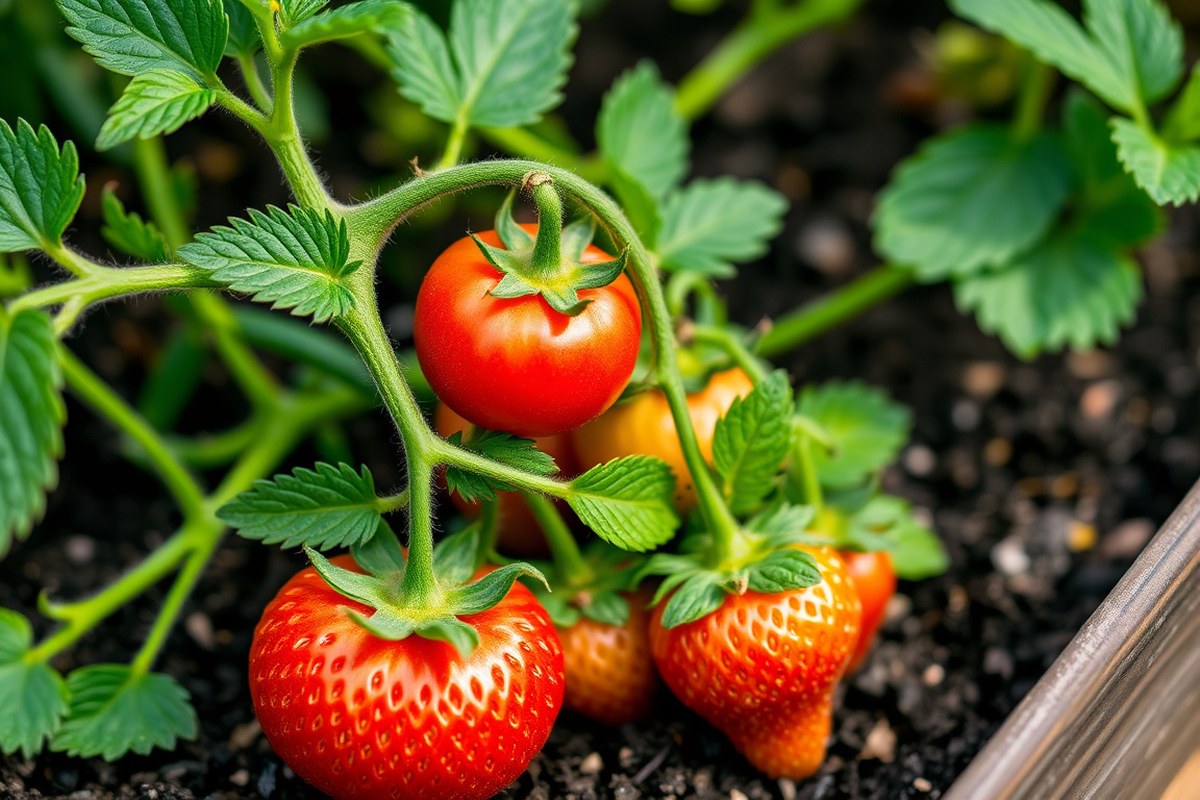
Tomatoes and strawberries can be planted together, but it needs care. Both are prone to fungal diseases like verticillium wilt, which spreads easily if you’re not careful. Using clean tools and watering at the base helps reduce disease risk.
Taking their different needs into account supports better growth. Strawberries prefer slightly more acidic soil, around pH 5.5 to 6.5. Tomatoes like 6.0 to 6.8.
Watering is also different. Tomatoes need up to 2 inches per week, while strawberries require less.
Space is important to avoid competition. Plant tomatoes about 2 to 3 weeks after strawberries.
So the berries get a head start. Tomatoes can grow tall and shade small strawberry leaves, cutting berry yields if they’re too close.
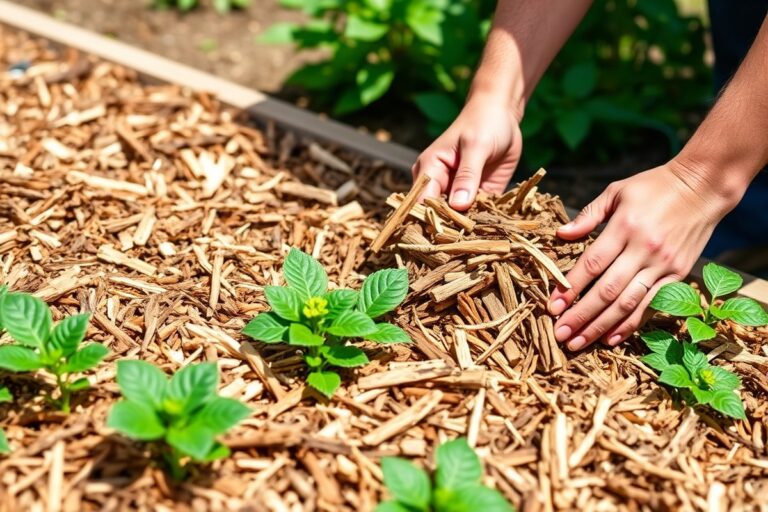
Mulch helps keep soil moisture steady and stops soil-born disease spores from splashing onto leaves. Use 2 to 3 inches of straw or wood chips around both plants. Keep the garden sunny and soil well-drained for best results.
Consider growing tomatoes and strawberries in separate raised beds or containers. This controls soil quality and lowers disease spread risk. Raised beds work well when your garden soil isn’t great.
They help by giving plants better dirt to grow in. This fixes problems with poor soil and boosts plant growth.
Comparing Growing Needs of Tomatoes and Strawberries
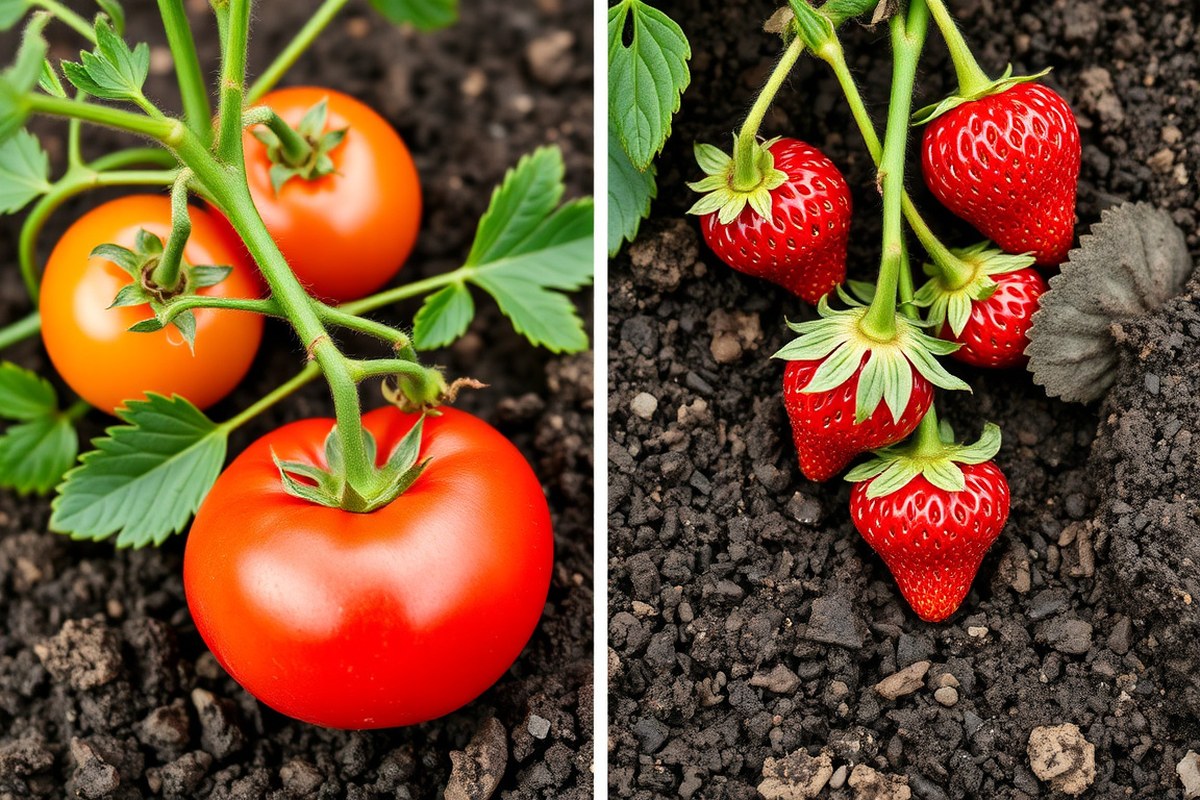
Tomatoes and strawberries both need full sun for best growth. They each thrive when they get at least 6 to 10 hours of sunlight daily. But their growth habits differ, so they need different space arrangements.
Tomatoes stand upright and can grow 3 to 5 feet tall. Strawberries spread low and wide along the ground. This difference affects how close you can plant them without causing shade or crowding issues.
| Requirement | Tomatoes | Strawberries |
|---|---|---|
| Sunlight Needs | Full sun | Full sun |
| Water Requirements | Moderate, 1-2 inches per week | Moderate, likes moist soil |
| Soil pH and Type | 6.0, 6.8, well-drained | 5.5, 6.5, loamy |
| Spacing Requirements | 18, 24 inches apart | 12, 18 inches apart |
| Growth Habit | Upright, 3, 5 feet tall | Low, spreading |
Both plants need moderate watering, but strawberries like consistently moist soil. Tomatoes tolerate drying out a bit but still require 1 to 2 inches of water weekly. The soil pH overlaps slightly, but strawberries prefer a slightly more acidic range.
Tomatoes need more space vertically and horizontally than strawberries. Space tomato plants 18 to 24 inches apart for good airflow. This spacing helps prevent plants from shading each other.
Proper airflow reduces the chance of disease. Strawberry runners spread out but you can plant them closer, around 12 to 18 inches apart.
Keep tomatoes and strawberries 3 to 4 feet apart in your garden. This distance lowers the risk of disease spreading. It also stops the plants from competing for resources.
Plant them farther apart to avoid shading and competing for nutrients. Both plants eat a lot, so growing them too close can stunt strawberry growth. Their different heights mean tomatoes can shade strawberries if they’re too near.
Pay attention to soil type. Tomatoes prefer well-drained soil, while strawberries grow best in loamy soil.
Good drainage matters to prevent root problems in both crops. Adjust soil with organic matter if needed to meet both plants’ needs.
Shared and Unique Disease Risks When Planting Together
Tomatoes and strawberries share some common fungal diseases that can spread between them. Planting these crops close together raises the chance of cross-infection. Knowing which diseases affect both and how they move helps you keep your garden healthy.
Common Diseases Affecting Both Crops
Both tomatoes and strawberries are vulnerable to fungal diseases like verticillium wilt and anthracnose. Verticillium wilt affects the plant’s vascular system, causing wilting and yellowing leaves. Anthracnose can cause dark spots on leaves and fruit, reducing yield and quality.
Other shared diseases include powdery mildew and botrytis. They cause mold and decay on leaves. These diseases also affect the fruit.
While fusarium wilt mainly targets tomatoes, its presence can harm nearby strawberries indirectly. These diseases slow plant growth and can kill plants if not managed.
How Disease Spreads Between Tomatoes and Strawberries
Diseases spread easily when plants grow close together. Fungal spores move through the air. Spores also travel through the soil.
Water splashing during rain or watering sends spores from infected tomatoes to strawberries and vice versa. Crowded plants also block airflow, increasing humidity, which helps fungi grow faster.
Infections spread through garden tools and hands that touch both crops without cleaning. Planting tomatoes next to strawberries helps pests spread viruses.
These pests carry fungi from one plant to another. This increases disease risks in both crops.
Sanitation and Prevention Measures
You can reduce disease risk by following good garden hygiene and spacing practices. Wash tools and hands after handling these crops. Use soap or a disinfecting solution.
This helps stop disease spread between plants. Removing dead leaves and old fruit lowers spots where diseases develop.
- Space tomatoes 18 to 24 inches apart and strawberries 12 to 18 inches apart
- Plant tomatoes and strawberries in separate garden beds or areas
- Use mulch to reduce soil splash onto plants
- Water at soil level with drip irrigation instead of overhead watering
- Rotate crops yearly to avoid soil buildup of pathogens
- Inspect plants weekly for disease signs and remove sick plants immediately
- Choose resistant varieties when available
Following these steps takes some effort but helps you avoid costly losses from disease. Cleanliness, good spacing, and keeping plants dry limit disease spread. Avoiding proximity of these crops reduces shared fungal risks and keeps your garden productive.
Managing Pests in Tomato and Strawberry Shared Gardens
Tomatoes and strawberries share several common pests, so controlling them together makes sense. Beneficial insects attracted by strawberries can help reduce tomato pests. Using companion plants alongside both crops also aids pest management.
Common Pests on Tomatoes and Strawberries
Aphids are a frequent problem on both tomatoes and strawberries. These tiny insects suck sap from the plants, weakening them. Whiteflies also attack both crops and spread diseases while feeding.
Spider mites and leafhoppers damage leaves on both plants too. Slugs and snails occasionally target strawberries and can harm young tomato seedlings. Managing these pests early prevents major damage.
Using Beneficial Insects and Companion Plants
Strawberries attract helpful insects like bees, ladybugs, and lacewings. These bugs eat pests on tomatoes. They target aphids and whiteflies that harm tomato plants.
These helpful bugs naturally lower pest populations. Incorporating plants like basil, borage, and marigolds boosts this effect by drawing beneficial insects.
Herbs such as thyme and chives also deter pests from strawberries. Planting them near your crops can reduce insect damage.
However, strawberries and tomatoes don’t strongly protect each other directly. So use extras for pest control.
Preventive Pest Control Tips
Start by removing weeds and debris that harbor pests around both plants. Keep the garden clean to lower pest hiding spots. Water early in the day to dry foliage quickly and limit fungal pests.
- Inspect plants weekly for early signs of pests like aphids or mites
- Handpick slugs or use bait around strawberries and tomato seedlings
- Use insecticidal soap sprays for mild aphid or whitefly infestations
- Rotate crops yearly to disrupt pest life cycles in the soil
- Avoid overhead watering to reduce leaf wetness and fungal growth
- Mulch carefully to suppress weeds but avoid moisture buildup near stems
- Remove heavily infested leaves or plants promptly to stop spread
Integrated approaches combining these tactics work best for both plants. Preventing pest build-up keeps yields healthy without heavy pesticides. Adjust strategies based on specific pests you spot in your garden.
Best Practices for Spacing and Planting Sequence
Space tomatoes and strawberries carefully to avoid competition and disease. Plant strawberries early, then tomatoes after the last frost. Stake tomatoes to keep them upright and away from strawberries.
Recommended Planting Distances
Keep tomatoes and strawberries at least 18 to 24 inches apart. Give tomatoes room to grow tall without shading strawberries. In raised beds, separate them by at least one full bed width if possible.
An effective layout is alternating rows or a checkerboard pattern in garden beds. This layout helps reduce shade and airflow problems. Proper spacing avoids crowding and lowers disease risk.
| Plant | Minimum Spacing | Bed Recommendation |
|---|---|---|
| Tomatoes | 18, 24 inches apart | One row per raised bed |
| Strawberries | 12, 18 inches apart | Separate bed or alternate row |
Timing Tomato Planting Relative to Strawberries
Plant strawberries as soon as soil can be worked in early spring. They establish roots before hot weather arrives. Wait until after your area’s last frost date to plant tomatoes.
Planting tomatoes after strawberries prevents early shading and nutrient competition. You can plant tomatoes weeks after strawberries are established. This works well if you stagger planting dates carefully.
- Prepare soil with balanced fertilizer and good drainage.
- Plant strawberry runners or young plants early in spring.
- Water strawberries regularly to help root growth.
- Wait for frost-free weather, usually late spring.
- Transplant tomato seedlings 18, 24 inches apart.
- Stake or cage tomatoes immediately after planting.
- Keep watering consistent for both crops.
Staking and Pruning to Prevent Crowding
Stake tomatoes to keep their vines off the ground and out of strawberry space. Use cages or stakes 5 to 6 feet tall. This stops tomato leaves from shading strawberries.
Prune tomato suckers regularly to limit spread. Trim leaves near strawberries to improve air flow. This helps reduce fungal disease risks caused by moisture buildup.
Don’t let tomato foliage touch strawberries; it invites disease and blocks sunlight.
Selecting Varieties Suitable for Growing Near Each Other
Tomato varieties with compact growth suit planting near strawberries best. Determinate or patio types take up less room. They reduce shading and air-blocking around strawberry leaves and fruit.
Vine or indeterminate tomatoes grow tall and spread out a lot. They can overshadow strawberry plants. This reduces airflow around the strawberries.
Picking strawberry cultivars that tolerate shade and less space helps. Day-neutral and everbearing strawberries produce fruit over time, not just spring.
They cope better with nearby tomato plants shading them. June-bearing varieties grow all fruit at once, needing more sunlight and space for good yield.
Choosing varieties based on disease resistance cuts problems when those crops share a bed. Choose tomatoes that resist common fungal diseases. Verticillium wilt and fusarium wilt are key ones.
These resistances help when planting near strawberries. Strawberries bred to handle powdery mildew do better. Leaf spot resistance helps too.
These traits reduce stress when near tomatoes. This lowers the chance of one crop harming the other.
- Tomatoes: compact determinate or patio types
- Strawberries: day-neutral or everbearing cultivars
- Tomato varieties resistant to verticillium and fusarium wilt
- Strawberries bred for powdery mildew and leaf spot tolerance
- Choose plants with similar water and nutrient needs
- Pick varieties with shorter growing seasons to stagger harvest
- Look for vigorous plants that compete well but don’t overwhelm
Growing small, sturdy tomato plants alongside adaptable strawberries makes watering and feeding easier. Variety choice also affects harvest timing. Early or mid-season cultivars that fruit before or after other plants reduce competition.
This balance helps both crops get enough sunlight and space. Avoid late-season, sprawling tomato varieties that may crowd strawberries during fruiting.
Varieties that tolerate proximity help maintain plant health and productivity. They keep airflow better, lowering disease risk that comes with damp, crowded beds. Picking the right mix of cultivars takes some research.
It helps get fuller harvests. This is good for small garden plots. Visit local nurseries for advice on tomato and strawberry varieties.
Look through seed catalogs too. Choose types made for mixed planting in your area.
Soil Preparation, Fertility, and Crop Rotation Tips
Start by testing the soil to check pH and nutrient levels. Both tomatoes and strawberries prefer slightly acidic soil, around 6.0 to 6.5 pH. Add organic matter like compost to improve drainage and fertility for both crops.
Tomatoes need rich, fertile soil because they pull many nutrients. Strawberries also like fertile soil but can suffer if nutrients run low. Use a balanced fertilizer that supports fruiting plants, applying it evenly to avoid overfeeding one crop.
Keep tomato and strawberry plants a few feet apart. This spacing helps you manage their soil and mulch separately. It also reduces chances of fungal diseases caused by soil splashing onto leaves or stems.
- Test soil pH and nutrient levels before planting
- Mix in 2 to 3 inches of compost or aged manure
- Use a balanced 10-10-10 NPK fertilizer at planting
- Apply side dressings of fertilizer every 4 to 6 weeks
- Space plants at least 3 feet apart to separate root zones
- Mulch around plants to keep soil off leaves and retain moisture
- Water at the base of plants to avoid wetting foliage
Rotate where you plant tomatoes and strawberries every 2 to 3 years. Avoid planting either crop where the other was because soil can hold diseases and pests. For example, plant tomatoes after legumes or leafy greens, not strawberries.
This crop rotation helps stop soil diseases like fungal wilts that damage roots and fruits. It also keeps nutrient levels balanced in the soil. Plan your garden so tomatoes and strawberries don’t grow in the same spot every season.
Change their spots each year to keep soil healthy. This helps prevent pests and diseases from building up.
Watering, Mulching, and Maintenance to Support Both Crops
Tomatoes and strawberries both need steady moisture, but their watering needs differ. Tomatoes need deep watering every 4 to 5 days. Give them about 1 to 2 inches each time.
This helps keep their roots strong and healthy. Strawberries like lighter watering more often.
Keep the top 1 inch of soil moist. Avoid soaking their roots to prevent damage.
Mulching helps keep soil moist and slows weeds for both plants. Straw, pine needles, or black plastic work well.
Straw mulch also reduces soil splash, lowering disease risk for strawberries. Keep mulch at least a few inches away from plant stems to avoid rot.
Routine maintenance keeps tomatoes and strawberries healthy aside from watering and mulching. Remove any weeds or nearby debris to reduce competition.
Prune tomato leaves that shade strawberry plants to give them enough sunlight. Watch both for signs of disease or pests, treating issues quickly.
Overwatering tomatoes can easily stress nearby strawberries and lead to root issues. Water carefully to avoid soggy soil around strawberries.
Follow these steps to water, mulch, and maintain tomatoes and strawberries planted together:
- Water tomatoes deeply every 4 to 5 days, providing 1 to 2 inches per watering.
- Water strawberries lightly every 2 to 3 days, keeping soil moist but not wet.
- Apply 2 to 3 inches of straw or pine needle mulch, avoiding direct contact with stems.
- Check soil moisture by feeling 1 inch below the surface before watering.
- Clear weeds and fallen leaves regularly to reduce competition and improve air flow.
- Prune tomato leaves shading strawberries to keep their sunlight access open.
- Inspect plants weekly for disease spots or pests and treat fast with organic sprays or removal.
- Keep 12 to 18 inches spacing between plants to help airflow and lessen root competition.
This approach balances the needs of both plants while lowering disease risks. Expect healthier leaves on tomatoes and bigger, sweeter strawberry berries.
Overwatering or mulch too close can invite rot or fungal issues. Adjust watering schedule if rain or heat changes soil dryness.
Step-by-Step Action Plan for Growing Tomatoes and Strawberries Together
Follow these steps to plant tomatoes and strawberries side by side with fewer problems. Check each step to make sure your plants stay healthy.
- Before Planting: Prepare soil by mixing compost. Test the soil pH to aim for 6.0 to 6.8. This supports both plants well.
- Early Spring: Plant strawberries first since they like cooler weather. Space them 12 inches apart to reduce disease risk.
- Late Spring: Transplant tomato seedlings after the last frost date. Keep at least 18 inches from strawberries to keep disease low.
- Right After Planting Tomatoes: Apply mulch around both crops. This keeps moisture steady and helps block weeds.
- Weekly Through Growing Season: Water deeply but avoid wetting leaves. Check plants for signs of pests or spots.
- Mid-Season: Remove any yellow or damaged leaves to stop disease spread. Use organic pest controls if you see pests.
- Harvest Time: Pick fruits regularly to encourage more growth and check for pests hiding on strawberries.
- After Harvest: Rotate crops next season to a different bed. This lowers soil disease buildup.
Frequently Asked Questions
Can Planting Tomatoes and Strawberries Together Reduce Fertilizer Costs?
Yes, both plants are heavy feeders, so sharing fertilizer saves money. You can manage soil nutrients more easily by planting them together.
Do Tomatoes and Strawberries Compete for Sunlight When Planted Nearby?
Yes, tomatoes can overshadow strawberries if planted too close and reduce their sunlight. Give strawberries enough space to get full sun.
Can Planting Order Affect How Tomatoes and Strawberries Grow Together?
Yes, planting tomatoes 2-3 weeks after strawberries helps strawberries establish first. This reduces competition and can improve growth for both.
Is There a Risk of Spreading Soil Diseases Between Tomatoes and Strawberries?
Yes, both are susceptible to similar diseases like verticillium wilt. Crop rotation and soil sterilization help reduce disease risk.
Will Mulching Help Tomatoes and Strawberries When Planted Near Each Other?
Yes, mulching retains moisture and controls weeds for both crops. It supports their different watering needs effectively.
Should I Expect Smaller Fruit If Tomatoes and Strawberries Share Garden Space?
Yes, tomatoes can out-compete strawberries, resulting in smaller, less flavorful berries. Proper spacing is key to avoid this.
Key Points to Remember
You can plant tomatoes and strawberries together with care and spacing. Start by prepping your soil well for both crops. Check your garden regularly to catch problems early and keep your plants thriving.