Can Caterpillars Sting? How to Identify, Treat, and Stay Safe Outdoors
Can caterpillars sting like bees or wasps? The short answer is no.
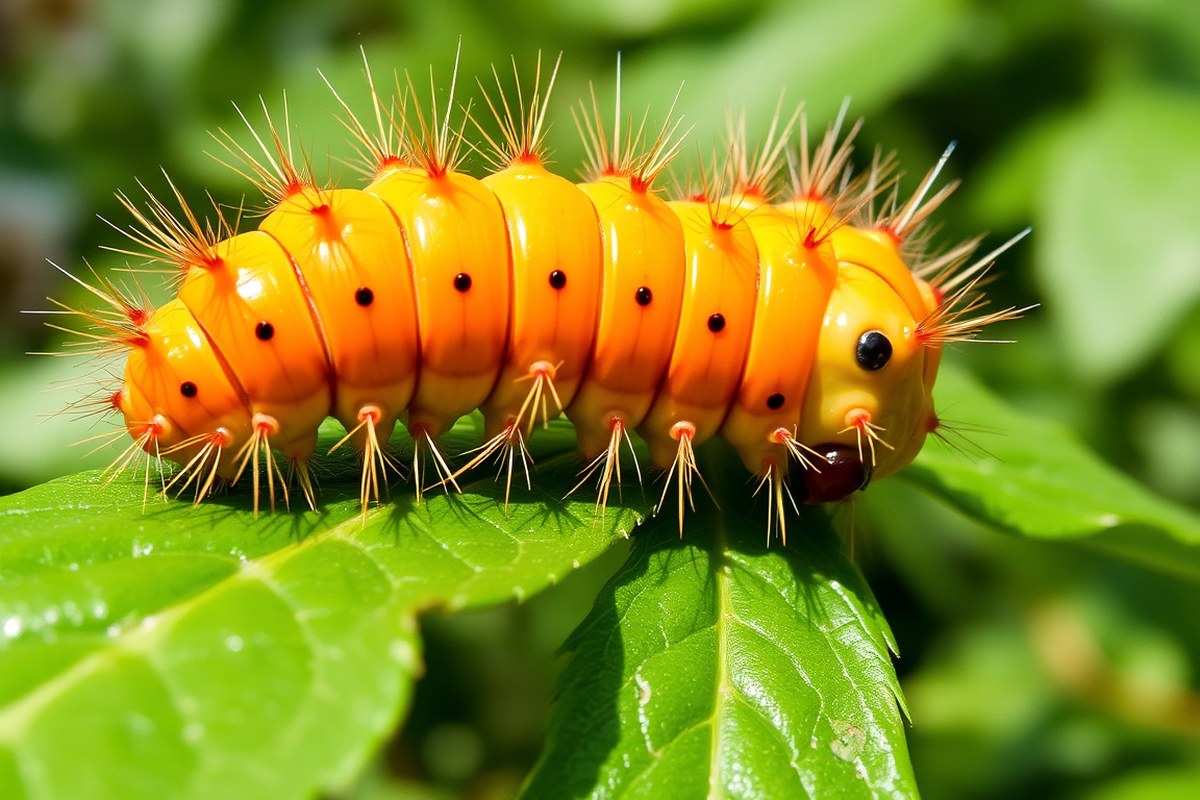
Caterpillars don’t sting with a sharp needle. But some have venomous spines that inject toxins into your skin.
These venomous hairs can cause pain, redness, rash, and swelling. The reaction feels more like a scratch or irritation than a sharp sting. Some people may even experience a mild allergic reaction.
Not all caterpillars carry venomous spines. Species like the saddleback and puss caterpillar are known for their painful hairs. Learning to recognize these can help you avoid contact while hiking or gardening.
If you touch a venomous caterpillar, remove spines gently with tape or tweezers. Wash the area with soap and water to reduce irritation.
Over-the-counter creams can ease redness and itching. But see a doctor if symptoms get worse.
Key Takeaways
- Only a few of over 165,000 caterpillar species have venomous spines.
- Venomous caterpillar stings cause pain, swelling, and rash within hours.
- Venomous caterpillars often have noticeable hairy or spiny coverings.
- Remove spines carefully with sticky tape or tweezers after a sting.
- Wash the area with soap and water to reduce irritation and infection risk.
- Apply a cold pack for 10 minutes to ease pain and swelling.
Can Caterpillars Actually Sting Like Bees or Wasps?

Caterpillars cannot sting like bees or wasps because they lack stingers. Instead, some species have tiny, sharp hairs called urticating hairs or spines. These hairs release venom when they break the skin, causing a sting-like reaction.
The stinging mechanism in caterpillars works through these venomous hairs connected to poison sacs. When you touch the caterpillar, its hairs can break off. These hairs embed in your skin.
They release venom when stuck in your skin. This is different from bees or wasps that inject venom through a hollow stinger.
Caterpillars don’t sting by stabbing. Their venom causes skin irritation or a rash. The venom delivery is gentler than a sting.
How much pain you feel depends on the hair count. It also depends on your skin’s sensitivity. More hairs usually mean more irritation.
Some stings feel like a mild nettle burn. Others cause more severe, radiating pain.
Most caterpillars are harmless to touch. But those with stinging hairs use them to defend against predators. Experts say these hairs can cause painful reactions even though the caterpillars don’t actually sting.
You might not notice the hairs at first. The hairs often hide under the caterpillar’s spikes or fur. You feel the sting before you see the hairs.
Unlike bees or wasps, caterpillars won’t chase or inject venom repeatedly. Caterpillars only release venom when you touch their stinging hairs. This defense is passive, not active.
You have to contact them to get stung. This makes their stings accidental but still sharp enough to cause trouble.
Which Caterpillar Species Are Venomous and Can Sting?
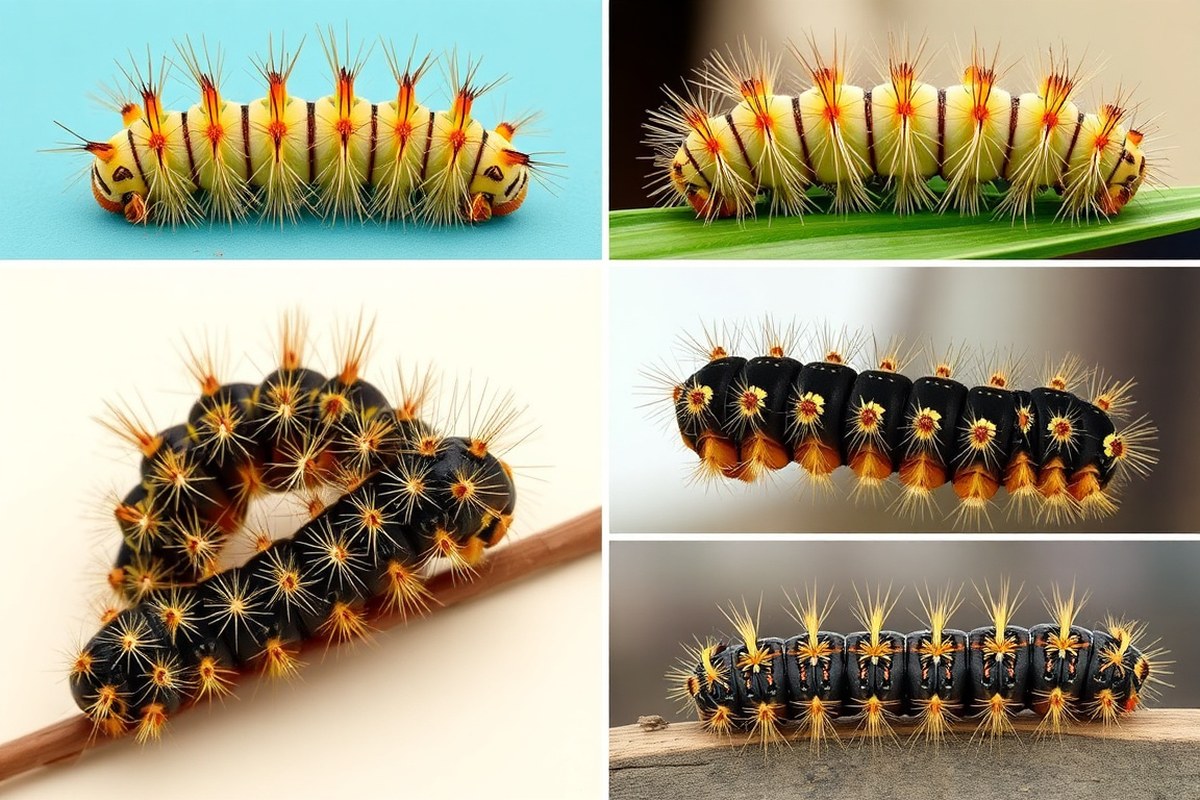
Most caterpillars do not sting. But a few species deliver venom through tiny spines hidden under their fuzzy coat. These spines break when you touch them, injecting venom that causes pain and irritation.
Many caterpillar species exist. Only a few have harmful venom. Some can cause serious harm or even death.
Venomous caterpillars have dense hair or spines. They also hide sharp, short spines beneath longer silky hairs. These features help identify them.
Their colors can vary, but many have distinctive patterns or bright spots warning predators. The deadliest species live mainly in tropical areas, especially in South America. A few dangerous types appear in the U.S. And other temperate zones.
| Species | Key Features | Location | Danger Level |
|---|---|---|---|
| Lonomia obliqua | Dense fuzzy coat, hidden venomous spines | South America | High, can cause death |
| Lonomia achelous | Similar to Lonomia obliqua, venomous spines | South America | High, can cause death |
| Puss caterpillar (Megalopyge opercularis) | Soft brown hairy coat concealing spines | Southeastern U.S. | Moderate, painful sting |
| Buck moth caterpillar | Spiny body with noticeable tufts | Southeastern U.S. | Moderate, skin irritation |
| Saddleback caterpillar | Green body with bright central spot and spines | North and Central America | Moderate, painful sting |
| Io moth caterpillar | Green with white stripes and venomous spines | North America | Moderate, skin irritation |
Most venomous caterpillars sting only in their larval stage. Adults don’t pose the same risk. Some of the rarest and most dangerous species live in tropical zones, including the Lonomia genus.
Their venom can cause internal bleeding and death in some cases. So they need special caution. In other regions, painful stings cause less severe but still uncomfortable symptoms.
The chances of encountering a venomous caterpillar depend on your location and the season. Some species spread to new places because of climate and trade. New areas might see these caterpillars soon.
This makes spotting them important. Always look closely for spines hidden under the fuzz. A caterpillar that looks too hairy to touch might actually hide these venomous spines.
Never pick up a fuzzy caterpillar unless you can positively identify it as harmless.
What Are the Symptoms and Timeline of a Caterpillar Sting?
Common Symptoms and Their Onset
A caterpillar sting usually causes redness, swelling, and itching where it touched you. These symptoms start within minutes after contact. The area may also feel painful or burn slightly.
Some stings, especially from more dangerous species like the puss caterpillar, cause more severe symptoms. These include headache, nausea, or even fever. Such symptoms tend to develop within the first few hours after the sting.
Severity Levels and What Affects Them
Severity depends on the species and size of the caterpillar, along with your sensitivity. Larger or venomous caterpillars cause stronger burns and swelling. Puss caterpillar stings often hurt more than those from black wave flannel moths, for example.
Young children, elderly adults, and people with weaker health may experience worse reactions. A few rare cases might trigger serious problems like chest pain or seizures. Immediate medical help is needed if symptoms become intense.
Typical Timeline and Duration
The pain, swelling, and burning usually last from one hour to a few days. Most local symptoms fade slowly within 24 to 72 hours. Itching can linger longer as the skin heals.
Systemic symptoms like headache or nausea show up within hours. They usually clear up in one or two days. Symptoms worsening or lasting more than a few days means seek medical advice.
When Reactions Become Dangerous
In some situations, a caterpillar sting can cause anaphylaxis, a life-threatening allergic reaction. This is rare but needs emergency care right away.
Signs include trouble breathing or face swelling. Knowing early warning signs helps you act fast.
Intense chest pain or seizures are other severe symptoms. These often come from an asp or puss caterpillar sting.
Call poison control or go to the emergency room right away. Do this if you see severe problems after a sting.
How to Safely Identify Venomous Caterpillars Before Touching
You can spot venomous caterpillars by their color and size. Look closely at the type of spines or hairs they have. These features help identify dangerous caterpillars.
Avoid touching fuzzy or brightly colored caterpillars. Some spines inject venom, so it’s safer to identify them first.
Color Patterns That Signal Danger
Bright colors often warn that a caterpillar could be venomous. Shades like yellow, orange, or red mixed with black suggest it might sting. These colors act as a natural warning to predators and you.
Many harmless caterpillars are dull brown or green, blending with leaves. When you see strong color contrasts or bold stripes, be cautious. Some venomous caterpillars display wide bands of colors or unique patterns.
Spines, Hairs, and Defensive Features
Check for spines and hairs that stand out. Venomous caterpillars often have hollow, sharp spines connected to poison sacs. These spines can break off in your skin, releasing toxins that cause pain and irritation.
Fuzzy caterpillars with long, wispy hairs may also have stinging spines hidden among the fuzz. Distinct features include paired curved spines or jaggy horns. Don’t touch hairs that seem sharp or brittle.
They might sting or cause irritation. Always stay cautious around unknown caterpillars.
- Hollow quill-like spines indicate venom sacs inside
- Tufts of spines or jagged horns suggest stinging ability
- Long and wispy fuzzy hairs can hide venomous spines
- Large size with many spines increases sting risks
- Venomous spines vary from pointed bristles to curved pairs
These features help avoid painful contact with toxic spines. Fragile hairs and spines break easily, leaving venom on your skin. Always look closely before getting near that fuzzy creature.
Typical Habitats and Behavior
Venomous caterpillars often come out in spring when new leaves grow. They stick to certain plants or trees hidden among spring foliage. Spotting them carefully is easier in daylight.
Avoid picking up any large, unfamiliar fuzzy caterpillar. Some species sting to defend themselves and will react if touched. Kids should be taught to look, not grab, especially with unknown fuzzy bugs.
Familiarize yourself with local species that tend to inhabit your area. For example, you might see Puss moth caterpillars on oak trees in southern states. Knowing where the venomous ones live helps reduce accidents before they happen.
First Aid Steps to Treat a Caterpillar Sting Effectively
Immediately after a caterpillar sting, remove any hairs or spines from your skin. Wash the sting area carefully with soap and water. Then, apply ice to cool the spot and reduce swelling.
Removing Spines Without Making It Worse
Removing spines right away stops more toxin from spreading under your skin. Press a piece of sticky tape on the stung area. Pull it off gently to lift embedded spines without pushing them deeper.
Heavy scrubbing or scratching can break the spines and make symptoms worse. Use tape multiple times if needed to remove all spines. When you don’t have tape, use clean tweezers to pull out visible spines carefully.
Cleaning and Soothing the Sting Area
After removing spines, wash the area thoroughly with mild soap and warm water. This removes any leftover toxins or hairs. Avoid strong soaps or harsh scrubbing that can irritate your skin further.
Using cool water rinses can help calm the sting. After washing, gently pat the area dry with a clean towel. Apply a hydrocortisone or calamine lotion cream to reduce itching and redness.
When and How to Use Ice, Soap, or Medication
Apply an ice pack wrapped in cloth to the sting for about 10 to 15 minutes. This cuts down pain and swelling. Do not put ice directly on your skin to avoid frostbite.
Taking an oral antihistamine like diphenhydramine or loratadine helps if itching or swelling bothers you. Follow the package directions for dosage and frequency. Avoid scratching to prevent infection.
Keep the area clean and dry after treatment. Watch for spreading redness or fever, which means you should see a doctor.
- Brush off any caterpillar still on you carefully.
- Press sticky tape on the sting to pull out spines.
- Repeat tape removal until no spines appear on the tape.
- Wash the affected skin with soap and warm water gently.
- Pat the area dry with a clean towel.
- Apply an ice pack wrapped in cloth for 10, 15 minutes.
- Use a soothing cream like hydrocortisone or calamine.
- Take an antihistamine if itching or swelling occurs.
Tip: Avoid scratching or rubbing the sting area to prevent pushing spines deeper and causing infection.
When to Seek Medical Help for Caterpillar Stings
Seek medical help right away for trouble breathing or chest tightness. Swelling in your face or mouth also needs urgent care. Don’t wait if you notice these signs.
These signs may mean a serious allergic reaction, called anaphylaxis, which needs urgent care. Go to the emergency room if a rash spreads widely on your skin.
Also seek help for severe pain going beyond the sting site. These symptoms need quick treatment.
People with a history of allergies or asthma should be extra careful. Their reactions can be stronger or faster than others. Even mild symptoms should be checked by a doctor to avoid problems.
Early care can prevent serious issues from developing. Don’t ignore how you feel.
Watch for symptoms like intense itching, nausea, or blistering around the sting. These may signal a complication or infection that needs medical treatment. Get emergency care immediately for stings near your eyes or if vision worsens.
This needs urgent attention to protect your sight. Don’t delay medical help.
Notice fever, growing swelling, or pus at the sting site? These signs suggest infection. Quick medical treatment is important to stop it from getting worse.
Medical treatment, such as antibiotics, could be needed. Don’t wait more than 24 hours if these signs appear; infections can worsen quickly.
Your best rule is simple. Concerned about a sting? Talk to a medical professional right away.
Early advice can keep you safe and healthy. Better safe than sorry when dealing with venom or allergic reactions from caterpillars.
How to Prevent Caterpillar Stings While Outdoors
Wearing long sleeves and pants helps reduce the chance of caterpillar stings. Even though this method does not always work, it lowers skin exposure when hiking or gardening. Gloves are a must if you plan to handle plants or soil outside.
Some caterpillars look safe but carry tiny stinging spines. The Saddleback caterpillar, for example, has spikes that inject venom if you touch it.
Most stings happen from late summer to early fall. It’s best to avoid sitting under trees or brushing against bushes during this time.
- Wear gloves when gardening or handling outdoor plants.
- Avoid sitting or resting under trees known for caterpillar activity.
- Wear long sleeves and pants outdoors, especially in late summer and fall.
- Carefully look at caterpillars before touching; smooth types like monarchs are safe.
- Use tools or sticks to move plants if you suspect caterpillars are present.
- Keep kids and pets away from dense foliage where caterpillars hide.
Handling caterpillars only makes sense if you can identify them well. Avoid grabbing caterpillars with spines or hairs. Smooth caterpillars such as tomato hornworms rarely sting and can be gently picked up.
Use a stick to lift unknown caterpillars instead of hands. This practice helps prevent stings and allows you to observe without harm.
Knowing when and where caterpillars live also matters. Most stings happen in late summer and early fall in many regions.
Spiny species like the Buck moth larvae and White-Marked Tussock moth caterpillars live in wooded areas. Watching plants carefully and staying alert can keep you sting-free during outdoor fun.
Common Myths About Caterpillar Stings Debunked
Not every fuzzy caterpillar carries venom or can sting. Many caterpillars have soft hairs that only look scary but don’t inject venom.
Some species use their hairs to make you itchy or irritated. They do not deliver a painful sting.
Adult moths and butterflies don’t sting or bite. Their bodies and mouths change after the caterpillar stage. So they can’t inject venom like some larvae.
You might notice adult butterflies have tiny scales on their wings. But they don’t have stingers or venomous parts.
Caterpillar venom usually causes only local pain and swelling, not deadly effects. The venom can damage tissue near the sting. This might make symptoms worse or last longer.
It’s rare for venom to be airborne or cause allergic reactions just by being nearby. Touching spines or hairs is the main way you get stung.
Spotting which fuzzy caterpillars are safe means learning their shapes and habits. Many venomous caterpillars have upright spines or colorful patterns as a warning. Knowing this helps you avoid stings without fearing all fuzzy bugs.
See spines or horns that look sharp or barbed? Don’t touch it until you check more closely.
Don’t rub your skin or eyes after touching caterpillar spines. This helps stop venom or irritation from spreading.
Some venom penetrates skin easily. So a sting might feel sharp and burn for hours. Yet, serious harm beyond local swelling is uncommon.
Getting stung? Wash the area with soap and cold water to remove venom or hairs. This simple step cuts down how much venom can spread in your body.
Knowing these facts stops you from handling every caterpillar in fear or ignoring real risks. Educate yourself about local species before outdoor activities, especially near woods or shrubs.
Don’t cut your skin or use strong chemicals. These can make symptoms worse and cause infections.
Step-by-Step Action Plan to Avoid and Handle Caterpillar Stings
Follow these clear steps to stay safe around caterpillars and treat any stings properly.
- Before going outdoors: Learn to identify venomous caterpillars by their distinctive hairy or spiny appearance. This prevents accidental contact right away.
- During outdoor activities: Wear long sleeves and pants to shield your skin. You’ll know this worked if you don’t get stung despite touching plants.
- After contact with a caterpillar: Check your skin carefully. Look for irritation or tiny stingers left behind. Prompt removal reduces toxin spread.
- Within 5 minutes of a sting: Wash the area gently with soap and water. This helps remove any remaining venom and lowers symptom severity.
- Within 30 minutes: Apply a cold compress to calm swelling and pain. When discomfort lessens, you’re managing it well.
- Over the next few hours: Monitor symptoms like swelling, redness, or breathing trouble. When symptoms get worse, get ready to seek medical help.
- Ongoing prevention: Teach kids and others what venomous caterpillars look like and not to touch them. Reduced stings show your efforts pay off.
Frequently Asked Questions
Can a Caterpillar Sting Cause Allergic Reactions?
Yes, some caterpillar stings trigger allergic reactions. Symptoms include swelling, itching, and difficulty breathing.
Watch stings closely. Get help if severe symptoms happen.
Are Caterpillar Stings Painful Right Away or Delayed?
Most caterpillar stings hurt immediately but some may cause delayed symptoms. You might feel burning or itching within minutes. Rashes or swelling may appear hours later.
Do All Hairy Caterpillars Sting or Only Some Species?
Only some hairy caterpillars sting; many harmless ones have hair too. Venomous species usually have spines connected to venom glands unlike soft hairs on non-stinging types.
Can Caterpillars Sting Through Clothing or Gloves?
Caterpillars can sting through thin clothing but thick clothes often protect you. Gloves or long sleeves help prevent skin contact with venomous hairs if you work around plants.
Is the Sting Reaction Worse for Children Than Adults?
Children may have stronger reactions to caterpillar stings due to sensitive skin. Watch kids closely around unknown caterpillars and clean skin after any contact.
Do Caterpillars Lose Their Sting After They Become Moths?
Yes, caterpillars lose their venomous hairs after metamorphosis into moths or butterflies. Only the larval stage can sting, adults do not have venomous spines or stingers.
Wrapping Up
Caterpillars don’t sting like bees, but some can release irritating venom. Learning to spot risky types protects you. Start by checking local caterpillar guides today to know what to avoid.