

How Big Do Potatoes Grow: A Complete Guide to Growing Larger Tubers
Wondering how big do potatoes grow? Most potato tubers reach 3 to 6 inches across. Some types stay smaller, while others grow quite large if conditions are right.
Potatoes usually take 90 to 120 days to hit their full size. Early-season potatoes grow faster but are smaller and tenderer. For bigger potatoes, give them plenty of time and good soil with plenty of nutrients.
Start with healthy seed potatoes about 2 inches long and space them 16 inches apart. Keep soil loose, moist, and cool to help tubers expand well. Avoid high temperatures and dry spells that stunt growth.
Adding compost or balanced fertilizer boosts the soil for larger tubers. Mulching retains moisture and keeps the soil temperature steady. Harvest potatoes after the plants’ foliage dies back to get the biggest size possible.
Key Takeaways
- Allow 90 to 120 days for potatoes to reach full size.
- Plant seed potatoes with sprouts about 2 inches long for best growth.
- Space potatoes roughly 16 inches apart to avoid overcrowding tubers.
- Use loose, fertile soil that stays moist but not waterlogged.
- Harvest large potatoes 2-3 weeks after vines die back for good storage.
- Keep daytime temperatures around 65-80°F for optimal growth.
How Big Do Potatoes Usually Grow? Typical Size Range Explained
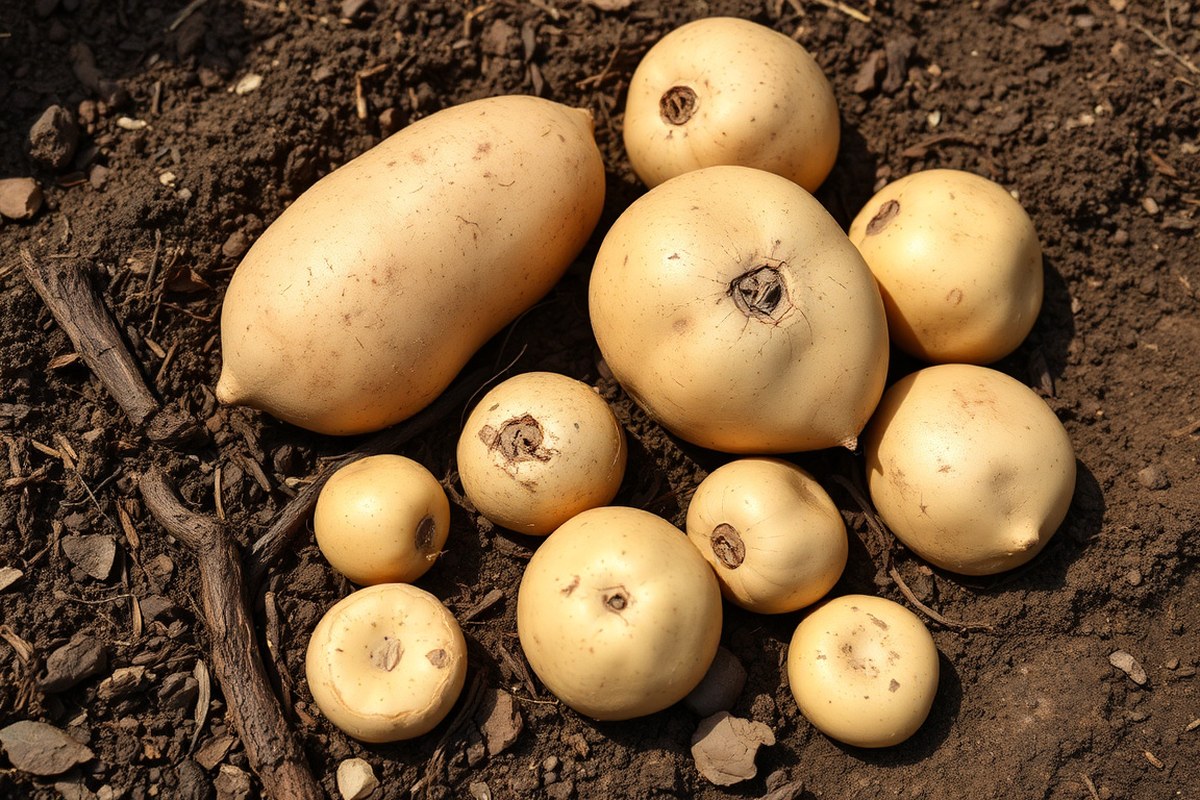
Most mature potatoes grown in home gardens range from 2 to 4 inches in diameter. This size fits most cooking needs and is typical with well-prepared soil and proper care.
Potatoes smaller than 2 inches often serve as new potatoes. Larger ones can store longer.
Potato size varies notably by type. Common varieties like Russet or Yukon Gold usually grow between 3 and 5 inches across. Smaller types like fingerlings grow about 1 to 2 inches wide.
They offer unique flavors and textures you might enjoy. These small potatoes are popular in many dishes. The variety you choose shapes the growth limit.
| Potato Type | Typical Diameter |
|---|---|
| Russet, Yukon Gold, Red Pontiac | 3 to 5 inches (7.5 to 12.5 cm) |
| Fingerling Varieties | 1 to 2 inches (2.5 to 5 cm) |
| New Potatoes (young harvest) | Under 2 inches (5 cm) |
Growing conditions affect size too. Loose, fertile soil leads to bigger tubers.
Heavy soil or crowded plants stunt growth, producing smaller potatoes. You can usually harvest 10 or more potatoes from one seed tuber under good conditions.
The largest potato ever grown weighed 18 pounds 4 ounces. It was a ‘Kondor’ potato from the UK, recorded in 2011 by Peter Glazebrook.
This extreme size took perfect soil, weather, and care. Most gardeners won’t see potatoes anywhere near this giant.
How Long Does It Take for Potatoes to Reach Their Full Size?
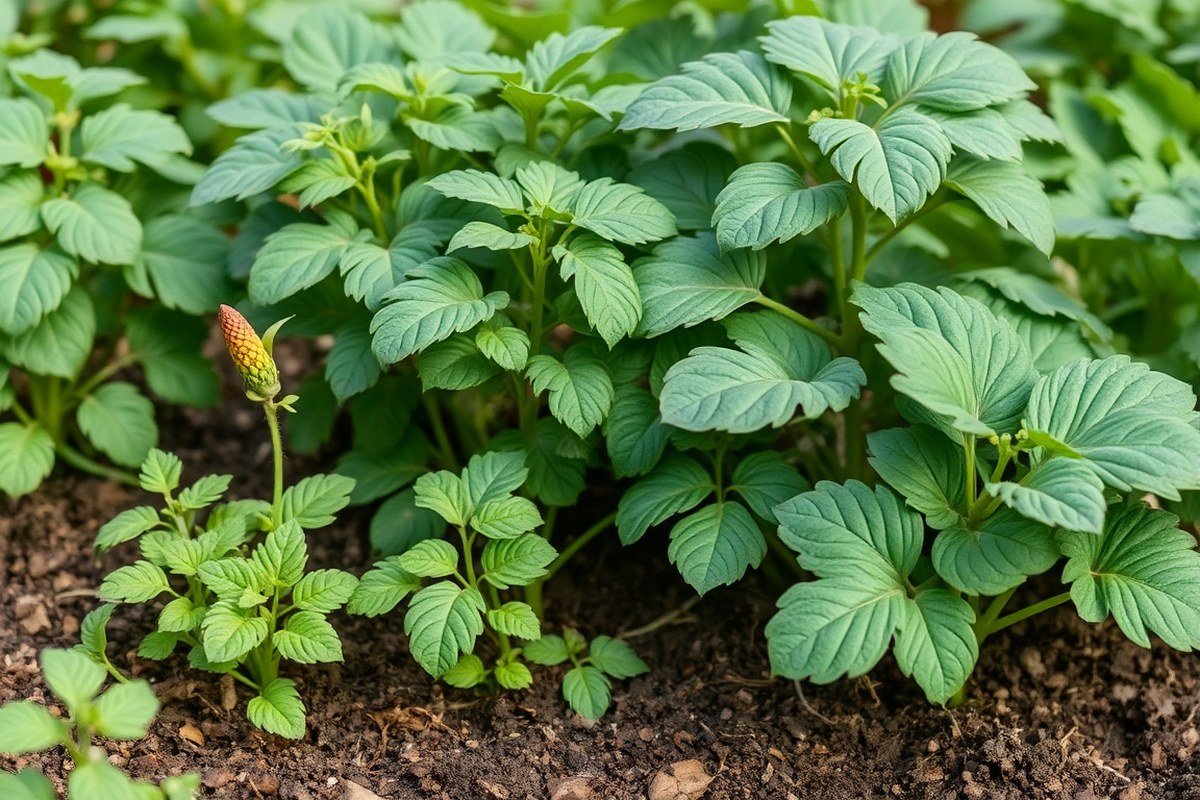
Growth Stages from Sprout to Mature Tuber
Potatoes start as sprouts that reach 3 to 6 inches tall during the early growth stage. At this point, tubers haven’t formed yet. Marble-sized tubers begin forming as the plant grows between 6 and 12 inches tall.
When the plant grows to 1 or 2 feet, tubers start to form. They usually reach 1 to 2 inches in size by then. Fully grown potato plants are 2 to 3 feet tall.
The tubers measure 2 to 5 inches across. Size depends on the potato type. The full size often depends on how long you allow them to grow and environmental factors.
Timeframes for Early, Mid, and Late Season Varieties
Early potatoes mature the fastest, usually ready to harvest in 60 to 80 days. These varieties produce smaller to medium tubers with tender flesh and thin skin. Plant potatoes in early spring.
You can harvest them around early summer. This usually takes 10 to 12 weeks.
Mid-season potatoes take 80 to 100 days to mature. These crops usually grow well through summer and produce medium to large tubers. Late-season types like Russets or fingerlings take 90 to 120 days to grow.
They often produce the biggest potatoes. These varieties need more time to mature.
Choosing a variety depends on how long you want to wait and the size you want. Early potatoes give a quick harvest. But for the biggest potatoes, later maturing types are better.
When to Harvest for Largest Potatoes
Tubers start forming once the plants reach 6 to 12 inches in height. But they remain small at this stage. To grow larger potatoes, wait until the plants are fully mature.
This can take 90 to 135 days, depending on the type. Harvesting too early means smaller tubers because they haven’t had time to grow fully.
Planting a second crop in early summer can lengthen your harvest. Tubers will grow bigger with more time in the ground. Late harvests usually have tougher skin, so check the potato quality first.
Don’t rush to harvest just because the tops die back. Waiting a week can increase the potato size. However, leaving them too long can risk rot or pest damage.
Key Factors That Affect Potato Size and How to Optimize Them
Potatoes prefer soil that is loose, drains well, and has lots of organic material. The ideal pH level for the soil ranges from 5.0 to 7.0, making it slightly acidic. This helps keep moisture without causing water to build up and rot the tubers.
Watering plays a big role in potato size. During early sprouting, light, frequent watering helps shoots break through the soil.
As the plant grows, keep soil evenly moist without soaking it. Too little water causes small tubers; too much invites disease.
- Soil temperature above 55°F (13°C) during the day promotes growth
- Keep relative humidity between 60% and 80% for healthy tubers
- Provide 6 to 8 hours of direct sunlight daily
- Use balanced fertilizers with nitrogen, phosphorus, and potassium
- Hill soil around stems as plants grow to protect tubers
Sunlight matters a lot for tuber growth. Potatoes need at least six hours of direct sun each day.
More than eight hours is ideal for big, healthy potatoes. Limited sunlight calls for grow lights, used for twice the duration of natural light.
Temperature and humidity also affect size. Potatoes won’t start growing until soil reaches about 45°F. After planting, keep the daytime temperature near 60°F to 70°F. Nights should stay above 45°F. Relative humidity between 60% and 80% is comfortable for the plants and tubers.
Nutrient-rich, complete fertilizers support large potatoes. Look for products with balanced levels of nitrogen (N), phosphorus (P), and potassium (K).
Adding compost or aged manure to soil also helps. Avoid too much nitrogen late in growth or tubers won’t bulk up properly.
How Potato Variety Influences Size and Growth Characteristics
Different potato varieties show distinct sizes and growth times. Russet potatoes usually grow large tubers and need about 120 days to mature. Fingerling potatoes produce many small tubers, often between 30 and 50 from one seed potato.
The mature size and growth duration depend on the type of potato. Some varieties take less time and yield smaller tubers.
Others focus on large, fewer tubers. Here’s a table comparing common types based on these features.
| Variety | Typical Tubers Size | Growth Duration (Days) | Notes |
|---|---|---|---|
| Russet | Large (up to 10 oz) | 110-120 | Classic baking potato, needs longer time |
| Yukon Gold | Medium (4-6 oz) | 85-100 | Good for boiling, shorter growth cycle |
| Fingerling | Small (1-3 oz) | 90-110 | Produces many tubers, elongated shape |
| Red Pontiac | Medium (5-7 oz) | 100-115 | Great for boiling or salads |
| New Potatoes (Various) | Small (2-4 oz) | 60-90 | Harvested young, tender and sweet |
Fingerlings differ by offering many small tubers instead of fewer big ones. They take almost as long to mature as larger types.
Some fast-maturing varieties let you harvest in just two to three months. But tubers will usually be smaller.
Choosing the right variety depends on your space and needs. For bigger potatoes, choose Russet or Red Pontiac and plan for a longer growing season.
Fingerlings or new potatoes suit quick harvests or smaller spaces. Remember, steady watering and proper spacing also help tubers reach their size.
Planting Techniques That Help Potatoes Grow Bigger Tubers
Plant potatoes at the right depth. Prepare seed pieces well. Space them properly to get bigger tubers.
Hilling soil around the plants when tubers start forming also increases size. These steps give your potatoes enough room and nutrients. They also protect plants for healthy growth.
Choosing the Right Planting Depth for Size
Plant seed potatoes 6 inches deep in loose, well-drained soil. This keeps them safe from frost. Deep planting won’t grow bigger tubers by adding more soil later.
For planting, dig trenches or individual holes about 6 inches deep. This is enough depth for tubers without making sprouts struggle to reach the surface. Make sure the soil stays loose and crumbly for good root and tuber growth.
Seed Potato Preparation and Cutting Guidelines
Use seed potatoes about the size of a golf ball or larger. Cut larger potatoes into pieces, each with at least one or two healthy sprouts. Let them dry out and form a callous for 3 days before planting.
Cutting seed potatoes this way helps reduce rot and disease. It also encourages stronger plants and bigger tubers. Keep your seed pieces healthy by avoiding shriveled or damaged areas during cutting.
- Place seed potatoes in a bright area at 60-70°F for sprouting.
- Once sprouts reach 2 inches, cut larger potatoes into pieces.
- Make sure each piece has 1-2 healthy sprouts.
- Let cut pieces dry and callous for 3 days.
- Plant seed pieces 6 inches deep in prepared soil.
- Thin sprouts so 2 or 3 shoots remain per plant.
Cut seed potatoes only when sprouts are about 2 inches long to avoid damage.
Spacing and Hilling for Optimal Tubers
Space seed potato pieces 9 to 12 inches apart in rows. Keep rows 24 to 36 inches apart to give plants room to grow. Wider spacing often leads to larger potatoes but fewer total tubers.
Hill soil 2 to 4 inches around plants once tubers start forming. This method helps potatoes grow larger.
It shields tubers from sunlight. This also gives them space to get bigger.
For container growing, use at least a 10-gallon pot to allow room. Smaller containers limit tuber size no matter how well you hill or space plants.
Growing Potatoes in Containers vs. In-Ground: Which Produces Bigger Tubers?
Potatoes can grow well in both containers and in-ground. But tubers usually get bigger in the ground. Soil space and root room limit container growth.
A container should hold at least 10 gallons to grow potatoes well. It supports decent-sized potatoes. However, it won’t grow potatoes as large as garden soil can.
Containers like buckets or grow bags let you control soil and moisture easily. Soil dries out faster in containers. So watering needs to be more frequent, about every 2-3 days in warm weather.
Use a rich soil mix with compost or well-rotted manure. This adds nutrients the plants need. It helps potatoes grow bigger even in small spaces.
| In-Ground | Containers (10+ gal) | |
|---|---|---|
| Space | Unlimited root spread | Limited root room |
| Watering | Less frequent, deep watering | Frequent, careful watering |
| Soil | Natural soil with amendments | Potting mix with organic matter |
| Tuber Size | Larger, more potential | Moderate size, fewer large tubers |
| Yield | Higher per plant | Lower per plant |
Plant seed potatoes 12 inches apart in the soil for in-ground growing. Plant tubers in containers about 8 to 10 inches apart. Cover them with 4 inches of soil.
This spacing helps them grow well. Containers need extra feeding with a liquid fertilizer every two weeks once plants show roots. Keep containers in full sun and protected from strong wind.
Growing in containers is practical when garden space is short or soil quality is poor. Small gardens, balconies, or decks do well with container potatoes. In-ground planting suits those with enough space who want the biggest harvest.
Potatoes grown in containers usually don’t get as large. They still produce enough for fresh eating. The size difference comes from the limited space.
Potatoes tolerate a range of temperatures but prefer 60-70°F for tuber growth. Containers can heat up faster than ground soil. So watch for drying or heat stress.
Mulching containers with straw or cloth helps keep soil cool and moist. Both methods work well with proper care. But ground planting has the edge when it comes to tuber size and total yield.
Common Mistakes That Limit How Big Potatoes Grow and How to Fix Them
Planting potatoes too close together causes tiny, misshapen tubers. Crowding reduces nutrient and water access, leading to stunted growth. Space seed potatoes 12 inches apart in the row.
Keep rows 30 inches apart. This allows tubers to fully grow and spread.
Improper watering leads to cracks or small potatoes. Water plants deeply once or twice a week. Adjust based on weather conditions.
Aim for 1 to 2 inches of water weekly. Keep soil evenly moist but not soggy to avoid splitting or shriveling.
- Check soil moisture every 3 to 4 days. It should feel damp but not wet.
- Add mulch around plants to retain moisture and regulate soil temperature.
- Use balanced fertilizer rich in potassium and phosphorus, important for tuber size.
- Rotate your crop yearly to reduce disease buildup in the soil.
- Remove any yellow or damaged leaves to keep plants healthy.
- Support tall plants with tomato cages to prevent lodging and help tuber growth.
Nutrient deficiencies show through pale or yellow leaves and weak growth. Test soil before planting to adjust nutrients correctly. Add compost or well-rotted manure to improve soil.
Use a fertilizer with a higher middle number like 10-20-10. This helps tubers grow bigger.
Overcrowding also increases disease risks, which stunt potatoes. Crop rotation breaks pest cycles and keeps soil cleaner. Avoid planting potatoes in the same spot for three years.
This keeps plants healthy. It also helps tubers grow larger.
When and How to Harvest Potatoes for Maximum Size and Quality
Harvest potatoes after more than half the leaves turn yellow for the best size. Wait 2 to 3 weeks after the plants die back to dig tubers meant for storage. Proper harvest timing and technique help you get larger potatoes that keep well.
Signs of Potato Maturity to Watch For
Potatoes are ready when over 50% of the foliage turns yellow and starts dying. The vines begin to wilt and dry out, showing the tubers have matured underground. Avoid harvesting too early, as potatoes may be small and their skin stays thin.
When the leaves die back, the potatoes are ready. They have thick skins. Potatoes cure naturally in the soil.
This skin toughening helps improve storage life and reduces damage during harvesting. Waiting too long after complete vine death can risk rotting or sprouting.
Best Harvest Practices for Large Tubers
Harvest at the right time and dig carefully to avoid bruising your potatoes. Wait 2 to 3 weeks after the foliage dies for storage potatoes. This delay lets the skins set up, keeping the tubers firm for months.
Follow these steps to harvest potatoes safely and efficiently:
- Check that over half the leaves have turned yellow and died back.
- Look at the weather; choose a dry day without rain forecasted.
- Use a digging fork or spade to loosen soil. Get about 6 to 8 inches from the plant base. Work carefully to avoid damaging the tubers.
- Lift the plant gently to avoid stabbing or cutting the tubers.
- Brush off excess soil and leave tubers on the ground briefly to dry if needed.
- Sort through the harvest, setting aside damaged or small potatoes for immediate use.
- Cover remaining tubers with soil in the garden to protect them until digging is complete.
Avoid harvest during wet conditions to prevent tuber bruising and rot.
Post-Harvest Curing and Storage Tips
After digging, cure potatoes by keeping them in a cool, dark place with good airflow. Ideal curing occurs at 45 to 60°F and about 85% humidity for 1 to 2 weeks. This process lets the skins thicken and heals minor cuts.
Store cured potatoes in a cool, dark place. Keep temperatures between 35 and 40°F. Make sure the spot has good ventilation to last longer.
Avoid light exposure to prevent greening and solanine buildup, which can be toxic. Check potatoes regularly and remove any that show signs of spoilage.
Step-by-Step Action Plan to Grow Bigger Potatoes
Follow these clear steps to help your potatoes grow larger and healthier this season. Watch for signs like bigger leaves and firm soil to know you’re on track.
- Before Planting: Pick a potato type that grows large tubers. Varieties like Russet or Yukon Gold work well. This choice helps you get bigger potatoes.
- Day 1: Prepare soil rich in organic matter and loosen it well. Good soil drainage helps roots and tubers expand.
- Week 1: Plant your seed potatoes 12 inches apart for space. Place them 4 inches deep in the soil. This prevents crowding and helps growth.
- Weeks 2-6: Each week, pile soil up around the stems. This keeps tubers from sunlight and helps them grow bigger. Do this regularly for best results.
- Weeks 3-8: Keep soil evenly moist but not waterlogged. Check soil firmness; it should be soft but stable.
- Week 6: Fertilize with a balanced nitrogen-phosphorus-potassium mix to support tuber development. Watch for lush, healthy leaves.
- Week 10-12: Stop watering when you see flowers or yellow leaves. This shows the tubers are fully grown. Let plants dry before harvest.
- Harvest Time: Carefully dig when potato skin feels firm to the touch. The skin should not rub off easily. This indicates the potatoes are ready to eat. This ensures maximum size and quality.
Frequently Asked Questions
How Big Can Potatoes Grow in Containers Compared to Garden Soil?
Potatoes in containers usually grow slightly smaller than those in garden soil. This happens because containers limit root space and nutrient availability. Choosing a deep container and nutrient-rich soil helps boost potato size in pots.
What Size Should Seed Potatoes Be Before Planting?
Seed potatoes should be about the size of a small egg, roughly 1.5 to 2 inches. This size lets them develop sprouts and produce several tubers. Cutting larger seed potatoes into sections with eyes also works well.
Does the Number of Potato Plants Affect the Size of Each Potato?
Yes, crowding plants reduces tuber size because they compete for nutrients and space. Planting potatoes with enough spacing lets each tuber grow bigger. Too-close planting usually results in many small potatoes instead.
Can You Make Potatoes Grow Bigger by Changing Watering Habits?
Consistent watering is key; overwatering or underwatering stunts growth. Potatoes need steady moisture, especially while tubers develop underground. Avoid soggy soil, or tubers might rot and shrink instead of growing.
What Is the Largest Potato Size You Can Expect from Common Varieties?
Most garden potatoes grow between 4 to 8 inches long. They are usually 3 to 5 inches wide.
Larger than that is unusual without special care or rare varieties. Growing conditions and variety mostly determine max size.
Does Soil Temperature Affect How Big Potatoes Grow?
Yes, ideal soil temperature is about 60 to 70 degrees Fahrenheit for tuber growth. Soil that’s too hot or cold slows potato development and limits size. You can check soil temps with a simple probe or thermometer.
The Bottom Line
Potatoes can grow quite large with the right care and timing. Focus on soil, water, and variety to get the biggest tubers. Start planting soon and watch your efforts turn into big, tasty potatoes.


