When to Grow Potatoes: Timing Tips and Varieties for Best Harvest
Knowing when to grow potatoes makes a big difference in your harvest. The best time to plant potatoes is early spring. Plant about 2 to 4 weeks before your last frost date.
Potatoes grow best in cool, moist soil with good drainage. Soil temperature around 45 to 55 degrees Fahrenheit is ideal for sprouting. Check your local frost dates to pick the right planting time.
Planting early helps potatoes develop healthy roots and tubers before summer heat. Avoid planting too late, or tubers might not mature fully. Preparing soil with compost improves moisture retention and drainage.
Choose seed potatoes with healthy sprouts about 1 to 2 inches long. Cut larger seed potatoes into pieces with at least one eye each. This helps ensure better growth once planted.
Key Takeaways
- Plant seed potatoes 2 to 4 weeks before your last spring frost date.
- Choose early spring when soil temperature reaches about 45°F.
- Keep the soil moist but not waterlogged for best growth.
- Space seed potatoes about 16 inches apart to allow tuber growth.
- Cover seed potatoes with 4 inches of soil mix after planting.
- Harvest new potatoes 6 to 8 weeks after planting once plants flower.
When Is the Best Time to Plant Potatoes?
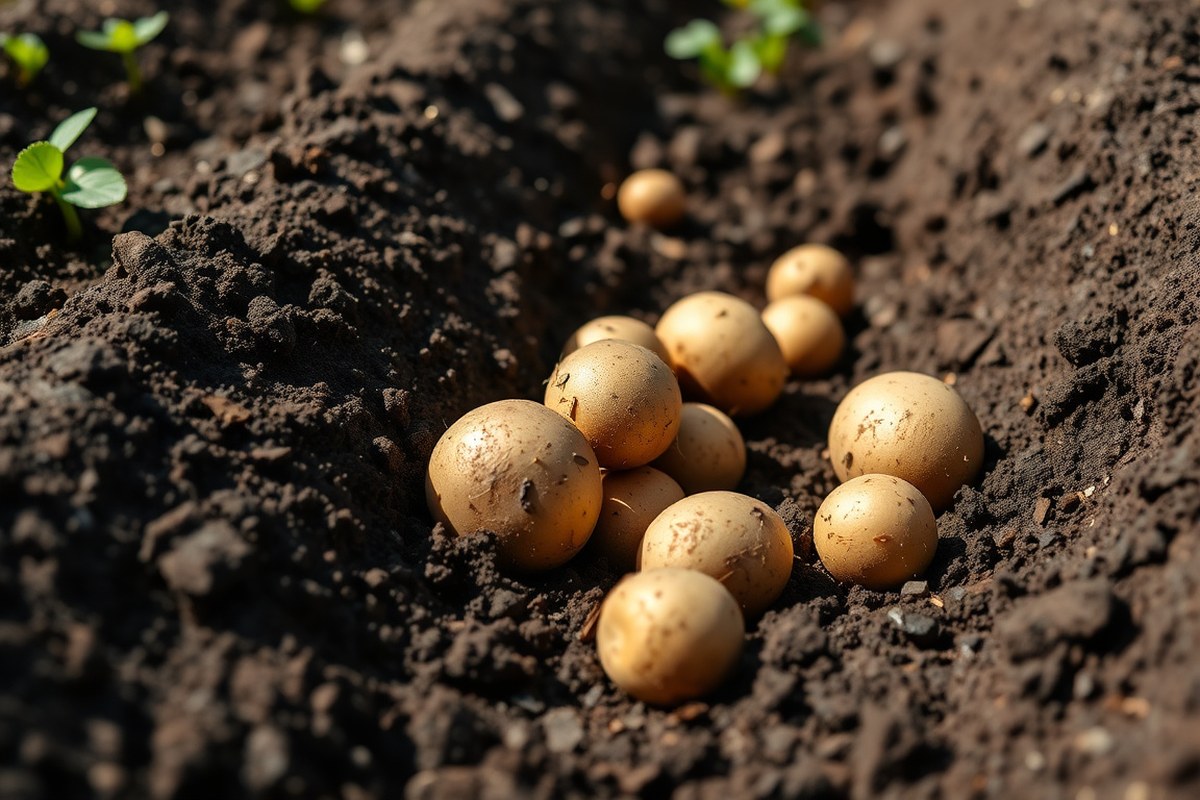
Plant potatoes about 2 to 4 weeks before your last spring frost date. This timing gives seedlings a chance to grow before warmer weather arrives. Make sure the soil temperature reaches at least 50°F before planting to encourage sprout growth.
Check your area’s average last frost date online or from local gardening resources. Then, wait until soil temperatures hit 50°F or higher to plant seed potatoes. Using a soil thermometer can help you measure the temperature accurately each morning.
When your soil’s too cold, try clear plastic row covers. They help raise soil temperature faster. This method lets you start planting slightly earlier without risking frost damage.
Plant fall potatoes by early September in warmer zones. You want to finish before frost. Frost can ruin your crop.
Start preparing your seed potatoes about two weeks before planting. Cut them into 1½-inch pieces with two or three eyes each. Let them cure in a dry area before planting to reduce rot and disease risk.
Northern gardeners usually plant in mid-March to early May, timing closer to the last frost. Southern gardeners can plant earlier and even as late as early September. Watch local frost dates closely, because planting too early risks frost killing young plants.
Waiting too long to plant can shorten the growing season and reduce your potato yield. Early planting helps tubers develop well before soil temperatures get too hot. Soil that stays cooler than 45°F can delay sprouting and growth.
Time your planting by combining frost dates and soil temperature checks. Say your last frost is April fifteenth.
Plant potatoes between March fifteenth and April first. Do this once soil reaches 50°F. This plan balances frost risk and soil warmth for optimal growth.
Understanding Potato Growing Seasons and Varieties
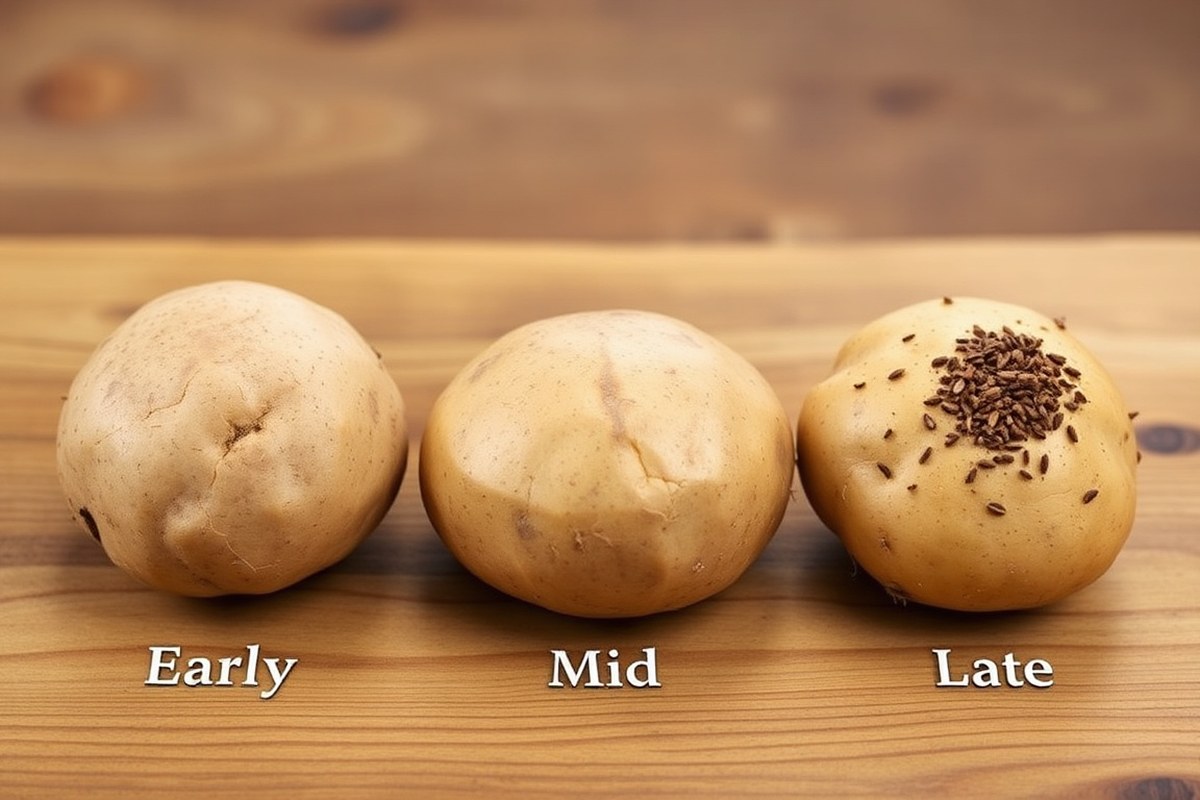
Potatoes are early, mid, or late season types. They differ by how long they take to mature. Early types mature in 60 to 80 days.
Mid-season ones take 80 to 100 days. Late types need more than 100 days.
These time frames help you know when to plant. They also tell you when to harvest.
Planting early potatoes means you get a quick harvest, often within two to three months. Mid-season potatoes take longer but usually yield bigger tubers. Late-season potatoes require a long growing period and can store well over winter if cured properly.
| Potato Variety | Days to Maturity | Storage Life |
|---|---|---|
| Early | 60, 80 days | Short-term (weeks) |
| Mid-season | 80, 100 days | Moderate (months) |
| Late-season | 100+ days | Long-term (up to 6 months) |
The timing you choose influences when you can harvest and how long potatoes keep. Early potatoes might be ready by late May or early June if planted in February. Late potatoes often wait until August or early September to be dug up.
You can plant several crops in zones 6 to 8. Start with early types, then mid, then late. This staggers your harvest over the season and extends fresh potato availability.
Start seed potatoes in a warm, bright spot about a week before planting. This helps sprouts grow quickly.
Cut seed potatoes into pieces with one eye. Plant them 1-2 days after cutting to lower disease risk.
Late potatoes should be buried deeply after harvest. Cure them at 50°F to 60°F with high humidity for 10 to 14 days. This healing process lets them store longer and use through the winter.
Harvest early potatoes 6 to 8 weeks after planting for fresh new potatoes. Pick them once the plants flower.
How to Prepare Seed Potatoes Before Planting
Start by choosing healthy seed potatoes without blemishes. Large potatoes can be cut into smaller pieces with 1-2 eyes each. Sprouting, or chitting, your seed potatoes before planting helps them grow faster once in the ground.
Selecting Quality Seed Potatoes
Pick seed potatoes that are firm and free from disease or spots. Choose sizes ranging from golf ball to small potato size. Avoid shriveled potatoes or any with green skin, as they contain toxins.
Certified seed potatoes from a nursery usually carry fewer diseases. They cost around $1 to $3 per pound, depending on the variety. You can also save potatoes from last year if they look healthy and sprouted well.
Cutting and Curing Seed Pieces
Cut large seed potatoes into pieces weighing 1 to 2 ounces each. Make sure each piece has one or two good eyes.
Use a clean, sharp paring knife to make smooth cuts. Do this at least 2 days before planting to let them heal.
The cut surfaces must dry and cure in a warm spot for 2-3 days. This 60°F to 70°F curing prevents rot when planted. Avoid cutting if your seed potatoes are small; plant them whole instead.
Chitting Seed Potatoes Before Planting
Chitting means letting seed potatoes sprout small shoots before planting. Put the seed potatoes in trays or egg cartons.
Keep them in a cool, bright place for 4 to 6 weeks. Keep them eye-side up to encourage strong sprouts.
Chitting speeds up growth by giving the sprouts a head start. Stop chitting when the sprouts reach about 0.5 to 1 inch long. Avoid letting the shoots grow too long to prevent damage when planting.
- Select firm, disease-free seed potatoes about golf ball size or larger.
- Cut large potatoes into 1 to 2-ounce pieces with at least one or two eyes.
- Let cut pieces cure for 2 to 3 days at 60°F to 70°F until cuts heal.
- Place seed potatoes in a cool, bright place to chit for 4 to 6 weeks.
- Stop chitting when sprouts grow 0.5 to 1 inch long.
- Plant chitted seed potatoes once soil temperatures stay above 45°F.
Ideal Soil and Weather Conditions for Planting
Potatoes grow best in loose, well-drained soil with a temperature between 45 and 55°F. Cooler soil slows sprout growth and raises rot risk. Plant when soil warms enough to support sprouts but is still moist. Use a soil thermometer to check temperatures around 3 to 4 inches deep before planting.
Keep soil evenly moist but not soggy to avoid knobby or misshapen tubers. Potatoes demand about 2 inches of water weekly after sprouting.
Uneven watering leads to poor tuber shapes like dumbbell or pointed ends. Adjust irrigation based on soil type and local rainfall to maintain steady moisture.
Mild air temperatures between 60 and 70°F favor healthy potato growth. Avoid planting in hot weather, especially above 80°F, as heat can stress young plants. Plant potatoes in warm climates during cool seasons or shaded areas.
For example, plant them after corn harvest to keep soil cooler. This helps avoid high temperatures that can harm potatoes.
Potatoes dislike frost, so wait to plant until risk passes. Soil pH should stay slightly acidic, ideally 5.0 to 6.0, for best nutrient uptake.
Acidic soil helps prevent diseases and improves tuber quality. Test your soil pH before planting and add sulfur if needed to adjust acidity.
Start planting when soil is moist but drains well to avoid rotting seed potatoes. Heavy clay or poorly drained soils slow growth and raise disease risk. Improve soil by mixing in organic matter.
Another way is to plant potatoes on raised beds. Good drainage means tubers develop evenly and resist rot.
In cooler regions, chit seed potatoes indoors before planting to encourage sprouts. This helps deal with colder, wetter soils that delay emergence. Keep seed potatoes in a bright, cool spot indoors for 2 to 4 weeks.
Then move them to the garden to grow. This helps prepare them for planting. This prep step speeds up initial growth once planted.
Planting Techniques and Spacing for Different Methods
How deep and far apart you plant potatoes depends on your method. In-ground planting usually means a 3- to 5-inch depth. Space seed pieces about 10 inches apart in the row.
This spacing lets plants grow well and produce good yields. Avoid putting them too close to keep potatoes healthy.
Containers need special care with hilling. As your potato plants grow, add soil on top to cover new stems. This mimics the hilling you do with ground potatoes and prevents green tubers.
Straw potatoes are another technique. These aren’t hilled or cultivated after planting. Straw covers the seeds instead of dirt.
It helps keep soil loose around tubers. Loose soil leads to smooth, good-shaped potatoes.
| Planting Method | Planting Depth | Spacing Between Plants | Row or Container Spacing | Notes |
|---|---|---|---|---|
| In Ground (Furrow) | 3, 5 inches | 10, 12 inches | 30 inches between rows | Standard for bigger potatoes |
| In Garden/ Raised Bed | 4, 6 inches | 10 inches | 36 inches between rows | Allows space for hilling |
| Containers | Plant seed shallow, add soil as plants grow | Depends on container size | Depends on container size | Continuous hilling needed |
| Straw Method | Seed laid on soil, covered with straw | About 20 inches | Varies | No hilling or cultivation after planting |
| For Baby Potatoes | As above, but shallower | Closer than 10 inches | Depends | Reduces space for compact growth |
Plants should be pushed in with the cut seed piece facing down. Cover lightly in warm soil.
Clay soil requires waiting to plant until sprouts appear. This lowers the chance of seed rot in heavy soil.
Spacing can tighten for baby potatoes or limited space. For bigger tubers, wider spacing helps. The straw method uses wider spacing, often around 20 inches, because plants aren’t hill-cultivated afterward.
Planting too deep in heavy soil increases rot risk. Keep depth shallower if using clay soil.
Your planting time shifts if you’re using containers. The soil warms up faster there, so you can start a bit earlier. But containers dry out quickly, so check moisture daily.
For straw potatoes, plant about the same time as in-ground. But the growing conditions differ due to the straw mulch.
Signs Your Potatoes Are Developing Well After Planting
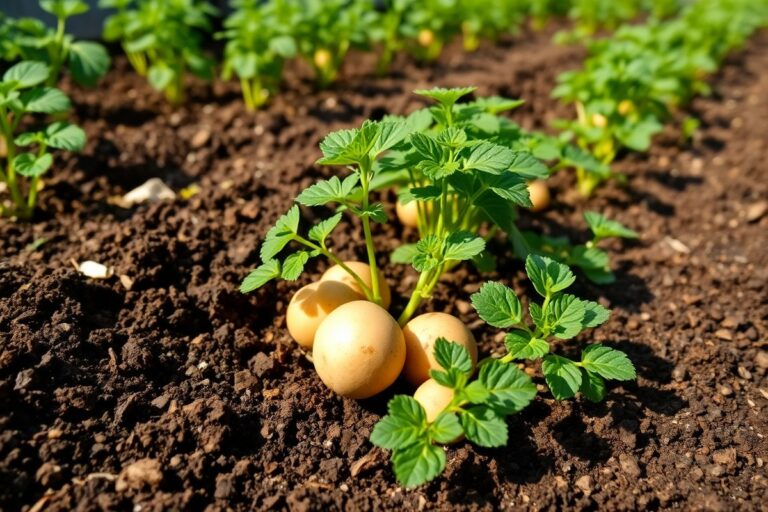
Potato growth happens mostly underground, so watch for leaf and stem signs above ground. Healthy sprouting, timely flowering, and leaf color show if your potatoes are on track. Flowering signals tubers start growing, and harvest depends on how those flowers fade.
Early Sprouting and Emergence
Sprouts usually appear in 2 to 4 weeks after planting, depending on soil temperature. The soil should be near 50°F for quick sprouting. Healthy sprouts are thick, pale green, and stand upright.
Keep an eye on how fast shoots reach 6 to 8 inches tall. Slow or patchy sprouting may mean poor seed potatoes or cold soil. In that case, adding organic mulch or waiting for warmer weather can help.
Flowering and Tuber Development
Potato plants usually flower 6 to 10 weeks after sprouting. Flowering means tubers are growing underground but not fully formed yet. Wait 2 to 3 weeks after flowers fade before trying new baby potatoes.
Flowering time varies by variety and weather. Your plants might not flower, but tubers will still grow slowly. Hilling soil up against stems during this stage helps keep tubers covered and healthy.
Recognizing Stress or Disease Early
Yellowing, wilting, or uneven growth shows plants may be stressed or sick. Early blight causes dark spots on leaves.
Colorado potato beetles leave holes and skeletonize foliage. Look under leaves regularly for pests.
Potatoes in alkaline or manure-rich soils risk scab disease, showing as rough, corky tubers. Removing infected plants or rotating crops helps limit spread. Plants that die back early could be diseased; harvest tubers quickly.
How Long Does It Take for Potatoes to Grow?
Potatoes take about 70 to 90 days to grow enough for baby potatoes. These small tubers show up once the plants start flowering. For full-size storage potatoes, expect 100 to 130 days from planting to harvest.
Growing season and variety change your timeline. Early varieties mature fast, around 70 to 90 days. So you get potatoes sooner but smaller ones.
Storage types need longer, 100 days or more, for bigger tubers good for storing. Cooler regions usually extend growth slightly because potatoes grow slower in cooler soil.
Harvest baby potatoes by gently digging near flowering plants, usually 70 days after planting. Enjoy them fresh and tender.
Wait longer, until the vines turn yellow and die back, to harvest mature potatoes. This timing helps them develop tough skins for storage and better taste.
Let’s say you plant seed potatoes on March 1. If you want baby potatoes, check around May 10 to 15. For the full crop, aim for late June to early July.
Watch the vines: yellow or dry vines mean it’s time to dig. Digging too early can give you small, thin-skinned potatoes that spoil quickly.
Harvest before frost hits. Potatoes resist light spring frosts but don’t survive hard freezes well. In cooler northern states, mature potatoes usually come up from soil just before fall frosts.
In warmer areas, planting later keeps harvest from hitting frost. You want that protection so the tubers won’t spoil in the ground.
Common Mistakes and How to Adjust Planting Timing
Planting potatoes at the right time matters a lot. Planting too early or too late can hurt growth and yield. You can fix timing mistakes by adjusting for your local climate and managing late starts carefully.
Risks of Planting Too Early
Planting before the last frost can lead to sprouted potatoes getting damaged. Seed potatoes will re-sprout if they face a late frost once or twice. But repeated frost damages the sprouts and lowers your potato yield significantly.
Cold, wet soil also makes seed pieces rot or slow their growth. Plants started in cold soil below 45°F often fail to thrive. You might waste your seed potatoes and time with early planting in chilly conditions.
Consequences of Late Planting
Late planting shortens the time for potatoes to grow before hot weather arrives. Shorter growing seasons often mean smaller tubers and lower total harvest. You might also miss the best soil moisture conditions, leading to drought stress.
Late sprouts sometimes produce more foliage but fewer potatoes. That’s because less time goes into forming tubers. Also, you’ll need to protect your plants longer from pests and diseases in a warmer season.
However, you can still grow potatoes after the usual planting window if you choose fast-maturing varieties. They need about 70 to 90 days from planting to harvest. This is shorter than the full 120 days usually needed.
Best Practices to Adjust Timing
Shift your planting days based on your climate zone. In places that get frost, plant potatoes a few weeks early. Aim for a few weeks before the last frost date.
This helps you start growing early. Your frost date might be April 15.
Plant seed potatoes between March 25 and April 1. This helps them grow before frost arrives.
Warmer zones let you plant potatoes from September to February. For example, in central Florida, start in January and in Georgia by February. In zones 9 to 11, plant in late winter for mild weather and better tuber growth.
Try these tips to fix timing problems and improve results:
- Choose certified seed potatoes for better disease resistance.
- Start seed potatoes indoors in a light, warm place if planting late.
- Use fast-growing varieties for late season planting.
- Plant in grow bags or containers to control soil temperature.
- Water in late afternoon to avoid leaf diseases.
- Mulch soil to keep soil warm and moist during early growth.
- Adjust planting depth to 3-5 inches for warmer soils, deeper for cooler soils.
Do not plant seed potatoes in frozen or waterlogged soil. Wait until soil reaches 45°F or higher.
Step-by-Step Action Plan for Planting Potatoes
Follow this plan to plant potatoes at the right time and grow them well. Watch for the signs that mean your steps are working.
- Two weeks before last frost: Cut your seed potatoes into pieces. Each piece should have two or three eyes. Let them dry to prevent rot.
- One week before planting: Test your soil’s pH and loosen it well. Potatoes grow best in loose, slightly acidic soil (pH 5.0 to 6.0).
- Planting day: Plant the seed pieces 3 to 4 inches deep. Space them about 12 inches apart. Cover them with soil and water lightly.
- Two weeks after planting: Watch for shoots rising above the soil. You know the seeds are sprouting when you see green growth.
- Four weeks after planting: Start piling soil around the plants. This covers tubers and protects them from sunlight.
- Eight weeks after planting: Look for flowers on your plants. Flowers show tubers are forming underground.
- Ten to twelve weeks after planting: Test a few tubers by digging carefully. The potatoes are ready to dig up when they reach the size you want.
Frequently Asked Questions
What Month Can You Plant Potatoes in Cooler Climates?
Plant potatoes about 2 to 4 weeks before your last spring frost. Early spring is the usual planting time for most zones 2-8.
This timing gives plants enough time to mature. They are ready before summer heat arrives.
Can You Plant Potatoes Multiple Times a Year?
You can plant a second crop right after you harvest the first. This helps you have fresh potatoes longer. Gardeners in long seasons find this especially useful.
How Deep Should You Plant Seed Potatoes?
Plant seed potatoes 4 to 6 inches deep in loose soil. Planting about 3 to 4 inches deep is best.
This stops tubers from sun exposure, which causes greening. Greening can spoil your potato harvest.
What Growing Mistakes Shorten Potato Storage Life?
Planting potatoes too shallow and exposing tubers to sunlight causes greening. Also, skipping hilling lets tubers sit near the surface where they dry out faster. Both hurt storage quality.
How Long Does It Typically Take for Potatoes to Be Ready to Harvest?
Potatoes generally take 90 to 120 days from planting to harvest. The right harvest time varies with potato variety and local weather.
Check the seed type for specific timing. Don’t rely on just calendar dates.
Can Potatoes Be Grown Year-Round in Mild Climates?
In mild regions with little frost, you can grow potatoes almost all year. Planting potatoes in fall works well in some warm or mild places.
Southern California and northwest coast areas avoid extreme summer heat this way. This can improve your crop success.
Final Thoughts
Timing your potato planting right makes a big difference in your harvest. Check your local frost dates and prepare your seed potatoes early. Start your planting now to give your potatoes the best chance to grow strong and healthy.