How to Make a Tomato Trellis: A Complete Guide with Methods and Tips
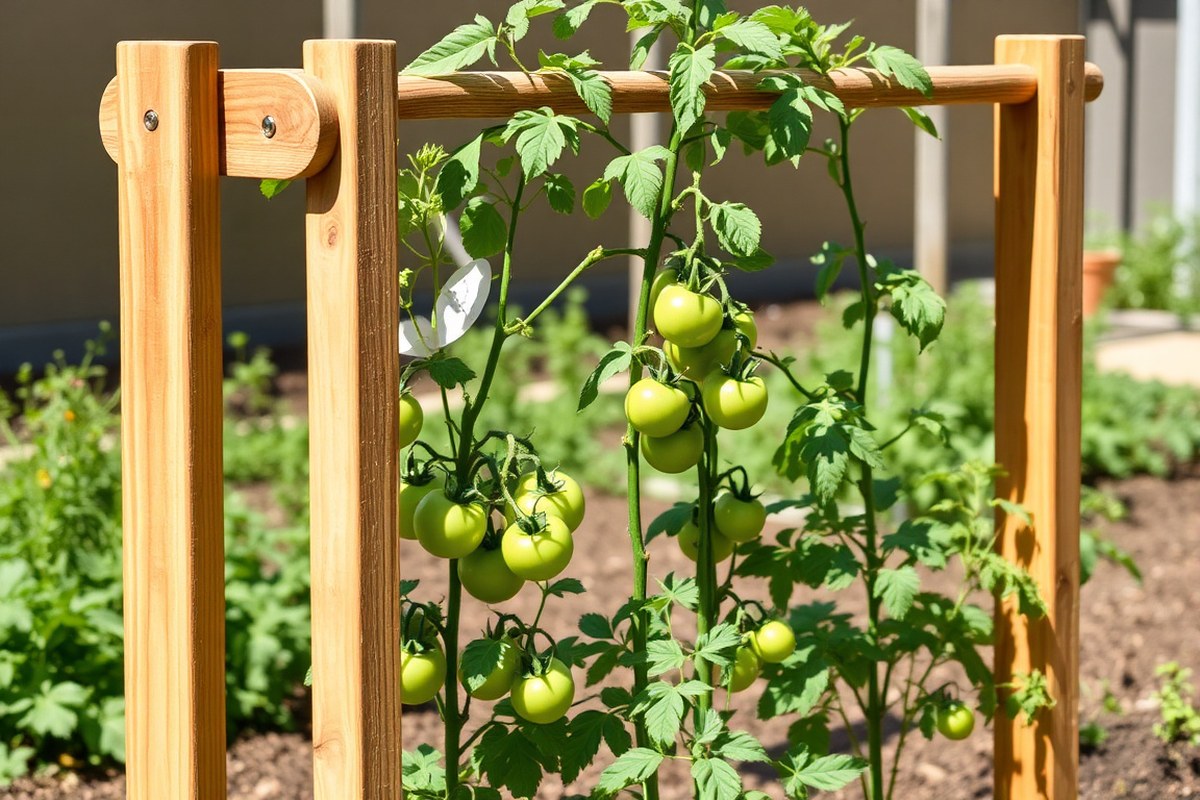
Making a tomato trellis starts with building a strong frame. Use wooden or metal stakes for solid support.
Tie jute twine tightly around the stakes to hold your plants upright. This setup gives your tomatoes room to grow vertically, saving space and improving fruit quality.
Choose tall stakes that push at least 18 inches into the ground. Attach twine vertically and horizontally, letting tomato vines climb easily. Keeping plants off the ground helps reduce root rot and lowers pest problems.
Space tomato plants about 18 to 24 inches apart along the trellis. Secure plants regularly with ties to support growth.
A well-made trellis lasts for many seasons when cared for properly. Use treated wood for durability and store it dry after harvest.
Key Takeaways
- Use 8-foot stakes to secure the trellis deeply into the soil for stability.
- Space tomato plants 18 to 24 inches apart for efficient growth and airflow.
- Attach jute twine vertically and horizontally to guide tomato vines upward.
- Choose treated wood or metal to ensure the trellis lasts multiple seasons.
- Tie tomato plants to the trellis every week to prevent sagging or damage.
- Build a frame that can support four to six plants to maximize cost efficiency.
What Is a Tomato Trellis and Why Use One?

A tomato trellis is a frame set along a row of tomato plants. Vertical strings hang from it to support each plant’s growth. This setup typically holds 4 to 8 plants using just four stakes.
Trellising tomatoes uses fewer stakes compared to staking each plant individually. It’s more stable than traditional cages, which often are too short for tall tomato varieties. For example, a 10-foot trellis can support five plants, dividing the cost to about $4.25 per plant, making it an affordable option.
Tomatoes that grow tall and keep producing, called indeterminate varieties, benefit most from trellising. These plants need sturdy support about 5 to 6 feet high to prevent sagging. Determinate types grow to a fixed height.
They ripen all at once. These tomatoes don’t always need a tall trellis.
Choosing the Right Materials for Tomato Trellises

You can make a tomato trellis with materials like wood, metal, PVC, bamboo, or string. Each type has pros and cons depending on cost, durability, and weight support. Choosing the right one depends on your budget, tools, and style preferences.
Wood and metal are strong and durable, with wood allowing easy DIY custom builds. Bamboo and string provide lighter support and are quick to set up.
But they may not last as long. PVC is lightweight and affordable, fitting small spaces well but holding less weight.
| Material | Cost Estimate | Durability | Ease of Build | Weight Capacity |
|---|---|---|---|---|
| Wood | $35, $50 | 5, 10 years (with preservative) | Moderate (needs basic tools) | High (supports big plants) |
| Metal | Varies, often higher than wood | Long-lasting | Moderate to difficult (heavy, needs tools) | Very high |
| PVC | Low ($10, $30) | Moderate (can degrade in sun) | Easy (cut and assemble with glue) | Medium (good for small plants) |
| Bamboo | Low | Moderate (may rot outside) | Easy (no special tools) | Medium (supports small to medium plants) |
| String (DIY with twine) | Very low | Low (needs yearly replacement) | Easy (tie and staple) | Low (best for small plants) |
Using recycled materials like old pallets can save you money. Cattle panels also work well and cost less. These materials are great for budget-friendly garden projects.
These usually offer strong support and can be adapted for tomato plants. Bamboo or wood stakes can make a quick trellis without tools. Metal stakes need a hammer or sledgehammer to install but last longer.
Always plant tomatoes close to your trellis supports so they grow tightly along them.
Wood trellises treated with preservative last years and can hold heavy tomato plants. PVC trellises work great in small spaces and cost less but may not last as long.
Bamboo and string options are affordable and easy but need replacement each season. Match the material to your garden size and how long you want it to last.
Basic Steps to Build a Wooden Tomato Trellis
Building a wooden tomato trellis is straightforward and worth the effort. You’ll need lumber, some simple tools, and a few hours. Aim for a trellis around 6 feet tall to support your tomato plants well.
Preparing Materials and Tools
Start with sturdy wood like cedar or treated pine for lasting support. Use 2×4-inch lumber for the frame and 1×2-inch strips if you want extra bracing. The wood should be about 6 to 8 feet long to reach the right height.
Gather these tools: drill with screws and a saw to cut wood. Also get a hammer, screwdriver, tape measure, and a level. Also, get strong garden twine or soft plant ties to secure your tomato vines later.
Building the Frame Step by Step
Begin by cutting your wood to size: two vertical posts about 7 feet long. Two horizontal crosspieces about 3 feet wide. The tall posts bury 18 inches underground.
About 6 feet remains above ground. This height helps keep tomatoes off the soil and improves air flow.
Follow these steps to build your trellis frame:
- Cut the vertical and horizontal pieces to length using a saw.
- Lay the two vertical posts on the ground parallel and space them about 3 feet apart.
- Attach one horizontal crosspiece near the top of the vertical posts with wood screws.
- Add the second horizontal crosspiece about 3 feet below the first for added support.
- Stand the frame upright and use a level to make sure it is plumb.
- Attach diagonal braces from each post’s bottom to the crosspieces. This adds extra support.
Securing the Trellis in the Ground
Drive each vertical post into the soil at least 18 inches deep. Use a mallet or hammer to firmly set them in place. This prevents the trellis from tipping over in wind or under the weight of the plants.
In windy spots, add guy lines or stakes for more support. Tie them to the trellis top. Keep the trellis stable before you start tying plants to it.
After setting the trellis, tie horizontal twine from post to post. Space the twine 8 to 12 inches apart.
These will hold your tomato stems as they grow. Tie plants loosely to avoid damage but firmly enough to support them.
Different Tomato Trellis Designs and Their Uses
The A-frame trellis looks like a narrow tent or swing set. It uses two wooden frames joined at the top and spread out at the bottom. This shape holds tomatoes firmly and works well if you want a sturdy, walk-through setup.
It’s great for a few plants in small spaces and keeps fruit off the ground. But it takes more wood and space than simple designs. Building one can be tricky without basic carpentry skills.
Vertical string trellises use stakes or poles with strings tied vertically. These strings are spaced about 18 to 24 inches apart. They run from top to bottom.
Tomatoes grow by climbing these strings, creating a thin vertical wall that saves garden space. This design is affordable and easy to build using materials like garden twine or nylon string. It’s especially good for smaller gardens or raised beds.
The main downside is plants need regular tying as they grow. Without tying, your plants could flop over.
The T-trellis uses a tall vertical post with crossbars to support tomato vines. Plants grow up the post and spread sideways along the crossbars. This design suits indeterminate tomato varieties that need more room and support.
You can build T-trellises with 4×4 lumber, making them strong and tall. The downside is they use more space horizontally.
So they are better for bigger yards. Wind may also shake the plants more since they are less enclosed.
Choose your design based on garden size and tomato type. For tight spaces or container gardens, vertical string trellises fit best because of their slim footprint. You have a few plants and want a strong display.
An A-frame is a good choice. For larger gardens with many tall varieties, T-trellises give good support and airflow. Think about how much time you want to spend each week.
Tying and maintaining plants takes time. Choose a design based on that.
Costs vary but expect under $30 for simple string trellises using stakes and twine. A-frame trellises cost more because of extra wood, usually around $50 to $70 depending on size. T-trellises may cost more still due to large lumber pieces and hardware.
Building your own trellis saves money compared to buying pre-made ones. Pre-made wood or metal frames cost more.
Spacing tomato plants 18 to 24 inches apart helps them grow well. It also makes trellising easier, no matter the design.
Training and Tying Tomato Plants on Your Trellis
Tying tomato vines loosely every 6 to 8 inches helps support growing plants safely. Pruning directs energy to fruits and keeps plants manageable. Regularly training vines on the trellis improves air flow and fruit quality.
Selecting the Right Ties and Clips
Use soft ties like fabric strips, garden twine, or compostable garden tape. These hold vines gently, allowing the plants to move and grow. Avoid using uncoated wire.
Nylon zip ties or fishing line can cut stems. These materials may damage the plant’s growth.
Secure vines loosely to avoid squeezing stems. Do this every 6 to 8 inches along the main stem. Tomato clips can speed up the process and reduce damage from tying too tightly.
Pruning Best Practices for Indeterminate Tomatoes
Pinch off side shoots, or suckers, that grow between the main stem and branches. This helps the plant focus on growing taller and producing fruit. Do this when suckers are 2 to 4 inches long for easier removal without damage.
Remove any yellowing or diseased leaves promptly to keep airflow good. Pruning also makes fruit easier to reach and helps prevent disease. Avoid heavy pruning early on to let the plant establish well.
Regular Vine Training and Maintenance
Begin by tying the plant loosely to the trellis base. Do this when it reaches the bottom bar. Give it enough slack to grow.
As vines grow, tie them every 6 to 8 inches up the trellis. Continue guiding the main stem upward and remove trailing shoots that grow outside the trellis.
Check ties weekly to adjust for growth and loosen any that are too tight. Keep pruning suckers and damaged leaves throughout the season. This routine prevents the plant from sprawling and supports better fruit production.
- Use soft garden twine or fabric strips to tie loose loops.
- Attach vines to the trellis approximately every 6-8 inches.
- Pinch off suckers when they reach 2-4 inches long.
- Remove any yellow or diseased leaves promptly.
- Guide the main stem upward as the plant grows taller.
- Adjust ties weekly to prevent constriction.
- Cut back any shoots growing beyond the trellis edges.
Never tie tomato vines tightly; they need room to grow and expand.
Installing Tomato Trellises in Raised Beds and Containers
Yes, you can use a tomato trellis in a container or raised bed. The key is making sure the trellis is stable and well-anchored in limited soil.
Push the trellis about 8 inches deep to reach the bottom. This keeps it steady against wind or heavy tomatoes.
For raised beds, anchor the trellis sides to the bed edges. Use metal fence posts or sturdy wooden stakes driven into the ground for extra support.
This method works well if your raised bed sits on the ground or patio. It stops the trellis from tipping over as plants grow heavier.
Container-grown tomatoes need slightly smaller trellises to save space. Choose trellis styles like cages, small arches, or wall-mounted grids.
These use less soil space and fit garden corners or balcony ledges. You can line containers along a fence, securing the trellis to the fence for extra hold.
Space-saving trellises let you grow multiple tomato plants close together. Mark holes about 18 inches apart in your soil.
Then place each trellis or cage firmly at each spot. Using cloth strips or tomato clips helps guide your tomato vines up the trellis without damage.
When building your trellis for containers or beds, think about size and height. A trellis that’s 4 to 6 feet tall fits most tomato varieties. Taller trellises need better anchoring.
Larger raised beds can hold wider and taller trellises. Always test stability by gently shaking the trellis after installation.
A good trellis keeps your tomatoes upright and steady. It helps them get lots of sun. Your tomatoes won’t fall over when the fruit ripens.
Poor anchoring or too large trellises in small soil can flop or pull out. Adjust your trellis size, push the supports deep, and tie vines loosely to prevent this.
Common Mistakes When Making or Using Tomato Trellises
Spacing tomato plants too close on a trellis can cause poor air flow. That leads to diseases like blight and slows growth. Keep at least 18 to 24 inches between plants to give leaves room to dry.
Using weak materials often makes trellises collapse under heavy tomato vines. Choose sturdy wood or metal that supports 10 to 15 pounds per plant. Avoid thin, flimsy sticks that bend or break easily in wind or rain.
Failing to tie tomato stems properly risks plant damage and unstable support. Use soft garden tape or cloth strips. Wrap ties loosely around the stem and trellis.
Make sure they don’t cut into the plant as it grows. This keeps the plant healthy.
Setting up a trellis after the plant grows too much can break branches or harm roots. Install trellises right after planting starts in the ground. This prevents damage and encourages stronger, more secure growth upward.
Overcrowding vines on one trellis can lead to heavy weight and eventual collapse. Give each tomato plant its own stake or section of trellis. Add an extra stake at row ends to keep everything tight and stable.
Failing to prune tomato plants while using a trellis lets them grow wild and heavy. Cut off suckers and lower leaves regularly to focus energy on fruit and reduce weight. This keeps your trellis from bending or falling over under all the foliage.
Check if the stakes are deep enough when your trellis leans or falls. This often solves the problem.
Stakes should go at least 12 inches into the soil for good hold. Strengthen weak spots with extra bracing or replace broken parts to protect vines and fruit.
Choosing the wrong tying materials can damage vines or struggle to hold them. Use soft tape or twine designed for plants, not wire or string that cuts into stems. This type of tie supports the tomato’s growth without hurting the plant over weeks.
Maintaining Tomato Trellises During the Growing Season
Check your tomato trellis about once a week during the growing season. Regular inspections help you spot loose ties or bending supports early. Adjusting the trellis as plants grow keeps their weight well supported and makes harvesting easier.
Regular Knot and Tie Inspections
Look over each knot holding your tomato plants to the twine every week. You want the ties snug but not too tight to avoid damaging stems. Replace any broken or loose twine right away to prevent plants from falling.
Using a double string of hemp twine per plant offers stronger support for heavy branches. Twist or loop the twine gently around main stems, adding extra ties as plants grow taller. Keep an eye out for spots where the plant rubs against the twine to avoid wounds.
Reinforcing Trellis Stability
Wind and plant weight put constant pressure on your trellis. Check posts or frames weekly for wobbling. Use extra screws or nails to tighten loose joints.
Keep your structure solid and safe by doing this regularly. Add a stake or brace to steady a leaning or sagging trellis.
This support stops it from falling or bending more. Make sure the brace is strong and well fixed.
Pruning overloaded branches also helps reduce stress on the structure. Trim excess growth especially near the top frame to keep plants balanced. A well-maintained trellis means your tomatoes stay safe from damage during storms or heavy fruit loads.
Season-End Cleaning and Storage Tips
At the end of the season, give your trellis a thorough cleaning. Remove dead vines and leaves that can harbor pests or disease. Cut back all branches growing along the top frame to prepare for winter storage.
Once cleaned, store wooden or metal trellises in a dry spot to prevent rot or rust. Untie and coil twine neatly for reuse next season. Taking these steps saves money and effort while keeping your trellis ready for fresh tomato plants.
Keep ties snug but never squeeze the plant stems too tight or they can get damaged.
Step-by-Step Action Plan for Building Your Tomato Trellis
Follow these steps to build and use your tomato trellis efficiently. Each step helps you check if you’re on track.
- Before you start: Gather your wood, screws, and tools. Check all materials are strong and undamaged.
- Day 1: Build the frame by cutting wood to size and screwing pieces together. The frame should stand upright and stable.
- Day 2: Attach cross slats or strings for support. Test by gently pulling to make sure they hold firm.
- Day 3: Install the trellis in your garden bed or container. Push it deep enough so it won’t wobble.
- Week 1: Plant your tomato seedlings near the trellis. Place them close enough so stems can lean on it.
- After planting: Begin tying young tomato plants to the trellis using soft ties. Check ties are snug but not tight.
- Every 1-2 weeks: Train new growth along the trellis by adding ties or gently shifting vines. Make sure all branches have support.
- Monthly: Inspect and tighten any loose ties or parts. Replace damaged wood or strings immediately.
Frequently Asked Questions
What Is the Cheapest Way to Make a Trellis?
The cheapest way is using stakes and twine from a hardware store. You only need a few materials and it’s quick to set up. It works well for small spaces with just a handful of tomato plants.
How High Should a Trellis Be for Tomatoes?
A tomato trellis should be about 6 to 7 feet tall. This height supports most indeterminate tomato varieties. Shorter trellises may limit plant growth and fruit production.
What Shape Trellis Is Best for Tomatoes?
An A-frame trellis is best for tomatoes. It holds plants upright on both sides, saving space. Plus, it makes picking tomatoes easier and improves airflow around plants.
Is It Cheaper to Build or Buy a Trellis?
Building a trellis is usually cheaper than buying one pre-made. You can choose low-cost materials like wood or PVC pipe. Buying saves time but costs more, especially for large frames.
How Do You Make a Tomato Trellis?
You build a frame with wood or PVC, then hang vertical strings for each plant. Secure strings tightly for good support. This setup helps tomatoes grow up, not out.
Can I Reuse My Tomato Trellis Every Season?
Yes, you can reuse your tomato trellis if it’s sturdy and in good condition. Clean it after harvest to prevent disease. Proper maintenance can make it last several growing seasons.
Before You Go
Building a tomato trellis is straightforward and improves your plant’s growth and fruit quality. Start by assembling your materials and build the frame this weekend. Soon you’ll see healthier plants climbing strong and making the most of your garden space.