Do Grass Clippings Help Grass Grow? A Complete Expert Guide That Works
Do grass clippings help grass grow? Yes, they definitely do.
Leaving clippings on your lawn recycles nutrients right back into the soil. This natural recycling supports your grass without the need for extra fertilizer or chemicals.
Grass clippings break down quickly because they contain mostly water, making decomposition faster. As they break down, they release nitrogen, phosphorus, and potassium. These three nutrients are essential for healthy, green grass growth and overall lawn health.
To get the best benefits, mow your lawn when the grass is dry, not wet. Keep clippings short because shorter pieces decompose faster and feed the soil better. Avoid leaving thick layers of clippings, which can smother and harm your grass instead of helping it.
Key Takeaways
- Grass clippings supply important nutrients like nitrogen, phosphorus, and potassium.
- Leaving short clippings reduces fertilizer needs by up to 40 percent annually.
- Clippings decompose faster if they’re about one inch or shorter.
- Mulching clippings helps soil retain moisture and cut watering needs by 25 percent.
- Don’t let clippings form thick mats that block sunlight and air.
- Mow every 3-5 days during rapid growth to keep clippings manageable.
Do Grass Clippings Actually Help Grass Grow?

Yes, leaving grass clippings on your lawn helps grass grow better. Grass clippings break down and release nutrients back into the soil, especially nitrogen. This nutrient boost feeds your grass naturally without extra fertilizer costs.
When you mow, let the clippings fall right back onto the lawn. Short clippings dry and decompose quickly, usually within a few days. They act like a thin mulch layer.
This keeps soil moist and cool. It helps roots stay healthy.
Grass clippings provide key nutrients that support green growth and strong roots. They supply nitrogen, phosphorus, and potassium in amounts similar to a small fertilizer dose. The challenge is avoiding thick piles that could block sunlight or smother grass underneath.
By grasscycling, returning clippings to the lawn instead of bagging, you stimulate soil life too. Microorganisms break down clippings, improving soil structure and nutrient delivery. This natural process reduces lawn waste and helps you save time and money on fertilizers.
How Grass Clippings Provide Nutrients and Improve Soil
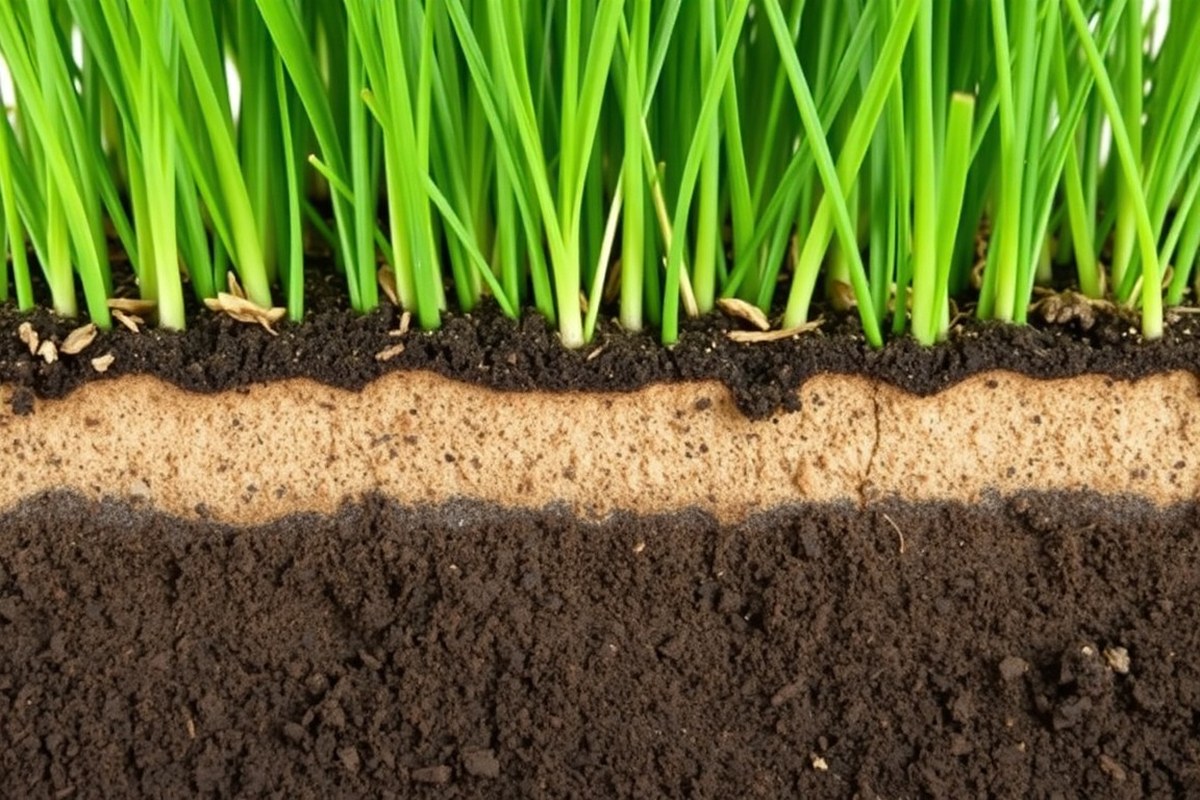
Grass clippings contain key nutrients your lawn needs: nitrogen, phosphorus, and potassium. By weight, clippings have about 3 to 4% nitrogen, 0.5 to 1% phosphorus, and 2.5 to 3.5% potassium. These nutrients support strong root growth, green leaves, and overall lawn health.
When you leave clippings on the lawn, they start breaking down right where they fall. The decomposition process releases nitrogen, phosphorus, and potassium back into the soil. Soil microbes feed on the organic matter in clippings, turning it into nutrients plants can absorb.
Besides nutrient recycling, clippings help soil retain moisture because they act like a natural mulch layer. This mulch cools the soil surface and slows down water evaporation. Clippings add organic matter to the soil.
This improves soil texture. It also helps soil hold air and water.
Wet clippings break down faster, increasing nutrient availability sooner. Smaller clippings, about an inch or less, decompose best in the turf and soil. Thicker clumps slow the process and can block water and air if left too thick.
Don’t leave thick layers of clippings; they can smother grass and slow decomposition.
The added organic matter from decomposed clippings improves soil structure over time. This creates a healthier environment for grass roots and soil organisms. By recycling nutrients and boosting moisture, your lawn gets natural fertilizing without extra cost.
How Long for Grass Clippings to Decompose and Fertilize
Grass clippings break down quickly when left on your lawn. Grass is mostly water, about 80 to 85 percent. Because of this, clippings can decompose within a few weeks.
They break down faster due to their high moisture content. Small clippings decay faster and release nutrients sooner, feeding your grass naturally without extra fertilizer.
Cutting your grass regularly keeps clipping size small enough to speed decomposition. Aim to remove just about one inch or less during each mow. Clippings stay light and spread flat when cut short.
This helps them break down in two to four weeks. Normal weather speeds up this decomposition process.
Several things affect how fast your grass clippings decompose. Warm temperatures and moist soil make them break down faster. Sharp mower blades help by making cleaner cuts and creating smaller clippings that vanish quickly.
Don’t let clippings pile up thick or bagged. They take longer to break down when packed or sealed. Air and moisture can’t reach them as well.
To keep your lawn nourished, mow often enough so you only trim the top inch. That usually means mowing every five to seven days during the growing season. Mowing often keeps clippings small and easy to break down.
This recycles nutrients back into your lawn quickly. It helps grass grow without extra fertilizer.
Best Mowing Practices to Maximize Grass Clipping Benefits
To get the most from grass clippings, mow often. Cut just a third of the leaf height each time. Use a mower that mulches well for best results.
This approach keeps clippings small enough to break down fast and feed your lawn naturally. Avoid mowing too low or too infrequently, which can leave clumps and stress your grass.
Optimal Mowing Height and Frequency
Keep your grass height at about 2.5 to 3 inches for most lawns. This height supports strong roots and holds moisture better. Mow more often to avoid cutting too much at once.
Usually, this means every 5 to 7 days during peak growth. It helps keep the grass healthy.
Stick to cutting only about one-third of the grass blade. This rule helps clippings mix into the lawn smoothly. It prevents smothering the grass below.
Choosing the Right Mower for Mulching
Pick a mulching mower with a sharp blade for best results. These mowers chop clippings into fine pieces that decompose quickly. Rotary mowers can leave clumps of grass clippings behind.
These clumps take longer to break down. They might also damage your lawn.
Mulching mowers cost about $150 to $400 more than regular models but save money on fertilizer. They spread clippings evenly back onto the grass, acting like a natural fertilizer. Keep the blade sharpened each season to maintain fine clipping size.
Avoiding Common Mowing Mistakes
Don’t mow when the grass is wet. Wet clippings tend to clump and can cause disease. Mowing dry grass also prevents clogs in your mower and helps you get an even cut.
Always adjust your mower height when the grass grows slower or faster. Cutting too low during heat or drought stresses the lawn. Too infrequent mowing leaves large clumps that block sunlight and air from reaching the grass.
Use these steps to mulch your lawn effectively:
- Check the current grass height and set your mower at two to three inches.
- Sharpen your mower blade before cutting for a clean, fine mulch.
- Always mow when the grass is dry to stop clumps forming. Dry grass cuts cleaner and spreads clippings better. Wet grass tends to stick together.
- Cut only one-third of the grass blade at each mowing.
- Remove or redistribute any large clumps left behind.
- Mow every 5 to 7 days during fast growth periods.
- Adjust mower height according to the season and grass health.
- Store the mower properly and check the blade sharpness before next use.
Can You Grow New Grass from Grass Clippings?
Grass clippings rarely contain enough viable seeds to grow new grass effectively. Some species may have seeds or stolons in clippings.
But the success rate is low. You can try propagating grass from clippings carefully, but watch for weeds and diseases.
Mechanisms of Grass Propagation via Clippings
Fresh grass clippings may carry seeds from certain grass species or weeds. Most common lawn grasses do not spread well from seeds in clippings. Some grasses also grow from stolons, which are runner stems that can root.
Stolons and rhizomes can sometimes survive in thicker clippings. These parts can sprout roots when placed on moist soil. This method works better with grasses like Bermuda grass that spread via stolons.
Methods to Grow Grass from Clippings
Growing grass directly from clippings takes some work and has mixed results. You can try using clippings that contain stolons or seeds in a controlled setting. Here are steps to attempt propagation using clippings.
- Collect fresh clippings from healthy, untreated grass without weed seeds.
- Spread the clippings thinly over well-prepared soil with good moisture.
- Press the clippings gently into the soil to make good contact.
- Keep the area moist through gentle watering daily for 2 to 3 weeks.
- Watch for new shoot growth indicating rooting stolons or seed germination.
- Remove any visible weeds early before they compete with grass sprouts.
- Repeat if needed, but expect patchy or slow growth compared to seed planting.
This method costs little but requires patience and some trial and error. It will not replace traditional seeding for full lawn establishment.
Risks to Consider and How to Manage Them
Grass clippings can carry weed seeds such as clover or chickweed, increasing weed problems. Clippings from diseased lawns also risk spreading fungal spores to healthy grass. Composting clippings at home usually won’t kill seeds or pathogens.
Keep clippings separate if weeds or diseases are a concern. Use certified weed-free clippings or avoid spreading them in vegetable or flower beds. Mowing more often helps reduce seed maturity and weed seed spread.
Tip: Never spread clippings from a diseased lawn; this can infect healthy grass.
Common Problems and Myths About Grass Clippings
Grass clippings do not cause thatch buildup despite what some believe. Thatch is a layer of dead grass stems and roots, not fresh clippings. When clippings decompose quickly, they add nutrients and do not form thatch.
Clumping happens when the clippings are wet or cut too long, which blocks sunlight and air. You can fix this by mowing only dry grass and using sharp blades. Cutting shorter clippings helps them fall evenly and break down faster.
Some common mistakes hurt the lawn, but you can avoid them with simple steps. Overfertilizing while leaving clippings on can burn the grass. Also, spreading thick piles of clippings smothers the grass underneath and delays decomposition.
- Keep mower blades sharp for clean, small cuts
- Mow only when the grass is dry to prevent clumping
- Cut no more than one-third of the grass height each time
- Reduce fertilizer amount since clippings add nutrients
- Spread clippings thinly and evenly after mowing
- Rake and compost clippings if they smother the lawn
- Use light clipping layers to mulch seeds after overseeding
Following these ideas keeps clippings from piling up and allows oxygen to reach the soil. If clippings smother grass and stay wet for days, rake them up. Composting such clumps prevents damage and helps recycle nutrients safely.
Grass types vary in how much clippings they produce and how likely they are to thatch. Adjust mowing frequency and height based on your grass type. Keep consistent care to avoid problems and maintain a healthy green lawn.
When and Why You Should Remove Grass Clippings
Remove grass clippings if your lawn shows signs of disease. Clippings can trap moisture and spread fungal spores, making problems worse. Check for discoloration or spots on your grass before deciding to leave clippings on.
Wet grass clippings often clump and form thick mats. These dense layers stop water and air from reaching soil, stressing the lawn underneath. Clippings that form clumps larger than 2 inches should be raked or bagged.
Thick layers of clippings, over half an inch deep, also block water absorption. This can cause roots to dry out or rot if soil stays too wet. Use a broom or blower to spread out clippings if they start piling up after mowing.
When your lawn is stressed from drought, heat, or heavy foot traffic, leave fewer clippings. Too much organic material slows evaporation and can suffocate thinning grass. Pull clippings off if grass is patchy or looks weak for several weeks.
To decide whether to remove clippings, check your lawn after mowing with these steps. Look for wet, sticky clumps or a thick mat of grass greater than ½ inch.
Inspect grass blades for spots or mold. Clear clippings if either condition appears.
Removing clippings during wet conditions reduces disease and pest risks. Wait until the lawn dries before mowing again to avoid packing clippings in mats. Dry clippings break down faster and don’t attract pests like fungus gnats or mow beetles.
Costs to remove clippings are low but take some extra time. Use a rake or mower with a side discharge to collect clippings quickly.
Removing heavy clumps might take 10 to 20 minutes for a small yard. The payoff is a healthier lawn that grows better.
Healthy results show green, thick grass with no slimy or smelly patches. Grass dries evenly and roots get enough air and water. Too many clippings on your lawn make it look patchy.
They can cause a sour smell. These conditions often let moss or weeds grow instead.
Practical Uses of Grass Clippings Beyond Leaving Them on Lawns
Grass clippings can do more than feed your lawn. You can recycle them as mulch, compost, or liquid fertilizer to boost your garden’s health. These uses turn clippings into useful nutrients and help your soil stay rich.
Composting Grass Clippings Efficiently
Composting turns grass clippings into nutrient-rich soil amendment. This method reduces waste and saves you money on store-bought products. Compost adds valuable organic matter that improves soil structure and moisture retention.
Follow these steps to get started with composting your clippings:
- Collect fresh grass clippings, avoiding weeds or seedheads.
- Mix clippings with brown materials like dry leaves or shredded paper.
- Build a compost pile at least 3 feet wide and 3 feet tall.
- Turn the pile every 2 to 3 days to add oxygen.
- Keep the pile moist but not soggy, about as damp as a wrung-out sponge.
- Wait 4 to 6 weeks for the pile to heat up and break down.
- Allow the compost to cure for another 1 to 2 months before use.
Fresh clippings can clump and smell if added too thickly; always mix them well.
Making Liquid Organic Fertilizer
You can soak grass clippings in water to create a liquid fertilizer full of nutrients. This “grass tea” is simple to make and feeds plants fast. It’s a budget-friendly alternative to chemical fertilizers.
Here’s how to make it:
- Fill a bucket or large container with fresh grass clippings.
- Add water until clippings are fully submerged.
- Stir the mixture daily to prevent stagnation.
- Let the mixture steep for 3 to 5 days.
- Strain the liquid using a cloth or sieve.
- Dilute the liquid fertilizer with water, about one part liquid to ten parts water.
- Apply to the base of plants or lawn as a nutrient boost.
Don’t store the liquid fertilizer too long; it loses effectiveness quickly.
Using Clippings as Mulch in Gardens
Grass clippings make excellent mulch to protect soil and conserve moisture. Spread a thin, even layer around plants to suppress weeds and keep roots cool. Mulching with clippings also returns nutrients to the soil as they break down.
Apply clippings as mulch like this:
- Mow your lawn when dry to avoid clumps that mat down.
- Let clippings dry a little to reduce the risk of rot.
- Spread a 1 to 2-inch layer of clippings around plants and trees.
- Keep mulch a few inches away from the plant stem or trunk.
- Replenish mulch as it breaks down, usually every 2 to 3 weeks.
A thick layer of fresh clippings can suffocate plants and attract pests; keep it light.
Step-by-Step Action Plan for Using Grass Clippings on Your Lawn
Follow these steps to use grass clippings effectively and help your lawn grow strong and healthy.
- Before Mowing: Check that your mower blade is sharp to cut the grass cleanly. Clean cuts help clippings break down faster.
- During Mowing: Cut only one-third of the grass height at a time. This keeps clippings small and less likely to smother your lawn.
- After Mowing: Leave clippings on the lawn, spreading them evenly with a rake if needed. You should see the grass surface clear, not clogged by clippings.
- Week 1: Water your lawn lightly if there’s no rain. This helps clippings decompose and release nutrients into the soil.
- Week 2: Watch for patchy areas or thick clumping. Remove excess clippings if spots look smothered and monitor lawn health.
- Month 1: Begin regular mowing schedule, repeating clipping return. Your lawn should look greener and feel thicker.
- Seasonally: Remove clippings if your lawn grows too fast or when wet to prevent fungal problems. This keeps your lawn disease-free.
Frequently Asked Questions
Can Grass Clippings Cause Thatch Buildup in Lawns?
Yes, too many grass clippings can cause thatch buildup. Mulching helps clippings break down quickly. This feeds the soil without piling up clippings.
Is It Safe to Use Grass Clippings from Lawns Treated with Pesticides?
Grass clippings from treated lawns may have harmful chemicals. Avoid using them as mulch or compost. Wait until chemicals break down fully.
How Often Should I Mow to Make the Most of Grass Clippings?
Mow your lawn about once a week. This keeps clippings short. Short clippings decompose faster and help your lawn grow.
Can Grass Clipping Mulch Help with Soil Erosion?
Grass clippings can help stop soil erosion. They cover soil and hold moisture. They also protect soil from rain and wind.
Do Grass Clippings Attract Pests or Insects to My Lawn?
Clippings left dry and spread out usually don’t attract pests. Wet piles of clippings might draw unwanted insects. Spread them evenly to avoid problems.
Are There Any Types of Grass That Don’t Benefit from Leaving Clippings On?
Fast-growing grasses get the most benefit from clippings left on the lawn. Slow-growing types like Augustine grass make fewer clippings. They see fewer benefits from mulching.
Before You Go
Grass clippings do help grass grow by returning nutrients and improving soil health gently over time. Use proper mowing and watering to get these benefits without problems. Start by mowing right and leaving clippings for your lawn’s next growth cycle.