When Does Peach Trees Bloom? Timing, Protection & Varieties Explained
When does peach trees bloom is a common question from gardeners and orchard keepers. Peach trees usually bloom between February and April in many regions. This timing depends largely on local climate and chill hours the tree receives during winter.
Peach trees need enough chill hours, hours between 33° and 45°F, to wake up from dormancy. If your winters are too warm, the trees may bloom late or unevenly. Make sure you pick a peach variety suited to your area’s chill hour range.
Bloom periods usually last 10 to 14 days depending on weather conditions. Protecting buds from late frosts is important because temperatures below 30°F can damage open blossoms. Check the weather forecast closely when bloom time approaches.
Key Takeaways
- Peach trees typically bloom between February and April in USDA zones 5 to 9.
- Count chill hours between 33°-45°F to predict bloom timing accurately.
- Choose peach varieties with chill hour needs matching your regional climate.
- Blooms last about 10 to 14 days under normal weather conditions.
- Open peach blossoms can be damaged by temperatures below 30°F.
- Plant peach trees in full sun for at least 6, 8 hours daily.
When Do Peach Trees Usually Bloom?
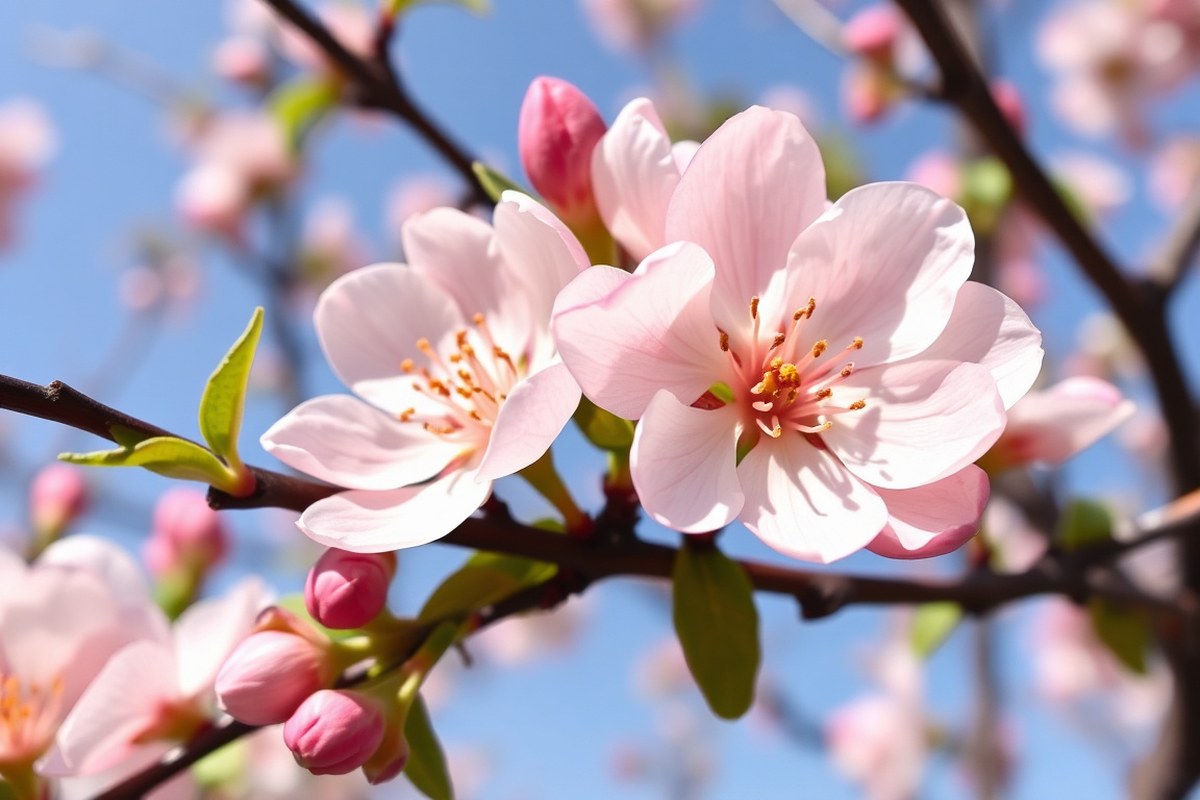
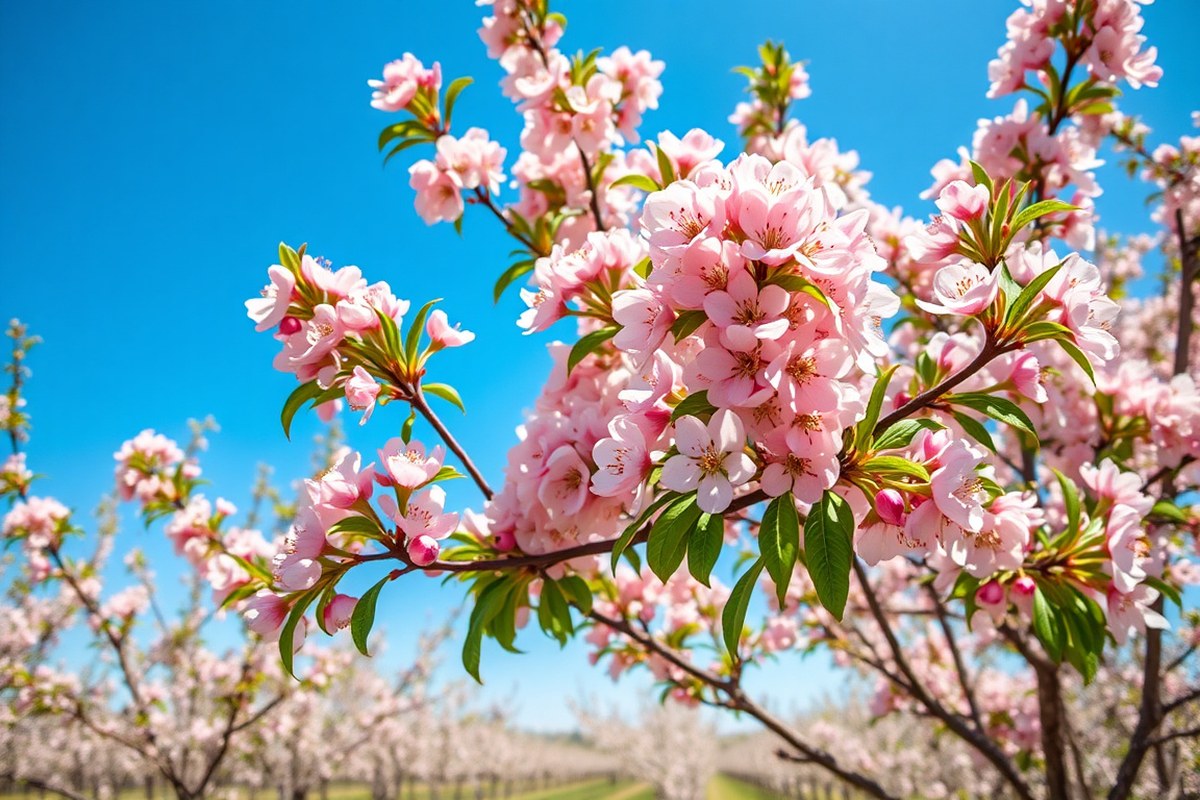
Peach trees usually start blooming in early spring, around March or April. The exact time depends on your local climate and peach variety. Trees often bloom before leaves show up, covering branches with pink or white flowers first.
The bloom phase starts with swelling buds, then flowers gradually open. You’ll see the buds enlarge and change color before petals unfold. Full bloom happens when most flowers are open fully.
The tree develops a soft canopy of flowers. This stage shows many open blooms on your peach tree.
This blooming period lasts about 10 to 14 days under normal conditions. During this time, flowers attract pollinators needed for good fruit set. After the peak bloom, petals begin to fall and the tree shifts focus to fruit development.
How Regional Climate and Chill Hours Affect Bloom Timing
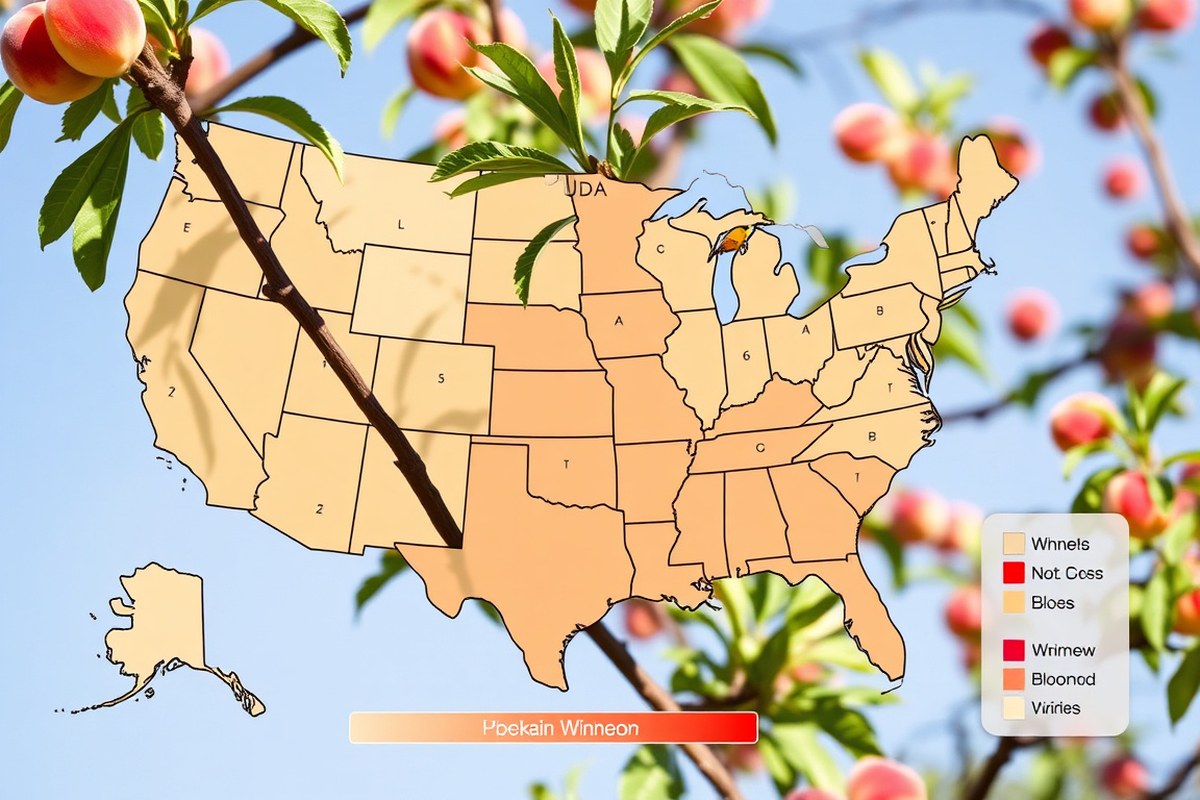
Peach trees need enough cold hours in winter to flower well. Chill hours count time between 32°F and 45°F during cold months. These help the tree wake up from dormancy and bloom in spring.
Most peach varieties require between 500 and 1,000 chill hours. Trees in warmer areas with fewer chill hours may bloom late or unevenly. Some buds might not open at all, which reduces flower and fruit production.
Winter temperatures above 60°F during the day can cancel out some chill hours. This makes warm-winter regions tricky for standard peach varieties. You should match your peach tree with your area’s chill hours.
This helps the tree bloom at the right time. Choosing the right tree improves your chances of a good harvest.
Peach varieties with low chill needs bloom earliest. Varieties that need more chill hours bloom later and suit colder regions best. You can find chill hour info on nursery tags or local extension website charts.
Regional climates show wide bloom timing differences. In the southeastern US, peach trees usually bloom in late February. Winters there are mild, and trees bloom early in March.
This timing fits their local cold hour patterns. In northern states with colder winters, peach blooms arrive weeks later, usually April or May.
A mild winter followed by a quick warm spell may trigger early blooming. But a longer cold stretch can push blooming later than usual. This variation makes it tricky to predict exact bloom dates every year.
You can check winter chill accumulation with local weather data or chill hour calculators online. Experts use temperature data each hour to track chill hours accumulated.
This shows how many cold hours your area has had so far. It helps decide if trees will bloom on time.
Monitor local winter temperatures closely. Warm days over 60°F can erase chill hours and delay blooming.
Peach Varieties: Early to Late Blooming Types Compared
Peach varieties differ in when they bloom and how many chill hours they need. Low-chill types bloom early and suit warm climates.
High-chill types bloom later and handle cold zones. You can plant early, mid, and late bloomers together to enjoy blossoms over several weeks.
| Peach Variety | Bloom Time | Chill Hours Needed | Suitable USDA Zones |
|---|---|---|---|
| El Dorado | Early | 300-400 | 6-9 |
| Florida Prince | Early | 200-300 | 7-9 |
| Elberta | Mid-season | 700-900 | 5-8 |
| Red Haven | Mid-season | 800-900 | 5-8 |
| Cresthaven | Late | 900-1000 | 5-8 |
| Reliance | Late | 1000-1100 | 4-7 (cold-tolerant) |
| Desert Gold | Early | 150-250 | 7-9 (heat-tolerant) |
Choosing the right peach variety depends on your climate. Warm southern gardens favor low-chill peaches like Florida Prince or Desert Gold. These bloom as early as late January.
In colder northern zones, pick cold-tolerant types like Reliance. These bloom later to avoid frost damage. Later blooming helps protect the blossoms from early frost.
Most peaches bloom between February and April in zones 5 to 9. Those that bloom earlier use less chill time, meaning they start growing quickly as winter ends. Planting varieties with staggered bloom times helps protect your crop.
Frost that kills early blossoms doesn’t hurt late bloomers as much. Late bloomers can still make fruit even after frost. They offer a good backup in cold areas.
Peach trees rarely bloom twice in one year. Once they flower and fruit, the tree rests to regain strength. Exceptionally healthy trees may bloom in their first year.
But most take two to four years to flower well. Your tree’s bloom timing also adjusts to care, weather, and local chill hour patterns.
How Tree Age and Care Influence Peach Tree Bloom
Peach tree blooming depends a lot on the tree’s age and care. Younger trees bloom less or later than mature ones. Pruning, watering, and fertilizing also influence how many flowers the tree produces and when blooming starts.
Age Milestones for Blooming Peach Trees
Peach trees usually start blooming between their second and third year. At this stage, they produce a few flowers but not a full crop. By the fourth or fifth year, most trees bloom heavily and begin producing fruit regularly.
Flower buds form on one-year-old wood, so a tree needs healthy growth each year. Young trees often focus on growing branches instead of flowers. Older trees tend to bloom earlier in the season than younger ones.
Pruning Techniques to Promote Flowers
Pruning encourages peach trees to grow new one-year-old wood that will hold flowers. You should prune in late winter, before buds break, to remove weak or crowded branches. This opens the tree’s center, letting in light and air, which improves bloom.
Summer pruning helps too, by cutting back new growth to encourage more flowering shoots. Avoid heavy pruning in late summer or fall because it can reduce flowers next spring. Use clean, sharp tools to make cuts just above outward-facing buds.
- Prune in late winter to shape and remove dead wood
- Perform light summer pruning to increase flowering wood
- Remove old wood to encourage new growth
- Cut branches just above outward-facing buds
- Avoid pruning late in the season to protect flower buds
Good pruning balances growth and flowering. Too much cutting slows blooms. Too little results in poor light and fewer flowers.
Nutrient and Watering Tips During Bloom
Use balanced fertilizer with nitrogen, phosphorus, and potassium early in spring before bloom. Phosphorus helps root growth and flower development, with formulations like 10-20-10. Avoid too much nitrogen, which promotes leaf growth but limits flowering.
Water peach trees deeply but not daily during bloom. Too much water dilutes nutrients and can stress the tree. Water your tree once or twice a week.
Aim for 1 inch total. Adjust based on rainfall and soil type.
- Apply fertilizer in early spring before flowering
- Choose fertilizer high in phosphorus for more blooms
- Water deeply 1-2 times a week, not every day
- Avoid over-fertilizing to prevent excessive leaf growth
- Check soil moisture to prevent overwatering or drought stress
This care supports strong flowers and helps ensure a healthy harvest. Overwatering or underfertilizing can reduce bloom quality and fruit set.
Protecting Peach Tree Blossoms from Frost and Weather Damage
Peach tree blossoms can suffer damage when temperatures drop below 28°F. Protecting blooms from frost is key to securing a good fruit harvest. Avoid pruning after buds open, and watch the forecast closely during bloom time.
Recognizing Frost Risk at Bloom Stage
Peach blooms begin to get fragile once buds begin to open. Frost below 28°F can kill these blossoms and cut your fruit yield. Keep an eye on local weather warnings from 10 days before bloom until after full bloom.
The risk of frost is highest in early spring. Different varieties bloom at different times, so track your tree’s bloom stage closely. Cold snaps during bloom damage flowers faster than cold before buds open.
Practical Frost Protection Methods
Taking action before frost hits helps safeguard blossoms. Use this checklist to prepare your peach tree for a cold night:
- Check your local weather forecast every evening during bloom season.
- Water soil around trees before freeze; moist soil retains heat better.
- Cover trees with frost cloths or blankets starting late afternoon.
- Use stakes or frames to keep covers from touching branches.
- Turn on outdoor orchard heaters or string Christmas lights in large plantings.
- Remove covers once temperatures rise above 32°F in the morning.
Using white or light-colored coverings reflects heat back to the tree. Avoid plastic sheets that can trap moisture and damage bark or buds.
Don’t prune after buds open; wait until late winter or early spring.
After-Frost Care for Peach Trees
Inspect blossoms the morning after a frost to see if damage occurred. Blackened or shriveled flowers likely won’t set fruit. Remove these to improve air flow and reduce disease risk.
Keep watering and fertilizing regularly to support stressed trees. Resist heavy pruning after frost, as it stresses the tree more. Patience helps trees recover and bloom again the next season.
Common Problems That Prevent Peach Trees from Blooming
Peach trees might not bloom if their flower buds get damaged or their health suffers. Excessive pruning often removes the buds that would produce flowers. Other times, pests, diseases, or poor nutrition stop the tree from going into bloom.
Pests like aphids and peach twig borers often attack buds and leaves. These pests can cause wilting or browning of the buds, which prevents blooming.
Diseases like brown rot and leaf curl can harm buds and flowers. They may cause these to rot or fall off too soon.
Checking if buds are healthy can mean cutting a few open. Healthy buds look firm and green inside, while damaged buds are brown or shriveled.
Some buds might still bloom even with minor damage. This happens if the injury comes late in the season.
- Pests: aphids, peach twig borers, scale insects
- Diseases: brown rot, leaf curl, powdery mildew
- Excessive pruning removes flower buds
- Nutritional problems, especially lack of phosphorus or potassium
- Lack of sunlight limits bud development
- Extreme cold or frost can kill buds before bloom
- Too much nitrogen encourages leaf growth over flowers
Nutritional deficiencies often cause poor or no blooms. Phosphorus and potassium support flower development and fruit set. Too much nitrogen pushes the tree to grow leaves and branches instead of flowers.
Sunlight also matters. Peach trees need full sun to build energy for making flower buds.
Trees in shaded or crowded spots might not get enough light to bloom well. Frost or temperature swings during bud formation can kill the buds before they open.
Pollination Needs and Bloom Synchronization for Best Fruit Set
Peach trees usually don’t need a second tree to produce fruit. A single tree can pollinate itself because it has both stamens and pistils. However, planting another peach variety nearby can boost fruit yield and quality by improving pollination.
For best results, plant peach trees within 30 to 50 feet of each other. This distance allows bees and other pollinators to easily transfer pollen between blossoms. Trees spaced too far apart may reduce pollination and fruit yield.
Bees play a major role in pollination. Their activity during bloom helps spread pollen to fertilize flowers.
You can encourage bees by planting flowers nearby and avoiding pesticides during bloom. Increased bee visits often mean better fruit development and a fuller harvest.
Bloom timing also influences fruit set. Different peach varieties bloom at slightly different times.
So pick types that bloom together to improve cross-pollination chances. This makes fertilization more reliable during the brief bloom window, usually lasting about two weeks.
Pollination happens when pollen from the stamens fertilizes the pistils in flowers. Around 10% of flowers need to set fruit to get a good peach harvest. You need lots of blooming flowers during bloom time.
Pollinators must also be active then. This helps improve your peach harvest.
Extending and Encouraging Peach Tree Blooms Naturally
Encouraging peach trees to bloom earlier or more abundantly depends on timing and proper care. You can also extend the blooming period by managing pruning, fertilizing, watering, and sunlight. Avoiding common mistakes helps ensure the tree performs well each year.
Proper Timing for Pruning and Fertilizer Use
Pruning peach trees annually keeps them healthy and promotes flower growth. Do this in late winter or early spring.
The buds should not swell yet. Wait until the worst cold is over.
Applying fertilizer at the right time supports bloom development. Use a balanced fertilizer, such as 10-10-10, in early spring, just as new growth begins.
- Prune dead, damaged, or weak branches first to focus energy on strong growth.
- Thin shoots to improve air circulation and sunlight inside the canopy.
- Apply fertilizer around the drip line, where roots spread, not right at the trunk.
- Stop fertilizing after June to avoid late-season growth that won’t bloom.
- Use slow-release fertilizer to provide steady nutrients over time.
These steps help your tree bloom earlier and more heavily by improving its energy use. Avoid heavy nitrogen fertilizer in late summer, which delays blooming.
Watering and Sunlight Optimization
Peach trees need full sun, at least 6 hours daily, for frequent and vibrant blooms. Place your tree where it won’t be shaded by buildings or other trees.
Keep soil evenly moist but not soaked during spring bloom time. Too much water can stress the tree and reduce flower production.
- Water deeply once a week during dry spells in spring.
- Use mulch to conserve moisture and keep roots cool.
- Avoid overhead watering to reduce fungal diseases on blossoms.
- Check soil moisture by digging 6 inches deep; water if dry.
More sunlight helps peach trees bloom longer. Consistent moisture is needed too. This lets you get more fruit later.
Avoiding Over-Fertilization and Late Pruning
Too much fertilizer, especially nitrogen, leads to leafy growth instead of blooms. Overfeeding also makes trees more vulnerable to pests and disease.
Pruning too late, like in late spring or summer, cuts off flower buds and delays blooming. Stick to pruning in late winter or early spring.
- Don’t apply fertilizer more than twice a year.
- Skip additional feeding if the leaves look dark green and healthy.
- Keep records of pruning dates to avoid late cuts.
- Watch for heavy fruit set signs, then reduce nitrogen to balance growth.
Prune only dormant trees before buds swell to avoid losing next season’s blooms.
Step-by-Step Action Plan for Managing Peach Tree Blooms
Follow this plan to help your peach trees bloom on time and produce healthy fruit. Watch your trees and adjust care based on what you see.
- Late winter (before buds swell): Check chill hours for your area. Make sure your tree’s variety fits those hours. This helps your tree wake up properly when spring arrives.
- Early spring (bud swell to green tip): Apply balanced fertilizer. Water deeply once. This helps your tree grow strong. Watch for swelling buds, this means your tree reacts well.
- Just before bloom (pink bud stage): Cover blossoms at night if frost is expected. Use frost cloth or covers. This protects delicate buds. Check next day, blossoms should stay intact and healthy.
- Bloom time: Ensure good airflow around the tree by pruning crowded branches. This reduces disease and helps pollinators do their job. You’ll notice more bees during the day in a well-kept tree.
- During bloom: Monitor for pests and disease; treat early signs promptly with organic controls. Healthy blossoms will last 7 to 10 days without issues.
- After bloom (petal fall): Thin fruit to one every 6 to 8 inches. This boosts fruit size and quality. Check fruit spacing, correct thinning results in evenly spaced fruit.
- Late spring: Keep watering consistent, about 1 inch per week if rain is low. Look for steady fruit growth and no leaf stress.
- Summer (fruit development): Continue pest control and watch for heat stress. Mulch to keep roots cool. Mulched soil stays moist, and fruit stays firm.
Frequently Asked Questions
Do You Need Two Peach Trees or Just One?
Most peach trees can pollinate themselves, so you usually need just one tree. However, planting two can boost fruit yield because of better cross-pollination.
Should You Water a Peach Tree Every Day?
You shouldn’t water a peach tree every day. Deep watering once a week is better, especially during dry spells, to encourage strong root growth.
When Should You Not Prune a Peach Tree?
Avoid pruning a peach tree after buds start to swell in early spring. Pruning late can reduce blooms and open the tree to disease.
Do I Need to Cover My Peach Tree in the Winter?
Covering isn’t always necessary unless you face harsh winter frost. Frost protection helps prevent bud damage and preserves early blooms in cold climates.
How Long Does a Peach Tree Bloom Last?
A peach tree usually blooms for about 10 to 14 days. Weather during this time can affect how long flowers stay open and set fruit.
How Can I Encourage My Peach Tree to Bloom Earlier?
You can get early blooms by giving your tree full sun. Feed it proper fertilizer in late winter.
This helps flower buds develop sooner. Avoid overwatering to prevent delayed bud break.
The Bottom Line
Peach trees bloom in response to chill hours and warm weather. So timing depends on your location and care.
Protecting flowers from frost and keeping trees healthy boosts fruit success. Start by matching your peach tree variety with your local climate for the best bloom results.