When to Plant Peach Seeds: A Complete Guide for Healthy Trees
When to plant peach seeds depends mostly on your local climate and frost dates. The best time is early spring, after the last frost.
You can also plant in fall before winter begins. This timing lets the seeds get cold exposure they need to sprout well.
Cold stratification breaks seed dormancy by keeping seeds cool and moist. This process takes about 8 to 12 weeks.
You can do this by wrapping seeds in damp paper towels inside your fridge before planting. This process tricks seeds into waking up once planted outdoors or indoors.
Plant peach seeds about 3 to 4 inches deep, which is twice their length. Planting too deep can make it hard for seedlings to reach the surface. Starting seeds in containers lets you control moisture and temperature before moving them outside.
Key Takeaways
- Plant peach seeds in early spring after the last frost or in fall.
- Cold stratify seeds in the fridge for 8 to 12 weeks before planting.
- Soak peach seeds in water for 24 to 48 hours before stratification.
- Plant seeds 3 to 4 inches deep, about twice their size.
- Keep soil moist and warm after planting to encourage germination.
- Use containers to start seeds for better control of growing conditions.
Best Time to Plant Peach Seeds Based on Climate
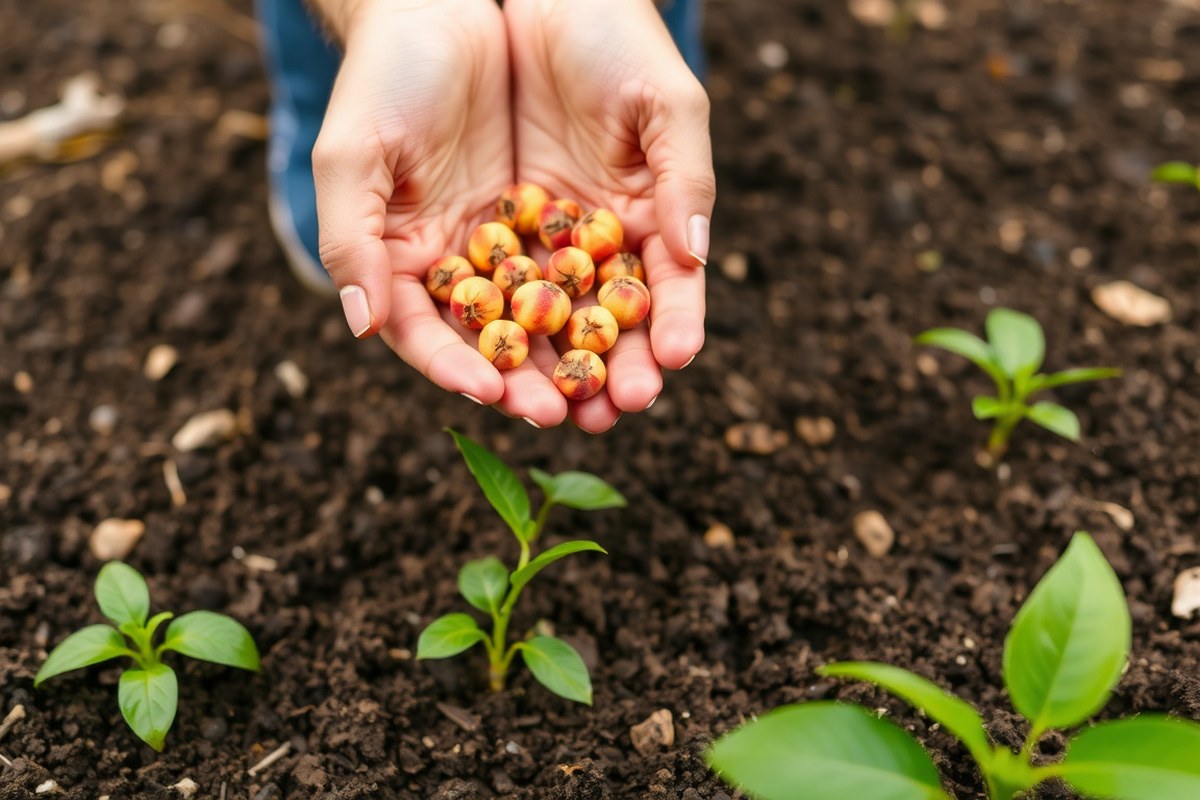
Peach seeds need cold stratification before planting to help them sprout. In cold climates (USDA zones 3, 6), plant seeds outdoors in fall. The seeds stay in the soil all winter, getting natural chill.
In warmer zones (7, 10), cold-stratify seeds in the fridge. Keep them there for 8 to 12 weeks.
Then plant in early spring. This mimics winter chill the seeds need.
In colder areas, plant the seed about 3 inches deep in well-drained soil after leaves drop. This protects it during harsh winter weather.
In warmer zones, start seeds indoors or in containers after stratification. Then transplant them outside when the last frost has passed, typically late March to early April.
Look at your USDA zone to decide your planting timeline. In zones 3 to 6, drop seeds outside during October or November. For zone 7, 10, start stratification indoors from December to February.
Then plant outdoors a month before the last expected frost. This timing avoids losing seeds to frost damage. Plant seeds 1 to 3 inches deep for best results, depending on seed size.
Follow this simple checklist to decide your next step:
- Check your USDA zone number.
- In zones 3 to 6, plant seeds outside in fall, either October or November.
- In zones 7 to 10, keep seeds in the fridge 8 to 12 weeks. Do this between December and February.
- Plant stratified seeds outdoors after last frost in spring.
- Plant seeds 1, 3 inches deep in loose, well-prepared soil.
This timing helps protect seeds from freezing and encourages sprouting. Seeds planted too early may rot or freeze. Seeds planted too late might not get enough chill.
Adjust for local frost dates by checking your area’s frost schedule. Protect young seedlings from late frost using frost cloth or burlap when temperatures dip below 28°F.
How to Prepare Peach Seeds for Planting Successfully
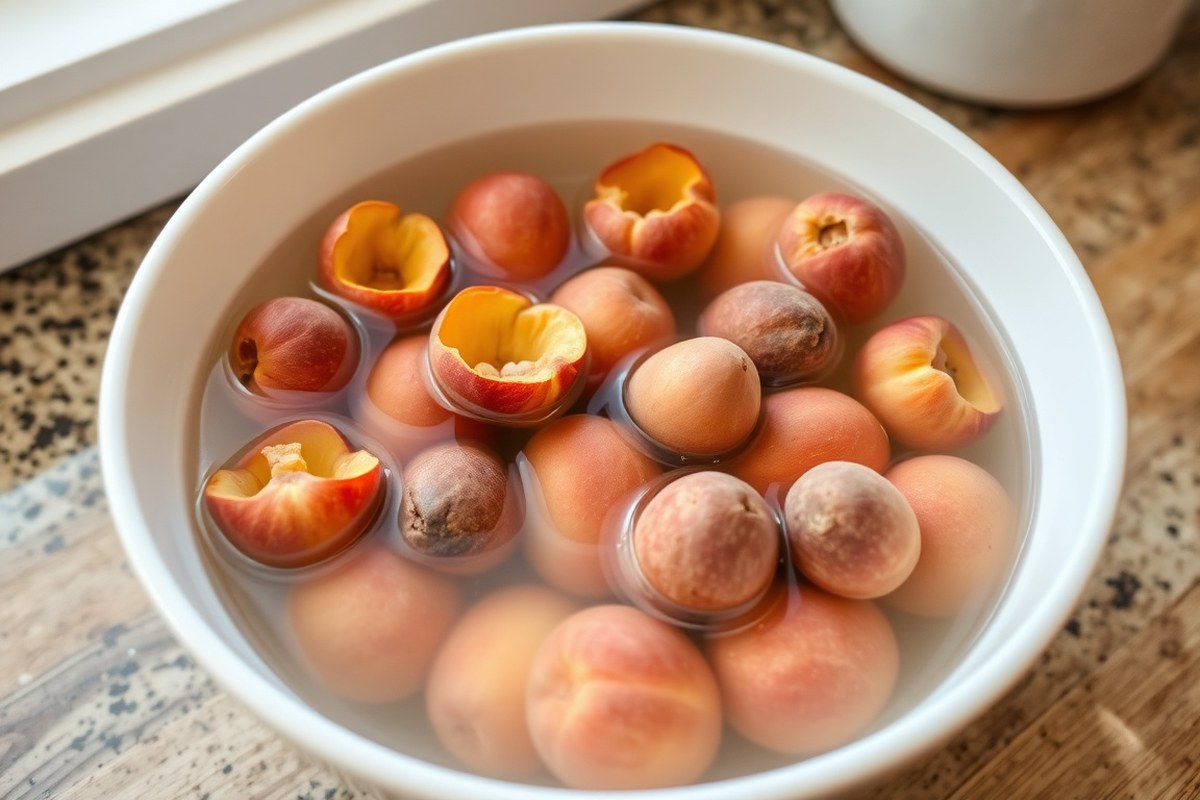
Prepare peach seeds by first freeing the seed from the hard pit. Next, clean off all flesh completely to prevent mold and pests.
Soak the seeds in water for 24 to 48 hours. This helps them absorb moisture before chilling or planting.
Removing the Seed from the Hard Pit
The pit is the tough stone inside the peach. The seed, or kernel, sits inside it.
You need to split the pit open carefully to reach the seed without damaging it. Use tools like a nutcracker or pliers for better control and safety.
Don’t try to crack the pit with your hands or teeth. The shell is very hard and can cause injury or crush the seed inside. Work slowly and protect your fingers while applying pressure.
Cleaning and Soaking Seeds Effectively
After removing the seed from the pit, wash away any remaining fruit flesh under running water. This reduces the chance of mold or pests during cold stratification. Dry the seeds overnight on a paper towel before soaking.
Soak the clean, dry seeds in fresh water for 24 to 48 hours. This step ensures the seed absorbs enough moisture to germinate later. Change the water if it gets cloudy to keep the seed healthy.
- Remove peach flesh from the pit carefully using a knife or your fingers.
- Crack the pit open gently using a nutcracker or pliers.
- Extract the seed (kernel) without damaging it.
- Rinse the seed thoroughly under tap water to clean off all residue.
- Dry the seed on a paper towel for 8 to 12 hours.
- Soak the seed in a container of fresh water for 24 to 48 hours.
- Change the soaking water once if it becomes murky.
Common Preparation Mistakes to Avoid
Don’t skip cleaning the seed after taking it from the pit. Leftover fruit can cause mold.
Avoid cracking the pit too forcefully, which can damage the seed or prevent it from sprouting. Also, don’t soak the seed for more than 48 hours to stop rotting risks.
Failing to dry the seeds before soaking can promote fungal growth. Some gardeners forget to change soaking water, allowing bacteria to build up. These mistakes waste time and lower your seed’s chance to sprout well.
Always wash and dry peach seeds thoroughly to avoid mold during soaking and stratification.
Cold Stratification: Why and How Long It Takes
Cold stratification is a must for peach seeds. It breaks their dormancy by mimicking winter cold and moisture. Usually, you’ll need to keep seeds cool and moist for 8 to 12 weeks.
Dormancy and How Stratification Breaks It
Peach seeds stay dormant after ripening to avoid sprouting at the wrong time. They need a cold, moist period to activate growth hormones. This chilling period, called stratification, signals the seed that winter has passed.
Without this cold treatment, the seed often refuses to sprout. The main point is to provide around three months of chill hours below 45°F. That’s what peach seeds expect in natural winters to start growing.
Refrigerator Stratification Method
The easiest way to cold-stratify peach seeds is using your fridge. Keep the temperature between 34°F and 42°F for best results. This cool, steady chill helps seeds break dormancy while staying moist.
Start by soaking peach seeds in room temperature water overnight to soften the shell. Then mix the seeds with moist sawdust or damp potting soil in a plastic bag. Seal the bag but check regularly for moisture and sprouting.
Follow these steps for fridge stratification:
- Soak peach seeds in water at room temperature for 12 hours.
- Mix seeds with damp sawdust or potting soil in a plastic bag.
- Seal the bag, removing excess air but leaving some room.
- Place the bag in the refrigerator at 34°F to 42°F.
- Check moisture weekly and lightly mist if needed to keep damp.
- Start checking for sprouting after 6 weeks but continue up to 12 weeks.
- Keep sprouted seeds cool in the fridge until ready to plant outdoors.
Natural Winter Stratification Outdoors
If you live in a cold climate, you can bury peach seeds outside for winter chilling. The soil’s natural moisture and temperatures below 45°F will stratify the seeds. Mark the spot well to find the seeds in spring.
Place seeds about 3 to 4 inches deep in loose soil before the ground freezes. Cold outdoor stratification takes about three months, depending on your local winter. You may need extra mulch to keep soil moist and protect from rodents.
| Method | Temperature Range | Duration | Moisture Control | Ease |
|---|---|---|---|---|
| Refrigerator Stratification | 34°F, 42°F | 8, 12 weeks | Mix seeds with moist sawdust; check weekly | High: easy and reliable |
| Natural Outdoor Stratification | Below 45°F | About 12 weeks (winter months) | Soil moisture; mulch to retain moisture | Moderate: depends on weather and site |
When and How Deep to Plant Peach Seeds Outdoors or in Containers
Plant peach seeds about 3 to 4 inches deep outdoors or in containers. Planting deeper than 4 inches makes it hard for the seed to push through the soil. Keep the seed under a loose, well-draining top layer so it can sprout easily.
Choose soil that drains well and is rich in organic matter. Loam or garden soil mixed with compost works best. Avoid heavy clay soil because it holds too much water, which can rot the seed.
Use pots that are at least 8 inches wide and 8 inches deep for container planting. Fill them two-thirds full with your soil mix and place one seed in the center. Leave about 1 to 1.5 inches of space between the soil surface and the pot rim for watering.
Planting outdoors means picking a sunny spot with good space for growth. Prepare the ground with compost or aged manure before planting. This improves soil fertility and drainage, giving the peach seed a healthy start.
Containers allow you to control soil quality and moisture more easily. You can move pots indoors if the weather gets too cold. However, outdoor planting exposes seeds to natural conditions, which helps harden young trees over time.
Water the soil lightly right after planting to settle it around the seed. Keep the soil moist but not soggy during germination, which takes four to eight weeks. Too much water can cause the seed to rot before sprouting.
Place containers in a spot that gets at least six hours of sunlight daily. Outdoor seeds should be in a clear, sunny area as well. Sunlight helps seedlings grow strong leaves and roots.
Direct outdoor planting without cold stratification may work in mild climates. But stratification improves germination rates.
If you skip stratification, expect slower or uneven sprouting. Containers help give seeds a more controlled environment for better results.
How to Care for Peach Seedlings After Germination
Peach seedlings need steady care after germination. Keep soil moist and warm. When seedlings get several leaves and no frost risks remain, move them outdoors.
Transplant Timing and Site Preparation
Move seedlings outside after your last frost date. The soil temperature should reach at least 50°F before transplanting. This usually happens about 0 weeks after the freeze ends, often by early June.
Pick a sunny, sheltered spot with well-draining soil. Space young trees at least 15 to 20 feet apart. Prepare the bed by loosening soil and removing weeds for healthy root growth.
Watering and Sunlight Needs
Keep the soil around peach seedlings moist by watering often, not letting it get soggy. In dry weather, water one or two times each week. Feel the top inch of soil; dry soil means water is needed.
Seedlings need full sunlight, at least 6 to 8 hours daily. Indoor seedlings should be placed near a bright window or under grow lights. Outdoors, give them a protected spot out of heavy wind to avoid damage.
Fertilizing and Pest Protection Tips
Use a balanced fertilizer with equal nitrogen, phosphorus, and potassium for young trees. Apply half strength every 4 to 6 weeks during the growing season. Avoid overfeeding, which can harm roots or stunt growth.
Protect seedlings from pests like aphids and caterpillars by inspecting them weekly. Use insecticidal soap or neem oil if you notice bugs. Cover young plants with frost cloth if temperatures dip below 32°F at night.
Here’s a checklist for caring for peach seedlings in your garden:
- Check local last frost date and soil temperature for transplant.
- Choose a sunny, sheltered site with well-draining soil.
- Keep soil moist; water once or twice weekly as needed.
- Provide full sun, 6, 8 hours, indoors or outdoors.
- Fertilize with balanced feed at half strength every 4, 6 weeks.
- Inspect for pests weekly, treat with organic sprays if necessary.
- Cover seedlings during frost risk with frost cloth.
Wait until after the last frost and soil reaches 50°F before moving seedlings outdoors.
How Long Peach Seeds Take to Germinate and Bear Fruit
Peach seeds usually take about 4 to 8 weeks to germinate. You might see the seed start to crack and sprout after about a month or two. This timing depends on temperature and moisture.
Plan for a couple of months. You may wait before you see clear growth.
Once your seedling starts growing, it takes 3 to 5 years. This is when it generally bears fruit. Seed-grown trees grow slower than grafted ones.
Grafted trees often fruit in 2 to 3 years. Extra time is needed to build strong roots and branches. These support the fruit later.
Peach trees from seed also have genetic differences from the parent tree. That means the fruit they produce may not taste the same. You’ll need patience.
Seed trees must grow, flower, and set fruit. This depends on care, feeding, and pollination.
To encourage healthy growth, keep young trees watered but avoid soggy soil. Providing balanced fertilizer in early spring helps build good root and branch systems. Protecting seedlings from extreme cold or pests also supports stronger, faster development toward that first peach.
Dwarf peach trees in big containers might fruit faster. Usually, this happens in 3 to 4 years.
This requires careful attention to watering, sunlight, and keeping the soil nutrient-rich. Without good care, your tree could take 5 years or more to fruit.
Common Mistakes When Planting Peach Seeds and How to Avoid Them
Planting peach seeds too deep can stop them from sprouting. Aim to plant seeds about 1 inch deep in well-draining soil.
The soil must not stay too wet, or the seed may rot. The seed should not sit too deep either to avoid rotting.
Starting seeds too early while it’s still cold can harm them. Seeds need warmth to wake up from their dormant state after stratification. Planting only after temperatures stay above 50°F reduces stress and failure rates.
Overwatering is a common problem that causes seeds to rot. Always use pots with drainage holes and a loose soil mix to avoid soggy roots. Water the soil enough to keep it moist.
Usually, a light spray works daily or every other day. Avoid making the soil wet.
Sometimes seeds don’t sprout because they weren’t stored or stratified right. Seeds must stay cold and moist for at least 4 to 8 weeks. Skipping or shortening this step prevents them from breaking dormancy and growing.
- Plant seeds 1 inch deep in loose, well-draining soil
- Use pots that are 4 to 6 inches deep with drainage holes
- Keep soil moist but not soaked; avoid standing water
- Start stratified seeds only when the temperature stays above 50°F
- Stratify seeds 4 to 8 weeks in a refrigerator before planting
- Choose seeds from fully ripe fruit for better germination
- Check soil drainage and air circulation around pots regularly
Check seeds before planting for any damage or mold. Discard rotten or shriveled seeds to avoid wasting time.
Most seeds not sprouting means checking cold stratification steps again. Try fresh seeds from ripe fruit if problems continue.
Try planting seeds in smaller batches to test different conditions. Some seeds may need a few extra weeks in the fridge. Others might do better in a slightly warmer spot.
Adjust based on your seed type. Keep notes on what works and repeat the best method next time.
Avoid heavy, clayey, or waterlogged soil. This kind allows water to pool and starve roots of oxygen. Use potting soil mixed with sand or perlite for good drainage and stable moisture.
Which Planting Method Is Best: Direct Seed or Transplanting Seedlings
Planting peach seeds directly outdoors skips indoor steps but needs cold stratification first. Cold stratification lasts 1 to 3 months, depending on the seed type. Skipping this step often means the seed won’t sprout or grows very slowly.
Starting seeds indoors lets you control temperature and moisture closely. You can transplant seedlings outside once they are sturdy, usually after about 6 to 8 weeks. This method helps seedlings avoid pests and weather stress early on.
Transplanting seedlings needs some care. Before putting them in the ground, put the seedlings outside for a few hours daily.
Do this for about a week, gradually increasing the time outdoors. This process, called hardening off, helps seedlings adjust to real conditions without shock.
| Planting Aspect | Direct Seed Planting | Seedling Transplanting |
|---|---|---|
| Cold Stratification | Required for 1 to 3 months | Same stratification before sowing indoors |
| Timing | Plant in spring or early summer | Start indoors in late winter, transplant in spring |
| Control Over Growth | Less control, exposed to outdoor risks | More control, better early growth |
| Effort | Less labor upfront but slower results | More work upfront, faster seedling development |
| Survival Rate | Lower due to pests and weather | Higher with careful indoor care |
| Growth to Fruit Bearing | Usually longer time to bear fruit | Can shorten time slightly by starting indoors |
You can plant seeds directly if you want fewer steps. It works best when the weather is reliable. Make sure there are no late frosts around planting time.
Choose indoor starting if you want to protect seeds early and speed growth. Both need stratification and good soil.
Hardening off transplanted seedlings before they go outdoors prevents transplant shock.
Remember, planting peach seeds directly outdoors skips indoor protection but risks slow or failed germination. Starting seeds indoors costs more time and effort but improves overall plant health and speed. Decide based on your location, schedule, and gardening patience.
Step-by-Step Action Plan for Planting Peach Seeds
Plant your peach seeds on time to help them grow well. Start by preparing a good spot for your seeds. Follow the next steps to get them off to a strong start.
- Before planting: Soak seeds in water for 24 hours to soften the shell. Look for any seeds that float and discard them.
- Cold stratification (8-10 weeks): Wrap soaked seeds in a damp paper towel and put inside a plastic bag. Keep the bag in the fridge at 34-40°F. Make sure the towel stays moist without soaking wet.
- Late winter or early spring: Plant seeds outdoors or in containers once frost risk ends. Plant about 1 inch deep in loose soil.
- Right after planting: Water gently to moisten the soil without flooding. Soil should be damp but not soggy.
- First 2 weeks: Keep soil moist daily to encourage germination. Watch for sprouts emerging in 3-4 weeks.
- After seedlings appear: Give 6-8 hours of sunlight daily. Thin out weaker seedlings to leave one healthy plant per spot.
- Spring to summer: Fertilize once a month with balanced, slow-release fertilizer. Avoid fertilizer burn by following package directions.
- After first year: Transplant seedlings outdoors if started in containers. Choose full sun with well-draining soil.
Frequently Asked Questions
Can I Just Plant a Peach Seed?
Yes, you can plant a peach seed, but it needs cold stratification first. The seed needs 8 to 12 weeks in cold, moist conditions.
This helps it germinate well. It can then grow into a healthy tree.
What Is the Fastest Way to Germinate a Peach Seed?
The fastest way is to cold stratify the seed in a refrigerator for 8, 12 weeks. Keep the seed moist during this time. Keep it around 34 to 40°F. Then plant it outside or in a pot.
Should I Soak Peach Seeds Before Planting Them?
Soaking peach seeds is not necessary but can help soften the hard shell. Soaking the seed in water for 24 hours can help.
This speeds germination slightly. But cold stratification matters much more.
How Long Does It Take for a Peach Seed to Bear Fruit?
Peach trees grown from seed usually take 3 to 5 years to bear fruit. These trees may also produce fruit that differs from the parent peach in taste or size.
Can I Plant Peach Seeds Directly in the Garden Without Stratifying?
Planting without stratification usually results in poor germination. The seed needs a cold dormant period to break dormancy and sprout.
When Should I Plant Peach Seeds in Warmer Climates Like Florida?
Plant stratified peach seeds in late winter or early spring in warm climates. This timing helps seedlings avoid frost and establish before the hot summer.
The Bottom Line
Plant your peach seeds after cold stratification for best results. Check soil moisture carefully and be patient with germination. Start planting now to enjoy growing your own peach tree.