How Much Humidity Should Be in a Room: A Complete Guide That Works
You might ask what humidity level is best inside your home. Aim for indoor humidity between 30% and 50%. This keeps the air comfy and stops too much moisture.
Humidity below 30% feels dry, which can irritate your skin and throat. It also dries out wood furniture and musical instruments.
Air over 50% humidity can feel sticky and unpleasant. Mold and dust mites grow easily at this level, which can cause allergies.
Watch for condensation on windows or walls as a sign of high humidity. Using a dehumidifier helps reduce moisture when needed. A humidifier adds moisture when the air feels too dry.
Start by checking your current humidity with a reliable hygrometer. Keep monitoring regularly, especially in winter and summer. Maintaining proper levels protects your health and home materials.
Key Takeaways
- Keep indoor humidity between 30% and 50% for comfort and health.
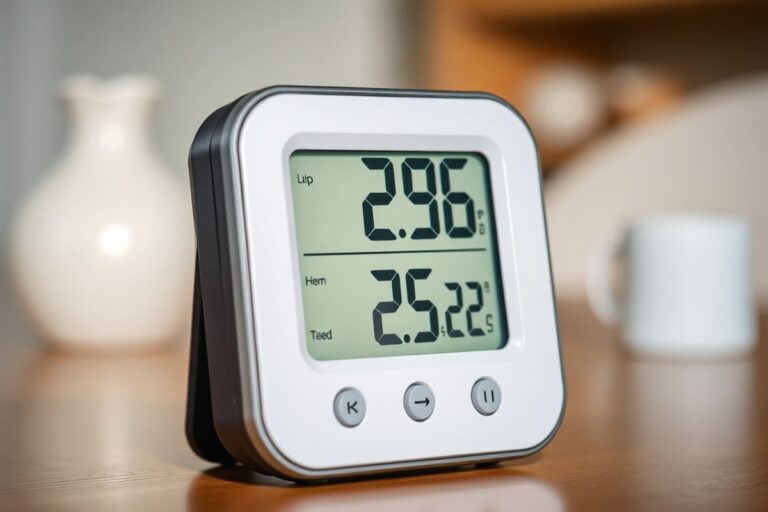
- Use a digital hygrometer to measure your room’s humidity accurately.
- Watch for window condensation; it signals indoor humidity above 50%.
- Dry air below 30% can cause irritated skin and respiratory issues.
- Humidity above 50% increases mold risk and damages home materials.
- Open windows briefly to reduce indoor humidity when outside air is drier.
What Is the Ideal Humidity Level in a Room?

Keep your room’s humidity between 30% and 50% for the best comfort and health. This range keeps moisture balanced in the air. It helps avoid dryness.
It also limits mold and dust mites. The Environmental Protection Agency (EPA) says keep humidity under 60%.
This helps stop issues like condensation. It also prevents mold growth.
At 40% humidity, your room is comfortably within the recommended range. It’s not too dry or too humid. So it helps keep your skin and airways moist without encouraging mold.
This level works well for everyday living. It cuts down static electricity. It also protects wood and furniture.
To maintain this range, use a hygrometer to check humidity levels indoors. Use a humidifier if humidity falls below 30%. Use a dehumidifier if it rises above 50%.
Adjust to stay comfortable. In colder months, aim for 30-45% humidity to reduce condensation. In summer, a 40-50% range feels best.
Why Indoor Humidity Affects Health, Comfort, and Home Condition

Low indoor humidity below 30% dries out skin and nasal passages. This dryness can cause irritation, itchiness, and make you more prone to colds or respiratory infections. Dry skin also leads to cracked lips and flaky patches, especially in winter.
High humidity over 50% creates the perfect setting for mold and dust mites. These irritants can worsen allergies and asthma by triggering sneezing, coughing, and breathing problems. Moisture above 60% raises the chance of mold growing on walls.
Mold harms your health and damages your home. It mostly appears on ceilings and walls.
Excess moisture also damages your home’s materials. Wood furniture may warp or develop cracks.
Windows can fog up and promote rot in surrounding frames. Electronics suffer when humidity allows dust mites to settle inside or causes corrosion on circuits.
Dust mites thrive when humidity is above 50%, feeding on your home’s dust and shedding particles. This worsens indoor air quality and can lead to more allergy flare-ups. The Environmental Protection Agency suggests humidity stay between 30% and 50%.
This range helps stop allergens and mold from growing. It keeps your air healthier.
Proper control helps maintain your comfort and health. When humidity is balanced, skin stays hydrated and sinuses stay clear.
Your home also avoids costly repairs from mold damage and wood decay. Controlling humidity takes monitoring with a hygrometer and using dehumidifiers or humidifiers as needed.
A hygrometer that’s off by 10% can mislead you into thinking your humidity is safe. Calibrate or replace it regularly to avoid hidden mold problems.
How to Measure Indoor Humidity Accurately
To measure indoor humidity accurately, use a digital hygrometer placed in key rooms. Digital devices give real-time humidity levels within 1 to 2 percent error. Check readings at least once a week to keep humidity between 30 and 50 percent.
Types of Humidity Meters
Digital hygrometers are the most reliable and affordable for home use. They cost about $10 to $15 and show precise relative humidity with small error margins.
Analog hygrometers measure humidity too, but only within 10 percent accuracy. They can be okay if you want a general idea rather than exact numbers.
Some dehumidifiers include built-in digital hygrometers that help maintain target humidity levels automatically. These can be useful in damp areas like basements.
Best Locations for Measurement
Place your digital hygrometer in bedrooms, living rooms, and especially basements. Basements tend to have higher humidity, so monitoring them helps prevent mold.
Keep devices away from direct sunlight, heating vents, or windows. These spots give false readings because they don’t reflect true room humidity.
Avoid placing meters in bathrooms or kitchens as moisture from showers and cooking creates spikes. Measure in dry, central areas for the best results.
Interpreting Your Humidity Readings
Relative humidity shows the moisture in the air compared to max levels. It measures the amount of water vapor air can hold at the temperature. It’s shown as a percentage between 0 and 100.
Good indoor humidity should be between 30 and 50 percent RH. The EPA and experts recommend this range for comfort and health. Below 30 percent feels dry; above 60 percent risks mold growth.
Check readings often during weather changes or heating seasons. Adjust humidifiers or dehumidifiers to keep levels stable and comfortable year-round.
Recommended Humidity Levels for Different Rooms
Different rooms need different humidity levels because their uses and moisture background vary. Bedrooms work best at 30 to 50% humidity. This range keeps air fresh and comfortable for sleep without feeling dry.
Bathrooms can get wet and steamy but should not stay humid for long. Aim to keep humidity below 60% after showers. Running an exhaust fan for 15 to 20 minutes clears moisture fast and stops mold growth.
Kitchens face extra moisture from cooking, making 30 to 40% humidity ideal. This lowers cooking smells and damp air. Using a range hood or vent fan helps push steam outside quickly.
Basements often stay cold and damp. So they need drier air at 30 to 45% humidity.
Keeping it below 50% is key to preventing mold problems. A portable dehumidifier costs $150 to $300 and works well, especially in humid climates.
| Room | Ideal Humidity Range | Notes |
|---|---|---|
| Bedroom | 30, 50% | Improves comfort and air quality |
| Bathroom | Below 60% after use | Use ventilation to reduce moisture |
| Kitchen | 30, 40% | Manage cooking moisture with ventilation |
| Basement | 30, 45% | May require dehumidifier in humid climates |
| Living Spaces | 40, 50% | General comfort range |
Check humidity with a small meter in rooms that feel damp or dry. Humidity often jumps above 60% during showers or cooking but should drop quickly with fans. Without ventilation, humidity can stay high, causing mold and odors.
Using dehumidifiers and fans lets you keep humidity in the right range. A dehumidifier drains water collected from the air and costs about $150 to $300. Fans vary from $20 to $100 and help clear moist air after cooking or bathing.
How Seasonal Changes Affect Indoor Humidity Levels
Indoor humidity drops during winter because cold outdoor air holds less moisture. When you heat this dry air inside, humidity often falls below 30%. At very low outdoor temps below -20°F, keep indoor humidity low.
Aim for about 15%. This stops window condensation and frost damage indoors.
In warmer months, indoor humidity targets rise. Summer humidity should range from 45% to 50%. This matches outdoor moisture.
It also keeps indoor air feeling comfortable. Air conditioners naturally lower humidity. You might need a dehumidifier if humidity stays above 60%.
This is common in basements or poorly ventilated rooms. It helps prevent dampness.
Balancing humidity year-round means adjusting your humidifier or dehumidifier based on the season. From late fall to early spring, aim for 30% to 40%. Spring and fall allow a wider range of 40% to 50%.
In summer, keep it between 45% and 50%. Smart humidifiers with sensors can help maintain these levels automatically by monitoring indoor and outdoor conditions.
Humidity also depends on indoor activities like cooking or drying clothes. How sealed your home is. In winter, drying laundry indoors raises humidity and can cause musty smells.
Vent dryers and use exhaust fans carefully. Keep an eye on humidity with a smart hygrometer. These steps help maintain balance indoors.
A cheap digital hygrometer costs about $15 to $30. Smart devices range up to $150 but provide more control.
Don’t let basement windows stay open in summer. Warm air entering cool basements causes high humidity and surface condensation immediately.
How to Fix High or Low Humidity Problems at Home
Controlling indoor humidity starts with measuring your home’s moisture. Keep humidity between 40% and 60% for comfort and health. Use humidifiers, dehumidifiers, or ventilation to adjust levels room by room.
Lowering High Humidity Quickly
High humidity above 60% can cause mold and discomfort. Acting fast stops damage to walls and furniture. Ventilating helps only if outdoor air is drier than inside.
For quick results, use a dehumidifier to remove moisture efficiently. Air conditioners also cut humidity by cooling and drying the air. Avoid prolonging showers or cooking without fans running.
- Close windows if outdoor air is humid to prevent more moisture.
- Turn on bathroom and kitchen exhaust fans during and after water use.
- Run a portable dehumidifier in the most humid room until levels drop below 60%.
- Use your air conditioner to assist with moisture removal.
- Check and fix any leaks or water damage promptly.
- Ventilate carefully with ERVs or HRVs if outside humidity is lower.
- Avoid leaving wet clothes or towels inside for long periods.
Safely Increasing Low Humidity
Low humidity under 40% can dry skin and damage wood surfaces. Cold, dry winter air often causes this. Adding moisture helps comfort and protects your home.
Use a humidifier where dryness is worst, like bedrooms or living rooms. Simple tricks like placing water bowls on heat vents add some moisture. Avoid over-humidifying above 60% to prevent mold.
Boil water occasionally or air-dry laundry indoors to raise humidity too. Limit ventilation during dry weather to keep moisture inside. Check your hygrometer daily until levels stay above 40%.
Maintaining Humidity Control Devices
Humidifiers and dehumidifiers work best with regular care. Dirty filters or tanks reduce performance and can spread germs. Clean devices according to manufacturer instructions every 1 to 2 weeks.
Empty water tanks daily to prevent mold and bacteria buildup. Replace filters or cartridges as recommended, usually every 3 months. Store devices properly in off-season to keep them in good shape.
Consider units with built-in humidistats to auto-maintain ideal humidity. Check battery or power connections often, especially during heavy use periods. Proper maintenance saves money and keeps your home’s air healthy.
Common Mistakes When Managing Room Humidity and How to Avoid Them
Using a humidifier too much can cause issues inside your home. Excess moisture can lead to mold growth or cause wood to rot. Set your humidifier to keep indoor humidity below 50%, especially in rooms prone to dampness.
Ignoring outdoor temperatures leads to wrong humidity settings. For example, when it’s between 10°F and 20°F outside, keep indoor humidity under 35%. This helps prevent condensation on windows and walls, which can cause damage and allergies.
Where you place your humidity device matters a lot. Sensors near windows, vents, or humidifiers can give false readings. Position them in central spots about five feet off the floor.
Keep them away from direct airflow. This gives more accurate measurements.
Not cleaning or maintaining your devices is a common error. Dust and mineral deposits can clog sensors or humidifier parts. Clean devices monthly following the manufacturer’s instructions.
This keeps humidity levels reliable. It also prevents mold inside the equipment.
- Don’t run humidifiers constantly; use a hygrometer to track levels
- Adjust settings based on outdoor weather to avoid condensation
- Place sensors in the middle of rooms, not near drafts or windows
- Clean humidifiers and sensors monthly to prevent buildup
- Use dehumidifiers in damp areas to keep humidity below 50%
Following these tips helps you avoid common pitfalls in humidity control. It protects your home from moisture damage and keeps air comfortable. Paying attention to details saves you from costly repairs and health issues later.
When to Consult a Professional for Humidity Issues
Persistent dry or moisture problems need professional attention to avoid damage and health risks. Signs include constant condensation, damp smells, and visible mold that don’t go away. Professionals can diagnose hidden issues and install systems that work better than DIY tools.
Warning Signs for Pro Help
Look for mold growing despite your cleaning and dehumidifying efforts. Check walls, behind furniture, and in hidden spots like under sinks. Persistent condensation on cold windows or pipes means too much moisture.
It may drip from an unseen source. This suggests excess humidity indoors.
Musty odors or damp smells that linger mean moisture is trapped somewhere inside. Watch for water stains or peeling paint on walls and ceilings. These signs mean humidity is high in your home.
High humidity can harm your house’s structure. It can also reduce your indoor air quality.
Condensation lasting hours shows humidity above 60%. Mold can start growing at this level. Watch for daily or long-lasting moisture buildup.
Dry damp materials within 24 to 48 hours. This helps stop mold from growing fast.
Call a pro if you can’t dry it yourself. Professionals can measure air and surfaces precisely to find problem spots you might miss.
Options Offered by Professionals
Experts can install mechanical humidity control like whole-house dehumidifiers that keep levels between 30% and 50%. These machines work much better than portable units for persistent problems. They also improve indoor air quality by reducing allergens like dust mites.
Ventilation upgrades may be needed to exchange stale, moist air for fresh, dry air. Professionals can add or fix exhaust fans in bathrooms and kitchens or improve overall airflow. Air purification systems that include moisture control further clean the air and balance humidity.
Inspect insulation around cold water pipes carefully. Sweating pipes raise basement humidity and cause hidden mold. Fix pipe insulation to help control moisture.
Fixing these finds stops moisture at the source. You get a complete solution tailored to your home’s layout and needs, not just treating symptoms.
Costs and Benefits of Professional Services
Basic assessments and moisture mapping start around $200 to $500 depending on home size. Installing a whole-house dehumidifier usually costs between $1,500 and $3,000 including labor. Ventilation or insulation fixes vary widely but are often worth the cost for long-term savings.
Professional controls prevent costly repairs like wood rot, paint peeling, or HVAC damage. They also reduce asthma triggers and other health problems related to poor air quality. DIY devices may be cheaper but don’t always address root causes and can waste energy.
Good results mean steady humidity between 30% and 50%. There should be no stuck damp smells. Mold should not come back after treatment.
You’ll notice more comfortable air that feels less sticky or dry. Ignoring these signs can lead to expensive structural damage or unhealthy indoor air triggering allergies.
Check for mold in hidden places and call a pro if cleaning doesn’t stop it.
Step-by-Step Action Plan to Control Humidity in Your Home
Use this plan to get your room humidity in the right range fast. These steps help you check, fix, and keep good indoor air moisture.
- Day 1: Buy a reliable hygrometer. Check your home’s current humidity to know your starting point.
- Day 2: Test humidity in different rooms. Look for readings between 30% and 50% for comfort and health.
- Week 1: Run a humidifier or dehumidifier based on your readings. See if the numbers move toward the ideal range.
- Week 2: Close gaps and vents causing drafts. You’ll notice fewer humidity swings, especially in winter.
- After 3 Weeks: Monitor humidity daily to catch changes. Adjust your devices if levels stray from 30%-50%.
- Month 2: Consider adding houseplants to improve humidity naturally. Use them only if your home stays too dry.
- Ongoing: Change filters on HVAC and humidifiers regularly. Clean equipment keeps humidity control steady.
Frequently Asked Questions
What Humidity Level Is Best for a Baby’s Room?
Keep baby rooms between 30% and 50% humidity to prevent irritation. This range helps avoid dry skin and respiratory issues.
Can Humidity Levels Affect My Home’s Wooden Furniture?
Yes, humidity above 50% can warp wood and cause mold. Keeping it between 30% and 50% protects wooden furniture.
How Does Humidity Impact Allergies Inside the Home?
Humidity over 50% encourages mold and dust mites, which worsen allergies. Lowering humidity helps reduce these triggers.
Is It Bad to Have Humidity Below 30% in Winter?
Humidity below 30% can dry out skin and harm wooden items. Using a humidifier can improve comfort and protect your home.
Do Air Conditioners Remove Humidity from a Room?
Some air conditioners remove humidity, but an oversized unit cools too fast. It won’t remove enough moisture from the air.
What Humidity Range Is Best for Storing Books and Papers?
Keep storage rooms at 30% to 50% humidity. This range prevents mold growth and pages from curling.
The Bottom Line
Keeping your room’s humidity between 30% and 50% helps your health and protects your home. Start by measuring and adjusting humidity in one room. That simple step makes your whole house feel better sooner.