What Is a Good Humidity Level Inside a House? A Complete Guide to Ideal Indoor Moisture
The best indoor humidity stays between 30% and 50%. This level helps air feel pleasant while stopping mold and dryness. When humidity dips under 30%, you may get dry skin, itchy eyes, and static shocks.
Keeping humidity under 50% stops mold growth and dust mites. These pests thrive in moisture and can worsen allergies and asthma. Levels above 30% help avoid dryness that irritates skin and breathing.
This humidity range also protects wood, paint, and furniture. Dry air can crack or warp wood. Too much moisture may cause peeling paint and damage to your belongings.
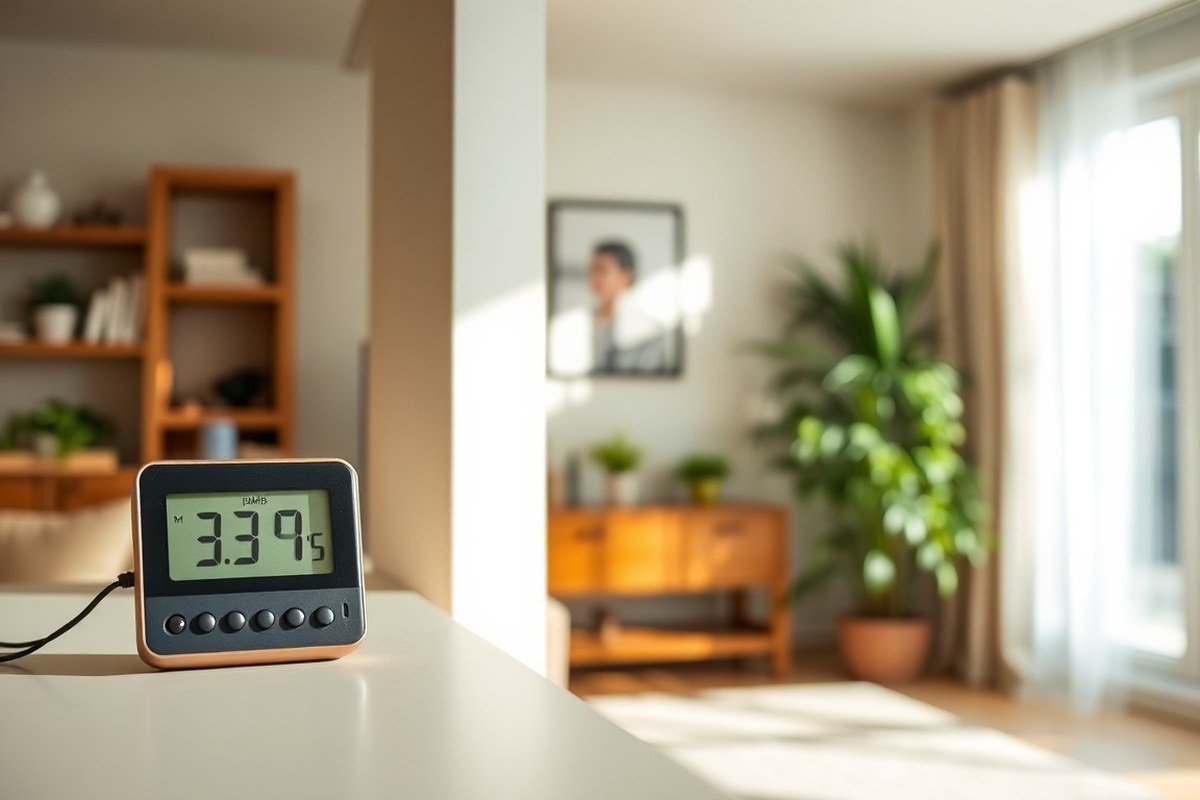
Use a reliable hygrometer to measure your home’s humidity. Check readings regularly, especially with seasonal changes. This helps you decide when to run a humidifier or dehumidifier for comfort.
Key Takeaways
- Maintain indoor humidity between 30% and 50% for best comfort.
- Use a hygrometer to check indoor humidity levels regularly.
- Keep humidity below 50% to reduce mold and dust mite risks.
- Raise humidity above 30% to avoid dry skin and respiratory issues.
- Adjust humidity seasonally, as heating and cooling affect moisture.
- Watch for sticky or clammy air as signs of high humidity.
What Is the Ideal Indoor Humidity Level for Most Homes?

The ideal indoor humidity level for most homes ranges from 30% to 50% relative humidity. This range keeps the air comfortable without causing dryness or excess moisture. Staying within these limits helps protect your health and your house.
Humidity below 30% often leads to dry skin, irritated airways, and static electricity. It can also cause wooden furniture or floors to crack as they lose moisture.
Humidity above 50% helps mold and dust mites grow fast. It also causes condensation on windows and walls.
Keeping humidity between 30% and 50% balances comfort and health benefits. Too dry air can make breathing harder and irritate your nose and throat.
Too much humidity makes rooms feel warm and sticky. It also invites allergens that worsen asthma or allergies.
You can maintain this ideal range with seasonal adjustments. During dry winters, use a humidifier to add moisture slowly and prevent wood damage. In humid summers, dehumidifiers or air conditioning help reduce moisture to stop mold and damp smells.
Monitoring your indoor humidity with a simple hygrometer helps you know when to act. These devices cost around $10 to $20 and give a real-time reading. Using exhaust fans a lot when it’s humid outside can backfire.
It may raise indoor moisture instead. Use fans carefully.
Keeping your home near 40% relative humidity is a good target for year-round comfort. This level reduces allergens, protects wood surfaces, and helps you feel cozy without sweating or dryness. It also prevents damage to paint, drywall, and electronics caused by moisture extremes.
How Does Indoor Humidity Vary by Season and Climate?
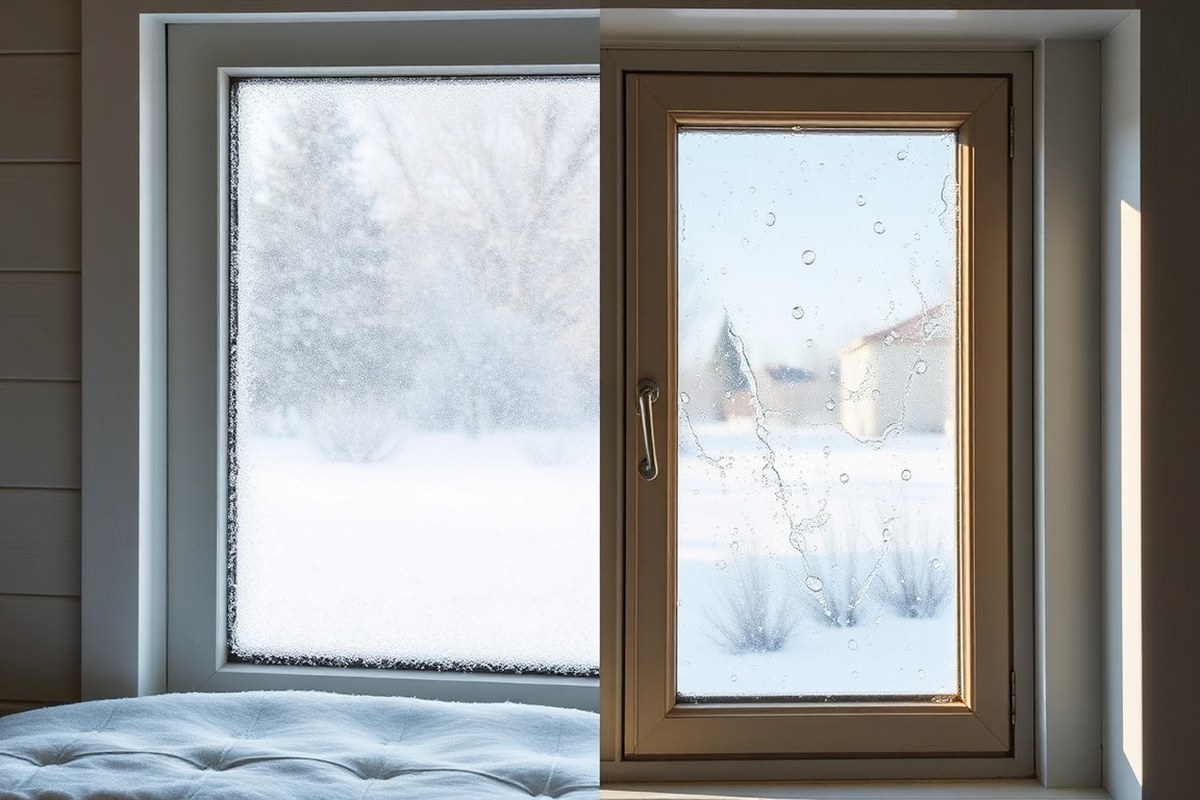
Indoor humidity changes with the seasons because outdoor temperatures affect moisture levels inside your home. In winter, colder air holds less moisture. So indoor humidity needs to stay lower to prevent condensation on windows and walls.
When it’s below 0°F outside, keep indoor humidity around 30%. This helps stop frost from forming inside your walls.
As temperatures rise in spring and fall, raise indoor humidity. Aim for between 35 and 50%. This range avoids dryness while preventing moisture problems when the air changes from cold to warm.
During summer, humidity tends to climb indoors due to warm air bringing in more moisture. Aim for 40 to 50% humidity indoors.
This keeps the air comfortable. It also helps avoid mold or dampness.
Heating systems in winter often dry out the air, making your home feel uncomfortable. You can add moisture back by using a humidifier or placing water containers near heat sources. In contrast, summer cooling systems remove indoor moisture.
So you might not need extra dehumidifying unless humidity exceeds 50%. Adjust your indoor humidity to match outdoor seasons.
This keeps your home comfortable. It also protects building materials.
Cold outdoor temperatures make air lose its ability to hold moisture. When warm indoor air hits cold surfaces like windows, it releases water droplets called condensation. This can lead to mold and damage if humidity is too high.
Efficient insulation and ventilation help control where condensation forms. But keeping winter humidity at the low end is safest to avoid sticky, wet surfaces.
Place a hygrometer near windows in winter. Check for early condensation signs. Then adjust humidity as needed.
Raising indoor humidity too high in summer or too low in winter can cause problems. Over 60% humidity encourages mold growth. Too little moisture can cause dry skin and cracking wood.
Balancing humidity means following a sliding scale that shifts with the outdoor temperature. For very cold climates, stick closer to 30%, and for warmer months, aim closer to 50%.
How to Measure and Track Indoor Humidity Levels Accurately
Use a digital hygrometer to measure indoor humidity accurately. It shows the exact relative humidity (RH) percentage.
You should keep it between 30 and 50%. Track readings in different rooms to spot where humidity varies and fix problems.
Types of Humidity Meters
Digital hygrometers are the best choice for home use. They directly measure RH and usually cost $10 to $45 depending on features. Some models link to your phone, letting you see humidity trends, not just a snapshot.
Analogue hygrometers can work but are less precise and harder to read. Smart sensors with temperature readings help because comfort depends on both humidity and temperature. Look for ±2% accuracy or better for reliable results.
Best Placement for Accurate Readings
Put hygrometers in rooms where you spend the most time and where humidity problems are common. Bathrooms, basements, and kitchens often have higher moisture. Don’t place meters near windows, vents, or heat sources to avoid false highs or lows.
Measure each main room in your home because RH can differ by 20 percentage points. For example, a bathroom can spike to 80, 90% after a shower.
The living room stays near 42%. This helps you target areas that may need a dehumidifier or humidifier.
Creating a Humidity Tracking Checklist
Check your home’s humidity regularly. Do it at least once a week. Check more if you see moisture or dryness.
Tracking over time shows patterns like high humidity after rain or dry winter air. Use a checklist to stay organized and monitor problem spots.
Follow these steps to measure and track humidity effectively:
- Buy a digital hygrometer with ±2% accuracy, costing about $10, 15 for basic models.
- Place the hygrometer in the center of a room. Keep it away from drafts, vents, and direct sunlight.
- Wait 1 to 2 hours for the meter to settle and give an accurate reading.
- Record the humidity percentage and room temperature manually or use a smart device to log it.
- Repeat in other rooms, especially bathrooms, basements, and bedrooms.
- Note any spikes or dips in humidity and link them to activities or weather changes.
- Compare readings across rooms to find areas wetter or drier than others.
- Adjust humidifiers or dehumidifiers based on your readings to maintain 30, 50% RH.
What Signs Indicate Your Home Has a Humidity Problem?
You might suspect humidity problems if you spot condensation on your windows or walls. This often means moisture is high inside your home, especially if it happens frequently. Condensation happens when warm air touches cold surfaces.
It means the air holds too much moisture. This usually occurs on windows or walls.
Musty smells inside your home also suggest excess humidity. These odors usually come from mold or mildew growing in damp places. Kitchens, bathrooms, and basements are common spots where moisture lingers and creates smells.
Look for peeling paint or wallpaper as signs of humidity trouble too. Moisture can cause these materials to blister or separate.
Finding mold spots or damp areas shows your humidity is too high. That’s a clear sign your indoor air needs attention.
- Condensation on windows or walls
- Musty or moldy odors in rooms like kitchens or basements
- Peeling, blistering, or bubbling paint and wallpaper
- Visible mold or mildew growth on surfaces
- Health issues like allergy flares or breathing problems
- Dry air signs such as cracked wood or static electricity
Allergy symptoms and breathing problems can also point to poor humidity levels. Dust mites and mold thrive in moist air, worsening allergies or asthma symptoms. Dry air below 30% relative humidity can cause skin to dry out.
It may also irritate your eyes or cause nosebleeds. These signs mean the air is too dry.
You can use an affordable hygrometer to check your home’s humidity. Your air is probably too humid if it often reads above 60%. Keep an eye on the humidity levels inside your home.
Below 30% means the air is too dry. Pay attention to physical signs and confirm with a meter before taking action.
Address signs like condensation, mold, and musty odors promptly to avoid bigger damage. Check for leaks and improve ventilation to reduce moisture levels. Add moisture carefully with a humidifier in dry homes.
Aim to keep humidity between 30% and 50%. Avoid adding too much moisture at once.
How to Lower Indoor Humidity When It’s Too High
To lower indoor humidity, remove moisture from the air. Cut down sources that add water vapor. Focus on both steps to control humidity effectively.
Using a dehumidifier, improving ventilation, and controlling moisture inside are key steps. These methods help keep relative humidity below 50% inside living areas.
Using Dehumidifiers Properly
Dehumidifiers pull moisture out of the air, directly lowering humidity in your home. Pick a dehumidifier made for your room’s size.
Keep humidity between 30% and 50%. This helps reduce mold and makes your home more comfortable.
Whole-house dehumidifiers attach to your HVAC system. They work best for big homes or ongoing humidity issues.
They cover the entire home evenly. Portable dehumidifiers work well for single rooms or basements.
- Check the size of your space to pick the right dehumidifier capacity.
- Place the unit where air circulates freely and moisture gathers often.
- Set the thermostat on the dehumidifier between 30% and 50% humidity.
- Empty the water collection bucket regularly, or use continuous drainage if possible.
- Run the dehumidifier during damp days or high humidity seasons for best results.
Keep the dehumidifier’s air intake clean to avoid poor performance and damage.
Improving Home Ventilation
Good ventilation helps push moist air outside before it builds up indoors. Exhaust fans in kitchens and bathrooms lower humidity created by cooking and showers.
Opening windows and using ceiling fans assists airflow and removes humid air, especially during dry weather. Mechanical ventilation systems with heat recovery also reduce moisture while saving energy.
- Turn on kitchen and bathroom fans during activities that produce moisture.
- Open windows briefly to exchange indoor and outdoor air when weather allows.
- Use ceiling fans to keep air moving and prevent stagnant humidity pockets.
- Inspect and maintain ventilation systems for proper airflow and function.
Reducing Moisture Sources Indoors
Stopping moisture leaks and quick drying lowers indoor humidity. Fix leaks fast and dry wet spots within two days. This helps stop mold from growing, per the EPA.
Using exhaust fans, keeping houseplants in moderation, and drying clothes outside help lower indoor moisture. Avoid overwatering fish tanks or boiling water without lids.
- Repair plumbing leaks and seal cracks in walls or foundation to block moisture entry.
- Use exhaust fans or open a window when cooking or bathing to vent steam.
- Limit the number of houseplants and avoid excessive watering.
- Dry clothes outdoors or in a vented dryer when possible.
- Keep water from accumulating under sinks and clean gutters regularly.
Don’t let damp materials or wet areas stay longer than two days without drying.
How to Safely Raise Indoor Humidity If It’s Too Low
Running a humidifier is the fastest way to raise indoor humidity safely. Choose the type based on room size. Ultrasonic or evaporative models fit small rooms.
They also work well in medium rooms. Console humidifiers cover larger areas up to 2,000 square feet. Avoid over-humidifying past 50% to stop moisture buildup and mold risk.
Boiling water on the stove or placing bowls of water near heat vents add moisture naturally. This method suits smaller spaces or quick fixes but needs frequent refilling. Spray a light mist of water on furniture or counters sometimes.
The mist raises humidity gently. Avoid soaking the surfaces.
Houseplants can increase humidity by releasing moisture through leaves. Spider plants, Boston ferns, and peace lilies are especially good. Put several healthy plants in a room.
They raise humidity by a few points. This happens over time naturally. Keep soil damp, but do not water excessively to avoid mold on plants.
Behavioral tweaks help, too. Avoid excessive ventilation with open windows or fans when outdoor air is very dry.
Running your home’s furnace or heat pumps without adding moisture dries the air more. Use exhaust fans in kitchens and bathrooms sparingly to maintain moisture balance there.
Different rooms benefit from specific humidity targets. Bedrooms need 40% to 50% relative humidity for healthy sleep. Kitchens and bathrooms might be slightly higher due to water use.
Control zones to avoid a clammy house feeling. It also stops dry rooms that cause scratchy throats. This balances comfort.
Below is a table comparing common approaches on raising indoor humidity:
| Method | Room Size | Typical Cost | Speed | Maintenance |
|---|---|---|---|---|
| Ultrasonic Humidifier | Small to medium | $20, $60 | Fast | Regular cleaning, water refills |
| Console Humidifier | Large (up to 2,000 ft²) | $200, $400 | Fast | Periodic filter changes, refills |
| Boiling Water or Bowls Near Vents | Small to medium | Free | Moderate | Frequent refilling |
| Houseplants | Any | $10, $50 per plant | Slow | Routine watering |
Keeping humidity above 30% protects your skin and reduces static electricity. Going above 60% humidity risks mold growth in 24 to 48 hours. Mold grows especially on wood and fabric surfaces.
Keep humidity below 60%. Use a hygrometer to check levels and adjust your methods to keep humidity safe and comfortable.
How Indoor Humidity Affects Your Health and Home Materials
Dry indoor air below 25% relative humidity makes your nose and skin dry. Your mucous membranes crack, reducing their ability to trap viruses and allergens. This can increase asthma symptoms and make allergies worse, spoiling your comfort and health.
Low humidity also harms wood floors and furniture. Wood shrinks when dry and expands with moisture, so swings cause warping or cracks. Even paint can peel in very dry air.
It may crack too. This damages your home’s look and needs repairs.
Too much humidity, above 50%, helps mold and dust mites grow, triggering allergies. High moisture can make your breathing hard, especially if you have asthma. The house may feel muggy, increasing discomfort and possibly harming walls and ceilings over time.
Balanced humidity between 30% and 50% keeps your skin and mucous membranes moist and healthy. This range stops indoor air from feeling dry or sticky. It also protects wood floors from shrinking or swelling, preserving your furniture and paint.
A portable humidifier adds moisture to dry air. It is easy to use. This helps keep your home comfortable.
It prevents dry skin and protects wood by keeping humidity in a safe range. You can buy one for about $30 to $100. It usually runs quietly all day or night.
Controlling humidity matters more in winter months when heaters dry indoor air. Monitoring with a digital hygrometer helps you keep levels steady. Avoid big swings in humidity levels at home.
Rapid changes harm wood floors and furniture. Steady, moderate humidity is best.
Common Mistakes and How to Fix Indoor Humidity Problems
Many homeowners make simple errors when controlling indoor humidity. These usually involve guessing humidity levels, overusing certain appliances, or skipping proper ventilation. Fixing these keeps your home’s air comfortable and protects your health and belongings.
Mistake: Relying on Guesswork Alone
People often try to judge humidity just by feeling the air or spotting condensation. This can cause over-humidifying or drying out a room. The only way to know for sure is using a hygrometer.
This tool is reliable and shows humidity levels. It usually costs around $10 to $30.
Measure humidity in different rooms daily if you can. Doing this helps catch swings caused by weather or heating use. Plus, never assume your heater or AC controls humidity well without checking actual levels.
Mistake: Ignoring Room-by-Room Differences
Humidity is rarely the same throughout your home. Bathrooms and kitchens usually have more moisture.
But living rooms may get too dry, especially in winter. Treat each area differently rather than assuming one setting fits all rooms.
Using a portable dehumidifier in a damp basement works well. It removes moisture better than cooling the whole house. This method is more energy-efficient and focused.
Adding a small humidifier to a dry bedroom can prevent cracked skin and static shocks. Don’t overlook ventilation, running fans during showers or cooking cuts down moisture buildup.
Fixes: Quick Adjustments and Monitoring Tips
Tools and habits can help fix many humidity problems with little effort. Keep fans and vents clean and use exhaust fans often. This removes excess moisture quickly after cooking or bathing.
Try these easy fixes to improve indoor humidity control:
- Place hygrometers in main living areas and moisture hotspots
- Run exhaust fans for 15 to 30 minutes after humid activities
- Use a dehumidifier in damp basements during warm months
- Set a humidifier to stay between 30% and 50% RH, ideally around 40%
- Open windows briefly to air out stale, humid air when possible
- Regularly clean HVAC filters to maintain good airflow
- Check and fix plumbing leaks promptly to prevent hidden dampness
Don’t rely on just one reading. Check humidity levels at different times for the full picture.
Combining these steps with regular humidity checks lets you avoid common traps. Balancing ventilation, heating, and appliance use is key. That balance keeps air fresh and your home safe from mold or dryness.
Step-by-Step Action Plan for Managing Indoor Humidity
This plan helps you keep your home’s humidity at a comfortable and healthy level. Follow each step and check for signs of success before moving on.
- Day 1: Measure your home’s humidity with a digital hygrometer. Write down the reading to track changes.
- Week 1: Adjust your heating or cooling system’s humidity settings if possible. Aim for 30% to 50% relative humidity.
- Week 2: Use a dehumidifier in damp areas if humidity stays above 50%. Check if musty smells decrease and condensation fades.
- Week 3: Add a humidifier in dry spots if humidity falls below 30%. See if dry skin and static electricity lessen.
- Week 4: Ventilate your kitchen and bathroom to reduce moisture from cooking and showers. Watch for less window fogging.
- Ongoing: Inspect your home monthly for mold, peeling paint, or wood warping. These show humidity problems need fixing.
- Seasonal: Remeasure and adjust humidity controls as outdoor weather changes. This keeps levels steady year-round.
Frequently Asked Questions
What Is a Good Humidity Level Inside a House?
Aim for indoor humidity from 30% up to 50% for comfort. This range helps prevent harm to your home and keeps the air pleasant.
Can Too Much Humidity Cause Mold Growth?
Yes, humidity above 50% can encourage mold and mildew growth. Keeping it under 50% helps prevent these problems.
How Does Dry Air Affect Wooden Furniture?
Dry air below 30% humidity can make wood crack or warp. Maintaining moderate humidity protects your furniture.
What Special Considerations Exist for Basement Humidity?
Basements often have higher humidity due to poor airflow. Use a dehumidifier to keep levels under 50%.
Does Indoor Humidity Affect Energy Bills?
High humidity makes your home feel hotter, causing AC to work harder. Managing humidity can lower cooling costs.
Is Humidity Important for Pet Health Indoors?
Yes, pets can suffer from dry skin with low humidity. Keeping levels balanced helps their comfort.
Wrapping Up
Good indoor humidity keeps you comfortable and protects your home. Start by measuring your home’s humidity today. Small steps make a big difference in your indoor air quality.