How Much Does a Ride on Lawn Mower Cost? A Complete Pricing Guide
Wondering how much does a ride on lawn mower cost? On average, you can expect to pay between $1,800 and $5,000. The wide price range depends on mower type, size, and features.
Smaller, basic models cost less but usually have lower power and fewer features. Premium mowers with added comfort, power, or cutting width push prices higher. Brands also affect price; well-known brands often cost more but offer better support.
The right mower for your lawn size and terrain also affects cost. Basic models suit smaller lawns and flat yards. Larger or tougher terrain needs stronger, pricier machines.
Before buying, think about ongoing costs like fuel, blades, and maintenance. High fuel use or frequent blade replacements can add hundreds yearly. Budgeting for these extra expenses helps prevent surprises down the line.
Key Takeaways
- Expect to spend at least $1,800 for a good quality ride on mower.
- Zero-turn mowers cost more but save time on bigger, complex lawns.
- Lawn size and terrain type greatly influence the type and price of mower needed.
- Check brands and features before buying to match your exact needs.
- Plan for extra costs like fuel, blade changes, and servicing over time.
- Affordable mowers might cost less upfront but often have higher maintenance costs.
How Much Does a Ride on Lawn Mower Cost on Average?
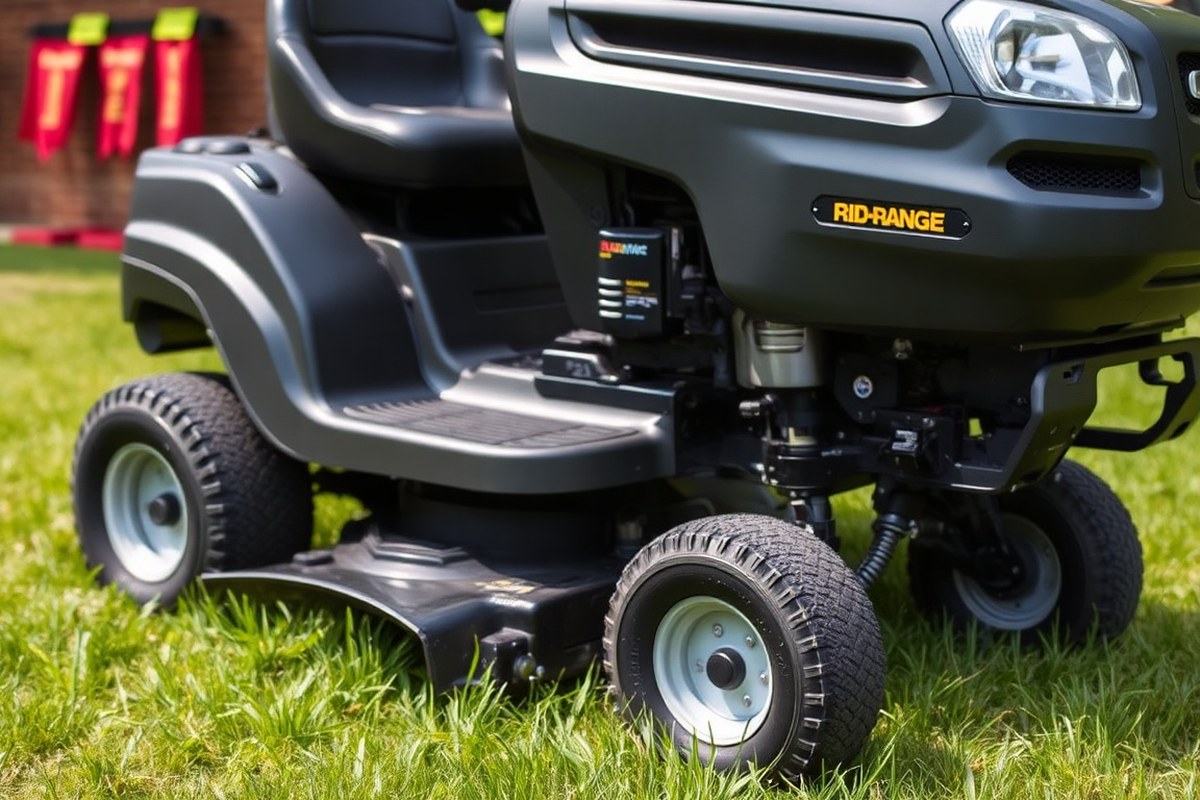
Riding lawn mowers typically cost between $1,400 and $7,900. Entry-level gas lawn tractors start around $1,400 and can reach $4,500. Zero-turn models are more expensive, usually ranging from $3,500 to $7,900 or higher.
Budget riding mowers offer basic cutting decks and engines, suitable for medium to large yards. Mid-range mowers may include features like larger decks or smoother controls, raising prices closer to $3,000.
Premium models come with powerful engines, advanced steering, and custom attachments, pushing prices above $5,000. Some high-end machines can even exceed $20,000.
Variations in price come from engine power, deck size, brand reputation, and ride comfort. For example, a mower with a 42-inch deck often costs between $1,900 and $5,900.
Adding features like headlights, cup holders, or mulch kits also increases the initial cost. Your lawn size and terrain affect your mower choice.
What Types of Ride on Mowers Exist and How Do Their Prices Compare?
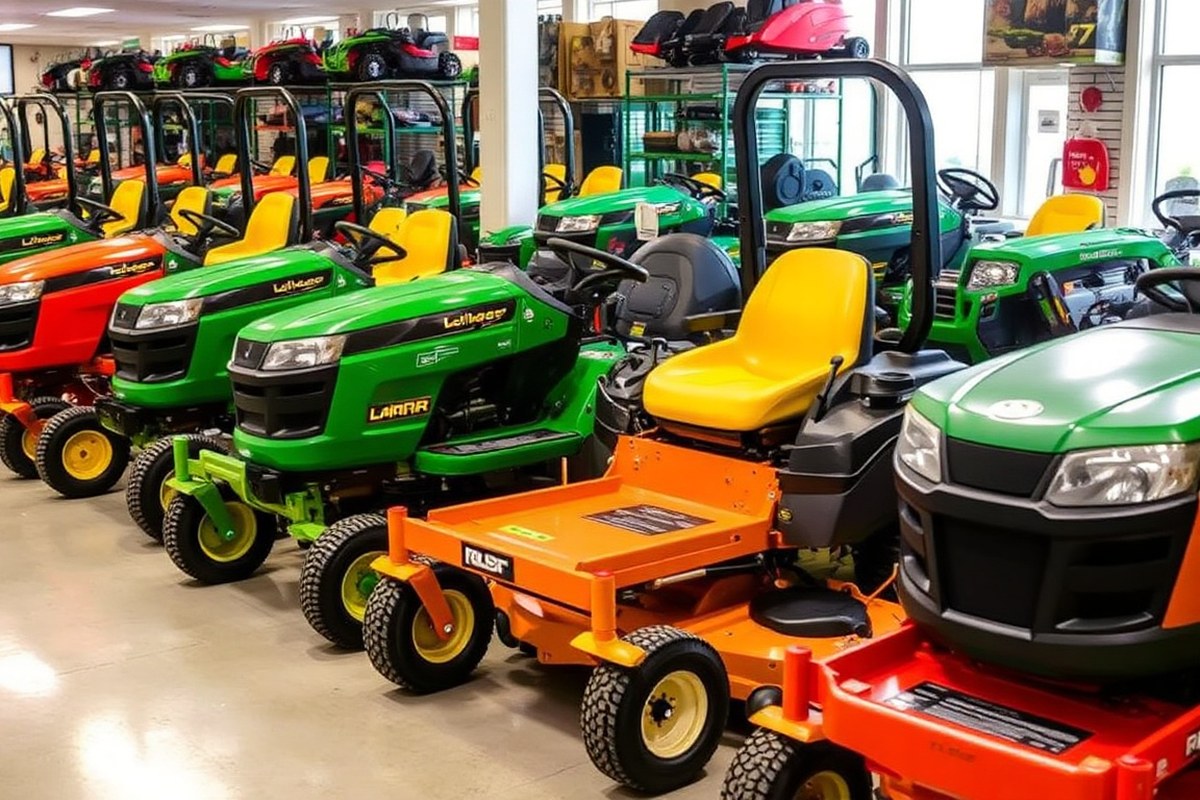
Ride on lawn mowers mainly come in three types: lawn tractors, zero-turn mowers, and garden tractors. Each type fits different lawn sizes and shapes, and their prices vary accordingly. Knowing the differences helps you pick the right mower without overspending.
Riding Lawn Tractors
These are the most common ride on mowers. They have a front-mounted engine and a steering wheel for easy handling. Riding lawn tractors typically cost between $1,800 and $3,500.
They work well for small to medium-sized lawns with simple terrain. Their deck size and engine power offer good control for regular yard work. Lawn tractors usually have moderate speed and good turning radius for basic mowing tasks.
Zero-Turn Mowers
Zero-turn mowers have a sharp turning radius, ideal for lawns with obstacles or tight spaces. They steer with two levers instead of a steering wheel. These mowers tend to be faster and more maneuverable.
They usually cost more, from about $2,800 to over $13,000, with an average around $4,700. Zero-turns suit medium to large lawns because they cut mowing time significantly. You pay extra for speed and better handling on varied terrain.
Garden Tractors and Specialty Models
Garden tractors are heavier duty and often come with attachments like snow blowers or trailers. They cost more than regular lawn tractors, often over $3,500. These are best for large properties or multi-use purposes.
Rear engine riders form another type, usually cheaper but less powerful. Specialty models like robotic mowers work quietly and require little effort. They usually cost more upfront.
Expect to pay about $1,000 to $1,800. They fit small to medium lawns and users wanting hands-off operation.
Below is a table comparing main riding mower types, their price range, and key features:
| Type | Price Range (USD) | Key Features |
|---|---|---|
| Lawn Tractor | $1,800 – $3,500 | Front engine, steering wheel, moderate speed |
| Zero-Turn Mower | $2,800 – $13,225 | Sharp turn radius, lever steering, high speed |
| Garden Tractor | $3,500+ | Heavy duty, attachments, multi-use |
| Rear Engine Rider | $2,000 – $4,000 | Compact size, rear engine, budget-friendly |
| Robotic Mower | $1,000 – $1,800 | Automated mowing, quiet, eco-friendly |
The choice depends on your lawn’s size, terrain, and features desired. Zero-turns save time on big or complex lawns, while lawn tractors suit average yards. Garden tractors fit those needing extra tools or tasks beyond mowing.
Make sure to test how each mower handles your lawn’s terrain before buying. Good maneuverability reduces strain and speeds up mowing.
How Do Features and Specifications Influence Ride on Mower Cost?
Power, cutting width, transmission, and extra features all affect ride on mower prices. Larger engines and wider decks typically raise costs the most. Convenience options add small to moderate increases but can improve your mowing experience.
Engine Size and Power
Engine power for ride on mowers usually ranges from about 18 to 23 horsepower. More powerful engines cost more because they use bigger, heavier components.
For example, upgrading from a 19 Hp to a 22 Hp Briggs &. Stratton engine might add around $100 to $300.
However, stronger engines can mow faster and handle slopes better. Larger lawns or uneven terrain benefit from stronger engines to save time. Small lawns under half an acre generally don’t need the biggest engines.
Cutting Deck Width
The cutting deck width determines how much grass the mower tackles in one pass. Decks typically span from 30 to 54 inches on ride ons. Larger decks cost more, ranging from about $100 to $500 extra compared to smaller models.
Wider decks reduce mowing time on big lawns by cutting wider swaths. For example, a 46-inch deck can mow 25% faster than a 36-inch one. Yards smaller than an acre often suit smaller decks for cost and space.
Transmission and Drive Type
Transmission systems influence mower cost and ease of use. Hydrostatic transmissions, which provide smooth variable speed, usually add between $150 and $400 to the price. Manual gear transmissions cost less but can be harder to operate on slopes.
All-wheel or self-propelled drives can add $100 to $400. These help with hills and uneven ground by providing extra traction.
They’re worth it if your yard isn’t flat or is over an acre. For flat, small yards, a basic transmission is fine.
Convenience Features and Accessories
Convenience features usually add $50 to $200 to the cost. Electric start systems, mulching and bagging options, or 3-in-1 discharge setups fall in this range. These make mowing easier and more flexible but don’t affect cutting speed.
- Electric start: +$50 to $150 for easier engine ignition
- Mulching and bagging kits: +$50 to $200 for better grass management
- Hydraulic lift systems: +$150 to $350 for raising and lowering the deck
- Bluetooth or smart controls: +$100 to $300 for wireless mower management
- GPS navigation on robotic mowers: +$500 to $2,000 for automated mowing
Choose convenience features based on your mowing habits. Those who prefer quick, hands-free jobs might pay more for smart tech. Otherwise, simple add-ons like bagging kits provide good value without breaking the bank.
How Much Does Ongoing Maintenance and Ownership Cost?
Fuel costs range from about $120 to $300 per year for gas models. Expect oil changes every 20 to 50 hours of use, costing $10 to $30 each. Air and fuel filter replacements and blade sharpening add another $100 to $200 yearly.
Electric models skip fuel and oil needs but still require battery care and occasional blade sharpening. Charging an electric mower costs roughly $0.50 to $1 per full charge.
Battery replacement every 3 to 5 years costs $100 to $250. The price depends on the brand and model.
Professional tune-ups for both gas and electric mowers cost $200 to $400 annually. These tune-ups catch issues early and keep the mower running efficiently. Overlooking them can lead to bigger, more expensive repairs later.
Parts like tires, belts, and blades wear out over time. Expect to spend $300 to $700 on these over five years.
Repairs for engines or electrical parts can add hundreds of dollars. Costs rise more if your warranty expired.
A gas mower bought for $2,500 can cost $2,880 more over five years. That covers maintenance, fuel, and parts. That adds up to roughly $5,380 total.
An electric mower priced at $3,500 may cost $700 more for batteries and tune-ups. The total comes close to $4,200.
Gas mowers usually cost more to maintain than electric ones do. However, gas models handle larger, tougher lawns better. Electric mowers have lower upkeep but higher upfront prices and battery replacements to plan for.
How Do Lawn Size and Terrain Affect Which Mower You Need and Its Cost?
Your lawn size is the main factor to pick the right mower type. Small lawns up to 5,000 sq ft work well with push mowers. Basic electric mowers also fit this size.
These usually cost between $100 and $250. Medium lawns from 5,000 to 10,000 sq ft suit self-propelled mowers.
Choose gas or good cordless electric models. They typically cost $300 to $700.
Larger lawns at 10,000 sq ft or more need riding mowers. These usually cost from $1,000 up to $3,000. Prices can go higher too.
Riding mowers cover bigger areas faster and ease physical effort. Price depends on engine power and cutting deck size.
Drivetrain type matters, like rear- or all-wheel drive. These factors change the cost.
Terrain plays a big role too. Flat, even lawns match simple mower types. But rough, hilly or uneven lawns demand stronger machines.
Zero-turn mowers are great for hills and obstacles. They start around $1,200 and usually cost more. They handle tricky ground well.
Steep slopes might require a small self-propelled mower too. It helps reach spots the main mower misses. This is common on uneven yards.
- Small lawns (≤ 5,000 sq ft): Manual push or electric mowers; $100, $250
- Lawns from 5,000 to 10,000 sq ft suit self-propelled mowers. Gas or cordless electric models fit this range well. Prices run from $300 to $700.
- Large lawns (10,000+ sq ft): Riding mowers or heavy-duty models; $1,000, $3,000+
- Rough or hilly terrain: Zero-turn mower or all-wheel drive adds cost
- For steep slopes: Consider owning a small self-propelled mower too
Zero-turn mowers are better for big, uneven lawns. These mowers turn sharply and mow faster than standard ones. They need mostly flat or gently sloped ground to work best.
Rough terrain can be tough. Prices start around $1,200 and climb with features like larger decks and more horsepower. Gas models suit tough jobs but add maintenance costs and noise.
Think about extra tools for narrow areas or slopes. Many riders struggle in tight or steep spots. Carrying a compact self-propelled mower costs under $700.
Small mowers help finish edges and tough spots in the yard. Use them after the main mower cuts most grass. This makes the lawn look neat.
Check terrain carefully before buying. A good mower won’t handle steep or rocky slopes well. So plan for extra gear or professional help if needed.
What Hidden and Additional Costs Should Buyers Budget For?
Delivery and assembly can add $100 to $350 to your ride-on mower cost. Dealers usually handle setup, add fluids, and provide basic instructions.
Some sellers include free delivery and setup. But many charge extra for these helpful services.
Useful accessories can increase your total price by hundreds of dollars. You might want a bagger, mulching kit, headlights, or a tow hitch.
Adding these lets you handle more tasks. But check prices carefully so you don’t overspend on extras you won’t use.
- Delivery and assembly fees range from $0 to $350
- Extended warranties add about 5, 15% of the mower’s price
- Bagger and mulching kits cost $150 to $400 each
- Extra blades or replacement parts may cost $50 to $150
- Protective gear like ear and eye protection adds around $20 to $50
- Insurance may impact your homeowner policy if you have commercial use
- Fuel and oil should be factored into seasonal operating costs
Choosing an extended warranty usually costs 5 to 15 percent of the mower price. This adds extra financial protection. It helps cover unexpected repair costs later.
An extended warranty can be worth it if you want added repair coverage. It goes beyond the manufacturer’s standard warranty. You get more peace of mind with it.
Think about how reliable your mower is before buying extra warranty. Also, consider how often you’ll use your mower each season. These factors affect whether extra coverage makes sense.
Insurance costs can change if you use the mower as part of a business. Check with your insurance agent to update your policy if needed. Some costs don’t show up right away but add up over time.
They raise the total money you spend on mowing. Keep an eye on all expenses in your budget.
Where Can I Find Reliable Ride on Mower Prices and Deals?
Popular stores like Home Depot, Lowe’s, and Tractor Supply have good prices. They often compete to offer better deals on ride on lawn mowers. Check them out for options near you.
You can also check brand-specific dealers for John Deere, Cub Cadet, or Husqvarna models. Online retailers like Amazon sometimes have good deals on mowers.
Watch for extra shipping costs or lack of local service. These fees and support issues can offset savings.
Ride on mower prices depend heavily on the brand. John Deere basic lawn tractors usually cost between $2,200 and $2,700. These models have average power and deck size typical for small to medium yards.
This price range is standard for entry-level units. Cub Cadet models may run a bit lower, around $2,000 to $2,500. Brand reputation affects price because trusted names often use higher quality parts and offer better warranties.
Fall offers the best deals, especially from October to November. Retailers clear summer stock before winter, pushing prices down these months. You can save more by shopping during this period.
March and April also have good prices on new models for the season. Holiday sales like Memorial Day and Black Friday have deep discounts or bundles.
You might save several hundred dollars by buying during these events. They are good times to watch for lower prices.
Prices tend to vary by region because shipping costs and dealer policies differ. Lawn mowers can cost 5% to 10% more in rural or remote areas. Transportation expenses raise the final price you pay.
This increase affects those outside city or suburban zones. Demand also changes prices. Areas with larger lawns and seasonal mowing often have better mower deals.
Retailers stock more units in these regions to meet higher demand. This usually means lower prices for buyers.
To find a reliable price, compare local dealers and check online. Call stores to ask about clearance sales and available models. End-of-season sales clear out last year’s mower models.
Consider if you want an older model or prefer a newer version. Buying older mowers can save money but may lack newest features. Early fall is a strong chance for bargains without sacrificing model year.
What Practical Tips Help Choose the Right Ride on Mower Within Your Budget?
Choosing a ride on mower that fits your budget means balancing price, features, and long-term upkeep. Focus on what you need based on your lawn size and terrain. Think about how often you will use the mower.
This helps pick the right model for you. Knowing your financing options helps you spread out costs if the mower exceeds your immediate budget.
Setting Your Budget
Ride on mowers generally cost between $2,500 and $5,500. You have a smaller yard or want less upkeep.
A simple, lower-cost model may work well for you. Larger or uneven lawns need more powerful mowers, which usually cost more upfront.
Plan not just for the purchase price but also for fuel, maintenance, and possible repairs. Factoring these in helps avoid surprises and keeps your mower running longer. A clear budget stops you from choosing features you won’t use.
Evaluating Essential Features
Prioritize features that match your lawn’s real needs. A zero-turn radius mower turns sharply and moves faster. It’s perfect for tight spots or tricky yard shapes.
These features make mowing easier and quicker. You have hills or rough ground to mow.
Choose models with strong engines and tough tires. These help you handle the hard terrain.
Electric models have higher voltage or amperage ratings that affect mowing power and runtime. Gas mowers need bigger engines for tougher yards but require more maintenance. Avoid paying for extra features like fancy lights.
Skip ultra-wide cutting decks unless they really help you mow. Stick to features that improve your mowing.
- Choose cutting width suited to your lawn size for efficiency
- Look for easy-to-use controls and comfortable seating
- Check mower’s turning radius for maneuverability
- Consider engine size or battery capacity based on terrain
- Verify available attachments like baggers or mulchers
- Test noise levels if mower will be used near neighbors
Match features to your yard’s demands to avoid paying for unused extras.
Considering Maintenance and Financing
Maintenance costs add up over time and vary by mower type. Gas models need oil changes, spark plug replacements, and blade sharpening. Electric mowers usually have lower maintenance but come with battery replacement costs.
Check for financing options like zero-interest plans or installment payments through retailers or manufacturers. Financing can help with the first cost of a mower.
Check interest rates and loan terms closely. This prevents paying too much in the long run.
Don’t pick a mower only because it’s cheap upfront. Maintenance costs can add up quickly.
Avoid common mistakes like underestimating your lawn size or skipping test rides. Taking time to compare models in person helps confirm comfort and controls. Be cautious about impulse buys during sales if the mower doesn’t meet your key needs.
Step-by-Step Action Plan for Picking Your Ride on Lawn Mower
Follow these steps to find the right mower and stay within your budget. Check off each one so you know you’re on track.
- Before you start: Measure your lawn size and note any slopes or tricky spots. This helps you pick the mower type that fits your terrain.
- Day 1: Set a budget including the mower, maintenance, and extras like a trailer. Knowing your limit stops you from overspending.
- Day 2: Research ride on mowers online at stores and manufacturers’ websites. Write down prices for the models that match your needs.
- Day 3: Visit local dealers to see mowers in person. Test the ride and compare features firsthand to make sure you like them.
- Week 1: Check for ongoing costs such as oil changes, blade sharpening, and seasonal storage. Add these to your total budget for ownership.
- Week 2: Look for deals like discounts or bundles but watch out for hidden fees. Ask about warranty and service plans.
- After purchase: Read the manual and schedule the maintenance recommended. Proper care keeps your mower working longer and saves money.
Frequently Asked Questions
How Does Fuel Type Affect the Cost of a Ride on Lawn Mower?
Gasoline models usually cost less upfront but need more fuel and maintenance. Electric or battery-powered mowers cost more initially but save money on fuel and upkeep over time.
Can You Finance a Ride on Lawn Mower?
Many dealers and stores offer financing options for ride on mowers. Financing lets you pay over time but may include interest, raising the total cost.
Are Warranties Worth the Extra Cost on Ride on Mowers?
Warranties add cost but protect you against major repairs. Consider your mower’s reliability and usage before deciding on extra warranty coverage.
How Does Brand Reputation Influence Ride on Mower Prices?
Well-known brands usually charge more for quality and support. Lesser-known brands may cost less but can vary in durability and service availability.
Do I Need Extra Accessories That Add to a Ride on Mower’s Cost?
Attachments like baggers or trailers can add hundreds to your total. Buy only what fits your yard’s unique needs to avoid extra expenses.
Should I Hire a Professional for Ride on Mower Maintenance or Do It Myself?
Doing maintenance yourself saves money but requires some skill and tools. Professionals charge more but provide expert care, which might extend mower life.
Before You Go
A ride on lawn mower’s cost depends on size, type, and features. Knowing your lawn’s needs helps you avoid waste. Start by measuring your lawn and setting your budget, then shop smart.