

Do Seeds Have Protein? 8 Key Facts and Benefits You Should Know
Do seeds have protein? Yes, many seeds provide a solid amount of protein.
Seeds like hemp and pumpkin pack more protein per ounce than you might expect. Adding these to your diet can boost your daily protein intake with plant-based options.
Hemp seeds lead the pack with about 9 grams of protein per ounce. Pumpkin seeds and squash seeds also deliver close to 8.5 grams per ounce. You can use them as snacks, toppings, or in smoothies for an easy protein hit.
Seeds aren’t just about protein. Many also offer healthy fats, fiber, and minerals like magnesium and zinc. Keep portion sizes in check because seeds are calorie-dense, balancing nutrition without too many extra calories.
Key Takeaways
- Hemp seeds have the highest protein content among common edible seeds.
- Pumpkin and squash seeds provide nearly 8.5 grams of protein per ounce.
- Use seeds as snacks or add them to salads and smoothies for protein.
- Seeds also offer essential minerals like magnesium, zinc, and iron.
- Watch portions because seeds contain fats that add calories quickly.
- Protein from seeds suits plant-based diets well as a nutrient boost.
Do Seeds Contain Significant Protein?

Seeds do contain protein and are a solid source of it in a plant-based diet. The protein content varies but generally falls between 15% to 30% by weight. Common seeds like hemp, pumpkin, sunflower, chia, and sesame all offer significant amounts of protein.
Hemp seeds stand out with about 9.5 grams of protein per 28-gram serving. This gives about 31 grams of protein per 100 grams. That’s high compared to many other plant foods.
Pumpkin seeds have nearly 8 grams of protein per ounce. They also offer good iron and zinc.
Sunflower seeds provide about 7 grams of protein per ounce. They’re great for snacks or cooking. Chia seeds offer about 17 grams per 100 grams, plus omega-3s and soluble fiber.
Sesame seeds have around 18 grams of protein per 100 grams. They also add calcium to your diet.
Not every seed is equally high in protein. But many fall into the 15% protein range. Flaxseeds, often ground and mixed into foods, typically contain similar levels around 15%.
Seeds like hemp are nearly half fat. This affects their calories and nutrition, so watch portion size.
These protein amounts show seeds can help meet daily protein needs. This is great for plant-based diets. Their protein levels match some animal proteins, like chicken breast.
This looks at protein per calorie. However, total protein depends on how much of the seed you eat and how often.
Which Seeds Have the Most Protein per Serving?
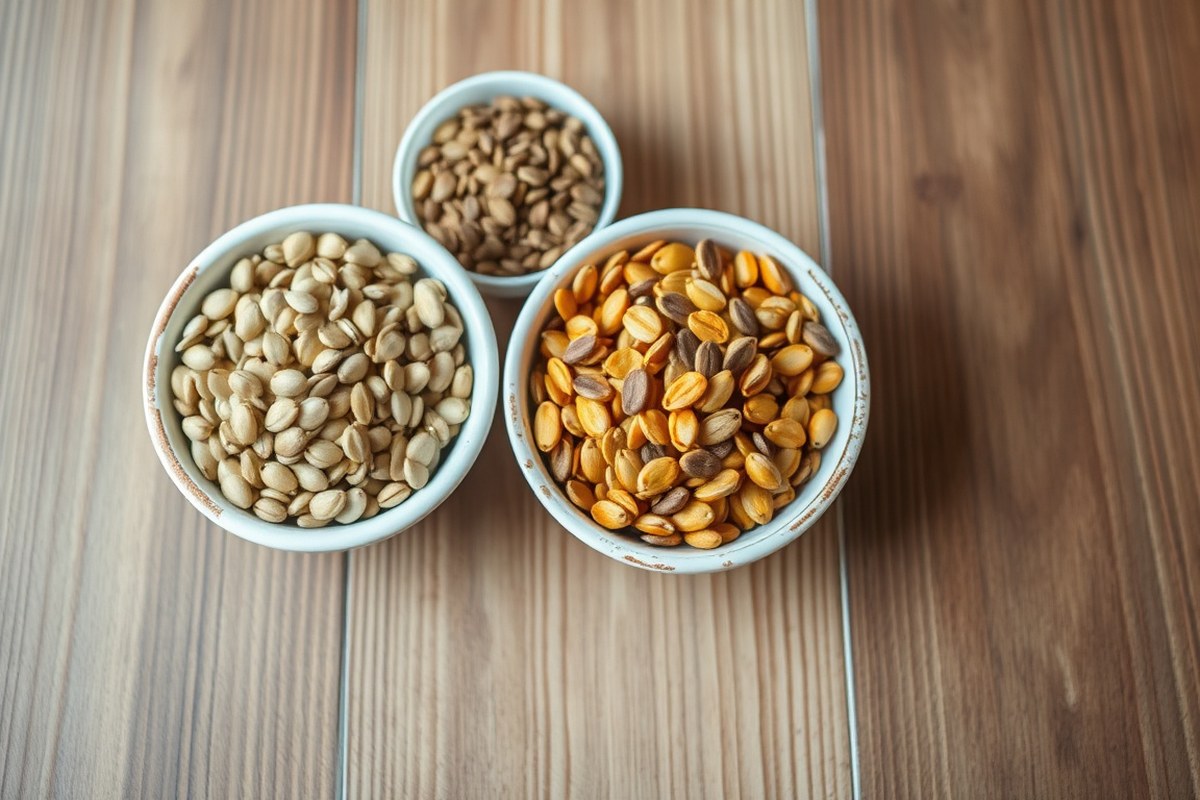
Hemp seeds have the most protein among seeds. They contain about 9 to 10 grams per ounce. This makes them a strong protein source.
Pumpkin seeds follow closely with 8 to 9 grams per ounce. Sunflower, flax, sesame, and chia seeds give 4 to 6 grams of protein per ounce. The amount changes by seed type and calories.
Protein varies depending on the seed. The protein you get depends on serving size and calories. So comparing by weight or energy shows different views.
Protein Content per 1 Ounce Serving
Hemp seeds win with around 9 to 10 grams of protein in a 1-ounce (28g) serving. Pumpkin seeds come next, with 8 to 9 grams per ounce.
Sunflower, flax, sesame, and chia seeds provide roughly 4 to 6 grams per ounce. This measure suits snacks or simple additions to meals.
Measuring protein per ounce works for snacking or weighing seeds. Use this if you eat seeds by handfuls or weight. It helps track protein intake better.
Some seeds have more protein per ounce but also more calories. That can matter if you watch calorie intake alongside protein.
Protein per 100 Grams
Looking at 100-gram servings, hemp seeds contain about 31 grams of protein. Pumpkin seeds deliver close with 30 grams per 100 grams. Sunflower seeds drop to 21 grams.
Flax and sesame seeds have about 18 grams. Chia seeds offer the lowest at 16 to 17 grams per 100 grams.
Using 100 grams gives a consistent baseline for comparing seeds. But you rarely eat that much at once. Still, this shows how protein-dense hemp and pumpkin seeds are compared to others.
Protein per 200 Calories
Protein per 200 calories can look different. Hemp seeds provide roughly 11.4 grams of protein per 200 calories. Pumpkin seeds come close with about 10.8 grams.
Sunflower seeds offer about 7.2 grams per 200 calories. Flax and chia seeds give around 6.8 grams. Sesame seeds have approximately 6.2 grams.
This measure fits better if you track calories and protein together. Seeds with more fat usually have less protein per calorie. Those with less fat may give more protein per calorie.
Fat content affects protein density in seeds. Choose seeds based on your protein goals and calorie limits.
| Seed | Protein per 100g (g) | Protein per 1 oz (28g) (g) | Protein per 200 kcal (g) | Key Nutrient Bonus |
|---|---|---|---|---|
| Hemp seeds | 31 | 9, 10 | 11.4 | Complete amino acids, omega-3 & omega-6 |
| Pumpkin seeds (pepitas) | 30.2 | 8, 9 | 10.8 | Iron, zinc, magnesium |
| Sunflower seeds | 21 | 5, 6 | 7.2 | Vitamin E, selenium |
| Flaxseeds | 18 | 5 | 6.8 | ALA omega-3, lignans, fiber |
| Sesame seeds | 18 | 5 | 6.2 | Calcium, magnesium |
| Chia seeds | 16.5 | 4, 5 | 6.8 | Plant omega-3 leader, soluble fiber |
Seeds like hemp and pumpkin have the most protein per serving. They are great for adding protein in plant-based diets. Choose these seeds to boost protein easily.
Look at calories alongside protein to get the right balance for your meal plan. Remember, high-protein seeds also add fats and micronutrients.
Serving sizes vary. So weigh your seeds for accurate protein intake and avoid overeating calories.
Are Seeds Complete Proteins? What Does That Mean?
Most seeds are incomplete proteins, meaning they miss one or more essential amino acids. These amino acids are the nine your body can’t make on its own. When a food has all nine in the right amounts, it’s called a complete protein.
Hemp seeds and chia seeds are rare exceptions and are complete proteins. Both contain all nine essential amino acids. Their amino acid profiles are similar to egg whites.
The PDCAAS scale measures this. It shows these proteins are close in quality to animal proteins.
You can eat hemp or chia seeds alone to get complete protein benefits. Adding a tablespoon of hemp seeds to your smoothie helps. This adds all essential amino acids.
It improves the protein quality. Chia seeds, with about 5 grams of protein per ounce, also cover those needs well.
Other seeds, like flax or pumpkin seeds, lack some amino acids such as lysine. They need to be combined with other protein sources to form a complete protein. For instance, pairing pumpkin seeds with beans or whole grains covers missing amino acids.
The easiest way to complete seed proteins is mixing them. Use legumes, nuts, or grains in meals. This boosts amino acid variety.
Rice and flax seeds together or beans and pumpkin seeds in a salad work well. You don’t have to eat them at the same time. But keeping variety in your diet each day helps balance amino acid intake.
Relying only on seeds for protein can be tough. It’s hard to hit 20 to 40 grams per meal. Seeds often don’t provide enough protein alone.
Combine seeds with other plant proteins like tofu or lentils. This meets your protein needs better.
You also get all essential amino acids. This approach is practical and budget-friendly for plant-based eaters.
How Do Seed Proteins Compare to Animal and Plant Alternatives?
Seeds offer good protein but don’t match animal proteins in quality or quantity. They generally have higher protein per ounce than grains but less than most legumes. Combining seeds with other plants or animal proteins helps you reach your protein needs.
Protein Content in Common Animal Sources
Animal proteins like red meat, poultry, fish, eggs, and dairy have high-quality protein. This means they contain all essential amino acids your body needs. On average, animal proteins provide about 20 to 30 grams of protein per 3-ounce serving.
Animal proteins also come with important nutrients such as vitamin B12, iron, and zinc. These nutrients play roles in muscle growth and overall health. Still, plant-based eaters can meet protein goals by mixing different plant foods.
Protein in Plant-Based Alternatives
Legumes like lentils have a lot of protein. Beans also contain 7 to 9 grams per half cup cooked. These foods offer a good protein boost for plant eaters.
Quinoa, a grain that is also a complete protein, delivers about 8 grams per cooked cup. These foods provide more protein per serving than most seeds.
Plant proteins are often lower in one or more essential amino acids. By combining foods, like seeds with legumes, you create a full amino acid profile. This approach supports muscle growth without relying solely on animal products.
Seeds Compared with Legumes and Grains
Seeds such as hemp and pumpkin have more protein per ounce than grains or many legumes. For example, hemp seeds provide about 10 grams of protein per ounce. This makes seeds among the top plant-based protein sources by weight.
Chia and flax seeds are respectable but lower in protein, with around 5 grams per ounce. Seeds have lots of calories and fats. Eating them only might cause too many calories.
Be careful not to overdo the seeds in your diet. It’s best to limit seed portions to 2-3 servings a day with other protein foods.
Here’s a comparison of protein in common animal, seed, legume, and grain sources per typical serving:
| Protein Source | Serving Size | Protein per Serving (grams) |
|---|---|---|
| Chicken breast (cooked) | 3 oz (85 g) | 26 |
| Egg (large) | 1 egg (50 g) | 6 |
| Hemp seeds | 1 oz (28 g) | 10 |
| Pumpkin seeds | 1 oz (28 g) | 7 |
| Lentils (cooked) | ½ cup (100 g) | 9 |
| Quinoa (cooked) | 1 cup (185 g) | 8 |
Choosing seeds adds plant-based omega-3s and antioxidants, unlike most animal proteins. Animal proteins deliver a stronger amino acid profile but come with more saturated fat. Seeds are good for heart health and fit well in a balanced, mostly plant-based diet.
How Much Protein Should You Get from Seeds Daily?
Your daily protein needs depend on your weight and health status. The British Heart Foundation recommends about 0.75 grams per kilogram of body weight. If you weigh 150 pounds (68 kg), aim for about 51 grams of protein daily.
That’s your rough target. It helps meet your body’s needs.
Seeds provide protein but usually aren’t enough alone to meet your daily needs. One serving of seeds, about one ounce or three tablespoons, gives around 5 grams of protein. Four servings would give you only 20 grams of protein.
This amount falls short of half your daily goal. So, you need more protein sources.
Seeds can still be a solid part of your protein intake. You can mix seeds like chia, flax, sesame, and poppy. Combine them with other protein foods.
This helps you reach your protein needs. Seeds also add healthy fats, fiber, and minerals, which support overall nutrition.
Try getting one to two servings of seeds each day. That fits well in meals or snacks without pushing too many calories. Try adding two tablespoons of chia or flax seeds to oatmeal.
You can also blend them into a smoothie. This adds protein to your meal.
Adding seeds is easy and affordable. A bag of flax seeds might cost just a few dollars and last weeks. Just store them in a cool, dark place to keep their nutrients intact.
Keep seeds fresh by grinding whole seeds just before eating. This step protects protein and fats from going rancid. It keeps your food tasty and healthy.
Keep an eye on variety because seeds alone won’t provide all essential amino acids. Combine them with legumes, nuts, or whole grains for a complete protein mix. That approach also broadens your nutrient intake and meal options.
People with kidney problems or specific health concerns might need different protein amounts. Consult your doctor or dietitian to set your ideal daily target based on your health. They can also help adjust seed portions safely.
What Additional Health Benefits Do Protein-Rich Seeds Offer?
Seeds provide more than just protein. They also supply healthy fats like omega-3 and omega-6 fatty acids, fiber, vitamins, and minerals. These nutrients support heart health, digestion, and reduce inflammation.
Hemp seeds stand out for their polyunsaturated fats and vitamins E, D, and A. These help fight infections and protect cells from damage. Pumpkin seeds have minerals like iron, magnesium, calcium, and phosphorus.
These minerals help your bones stay strong. They also support your muscle health.
Chia and flaxseeds are top choices for omega-3s and fiber. Chia seeds offer about 10 grams of fiber per ounce along with heart-healthy plant-based omega-3s. Flaxseeds add antioxidants that may lower inflammation and support overall wellness.
Safflower seeds also provide protein and can add variety to your diet. They work well as a salad topping or in trail mix, adding nutrients without much effort. Eating a mix of seeds taps into their different benefits for balanced nutrition.
Sprinkle 1 to 2 tablespoons of pumpkin seeds every day. You can add them to yogurt, oatmeal, or salads. This way, you get their benefits.
This small change costs only a few cents but delivers fiber, healthy fats, and essential minerals. Avoid relying solely on protein powders or supplements. Whole seeds offer combined nutrients nature designed.
How to Add More Protein-Rich Seeds to Your Diet Easily
Adding protein-rich seeds to your meals can be simple and tasty. You can sprinkle, blend, or bake seeds to boost protein without extra hassle. Choose ways that fit your routine and taste preferences for the best results.
Sprinkle Seeds on Breakfast Foods
Seeds are easy to add to breakfast dishes like oatmeal and yogurt. Pumpkin seeds add about 4, 5 grams of protein per tablespoon along with a zinc boost. Sesame or sunflower seeds also work well for extra protein and crunch.
Try these quick ideas to start your day with more protein:
- Top Greek yogurt with pumpkin or hemp seeds
- Mix chia or flax seeds into overnight oats
- Sprinkle sunflower seeds over whole-grain toast
- Add sesame seeds to steamed vegetables or eggs
- Blend hemp seeds into your morning smoothie
Adding seeds like this usually takes less than a minute. It adds texture and protein without changing flavors too much.
Mix Seeds into Smoothies and Salads
Blending seeds into smoothies adds protein and taste. Tossing seeds into salads also boosts protein. This is a simple way to eat more plant protein.
Hemp seeds blend smoothly and add 3 grams of protein per tablespoon. Pumpkin seeds can be sprinkled over salads or grain bowls.
Here are some easy ways to include seeds in your snacks or meals:
- Blend hemp or flax seeds into fruit smoothies
- Sprinkle sunflower or pumpkin seeds on grain bowls
- Add sesame seeds to stir-fry just before serving
- Mix seeds into homemade protein trail mix
- Top fresh fruit or guacamole with roasted pepitas
Adding seeds late in cooking keeps their nutrients intact. They add texture and flavor without much prep work.
Bake Seeds into Snacks and Breads
Seeds can boost protein in baked goods like bread, muffins, and snack bars. Mixing seeds into dough or batter adds nutrition and a crunchy texture. You can use pumpkin, sunflower, flax, or sesame seeds for extra protein and flavor.
Try these ideas for seed-packed baked snacks:
- Stir sunflower and flax seeds into bread dough
- Add pumpkin seeds to homemade granola or bars
- Top muffins with sesame or hemp seeds before baking
- Use ground flax or chia seeds as egg replacers in recipes
- Make no-bake chia and flax seed protein balls
Baking with seeds usually works fine at temperatures below 350°F. Overheating can reduce some nutrients. So add some seeds after baking if desired.
Common Myths About Protein in Seeds Debunked
Seeds are not a poor protein source. Many people worry seeds don’t offer enough protein, but that’s not true. Sunflower seeds alone provide a solid amount along with other nutrients that help your body.
Some think seeds contain incomplete and useless protein. Seed proteins may lack one or two amino acids. But that doesn’t make them useless.
You can pair seeds with grains or legumes across meals. This way, all essential amino acids come together.
Nuts and seeds are often confused as the same protein source. While both offer protein, they differ slightly in content and nutrients. For example, nuts average about 5.6 grams of protein per ounce.
Pistachios give you about 6 grams of protein per ounce. That’s close to the protein in seeds like hemp. Hemp seeds contain even more protein than pistachios.
The variety in proteins between nuts and seeds means mixing them in meals works best. Give yourself a better chance of meeting your daily protein needs by using both types. Add hemp seeds to oatmeal and sprinkle pistachios on a salad for a simple, balanced boost.
Don’t rely on seeds alone for protein. Mix them with grains or nuts throughout your day for full amino acid coverage.
Sunflower seeds also carry antimicrobial and anti-inflammatory properties. These benefits add more value to their protein content.
Another example is hemp seeds, which are high in protein and contain almost no THC. So they won’t affect you like cannabis.
Choosing a variety of seeds and nuts helps you enjoy protein and other nutrients. Eating only one kind might leave you missing key amino acids or vitamins. Seeds provide healthy fats and fiber to support overall health along with protein.
Step-by-Step Action Plan to Boost Protein from Seeds
Follow these simple steps to add more seeds and protein to your meals. Track your progress with how you feel and how meals taste.
- Day 1: Pick one high-protein seed like pumpkin or hemp. Add it to your breakfast. Enjoy the extra crunch and check if you like the flavor.
- Day 3: Sprinkle ground flaxseed or chia seeds onto snacks or salads. Notice any changes in texture or fullness after eating.
- Week 1: Replace a usual snack with a small handful of mixed nuts and seeds. See if you feel more satisfied between meals.
- Week 2: Blend a tablespoon of seed butter into a smoothie or spread. Observe the taste and if it keeps you energized longer.
- After Week 3: Experiment with seed-based recipes like seed crackers or energy bars. Share your favorites with friends or family to gather feedback.
- Week 4: Review your weekly meals. Count how often you included seeds. Decide which seeds you want to keep or try next.
Frequently Asked Questions
Can I Meet My Daily Protein Needs from Seeds Alone?
No, seeds provide protein but not all essential amino acids. Combine them with other plant proteins to meet your daily needs fully.
Is the Protein in Seeds Easy to Digest?
Seed protein digestibility varies, often lower than animal sources. Soaking or roasting seeds can improve digestion and nutrient absorption.
Do Protein-Rich Seeds Cause Weight Gain?
Eating seeds in moderation won’t cause weight gain despite their fat content. Their healthy fats and fiber can help control hunger.
Are There Any Allergies Linked to Consuming Seeds?
Yes, some people may have allergies to seeds like sunflower or sesame. Start with small amounts and watch for reactions if you’re unsure.
Can Seeds Replace Protein Supplements in a Plant-Based Diet?
Seeds can often replace protein supplements for many people. They offer natural nutrients and fiber, making them a whole-food choice.
Does Roasting Affect the Protein Quality in Seeds?
Roasting seeds may slightly reduce some nutrients but doesn’t significantly affect protein content. It can improve taste and digestibility.
Key Points to Remember
Seeds are a solid way to add plant protein and healthy fats to your diet. Choose seeds that fit your taste and meal style. Start by adding one new seed now and see how it feels.


