How to Make Tomato Cages: 8 Practical Methods for Strong Support
How to make tomato cages is a common question for gardeners starting out. The best way to get strong tomato cages is to build them yourself. Using sturdy materials like remesh wire or wood gives you durable support for heavy tomato plants.
Start by choosing a material that holds up well in your garden weather. Next, make sure the cage size fits your specific tomato variety’s growth. Strong cages generally stand about 5 feet tall and wide enough to give plants room.
Building your own cages saves money compared to buying ready-made ones. You can build tomato cages tall to fit long plants. You can also make them wide for sprawling tomato plants.
This helps support plants better as they grow. This customization helps keep your tomatoes upright and healthy through the season.
Key Takeaways
- Pick remesh wire or sturdy wood for long-lasting tomato cages.
- Build tomato cages at least 5 feet high for most indeterminate tomatoes.
- Use a panel around 16 by 4 feet to create wide, roomy cages.
- Space cages 24 to 36 inches apart for proper plant growth and airflow.
- Make cages wide enough, about 2 feet across, to fit tomato plant branches.
- Creating your own cages costs less than buying multiple store-bought ones.
1. Choosing Materials for Durable Tomato Cages
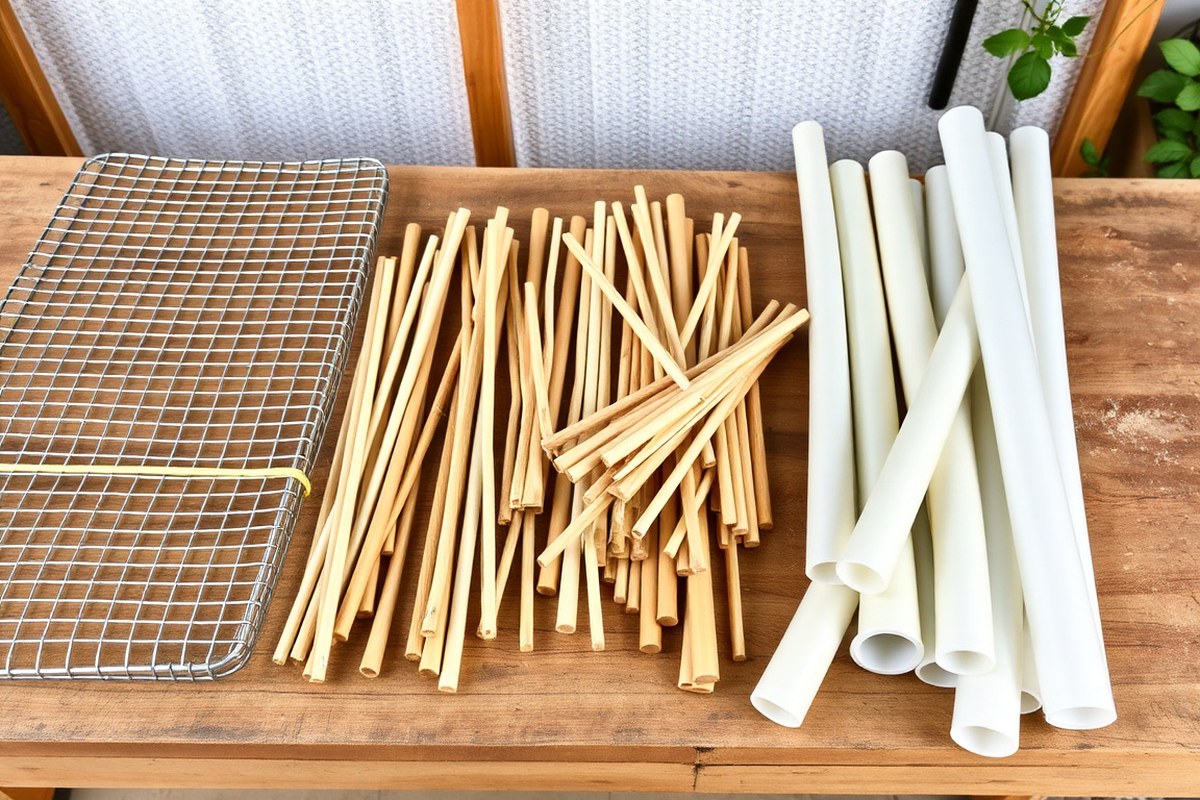
Choosing the right material matters because it affects the cage’s strength and lifespan. Tomato cages often stand about 5 feet tall and 2 feet wide for good support. You want something sturdy enough to hold heavy tomato plants without bending or breaking.
Metal cages made from concrete reinforcing wire last many years. You can save them for next seasons easily. They stay strong and work well every year.
A 16 by 4-foot wire panel costs about $15 to $30. This is enough for DIY metal tomato cages. Prices depend on where you buy it.
Wood is another solid option. It looks good and holds up well but can rot if not treated. Bamboo is lighter and eco-friendly but may snap under heavy fruit if not thick enough.
PVC pipes are lightweight and affordable, costing less than $10 if you already have them. However, they aren’t the strongest and can crack in cold weather or under heavy tomato weight.
It’s safe to use PVC indoors or in warm climates. But metal or wood is better outdoors for durability.
Here’s a quick comparison: metal wire is heavy-duty, reusable, and steals the show for durability. Wood is pleasing to the eye and sturdy but needs maintenance.
Bamboo is affordable and earth-friendly but less strong and less long-lasting. PVC is cheap and easy to work with but risks breaking and needs careful placement.
Environmentally conscious gardeners often pick bamboo or untreated wood. These materials break down naturally without adding waste. Metal cages can eventually rust and leave behind scraps.
Still, they last longer in use. Look for reclaimed wood or recycled wire to reduce environmental impact even more.
For budget options, building your cages from concrete remesh wire is smart. One 16×4 ft. Panel can make multiple cages wide enough for two or more tomato plants.
Wood cages need nails or wood staples to hold them together. They cost between $10 and $25, depending on wood type. Prices vary with different wood choices.
Bamboo poles usually cost less than $15 for enough material. This amount can build tomato cages for a typical backyard. Prices depend on local supply and pole size.
2. Building a Tomato Cage from Remesh Wire Step-by-Step
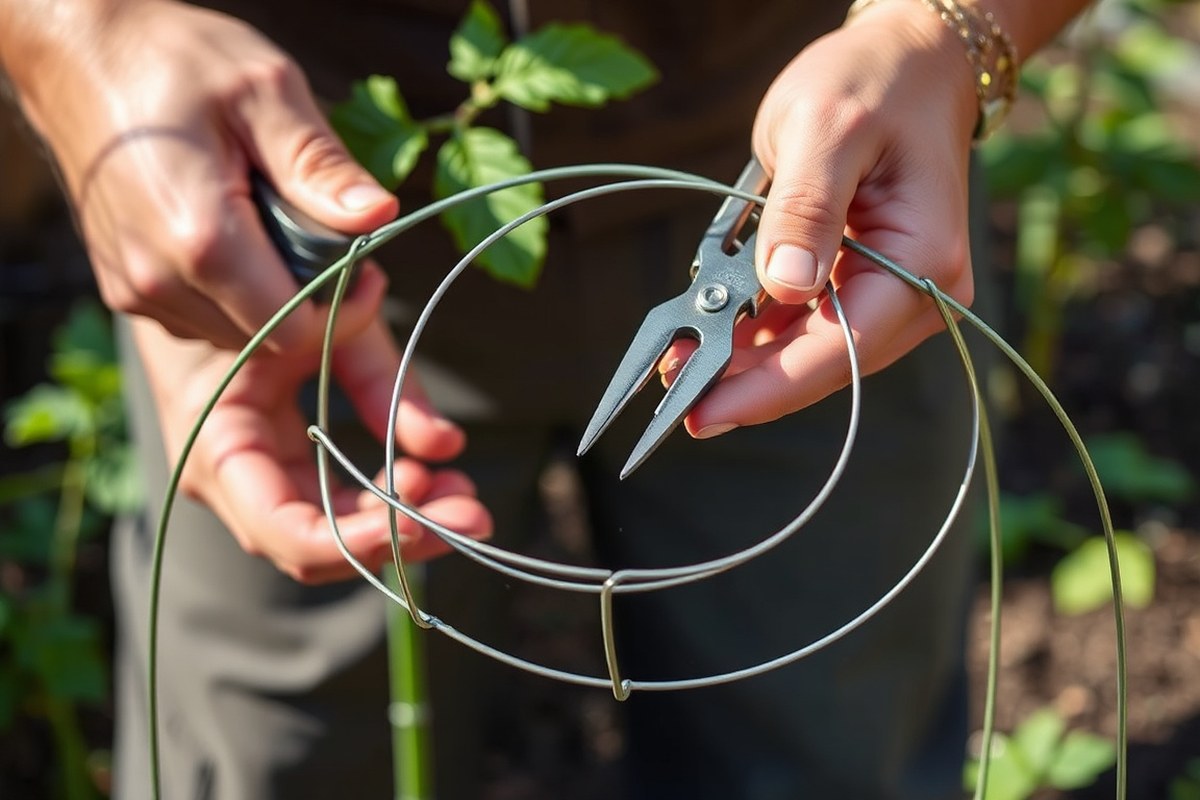
Building tomato cages from remesh wire is a smart idea. These cages give strong, lasting support to your plants. You need minimal tools: bolt cutters, thick gloves, and ties to secure the wire.
Making one cage costs about $5 in materials. Cutting and assembling takes 30 to 45 minutes.
Measuring and Cutting Remesh Wire
Start with remesh wire rolls at your local home center. Pre-cut panels often measure about 7 feet by 3.5 feet, perfect for large cages. Aim for a 20-inch diameter cage to give your tomatoes enough room to grow.
Mark the panel at 63 inches along the width for the circumference of your cage. Use heavy-duty bolt cutters to cut the remesh wire carefully, working slowly to avoid jagged edges. Wear thick gloves to protect your hands from the wire’s sharp ends.
- Measure 63 inches across the remesh’s width for a 20-inch diameter cage.
- Use bolt cutters to cut the panel along the marked line.
- Trim any sharp wire ends sticking out after cutting.
- Save leftover wire pieces for future garden projects.
Wear gloves and eye protection when cutting remesh wire to avoid injury.
Forming and Securing the Cage Shape
Next, roll your cut panel into a cylinder matching the measured diameter. Hold both ends together tightly for fastening.
Use short pieces of galvanized wire or zip ties. These will hold the cage ends firmly.
Attach the ends at multiple points, every few inches, to keep the shape strong. For taller cages, keep the bottom wires intact to act as spikes. Use rebar and zip ties to anchor cages deeply into the soil if needed.
- Roll the wire panel into a circular shape matching the diameter.
- Overlap wire ends slightly for a secure fit.
- Fasten with small pieces of galvanized wire or strong zip ties.
- Add rebar stakes and secure with zip ties for extra height and stability.
Installing the Cage in Soil
Place the cage around your tomato plant, pushing spikes or bottom wires firmly into the soil. For loose or sandy soil, use rebar stakes.
Drive them at least 12 inches deep to secure the cage. This setup prevents the cage from tipping as your plant grows.
Make sure the cage stands upright and does not wobble. Adjust ties or stakes as the season goes on. This helps with the weight of the fruit and vines.
- Set the cage over the tomato plant carefully.
- Push or hammer any spike wires into the soil for support.
- Drive rebar stakes 12 inches deep where extra hold is needed.
- Check cage firmness weekly and adjust ties or stakes accordingly.
3. Wood and Bamboo Tomato Cages: Classic DIY Methods
You can build tomato cages using wood or bamboo, which are classic, sturdy options. A cage should be about 4 to 6 feet tall, depending on your tomato type. Securing it well prevents tipping in wind or when plants get heavy.
Selecting and Preparing Wood or Bamboo
Choose straight wood stakes or bamboo poles at least 4 to 6 feet long. Thicker wood or bamboo is stronger and lasts longer in the garden. Cut the wood or bamboo to match your tomato plant’s height.
Larger tomato plants need taller supports. Adjust the length depending on your variety.
Remove any rough bark or splinters with sandpaper to avoid damaging plant stems or your hands. Using untreated wood is best to avoid chemicals near your food plants. Bamboo often comes ready to use but trim sharp ends carefully for safety.
Assembling the Frame and Supports
A simple tomato cage frame is a triangle or square shape with vertical stakes. Leave about 18 to 27 inches between stakes to allow air circulation and room for growth. Use twine or thin rope to tie the stakes at the top and along the sides.
Here’s a step-by-step for building a wooden or bamboo tomato cage:
- Cut three or four stakes to desired height, around 5 to 6 feet tall.
- Arrange stakes in a triangle or square on the ground with 18, 27-inch spacing.
- Tie the tops together firmly with garden twine or zip ties.
- Add horizontal crosspieces or tie twine around the frame every 12 inches for extra support.
- Stand the cage upright around the tomato plant carefully.
- Use extra twine to loosely tie tomato stems to the cage as they grow.
Anchoring the Cage for Stability
Drive the vertical stakes about 6 to 12 inches into the soil for firm anchoring. The deeper, the steadier the cage will be against wind or heavy fruit. For loose or sandy soil, add extra wooden stakes outside each corner and tie securely.
Use garden staples or U-shaped wire forks around the base if the cage feels unstable. In windy areas, tie the cage to a nearby sturdy support like a fence post. Check the cage often and reinforce ties if you notice wobbling or leaning.
4. Comparing Popular Tomato Cage Designs and Their Uses
Tomato cages come in several basic styles: teepees, ladders, and hybrids. Each shape suits different tomato types and garden spaces. Choosing the right style helps your plants grow well and stay supported through the season.
Teepee cages lean inward, creating a cone shape. They work well for indeterminate tomatoes, which grow tall and vine aggressively. These cages support vines neatly.
They need 6 to 8 feet height. This suits large indeterminate tomato plants. However, they can be tricky to build tall and stable without strong materials.
Ladder cages are square or rectangular frames with horizontal rungs. They offer firm, upright support and suit both determinate and indeterminate tomatoes. These cages keep plants open for good air flow.
They make it easier to step inside. This helps when pruning or harvesting. They are easier to build in various heights, including 4 feet for determinate plants.
Hybrid cages mix cones and ladder styles. You get support like a teepee but more openness like a ladder.
These cages fit medium indeterminate tomatoes well and maximize space in tighter garden areas. Building hybrids might take more materials but offer excellent stability and access.
| Design | Shape | Best for Tomato Type | Height Range | Garden Space Fit | Durability & Ease of Use |
|---|---|---|---|---|---|
| Teepee | Conical | Indeterminate | 6 – 8 feet | Needs more clearance around plants | High support but needs strong frame; medium ease |
| Ladder | Square/rectangular | Determinate and Indeterminate | 4 – 6 feet | Compact, fits small to medium spaces | Sturdy and easy to enter; high ease |
| Hybrid | Mixed cone and ladder | Medium indeterminate | 5 – 7 feet | Good for tighter areas | Stable but requires more materials; medium ease |
Determinate tomatoes tend to stay under 4 feet tall. Using shorter ladder cages or 30-inch teepees keeps them supported without wasting space. Indeterminate tomatoes need taller cages or stakes that reach 6 to 10 feet.
You can stack remesh wire sections to build tall cages. Another way is using longer stakes in ladder styles. These methods work well.
Durability depends on materials and design. Ladder cages with sturdy wire or wood hold up best and resist bending. Teepees can sway or fall if not anchored and built strong.
Hybrid cages stay firm but take extra work. Build cages spaced 2 to 3 feet apart to give plants room and allow easy picking.
5. Adjusting Tomato Cage Size for Plant Type and Growth
Tomato cages need the right height and width for your plant type. Indeterminate tomatoes, which grow tall and keep producing fruit, require cages at least 5 feet tall.
For determinate varieties, which grow to a set height, 3 to 4 feet usually works. Cage width should be about 18 to 24 inches across to let branches spread without crowding.
Heavy fruit loads can break weak cages or bend thin supports. Using heavy-gauge wire cages or thick PVC pipes adds strength. You can add extra support with a metal stake or T-post.
Place it next to the cage to reinforce it. This helps in windy gardens. For big, heavy tomato varieties, choose cages with more weight.
Make sure vertical wires are spaced closely. This holds heavy fruit well.
You can extend cages that are too short with a simple method. Just slide a length of PVC pipe or sturdy metal conduit over the cage’s top. Secure it with zip ties or wire twists.
This adds 1 to 2 feet of height and prevents the top from flopping over. Add small zip-tied cross braces if it feels wobbly. This upgrade costs just a few dollars and lets your cage grow with the plant.
Check tomato cages every few days. Push stray branches inside the cage. This keeps the plant well supported as it grows.
Large tomatoes like Big Beef or Brandywine need cages about 5 feet tall. Make them around 20 inches wide for best support. Add a metal stake next to the cage.
For smaller varieties like cherry tomatoes, 3-foot-tall cages work fine. Widen the cage and use heavier wire or PVC when fruit gets heavy. This stops the cage from bending or breaking.
6. Securing and Maintaining Tomato Cages in the Garden
Secure your tomato cages by anchoring them deep in the soil and tucking branches correctly inside. Check your cages regularly to repair damage and adjust support as plants grow. This keeps your tomatoes stable and healthy throughout the season.
Anchoring Cages to the Ground
Push cage legs at least 6 inches into the soil. This helps keep cages steady against wind and plant weight. Strong legs make your tomato cage last the whole season.
For stronger hold, drive four main legs firmly into the soil around each plant. Make sure the cage surrounds young plants before stems grow thick to avoid breakage.
Use reusable garden wire to fasten cage joints. This lets you fold the cage flat after harvest. You save space and reuse the cage easily next year.
Skip store-bought cages that bend or break fast. Choose homemade or strong DIY cages instead.
They hold up better for heavy tomato plants. Placing stakes or spikes around base points can add even more grip in loose soil.
- Insert cage legs 6 inches deep for firm support.
- Set cages around small plants to prevent stem damage.
- Use garden wire to make cages foldable after use.
- Anchor cages with stakes if soil is sandy or loose.
- Avoid cheap cages that bend or break easily.
Pruning and Tucking Branches
Trim suckers and lower leaves to promote airflow and stronger, straighter stems. Tuck branches inside cage gaps as plants grow to keep fruit off damp ground. This also distributes weight evenly and reduces risk of toppling.
Remove any branches growing outside the cage walls to avoid breakage in wind. Gently guide vines toward cage rings when they start leaning or drooping. Doing this every 1 to 2 weeks helps the cage support your tomato’s shape well.
Routine Cage Inspection and Repairs
Check your cages weekly for bent wires, loose ties, or damage from garden tools. Tighten wire ties or replace any broken connections with fresh garden wire to keep structure stable. Fixing small problems early prevents full cage collapse later.
Check metal cages for rust or weak spots before use. Repaint or add support if you find damage. This extends the cage’s life and keeps plants safe.
Remove cages carefully during harvest to avoid bending them. So you can use them next season. Regular maintenance reduces replacement costs and keeps plants protected.
7. Inexpensive and Quick Tomato Cage Alternatives
Using stakes and twine offers a quick, low-cost way to support your tomato plants. This method works well if you don’t have time or materials for a full cage. You only need some wooden or metal stakes and garden twine to get started.
Here’s how to make a simple stake and twine tomato support. It keeps plants upright.
It stops branches from breaking. Correct spacing and tying avoid damage while giving the plant room to grow.
- Drive three or four stakes into the ground around your tomato plant, about 1 foot away. Space stakes evenly in a circle for balanced support.
- Cut long lengths of twine, roughly 3 to 4 feet each, depending on your plant’s height. Use natural or synthetic twine that won’t hurt the plant.
- Tie one end of twine to a stake near the soil. Then wrap it loosely around the plant stem. Secure the twine on the next stake without pulling tight.
- Repeat this with the other stakes. Create rings of twine at 8 to 12 inch intervals. These act like horizontal cages to hold branches.
- Check that twine doesn’t cut into the stem and adjust ties as the plant grows. Make sure branches can move slightly to avoid snapping.
- Add more twine rings higher up as the plant gains height. Remove or replace twine in fall when plants die back.
- Use sturdy stakes, about 5 to 6 feet long, to prevent leaning under heavy fruit weight. A bundle of stakes and twine often costs under $10 total.
Common mistakes include tying twine too tight, which can damage stems. Give the plant some wiggle room by leaving slack.
Stakes placed too far or too close can cause instability or hurt roots. Stick close but leave about 12 inches of space from the stem.
For small gardens or container tomatoes, a few stakes and twine work better than bulky cages. Larger gardens may need heavier support like livestock panel cages. Size of your tomato variety and available space influence your choice.
These features help you pick the best method. Stakes and twine suit quick fixes or tight spaces. But heavier tomatoes or windy areas call for stronger cages.
8. Storing and Extending the Lifespan of Homemade Tomato Cages
Store your homemade tomato cages in a dry spot during the off-season. A garage rafter or a shed corner works well. These places keep cages off damp ground, which prevents rust and decay.
If your cages fold or stack, fold them neatly to save space. This also protects the wiring and paint from bending or chipping. Avoid piling heavy items on top, as that can distort the shape.
Cover cages with a tarp or cloth if you store them outside. This keeps rain and snow away but lets air circulate. Airflow prevents mold and rust better than plastic bags that trap moisture.
For metal cages in rocky soil, check them yearly for damage. Rocky ground can bend or crack the wire. Replace about 25% every year or two to keep cages sturdy and safe for your tomatoes.
Wood or bamboo cages last longer if you treat them with a water repellent before storage. This stops cracking and keeps pests away. Dry the cages thoroughly before applying any treatment.
Avoid leaving cages on wet grass or soil right after the season ends. This quickens rust and rot, shortening cage life. Instead, carry them indoors or to your dry storage spot as soon as possible.
Tomato cages made from rust-resistant metal or coated wire usually last many years. Some homemade cages have lasted over 40 years if well cared for. Longevity depends on how you store and handle them in the off-season.
Check your cages carefully every spring. Replace any bent or corroded parts before planting begins.
Going through this routine annually costs nothing but time. It saves money by avoiding frequent full replacements. Healthy cages provide better tomato support, helping your plants grow strong and healthy every year.
Step-by-Step Action Plan for Building Durable Tomato Cages
Follow these steps to make and maintain your tomato cages effectively. This plan helps you get strong, lasting support for your plants.
- Before planting: Gather your materials like remesh wire or bamboo, depending on your choice. Make sure you have tools like wire cutters and gloves to work safely.
- Day 1: Build your cage by cutting wire or assembling wooden stakes into the desired shape. Check that it’s tall enough for your tomato type and sturdy to handle growth.
- Day 2: Install cages around young plants carefully without damaging stems. Push them firmly into the ground to prevent tipping on windy days.
- Week 2: Tie plants loosely to cages with garden twine as they grow. Look for signs the support is adequate, no leaning or bending stems.
- Monthly: Inspect cages for wear or rust and fix any loose spots. Replace or strengthen cages showing damage to keep plants safe.
- After harvest: Clean cages by removing dirt and plant residue. Dry them well to avoid rust and prepare for storage.
- Off-season: Store cages in a dry, sheltered spot like a shed to extend their life. Organize them so you can reuse easily next spring.
Frequently Asked Questions
What Tools Do I Need to Make a Tomato Cage at Home?
You usually need wire cutters, gloves, and pliers. These help cut and bend the wire safely and accurately. Some designs might need a hammer or a drill for wood frames too.
Can I Spray Paint My Homemade Tomato Cages?
Yes, spray paint can protect metal cages from rust. Use non-toxic spray paint suitable for outdoors. Make sure it dries fully before putting cages in the garden.
How Do I Prevent Tomato Plants from Getting Damaged Inside the Cage?
Gently tie plants to the cage with soft ties or strips. Avoid tight knots to prevent cutting into stems as plants grow. Regularly check and adjust ties during the season for support.
What Is the Best Cage Shape for Supporting Heavy Tomato Plants?
Cone-shaped and cylindrical cages both work well. Cylindrical cages made with remesh wire hold heavy fruit well. They support tall plants up to 6 feet.
These cages work great for big tomato plants. Choose based on your garden space and plant variety.
Can I Use Scrap Materials to Build a Tomato Cage?
Yes, scrap wood, old wire fencing, or even bamboo work well. They’re affordable and help reduce waste. Just ensure they’re sturdy enough to support the plant’s weight through the season.
How Often Should I Replace Homemade Tomato Cages?
Well-built cages can last 10 to 15 years or longer. Replace when rust, breakage, or rot makes them unstable. Regular maintenance like cleaning and checking for damage helps extend their life.
Key Points to Remember
You can build tomato cages that fit your garden and last through the season. Start with one method and adjust as your plants grow. Pick your materials today and try building your first cage this weekend.