Is 63 Humidity High? What It Means and 8 Smart Ways to Fix It
Is 63 humidity high? Yes, 63% relative humidity indoors is considered high.
Indoor humidity above 60% can cause problems like mold growth and musty odors. It’s best to keep indoor humidity between 30% and 50% for comfort and health.
High humidity traps moisture in your home, which creates a breeding ground for mold. High humidity levels can also make your air feel sticky and uncomfortable. Start by using a reliable hygrometer to measure your indoor humidity accurately.
Watch for visible signs like condensation on windows or a damp smell. Ventilate areas prone to moisture, such as bathrooms and kitchens, to prevent humidity build-up. Using a dehumidifier helps lower humidity when it climbs above 60%.
Key Takeaways
- Indoor humidity above 60% is generally too high and should be addressed.
- Use a hygrometer to monitor your home’s humidity levels accurately.
- Ventilate kitchens and bathrooms to reduce indoor moisture.
- Look out for mold growth and musty odors as humidity signs.
- Dehumidifiers effectively lower humidity levels above 60%.
- Keep humidity between 30% and 50% for best indoor comfort.
1. Is 63% Indoor Humidity Considered High?
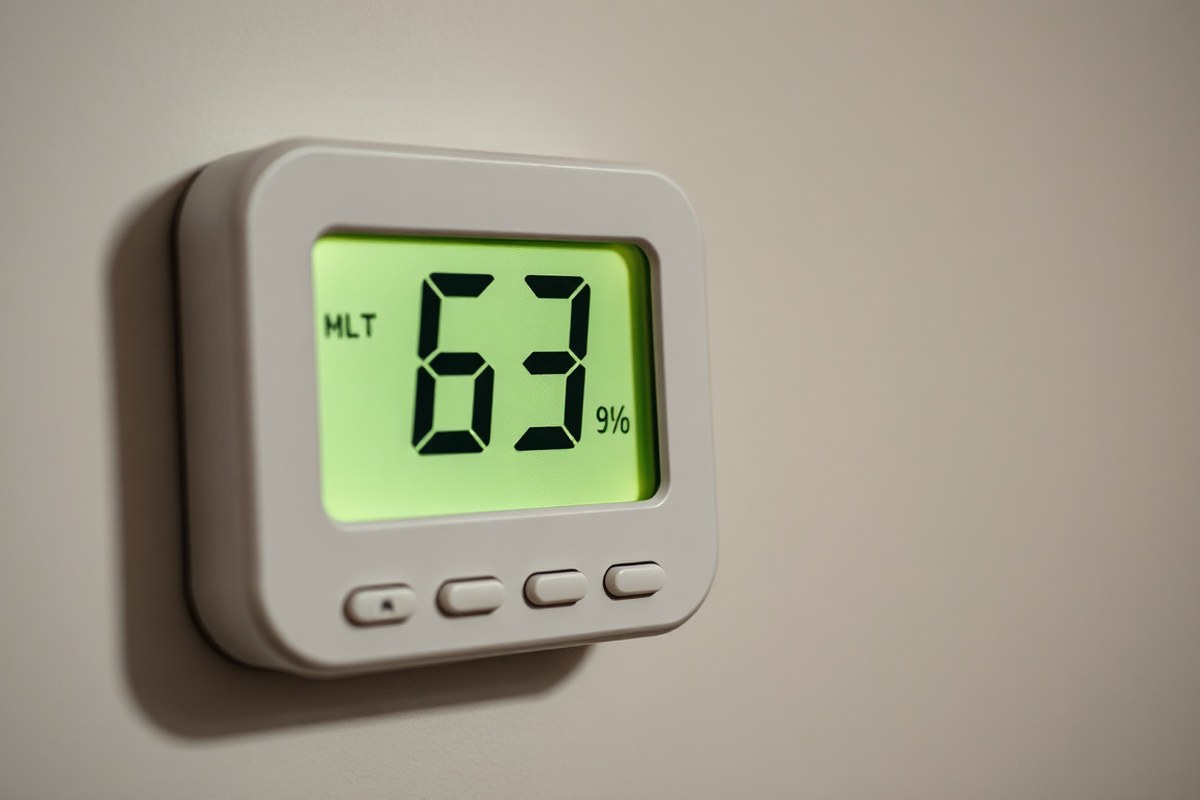
Indoor humidity of 63% is considered high. The Environmental Protection Agency recommends keeping indoor relative humidity (RH) below 60%. Ideal indoor RH is between 30% and 50%.
This keeps your home comfortable. It also helps avoid moisture problems.
Experts agree that sustained humidity over 60% creates a risk zone. At 63%, you may face condensation on windows and walls. The moisture in the air becomes enough to encourage mold and dust mite growth.
Keeping the RH below 60% prevents common issues like musty smells and dampness. You can measure indoor humidity with a hygrometer, which costs about $10 to $30. Check readings over several days to see if it stays above that 60% mark consistently.
Humidity changes with seasons and home activities. Cooking and showering add moisture inside your home. This can push RH above 60%.
Poor ventilation makes this worse. Vent fans and dehumidifiers can help keep levels in check.
The 60% cutoff matters because mold spores grow rapidly above it. Dust mites also thrive when humidity hits around 62%. These factors can worsen allergies and asthma over time if humidity stays too high.
For homes in colder climates, experts suggest even lower winter humidity levels, under 40%. High levels in winter may cause condensation inside walls or windows, leading to structural damage. Keeping close to 50% year-round is usually a safe target.
In short, 63% humidity indoors does exceed expert recommendations. It signals a need to reduce moisture or improve airflow to protect your home and health. Monitoring regularly and aiming for 30% to 50% will keep your indoor air safe and comfortable.
2. What Risks Does 63% Humidity Pose to Health and Home?
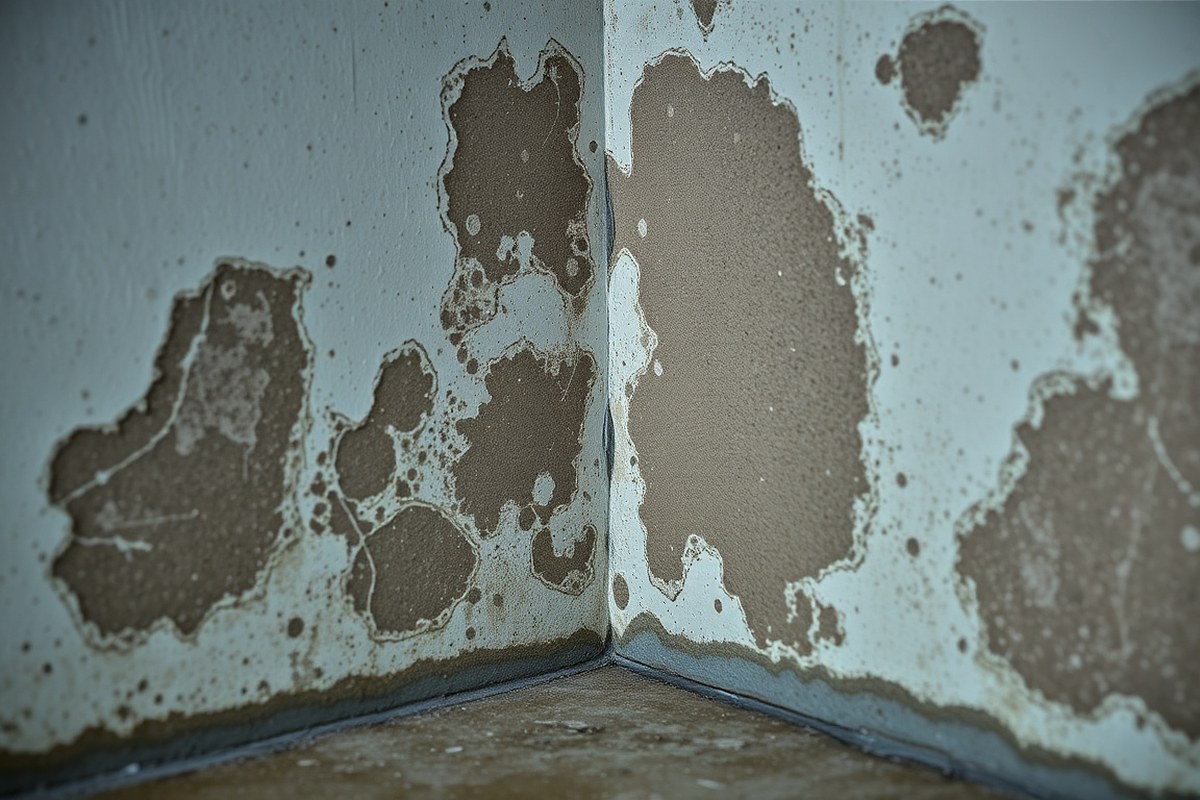
At 63% relative humidity, your home’s air holds more moisture than is ideal. This level allows mold to grow on walls, ceilings, and even furniture. Mold spores grow fast when indoor humidity goes over 60%.
They like porous things like drywall or wood. Keeping humidity lower helps stop mold from growing.
High humidity also boosts dust mites, common allergens found in bedding, carpets, and upholstered furniture. Dust mites multiply quickly in moist environments and can worsen asthma or allergy symptoms. When humidity stays around 63%, allergens grow easier inside your home.
This can affect your family’s health in many ways. Keeping air drier helps reduce allergens.
Furniture and wood surfaces start to suffer at this level of humidity. Excess moisture causes wood to swell, warp, or even rot over time. Sticky surfaces, peeling paint, or musty smells can mean humidity is too high.
These signs show early damage from too much moisture inside. You should fix humidity before damage grows.
Monitor humidity daily; keeping it below 60% helps prevent mold and protects your home.
Besides structural damage, high moisture can cause condensation on windows and cold surfaces. This creates damp spots that support mold growth and damage paint or wallpaper. In winter, these issues worsen if your humidity hits 63%, raising your risk of water damage.
Healthwise, breathing moist air worsens respiratory problems. People with asthma or allergies may find symptoms worsen as dust mites and mold increase. Mold spores also circulate through the air, making breathing harder and triggering inflammation.
The key is controlling humidity with ventilation, dehumidifiers, or air conditioning. Running exhaust fans in kitchens and bathrooms helps lower moisture. A dehumidifier costing $200 to $300 pulls several pints of water out daily.
This helps lower mold risk and keeps your belongings safe. It’s a good investment for your home.
3. What Common Factors Cause Indoor Humidity to Reach 63%?
3. What Common Factors Cause Indoor Humidity to Reach 63%?
Indoor humidity can hit 63% due to everyday activities and outside weather. Cooking, showering, and doing laundry add moisture to the air. These sources release steam and water vapor that hang around if ventilation is poor.
Outdoor weather also plays a role. Hot, humid summer days make it harder for air conditioners to keep indoor humidity low. If indoor humidity stays around 63% every day, your home traps moisture.
It happens no matter the weather outside. This can create damp conditions indoors.
- Cooking meals without using a range hood or opening a window.
- Taking long hot showers that release lots of steam.
- Running clothes dryers or washing machines indoors without proper exhaust.
- Poor ventilation that traps moist air inside the house.
- Damp basements or crawl spaces that add moisture upward.
- Windows that collect condensation from cool indoor air meeting warm moist air outside.
- Outdoor humidity levels over 60% making it harder to dry indoor air.
Structural issues like leaks or damp building materials can worsen humidity problems. Walls or floors that stay wet raise moisture in the air. You may notice peeling paint and musty smells as a sign.
Humidity sensors like the TempPro TempAir CORE TP50 can help track levels. Check during and after these moisture-adding activities.
Use exhaust fans or open windows to reduce buildup. Without those steps, moisture will keep indoor humidity near or above 63%.
4. How to Measure and Monitor Indoor Humidity Accurately
To measure and track indoor humidity near 63%, you need a reliable hygrometer. Proper placement of this device ensures accurate readings. Checking humidity levels regularly helps you respond before moisture causes problems.
Choosing the Right Hygrometer
A basic hygrometer with a digital display costs around $10 to $15. These models provide accurate enough readings for home use.
More advanced models may offer features like temperature and memory. But they are not required.
Look for a device that shows relative humidity (RH) as a percentage. A clear LCD screen helps you read values easily at a glance. Avoid hygrometers that require frequent calibration to keep things simple.
Proper Placement for Reliable Readings
Place the hygrometer in a central location where you spend the most time. Avoid corners, direct sunlight, or spots near heating vents. These areas can give false or fluctuating humidity levels.
Keep it at about eye level, around 4 to 5 feet high. Try to measure humidity in rooms prone to moisture, like basements or bathrooms. Move the device between these rooms to track differences.
Scheduling Regular Humidity Checks
Check your indoor humidity at least once a day. This is especially important in humid months or if you notice condensation or mold. More frequent checks, like morning and evening, capture daily changes.
Record readings if you want to track trends over weeks or months. This helps spot when humidity goes over 60%. It signals when to use a dehumidifier.
You can also open windows to lower moisture. Switching to weekly checks may work once conditions stabilize.
Follow these steps to measure and monitor humidity accurately:
- Buy a digital hygrometer that reads relative humidity as a percentage.
- Place it in an often-used room, away from vents and sunlight.
- Keep it mounted or on a flat surface about 4 to 5 feet high.
- Turn on the hygrometer and let it adjust for 30 minutes.
- Check the humidity level reading and record it if tracking trends.
- Repeat checks once or twice daily during humid weeks.
- Move the device to different rooms to compare humidity levels.
- Use this information to decide when to use dehumidifiers or increase ventilation.
5. What Practical Steps Reduce and Control Humidity Above 60%
Lowering humidity at 63% needs quick action and steady control. You can start by running a dehumidifier and using exhaust fans during cooking or showers. Then, improve your home’s ventilation and consider HVAC adjustments to keep humidity manageable.
Use a Dehumidifier Effectively
A dehumidifier is one of the fastest ways to bring down humidity from 63%. Portable units work well in single rooms, while whole-house systems handle larger spaces.
To use one properly, set the dehumidifier to maintain humidity below 60%. Check the water collection tank often and empty it when full. Keep doors and windows closed to avoid humid air coming back inside.
- Choose a dehumidifier sized for your room or home square footage.
- Place it in the area with highest humidity, like basements or bathrooms.
- Set the humidity level target at 50-55% to avoid over-drying.
- Run it continuously if humidity stays high, checking water levels daily.
- Clean the filters and coils every few weeks for best performance.
- Empty the water tank regularly, or use a model with a drain hose.
- Close doors and windows to keep humidity controlled inside.
Leave the dehumidifier running nonstop for consistent results when humidity stays above 60%.
Improve Ventilation and Air Circulation
Good airflow helps lower humidity by bringing in drier outdoor air when possible. Open windows on dry days to replace indoor moist air.
Ensure your home’s HVAC system is working well. Modern, variable-speed AC units control both temperature and humidity better than older units.
Circulate air inside by using fans and keeping interior doors open. This stops damp spots and helps dehumidifiers work better.
Run Exhaust Fans During Moisture-Generating Activities
Exhaust fans in kitchens and bathrooms remove humidity from cooking and showers. Run these fans during and at least 20 minutes after using water.
Check that your dryer vents outside and not into your living space. That stops extra moisture buildup indoors.
- Turn on bathroom fans before starting a shower or bath.
- Keep fans running 20 minutes after finishing to clear damp air.
- Use kitchen exhaust fans while cooking, especially boiling or frying.
- Make sure fans vent to the outside, not just the attic or crawl space.
- Fix any leaks around fans or ductwork to prevent humidity from leaking inside.
Ventilation fans reduce humidity only if they vent outdoors, not inside walls or attics.
6. Comparing Humidity Control Methods for 63% Levels
You can manage 63% indoor humidity with several methods. Each option differs in cost, efficiency, and suitability based on your situation. Some work better in winter, others suit coastal areas or homes with poor ventilation.
| Method | Cost (Estimate) | Efficiency at ~63% RH | Best For | Seasonal Use | Drawbacks |
|---|---|---|---|---|---|
| Portable Dehumidifier | $150, $300 | Medium to High | Single rooms, renters | Year-round | Needs regular emptying, noisy |
| Whole-House Dehumidifier | $1,200, $2,500 (installed) | High | Large homes, consistent humidity | Year-round | High upfront cost, installation needed |
| HVAC with Humidity Control | $500, $1,500 (upgrade) | Medium to High | Homes with central AC | Best in warmer months | Less effective when temps drop below 55°F |
| Ventilation (Exhaust Fans) | $50, $300 | Low to Medium | Bathrooms, kitchens, small spaces | Year-round, but more in winter | Limited for whole-house control |
| Moisture Absorbers (Silica, Charcoal) | $10, $50 | Low | Small spaces, closets | All seasons | Short lifespan, not for entire home |
Portable dehumidifiers work well if you want to target one room near 63% humidity. They cost less up front but need frequent water emptying and can get noisy. Whole-house units manage moisture well in large spaces.
They cost more upfront. Professional installation is usually needed.
Upgrading your HVAC system helps control humidity while heating or cooling. This method works better in warm months. It’s less helpful below 55°F indoors.
Ventilation with exhaust fans is cheap and helps remove moisture from bathrooms or kitchens. However, fans aren’t enough if your whole house holds 63% humidity.
Small moisture absorbers work for closets or cabinets but won’t fix humidity in living spaces. The best choice depends on your budget, how much space needs drying, and the season.
You can run a portable dehumidifier in winter. Then use HVAC upgrades in summer for balance.
7. How Seasonal Changes Affect Indoor Humidity Near 63%
Humidity near 63% inside feels very different in winter than summer. Cold air holds less moisture. So 63% in winter feels damper and chills the air more.
Warmer summer air can make 63% humidity seem less uncomfortable. It may still encourage mold growth or dust mites. This happens even if the air feels less sticky.
Winter Humidity Challenges
Indoor air often gets dry in winter when heaters run, making 63% humidity unusually high. Cold outdoor air holds less moisture, so 63% inside can create condensation on windows. This moisture leads to mold growth and wood damage if not controlled.
People feel colder at 63% humidity in winter because moist air chills the skin faster. Keep humidity between 30% and 50% to reduce chill effects inside. Indoor temperatures should be between 68 and 74 degrees Fahrenheit.
This balance helps you stay comfortable year-round. Using a dehumidifier or proper ventilation helps lower humidity during cold months.
Summer Humidity Effects
Humidity near 63% is more common in summer since warm air holds more moisture naturally. It might not feel as cold but will feel heavy and sticky. This humidity level can increase dust mite and mold growth risks inside your home.
Since summer temperatures are higher, moisture in the air slows sweat evaporation, making you feel hotter. Running an air conditioner often lowers indoor humidity closer to 40% to 50%, improving comfort. Without AC or ventilation, 63% humidity can make living spaces uncomfortable and unhealthy.
Seasonal Tips to Maintain Ideal Levels
Check humidity daily with a hygrometer during both winter and summer seasons. In winter, use humidifiers cautiously and avoid over-humidifying above 50%, which risks condensation. In summer, run air conditioners or dehumidifiers to keep humidity below 60%.
Ventilate bathrooms and kitchens regularly year-round to reduce moisture buildup. Seal leaks around doors and windows to stop humid air from entering. This also blocks cold air in the winter.
It keeps your indoor air more stable and fresh. These steps help keep indoor humidity within the 30% to 50% comfort and safety range.
8. When to Take Action or Call a Professional for High Humidity
Indoor humidity above 60% for several days needs quick action. Check for signs like condensation on windows and walls. Musty smells or any visible mold patches mean moisture problems are already causing damage.
You should watch closely for peeling paint or warped wood near damp spots. These show water is affecting your home’s structure.
When you spot these signs, don’t just run a dehumidifier alone. Call a professional to assess mold growth and hidden damage.
Hiring an expert usually costs between $300 and $700 depending on the inspection depth. They use special moisture meters and air testers to find issues you cannot see. Early detection can save thousands by preventing widespread rot or mold removal later.
Keep humidity logs for at least a week to track levels daily. When your gauge remains about 63% or higher after ventilating, call for inspection. When mold grows or health declines, get professional help right away.
Act as soon as you spot persistent dampness or mold odors. Don’t wait for visible mold to spread further.
Step-by-Step Action Plan to Manage 63% Humidity Indoors
You can tackle 63% humidity by following simple steps over a few weeks. This plan helps you lower moisture and protect your home and health.
- Day 1: Measure your indoor humidity using a reliable hygrometer. Note the percentage and check it daily to track changes.
- Week 1: Use exhaust fans in bathrooms and kitchens during and after activities. Check if humidity levels drop by a few points.
- Week 2: Set a dehumidifier in problem rooms and run it for several hours daily. Watch for lower humidity below 60% on your meter.
- Week 3: Fix leaks and seal cracks around windows and doors. Confirm no new moisture spots or damp smells appear.
- Week 4: Improve ventilation by opening windows on dry days or using air exchangers. Monitor for steadier humidity below 60%.
- After 1 Month: Review your humidity logs and comfort levels. If humidity stays high, consider consulting a professional for a detailed check.
Frequently Asked Questions
What Indoor Humidity Level Is Ideal to Prevent Mold?
The ideal indoor humidity is between 30% and 50%. Keeping it in this range helps prevent mold, dust mites, and musty smells in your home.
Can High Humidity Damage Wooden Furniture or Floors?
Yes, humidity above 60% can warp wood and cause swelling. It’s best to maintain moderate humidity to keep wood sturdy and avoid damage over time.
Does High Humidity Make It Harder to Cool a House?
Yes, moisture in the air makes cooling less efficient. Your air conditioner works harder, leading to higher energy use and less comfort indoors.
How Does High Humidity Affect Allergy Symptoms?
High humidity above 60% creates dust mite and mold growth. These irritants can worsen allergies and trigger asthma attacks indoors.
Can a Humidifier Cause Indoor Humidity to Reach 63%?
Yes, overusing a humidifier, especially in small spaces, can raise humidity above 60%. Use it with a monitor to avoid excess moisture buildup.
What Other Signs Besides a Hygrometer Indicate High Humidity?
You might notice condensation on windows, musty smells, or dampness on walls. These signs often appear when humidity is consistently above 60%.
Wrapping Up
Sixty-three percent humidity is higher than ideal for your home and health. Taking steady steps can reduce moisture and prevent problems. Start by measuring indoor humidity today to see how your space fares.