How Long for Bell Peppers to Grow a Complete Guide with Timelines and Tips
Wondering how long for bell peppers to grow? Most bell peppers take about 60 to 90 days from seed to harvest. The exact time depends on the variety and the conditions where you grow them.
Starting seeds indoors helps speed things up. You’ll want to start them inside for 8 to 12 weeks before moving seedlings outside. This gives plants a strong head start, especially in cooler climates.
Bell peppers like warmth and sunshine. Make sure they get 6 to 8 hours of direct sun daily.
This helps peppers grow well and on time. Otherwise, growth can slow down or stall.
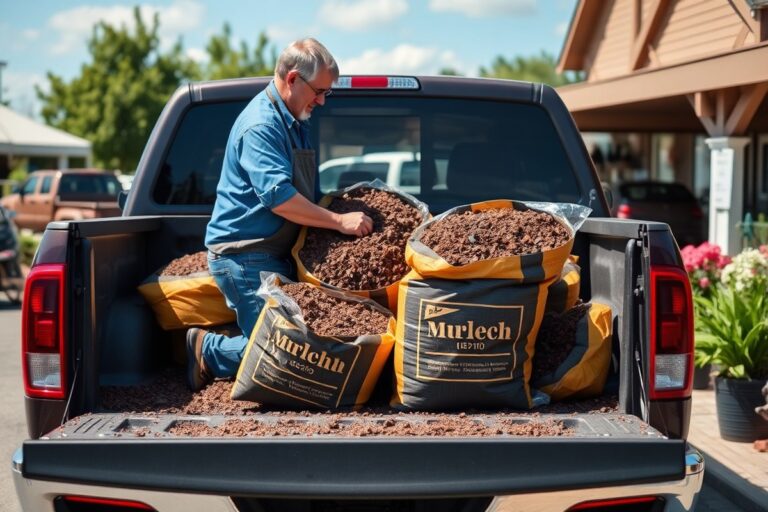
Soil temperature also matters for pepper growth. Aim to plant outdoor peppers once soil stays at least 60°F. Using mulch can keep soil warm and moist. Water regularly but avoid soggy soil, which can harm plants and delay fruiting.
Key Takeaways
- Start bell pepper seeds indoors 8 to 12 weeks before planting outside.
- Expect peppers to mature in approximately 60 to 90 days depending on type.
- Provide 6 to 8 hours of sunlight daily for steady growth.
- Keep young plants warm to avoid delays in development.
- Choose varieties like ‘Olympus’ for reliable green and red pepper timing.
- Watch for a red blush on peppers about 2 weeks before harvest.
How Long Does It Take Bell Peppers to Grow from Seed to Harvest?
Bell peppers typically take 60 to 90 days from seed to harvest. This total time depends on the variety, growing conditions, and the final pepper color you want.
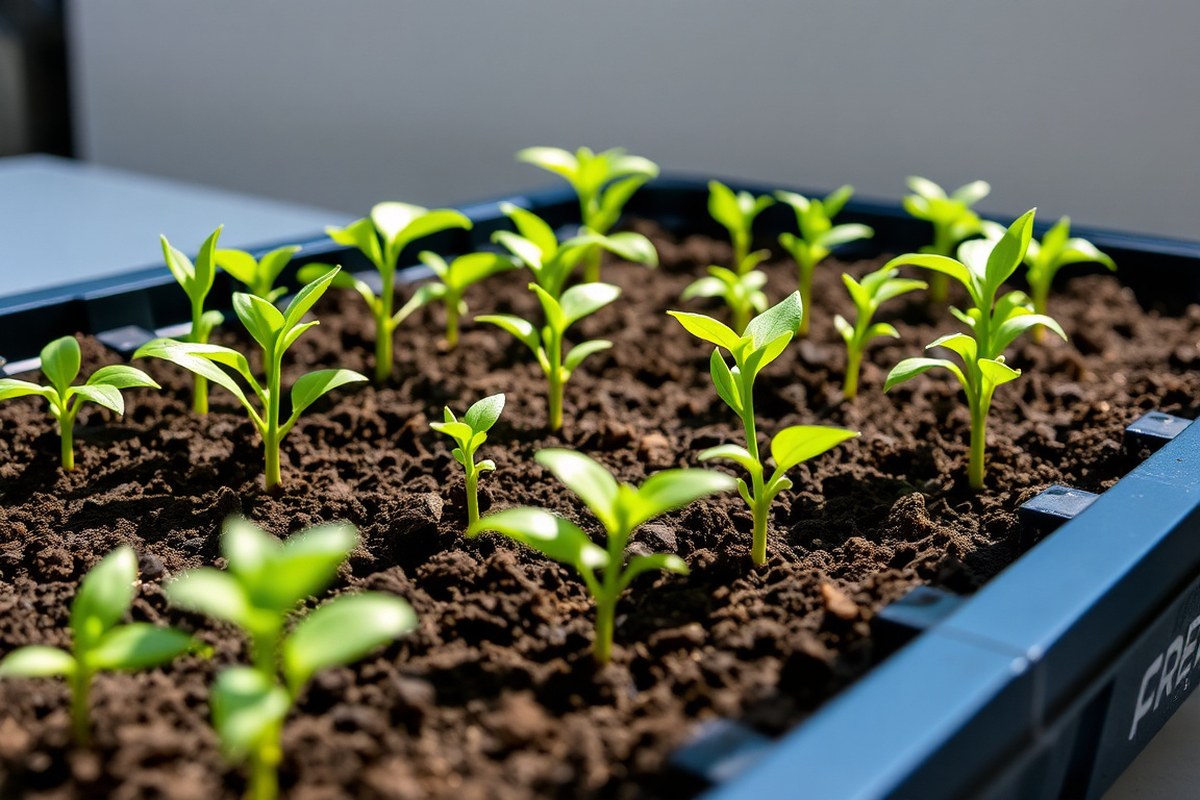
The seeds take about 7 to 14 days to sprout. After that, the plant begins to grow fully.
After germination, it usually takes 60 to 80 days for green bell peppers to mature. You want red, orange, or yellow peppers? Plan for 85 to 90 days total.
Ripe peppers need extra time to change color after reaching full size. So, growing red bell peppers takes longer than green ones by roughly two or three weeks.
Starting with seedlings instead of seeds cuts your wait time. Nursery-bought seedlings are often 6 to 8 weeks old when you plant them outside. Bell peppers then need about 60 to 75 days after transplanting to produce fruit.
Starting with transplants reduces total time from seed to harvest. It changes from 60, 90 days to about 75, 90 days.
Climate plays a big role in how fast bell peppers grow after transplanting. Warm temperatures near 70 to 85 degrees Fahrenheit speed development.
Cooler nights or cloudy days slow the process and extend the growing period. The more heat and sun peppers get, the sooner they mature and ripen.
Growing bell peppers takes patience, especially for ripe red peppers. Green peppers usually give you fruit sooner, within two months after planting seeds. Growing from transplants means waiting about two and a half months for peppers.
Watch your plants carefully to see the ripening stages. Plan your harvest to get the best color and taste.
Bell Pepper Growth Stages and Their Typical Durations
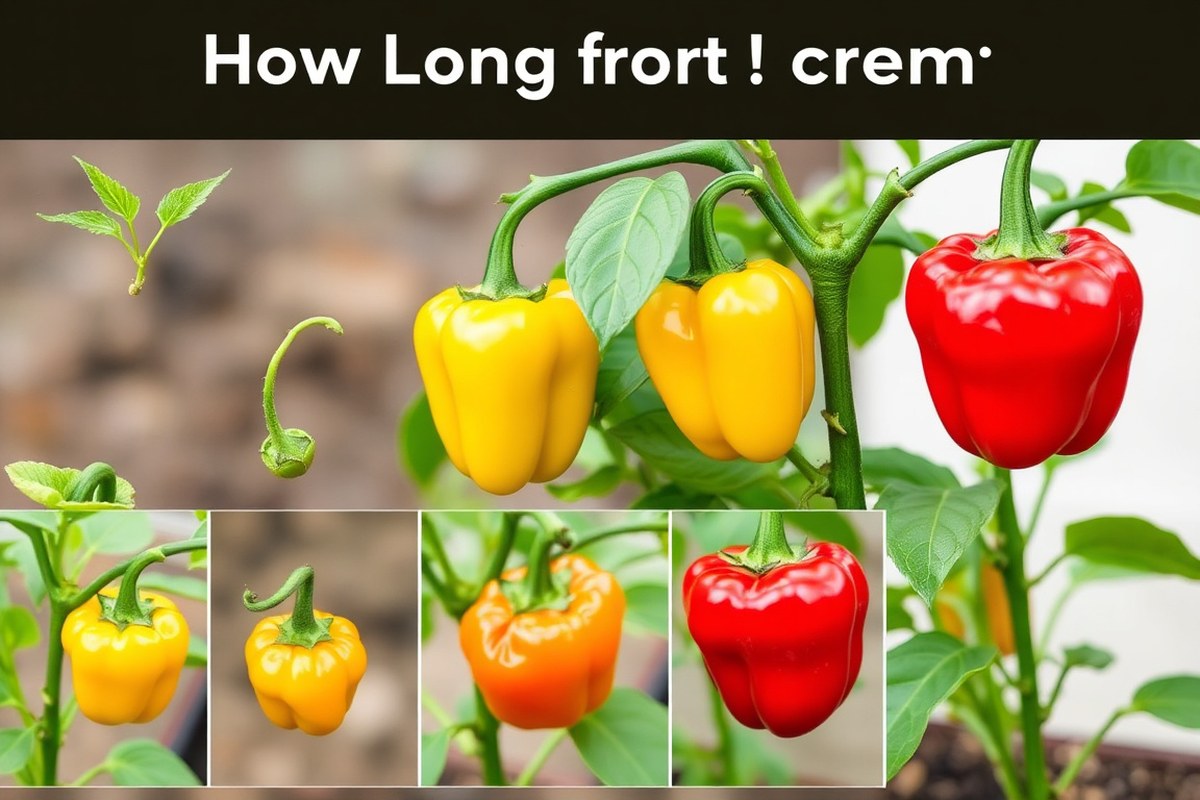
Bell peppers grow in three main stages. First comes the seedling phase. Then flowers develop and fruits start forming.
Finally, fruit ripens and grows fully. The seedling phase lasts about four weeks.
Next, flowers and young fruits grow for five to six weeks. After fruits reach full size around week 10, ripening takes roughly two more weeks.
Seedling Stage (Weeks 1-4)
The seedling stage starts when bell pepper seeds sprout indoors. This phase takes about four weeks. The plant grows slowly but needs warmth between 80 and 90°F for good growth.
Young seedlings develop their first true leaves during this time. They reach 3 to 6 inches in height by week four. Handling them gently helps avoid damage that slows growth.
Keeping the soil moist but not wet is important. Too much water can rot roots, too little stunts growth. Seedlings often look fragile but become sturdier as leaves increase.
Flowering and Early Fruit Formation (Weeks 5-10)
At around week five, the first flowers appear. You should remove flowers in the first 4 to 6 weeks.
This helps the plant focus on growing strong stems and leaves. This vegetative growth supports better yields later.
Flowering usually lasts until about week 10. After flowers set, tiny fruits form and grow steadily for 35 days. Peppers may grow from small green bumps to full size during this period.
Pollination is key now, often helped by breeze or hand shaking if indoors. Good sunlight supports healthy flower and fruit development. Expect the plant to reach 3 to 4 feet tall around this time.
Fruiting and Ripening Stage (Weeks 11-14+)
Once peppers hit full size near week 11, they enter the ripening phase. The fruit changes color over about two weeks, turning red, yellow, or orange depending on variety.
Harvesting mature green peppers can happen at full size. But waiting allows fuller flavors after color change. Leaves might yellow near the end as the plant focuses energy on fruit ripening.
One plant typically produces 5 to 10 peppers. Continue watering and feeding until harvest completes. Picking peppers promptly avoids overripe fruit falling off.
Keep seedlings warm and avoid overwatering to prevent root issues early on.
Follow these steps weekly to track bell pepper growth:
- Start seeds indoors 8 to 10 weeks before the last frost date. This gives seedlings time to grow before planting outside.
- Provide 80-90°F warmth and keep soil moist during seedling stage.
- Remove flowers for 4-6 weeks after transplant to boost growth.
- Watch for flower appearance around week 5 and support pollination.
- Allow fruit to form and grow over 35 days to full size.
- Wait about two weeks after full size for the fruit to ripen.
- Harvest peppers when color is fully developed or at mature green size.
How Different Bell Pepper Varieties Affect Growing Time
Bell pepper varieties show clear differences in how fast they mature. Green bell peppers generally grow faster than red or ripe colored types.
Specialty and heirloom varieties often take more time. So picking your type matters if your season is short.
Common Fast-Maturing Varieties
Some bell peppers mature quicker, letting you harvest earlier. Varieties like ‘Olympus’ produce green peppers in about 65 days after transplanting. These fast growers suit gardens with shorter summers or when you want an early crop.
Most green bell peppers fall in the 60-70 day range for reaching harvest size. Choosing these lets you get fresh peppers more quickly. This helps when your growing season is under 90 days.
You’ll enjoy earlier harvests in your garden. Fast maturing types also reduce risks from weather changes.
Longer Growing Specialty Types
Specialty peppers and mild racers tend to require more days. For instance, Aji Dulce peppers take roughly 90-100 days to mature. They offer milder heat and more flavor but need a longer growing period.
Heirloom and some specialty varieties may not fit short seasons. They take longer to grow than others. You need to start seeds indoors early.
Or extend your outdoor growing season to help them mature. This helps ensure full maturity and better yields.
Color Differences in Maturity Times
Green peppers usually mature first, often 60 to 80 days after transplanting. Green bells ripen to red, orange, or yellow when left longer on the plant. This color change takes an additional 2 to 3 weeks.
Red bell peppers take longer than green ones because they are simply ripened green peppers. Harvesting early green peppers is fine but waiting for red adds sweetness and deeper flavor. Planning for this extra time is key.
Here is a comparison table showing typical days to maturity for popular bell pepper types:
| Variety | Color | Days to Maturity (Green) | Days to Maturity (Ripe Color) |
|---|---|---|---|
| Olympus | Green/Red | 65 | 85 |
| Aji Dulce | Yellow-Orange | 90-100 | 90-100 |
| Typical Green Bell | Green | 60-70 | 80-90+ |
| Sweet Red Bell | Red | 60-80 | 80-100+ |
Pick fast maturing peppers if your growing season is under 75 days. Specialty types and those aiming for ripe colors need more time. Starting seeds indoors 8 to 12 weeks early helps especially for varieties with longer timelines.
Environmental Factors That Influence Bell Pepper Growth Speed
Bell peppers grow best when daytime temperatures stay between 70°F and 85°F. Temperatures below 55°F can slow growth and cause small fruit. Higher temps above 90°F might reduce fruit set. Keeping peppers in this temperature range speeds up development from seedling to harvest.
Sunlight matters a lot. Bell peppers need at least 6 to 8 hours of direct sun daily. Without enough light, plants grow slowly and produce fewer peppers.
Pick a sunny outdoor area for planting or set up grow lights indoors. Keep the lights on for about 14 to 16 hours daily during early growth. This helps the plants get enough light for strong development.
Soil quality also affects growth speed. Peppers prefer well-draining, fertile soil with a pH near 6.0 to 6.8. Rich soil helps roots develop and supports strong plants.
Poor soil can cause stunted growth and smaller peppers. Adding compost or balanced fertilizer improves fertility without excess nitrogen.
Watering is a fine balance. Bell peppers need regular, even moisture to avoid stress. The soil should stay moist but not soggy to prevent root rot.
Check soil daily in hot weather and water when the top inch feels dry. Drip irrigation or soaker hoses can help maintain steady moisture.
Space your bell pepper plants about 18 inches apart and set rows 2 to 3 feet apart. This gives plenty of room for roots and allows air to flow well. Starting seeds indoors with good temperature and light helps them grow faster before planting outside.
Starting Bell Pepper Seeds Indoors: Timing and Care Steps
Start bell pepper seeds indoors about 8 to 10 weeks before the last frost date. Keep seedlings inside until night temperatures stay above 50°F. Harden off seedlings for two weeks before transplanting outdoors.
Seed Sowing and Germination
Sow seeds indoors 8 to 10 weeks before your area’s last spring frost. Use seed trays filled with a well-draining potting mix for best results. Plant each seed about 1/4 inch deep and water gently to keep the soil moist.
Peppers need warmth to germinate, ideally between 70°F and 80°F. A heating mat can speed germination if your indoor space is cool. Seedlings typically appear within 7 to 14 days under these conditions.
Seedling Care and Growth
Place seedlings where they get 12 to 16 hours of bright light daily. Rotate the trays to prevent seedlings from leaning toward the light. Keep the soil moist but avoid soaking it to prevent root rot.
Once seedlings have two sets of true leaves, start fertilizing. Use a diluted organic fertilizer. Feed them every two weeks.
This promotes leafy growth, which supports developing peppers later. Thin weaker seedlings to give each plant room.
Hardening Off and Transplant Preparation
Two weeks before transplanting, begin hardening off seedlings to outdoor conditions. Start by placing them outside in a sheltered spot for 2 hours during the day. Increase outdoor time by 1 to 2 hours each day, bringing them back indoors overnight.
By the end of two weeks, seedlings should withstand full sun and outdoor temperatures without wilting. Transplant only after all frost danger passes and soil temperature reaches at least 60°F. This helps prevent shock and supports steady growth outdoors.
- Choose quality seeds for healthy plants.
- Fill seed trays with nutrient-rich, well-draining potting mix.
- Plant seeds 1/4 inch deep and water lightly to keep soil moist.
- Keep the trays in warm spots, ideally 70°F to 80°F for germination.
- Provide 12 to 16 hours of bright light daily once seedlings emerge.
- Feed seedlings with diluted fertilizer after true leaves develop.
- Harden off plants by gradually exposing them to outdoor conditions over two weeks.
- Transplant after frost risk ends and soil warms to 60°F or more.
Keep seedlings moist but not soggy. Too much water causes root rot and weak plants.
How to Speed Up Bell Pepper Growth and Maximize Harvest Time
Pruning bell pepper plants by pinching back new growth can speed their development and boost yields. Research shows plants pruned this way may double their harvest. Cut off the growing tips about 4 to 6 inches from the main stem.
Do this when the plants reach about 12 inches tall. This helps control their growth.
Feeding bell peppers well is important for faster growth. Use a balanced fertilizer with equal parts nitrogen, phosphorus, and potassium, such as a 10-10-10 formula. Start feeding once fruits begin forming.
Apply every two weeks, following the package instructions, typically around one tablespoon diluted per plant. Avoid overfeeding; too much nitrogen causes leafy growth but fewer fruits.
To extend harvest time, keep your plants healthy and remove peppers promptly when ripe. This encourages more fruit to form. Thin some peppers early to focus the plant’s energy on fewer fruits.
This helps the remaining peppers mature faster. Doing this can improve your harvest quality. Keep the garden warm, around 70 to 85°F during the day.
Make sure peppers get at least 6 hours of direct sunlight daily. This helps peppers grow healthy and bear fruit.
- Pinch back the top 4 to 6 inches at 12 inches tall
- Feed with balanced 10-10-10 fertilizer every two weeks
- Harvest ripe peppers promptly to stimulate new fruiting
- Thin some early fruits to help the rest grow larger
- Provide 6+ hours of sun and maintain temperatures between 70-85°F
Pruning may not benefit all bell pepper types equally. So watch how your plants respond. Pinching works best on vigorous varieties.
A good result looks like more flowers and steady fruit growth within 10 days. Too much pruning, however, can stress plants and reduce final yield.
Feeding schedules vary by fertilizer strength, so adjust amounts carefully. Avoid heavy feeding in cool weather to prevent weak plants.
Identifying Bell Peppers Ready to Harvest and Post-Harvest Production
Bell peppers are ready to pick when they reach full size and feel firm. Check for a glossy skin and no wrinkles or soft spots.
The peppers first show a color blush before turning fully ripe. So watch for these early signs.
Picking green peppers happens about 60 to 70 days after planting. They are edible at this stage but have a milder flavor.
Waiting for red, yellow, or orange peppers usually takes 3 to 4 weeks longer. But the taste is sweeter and richer.
The first ripe bell pepper turns fully red roughly 4 weeks after it reaches full size. Once color appears, wait 2 to 3 weeks for full ripeness. The peppers will slowly mature during that time.
Be patient to get the best taste. You can harvest some peppers while they are still green.
Let others ripen fully on the plant for variety. This way, you enjoy different flavors each time.
After the first harvest, plants keep producing fruit as long as the weather stays warm. Picking peppers regularly helps the plant make new fruits. It uses energy to grow more peppers after harvest.
Keep harvesting to encourage continuous production. Production slows down or stops when temperatures drop or frost hits.
Look for peppers that are firm, full-sized, and color-rich to decide when to harvest. Picking green peppers gives you an earlier yield but less sweetness.
Waiting for ripe color means a longer growing time but tastier peppers for cooking. The plant will supply peppers for several weeks with steady harvesting.
Common Growth Problems That Delay Bell Peppers and How to Fix Them
Slow germination or weak seedlings often happen because the soil is too cold or dry. Bell peppers need soil temperatures between 70°F and 85°F for good germination. Seeds left in cold or uneven moisture might sprout late or fail to sprout.
Pests like aphids, spider mites, and caterpillars can stunt growth by feeding on leaves and stems. Diseases are less common but can cause leaf curl or stunted plants.
Regularly check leaves for damage or curling. Remove pests by spraying with insecticidal soap or rinsing plants gently.
Watering mistakes slow development too. Too little water causes blossom drop and wilting. Too much water can rot roots.
Peppers need soil that stays moist but drains well. Water deeply once or twice a week, depending on heat levels and soil dryness.
- Blossom drop: Flowers fall off early; keep soil evenly moist.
- Leaf curl: Leaves twist; inspect and treat pests or diseases.
- Stunted growth: Slow growth signals nutrient or watering problems.
- Small fruit size: Too many peppers on one plant may reduce size.
- Cold soil: Use a heat mat or wait for warmer weather.
- Overcrowding: Space plants 18-24 inches apart for air and light.
Cold nights below 55°F slow fruit growth. Hot days over 85°F do the same. These stresses delay fruit ripening and growth.
Protect plants from frost with covers and provide shade during intense sun. Container-grown peppers may need extra fertilizer and frequent watering because soil dries faster.
Keep a close eye on your watering schedule and soil temperature to avoid common growth delays.
Step-by-Step Action Plan for Growing Bell Peppers
Follow these simple steps to grow bell peppers efficiently from seed to harvest. Each step helps you track the right progress and avoid common mistakes.
- Before you start: Choose a bell pepper variety suited for your climate. Check seed packet for days to maturity.
- Day 1: Sow seeds indoors in seed-starting mix. Keep soil moist and temperature around 75°F. Seeds should sprout in 7 to 14 days.
- Week 2 to 4: Thin seedlings by removing weaker ones. Keep the strongest plants. Place them in sunlight or use grow lights for 12-16 hours daily.
- Week 6: Harden off plants by gradually moving them outdoors for a week. Look for sturdier leaves and no wilting.
- Week 7: Transplant seedlings to your garden or containers with well-drained soil and full sun. Water consistently but avoid soggy soil.
- Weeks 8 to 14: Fertilize every 2-3 weeks with a balanced fertilizer. Watch for flower buds and thin some if peppers crowd each other.
- Week 12+: Bell peppers will start to grow after transplant. They usually change color between 60 and 90 days. Expect this during weeks twelve and beyond. Start checking for mature size and firmness.
- Harvest time: Pick peppers when firm and the desired color appears. Regular harvesting encourages more fruit.
Frequently Asked Questions
How Long Does It Take for Bell Peppers to Grow from Transplanting?
Bell peppers usually take 60 to 90 days from transplanting to harvest. The time depends on the variety and how warm and sunny your garden is.
What Affects the Speed of Bell Pepper Growth Besides Variety?
Temperature and sunlight have the biggest effect on growth speed. Bell peppers grow best in warm weather with full sun exposure.
How Long Should I Start Bell Pepper Seeds Indoors Before Planting Outside?
Start seeds indoors about 8 weeks before the last frost date to ensure strong seedlings. This helps them grow more quickly once outside.
When Do Bell Pepper Plants Typically Start Flowering?
Flowering usually starts about 45 to 60 days after planting outdoors. Watch for small buds that will soon turn into peppers.
How Long After Flowering Until Bell Peppers Are Ready to Harvest?
It takes about 30 to 45 days from flowering to reach harvest size. Peppers turn green first, then change color if left longer.
What Is the Longest Stage in Growing Bell Peppers?
The fruit ripening stage takes the longest, about 20 to 30 days. Green peppers mature sooner, but red or yellow peppers require more time.
Key Points to Remember
Bell peppers usually take 2 to 4 months from seed to harvest. Careful attention to warmth, light, and water can shorten this time. Start today by picking the right seeds for your planting date and climate zone.