How Much Sunlight Does Strawberries Need: A Complete Guide for Best Growth
Strawberries grow best with 6 to 8 hours of direct sunlight daily. Providing 8 to 10 hours often results in healthier, larger berries. This light exposure increases sugar, making the fruit sweeter.
Too little sun will stunt their growth and reduce fruit size and flavor. Start by planting your strawberries in a spot that catches morning and afternoon sun continuously. Watch for shaded areas caused by buildings or trees that may block sunshine during the day.
Strawberries rely on direct sun in spring and early summer for the biggest harvest. Providing plenty of light early helps them develop strong leaves and flowers. Make sure your garden location meets that sunlight need before planting.
Key Takeaways
- Strawberries need at least 6 to 8 hours of direct sun to grow well.
- For best fruit size and sweetness, provide 8 to 10 hours of full sun daily.
- Choose a garden spot with no shade blocking morning and afternoon sun.
- Full sun in spring and early summer powers the largest fruit harvest.
- Insufficient sunlight leads to smaller plants and fewer, less sweet berries.
- Check sunlight patterns before planting to ensure your strawberries thrive.
How Many Hours of Sunlight Do Strawberries Need Daily?

Strawberry plants require 6 to 8 hours of direct sunlight daily. This helps them grow and yield plenty of fruit. For better results, try to get 8 to 10 hours during peak growth.
Less than 6 hours of sun can stunt their growth and lower fruit yield. More sunlight helps plants grow faster. But over 8 hours can cause leaf sunburn.
Keep an eye on leaves if the sun is strong for long. That risk rises if you don’t water the plants well enough to keep them cool.
More sunlight does not always mean better strawberries. When the sun is too strong, leaves may get scorched, and plants can dry out.
To avoid this, provide adequate water and consider some afternoon shade in very hot climates. Finding the right balance ensures healthy, juicy strawberries without damage.
How Different Strawberry Varieties Affect Sunlight Needs
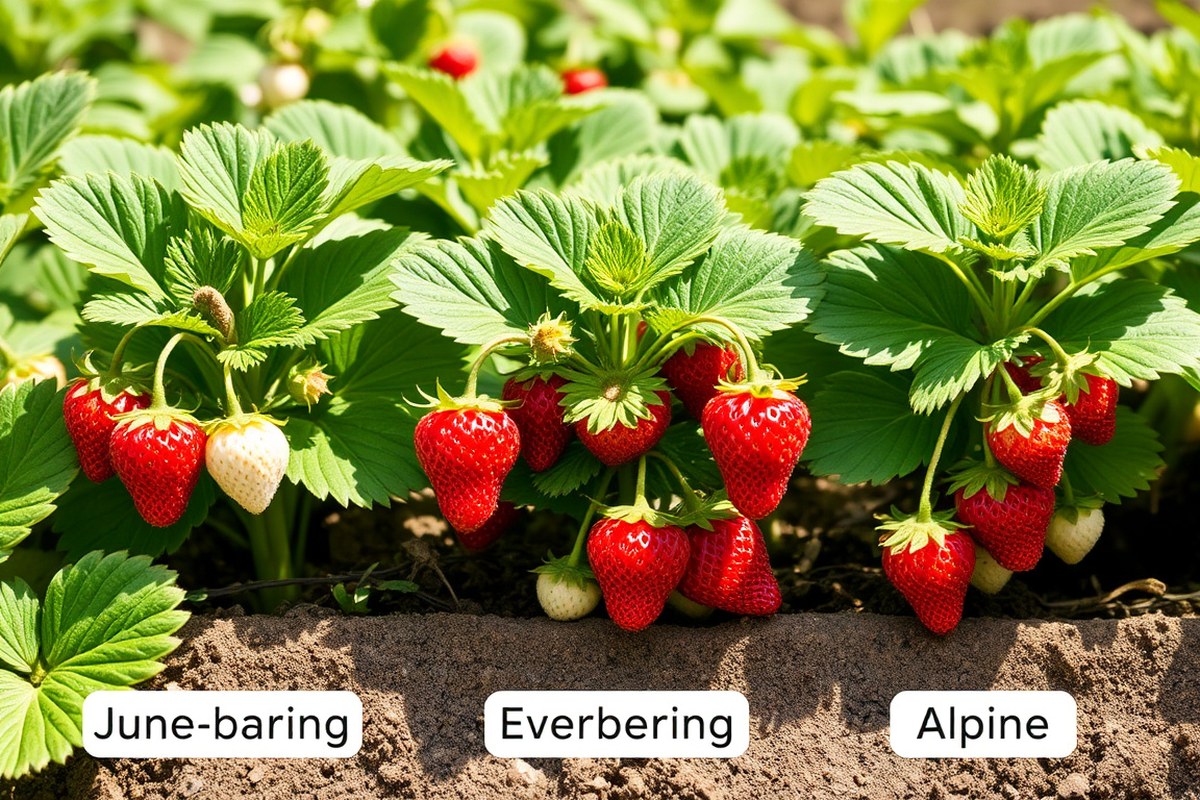
Different strawberry varieties have slightly different sunlight needs based on their fruiting habits. June-bearing types usually need the most sun, about 8 to 10 hours daily.
Everbearing and day-neutral strawberries can do well with 6 to 8 hours. Alpine strawberries tolerate less sun and can grow in partial shade.
June-Bearing Sunlight Needs
June-bearing strawberries produce one large harvest each season. They thrive with 8 to 10 hours of direct sunlight daily. Long sun exposure helps plants grow bigger fruits and more berries.
They can produce about 1 to 2 pounds per plant. This boosts your overall harvest significantly.
These plants often grow in matted rows with spacing around 12 to 18 inches between plants. Full sun is key for the best strawberry harvest.
Without it, fruits stay smaller, and you get fewer berries. Sunlight makes a big difference in yield.
Everbearing and Day-Neutral Varieties
Everbearing and day-neutral strawberries need less sun than June-bearers. Strawberry plants need 6 to 8 hours of sun daily. This light keeps them producing fruit from spring to fall.
It’s essential for ongoing growth. This makes them a good choice if your garden gets part shade.
Both types can handle clipped runners for better fruit production. They grow well in hill systems with plants spaced about 8 to 12 inches apart. These varieties yield smaller amounts but more often, about half to one pound per plant.
Shade-Tolerant Alpine Types
Alpine strawberries differ by tolerating only 4 to 6 hours of sunlight daily. They can manage well in shady conditions, such as under dappled or filtered light. These plants produce smaller berries over a longer period, with lower total yields.
Alpines grow best in tight spacing, 8 to 10 inches between plants. These plants work well in spots with less sun or shade.
They grow fruit with less heat stress on the plant. Perfect for woodland or shady gardens.
| Strawberry Type | Category | Min Sun (hrs) | Ideal Sun (hrs) |
|---|---|---|---|
| June-Bearing | Single Harvest | 6 | 8, 10 |
| Everbearing | Multi Harvest | 6 | 6, 8 |
| Day-Neutral | Continuous | 6 | 6, 8 |
| Alpine | Shade Tolerant | 4 | 4, 6 |
| Ornamental | Decorative | 4 | 4, 6 |
Matching your strawberry variety to the sunlight available improves fruit quality. June-bearing types benefit most from full sun, while some varieties tolerate shade. Alpine strawberries are best for shaded or partially shaded areas in the garden.
Don’t crowd your strawberry plants, especially where sunlight is low. Crowding blocks light and causes the plants to struggle. Give them space to grow strong.
What Happens If Strawberry Plants Don’t Get Enough Sun?
Strawberry plants that don’t get enough sunlight show clear signs of struggle. Their leaves become pale and thin because they can’t photosynthesize enough. This weakens the plants and slows their growth.
Fruit size and flavor also suffer with too little sun. Strawberries grown in shade are much smaller, often under 10 grams each. They also taste bland since sunlight helps produce the sugars that create a rich flavor.
Lack of sun leads to fewer flowers, which means fewer strawberries. The plants try to stretch toward light, becoming leggy and weak. This stress makes them more vulnerable to diseases and pests over time.
- Leaves look pale, thin, or stretched upward seeking light.
- Fewer blossoms result in smaller strawberry yields.
- Fruit tastes less sweet due to reduced sugar production.
- Plants grow slowly and appear weak or spindly.
- Higher risk of fungal diseases without morning sun drying dew.
- Stress reduces the plant’s ability to resist pests and illness.
Insufficient sunlight also stresses strawberry plants, especially when temperatures rise above 85°F (29°C). Without sun to dry leaves, moisture lingers, inviting fungal diseases. This can slow growth further and reduce the amount of healthy fruit.
Make sure each plant gets at least 6 hours of direct sun. Around 8 to 10 hours is even better. This helps avoid problems with your strawberry plants.
Proper spacing helps all plants receive enough light. Shade sometimes can’t be avoided. Morning sun helps reduce disease risk and keeps leaves dry.
How Climate Influences Sunlight Management for Strawberries
Climate changes how much sun strawberry plants need and how you manage it. Hotter climates often require some afternoon shade to protect plants. Cooler climates benefit from maximum sun exposure for strong growth and fruit production.
Hot Climate Considerations
When temperatures hit 90°F (32°C) or above, strawberries risk leaf scorch and stress. Providing 30, 40% shade cloth after 2pm reduces heat stress while allowing morning sun. Container plants suffer most, so shade them carefully during peak heat.
Afternoon shade helps strawberries avoid drying and leaf damage in these zones. You should check your plants for wilting or browning leaves, signs of too much sun. Plan your garden to place plants where natural or artificial shade is possible.
Warm and Moderate Zones
Strawberries grow best in USDA zones 7 and 8. They need full sun and temperatures from 80 to 90°F (27 to 32°C).
This range favors fruit sugar development and healthy growth without extra shading needs. You can plant strawberries in fall here to get a good start before winter.
Moderate zones (USDA 5, 6) are cooler, with temperatures from 70, 80°F (21, 27°C). Maximizing sun is key here to warm soil and boost fruit ripening. South-facing beds capture the best light, helping plants thrive through cooler days.
Cool Climate Sunlight Needs
In zones 3 and 4, temperatures stay between 60, 70°F (16, 21°C) during summer. Strawberries need full sun to get enough warmth for growth and fruiting. Using mulch to warm the soil can extend the growing season and protect roots.
June-bearing varieties suit cool zones because they produce all fruit at once in early summer. Good sunlight helps these plants harden off before winter dormancy. Place beds in spots with the longest daily sunlight possible.
Here’s a quick reference table to adjust sunlight based on climate zones and temperatures.
| Climate Zone | Avg Summer Temp | Sun Adjustment | Notes |
|---|---|---|---|
| Hot (USDA 9, 13) | 90°F+ / 32°C+ | Afternoon shade helps | Provide 30, 40% shade cloth after 2pm |
| Warm (USDA 7, 8) | 80, 90°F / 27, 32°C | Full sun ideal | No adjustment needed, peak growing zone |
| Moderate (USDA 5, 6) | 70, 80°F / 21, 27°C | Maximize sun exposure | South-facing beds preferred |
| Cool (USDA 3, 4) | 60, 70°F / 16, 21°C | Full sun essential | Use mulch to warm soil, choose June-bearing |
Adjusting sun exposure properly matches plant needs to climate challenges. Overdoing sun in hot areas can hurt plants.
Less sun in cool areas stunts growth. Using simple methods like shade cloth or bed placement makes a big difference.
How to Choose the Best Garden Location Based on Sunlight
Pick a garden spot that gets 6 to 8 hours of direct sun. Sunlight helps strawberries grow sweeter and juicier fruit. This amount of light is needed during the growing season.
Look for a place in your yard that is not shaded by trees, buildings, or fences. A southern-facing area usually gets the most sun throughout the day. Watch the sun’s path from east to west in your garden.
This helps you find the brightest spot for strawberries. Mark the place that gets the most light.
Tracking sunlight in your garden helps confirm how much direct light plants actually receive. Use a smartphone app that records sun exposure or take notes over a few days. This step avoids guessing and ensures your strawberries will get enough light to thrive.
- Walk around your yard in the morning, midday, and late afternoon to watch sunlight patterns. Note shady spots caused by trees or structures.
- Pick the garden area that stays sunniest from about 9 a.m. To 5 p.m. Aim for 6 to 8 hours of direct sun.
- Use a sunlight meter app to track daylight hours on your spot. You can also make a cardboard cutout to measure shade. Check sunlight for several days to be sure. Mark the best spot where sun is strongest longest.
- Consider the angle of sunlight in different seasons. In spring and summer, strawberries need full sun most of the day.
- Look for trees or fences that might block sunlight during the day. Shadows can move, so check throughout the morning and afternoon. Avoid spots with tall plants nearby.
- Pick soil that drains well in your sunny garden area. Remove all weeds before planting strawberries to avoid competition. This gives your plants better access to sunlight and nutrients.
- Place strawberry plants in the sunniest spot available in your garden. For less sunny gardens, choose strawberry types that handle some shade. This helps ensure they still grow well.
- For container gardening, place pots on balconies or patios that get direct sunlight the longest.
Don’t plant strawberries under trees or close to tall fences. Shadows can cut sunlight below the needed 6 hours daily.
Protecting Strawberry Plants from Sunburn and Excess Heat
Intense afternoon sun can damage strawberries by fading leaves and cracking fruit. These plants thrive with 6 to 8 hours of sun but also need shade from noon to 4 p.m. To avoid heat stress.
Shade cloth is a simple way to protect your plants. It blocks some sunlight but still lets air flow through. You can easily set it up over your plants.
Use a cloth with 30-50% shade, placing it over plants during peak heat. Shade cloth usually costs between $10 and $30 per 100 square feet. You can buy it at garden centers or online.
Check for the right size before you buy. Remove it in the early evening so strawberries get enough light overall.
Companion planting also helps. Taller plants, like corn or sunflowers, planted nearby can create natural shade. Put companion plants where they don’t block the morning sun.
They should shade your strawberries from strong afternoon rays. This keeps your plants healthy and cool. This method is free and also improves garden diversity.
- Install shade cloth between 12 p.m. And 4 p.m. On hot days
- Choose a 30-50% shading fabric for better airflow
- Use tall companion plants like sunflowers for afternoon shade
- Place containers in spots with morning sun, afternoon shade
- Water plants deeply before hot periods to reduce stress
For container-grown strawberries, you have more control. Move pots to shaded spots or under tree branches in the afternoon.
This helps avoid heat stress that causes smaller, less sweet berries. Pay attention to bright leaf edges or wilting as signs that your plants need more protection.
Timing matters. Protect plants mainly during the hottest hours, not all day. Too much shade lowers fruit production.
Aim for about six to eight hours of sunlight daily. Balance this with some shade during the peak heat hours. This helps your strawberry plants grow well.
Fixing Sunlight Deficiency: Diagnosing and Correcting Problems
Look for signs like slow growth and pale leaves to spot low sunlight. Fix this by moving your strawberry plants to brighter spots or using grow lights. Transplanting crowns to sunnier places is a solid step if natural light is limited.
Identifying Light Deficiency Signs
Strawberries that get too little sun grow tall and thin with pale green leaves. Their fruiting will slow down or stop.
You might see fewer blooms. The plants look leggy because they stretch toward light.
Watch out for leaves that stay small or look weak. In shady spots, strawberry plants also become more prone to diseases. These signs usually show after a few weeks of poor light.
Transplanting for Better Sunlight
Moving your strawberry crowns to a brighter spot helps them recover and produce more berries. Look for places with at least eight hours of direct sun. Many gardeners prefer south-facing beds for maximum light.
Transplant during cooler parts of the day, in early spring or fall. Avoid hot midday sun when moving the plants. Choose soil that drains well and add compost to boost growth.
- Dig around the crown 4 to 6 inches deep to lift the plant gently.
- Keep the roots moist and avoid shaking off too much soil.
- Pick a new spot with at least 8 hours of sunlight daily.
- Prepare soil by loosening it and mixing in compost.
- Plant the crown at the same soil depth as before.
- Water the plants well after transplanting to help roots settle.
- Mulch to keep moisture and reduce weeds around the crowns.
- Check daily for the first week and water if soil dries out.
Using Supplemental Lighting
If sunlight is limited, supplemental LED or fluorescent grow lights help your strawberries thrive. Place the lights 6 to 12 inches above the plants. Use full-spectrum bulbs to mimic natural sunlight.
Provide 12 to 16 hours of light daily with these bulbs to support photosynthesis. Set timers to keep a consistent light schedule. This method works well indoors or under shade where sunlight is weak.
Balancing Sunlight with Water and Soil for Healthy Strawberries
Strawberries require around 1 to 1.5 inches of water weekly to stay healthy. Warmer weather dries soil quickly. So water more frequently but keep soil from becoming too wet.
Well-draining soil is key to balance sunlight and watering. For clay soil, mix in at least 4 inches of compost before planting. Rake soil into raised mounds.
This helps water drain better. It also stops puddles near the roots.
Mulching with straw or wood chips helps keep soil moist and cool under bright sun. It also keeps weeds down and prevents soil from splashing onto leaves, reducing disease risk. Put 2 to 3 inches of mulch around each plant.
Leave a small gap near the crown. This stops the crown from rotting.
Check soil moisture with your finger: water if it feels dry 1 inch down.
Strawberries like deep, sandy soil rich in organic material to hold moisture without flooding. This soil type supports steady water supply despite hot sun. Keep planting spots away from tomatoes and potatoes to avoid soil diseases that hurt strawberries.
Sunlight boosts strawberry sweetness and fruit size by helping the plant use water and nutrients better. Make sure your plants get enough water especially on warm, sunny days.
Good soil, proper watering, and sun make berries juicy. Without these, berries stay small and sour.
Step-by-Step Action Plan for Optimal Sunlight in Your Strawberry Garden
Follow these simple steps to give your strawberry plants just the right sunlight. Each step includes how to check that your plants are happy.
- Before planting: Pick a spot with at least 6 hours of direct sun daily. Your plants should look bright and strong after a week.
- Week 1: Plant your strawberries in well-drained soil with good sunlight exposure. Check daily to see the leaves are fully open and facing the sun.
- Week 2, 4: Watch for signs of too much sun, like leaf scorch. Use shade cloth if leaves turn brown or curls appear.
- After 4 weeks: Adjust watering to match sunlight. Increase water if soil dries out faster under full sun.
- Month 2: Inspect plants for sunlight shortage signs, like limp leaves or poor fruit set. Move pots or trim nearby plants if needed.
- Throughout the season: Protect plants from midday heat by lightly shading if temperatures exceed 85°F. Check soil moisture daily during hot spells.
- At harvest time: Ensure plants still get enough sun to ripen berries fully. Avoid sudden shading that may reduce fruit quality.
Frequently Asked Questions
Can Strawberries Get Too Much Sunlight?
Yes, too much sunlight with high heat can cause sunburn on strawberry leaves. You can protect plants by providing afternoon shade or using shade cloth during the hottest hours.
Should Strawberries Be Watered Every Day?
Strawberries don’t need daily watering if soil stays moist and drains well. Water when the top inch of soil feels dry.
This usually takes 2-3 days. It depends on the weather and soil type.
What Helps Strawberries Grow Faster?
More sunlight, proper watering, and nutrient-rich soil all speed up strawberry growth. Avoid overcrowding plants and remove runners to focus energy on fruit development.
Can Strawberries Survive in the Shade?
Yes, strawberries can survive in partial shade but produce fewer fruits and smaller berries. They need at least 6 hours of bright light for decent growth and harvest.
Do Strawberries Need Direct Sunlight or Is Filtered Sunlight Okay?
Strawberries need direct sunlight for 6 to 8 hours daily to produce sweet fruit. Filtered or dappled light won’t support maximum fruit size or yield but can keep plants alive.
Is Morning Sun Better Than Afternoon Sun for Strawberries?
Morning sun is gentler and helps dry dew fast, reducing disease risk. Afternoon sun is stronger but can stress plants; balance sunlight exposure for healthy growth.
Final Thoughts
Strawberries do best with about 6 to 8 hours of sunlight each day. Keep a close eye on how sun exposure affects their leaves and fruit. Start by selecting the sunniest spot in your garden and watch your harvest grow.