How to Plant a Pomegranate Tree: A Complete Guide for Healthy Fruit
How to plant a pomegranate tree starts with picking the right spot and variety. Pick a sunny spot where the tree gets six hours of sun. Make sure this place stays bright for most of the day.
Sun helps the tree grow well. This helps your tree grow strong and produce healthy fruit in time.
Loosen the soil first. Then dig a hole twice as wide as the root ball. This gives roots room to spread.
Good drainage is key since pomegranates don’t like wet feet. Wait until the last frost passes.
Your seedlings should be six inches tall. Only then plant them outdoors.
Water your tree deeply right after planting to help roots settle. Keep an eye on moisture and avoid overwatering.
Pomegranates tolerate drought but not soggy soil. These steps get you on the right track for a thriving pomegranate tree.
Key Takeaways
- Pick a planting site with at least six hours of direct sunlight daily.
- Use well-draining soil to prevent root rot and promote healthy growth.
- Dig a hole twice as wide as the seedling’s root ball for planting.
- Plant seedlings outside only after the last frost and at six inches tall.
- Water deeply immediately after planting to help roots establish.
- Allow soil to dry between watering to avoid waterlogged roots.
Choosing the Best Pomegranate Variety and Location
Choose a pomegranate variety based on where you live and your frost risk. Many varieties thrive in USDA Zones 7 through 10, with some tolerating up to Zone 12.
Choose a dwarf cultivar if your area often freezes. It handles cold better and works well in containers.
Think about how tall your tree will grow. Large varieties can reach 16 to 30 feet tall in the right spots. Dwarfs stay under 4 feet.
Space big trees 15 to 20 feet apart. Plant trees 10 to 12 feet apart for hedges. This distance prevents crowding and fits smaller yards.
Plant your tree where it will get full sun all day. Pomegranates need at least six hours of direct sunlight for strong growth and fruit.
Choose well-draining soil because soggy roots can kill the tree. Sandy or loamy soil with a pH from 5.5 to 7.0 works best.
Consider your climate’s dryness and heat. These trees do well in warm, dry areas, needing only moderate water once established. Pick resistant varieties in humid or wet places.
Plant where air moves well. This helps stop disease. Avoid low spots where cold air or standing water can settle.
Match your variety to frost dates. Also consider how much sun your area gets. Plant after your last frost, like after April.
Choose varieties that fruit before fall arrives. Check local nursery advice to confirm timing and tree hardiness for your zone.
Make sure you measure the space before planting. Give the tree enough room to grow without crowding other plants or structures. Good spacing supports airflow and sunlight, which helps keep the tree healthy and productive for years.
Preparing Soil and Digging the Planting Hole

Pomegranates prefer soil that is slightly acidic to neutral, with a pH between 6.0 and 7.0. Testing your soil’s pH before planting helps you know if you need to adjust it. Good drainage is essential because soggy soil can cause root rot and kill your new tree.
Planting in heavy, clay soils often leads to poor drainage. You can add compost to improve the soil. Plant on a raised bed or small mound.
These steps help roots grow better and keep the tree healthy. These steps help water drain quickly, keeping the roots healthy and oxygen-rich.
The planting hole should be wide and not deeper than the root ball. This lets roots spread out without being too deep. Planting too deep can stress the tree and slow growth.
Keep the roots comfortable for strong development. The hole’s width loosens surrounding soil to help roots grow well.
- Test your soil’s pH using a home kit or at a local garden center. Adjust if it’s below 6.0 or above 7.0 by adding lime to raise pH or sulfur to lower it.
- Dig a hole twice as wide as your nursery container or root ball. Keep the depth the same as the root ball’s height.
- Mix the soil you dug out with one part compost to one part soil. This adds nutrients and improves texture.
- Place half the soil-compost mix back into the hole. Firm it gently but keep it loose enough for roots to grow.
- Place the tree in the hole with its root ball top even with the ground. Do not cover the root ball too deeply. Proper positioning prevents root problems and helps the tree grow well.
- Fill around the roots with the remaining soil-compost mix, pressing lightly to remove air pockets.
- Water the planting area well, ensuring water drains instead of pooling.
Check drainage by filling the hole with water first. It should drain within a few hours to avoid root rot risks.
Step-by-Step Guide to Planting Your Pomegranate Tree
Plant your pomegranate tree with care to protect its roots and ensure proper growth. Follow precise steps to remove it safely from the container or bare root bundle. Plant at the right depth to help roots grow healthy.
Firm the soil gently around the plant after placing it. This supports strong growth in your pomegranate tree.
Removing Plants from Containers or Bare Root Bundles
Careful removal avoids damaging the delicate roots that the pomegranate tree needs. Soak bare root plants in water for about 30 minutes. This helps hydrate the roots before you plant them.
Avoid planting dry roots to protect the tree. Container plants need gentle teasing to loosen the root ball without breaking it apart.
Follow these steps to get your pomegranate ready for planting:
- Soak bare root roots in water for 30 minutes before you plant.
- Tap the pot gently to loosen the root ball if your tree is in a container.
- Remove the tree by holding the base near the soil, not the stem.
- Gently tease the roots with your fingers if they are circling or tightly packed.
- Trim any broken or dead roots using clean pruning shears to avoid disease.
Planting at the Correct Depth and Position
Place the tree so the topmost roots sit right at the soil surface. Planting too deep can suffocate roots or cause rot. Make sure the tree stands straight in the hole.
Set the soil line to match its original pot or bundle. This prevents burying the trunk too deep or shallow.
Check that the hole is wide enough to spread root tips without bending. Positioning the roots evenly helps them take up water and nutrients quickly. Avoid planting deeper than the natural root collar to keep your tree healthy.
Backfilling, Firming Soil, and Mulching
Use the soil you dug out to backfill around the roots without adding new material. Fill the hole halfway, then gently press soil around the base to remove air pockets. Avoid crushing roots but firm soil enough to support the tree upright.
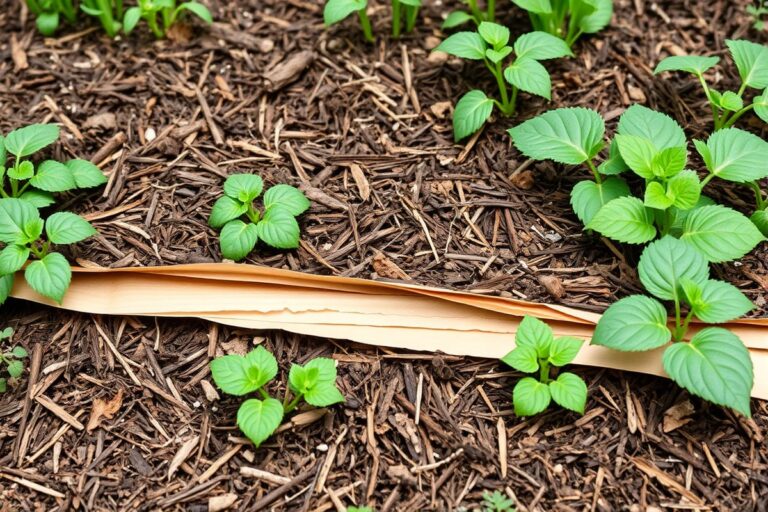
Once backfilled, water the tree deeply to settle the soil further. Spread 2 to 3 inches of mulch around the tree base. Keep mulch 3 to 4 inches away from the trunk.
This stops rot and helps keep moisture in the soil. Mulch helps keep moisture consistent and prevents weeds.
Initial Watering and Setting Up Irrigation
Water your new pomegranate deeply after planting to soak the root zone well. This triggers the roots to start growing and filling out the soil area. Water about once a week, letting the soil dry slightly between waterings to avoid root rot.
Check soil moisture with your finger to know when to water next. Setting up drip irrigation or soaker hoses can help keep watering steady without overdoing it. Proper moisture encourages healthy growth during the first critical weeks.
Watering and Fertilizing for Strong Early Growth
Water your young pomegranate tree deeply at planting and regularly through the first few years. Use a balanced fertilizer like 10-10-10 in late winter and during the growing season. Proper watering helps roots grow strong.
Feeding supports healthy growth. This also helps fruiting later on.
Watering Scheduling by Season and Tree Age
Right after planting, soak the soil deeply. Water until it reaches 12 inches down. This gets water to the roots.
Water every 2 to 3 days for the first two weeks. Then water once or twice each week.
This depends on rain and soil type. Adjust if soil feels wet or dry.
Young trees need more frequent watering in hot, dry weather. As the tree grows over 2 to 3 years, water less often. Reduce to every 7 to 10 days.
This saves water and is enough. Before the first hard freeze, water deeply so the tree stores moisture for winter.
Recommended Fertilizer Types and Application Times
Use a balanced fertilizer with equal parts nitrogen, phosphorus, and potassium, like a 10-10-10 mix. Apply it in late winter before the growing season begins, around February or March. This timing supports both root and shoot development.
Feed the tree 2 or 3 times each growing season. Space these feedings about 6 to 8 weeks apart. This meets the tree’s needs.
You can use a slow-release fertilizer or organic compost to avoid overfeeding. Avoid fertilizing during hot midsummer to prevent stress.
Signs of over- and Underwatering to Watch For
Wilting leaves or brown, crispy edges often mean underwatering. Check soil below the surface.
If it feels dry, the tree needs more water. Yellowing leaves and poor shoot growth can also signal drought stress in young trees.
Overwatering causes yellow leaves with soft spots and sometimes root rot. Soil that stays soggy several inches deep for days is a warning sign.
Nutrient burn shows as leaf tip browning. Cut back on fertilizer if you see this.
Adjusting Care for Container-Grown Trees
Containers dry out faster than garden soil, so water your pomegranate tree more often. Check soil moisture daily during warm weather. Water until it drains from the pot’s bottom to ensure deep soaking.
Use a balanced fruit tree fertilizer with a 10-10-10 ratio. Apply only half the recommended amount. This prevents burning the roots.
Feed container trees every six to eight weeks from spring through early fall. Repot every two to three years to refresh soil and roots.
Pruning Techniques to Shape and Encourage Fruit
Prune pomegranate trees mainly in late winter or early spring. Pruning young and mature trees correctly shapes them and improves fruit production. Remove unwanted branches carefully to keep the tree healthy and productive.
Training Young Trees for Strong Structure
Start shaping your tree in its first and second years. Choose one of up to six trunks to keep and prune the others near the ground. This helps form a strong single-trunk tree.
Cut back young branches by one-quarter to one-third in the second year. Leave about three to five side shoots per branch for good growth.
Removing some lower branches supports air flow and light, which benefits fruit development. Decide early if you want a shrub or single trunk form.
Pruning Mature Trees to Maintain Size and Productivity
After the third year, prune lightly each year to encourage fruiting. You won’t need heavy cuts once the structure is set. Limit cuts to six to eight inches per branch.
Prune to control size, remove suckers, and keep the tree open for sunlight. Aim to cut less than a third of branches in one session. This reduces stress on the tree.
Removing Dead, Damaged, or Crossing Branches
Always cut out dead, damaged, or crossing branches. These block airflow and cause fruit loss. Clear branches help prevent diseases and increase fruit yield.
Check your tree each winter and after storms for any broken limbs. Removing these also keeps your tree neat and manageable. Use sharp, clean tools to make clean cuts.
Timing Pruning for Flower and Fruit Development
Prune mainly before buds form in late winter or early spring. This timing promotes better flower bud growth and fruit set. Heavy pruning during fruiting can reduce yields.
You can prune lightly during summer but avoid major cuts. Fruit-bearing branches are heavy and more vulnerable to damage then. Fall pruning is generally not recommended.
- Choose late winter or early spring for main pruning sessions.
- Pick one trunk from young trees, prune others to ground level.
- Cut back second-year branches by up to one-third, keep 3-5 side shoots.
- Remove dead, damaged, and crossing branches anytime you spot them.
- Prune lightly each year after year three, cutting no more than a third.
- Trim suckers at the base to prevent crowding and save energy.
- Use sharp pruning shears to make clean cuts and avoid disease.
Do not prune heavily during fruiting season; it can cause fruit drop.
Protecting Your Pomegranate from Cold and Pests
Pomegranate trees can suffer damage when temperatures drop below 20°F. You should protect young or container-grown trees with frost blankets. Wrap the trunk and branches to keep them safe.
Cover trees on cold nights to prevent frost injury. It also helps the tree stay active during freezes.
Once frost risk ends in spring, remove any covers to allow proper air circulation. Always check your tree throughout winter for damage or signs of pests.
Watch for wilting leaves, sticky leaves, or small insects. These signs show trouble early before serious damage.
Aphids and whiteflies are common pests that feed on pomegranate leaves and stems. These insects produce sticky honeydew, which attracts mold and weakens the tree. Spray leaves gently with water or organic insect soap weekly.
Do this when pests show up to keep their numbers low. Avoid harsh chemicals that can harm beneficial insects.
Heart rot is a fungal disease that causes trunk and root decay. Proper planting in well-draining soil reduces risk.
Pruning dead or damaged branches promptly stops the spread. Removing unripe, leftover fruit late in the season helps prevent fungal spots and insect breeding sites.
Natural approaches include using neem oil or insecticidal soap for insects. A thick layer of mulch around the tree keeps roots warm.
It also saves moisture and reduces cold stress. Avoid overwatering, since damp conditions favor disease development.
Growing cold-hardy types like Russian 26 Pomegranate helps in Zone 8 climates. These varieties tolerate cold better. Still, applying winter protections during unexpected freezes is wise.
Container trees need special care: move them indoors or to sheltered spots before frost hits. Return them outdoors only after all danger of frost has passed.
Healthy growth depends on staying watchful through winter. Early pest control and frost-proofing prevent stunted branches or low fruit yield later.
A well-protected tree stays strong and produces sweet fruit each year. It avoids costly treatments for problems.
Growing Pomegranates in Containers vs In-Ground
Growing pomegranate trees in containers works well when space is tight or soil is poor. You can still get fruit. But container trees need more attention to watering and nutrients.
In-ground planting works well if you have space and the right climate. Trees can grow bigger this way. They also produce more fruit.
For containers, pick a pot at least 15 to 20 gallons in size. Use a sturdy material like ceramic or thick plastic with drainage holes.
Clay pots dry faster, so you might need to water more often. Choose a dwarf or container-friendly pomegranate variety for better results.
| Factor | Container Growing | In-Ground Growing |
|---|---|---|
| Space needed | Small patio or balcony space | Requires garden or yard space |
| Container size | 15-20 gallons minimum | Not applicable |
| Watering frequency | More frequent, often twice weekly | Less frequent, deep watering |
| Fertilizer needs | Every 6 weeks during growing season | Twice per season usually enough |
| Winter protection | Move indoors or insulate roots | Usually tolerant to local conditions |
| Fruit production | Slower, may take 2, 3 years to fruit well | Faster, fruit often in 1, 2 years |
| Climate flexibility | Can be moved to avoid frost or heat | Limited to local climate zones |
Container pomegranates need frequent watering because pots dry out quickly. Water deeply to keep the soil moist but not soggy. Fertilize every 4 to 6 weeks with a balanced, slow-release fertilizer during growth months.
If winter temperatures drop below 20°F, move container trees indoors. You can also wrap them to stop freezing.
In-ground trees absorb water deeply, so watering is less frequent but thorough. Fertilizer at planting and once during late spring is usually enough.
Hardier in cold weather, these trees withstand most seasonal changes without protection. They grow bigger, with bigger roots and often produce fruit sooner than container ones.
Fruit yield depends on tree health and size. Container trees can fruit but tend to produce less fruit at first. You can improve fruiting by choosing appropriate varieties like ‘Nana’ or ‘Kazake.’
Growing in pots suits gardeners with cold winters or limited space. In-ground planting benefits those with enough garden space and warmer climates, like zones 8 to 11.
Recognizing Growth Milestones and Harvest Readiness
Pomegranate trees usually start producing fruit about 2 to 3 years after planting. The timeline depends on the variety, climate, and care.
Trees in warm zones with full sun often fruit sooner. Cooler or shady spots slow their fruit.
Healthy growth shows as shiny, deep green leaves and sturdy branches. Look for new shoots in spring and summer, which signal good development. Avoid yellow or dropping leaves because they may mean overwatering or nutrient issues.
Fruits take several months to mature. Watch for these signs when pomegranates are ready. The skin deepens to rich red or yellow.
It also gets smooth and the fruit’s shape becomes more angular. The fruit will also feel heavier than before.
Another easy test is gently tapping a fruit. Ripe ones sound metallic, unlike immature fruit’s dull thud.
The fruit splitting or falling means it’s time to pick. Pick it right away to avoid spoilage.
Delaying harvest can cause fruits to crack open and attract pests. This reduces fruit quality and your harvest yield. Pick regularly to get the best pomegranates and prevent losses.
Common problems that delay fruiting include too much shade, poor soil drainage, or frost damage. Also, some flowering pomegranate types won’t fruit at all.
So start with a fruit-bearing variety. Proper watering and fertilizing help encourage fruit growth and keep your tree healthy.
Check your pomegranate fruits every few days as they near maturity to prevent cracking and loss.
Step-by-Step Action Plan for Your Pomegranate Tree
Follow this plan to get your pomegranate tree growing strong and healthy. Each step will help you see clear signs of progress.
- Day 1: Plant your pomegranate tree in a sunny spot with well-drained soil. The tree should stand firm and straight in the hole.
- Week 1: Water the tree deeply once, soaking the soil 12 inches down. Check if the soil feels moist but not soggy after watering.
- Week 2-4: Apply a balanced fertilizer every two weeks. Look for new leaves or buds to confirm the feeding works.
- Month 2: Prune any weak or dead branches to shape the tree. The tree will start a fuller, bushier look.
- Months 3-6: Protect your tree from pests using safe insect sprays if needed. Watch for fewer bugs or leaf damage.
- Month 6+: Continue watering weekly during dry spells, keeping soil lightly moist. Check leaves for signs of drought stress like wilting.
- After 1 Year: Begin to look for small flowers in late spring. Flowering means you’re on track for fruit soon.
- Harvest Time: Pick pomegranates when the fruit feels heavy and the skin changes color. Taste one to make sure it is sweet and ripe.
Frequently Asked Questions
When Is the Best Time to Plant a Pomegranate Tree?
The best time to plant a pomegranate tree is in early spring after the last frost. This timing lets your tree adjust before summer heat arrives, encouraging strong root growth.
Can You Plant a Pomegranate Tree from Cuttings?
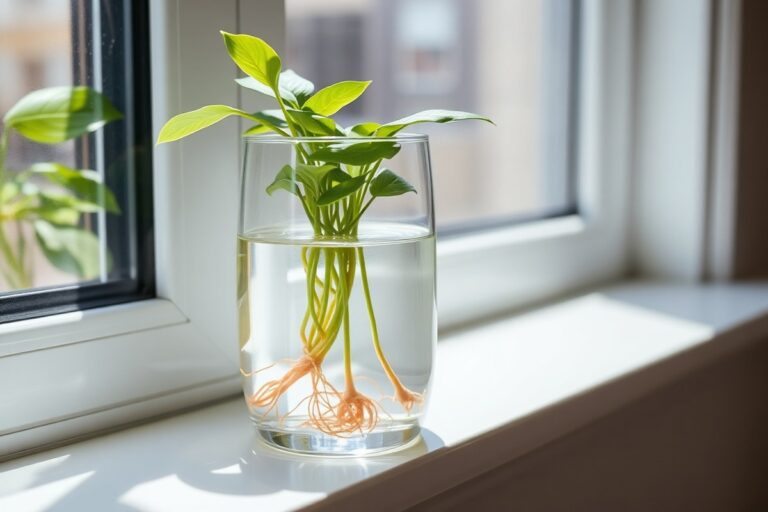
Yes, pomegranates can be grown from cuttings. Choose a healthy, semi-hardwood branch and root it in a moist planting medium for best results.
How Deep Should I Plant a Pomegranate Tree?
Place your pomegranate with the root ball’s top flush with the soil. Make the hole twice as wide as the root ball but keep it shallow.
Do Pomegranate Trees Need Mulch After Planting?
Applying mulch helps retain moisture and controls weeds near your tree. Keep mulch a few inches away from the trunk to avoid rot.
How Long Does a Pomegranate Tree Take to Bear Fruit?
Typically, your tree will start producing fruit in 3 to 5 years. Patience is key while it grows strong enough to support good crops.
Can I Plant Multiple Pomegranate Trees Close Together?
Space them about 10 to 20 feet apart for proper airflow and sunlight. Crowding can reduce fruit size and increase disease risk.
The Bottom Line
Growing pomegranates takes patience and regular care. Start with the right spot and daily water checks. Now, plant your tree and watch it grow day by day.