What to Lay Under Mulch to Prevent Weeds: 8 Effective Barriers Compared
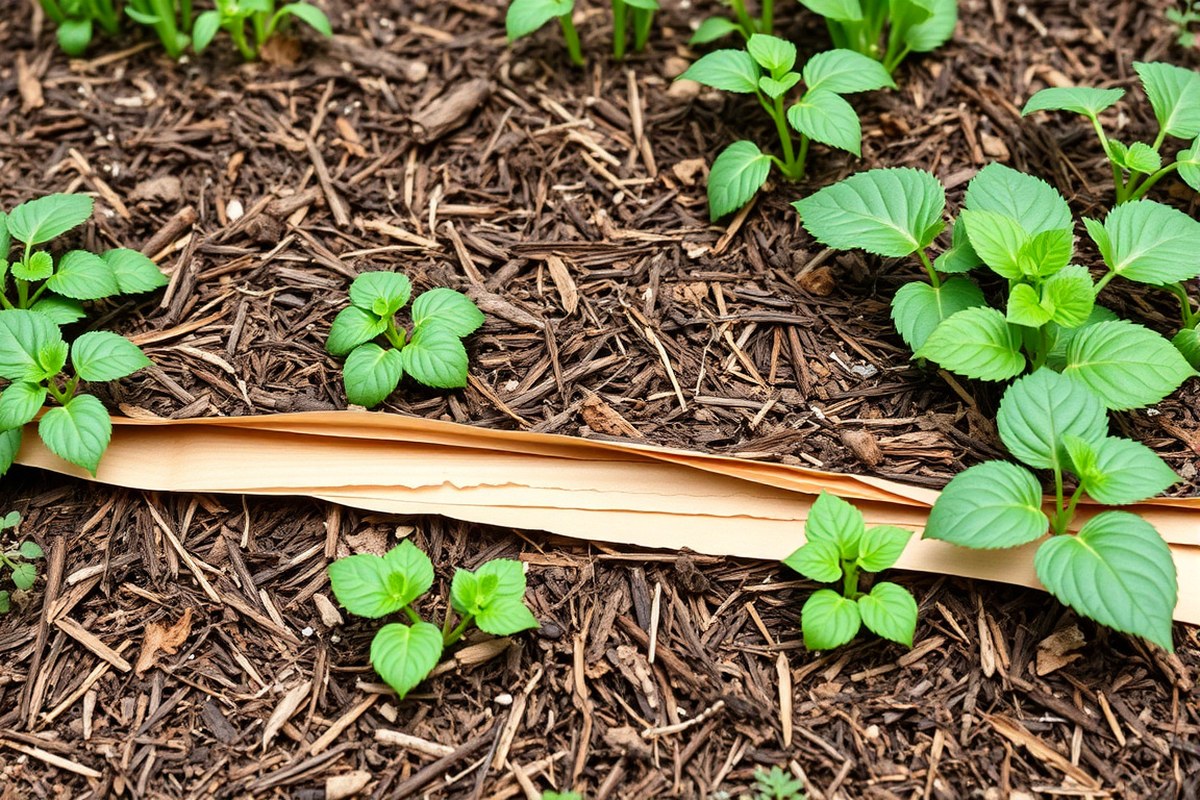
Wondering what to lay under mulch to prevent weeds? The best way is to use a barrier before mulch. Use cardboard or several newspaper layers to block weeds.
This helps stop weeds from growing under mulch. These materials block sunlight, stopping weed seeds from sprouting beneath.
Start by clearing your garden bed of existing weeds and loosening the soil. Then, place your chosen barrier flat on the soil surface, overlapping edges to avoid gaps. Add a 2 to 4 inch layer of organic mulch on top.
This keeps the barrier in place and holds moisture. Mulch also blocks sunlight to stop weeds from growing.
Using cardboard or newspaper works because they break down slowly and enrich the soil over time. Avoid plastic sheets under mulch as they can trap moisture and harm soil life. This simple step saves you hours of weeding and helps your plants thrive.
Key Takeaways
- Clear the garden bed of weeds before laying any barrier or mulch.
- Use cardboard or 4, 6 newspaper sheets as an effective weed barrier.
- Overlap barrier edges to prevent weeds from sneaking through gaps.
- Cover barriers with 2 to 4 inches of organic mulch for best results.
- Keep mulch 1 to 2 inches away from plant stems to prevent rot.
- Avoid thin mulch layers under 2 inches; weeds can still grow.
Best Materials to Lay Under Mulch to Prevent Weeds
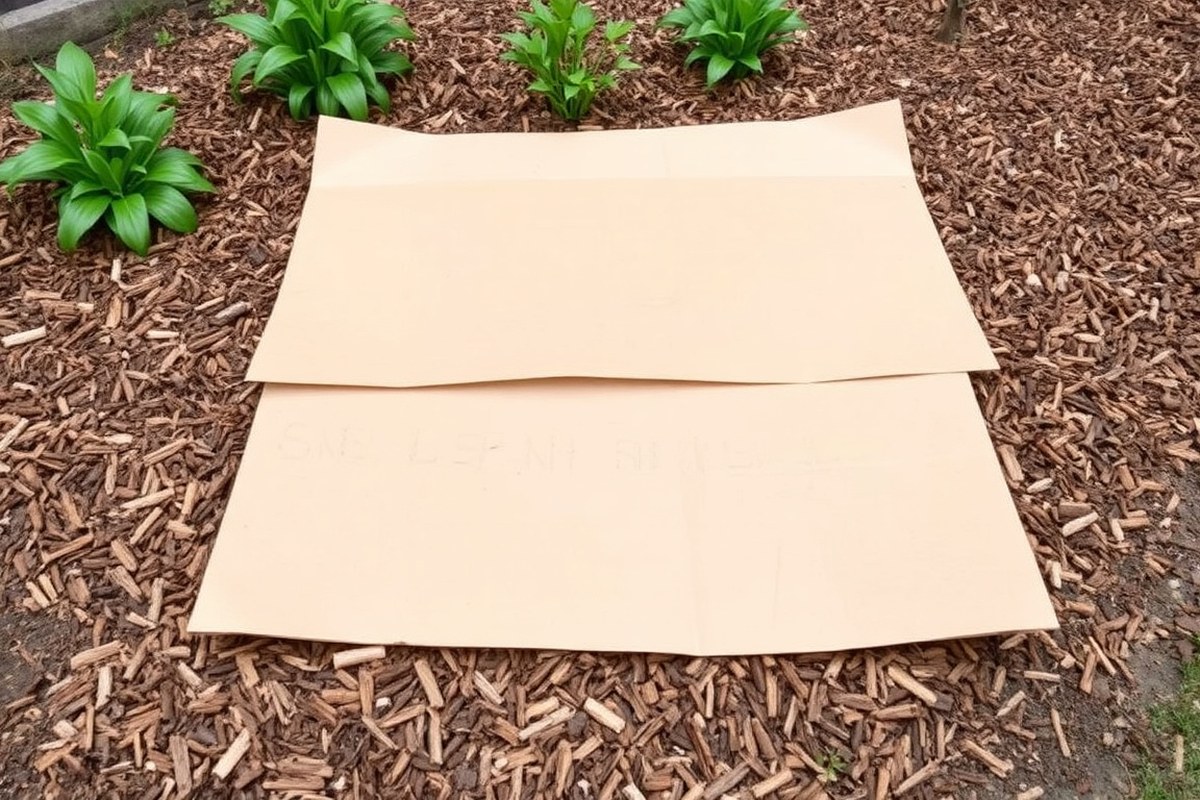
To prevent weeds from growing under mulch, you can place organic or synthetic materials beneath it. These materials block sunlight, stopping weed seeds from sprouting.
Choosing the right one depends on your garden goals and soil needs. It also depends on how long you want the barrier to last.
Organic Barriers: Cardboard and Newspaper
Cardboard and newspaper are common, natural weed barriers that break down over time. They block light while adding nutrients as they decompose, which feeds your soil.
Lay 4 to 6 sheets of newspaper or one flat layer of cardboard. Next, cover with 2 to 4 inches of mulch.
This method works well for gardeners wanting an easy and inexpensive way to suppress weeds. Cardboard lasts longer, usually 6 to 12 months, giving more extended weed protection.
Newspaper breaks down faster, around 3 to 6 months. But still offers decent control and soil benefits.
Synthetic Options: Landscape Fabric and Plastic Sheeting
Landscape fabric is a woven cloth that blocks sunlight and stops weeds from emerging for years. It can last 5 or more years without decomposing. So it’s good for permanent gardens.
It doesn’t add nutrients to soil. Also, it can reduce water flow if not chosen carefully.
Plastic sheeting, like black plastic, blocks weeds completely by cutting off all light. It’s common in vegetable gardens and can stay in place indefinitely.
Plastic can harm soil health. It traps heat and moisture and blocks organic matter from entering.
Inorganic Mulches as Base Layers
Some gardeners use inorganic mulches such as gravel or stones under mulch to suppress weeds. These materials don’t decompose or add nutrients but block sunlight effectively. They suit gardens where minimal soil disturbance and long-lasting control are desired.
Inorganic mulches require occasional cleaning or repositioning rather than adding new layers. They work well under mulch when paired with fabric or organic barriers for better weed control. Inorganic options often cost more upfront and don’t improve soil quality.
| Material | Weed Control | Soil Benefit | Longevity |
|---|---|---|---|
| Cardboard | Excellent | High | 6-12 Months |
| Newspaper | Moderate | Moderate | 3-6 Months |
| Landscape Fabric | High | None | 5+ Years |
| Plastic Sheeting | High | Negative | Indefinite |
Cardboard offers both strong weed control and soil benefits for a season or more. Newspaper is cheaper but breaks down faster and works best combined with mulch layers. Landscape fabric is best for long-term projects without soil improvement.
Plastic sheeting and inorganic mulches give solid weed barriers but may reduce soil health. Use plastic only when you want a highly durable barrier and don’t mind less soil life. Inorganic mulches suit low-maintenance areas that don’t need nutrients added.
How to Prepare Soil Before Laying a Weed Barrier

Preparing the soil well is key before you lay a weed barrier. It helps stop weeds from growing and keeps mulch healthy. Good soil prep makes a big difference.
Clear out all existing weeds first. Then, smooth the soil surface carefully.
This lets the barrier work much better. Proper preparation also helps mulch stay fresh longer and retain moisture better.
Removing Existing Weeds and Roots
Remove all existing weeds and roots before placing any barrier. Any leftover roots or weeds may grow through mulch and make weed control tougher later. Hand-pulling is often best to get whole roots out without disturbing the soil too much.
For invasive perennial weeds, be extra thorough. Dig out tough roots by hand or use a hoe to pry them loose.
Avoid mulching over weeds you didn’t fully remove. That almost always leads to weeds breaking through again.
- Pull out visible weeds carefully, making sure to get roots.
- Use a hoe or hand fork to loosen soil and extract stubborn roots.
- Rake the soil surface to clear out leftover debris and roots.
- Dispose of removed weeds away from your planting area.
Weak or partially removed weeds can grow through mulch and ruin control.
Leveling and Moistening the Soil
After clearing weeds, level the soil surface smoothly to avoid gaps under the barrier. Uneven soil can create spaces where weeds start and mulch sinks unevenly. Use a rake to spread soil evenly over the area.
Lightly water the soil to settle it before laying the barrier. Moist soil helps the barrier lie flat and prevents wind from lifting it later. Avoid soggy conditions or a dry crust, which both interfere with barrier installation.
- Rake the soil to create a flat, even surface.
- Remove rocks, sticks, and debris that create bumps under the barrier.
- Lightly water the soil to settle dust and firm the surface.
- Let the soil drain for a few hours if water pools after watering.
Uneven or dry soil can cause barriers to lift and allow weeds in.
Optional Soil Amendments Before Barrier Installation
Adding amendments like compost or fertilizer before laying the barrier can improve soil health. Work them into the top 2 to 3 inches to enrich the soil under the mulch. This helps plants grow stronger once the barrier is in place.
Avoid adding amendments if you use permanent landscape fabric. The fabric can block nutrients from reaching the roots. This limits your plants’ growth.
Amendments suit vegetable beds or flower gardens where you expect ongoing planting and growth. Skip amendments for tree or shrub beds with infrequent care.
- Spread a thin layer (about 1 inch) of compost or fertilizer over the soil.
- Lightly incorporate amendments into the top 2 to 3 inches with a rake or hoe.
- Do not compact the soil tightly after adding amendments; keep it loose.
- Ensure the soil is moist but not wet before you place the barrier.
Adding nutrients before a weed barrier boosts plant growth under your mulch.
How Thick to Lay Mulch over Different Barriers
For good weed control, spread mulch 2 to 4 inches thick. Wood chips and other organic mulches perform best at depths between 3 and 4 inches. Composts and finer mulches should be at least 2 inches to keep sunlight from reaching weed seeds.
The thickness depends partially on the base material under the mulch. Mulch on soil must be thick enough to block light fully. There is no other barrier underneath.
Cardboard or newspaper under mulch need 2 to 3 inches of mulch. This prevents weeds from growing through gaps or edges.
Too thin of a mulch layer lets sunlight reach the soil, encouraging weeds to sprout. Mulch thinner than 2 inches lets seeds and weeds grow through easily.
Mulch thicker than 4 inches can suffocate roots by blocking air and water. It can also slow soil warming in spring.
Synthetic weed barriers under mulch let you use a thinner layer. About 2 to 3 inches works well for weed control.
These materials block roots well, so thick mulch isn’t as important. Layering different mulches such as compost under wood chips increases weed suppression and nourishes soil.
Check your mulch regularly to keep it at the right depth. Add more mulch if it compacts or washes away after rain.
This is important in garden beds that often get weeds. Maintaining 3 inches over barriers usually keeps stubborn weeds under control for up to two years.
Environmental and Soil Health Impact of Weed Barriers
| Barrier Type | Soil Aeration | Moisture Retention | Nutrient Cycling | Sustainability |
|---|---|---|---|---|
| Plastic Sheets | Blocks air, causing poor aeration | Traps moisture but can cause waterlogging | Prevents organic matter from decomposing | Non-biodegradable; not eco-friendly long term |
| Fabric Weed Barriers | Allows some air to reach soil | Permits water penetration, retains moisture well | Partial nutrient exchange possible | More sustainable, often reusable |
| Organic Materials (cardboard, newspaper) | Improves soil structure and aeration over time | Helps moderate moisture without waterlogging | Breaks down to feed soil microbes and plants | Biodegradable and eco-friendly |
Plastic sheets keep weeds from growing by blocking sunlight and sealing soil tightly. However, they also block air from reaching roots. This can cause the soil to get too wet or too dry, harming beneficial microbes and plants.
Over the long term, plastic doesn’t break down. It can harm soil life and needs removing after a few years to avoid buildup. Fabric weed barriers let air and water reach the soil while stopping most weeds.
These barriers maintain better soil aeration. Moisture moves through easily, helping roots breathe and grow. Nutrients from mulch and soil stay more available.
Many fabrics last several seasons and can be reused, making them a better choice for those who want a longer-term, low-impact solution. Organic barriers like cardboard or newspaper work by smothering weeds and feeding the soil as they break down. As they decompose, organic materials improve soil texture and create space for air and water.
This helps nutrient cycling because microbes and earthworms thrive in such conditions. Using cardboard under mulch supports sustainability since it’s cheap, biodegradable, and discarded paper is often free. For best soil health, try laying 2, 3 inches of organic mulch over cardboard or newspaper.
This allows good moisture retention and helps keep soil temperature steady. Avoid thick plastic under mulch in garden beds where you want healthy plants and soil. If you use plastic, plan to remove it within 3-5 years to prevent soil damage.
Choosing the right weed barrier depends on your garden goals. If soil health and sustainability matter, organic layers under mulch offer the best support.
Synthetic fabrics can be a middle ground. Plastic sheets may suit pathways but risk long-term harm in plant beds.
Common Mistakes When Using Barriers Under Mulch
Weeds can still grow after laying a barrier if it’s installed poorly or left untended. Gaps in coverage let weed seeds settle and sprout. Thin mulch layers won’t block sunlight, allowing weeds to break through.
Many people forget to overlap cardboard or fabric enough. Tight seams or holes let weeds find weak spots and pop up. Also, failing to clear existing weeds before installation lets roots push through later.
- Not overlapping barrier edges by at least 6 to 8 inches
- Laying mulch in a thin or patchy layer under 3 inches deep
- Placing mulch right against plant stems, causing decay or pest issues
- Neglecting to pull already established weeds before spreading barrier
- Failing to replenish mulch yearly to keep the barrier effective
Fixing a weak barrier starts by adding more mulch, 3 inches is ideal. Patch any bare spots with extra cardboard or newspaper.
Remove weeds carefully, grabbing roots to avoid regrowth. Always leave a 2-inch gap between mulch and plants to stop crown rot.
Check your mulch beds each season and add fresh layers as needed to keep weeds down.
Install barriers tightly, overlapping layers and smoothing out wrinkles. This blocks sunlight and physically stops weed growth.
Pull out stubborn weeds promptly to prevent seed spread. Good hand weeding saves time later.
Cardboard or newspaper breaks down naturally over time. It blocks weeds for a season but plants can grow through later.
Follow mulch thickness and maintenance advice carefully. This helps your garden fight weeds without using chemicals.
Which Plants May Be Negatively Affected by Weed Barriers
Some plants dislike synthetic fabric or plastic weed barriers. These impermeable materials block water, air, and nutrients from reaching roots. Shallow-rooted plants get hurt most by these barriers.
Their roots stay dry and can’t breathe, so they suffer. Moisture-loving plants also struggle because they lose needed water.
Porous or natural barriers work better for sensitive plants. Materials like cardboard, newspaper, or natural fiber fabrics let water and air through.
For example, azaleas, ferns, and hostas prefer porous barriers because they require moist, well-aerated soil. Using plastic near them can stunt growth or even kill the plants.
| Plant Type | Barrier Recommendation | Why |
|---|---|---|
| Shallow-rooted (Hostas, Ferns) | Natural barriers (cardboard, newspaper) | Allows water and air, prevents suffocation |
| Moisture-loving (Azaleas, Blueberries) | Porous fabric or natural barriers | Keeps soil moist, lets nutrients pass |
| Deep-rooted shrubs (Roses, Hydrangeas) | Woven synthetic fabric | Blocks weeds but allows deeper root access |
| Trees and hardy perennials | Plastic sheeting (limited use) | Strong weed block, roots less affected |
Natural barriers cost little, often free if you repurpose boxes or paper. Lay them flat, overlapping edges by 6 inches to stop weeds well. Synthetic fabrics usually cost $0.30 to $0.50 per square foot but last longer when installed correctly.
Choosing the right barrier depends on your plants’ needs and watering habits. Moisture-loving plants need barriers that keep soil damp and breathable. Impermeable barriers can trap water or cause roots to dry out, damaging plants slowly over seasons.
How to Properly Install Cardboard and Newspaper Under Mulch
Laying cardboard or newspaper correctly under mulch blocks sunlight and smothers weeds. Cover all soil with overlapping layers to prevent gaps. Wetting the material helps it stay in place and start breaking down.
Selecting Suitable Cardboard or Newspaper
Pick plain cardboard without glossy, shiny, or heavily printed areas. Tape and labels should be removed because they don’t decompose well.
For newspaper, use regular black-and-white pages only. Avoid glossy inserts or colored pages.
Both materials should be clean and dry. Cardboard with corrugations facing down works best to trap moisture. Newspaper layers can be stacked flatter to fit curved garden beds.
Layering and Overlapping Techniques
Place sheets directly on the ground, overlapping edges by at least 6 inches. This overlap stops weeds from sneaking through gaps. Use two layers for tougher weed problems; one layer works for light weed control.
Cut X-shaped holes for plants you want to keep, pressing material flat around stems. Smooth wrinkles and crumples so weeds can’t push out underneath. Covering a 100-square-foot area with two layers usually costs under $5 in materials.
Moistening and Covering Before Mulching
Wet the cardboard or newspaper with a garden hose until damp but not soaked. This helps hold the sheets down and speeds up decomposition. Wetting prevents lightweight pieces from blowing away in the wind.
After moistening, immediately cover with 3 to 4 inches of mulch. Use organic mulch like wood chips or leaves.
This adds weight and keeps moisture locked in the soil. It extends weed control by 3 to 4 months longer than mulch alone.
Follow these steps to get the best results laying cardboard or newspaper under mulch:
- Clear the area of stones, sticks, and debris that could puncture the barrier.
- Cut cardboard or newspaper to fit the space, removing tape and labels.
- Lay the first layer flat on soil with corrugations down (for cardboard).
- Overlap edges by at least 6 inches; use two layers for heavy weeds.
- Cut X-shaped holes around existing plants for easy growth.
- Wet the entire area lightly with a garden hose to hold sheets down.
- Spread 3 to 4 inches of mulch over the wet barrier.
- Check periodically and add mulch as needed to keep materials covered.
Maintaining and Replenishing Mulch for Long-Term Weed Control
Mulch needs checking every six months to keep weeds away effectively. Organic mulch breaks down and thins, letting weed seeds germinate on the surface. Look for bare soil spots or weeds poking through as signs replacement is due.
Adding 2 to 4 inches of fresh mulch over your existing layer usually works well. This thickness maintains moisture and blocks light, stopping weed seeds from sprouting. Keep mulch spread evenly to avoid thin patches where weeds can sneak in.
Managing how mulch decomposes helps control weed growth over time. Layering fresh mulch slows down weed seed germination by renewing the barrier. You can also use pre-emergent herbicides on top of mulch in early spring for extra protection.
- Check mulch depth and weed presence each spring and fall.
- Clear fallen leaves or debris so mulch works properly.
- Add fresh mulch annually or whenever the layer is less than 2 inches thick.
- Edge beds with plastic or metal to prevent grass and weeds from creeping in.
- Water the mulch lightly after adding to help settle it.
- Spot-treat weeds early with hand pulling or herbicide to avoid spreading.
The type of mulch affects how often you must replenish it. Bark chips last longer, about 2 to 3 years.
Shredded leaves may need yearly topping. In hot or rainy climates, mulch may decompose faster, requiring closer attention.
Don’t wait to add mulch until weeds have taken over. A consistent layer keeps new growth in check.
Heat and rain also wear mulch down faster. So watch for thinning during summer and after storms. A 2 to 4-inch mulch layer stops many weeds from growing.
Use it over a strong weed barrier. This combo works for up to three years without much upkeep. Keeping a routine helps your garden look tidy and healthy all season long.
Your Step-by-Step Action Plan for Laying Mulch and Weed Barriers
Follow this simple plan to install mulch and a weed barrier. It works well for your garden. Use it to keep your garden tidy and healthy.
- Before you start: Clear the area of all weeds and debris. Check the soil is workable with a spade or fork.
- Day 1: Lay down a layer of cardboard or 4-6 sheets of newspaper. Overlap pieces by 6 inches to block weed growth.
- Day 1: Water the paper or cardboard lightly. This keeps it in place. It also helps it break down faster.
- Day 2: Add 2-4 inches of organic mulch over the barrier. This keeps soil moist and further blocks light for weeds.
- Week 2: Check the mulch layer for any thin spots or exposed soil. Add more mulch as needed.
- Monthly: Pull out new weeds along edges or holes. Then add extra mulch on top. This keeps the coverage even.
- Seasonally: Replenish mulch with a fresh 1-2 inch layer to keep it thick and protective.
Frequently Asked Questions
Can I Use Plastic Sheets Under Mulch to Prevent Weeds?
You can use plastic sheets under mulch, but they block water and air. This may harm plant roots and soil health. Organic barriers like cardboard work better in gardens.
How Often Should I Replace a Cardboard Layer Under Mulch?
Replace cardboard under mulch every one to two years as it breaks down. It decomposes naturally, enriching the soil over time. Keeping it fresh maintains the weed barrier’s strength.
Does Using Landscape Fabric Affect Soil Drainage?
Landscape fabric can slow water drainage slightly, depending on the type. Choose a fabric designed to allow water and air through. This keeps your soil healthy while blocking weeds.
Can I Put Compost Under Mulch to Stop Weeds?
Compost can go under mulch, but it does not fully stop weeds alone. It also feeds plants and improves soil. Use it with a weed barrier for best results.
Is Newspaper Effective Under Mulch in All Climates?
Newspaper works well under mulch in most climates to block weeds. Use 4 to 6 sheets for best coverage. Protect from wind by covering with a thick layer of mulch.
Will Mulch over Weed Barriers Attract Pests or Insects?
Mulch can attract insects, but it usually doesn’t cause pest problems. Keep mulch thickness right and away from plant stems. This reduces pest hiding spots and plant rot.
Final Thoughts
Using newspaper or cardboard under mulch cuts down weed growth effectively. Keep your mulch layer thick and watch for spots to refill. Start today by clearing your garden bed and laying down your first barrier layer.