Does Lime Raise PH? What Actually Works to Adjust Soil pH
Does lime raise pH in soil? Yes, it does.
Lime neutralizes acidity and increases soil pH levels over time. This change helps balance nutrients and supports healthy plant growth.
Lime reacts naturally with acidic soil chemicals, slowly reducing acidity. It usually starts working within a few months but takes longer for full effect. Mixing lime into the top 6 inches of soil speeds up the process and improves results.
Choosing the right lime type matters for your soil and plants. Agricultural lime, hydrated lime, and pelletized lime vary in speed and strength. Different soils need specific pH adjustments, so testing soil before liming is essential.
Using the correct lime amount avoids over-liming, which can damage plants. Soil tests guide how much lime to apply and when to reapply for best results. Proper liming improve soil health without risking nutrient imbalances.
Key Takeaways
- Use soil tests every 18 to 24 months to track pH changes.
- Apply 1 ton of lime per acre to raise pH by about 0.3 units.
- Till lime into the soil surface for faster pH adjustment.
- Expect 3 to 5 years for lime effects to fully develop on medium soils.
- Solu-Cal lime acts faster, shifting pH in 4 to 6 weeks.
- Limit overliming by applying only what soil tests recommend.
Does Lime Raise Soil pH? The Direct Answer

Lime does raise soil pH by neutralizing acidity and making soil less acidic. Farmers and gardeners use it to fix acidic soils that hinder plant growth. Applying lime brings soil pH closer to neutral, helping plants absorb nutrients better.
Soil with pH below 7.0 is acidic, which can stunt growth and reduce yields. Lime contains calcium or magnesium carbonate that reacts with soil acids. This reaction reduces hydrogen ions, which lowers acidity and raises pH levels.
About 1 to 1.2 tons of agricultural lime per acre raises pH one unit in loam soil. Medium soils rise about 0.3 pH units per ton per acre over 3 to 5 years.
Clay soils need more lime than sandy ones. So consider soil type and timing carefully.
Lime works slowly since soil moisture and temperature influence its action. Dry lime requires 6 to 12 months for complete soil pH adjustment. Liquid calcium options provide quicker and more precise pH changes.
Applying too much lime can raise soil pH too high. Soil close to neutral also risks over-liming. Watch your application to avoid pushing pH too far.
That makes soil alkaline, which limits nutrient availability. Test your soil before adding lime each time.
Apply lime amounts recommended in your soil test results. Local extension offices can help with lime application rates.
How Lime Chemically Raises Soil pH
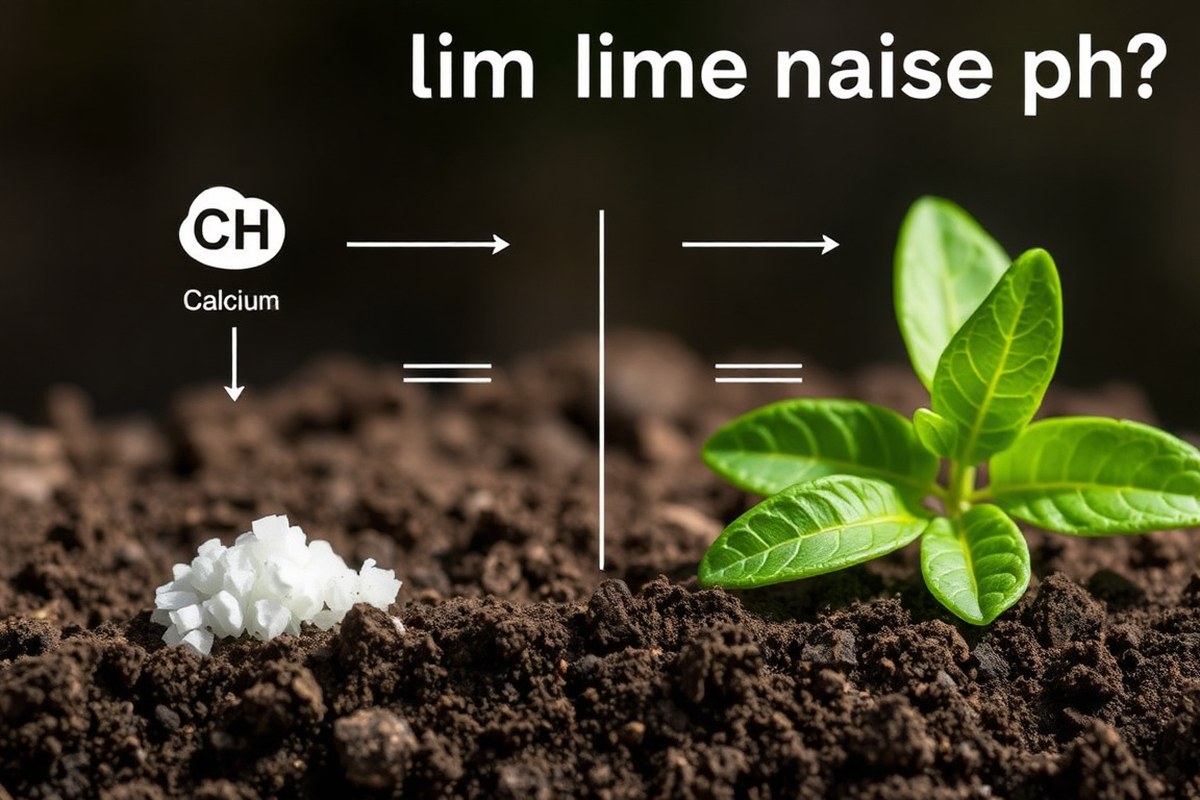
Lime raises soil pH by neutralizing hydrogen ions that cause acidity. It does this through a chemical reaction between calcium carbonate and soil acids. This process releases calcium and carbonate ions that reduce acidity and raise pH.
Calcium Carbonate’s Role in Soil
Calcitic lime mainly consists of calcium carbonate (CaCO3). When it dissolves slowly in soil water, it releases calcium ions (Ca²⁺). These calcium ions replace hydrogen ions (H⁺) on the soil’s exchange sites, which lowers acidity.
Replacing acid-causing hydrogen ions with calcium helps soil maintain better nutrient balance. It improves soil structure by reducing aluminum toxicity. This is why lime is essential to repair acidic soil for plant growth.
Carbonate Ion Neutralizes Acidity
The carbonate ion (CO3²⁻) reacts directly with hydrogen ions in soil water. This reaction produces water (H2O) and carbon dioxide (CO2), both harmless. The result is fewer hydrogen ions, which means the soil becomes less acidic and pH rises.
Carbon dioxide produced can also escape into the air or dissolve further in soil water. This balanced chemical process gradually reduces soil acidity, improving conditions for roots and microbes.
Displacement of Hydrogen Ions
Hydrogen ions are what make soil acidic. Lime’s calcium cations displace these hydrogen ions from soil particles. Once displaced, hydrogen ions can leach out with water, lowering soil acidity permanently over time.
This displacement is important because it permanently removes acidity from active soil exchange sites. It allows nutrients like nitrogen, phosphorus, and potassium to become available for plants, boosting growth.
How to Help Lime Work Faster
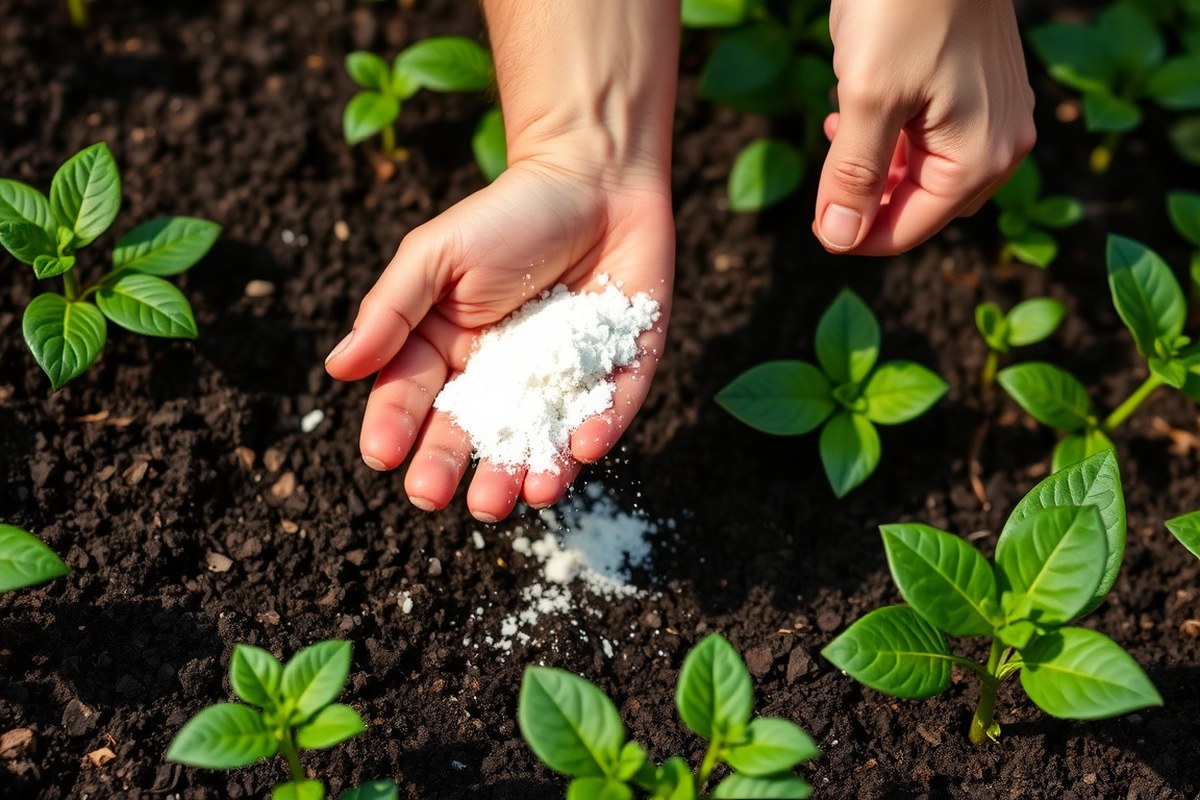
Tilling or raking lime into the top 6 inches of soil speeds up reactions. Surface application slows lime’s contact with soil acids. Mixing it in ensures quicker release of calcium and carbonate ions.
Soil moisture is also important. Lime needs water to dissolve and react. Applying lime before rain helps the chemical process start sooner.
Irrigating right after spreading also speeds up pH increase. Both actions get your soil’s pH raised faster.
Apply lime evenly and incorporate it into the soil for faster pH improvement.
Types of Lime and Their Different Effects on Soil pH
Lime comes mainly in three forms: calcitic, dolomitic, and pelletized. Each type changes soil pH differently and offers various nutrient benefits. Your choice depends on how fast you want results and your soil’s nutrient needs.
Calcitic Lime: Composition and Uses
Calcitic lime is mostly calcium carbonate with little magnesium. It raises soil pH by neutralizing acidity and adds calcium, which many soils need. This makes it a strong choice for soil that lacks calcium but has enough magnesium.
Calcitic lime usually reacts slower than pelletized lime but works well when mixed into the soil. Application rates range from 5 to 200 pounds per 1,000 square feet depending on soil tests. It typically takes a few months for calcitic lime to change soil pH noticeably.
Dolomitic Lime: Benefits and Limitations
Dolomitic lime provides both calcium and magnesium, which helps soils low in magnesium. Magnesium supports plant growth and improves soil structure.
So dolomitic lime suits soils deficient in both nutrients. It neutralizes soil acidity but with slightly less calcium than calcitic lime.
This type works well in soils tested low for magnesium or in regions with magnesium-poor soil. Application and reaction time are similar to calcitic lime.
It usually takes a couple of months to affect pH. It’s less effective if magnesium is already sufficient in the soil.
Pelletized Lime: Pros and Cons
Pelletized lime is finely ground lime formed into pellets for easy spreading. It offers faster reaction because the lime is finely ground.
But pellets need to break down in the soil. This means you’ll see quicker pH changes, often within weeks to a month.
This lime type is popular for lawns and gardens for easy, even application. Pelletized products cost more and need moisture to break down properly. They generally require lower application rates, saving time and labor.
The table below compares the lime types by composition, pH-neutralizing speed, nutrient content, and common uses.
| Lime Type | Calcium Content | Magnesium Content | Typical Speed to Raise pH | Recommended Use | Application Rate Range (lbs/1000 sq ft) |
|---|---|---|---|---|---|
| Calcitic Lime | High | Low | Several months | Soils low in calcium | 5, 200 |
| Dolomitic Lime | Moderate | High | Several months | Soils low in magnesium and calcium | 5, 200 |
| Pelletized Lime | Varies (calcitic or dolomitic) | Varies | 4, 6 weeks | Lawns, gardens for quick pH change | Lower than ground lime |
Choosing the right lime depends on soil tests and how fast you need pH changes. Calcitic lime suits most soils needing calcium.
Dolomitic helps magnesium-deficient soils. Pelletized lime works fast but costs more and needs soil moisture to activate.
How Much Lime Should You Apply to Raise pH 1 Point?
To raise soil pH by 1 point, use 2 tablespoons of garden lime per square foot. This works well on loamy soil. Your soil test helps adjust this number based on texture and starting pH.
Heavier or lower pH soil usually needs more lime. This is to reach the same pH increase.
Using Soil Test Results to Determine Lime Needs
Start by testing your soil’s pH and fertility before liming. The test report shows your soil’s current pH and lime recommendation. It accounts for soil texture, nutrient status, and cation exchange capacity (CEC).
These factors all influence how well lime will raise the pH. Soils with low pH or low fertility usually require higher lime rates. The report also suggests pounds of pure calcium carbonate to add.
Rule of Thumb Lime Rates by Soil Type
Here is a general guide for how much lime might raise soil pH by 1 point. Soil texture changes the lime needed because clay holds more acidity than sandy soils. Loam typically requires a middle amount.
| Soil Texture | Lime Needed (tablespoons per sq ft) |
|---|---|
| Sandy | 1 to 1.5 |
| Loamy | 2 |
| Clay | 3 to 4 |
This table shows how you’d apply more lime to heavier soils. You can adjust numbers based on your soil test results and local extension advice.
Worked Example Calculation
Suppose you have 500 sq ft of loam soil with a pH of 5.0. You want to raise the pH to 6.0, which is a 1-point rise. Use about 2 tablespoons of lime per square foot.
Calculate total lime: 2 tablespoons × 500 sq ft = 1,000 tablespoons. Convert to pounds: 16 tablespoons roughly equal 1 lb.
So 1,000 ÷ 16 = 62.5 lbs of garden lime. Spread this evenly over your area.
Clay soil needs about 125 lbs of lime. That is double the usual amount. Sandy soil needs less lime.
Use about 40 to 50 lbs instead. Always follow the soil test and your extension agent’s advice for best results.
How Long Does Lime Take to Raise Soil pH?
Lime starts to change soil pH slowly, often taking two to six months. Finer lime particles dissolve faster in soil water, speeding up this process. Coarser lime can take up to a year before soil pH shows a clear shift.
How fast lime raises pH depends on the lime type and soil conditions. For example, finely ground or liquid lime may show results within a few weeks. Dry agricultural lime takes between six and twelve months to work.
It breaks down slowly in the soil. This makes it take longer to change soil pH.
The time it takes also relates to soil moisture and temperature. Lime needs water to dissolve, so dry or cold soils delay the reaction. The chemical process works gradually as lime moves through soil and neutralizes acidity.
Apply lime several months before planting to give the soil enough time to adjust its pH.
Incorporating lime into the soil speeds up its effect. Spreading lime on the surface slows reaction times, especially if it stays dry. Mixing lime into the top few inches of soil improves contact and quickens pH change.
Soil type affects lime’s reaction time. Sandy soils react faster because lime moves through them easily. Clay soils take longer since lime moves slowly and needs more time to neutralize acidity.
Knowing these factors helps you pick the best lime time. You can apply lime when it will work best in your garden or crops. This way, your soil gets the right help.
Best Practices for Applying Lime to Maximize pH Change
Applying lime right makes a big difference in how fast soil pH rises. Lime works best when it gets direct contact with the soil. Spread lime on bare soil for faster reaction.
Lightly till it in to speed up the process. Avoid leaving lime on top of grass for quicker results.
The best times to apply lime are in fall or early spring. This timing lets the lime start working before your main growing season begins. Water the soil after spreading lime to help it dissolve.
Wet lime particles speed up pH change. This helps the lime work faster in the soil.
You can spread lime on grass, but it takes longer to affect soil pH. Remove the grass layer or till the soil lightly before applying lime. This will give you quicker results.
Avoid mixing lime with fertilizers that have ammonium nitrogen at the same time. It can reduce lime’s effectiveness.
Follow these steps to get the most from your lime application:
- Test your soil to know current pH and acidity level.
- Choose the right lime type and amount based on test results.
- Apply lime evenly with a spreader or by hand for small areas.
- Lightly till lime into soil if possible, especially in bare garden beds.
- Water the area thoroughly after spreading lime.
- Apply lime during fall or early spring for best results.
- Avoid applying lime with ammonium-based fertilizers at the same time.
- Retest soil every 2 to 3 years to track pH changes and needs.
Use 5 to 50 pounds of lime per 1,000 square feet for gardens. The amount depends on soil acidity levels. Adjust based on your soil test.
Particle size affects speed too, because finer lime reacts faster with soil acids. Managing soil acidification means checking pH regularly and reapplying lime as soil changes.
Factors That Influence How Effectively Lime Raises pH
Soil texture directly affects how much lime you’ll need. Clay soils hold more nutrients and have a higher cation exchange capacity (CEC). So they require more lime than sandy soils to raise pH.
Adding organic matter loosens clay soil and helps with drainage. It also raises lime demand because organic materials hold hydrogen ions. These ions cause soil acidity and increase lime needs.
High organic matter content means your soil buffers acidity better. That’s good for soil condition. However, lime works slower in these soils.
It must neutralize acid in both minerals and organic parts. You may need to apply lime twice.
Or apply a higher amount once. This helps reach the pH you want.
Climate and weather play big roles, too. Heavy rainfall areas lose lime and nutrients quickly. Rainwater leaches away lime and basic nutrients.
This makes acidic conditions come back faster. You’ll see pH drop again within one or two years after liming.
Cooler temperatures slow down lime’s reaction rate. So in spring or fall, lime may take longer to change soil pH.
Using ammonium-based nitrogen fertilizers can raise your lime needs. These fertilizers release hydrogen ions as they break down, increasing acidity. You need lime more often with frequent applications.
This keeps your soil pH stable over time. Avoid mixing lime with ammonium fertilizers during the same application since that reduces lime’s effectiveness.
Understanding these factors helps you manage liming better. Test your soil first to know texture, organic matter, and current pH.
Then factor in rainfall patterns and fertilizer schedule before picking how much lime to spread. Checking soil pH every year shows if you need a repeat lime application.
Common Liming Mistakes and How to Avoid Them
Adding too much lime can raise your soil’s pH beyond the ideal range. This can lock out nutrients like iron and manganese, causing poor plant growth. Avoid this by testing your soil before applying lime to know exactly how much it needs.
Soil testing is key because it shows current pH and nutrient levels. You can buy test kits at garden centers or extension offices. They usually cost between $15 and $25.
Tests guide you to the right lime type and amount. This saves money. It also stops you from using too much.
Fall is usually the best time to apply lime. It gives the lime time to react with the soil before spring planting.
Mixing lime into the top 4 to 6 inches of soil helps it work faster. It gives you better results.
Keep safety in mind when handling lime. It’s a powder that irritates skin and eyes.
Wear gloves, goggles, and a dust mask. Wet the powder lightly before spreading to reduce dust.
- Test soil every 2 to 3 years to track pH changes
- Apply lime in the fall for best absorption
- Incorporate lime into soil with tilling or raking
- Use the right lime type based on soil test (dolomitic if magnesium is low)
- Wear protective gear to avoid irritation
- Don’t guess on lime amounts, rely on test results
- Retest soil about 6 months after liming to check progress
Wear gloves and goggles when handling lime to avoid irritation and inhaling dust.
Retesting soil after adding lime helps you see if pH is moving towards your goal. Some soils, especially dense clay, need more lime or more time.
Your soil may still be too acidic. Plan more lime next year or after the next season.
Step-by-Step Action Plan for Raising Soil pH with Lime
Use this plan to raise your soil pH safely and see solid results.
- Before You Apply: Test your soil pH using a kit or lab test. This sets your starting point.
- Day 1: Choose the lime type (calcitic or dolomitic) based on test results. Make sure it suits your soil needs.
- Day 2: Calculate how much lime to apply to raise pH by one point. Follow recommendations from your soil test.
- Day 3: Spread lime evenly over the soil surface. Use a spreader for best coverage.
- Within 1 Week: Lightly till or rake the lime into the top 3 inches of soil. This helps lime react faster.
- After 2 Weeks: Water the soil lightly to activate the lime. Check that it doesn’t wash away.
- 1 to 3 Months Later: Retest soil pH to see if it has increased. Expect gradual changes.
- After 3 Months: Adjust lime amounts based on retest results. Repeat application if necessary.
Frequently Asked Questions
How Long Does Lime Take to Raise pH?
Lime usually takes 3 to 5 years to raise soil pH by about 0.3 units. It needs time to break down in the soil and start changing acidity.
How Can I Raise the pH of My Soil Without Using Lime?
You can change soil pH by adjusting fertilizers or using specific amendments. Matching your soil chemistry and crop needs is key to this approach.
How Can You Tell If Soil Needs Lime?
A soil test will tell if the pH is low and needs lime. Look for acidic pH values below 6.0 as a sign.
Can You Sprinkle Lime on Top of Soil?
Yes, you can spread lime on the soil surface. Tilling it in will make it work faster.
This speeds up the lime’s effect on the soil. Mixing lime into the top 6 inches helps it react faster.
Do You Need Lime to Raise pH?
Lime is the most common way to raise soil pH effectively. Other methods exist, but lime usually works best for neutralizing acidity.
Is Dolomite Lime Better Than Agricultural Lime for pH?
Dolomite lime adds magnesium along with raising pH, which benefits magnesium-poor soils. Agricultural lime mainly affects pH without adding magnesium.
Wrapping Up
Lime definitely raises soil pH by neutralizing acidity. Apply it properly and test your soil to track progress. Start testing and applying lime today to improve your soil health.