How to Deadhead Portulaca: Simple Steps for Lush Blooms and Health
How to deadhead portulaca is a question many gardeners ask to keep blooms bright. The best way is to pinch off faded flowers using your fingers or small scissors. This simple step encourages new blooms by stopping the plant from wasting energy on seed production.
Start deadheading when the first flowers begin to fade and continue every 10 to 14 days. Pick calm, dry weather for planting. This helps protect the plant.
Use clean tools or your fingers every time. This helps your portulaca stay healthy and bloom longer during the growing season.
Portulaca loves sun and well-draining soil. So deadheading works best when plants get at least six hours of sunlight daily.
Removing spent blooms frees up space and nutrients, making the plant bushier and more vibrant. You’ll notice fresh flowers appearing about two weeks after deadheading.
Key Takeaways
- Pinch or snip off faded flowers to boost new blooms.
- Begin deadheading when the first portulaca flowers fade.
- Repeat deadheading every 10 to 14 days for continuous blooming.
- Always use clean tools or fingers to avoid plant infection.
- Choose calm, dry weather to deadhead portulaca safely.
- Portulaca blooms return around two weeks after deadheading.
How to Deadhead Portulaca Flowers for Best Results
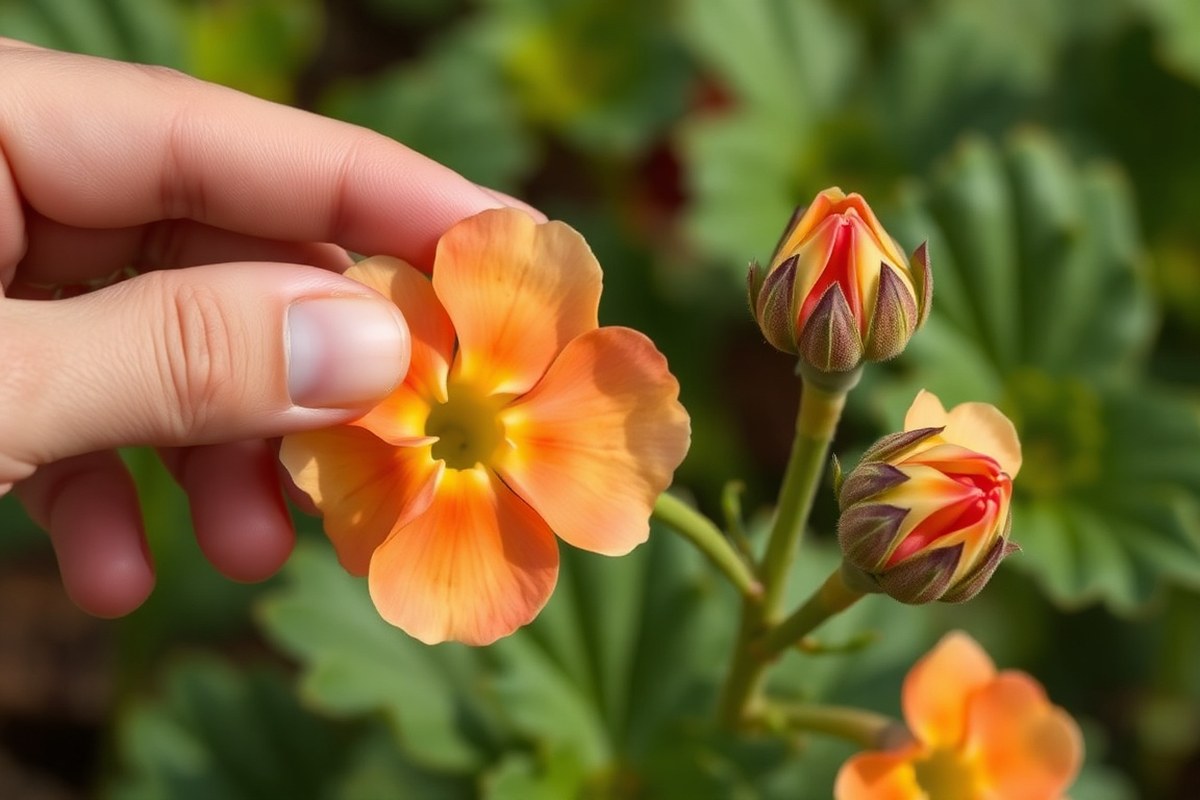
Deadheading portulaca means removing its spent flowers to encourage new blooms. You do this by snipping or pinching off the old flowers just below the bloom base. Doing it in cooler parts of the day helps avoid plant stress and damage.
Identifying Spent Flowers Versus New Buds
Look closely to spot which flowers are ready for deadheading. Spent flowers turn dry and brown, often shriveled or shrunk. In contrast, new buds stay green and plump, ready to open soon.
Removing only the old, dried flowers protects fresh buds. It stops your plant from wasting energy on seed production. This keeps the blooms coming longer and looking fuller in your garden or container.
Tools and Techniques for Deadheading
Use clean, small precision snips or your fingers for deadheading portulaca. The “twist and snap” method works well, gently twist the stem base until it breaks cleanly. Keep your cutting tools sharp to avoid crushing healthy stems or buds.
Cut or pinch just below the spent bloom. Make the cut above the first green leaf or healthy stem node.
Avoid tearing or pulling as that can damage surrounding buds. Clean your tools after each use to prevent disease spread.
Timing: Morning or Evening Deadheading Benefits
Deadhead portulaca early in the morning or late in the evening when it’s cooler. Plants hold water better at these times and are less stressed by cuts. Cooler hours also make stems more pliable and easier to snap without damage.
Avoid midday deadheading when the sun is hot and plants are stressed. This can slow healing and increase risk of wilting. Morning dew or evening shade gives you the best chance for clean removal and plant health.
Follow these steps to deadhead portulaca properly:
- Examine your portulaca for flowers that are dry, brown, or faded.
- Choose your tool: clean snips or your fingers for twisting and snapping.
- Locate the base of the spent flower where it meets the stem.
- Gently twist and snap the stem off, or use snips to cut below the bloom.
- Avoid disturbing nearby green buds or leaves while removing the flower.
- Discard the removed flowers to prevent disease and pests.
- Repeat regularly during cooler parts of the day for best results.
Why and When Deadheading Portulaca Helps Blooming
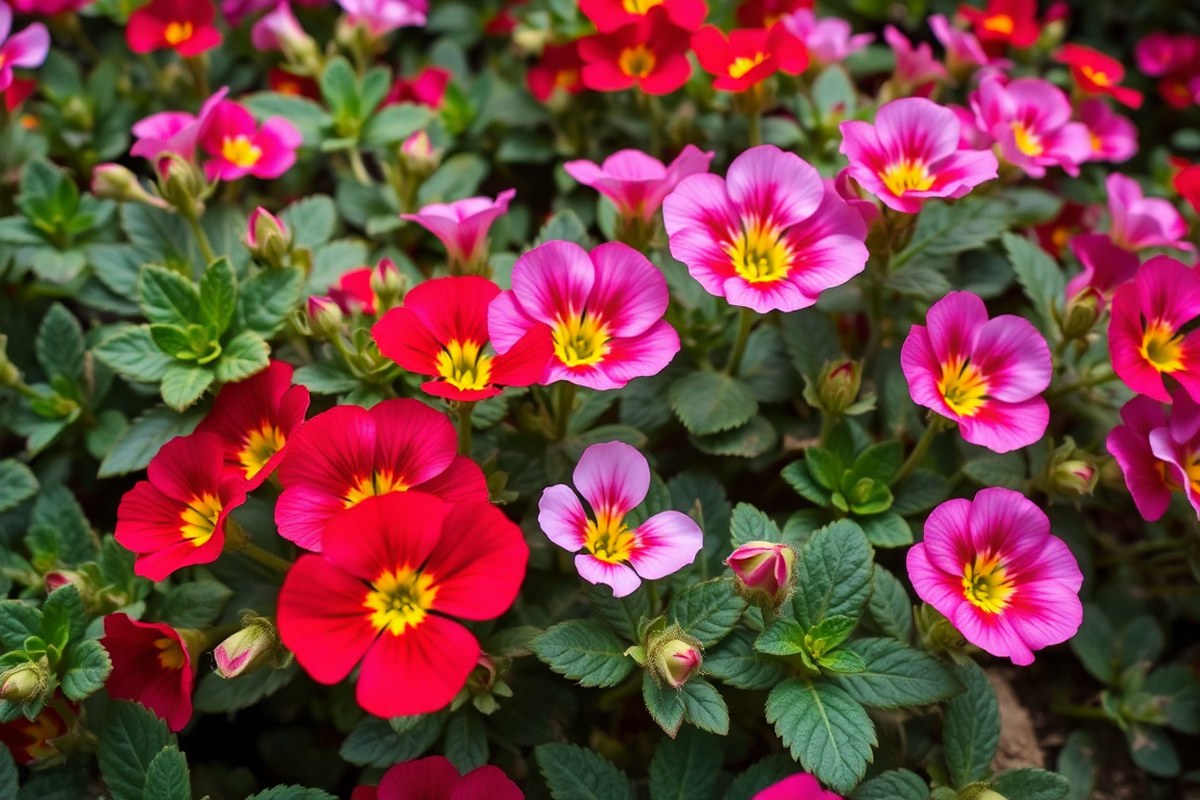
Deadheading portulaca redirects energy from seed production to new blooms. When flowers fade and form seed pods, the plant shifts energy. It focuses more on seeds than making flowers.
This reduces new blooms. Removing these spent flowers helps the plant conserve resources and focus on creating fresh, vibrant blooms.
You might see more flowers with regular deadheading. The plant won’t waste energy on old blooms. This helps it produce fresh flowers.
Portulaca naturally cleans itself, so it doesn’t need constant deadheading. Spending a few minutes weekly to snip wilted flowers helps. It often results in a fuller, bushier plant.
This simple step is worth it. The new growth quickly produces buds and flowers, making your garden brighter and healthier.
Don’t deadhead during the heat of the afternoon to avoid stressing portulaca. Choose cooler morning or late-evening hours for cutting spent blooms. Snip the flower stalk at its base if it looks untidy.
But be careful not to cut off new buds by mistake. This way, you preserve the plant’s energy for blooming rather than repair.
Deadhead portulaca in the morning or evening to prevent heat stress and keep blooms coming.
Skipping deadheading lets portulaca still flower. However, it often grows leggy and less dense without it. Energy goes into seed development, slowing new flower growth.
Regularly checking your plants and removing fading blooms keeps them tidy and encourages more blossoms. Some gardeners prefer shearing the whole plant back in summer as an alternative to frequent deadheading.
How Often to Deadhead Portulaca for Continuous Bloom
Portulaca blooms best with deadheading about once every one to two weeks. This timing keeps the flowers fresh and encourages new buds to form quickly. You can deadhead weekly for faster bloom turnover.
Doing it every two weeks works if you want less maintenance. Choose the schedule that fits your style.
Deadheading once a month is usually too slow. Old flowers drop seeds or wilt and reduce new blooms. Doing it more often helps your plant look better.
A regular deadheading schedule keeps your plant flowering well. It stays in its best bloom from late spring to early fall.
This helps you enjoy flowers longer. The more often you remove old blooms, the longer you enjoy bright, continuous flowers.
Stop deadheading once cool weather arrives in late fall. You can also stop after the first frost passes. The plant is getting ready for winter then.
At this point, the plant slows down and focusing on deadheading won’t help. Leaving dead flowers on can protect the plant a bit.
They help the plant as it goes dormant. You don’t always need to remove spent blooms.
When deadheading, pinch or cut just below wilted flowers. Use your fingers or small pruning scissors by hand. This helps the plant grow more blooms.
Doing deadheading every week or two only takes minutes. This is true for small gardens or container plants.
It’s a quick task to keep flowers fresh. Less frequent deadheading lets old blossoms linger, often causing a faded look and fewer new flowers.
Weekly deadheading helps portulaca in hot, dry climates. It keeps the plant from going dormant too soon. This leads to more blooms through the season.
In regions with milder summers, biweekly deadheading usually suffices. You’ll notice fresh blooms appearing in about two weeks after each session, rewarding your effort quickly.
Deadheading vs. Pruning: Shaping Portulaca Plants
Deadheading and pruning serve different purposes but work well together for Portulaca. Deadheading means snipping off faded flowers to keep blooms coming. Pruning trims stems back more, shaping the plant and making it bushier.
Deadheading Benefits
Deadheading removes spent flowers without cutting stems below leaf nodes. This stops the plant from making seed and sends energy to new flower buds.
Cut just above a small bud or set of leaves. This encourages fresh blooms close by.
Because Portulaca is self-cleaning, deadheading isn’t always needed but helps extend blooming. It takes just a few seconds per flower with sharp scissors or garden shears. Deadheading keeps the plant tidy and flowering longer through the growing season.
Pruning Benefits
Pruning trims stems back harder and closer to the base or leaf nodes. This encourages side shoots to grow, making the plant fuller and bushier. Pruning helps fix leggy stems that stretch out and look sparse.
Cutting stems after the first flower flush redirects sap and nutrients toward new growth. This can also spark a second bloom flush lasting into fall. Use clean pruning shears with sharp stainless steel blades to prevent damage.
When to Use Each Method
Deadheading works well all season long to keep flowers fresh and frequent. Pruning is better after the first flowering or if your Portulaca looks long and sparse. Prune back by 1 to 3 inches to rejuvenate and shape the plant.
When your Portulaca grows well but has many old deadheads, deadhead regularly. When it’s stretched out with few blooms, prune to bring back fullness. Combining both keeps your garden or container looking good and blooming strong.
| Care Action | When to Use | Effect |
|---|---|---|
| Deadheading | Throughout bloom period | Promotes new flower buds along stems |
| Pruning | After first flower flush or if leggy | Encourages bushier growth and second bloom flush |
| Prune height | Cut back 1 to 3 inches | Redirects sap to lateral shoots near base |
| Tools | Sharp garden or pruning shears | Prevents damage to stems and foliage |
| Sunlight | At least 6 hours daily | Supports strong regrowth after pruning |
Using both deadheading and pruning tailors your care to plant shape and bloom needs. Deadheading takes just moments to refresh your flowers.
Pruning requires more effort but corrects leggy plants effectively. Both help Portulaca thrive in garden beds or containers.
Common Deadheading Mistakes and How to Avoid Them
Many gardeners cut too deep or yank off stems by mistake. This can tear the plant tissue, especially near the base, inviting rot. Portulaca grandiflora ‘Sundial Mango’ can have problems with cuts.
You need to be careful when pruning this plant. Damaged stems may cause issues if not handled right.
Don’t cut too close to the new buds. Sometimes the dead flower and new bloom grow side by side.
Check carefully before trimming to avoid hurting new growth. Waiting a day or two until the buds are clearly separate can save your plant.
You can cause trouble by tearing tissue or damaging a stem. Use sharp scissors to make clean cuts when pruning. This helps your plant heal better and stay healthy.
Snip a little above the torn spot to help the plant heal faster. Avoid pulling or ripping the damaged part off to prevent infection.
- Use sharp, clean pruning shears for each cut
- Cut just above the nearest leaf node or new bud
- Make smooth, angled cuts to avoid crushing tissue
- Don’t remove more than one-third of the plant at a time
- Check for new buds closely before cutting
- Wait until seed pods are dry and brown before deadheading
- Handle trailing portulaca gently to prevent stem damage
Portulaca plants grow low and spread out, so deadhead carefully to keep their shape. Trailing varieties in baskets need gentle trimming on outer areas to avoid breaking stems. When deadheading in garden beds, work carefully near the ground to avoid uprooting the plant.
Always cut dead flowers instead of pulling them to keep the plant healthy.
Using clean, precise cuts helps your portulaca stay healthy and bloom longer. Damaged or torn stems heal slower and can rot, especially in humid weather. Take time to spot new buds and avoid harming them during your deadheading routine.
Adjusting Deadheading for Different Portulaca Varieties and Climates
Portulaca varieties, such as grandiflora or annual types, show different bloom sizes and growth habits. Larger-flowered portulacas may need more careful deadheading because spent blooms can look untidy faster. Small-flowered or trailing types need less frequent deadheading.
Their blooms don’t fade as noticeably. You can skip some faded flowers without big impact.
Climate also affects how often you deadhead your portulaca. In warm, sunny places, portulacas bloom almost all year. Remove spent flowers weekly to keep plants neat.
This also helps new blooms grow better. Cooler or short seasons need less deadheading.
Do it every two to three weeks instead. Blossoms fade slower in these conditions.
Container-grown portulaca usually dries out faster than garden soil, causing flowers to wilt sooner. That means you’ll want to deadhead containers more often, about once a week.
In-ground plants hold moisture better and sometimes bloom more steadily. So deadheading every ten days to two weeks works well.
Deadheading involves pinching or snipping just below the wilted flower, avoiding cutting into healthy stems. For big blooms, use small scissors or your fingernails carefully. Deadhead portulacas early in the day in windy or hot spots.
This prevents too much stress on the plant. It also helps reduce damage.
In hotter regions or full sun, faded flowers turn brown quickly and seed pods develop fast. Removing these seed heads keeps the plant focused on new growth. Cooler climates with less sun slow this, so you can take your time.
Some perennial portulacas in zone 10 and warmer need less deadheading. Their blooms stay fresh longer on their own. You don’t have to cut as often.
Annual portulacas in colder zones need more regular deadheading. This gives a better bloom display during their short lifespan. They rely on frequent care to look good.
Watch how fast your portulaca’s flowers fade to adjust deadheading. Match your care to the type and environment. This keeps your plant healthy and blooming.
Regular attention keeps your plants looking bright and encourages the longest bloom time. Delaying deadheading lets old flowers crowd out new buds and drags down the plant’s overall sparkle.
How to Combine Deadheading with Feeding and Watering for Best Results
Portulaca likes soil that drains well and warms up quickly. Avoid clayish, thick, or hard soils because they trap water and cause root problems. Use sandy or loamy soil mixed with compost for your portulaca.
This gives the plant nutrients and moisture. It also keeps the soil from staying soggy. After deadheading, don’t change your watering a lot unless the soil dries faster.
Water portulaca deeply but infrequently to keep the soil moist but not soaked. Early morning watering helps leaves dry during the day. Too much water causes root rot and fewer blooms, so watch your soil’s feel.
You want it damp, not muddy. Less water stress means better growth and more flowers after deadheading.
Fertilizer supports blooming when you feed portulaca lightly a couple of times in the growing season. Use a balanced fertilizer with equal nitrogen, phosphorus, and potassium. Apply it around the first bloom.
Then feed your portulaca once more midseason. Overfeeding can cause lush leaves but fewer flowers.
Skip heavy fertilizer and stick to small amounts. Your plant naturally needs little extra nutrition.
- Choose sandy or loose loam soil with compost for good drainage
- Water deeply early in the morning once or twice a week, depending on dry spells
- Deadhead first, then check soil moisture to prevent overwatering
- Apply balanced fertilizer at half strength twice in the growing season
- Avoid clay soil or heavy watering to stop root rot
- Keep soil slightly moist, not wet, especially after deadheading
- Adjust watering and feeding frequency in hot, dry weather
With the right soil and watering, deadheading helps the plant send energy into new blooms. Dry or soggy soil stress plants, making deadheading less effective. Feeding time matters too, too late or too much fertilizer can slow flowering.
Keep portulaca in well-draining soil that lets roots breathe. Water only when the soil feels dry. Feed lightly to get more flowers with less work.
What to Expect After Deadheading Portulaca: Growth and Bloom Timing
New portulaca flowers usually start to appear within one to two weeks after deadheading. The plant quickly shifts its energy from old blooms to new growth. This means you’ll see fresh flowers and green shoots soon if the deadheading is done right.
Typical Bloom Response Timeline
Once you remove dead flowers, the plant diverts energy to producing new buds. This process generally takes between 7 and 14 days.
The exact timing depends on temperature and sunlight. Warmer weather speeds up bloom development, while cooler temperatures slow it down.
You may notice new green shoots emerging within a week. Buds appear at these growth points shortly after.
This early growth signals the plant’s recovery and readiness to bloom again. In hanging baskets or containers, reaction times may be quicker because roots are more concentrated.
Key Signs of Healthy Regrowth
Look for bright green shoots near the cut stems as a sign of successful deadheading. Tight flower buds forming soon mean the plant is putting energy into new blooms. Leaves stay lush and firm rather than wilting or dropping off.
The plant stays green and grows fresh shoots near trimmed spots. This means it has redirected its resources well.
Weak or yellowing shoots suggest over-pruning or stress. Portulaca tends to recover fast if you avoid cutting too low on the stems.
Pinch only dead flower heads to encourage regrowth without stressing the plant.
When to Deadhead Again
Check your portulaca every one to two weeks after deadheading. Once the new flowers start to fade, it’s time to remove those old blooms. This keeps the plant focused on forming fresh flowers instead of seed production.
You can judge by looking closely at the flower heads. When petals wilt or fall off, deadhead promptly to maintain continuous blooming. Avoid waiting too long, or the plant will slow its growth and flowering cycle.
Consistent, light deadheading lets your portulaca keep blooming through its growing season. Containers need more frequent checks.
These plants dry out faster than ground ones. They also finish blooming sooner.
Step-by-Step Action Plan for Deadheading Portulaca
Follow these simple steps to keep your portulaca blooming strong and healthy. Regular deadheading makes a big difference.
- Before you start: Gather sharp scissors or garden shears to cut cleanly. Clean cuts help prevent disease.
- Week 1: Look for faded or wilted flowers daily. Pinch or cut off the old blooms just above the next set of healthy leaves.
- After 2 weeks: Check the plant’s shape. Trim any leggy or crowded stems lightly to keep it neat and bushy.
- Every 3 to 4 days: Repeat deadheading to encourage new blooms. You’ll notice fresh flowers appearing within a week.
- Monthly: Feed the plant with a balanced, water-soluble fertilizer. Combine this with watering to support new growth after deadheading.
- During hot weather: Water your portulaca regularly but avoid overwatering. Deadheading plus good moisture boosts flowering in heat.
- Adjust for variety: For trailing or dwarf portulaca, deadhead less often. These types bloom well with just occasional trimming.
- Season’s end: Stop deadheading when blooms slow down naturally. Let the plant rest and prepare for the next growing season.
Frequently Asked Questions
How Do I Safely Remove Spent Blooms from Portulaca?
Pinch or snip off the wilted flowers just above a leaf node. This avoids damaging new buds or stems, keeping the plant healthy.
Does Deadheading Portulaca Improve Flower Size or Color?
Deadheading mainly encourages more blooms, not bigger or brighter flowers. The plant focuses energy on creating new flowers instead of seed production.
Can I Use Deadheaded Portulaca Clippings for Propagation?
You can propagate portulaca from healthy stem cuttings. But deadheading clippings are usually too short. Use longer, healthy cuttings for the best results.
What Tools Work Best for Deadheading Portulaca?
Use clean scissors or your fingers to pinch off spent blooms. Avoid crushing the stems to prevent damage and infection.
Is It Better to Deadhead Portulaca in the Morning or Evening?
Deadhead in the cooler parts of the day, like morning or evening. This reduces stress on the plant and helps wounds dry faster.
Should I Fertilize Portulaca Right After Deadheading?
Wait a few days before fertilizing after deadheading to let the plant recover. This encourages stronger blooms and healthy growth.
Key Points to Remember
Keeping portulaca deadheaded helps it bloom longer and stay healthy. Start by removing wilted flowers right away. Watch your plant reward you with more colorful blossoms.