What Is High Humidity Outside? Clear Facts and Practical Advice
What is high humidity outside? Simply put, it’s when the air holds a lot of moisture.
High humidity feels sticky and makes the air seem heavier. This usually happens when the relative humidity rises above 60%, especially in warm weather.
In summer, outdoor humidity gets truly high when it reaches 65% or more. Heat and humidity together can raise the heat index over 103°F. This means it feels hotter than the actual air temperature.
The heat you feel is stronger than what the thermometer shows. This can lead to discomfort and sometimes health risks like heat exhaustion.
To prepare for high outdoor humidity, check the heat index, not just temperature. Drink plenty of water and avoid strenuous outdoor activity during the hottest, most humid hours. Knowing when humidity is high helps you stay safer and more comfortable outside.
Key Takeaways
- Outdoor humidity above 60% is generally considered high, affecting comfort.
- In summer, humidity over 65% signals potentially uncomfortable or dangerous heat.
- Heat index over 103°F combines heat and humidity risks outdoors.
- Monitor humidity and temperature jointly, not just temperature alone.
- Stay hydrated and limit heavy outdoor work during high humidity.
- High outdoor humidity makes the air feel heavier and stickier.
What Does High Humidity Outside Actually Mean?

High humidity means the air holds a lot of moisture. The amount depends on the air’s temperature. Warmer air can hold more moisture than cooler air.
Relative humidity (RH) measures this as a percentage. Experts usually consider RH above 60% to be high outdoors. This level can make the air feel damp and muggy, affecting comfort and sometimes health.
Dew point shows how much moisture is in the air. It tells the temperature when air reaches 100% relative humidity. This means the air becomes fully saturated.
A dew point above 60°F (16°C) generally signals high outdoor humidity. Sweat evaporates slowly at this level of humidity.
The air feels sticky or oppressive during activities. This happens when you walk or jog outside.
To decide if it’s truly humid outside, compare the relative humidity and dew point with temperature. For example, 80°F and 50% RH feels less muggy. But 80°F with a dew point of 70°F feels much more humid.
Dew point gives a better sense of stickiness. The dew point gives a clearer sense of discomfort because it directly indicates moisture content. When dew point hits 70°F or higher, humidity is very high.
It often feels stifling no matter the exact relative humidity. High dew points make the air heavy and sticky.
Relative humidity changes during the day. It usually rises at dawn when temperatures drop near the dew point. Cooler air holds less moisture, so RH goes up.
It drops mid-afternoon as temperatures rise, even if moisture stays steady. You’ll notice humidity more at cooler times of day.
Mornings and evenings feel damper if dew point is high. The air quality feels moist and heavy then.
Checking both RH and dew point gives the best picture of outdoor humidity. RH over 60% combined with a dew point above 60°F reliably points to high humidity. This helps you understand if you should expect a sticky, uncomfortable day or a comfortable one.
Not all humid days feel the same. So looking at dew point adds necessary detail.
How Relative Humidity, Absolute Humidity, and Dew Point Differ Outdoors
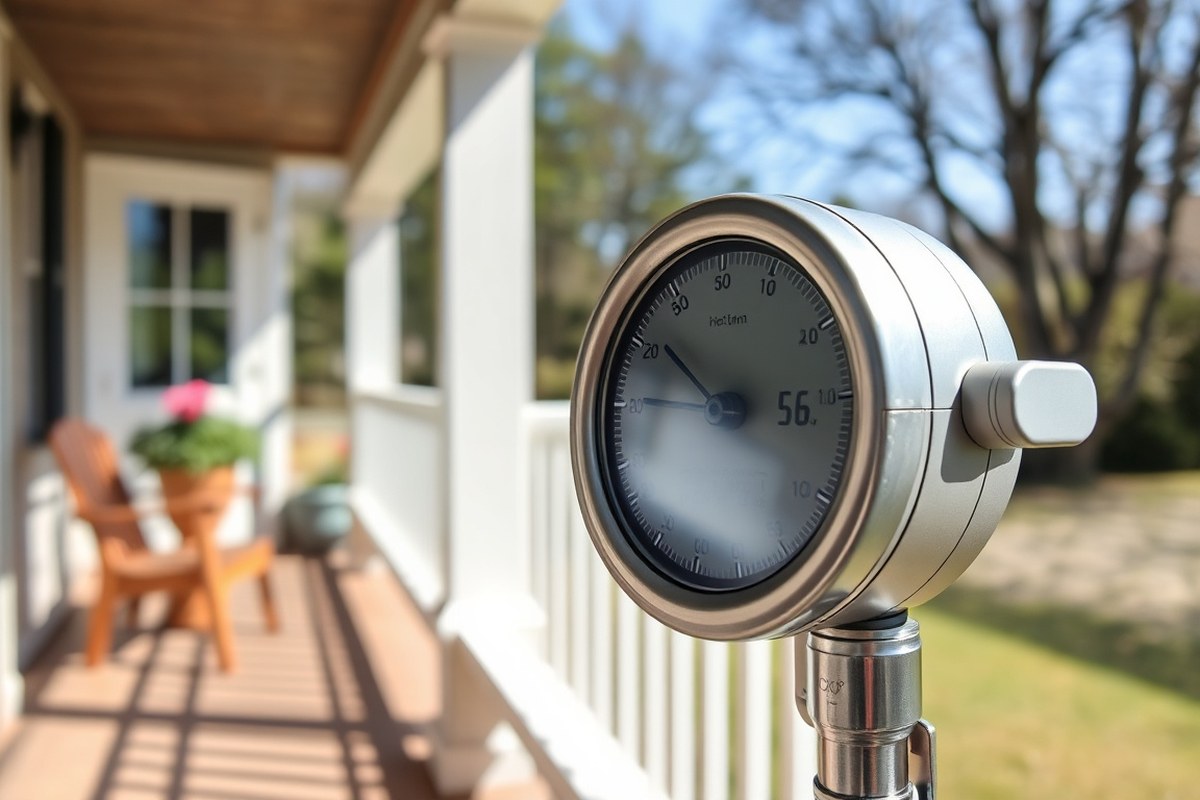
Dew point is the best way to understand how humid it feels outside. Relative humidity and absolute humidity tell you different things about moisture in the air. Dew point shows the actual moisture amount that affects comfort outdoors.
Relative Humidity Explained
Relative humidity (RH) tells how much moisture is in the air. It compares this to the max moisture air can hold at that temperature. RH shows this as a percentage.
For example, 60% RH means the air holds 60% of its water. This is the amount it can hold at that temperature.
It’s a way to measure moisture in air. RH changes with temperature even if moisture stays the same.
Because RH depends on temperature, it can be misleading outdoors. The air at 80°F with 60% RH feels much more humid. At 60°F and 60% RH, it feels less humid.
Temperature changes how humid the air feels. Outdoor RH readings often fluctuate, making it hard to tell how muggy it really feels.
Absolute Humidity Basics
Absolute humidity shows how much water vapor is really in the air. It uses grams per cubic meter to measure the amount. This tells actual moisture, not a percentage.
Unlike RH, this value doesn’t depend on temperature. It tells you exactly how much moisture is in the air at a given time.
Absolute humidity is useful for scientific tracking but doesn’t predict comfort well. You won’t find absolute humidity numbers in typical weather reports. So it’s harder to use when planning outdoor activities.
Dew Point and Its Outdoor Importance
Dew point is the temperature where air becomes fully saturated and water starts to condense. It shows the actual water vapor content regardless of air temperature. This is why meteorologists prefer dew point for judging outdoor humidity.
Dew points below 55°F usually feel nice and comfortable outside. Dew points above 65°F feel heavy and sticky, even with less RH. For example, air at 80°F with a 60°F dew point feels muggy.
Going out when the dew point is low helps you stay comfy. Even if RH is high, low dew points feel less sticky.
Planning this way can make outdoor time better. Early mornings often have lower dew points, making outdoor activities easier on hot, humid days.
Choose outdoor exercise times when the dew point is below 60°F to avoid excessive muggy heat.
When Does Outdoor Humidity Become Uncomfortable or Dangerous?
Outdoor humidity becomes uncomfortable or dangerous when it pushes the heat index above 100°F. This happens often with humidity levels over 60% combined with high temperatures above 90°F. At these points, your body struggles to cool itself, raising health risks.
Heat Index and Outdoor Comfort Levels
The heat index shows how hot it feels when humidity mixes with air temperature. For example, if it’s 96°F and the humidity is 65%, it will feel like 121°F outside. This “feels like” temperature tells you how your body really experiences the heat.
Humidity makes hot days feel worse because it slows sweat evaporation. When sweat doesn’t evaporate, your body’s cooling system is blocked. So even if the thermometer reads 90°F, it might feel like over 100°F with high humidity.
Relative humidity above 65% usually feels sticky and uncomfortable outdoors. Once it passes 80%, the air feels heavy and damp. This adds to the heat, making outdoor activities unpleasant and tiring more quickly.
Humidity Thresholds for Health Risks
Humidity combined with high heat creates serious risks like heat exhaustion and heat stroke. At 90°F or higher with 60% or more humidity, your body has trouble cooling down. The CDC notes these conditions can be life-threatening, especially if you stay outside too long.
A dew point of 65°F or more signals high moisture, which raises heat stress risks. Dew point measures how much moisture is in the air.
Above 65°F feels very muggy. This level, alongside temperatures in the 90s or above, calls for caution during outdoor activities.
Health officials recommend avoiding strenuous outdoor work when the heat index reaches 103°F or above. At this level, heat cramps, heat exhaustion, or heat stroke become very likely. Drinking water often and taking breaks in shade or air conditioning helps reduce these risks.
Signs You’re Experiencing Dangerous Humidity
You might feel dizzy, weak, or nauseous on hot, humid days. Skin can become clammy or your heart rate may increase without exercise. These are warning signs that your body is stressed by high heat and humidity.
Muscle cramps and excessive sweating are common during dangerous heat index conditions. You should get indoors and cool down right away with headache or confusion. Ignoring these signs can lead to serious heat-related illness.
Use weather forecasts or apps that show heat index numbers to plan your day. For example, if the heat index is over 110°F, avoid being outside.
Drink plenty of water to stay hydrated during hot weather. Being aware helps you avoid the worst effects of high outdoor humidity.
Why High Outdoor Humidity Feels Different Depending on Temperature
Humidity feels different depending on the temperature because your body cools down by sweating. When it’s hot and humid, sweat doesn’t evaporate well. This makes you feel sticky and hotter than the actual air temperature.
The dew point helps explain this. It’s the temperature at which air becomes saturated with moisture.
When the dew point is close to the air temperature, the air feels very humid. For example, the air temperature is 90°F. The dew point is 85°F. You’ll notice the heavy stickiness.
The heat index combines humidity and temperature to show how hot it feels. At 85°F with 75% humidity, the heat index says it feels like 95°F. This means you feel hotter because your sweat isn’t evaporating. So your body doesn’t cool down as well.
At cooler temperatures, like 60°F, 60% humidity feels more comfortable. That’s because sweat evaporation isn’t as needed when it’s cool.
Your body doesn’t rely on evaporating sweat to cool down. So moisture in the air feels less sticky.
You’re outside at 90°F with 60% humidity. The air feels warm but not too sticky. Your body sweats.
But evaporation slows because the air is nearly as moist as your skin. This traps heat, and you feel sticky and tired faster. At 60°F and 60% humidity, sweat evaporates easily, keeping you dry and comfortable.
A simple tip is to check the heat index on hot, humid days. It’s above 90°F and humidity is over 70%.
Plan to rest indoors or drink water often. During cooler days with moderate humidity, you can be more active without discomfort.
In high humidity, wearing loose clothes helps sweat evaporate better. Avoid heavy fabrics that trap moisture. Use a fan or breeze outdoors to speed up evaporation when it’s hot.
Knowing how temperature affects humidity helps you dress and plan outdoor activities. Hot days with high humidity require more attention to hydration and breaks. Cooler, humid days don’t need as much adjustment but still affect comfort.
How Outdoor Humidity Changes Throughout the Day and Seasons
Outdoor humidity changes during the day and across seasons due to temperature shifts and moisture sources. Humidity tends to be highest overnight and lowest in the afternoon. Seasonal weather and location, like cities versus countryside, also affect moisture levels you feel outside.
Typical Daily Humidity Patterns
Humidity is usually highest just before sunrise when temperatures are coolest. The air holds more moisture relative to its capacity at these low temperatures. The sun warms the air during the day.
Relative humidity goes down even if moisture stays steady. Warmer air holds more moisture, so humidity looks lower.
In the afternoon, which is the warmest time, humidity reaches its lowest point. This drop happens because warmer air can hold much more moisture.
So the relative humidity percent decreases. After sunset, humidity starts to rise again as temperatures cool down.
- Highest humidity: early morning, before sunrise
- Lowest humidity: mid to late afternoon
- Humidity rises again after sunset
- Temperature changes drive daily humidity swings
- Stable moisture content means RH changes with heat
Use a hygrometer to watch these daily humidity changes around you.
Seasonal Variations in Outdoor Humidity
Summer air often feels muggy because humidity of 65% or more is common outdoors. Warm temperatures allow air to hold more moisture.
So relative humidity can stay high for longer periods. In winter, humidity above 55% outside is considered high but happens less often.
Winter air is colder and holds less moisture. So relative humidity can seem high at lower absolute moisture levels.
For example, at 35°F with 94% relative humidity, water could start condensing. This means cold winter air can feel damp before it actually rains.
Ideal outdoor humidity varies by season. Summer feels comfortable around 40-50% relative humidity. Winter comfort improves when humidity stays near 30-40%, avoiding frost or condensation problems indoors.
Urban vs Rural Humidity Differences
On hot days, cities usually have lower humidity than rural areas. Buildings and pavement soak up heat, warming the air. This heat drop lowers relative humidity in cities.
This urban heating effect raises temperatures but can dry air near the surface by increasing evaporation. Air stagnation in cities, however, can trap moisture, raising humidity at times.
Rural areas usually have more vegetation and open water, which add moisture to the air. This often makes the countryside feel more humid, especially in the morning. Still air in valleys or forests can hold steady moisture levels longer than windy city streets.
- Cities heat air, lowering relative humidity in afternoons
- Urban surfaces speed evaporation and air drying
- Stagnant air in cities can occasionally raise humidity
- Rural zones add moisture from plants and open water
- Forests and valleys keep humidity steadier, especially overnight
Expect to feel humidity differently if you head from downtown to the countryside.
How High Humidity Outdoors Affects Health and Comfort
High humidity outdoors slows the evaporation of sweat from your skin. Sweating cools your body by releasing heat through evaporation.
When moisture fills the air, sweat doesn’t evaporate quickly. So your body feels hotter than the thermometer shows.
This extra heat can lead to overheating or heat exhaustion during outdoor activities. Humidity levels above 70% make it much harder for your body to cool down. You might feel sticky, tired, or dizzy even if the air temperature seems moderate.
Breathing becomes harder with high humidity because moist air holds more allergens and irritants. Dust mites, mold, and mildew thrive in damp conditions and worsen allergy symptoms.
People with asthma or lung issues may cough or wheeze outside. They might feel short of breath more than usual.
Older adults, young kids, and people with heart or lung problems face higher risks. Humidity can affect their health more. They may need to limit time outdoors during hot, humid days.
Bring water and take regular breaks in shade or cool spots. These steps help prevent dehydration and heat stress.
Wear loose, light-colored clothes outside in humid weather. This helps sweat evaporate faster and cool your body.
Avoid heavy exercise during peak humidity hours, typically midday to early afternoon. Try morning or evening outings when it feels less sticky and cooler.
Using a portable fan with mist can help in humid weather. Air-conditioned places also offer relief during errands or events. Rinse your nose with saline if allergies get worse outside.
Allergy medicines also help ease symptoms effectively. Look for heat exhaustion signs like weakness or nausea. Rest and drink water quickly to avoid serious problems.
How to Interpret Weather Data to Understand Outdoor Humidity
Weather reports usually list relative humidity as a percentage. This number shows how much water vapor the air holds now. It compares this to the maximum amount the air can hold at that temperature.
You want to watch for relative humidity over 50%. It starts to feel muggy then. Breathing becomes harder in those conditions.
Dew point is another useful number to watch. It tells you the temperature at which air becomes fully saturated with moisture.
When the dew point hits 70°F or more, the air feels sticky and uncomfortable. Checking the dew point helps predict how muggy the day will be before humidity rises.
Heat index combines air temperature and humidity to show how hot it really feels. This number is helpful for outdoor planning. High heat index values warn about heat risks like heat exhaustion.
The easiest way to track all these numbers yourself is to use a digital hygrometer. The TempPro TempAir CORE TP50 costs around $30 and measures temperature plus relative humidity.
You can place it outside or in a shaded area to see real-time readings. This helps you decide when to slow down outdoor activities.
Follow these steps to use weather data and instruments for handling outdoor humidity:
- Check the daily weather forecast for relative humidity and dew point values. Write them down or save screenshots.
- Note if relative humidity is over 50% and dew point is 70°F or higher. These warn of muggy conditions.
- Look at the heat index, especially when temperatures exceed 85°F. High values increase heat risks.
- Buy a digital hygrometer like the TempPro TempAir CORE TP50. It shows real-time temperature and humidity.
- Place the hygrometer outdoors in a shaded, ventilated spot for accurate readings during the day.
- Compare your hygrometer readings to forecast numbers. Confirm if things change unexpectedly or stay steady.
- Plan outdoor activities to skip times with high humidity and heat. These times are usually from late morning to evening. Avoid long exposure during those hours.
- Use the data to dress appropriately and drink water frequently to stay safe and comfortable.
Simple Ways to Manage or Prepare for High Outdoor Humidity
Wear lightweight, loose-fitting clothes made of breathable fabrics like cotton or linen. These fabrics absorb sweat and let air flow to your skin. Avoid synthetic materials, which trap heat and moisture, making you feel hotter and stickier.
Drink plenty of water to stay hydrated. High humidity slows sweat evaporation, so your body cools less effectively. Aim to drink at least 8 ounces of water every 30 minutes.
Drink more if it’s very hot or you sweat a lot. Staying hydrated helps your body handle outdoor heat better.
Try to do outdoor activities early in the morning or late evening. Humidity and temperatures are usually lower at those times. This makes it easier to stay cool and comfortable.
Avoid strenuous exercise during midday when humidity and heat can cause overheating or heat-related illnesses. Take frequent breaks in shaded or air-conditioned spots.
- Choose light-colored, breathable clothing
- Carry a water bottle and sip regularly
- Use a wide-brimmed hat and sunscreen
- Limit outdoor physical tasks to cooler times of day
- Seek air-conditioned or shaded areas often
- Recognize signs of heat stress like dizziness
High humidity increases your risk of heat exhaustion, so don’t ignore your body’s signals. Keep cool and avoid overdressing, which can trap heat and moisture. Staying hydrated helps your body sweat efficiently, keeping your core temperature down.
Take a 5-10 minute break indoors every hour during humid weather to cool down safely.
Adjust your plans depending on how sticky and warm it feels outside. Stop what you’re doing if you feel dizzy, weak, or sick. Move to a cooler place right away to prevent heat illness.
Always carry water with you for quick hydration. Dehydration can get worse in humid weather. Drinking often helps keep you safe and feeling well.
Quick-Start Action Plan for Managing High Humidity Outdoors
Follow these steps to stay comfortable and safe when humidity rises outside. Each step guides you to notice or adjust for changes in humidity.
- Before going outside: Check the local weather report for humidity levels. A relative humidity above 60% signals you should prepare.
- Morning: Dress in light, breathable clothes to stay cooler. Notice if you feel less sticky and overheated.
- Midday: Use sunscreen and stay in shade during peak heat hours. You should avoid feeling dizzy or overly tired.
- Afternoon: Drink water regularly to prevent dehydration. You’ll feel more alert and avoid headaches.
- Evening: Take a cool shower to remove sweat and cool your skin temperature. Check if your body feels less clammy.
- During outdoor exercise: Pause if you feel cramps or excessive sweating. Make sure your pulse slows down and you catch your breath.
- Every day: Note any changes in comfort as humidity shifts. Adjust your plans accordingly for comfort and safety.
Frequently Asked Questions
What Is a High Humidity Level Outside?
A high humidity level outside usually means above 60% relative humidity. This level often feels sticky and can make the air feel much warmer, especially in summer.
How Does High Humidity Outside Affect Your Outdoor Workouts?
High humidity can make exercise feel harder because your sweat doesn’t evaporate well. This reduces your body’s ability to cool down, raising the risk of heat exhaustion.
Can High Outdoor Humidity Cause Damage to Cars or Buildings?
Yes, high humidity can promote rust on cars and cause condensation in buildings. This moisture can lead to mold growth and material decay over time if not managed.
Does High Outdoor Humidity Affect How Fast Clothes Dry Outside?
Clothes dry slower when humidity is high because the air already holds a lot of moisture. Sunlight and wind help speed up drying, even on humid days.
Is High Humidity Outside the Same in Every Climate Zone?
No, what feels like high humidity varies by location and usual weather patterns. A 60% humidity day feels different in a dry area. It does not feel the same in a humid tropical zone.
Why Does High Humidity Outside Feel Worse in Cities Than in Rural Areas?
Cities often trap heat and moisture, making high humidity feel more intense. Buildings and pavement reduce airflow, preventing sweat from evaporating easily.
Key Points to Remember
High humidity outside means moisture in the air can make you feel hotter and sweat more. Using weather data helps you prepare ahead. Start tracking your local humidity today to stay comfortable and healthy outdoors.