How Do Greenhouses Work in Winter: 8 Key Ways They Keep Plants Warm
How do greenhouses work in winter to keep plants warm despite freezing temperatures? They trap sunlight inside, turning it into heat and holding that warmth with special glazing. This natural greenhouse effect raises inside temperatures several degrees above outside, protecting plants from frost.
The key is glazing that lets most light through but blocks heat from escaping. Materials like clear polycarbonate panels or bubble wrap insulation are great choices. You also want to seal gaps tightly because even small leaks can drop inside temperature dramatically.
Ventilation is still important in winter. It prevents moisture buildup and protects plants from diseases, even when it causes some heat loss. You’ll need to balance keeping warmth in and fresh air flowing carefully to succeed.
Key Takeaways
- Choose glazing materials that transmit 90% or more sunlight for best heat gain.
- Seal all door and panel gaps to prevent heat loss and drafts in winter.
- Use bubble wrap inside glazing as insulation while allowing light through.
- Expect inside temperatures to stay about 5°C warmer than outside without heating.
- Ventilate regularly even in cold months to control humidity and avoid mold.
- Check glazing panels for dirt and clean them to maximize winter light.
1. How Greenhouses Retain Heat During Winter
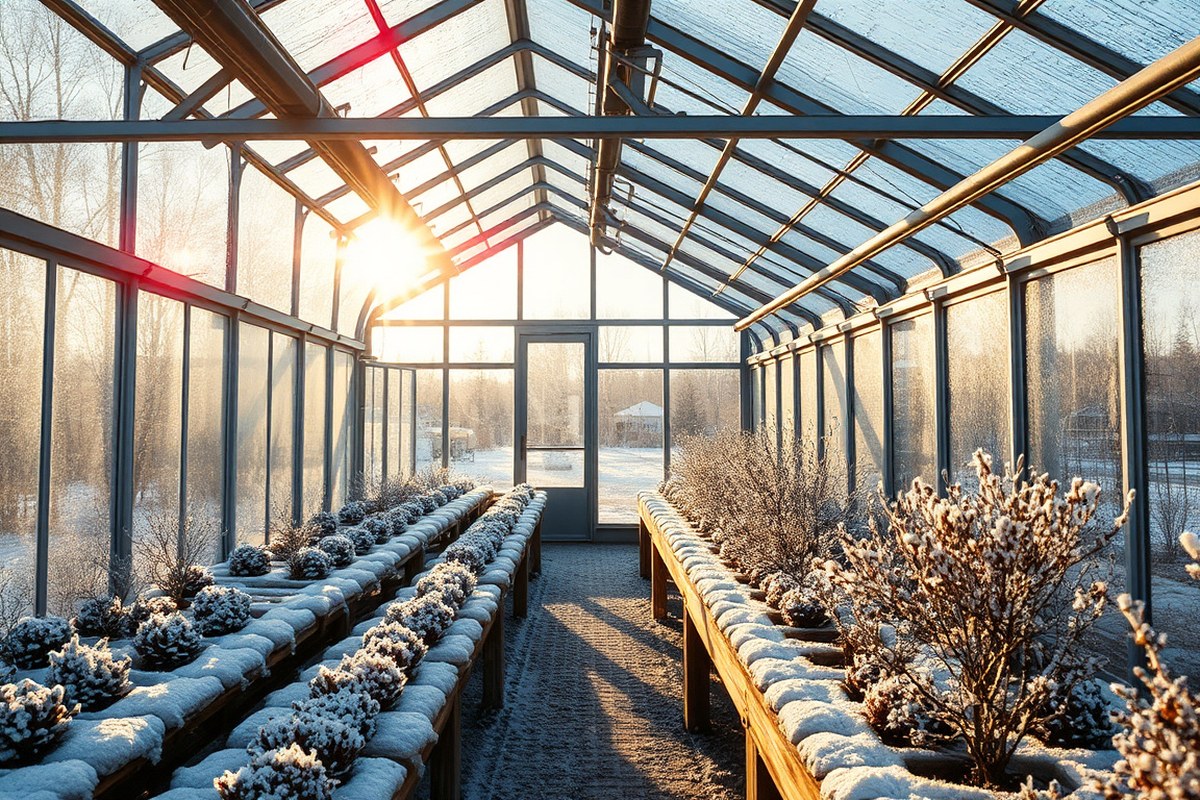
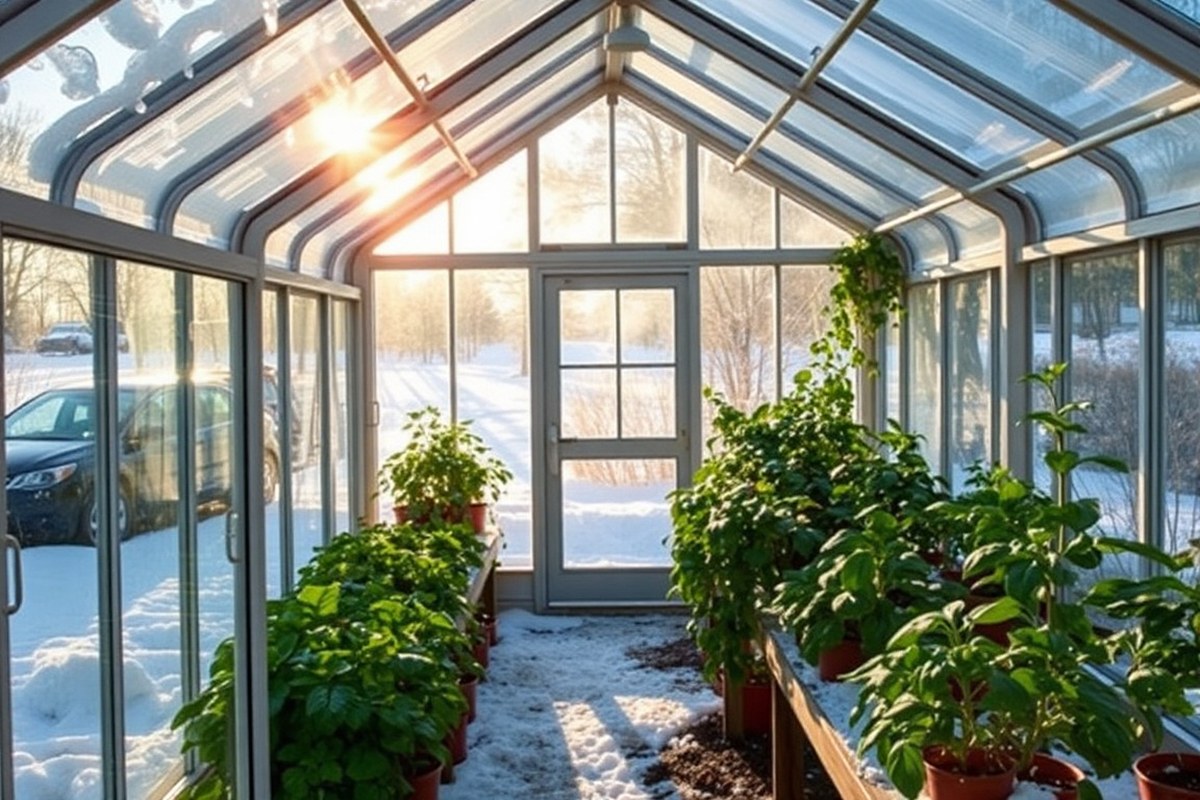
Sunlight heats a greenhouse by passing through the clear glass or plastic panels. These materials let visible light inside, where it hits soil, plants, and surfaces. Those surfaces absorb the light and turn it into heat, warming the air inside.
The glazing plays a big role in keeping that heat inside the greenhouse. It stops warm air from escaping and blocks cold outdoor air from coming in.
Glass or double-layered plastic usually reflects some heat back inside. So the warmth lasts longer after sunset.
During the day, the greenhouse traps heat through radiation and convection processes. Radiation comes from sunlight absorbed inside and then re-emitted as heat energy.
Convection moves warm air upward, but the sealed structure limits its escape. Warm air escapes fast when vents or doors don’t seal well.
At night, stored heat tries to leave the greenhouse. Radiation and conduction carry heat through the glazing. Good glazing like double-pane glass cuts the heat loss by reducing conduction.
Thermal mass, like black-painted water barrels, holds heat during the day. It releases heat slowly at night. This helps keep temperatures steady.
Heat loss happens faster when cold air drafts enter through gaps. Proper sealing around doors and vents prevents convection leaks and helps keep the temperature stable.
With tight seals and good glazing, a greenhouse can stay 5°F (3°C) warmer overnight. This works without extra heat.
The sun’s angle in winter means south-facing greenhouses in the northern US get the most sunlight. Clear glazing and no shade boost the heat captured inside. Combining these elements makes your greenhouse a cozy spot for plants during the cold months.
2. Optimizing Greenhouse Design for Winter Efficiency
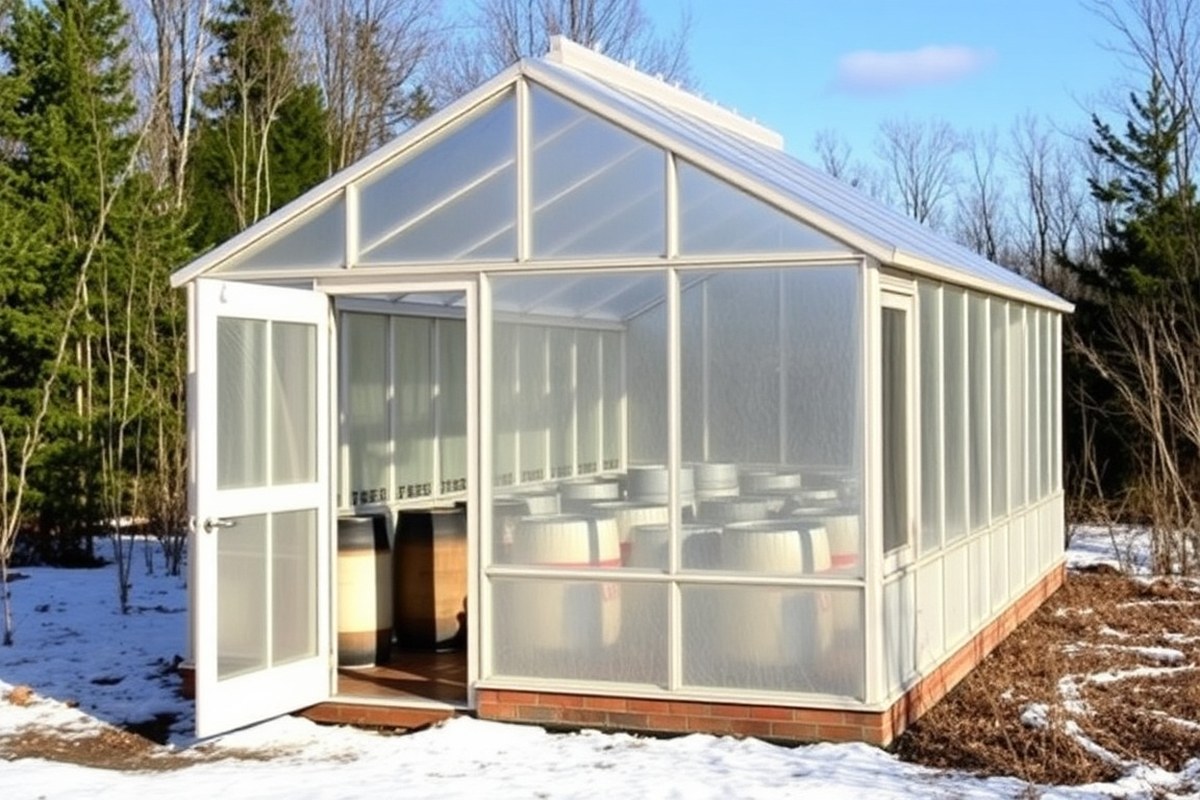
Greenhouses that work well in winter need smart design choices for light and heat. You want good sun exposure and materials that keep heat inside. You also need ways to store warmth for cold nights.
These help your greenhouse stay warm longer. These features separate a cold greenhouse from one that works well.
They keep plants healthy through the winter months. Without them, your plants may struggle.
Best Orientation and Siting
Position your greenhouse with the longest side facing south to catch the most winter sun. Tilting your greenhouse slightly east or west can help. This catches extra morning or afternoon sun.
Still, make sure it faces south first. Avoid tall trees or buildings on the south side that block sunlight during the day.
Place the greenhouse where it gets full sun from sunrise to sunset in winter. A slight slope facing south helps with drainage and can boost soil warmth. Try to avoid windy spots, since cold drafts lower inside temperatures and increase heat loss.
Effective Glazing Materials
Choosing the right glazing cuts heat loss and lets more sunlight in. Polycarbonate panels with 4 walls and multiple air chambers insulate well. They store about 30% more heat than thin twin-wall types.
Light still passes through well enough for your plants. This helps keep your greenhouse warmer.
Glass offers excellent light transmission but loses more heat compared to polycarbonate. Plastic films cost less but wear out faster. They usually need replacing every 2 to 3 years.
This adds to your greenhouse upkeep. Look for materials rated for R-values around 2 or higher for winter use.
| Material | Insulation (R-value) | Light Transmission | Cost Range |
|---|---|---|---|
| 10mm 4-wall Polycarbonate | ~2.1 | Moderate to high | $$$ |
| 6mm Twin-wall Polycarbonate | ~1.6 | High | $$ |
| Single Pane Glass | ~0.9 | Very high | $$$ |
| Plastic Film (PE) | <1.0 | Moderate | $ |
- Seal all glazing edges to prevent drafts.
- Install double doors or vestibules to reduce heat loss.
- Consider shading options to prevent overheating on sunny winter days.
- Keep glazing clean for maximum sunlight.
- Use bubble wrap on the inside walls for extra insulation if needed.
- Replace cracked or yellowed glazing to improve clarity and heat retention.
Check your greenhouse daily for cracks and gaps in glazing to stop heat leaks early.
Thermal Mass Integration
Thermal mass stores heat during daylight and releases it when temperatures drop at night. Dark water barrels or stones soak up sunlight during the day.
They slowly release heat at night, warming the inside. This can raise overnight temps by up to 10°F. Place them where they get direct sun all day.
Heavy materials like bricks, concrete, or thick soil beds can also serve as thermal mass. Painting surfaces dark helps them absorb more heat. Make sure thermal mass is inside the greenhouse and not shaded by plants or structures.
Air sealing helps thermal mass work better by reducing heat loss. Use caulk or weather stripping around doors, windows, and gaps. Preventing drafts keeps warm air inside, making the thermal mass more effective.
3. Insulation and Weatherproofing Tactics for Winter
To keep a greenhouse warm in winter, use insulation. Choose materials that block heat loss but let light in. This helps plants get warmth and sunlight together.
Seal all gaps to stop drafts around doors, windows, and the foundation. Add thermal curtains or night blankets to hold heat when the sun is down.
Bubble Wrap vs Rigid Foam
Horticultural bubble wrap and rigid foam insulation serve different roles in a winter greenhouse. Bubble wrap passes about 90% of sunlight, so it doesn’t block plants’ light needs. It’s easy to put up and works best on interior walls where sunlight enters.
Rigid foam, such as polystyrene panels, insulates better but blocks more light. It fits well around foundation walls or base areas where sunlight matters less. Installation takes more time and care to fit tightly around seams.
| Material | Effectiveness | Ease of Installation | Best Use Case |
|---|---|---|---|
| Bubble Wrap | Moderate | Very Easy | Lining interior walls during peak cold |
| Polystyrene Foam | High | Moderate | Insulating the base or perimeter walls |
| Agricultural Fleece | Low to Moderate | Easy | Covering individual plants or beds |
| Thermal Curtains | High | Moderate | Blocking heat loss from the roof at night |
Bubble wrap is cost-effective and lets plants get sunlight, maintaining photosynthesis. Foam panels excel at cutting heat loss but suit base insulation. Many gardeners combine both based on their greenhouse layout and budget.
Sealing Common Air Leak Points
Check for air leaks along door frames, ventilation openings, window seals, and the foundation. Use silicone caulk or weatherstripping around these gaps to keep cold air out. Fix cracks or holes in the structure before applying insulation.
Slide a plastic sheet or shrink film over vent openings during freezing nights. For doors, install sweep strips on the bottom edges to stop drafts. Regularly inspect seals every few weeks, as cold snaps can cause shrinkage or cracks.
- Inspect edges of doors and windows for gaps or cracks.
- Apply silicone caulk to seal cracks and holes in frames or walls.
- Install weatherstripping strips around door and window perimeters.
- Attach sweep strips to door bottoms to block drafts.
- Cover vents with plastic or shrink wrap when temperatures drop below freezing.
- Check insulation and seals monthly, reapply as needed.
Thermal Curtains and Night Blankets
Thermal curtains create an air layer that traps heat inside on cold nights. They can raise nighttime temperatures by about 15°F, reducing stress on plants. Install curtains on the ceiling or roof to limit heat loss through these large surfaces.
Night blankets or insulated covers work well over plants or beds to provide extra warmth. Use heavy-duty materials designed for horticultural use to avoid damage or excess moisture buildup. Remove curtains during the day to allow full sunlight exposure.
4. Managing Temperature: Passive and Active Heating Options
Greenhouses in winter use both passive and active heating to keep plants warm. Passive methods need no fuel and rely on the sun.
Active heaters use electricity or propane. Choosing the right mix depends on your local climate and budget.
Passive Solar Heating Techniques
Passive solar heating uses sunlight captured through clear panels to warm the space inside. You don’t need any fuel or electricity for this method.
It works best in USDA zones 7 through 10. Daylight warmth can raise greenhouse temperatures by 20°F to 40°F during the day.
Adding thermal mass, like barrels filled with water painted black, stores heat from the sun. This stored heat comes out slowly at night. It gives an extra 10°F to 18°F boost without extra cost.
Passive solar setups cost no money each month. They need good design and sunlight every day to work well.
Electric and Propane Heater Options
Electric heaters plug in easily and offer precise temperature control through thermostats. These heaters suit USDA zones 3 to 6 or very cold nights. Passive heat alone isn’t enough in these areas.
Costs go up because these heaters use electricity. Local electric rates affect how expensive they feel.
Propane heaters produce a lot of heat quickly and don’t need electricity. They fit larger greenhouses or cold climates. You need good venting to avoid dangerous gas buildup.
Installation is more involved and requires space for tanks or gas lines. But operating costs are generally lower than electric for big areas.
| Heating Strategy | Best Climate Zones | Daytime Temp Boost | Nighttime Temp Boost | Operating Cost |
|---|---|---|---|---|
| Passive Solar Only | USDA Zones 7, 10 | +20°F to +40°F | +5°F to +10°F | $0 / Month |
| Passive + Thermal Mass | USDA Zones 5, 9 | +15°F to +35°F | +10°F to +18°F | Low Initial Cost |
| Active Electric/Propane Heater | USDA Zones 3, 6 | Thermostat Controlled | Fully Custom (+30°F+) | Moderate to High |
The table shows heating choices by your climate zone. It also considers how much you want to pay monthly.
Passive solar suits milder winters. Electric and propane work better in cold, harsh winters when temperature control is critical.
Thermal Mass and Compost Heat
Thermal mass stores daytime heat and releases it overnight to keep steady temperatures. Water barrels are the simplest way to do this, holding heat and buffering temperature swings. Painting barrels black improves heat absorption.
Compost piles inside the greenhouse also give off heat as they break down organic material. This approach is low-cost and natural. But you must manage moisture and airflow to avoid mold.
Using thermal mass with small electric heaters cuts bills. It keeps plant roots warm during freezing nights.
5. Choosing the Best Crops for Winter Greenhouses
Cold-tolerant vegetables thrive best in winter greenhouses with or without heating. You want crops that handle cooler temps like 30°F to 55°F. These include many root veggies, leafy greens, and hardy herbs.
Managing photoperiod helps crops grow in short winter days. Most winter greens need at least 8 hours of light daily.
For longer harvesting, you can add supplemental LED lighting inside your greenhouse. That keeps plants thriving even on cloudy days.
Choose crops based on their temperature needs and daylight demands. Providing the right environment will help you avoid slow growth or plant stress. When temperatures dip below a crop’s range, growth slows or stops.
| Crop | Ideal Temperature Range (°F) | Notes |
|---|---|---|
| Kale | 30, 55 | Tastes sweeter after frost, cold hardy |
| Spinach | 35, 50 | Thrives in cool temps, fast growth |
| Carrots | 30, 60 | Root vegetable, tolerates frost |
| Parsley | 35, 50 | Hardy herb, slow but steady growth |
| Leeks | 30, 50 | Cold tolerant, needs well-drained soil |
| Onions | 30, 55 | Prefers cooler temps, good for winter |
Leafy greens like Swiss chard and lettuce also do well in winter. Root vegetables such as parsnips and rutabagas hold up to chilly conditions. Herbs including garlic and mixed parsley varieties suit cold greenhouse spots.
Soil temperature rarely rises above 50°F in winter. You want to keep soil between 40°F and 50°F for best root growth. Using mulch or soil heating cables helps if you see poor root development.
Plan your crops around the lowest temperatures inside your greenhouse. Avoid plants needing above 60°F unless you add supplemental heat.
6. Humidity Control and Ventilation Best Practices
Humidity rises in winter greenhouses because the air stays sealed and moist. Warm air holds more water, and as plants release moisture, it builds up inside. Moisture condenses on walls and plants.
This raises mold risk. Disease risk grows especially above 80% humidity.
Good ventilation stops humidity from getting too high without losing too much heat. Open roof vents for 10 to 15 minutes. Do this in the warmest part of the afternoon.
It lets moist air escape. Using low-wattage circulation fans keeps air moving constantly and avoids cold drafts from open vents.
Tools that help maintain airflow include small fans that draw power under 30 watts. Timer switches on fans allow cycles, like running them for 15 minutes every hour. These fans cost between $15 and $40.
That is a modest price. They help keep humidity down and plants healthy.
- Open roof vents for 10, 15 minutes in mid-afternoon daily
- Use low-wattage circulation fans for continuous airflow
- Set fans on timers to avoid running all day
- Seal greenhouse base to prevent cold air drafts
- Monitor humidity with a hygrometer regularly
- Check for condensation on glazing and leaves
- Clean plant debris to lower mold spores
Checking humidity twice a day helps catch problems early. Aim to keep it under 80%.
Avoid leaving vents open too long in freezing weather to keep warmth. Good airflow also strengthens plant stems and stops grey mold buildup.
Sealed greenhouses risk dampness and plant diseases easily without ventilation. Balancing ventilation with heat keeps plants safe from mold.
This helps you grow through winter successfully. Always watch humidity and airflow as part of daily care.
7. Monitoring and Maintaining Soil and Air Temperatures
Tracking soil and air temperatures inside your greenhouse helps you keep plants healthy all winter. Soil temperature impacts root growth, water uptake, and nutrient use. Air temp affects leaf growth, but roots need warmth first.
Use these steps to monitor temperatures and respond correctly:
- Place soil thermometers at 2 to 4 inches deep near plant roots. Check daily morning and evening.
- Set air thermometers at plant height, away from vents or heaters. Read twice daily, same time as soil.
- Record temperatures in a notebook or spreadsheet. Note weather and sunlight for context.
- Compare temps to this chart of ideal ranges:
Plant Type Soil Temp (°F) Air Temp Day (°F) Air Temp Night (°F) Seedlings & propagation 68, 75 65, 75 55, 65 Cold-hardy greens (e.g., kale) 58, 63 58, 65 50, 55 Most vegetables & ornamentals 65, 70 68, 78 58, 65 - Adjust heat or ventilation to keep soil above 58°F and air in the listed ranges.
- Use thermal mass like water barrels to stabilize soil temps. A 55-gallon water drum stores heat during the day. It slowly releases heat at night. This can raise soil temperature by 5-10°F.
- Check soil moisture regularly; cold roots with wet soil risk rot, so water sparingly.
- Repeat monitoring daily during cold snaps or cloudy periods to catch drops early.
Soil that stays warm enables roots to take up water and nutrients steadily. Soil below 50°F causes many plants to slow or stop growing.
Roots 5 to 10 degrees warmer than air help seedlings thrive. This works even if the air inside the greenhouse is cooler.
Using thermometer probes that cost $10 to $30 each is enough for most small greenhouses. Recording temps twice daily takes just a few minutes but helps catch problems fast. Without this data, you risk plants stalling or freezing roots unnoticed.
8. Winter Greenhouse Setup and Maintenance Checklist
Start winter prep by sealing any cracks and gaps tightly. Cold air sneaking in can drop inside temperatures by 40 to 50°F. Add a layer of bubble wrap on the inside walls to trap heat better. Put floating row covers above plants.
They add 5 to 8°F warmth. This warmth stays right at leaf level. Check that your heating system fits your climate.
Temperatures below 0°F call for more than insulation. You must use a strong heater in your greenhouse.
Inspect ventilation and heating systems once a week in winter. Opening vents slightly during the warmest daylight hours stops stagnant air and mold growth. Check fans and heaters to ensure they power on and off correctly.
Adjust thermostats to maintain steady temps near 50, 60°F for most crops. Watch for frozen pipes or drip lines; insulating them prevents winter breaks. Remove any snow accumulating on the roof every few days to keep sunlight reaching your plants.
- Clear leaves and debris from gutters to avoid water damage.
- Apply pest control early to prevent overwintering insects.
- Lubricate door hinges and sliding panels to prevent freezing shut.
- Test backup power sources every month for heat or ventilation.
- Monitor humidity daily to keep it between 50% and 70%.
- Rotate plants weekly for even light exposure and airflow.
- Check soil moisture with a probe; water only when dry to avoid root rot.
Common winter issues include sudden temperature drops and mold outbreaks. Low light combined with poor airflow encourages fungus growth on leaves and soil. Overwatering to compensate for cold can suffocate roots and promote rot.
Watch your plants closely for wilting or discoloration, which signals stress. A simple fix is to increase ventilation and trim crowded foliage. Regular maintenance keeps your greenhouse safe and productive all season long.
Never close your greenhouse tightly without ventilation on cold days. Moisture buildup can kill plants and invite pests.
Step-by-Step Action Plan for Your Winter Greenhouse
Follow these steps to set up and maintain your greenhouse for winter success. Each step helps you keep your plants warm and healthy.
- Before winter: Seal gaps and add weather stripping around doors and vents. Check warmth stays in by feeling for drafts on a chilly day.
- Week 1: Install a thermometer and humidity gauge near plants. Monitor them daily to learn your greenhouse’s conditions.
- Week 2: Set up your heating system, passive (like water barrels) or active (electric heater). Verify it keeps day temperature steady above freezing.
- Week 3: Plant cold-hardy crops such as lettuce, spinach, or kale. They should grow well if temperatures stay right.
- Week 4: Adjust ventilation slightly during sunny days to prevent excess humidity. Check for fresh air without losing too much heat.
- Ongoing: Water plants early in the day so moisture dries before nightfall. Watch soil to keep it neither too damp nor dry.
- Monthly: Inspect plastic or glass for tears or dust. Clean and repair as needed to keep insulating well.
Frequently Asked Questions
How Does Sunlight Affect Greenhouse Temperatures in Winter?
Sunlight enters the greenhouse as visible light and warms plants and surfaces inside. These surfaces then release heat slowly, keeping the air warmer even when sunlight decreases. This process works best on clear, sunny winter days for steady warming.
Can I Use Only Passive Heating for My Winter Greenhouse?
Passive heating can work in mild winters by using insulation and sun exposure. In colder climates, you might need active heating to stay warm. It helps keep temperatures steady.
This stops frost damage to your plants. Combining both methods often helps maintain consistent warmth.
What Types of Materials Help Insulate a Greenhouse in Winter?
Materials like double-glazed glass or inflated plastic panels trap heat inside effectively. These materials reduce heat loss and protect plants from freezing temperatures. Adding weather stripping and sealing gaps also improves insulation.
What Are Common Mistakes in Winter Greenhouse Ventilation?
Over-ventilating lets out too much heat, causing cold drafts and stress for plants. Insufficient ventilation can raise humidity and trap mold spores. Use adjustable vents to balance airflow without losing heat unnecessarily.
Can I Grow Tropical Plants in a Winter Greenhouse?
Tropical plants may survive if you provide extra heating and humidity control. Most tropical species need temperatures above 60°F and steady moisture. Without these, they will struggle or die in cold winter greenhouses.
How Often Should I Check My Greenhouse Temperature in Winter?
Check temperatures at least twice daily to respond to drops quickly. Use a reliable thermometer or temperature logger for accuracy. This way, you can adjust heating or ventilation as needed.
Final Thoughts
Greenhouses work in winter by trapping heat and protecting plants from cold air. You can improve warmth with simple steps like sealing and smart heating. Start by checking your greenhouse for cold spots today.