Is Soil Renewable or Nonrenewable Resource? What Actually Works for Sustainable Use
Soil can recover over time, but it takes a very long time. It may need hundreds or thousands of years for a thin layer to form. Soil is mostly renewable but renews too slowly for most uses.
You can treat soil as renewable when you protect it from erosion and nutrient loss. Avoid using the same soil for crops for more than 2 to 3 years. This practice helps keep the soil healthy and productive over time.
Soil renewability depends on where you live and how you manage your land. Pay close attention to the types of soil and local climate to understand renewal rates. Being careful about land use slows down degradation and keeps soil renewable longer.
Key Takeaways
- Soil grows between 1mm and 1cm every 100 to 1,000 years. The exact speed depends on the climate and local conditions.
- Don’t use the same soil continuously for crops beyond 2 or 3 years.
- Soil contains around 45% minerals and 5% organic matter. The remaining 50% is empty space with air and water. These parts help soil support plants.
- Protect soil from erosion to maintain its slow natural renewal process.
- Wet tropical areas produce soil faster than mild or dry climates.
- Human activities speed up soil loss and reduce its ability to renew.
Is Soil a Renewable or Nonrenewable Resource?
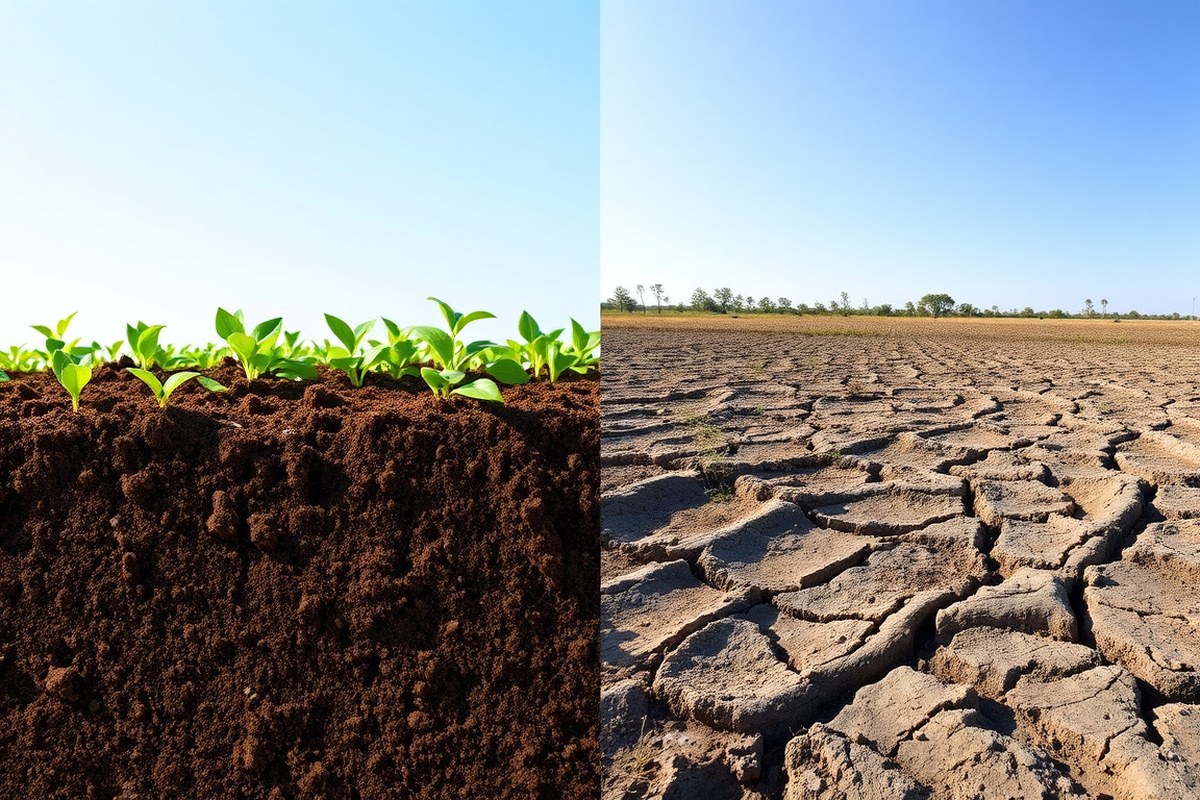
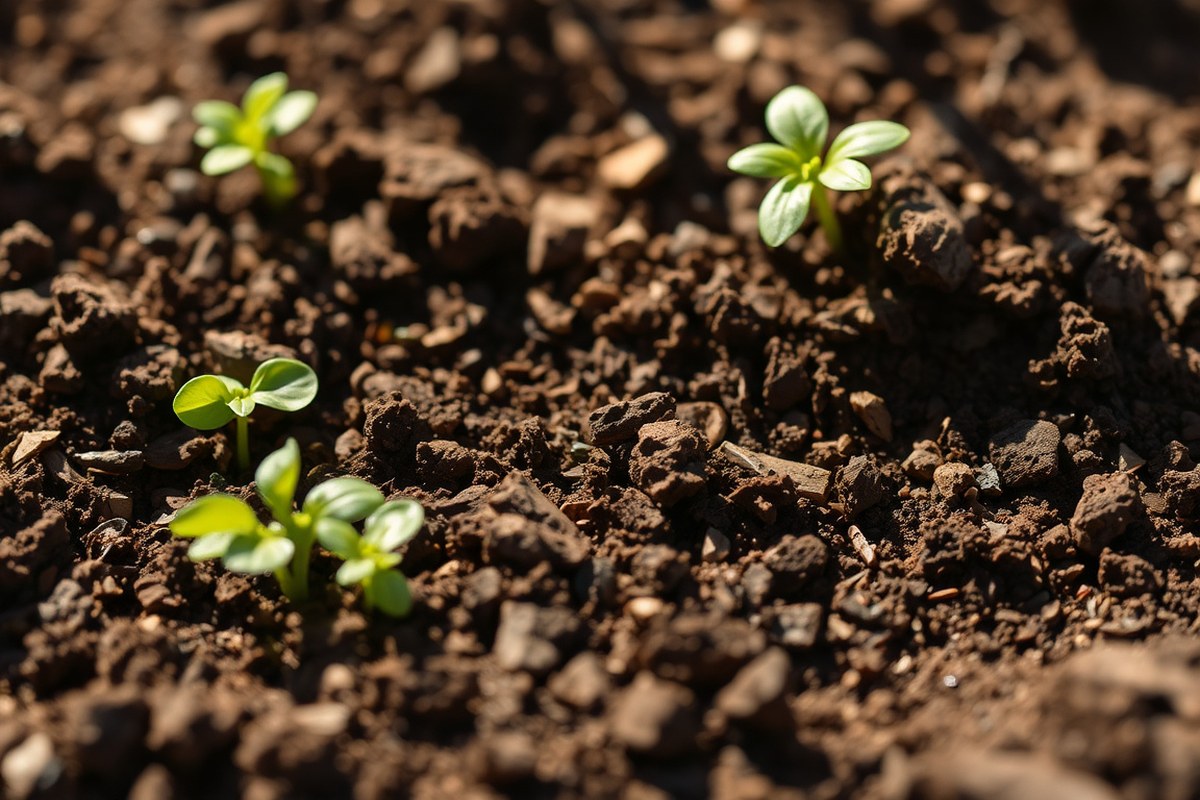
Soil can renew itself but also acts as a nonrenewable resource. It develops gradually from rock breakdown and organic material decomposition. This natural formation spans hundreds or even thousands of years.
Renewable means a resource can regenerate fast enough to keep up with use. Some soils regenerate with proper management and natural cycles in decades or centuries. But many soils degrade quicker than they renew, especially when farming or construction harms the land.
Soil renews very slowly, so it fits a special category. It is called slow-renewable or even nonrenewable for us.
Coal or oil take millions of years to form and count as nonrenewable. Soil renewal is faster but still often too slow to treat it as fully renewable.
Careful management can keep soil renewable by protecting it from erosion and nutrient loss. Without these steps, soil function and quality drop, making soil effectively nonrenewable. The key is balancing use with conservation so soil has time to rebuild naturally.
Soil’s classification depends on how fast it forms versus how fast we use or lose it. This balance matters because soil supports plants, water cycles, and ecosystems important to life. Treating soil as nonrenewable adds urgency to protect it for future needs.
How Long Does Soil Take to Form Naturally?

Soil builds up very slowly because of rock breaking down and organic matter. Usually, it takes many centuries to get just a few centimeters of soil. In milder places, forming one centimeter may need 200 to 400 years.
The key processes driving soil formation include rock breaking down by wind, water, and temperature changes. Dead plants and animals break down, adding nutrients to the soil. This organic matter mixes with minerals beneath.
This process helps create soil’s texture and layers. Microorganisms also help turn organic debris into rich, fertile earth. Over long timeframes, these cycles slowly rebuild soil layers after disturbances.
The formation rate varies partly because of climate, rock type, and local plants. Cold or dry weather slows rock breakdown and organic material buildup. This causes soil to form much more slowly over long time spans.
Soil formation can stretch into thousands of years in these places. Warmer, wetter environments speed the process but still require centuries to form useful topsoil thickness. Soil forms at a much slower rate than farming or building can remove it.
This means soil loss often outpaces natural soil growth. This slow recovery hurts land health over time.
Don’t assume soil is renewable on a human timescale. It takes centuries to form naturally.
Key Factors That Affect Soil Renewal and Degradation
Climate plays a big role in how quickly soil renews or degrades. Rainfall and temperature control weathering and organic breakdown.
For example, warm, wet climates speed up the decay of plant material, adding nutrients faster. Dry or cold areas slow this process, making soil renewal take much longer.
Plants are another key factor. Their roots hold soil in place and stop erosion. They also add organic matter when leaves and roots decay.
Areas with dense vegetation usually have healthier, more renewable soils. Bare or overused land loses this protective layer, which leads to soil breaking down faster.
Water affects soil through how it moves and carries nutrients. Good water availability supports microbes and plants that rebuild soil.
But too much water, such as heavy rains, can wash nutrients and soil away by erosion. In areas with limited water, soil renewal slows since life processes need moisture to recycle nutrients.
Organisms in the soil, like bacteria and earthworms, help break down dead plants and recycle nutrients. Their activity depends on temperature and moisture, linked to climate and water availability.
Healthy soils have diverse organisms that speed up nutrient cycling, aiding soil regeneration. Lack of life in the soil means slower nutrient buildup and worse soil quality.
The type of soil itself changes how well it renews. Clay soils hold water and nutrients well, which helps plants grow.
Sandy soils drain quickly but lose nutrients easily, making renewal harder. Soil texture, combined with climate and vegetation, determines how fast soil can rebuild.
Human actions can speed up soil loss by removing vegetation or compacting soil, which harms renewal. Protecting plant cover and managing water flow can reduce degradation. Soil renewal needs a balance between erosion and organic input.
Living organisms also play a big role in this process. Climate, water, and biology affect all these parts.
How Human Activities Accelerate Soil Loss and Nutrient Depletion
Agriculture, deforestation, and urbanization speed up soil loss and harm its renewability. Farming often uses intensive tillage and monoculture, which weakens soil structure. This makes soil more prone to erosion and nutrient loss from wind and water.
Nutrient depletion happens when crops take more nutrients than the soil can replace naturally. Over time, soil loses key nutrients like nitrogen and phosphorus. Soil loses fertility when it lacks enough nutrients.
Crop yields fall because of this. The land can then become less productive.
Deforestation removes trees that protect soil from rain impact and help hold it together with roots. Without trees, soil is exposed and washes away easily. Urbanization replaces soil with buildings and pavement, sealing the ground and stopping natural soil renewal processes.
These human actions reduce soil’s ability to regenerate at its natural slow pace. Soil formation takes hundreds to thousands of years.
But human activities can degrade soil within just a few decades. This mismatch turns soil into a resource that’s harder to renew on a human timescale.
Farming methods like contour planting help slow soil loss by following land shapes. But when farms don’t use such methods or overgraze, soil quickly loses organic matter and nutrients. The negative effects build up, making soil less able to support plants and wildlife.
Other damaging practices include removing crop residues and using heavy machinery that compacts soil. Compacted soil reduces water infiltration and root growth, worsening erosion and nutrient depletion. Together, these factors accelerate soil degradation beyond what natural processes can fix.
Common Soil Types and Their Impact on Renewability
Soils differ in texture, fertility, and how fast they can renew. Sandy, clay, and humus-rich soils each have strengths and weaknesses. Their properties affect how well soil sustains plants and recovers over time.
Sandy Soils: Drainage and Nutrient Holding
Sandy soils have large particles and drain water quickly. This reduces water retention, so plants may dry out fast. They also hold fewer nutrients because water washes minerals away.
Sandy soil can renew with added organic matter, but natural renewal is slower. Without organic matter, it struggles to keep plant nutrients and moisture. This makes sandy soils more vulnerable to erosion and fertility loss.
Clay Soils: Water Retention and Compaction Issues
Clay soils have very fine particles that hold water well. This helps plants access moisture longer but can cause poor drainage. Waterlogging may reduce oxygen and harm roots.
Clay soil often becomes compacted, limiting airflow and root growth. Renewal is slow unless you add organic matter to improve structure. Organic content helps water move through and supports microorganisms important for nutrient cycling.
Humus-Rich Soils: Organic Matter and Fertility
Humus-rich soils contain high organic matter from decomposed plants and animals. This organic matter improves soil structure, water holding, and nutrient availability. It supports biological activity, which improve fertility.
These soils renew faster due to ongoing organic matter buildup and nutrient cycling. Healthy humus soils have about 5% organic matter. They also have 50% pore space.
This space is filled with air and water. This balance supports plant growth and soil life.
Here’s a table comparing key soil properties affecting fertility and renewability:
| Soil Type | Particle Size | Water Holding Capacity | Nutrient Retention | Renewal Rate |
|---|---|---|---|---|
| Sandy | Large | Low | Low | Slow without organic additions |
| Clay | Very fine | High | Moderate | Slow unless improved with organic matter |
| Humus-Rich | Mixed with organic particles | Moderate to high | High | Faster, due to biological activity |
The soil’s texture and organic matter balance affect its ability to support plants and renew naturally. Healthy soil contains about 45% minerals and 5% organic matter. It also has 50% pore space.
Air and water split this pore space evenly. This supports microbes that break down organic material and cycle nutrients.
Adding compost often helps improve soil renewal. This is true for sandy or clay soils. These soils dry out or get compacted easily.
Proven Sustainable Practices to Maintain Soil as a Renewable Resource
Managing soil as a renewable resource requires deliberate actions to protect and restore it. Crop rotation, cover cropping, and reducing tillage boost soil nutrients. These methods also keep soil structure healthy and promote long-term productivity.
Crop Rotation and Cover Cropping Benefits
Changing crops each season prevents nutrient depletion in the soil. This method reduces pests and breaks disease cycles that harm crops and soil life. Crop rotation can maintain soil fertility without extra chemical inputs.
Planting cover crops protects soil between main crops. Cover crops, like clover or rye, shield soil from erosion and keep nutrients in place. They also add organic matter, which improves soil texture and water retention.
These practices usually require planning but pay off within a few seasons. A healthy rotation might cycle legumes to add nitrogen, then grains to use it up. This balance reduces fertilizer needs and keeps soil productive longer.
Reduced Tillage and Soil Disturbance Techniques
Minimizing soil disturbance preserves soil structure and organic matter. No-till and reduced tillage farming cut down on erosion caused by plowing. They help soil absorb and hold moisture better, which supports plants during dry spells.
These methods often take less time and fuel than full tillage. Not turning the soil also protects earthworms and microbes important for decomposition. Over years, reduced tillage can rebuild healthy soil layers lost to traditional plowing.
Too much tillage breaks down soil aggregates and washes nutrients away. Keeping disturbance low guards against compaction and loss of soil life. It’s important to adjust tools and timing depending on soil type and crops.
Organic Amendments and Soil Microbial Health
Adding organic materials like compost or manure feeds beneficial microbes. Healthy microbes help break down nutrients into forms plants can use. They also improve soil structure, making it more crumbly and easier for roots to grow.
Organic amendments improve water retention and reduce the need for synthetic fertilizers. Applying compost once or twice a year works well for gardens and farms. However, quality and quantity matter, too much can lead to runoff and pollution.
These practices take time to rebuild soil but show clear results within a few seasons. Soil biology revives gradually, and nutrient cycling improves. It requires ongoing care like covering soil with mulch and avoiding harsh chemicals.
Erosion Control Measures and Vegetative Barriers
Contour planting and terracing slow water flow, reducing soil washing away. Vegetative barriers like grass strips or shrubs trap sediments and protect fields edge. These barriers also improve wildlife habitat and support biodiversity on farms.
Covering soil with mulch limits wind erosion by holding soil in place. Mulching can also keep soil cooler and moister during hot weather. These layers protect the topsoil that holds seeds and nutrients essential for crops.
Failing to control erosion leads to rapid soil loss and decreased fertility. Some areas need specific measures based on slope steepness and rainfall. Regular maintenance of barriers is important to keep them effective year-round.
Recognizing Soil Degradation and When It Becomes Nonrenewable
Soil degradation shows up as clear signs you can spot fast. Look for reduced soil depth, where wind or water removes topsoil. Another sign is crusting or compaction, making soil hard and less able to absorb water.
Soil also loses its dark color when organic matter declines. Losing earthworm activity and plant growth signals fewer nutrients and poor soil health. These changes hurt soil’s ability to support plants and microbes.
- Soil crusting or surface hardening
- Loss of topsoil and declining soil depth
- Salt buildup (salinization) visible as white crust
- Reduced organic matter causing lighter color
- Less earthworm or insect activity
- Poor plant growth and bare patches
- Increased runoff or water pooling after rain
Once soil becomes salinized, recovery costs rise sharply. Only good quality water can leach salts out, a slow process needing large water volume. When salinity gets too high, salt-tolerant plants take over or land stays barren.
Permanent soil loss happens when degradation outpaces renewal. For example, erosion can strip away productive layers faster than the soil forms. This soil can’t return to its original state in a human lifetime.
You can detect declining soil quality by testing key factors regularly. Test soil pH to catch acidification, and measure organic content to track nutrient supply. Simple field checks include observing water infiltration rate and soil smell.
Keep an eye for slow drainage or sour, rotten smells, signs of bad soil condition. Using a soil test kit costs around $15 to $50, providing data on nutrients and salts. Knowing these results helps decide when soil needs help or is beyond repair.
Deciding When to Treat Soil as Renewable or Nonrenewable
Soil can be considered renewable when it regenerates faster than it is lost. Soil becomes nonrenewable when it erodes or depletes too fast.
This happens if recovery or management can’t keep up. Applying clear decision rules helps balance use with regeneration for proper soil management.
Short-Term Use vs Long-Term Regeneration
Soil is renewable when its formation matches the loss rate. Recovery must keep pace with erosion or use. This balance keeps soil healthy.
Topsoil grows about 1 millimeter per year on average. So, land use should not remove more in one year. This helps maintain the soil layer.
Intensive farming or clearing land can remove soil quickly. This can cause soil loss faster than it forms. Over years, this leads to nonrenewable soil conditions.
Short-term land uses can treat soil as renewable if recovery steps follow quickly. Crop rotation, cover crops, and reduced tillage boost regeneration. Without these steps, soil quality drops and becomes effectively nonrenewable within a few years to decades.
Impact of Management Practices on Classification
Sustainable practices such as replanting, tree farms, and erosion control keep soil in the renewable category. These methods slow soil loss and promote organic matter buildup. Overgrazing and bad irrigation cause soil nutrients to drop.
These problems speed up erosion and soil loss. That traps soil in a nonrenewable state.
Sarah Thompson, a sustainable agriculture consultant, stresses that soil’s renewable status depends on management. She says “nonrenewable” applies when actions degrade soil faster than natural or aided renewal. Using soil beyond its regeneration capacity should flag nonrenewable classification.
Environmental and Economic Considerations
Proper soil management is essential not just environmentally but economically. Healthy soil supports crop yield and reduces costs from erosion damage. Conversely, soil loss can cause expensive land restoration and loss of productivity.
Good policies encourage sustainable soil use and aware landowners to treat soil as renewable. This approach benefits ecosystems, farming communities, and markets by ensuring soil resource longevity. Unsustainable practices may offer short gains but hurt future productivity.
To help decide how to classify your soil, use the table below. It matches management actions with expected soil status and outcomes.
| Management Practice | Soil Status | Outcome |
|---|---|---|
| Crop rotation and cover crops | Renewable | Supports natural regeneration, prevents nutrient loss |
| Tree farms and reforestation | Renewable | Protects soil from erosion, improves organic matter |
| Minimal tillage and erosion controls | Renewable | Reduces soil disturbance and loss |
| Overgrazing and excessive irrigation | Nonrenewable | Accelerates nutrient depletion and erosion |
| Deforestation without replanting | Nonrenewable | Leads to rapid soil degradation |
This table clarifies when soil can stay renewable and when management makes it nonrenewable. Using these guidelines helps you plan land use to keep soil healthy and productive.
Always match soil removal to regeneration rate or below to keep it renewable.
Step-by-Step Action Plan to Protect and Renew Your Soil
Use this plan to keep your soil healthy and sustainable. Follow each step and check your soil’s condition as you go.
- Day 1: Test your soil’s pH and nutrient levels. Use a home test kit and look for balanced results.
- Week 1: Start adding organic matter like compost or mulch. Check if your soil holds moisture better after a week.
- Month 1: Plant cover crops on bare areas. Notice if erosion slows and soil looks less exposed.
- Month 2: Avoid heavy tilling to reduce soil disruption. See if soil texture and earthworm activity increase.
- Month 3: Rotate crops or plant diverse species. Observe if soil nutrients improve over several months.
- Month 6: Mulch around plants to conserve water. Check that soil surface stays moist longer between watering.
- Yearly: Retest soil and compare changes. Adjust your soil care routine based on new results.
Frequently Asked Questions
Can Soil Be Renewed on a Human Timescale?
Soil renewal takes hundreds to thousands of years, too slow for most human needs. Responsible care helps maintain soil health during this long process.
How Do Farming Methods Impact Soil Renewability?
Farming methods that cause erosion or nutrient loss speed up soil degradation. Sustainable farming helps keep soil renewable by preserving its structure and nutrients.
What Role Do Microorganisms Play in Soil Renewal?
Microorganisms break down organic matter, enriching soil nutrients. They speed up the natural renewal process and improve soil health.
Can Soil Quality Decline Even If Soil Quantity Remains the Same?
Yes, soil can lose nutrients and structure, making it less fertile. This means soil quality is just as important as soil amount for renewability.
Does Soil Pollution Affect Its Renewability?
Soil pollution harms soil organisms and reduces fertility, slowing renewal. Avoiding contaminants keeps soil healthy and supports natural regeneration.
Is Soil Restoration Always Possible After Heavy Degradation?
Restoration can be very slow and costly, sometimes failing. Early prevention and sustainable practices are better than trying to fix ruined soil.
Final Thoughts
Soil is renewable, but only if you care for it properly. Track how you use your soil and adjust practices to keep it healthy. Start by testing your soil today to see where it stands.