What to Put in Raised Garden Bed: A Complete Layering Guide That Works
Wondering what to put in raised garden bed for the best results? Fill it mostly with a quality raised bed mix that blends topsoil, compost, and organic matter.
This mix gives plants what they need: nutrients and good drainage. It also has a loose texture that helps roots grow strong.
Start by choosing the right depth. Most raised beds work well between 12 and 18 inches deep. Your bed is taller than 2 feet.
Fill the bottom with cheaper organic material. Add quality soil on top to save money and improve drainage.
Adding layers helps too. Put coarse materials or sticks at the bottom if you want better airflow.
But skip this step for beds under two feet. Make sure to water consistently, aiming for 1-2 inches per week to keep plants healthy.
Key Takeaways
- Fill raised beds 12 to 18 inches deep with quality raised bed soil mix.
- Use decomposing organic material at the bottom only in beds taller than 2 feet.
- Skip layering coarse materials for beds under two feet for easier planting.
- Choose narrower beds against fences for easier access, about 2 to 3 feet wide.
- Water raised beds regularly with 1-2 inches of moisture weekly for best growth.
- Wait 8-12 months before planting if you use slow-decomposing materials in the base.
What to Put in the Bottom of a Raised Garden Bed
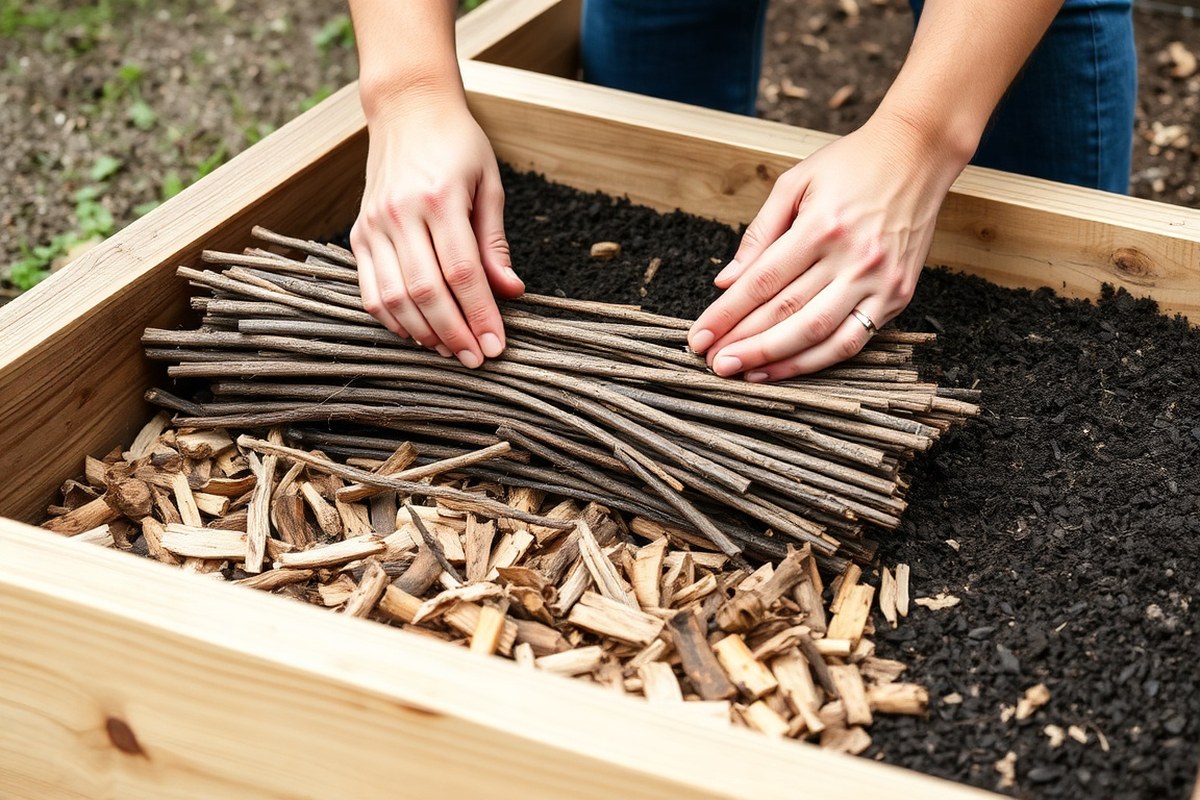
Pick materials for the bottom that help water drain and slow decay. Rocks, gravel, or coarse sand work well for drainage. Layering woody debris, leaves, or cardboard slows decomposition and stops soil from sinking too much.
The bottom layer affects how roots grow and keep healthy. Well-drained beds stop water from pooling, which can harm roots.
Woody debris breaks down slowly and feeds soil over time. So roots get steady nutrients while staying firm.
The layer should be a few inches thick. It holds water back but shouldn’t be too thick. For beds 12 inches deep, keep this bottom layer about 3 to 4 inches.
Your bed is shallower than 24 inches. You can skip extra layers and fill mainly with soil.
Don’t use plastic at the bottom. It blocks water from draining and leads to root rot. Most raised beds rest directly on the ground.
This lets roots grow into natural soil below. It helps plants get extra nutrients.
Here’s how to add the bottom layer step by step:
- Clear the space under your raised bed by removing weeds or grass.
- Lay down a sheet of cardboard or newspaper to block weeds if desired.
- Add a 2- to 4-inch layer of small rocks, gravel, or coarse sand for drainage.
- Top this with a 2- to 3-inch layer of sticks, woody debris, or dried leaves.
- Water this bottom layer lightly to kick-start decomposition.
- Fill the rest of your bed with good quality soil mix suited for your plants.
Use this approach for most climates and bed sizes taller than one foot. In colder areas, insulating layers like straw on top help protect roots in winter. For shallow beds under 12 inches, skip the bottom layer and fill entirely with soil.
How Deep Should a Raised Garden Bed Be for Different Plants?
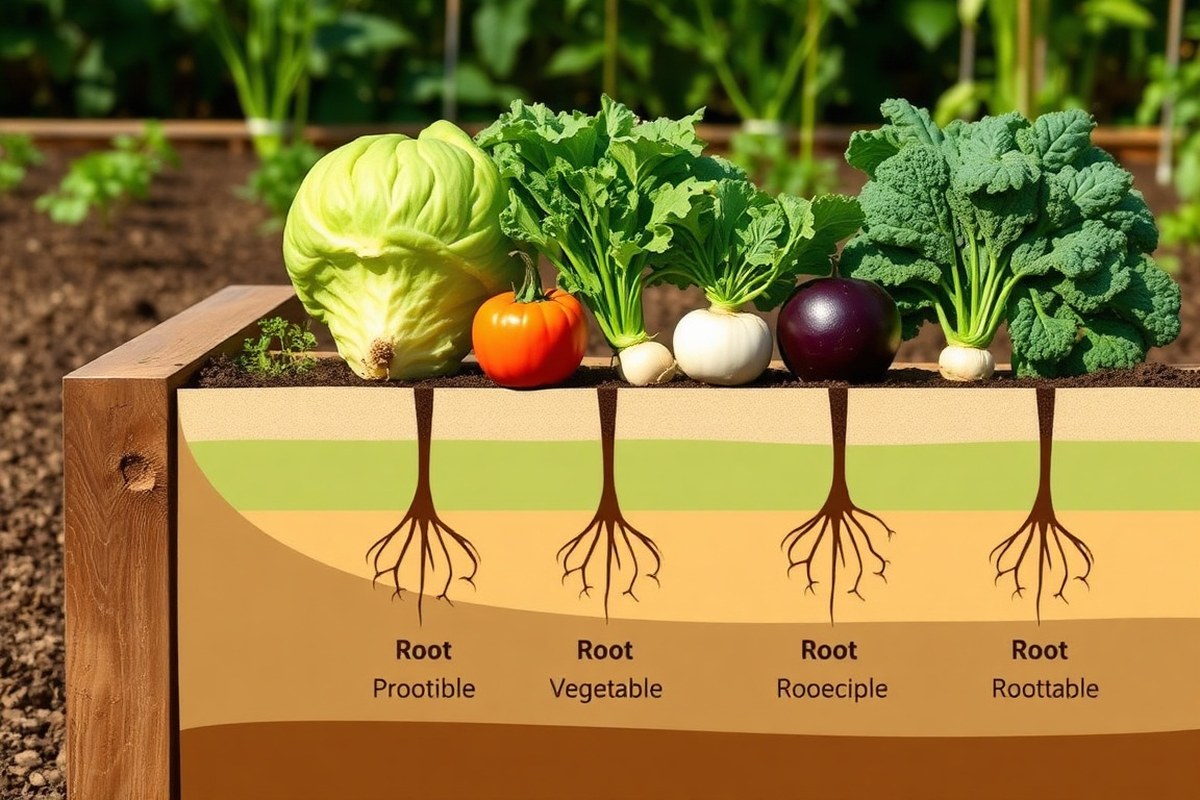
Raised garden beds should be 12 to 18 inches deep. This depth suits most vegetables, including deep-rooted ones. Carrots and tomatoes do well with this soil depth.
Plants with shallow roots like herbs can grow in 6 to 8 inches. Flowers also do fine in beds this shallow.
Bed depth depends on how deep roots grow and access needs. You’ll want easier reach or more soil depth.
Plant Type and Ideal Depth Ranges
Vegetables with deep roots need 12 to 18 inches of soil. Examples include carrots, parsnips, potatoes, and tomatoes.
Shallow-rooted plants like lettuce, peppers, herbs, and flowers do fine in 6 to 12 inches. Some herbs only need 6 to 8 inches because their roots don’t grow as deep.
Choosing the right depth gives roots room to grow and helps plants stay healthy. Deeper soil lets water drain better and holds nutrients. For root vegetables, shallow soil limits growth and yield.
| Plant Type | Ideal Soil Depth |
|---|---|
| Carrots, Parsnips, Potatoes, Tomatoes | 12 to 18 inches |
| Lettuce, Peppers, Radishes | 8 to 12 inches |
| Herbs (basil, thyme, parsley) | 6 to 8 inches |
| Flowers (marigolds, pansies) | 6 to 12 inches |
For mixed gardens, aim for at least 12 inches to cover most plants. Adjust soil depth based on what you grow most.
Width and Accessibility Considerations
Bed width affects how easy it is to reach the center without stepping in. Standard widths range from 3 to 4 feet. Wider beds may need deeper soil so moisture and roots can reach the full width.
Bed height should match your comfort level for gardening. Raised beds 12 to 24 inches tall reduce bending.
Taller beds need more soil and cost extra to build. They make planting easier, great for mobility limits.
Balancing bed height with soil volume improves growth and your garden experience. Narrower beds can be shallower but still give plants enough root space.
Adjusting Depth for Shallow Beds
Choose shallow-rooted plants like lettuce or spinach for beds less than 12 inches deep. Use a soil mix rich in organic matter to conserve moisture and feed roots effectively.
For root crops in shallow beds, grow them in containers or raised sections with deeper soil. You can also loosen the ground beneath the bed to add root space. But watch for drainage problems.
Improving soil quality in shallow beds helps plants cope with limited depth. Regular watering and feeding support good growth in less soil.
Don’t plant deep-rooted vegetables in beds less than 12 inches deep. They’ll struggle to grow properly.
Choosing the Best Soil Mix for Raised Garden Beds
The best soil mix for raised garden beds balances topsoil, compost, and drainage materials. Compost should make up about 40% of your mix to keep the soil fertile. Avoid using plain garden soil alone.
It doesn’t drain well. It also doesn’t hold nutrients for raised beds.
Common Soil Mix Recipes
A popular mix is 40% topsoil, 40% compost, and 20% potting soil or sand. This recipe blends nutrients with good drainage and aeration for most vegetables.
Another option is 50 to 60% topsoil mixed with 40 to 50% compost or manure. This ratio boosts organic matter while keeping enough mineral content for plant roots.
Flower beds often use 50% loamy soil, 30% compost, and 20% perlite. Perlite improves drainage without adding weight, which is helpful in raised beds.
Organic Amendments and Their Benefits
Compost improves soil structure, moisture retention, and provides nutrients. About 40% compost supports healthy plant growth and microbial activity.
You can add sand or perlite to improve drainage and prevent compaction. Use 10 to 20% sand or perlite.
Add it if your soil feels heavy. This helps if it holds water too long.
Adding peat or coir helps retain moisture without making the soil dense. These materials are lighter than topsoil and reduce watering frequency.
Avoiding Problematic Soil Types
Avoid using heavy clay soil in raised beds because it drains poorly and compacts easily. Add more compost or sand to clay soil.
This helps brighten it up. It improves drainage and texture.
Don’t rely solely on garden soil or potting soil for raised beds. Garden soil can be too dense. Potting soil is too fluffy and drains too fast when used alone.
Buying pre-made raised bed mix from local suppliers ensures a balanced blend. These mixes often contain compost, topsoil, drainage amendments, and worm castings for healthy plants.
How to Layer Materials Inside Your Raised Garden Bed
Start by layering slowly decomposing materials at the bottom of your raised bed. Next, add nutrient-rich layers in the middle. Include aerating materials too.
Finish by putting quality soil mix on top. The ideal thickness of each layer changes with bed height and type of plants you grow.
Layering Steps for Beds Under 12 Inches
Beds less than 12 inches deep need a simple, mostly soil-based approach. Use a thin base layer of coarse organic materials. This helps improve drainage.
It also keeps soil loose. You won’t have room for thick layers. So focus on using well-prepared soil on top.
Follow these steps to set it up:
- Clear the bed area of grass and large debris.
- Place 2 inches of twigs and small branches on the bottom for air flow.
- Add a 1- to 2-inch layer of mixed brown and green organic matter.
- Cover with 6 to 8 inches of high-quality, loose raised bed soil.
- Lightly water to settle the soil before planting.
Layering Steps for 12 to 24 Inch Beds
These beds allow a fuller layering setup that speeds up decomposition and feeds plants longer. Start with a thicker base of woody material to fill space and break down over time. Mix green nitrogen-rich and brown carbon-rich materials to help microbes work efficiently.
Follow these steps to build layers well:
- Remove weeds and loosen the soil bed base.
- Fill 4 to 5 inches with coarse branches and wood chunks.
- Add 3 to 4 inches of mixed green and brown layers. Use grass clippings and kitchen scraps for green. Use dry leaves and straw for brown.
- Top off with 8 to 10 inches of nutrient-rich garden soil or compost mix.
- Water each layer as you go to keep it moist but not soggy.
- Cover bed with newspaper or cardboard to keep moisture in and suppress weeds.
Layering for Beds Taller Than 24 Inches
Taller beds give more room to use bulky fill materials that save on soil costs. You can fill the bottom half with logs, branches and bulky carbon-rich matter. This fills volume and slowly turns into rich soil for deeper-rooted plants.
Follow these broad steps for thick beds:
- Dig out any large rocks or debris from the bed base.
- Layer 8 to 12 inches of logs, branches, and coarse wood material.
- Add about 6 inches of mixed green and brown organic matter. Layer nitrogen-rich and carbon-rich bits evenly.
- Cover these with 12 to 14 inches of quality garden soil or raised bed mix.
- Water each layer lightly and regularly to speed decomposition.
- Check moisture weekly; dry layers slow down breakdown.
Incorporating Compost, Manure, and Kitchen Scraps Safely
You shouldn’t put kitchen scraps directly into your raised garden bed. Fresh scraps can attract pests and cause unpleasant smells. Compost kitchen scraps first in a bin or pile for 3 to 6 months.
This breaks down the scraps into rich soil material. Then add the compost to your raised bed.
Aged manure is a safe choice to improve soil fertility. Cow, horse, and chicken manure work well if composted or aged at least six months.
Fresh manure burns plants and may contain harmful bacteria. So avoid adding it fresh to your raised bed.
Mix nitrogen-rich materials like kitchen scraps and fresh grass clippings. Add carbon-rich materials like dry leaves, straw, or wood chips. This balance helps compost break down properly.
This mix helps composting happen faster and reduces odors. Aim for about a 30:1 carbon-to-nitrogen ratio to speed decomposition and keep pests away.
Adding finished compost to your bed each season boosts nutrients and improves soil structure. Spread 1 to 2 inches of compost on top of your soil. Lightly mix it into the soil surface to blend nutrients.
This supplies fresh nutrients for your plants. This replenishes nutrients that plants take up and keeps the soil healthy for years.
Avoid adding large amounts of kitchen scraps to your bed. Don’t add meat or dairy waste either. This helps keep rodents and insects away.
Cover compost piles and any fresh organic matter with a layer of soil or mulch. Use cedar wood chips around your raised bed to repel bugs.
Many insects dislike the smell of cedar. This helps protect your plants naturally.
New or small gardeners may use pre-mixed raised bed soil. It has the right amounts of organic matter and compost. This makes starting your bed easier.
It saves you from guessing how to balance materials. You can then add homemade compost or aged manure yearly for extra nutrition.
Don’t add fresh kitchen waste directly to your raised bed to avoid pests and bad odors.
Preventing Weeds and Pests Through Soil and Material Choices
Cardboard and landscape fabric both help reduce weeds but work differently. Cardboard is biodegradable and lets earthworms and insects move through the soil, which improves soil health. Landscape fabric blocks weeds well.
It also stops helpful soil life. This can hurt your garden over time.
For raised beds, using cardboard under the soil is a good option. It breaks down over time, suppresses weeds, and acts as natural insulation in winter. Expect it to last about a year before starting to decompose.
Landscape fabric helps prevent soil erosion. It is good for beds on slopes. But avoid it if you want to encourage soil organisms.
Choosing materials that repel pests naturally helps keep your garden healthy. Garlic, marigolds, and chives planted around vegetables can discourage common pests. Avoid chemical pesticides in raised beds as they harm beneficial insects.
Keep beds clear of dead leaves. Remove plant debris too. This stops pests from hiding and breeding.
Soil texture affects pest problems quite a bit. Use well-draining soil with sand, silt, and organic matter. This stops root rot.
It also keeps pests away. Heavy, compacted soil holds moisture and invites pests that thrive in soggy conditions. Choose soil that feels loose and crumbly when squeezed.
It should hold some moisture. Think of a wrung-out sponge.
Sometimes your weed and pest control methods may fail. Weeds can grow from seeds blown in by wind or birds. Pests may arrive from nearby plants.
Pull weeds quickly if they appear through cardboard or fabric. Do this before they spread. For pest outbreaks, try companion planting or organic remedies like neem oil.
Remove the top foot of soil if problems worsen. Replace it to reset the bed.
How to Calculate and Adjust Soil Volume for Your Raised Bed
Finding out how much soil fills your raised bed is simple math. Measure the bed’s length, width, and depth in feet.
Multiply those three numbers to get cubic feet, the soil volume you need. Bed height is key since it changes how deep your soil layer will be.
When your bed has layers like compost, soil, and amendments, count only the soil and organic matter. Ignore the rest.
Adding extra organic matter boosts moisture and soil life but changes total soil needed. Odd-shaped beds need breaking down into smaller rectangles or circles, calculate each volume, then add them.
Follow these steps to figure soil volume and adjust for your bed setup:
- Measure length, width, and depth of your raised bed in feet.
- Multiply length × width × depth to get total cubic feet of soil.
- Convert cubic feet to soil bags: one bag usually covers 1 cubic foot.
- Subtract any space taken by wood chips or other non-soil layers.
- Add the volume for organic matter if you plan to mix it separately.
- For irregular shapes, split the bed into simple shapes, calculate each volume, then add together.
- Adjust depth if you want deeper soil for larger plants, deeper means more soil needed.
- Check bag weight and coverage, since bags vary by brand and mix.
For example, a bed 4 feet long, 2 feet wide, and 1 foot deep equals 8 cubic feet. Multiply length, width, and depth. You’ll need eight 1-cubic-foot soil bags to fill it.
You want a 2-foot depth instead. That equals 16 cubic feet.
Adding 2 cubic feet of leaf mold counts as organic matter. That means you’ll buy 18 cubic feet of soil mix.
Going deeper than 12 inches increases soil cost and weight, but benefits root growth. Wider beds over 2.5 feet make it hard to reach the middle without stepping inside.
Adjust soil amounts to fit your bed’s shape. This helps avoid running out or buying too much soil.
Maintaining and Refreshing Raised Garden Bed Soil over Time
Soil in raised garden beds settles and loses nutrients as plants grow. Top off soil with 1 to 2 inches of fresh compost each spring. Spread the compost evenly over the bed.
This boosts soil health and plant growth. Adding amendments yearly keeps plants healthy and stops soil from becoming too compacted or poor.
Watch for signs soil needs fixing. Water pooling on the surface shows signs of compacted soil. Slow drainage is another sign the soil might be dense.
Yellowing leaves or slow growth often point to nutrient depletion. A simple soil test can check pH and nutrient levels. Test soil every 2 years or when you notice poor plant health.
Adjust soil pH by adding lime to raise it or sulfur to lower it. Follow the soil test advice on amendments carefully. Spread amendments evenly over the soil surface.
Mix them gently into the top 6 inches. Avoid adding them when plants are actively growing. Do it during early spring or fall instead.
Common problems like poor drainage or low fertility show up over time. Mix shredded bark, wood chips, or sawdust into your soil to improve structure gradually.
These materials break down slowly and keep soil loose. Avoid using fresh wood chips directly on plant roots, as they can tie up nitrogen.
Adding too much fresh soil at once can smother roots or cause uneven settling. Spread materials thinly and mix them with existing soil carefully.
Reseeding cover crops or mulching yearly adds organic matter and protects soil health. Grass clippings also enrich soil but use only dried clippings to prevent matting.
Best time to refresh soil is before planting season starts, usually early spring. Remove any leftover plant debris to reduce pests and diseases.
Then, spread compost or other amendments evenly across the bed. Work them lightly into the top layer without disturbing roots.
Don’t ignore soil health just because your raised bed looks full. Soil can settle and lose nutrients beneath the surface.
Step-by-Step Action Plan for Filling Your Raised Garden Bed
Follow these steps to fill your raised bed the right way. You’ll help your plants grow healthy and strong.
- Before you start: Clear the area well first. Add coarse materials like straw or small branches. This helps with drainage. This prevents waterlogging around roots.
- Day 1: Mix two parts topsoil and two parts compost. Add one part peat moss or coconut coir. Fill the bed halfway with this mix. The mix should be loose and crumbly.
- Day 2: Add compost and well-aged manure on top of the soil base. Spread an inch or two evenly to supply nutrients without burning roots.
- Week 1: Plant shallow-rooted veggies or herbs now. Keep soil moist but not soaked. Watch soil moisture closely. Adjust watering if the soil feels too dry or soggy.
- Month 1: Check for weeds weekly and remove them promptly. Use mulch like straw or wood chips to block weed seeds and retain moisture.
- Month 2: Use a simple kit to test soil moisture. Check nutrient levels too. Add more compost or fertilizer if needed. Healthy plants will grow steadily.
- Each season: Add a few inches of compost on top. Mix it in lightly. This refreshes your bed for new plants. Avoid disturbing plant roots to keep growth strong.
Frequently Asked Questions
What Is the Best Soil pH for Plants in a Raised Garden Bed?
Most garden plants thrive in soil with a pH between 6.0 and 7.0. Testing your soil pH helps you adjust it for better nutrient uptake.
Can I Use Regular Garden Soil in a Raised Bed?
Regular garden soil is often too dense for raised beds and may drain poorly. A light, loose mix designed for raised beds encourages root growth and healthy plants.
How Often Should I Add Compost to My Raised Garden Bed?
Adding compost twice a year keeps soil fertile and improves structure. Spring and fall are good times to refresh the bed with compost.
Is It Okay to Plant the Same Crops in a Raised Bed Every Year?
Rotating crops each year prevents soil nutrient depletion and disease buildup. Change plant families yearly to keep your garden healthy.
What Mulch Works Best for Raised Garden Beds?
Organic mulches like straw or shredded leaves help retain moisture and suppress weeds. Avoid plastic mulches to keep the soil breathing.
Can I Add Worm Castings to Improve Raised Bed Soil?
Yes, worm castings add nutrients and beneficial microbes. Mix them into the top few inches of your soil for best results.
The Bottom Line
Your raised garden bed needs the right soil and layers for the best results. Start with good drainage and a balanced soil mix. Next, begin filling your bed using this plan to give your plants a strong start.