Are Strawberries Annuals or Perennials? A Complete Gardening Guide
Are strawberries annuals or perennials? Strawberries are short-lived perennials. They usually produce fruit well for 3 to 5 years before slowing down.
They grow back every spring, but their berry production declines over time. Many gardeners replace plants every few years to keep yields high. Taking care of them properly can extend their productive life beyond the average span.
Plant strawberries 12 to 18 inches apart to give roots plenty of room. Crowding slows growth and reduces air circulation, leading to disease. Removing extra daughter plants each year keeps space open and plants healthy.
Fertilizing in early spring and after harvest supports strong growth and fruiting. Regular watering also helps, especially during dry spells. These steps delay plant aging and improve berry quality season after season.
Key Takeaways
- Strawberries typically live and bear fruit for about 4 to 5 years.
- Most strawberry varieties behave as perennials with proper care.
- Space plants 12 to 18 inches apart when planting to promote growth.
- Thin young daughter plants to about 6 inches apart for better air flow.
- Strawberry plants slow fruit production after 3 to 5 years.
- Providing 6-8 hours of sunlight daily boosts strawberry productivity.
Are Strawberries Annual or Perennial Plants?

Strawberry plants are botanically perennials, which means they can live and produce fruit for several years. Most strawberry plants return for three to five seasons if cared for properly. This cycle involves new growth each spring and dieback after fruiting, typical of short-lived perennials.
Many gardeners and commercial growers treat strawberries like annuals. They replant strawberries each year or every few years. This keeps plants productive.
This approach helps manage pests and diseases that build up in the soil over time. It helps plants grow stronger and produce more fruit early on.
This occurs during the first years of the plants’ life. Strong early growth leads to higher yields.
The confusion about strawberry lifespan comes from these varying practices. Home garden patches can keep strawberry beds for three to five years. They renew their beds each season.
This practice maintains healthy plants and good fruit production. Commercial growers often change strawberry plants every two to four years. Some plant new strawberries each season in protected high tunnels.
Crop rotation keeps fields productive. Strawberries are perennials by nature but often grown like annuals.
This is due to both their biology and practical growing methods. It creates a mix of growing habits.
How Long Do Strawberry Plants Live and Produce Fruit?
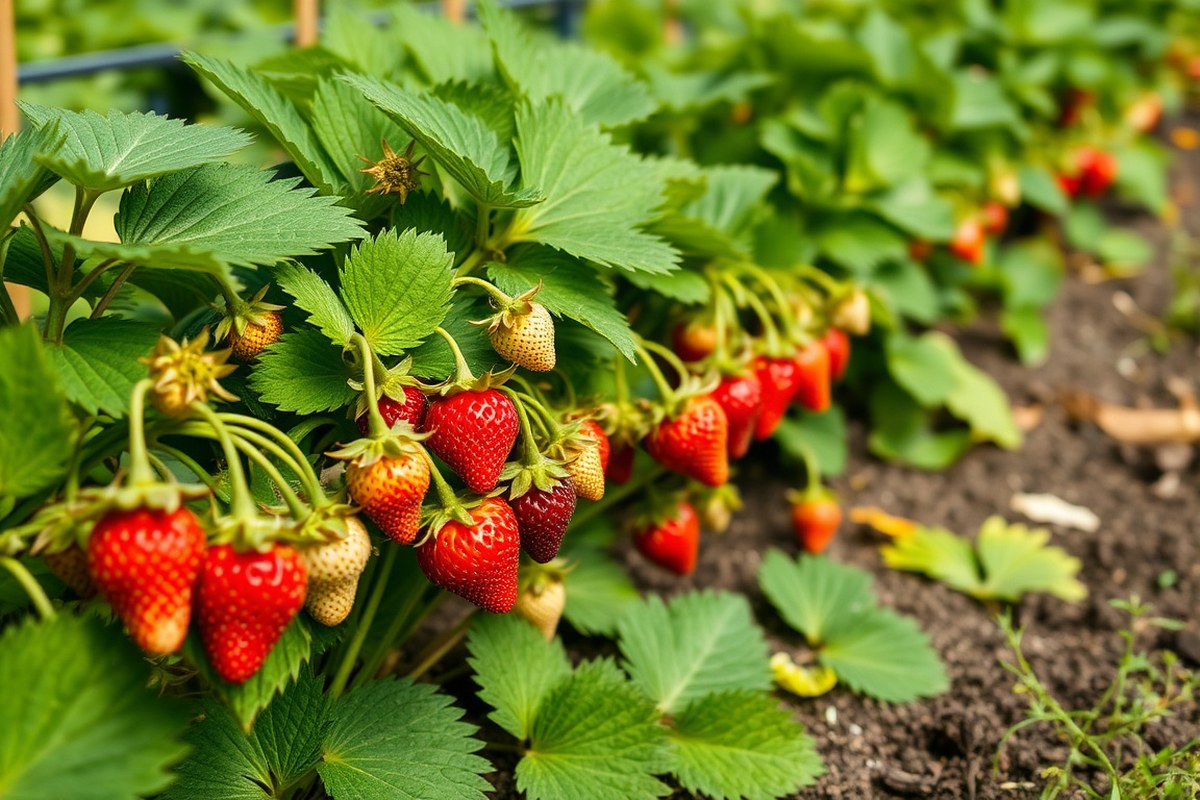
Strawberry plants usually live and produce well for about three to four years. Their fruit yield often starts strong, then declines after two or three seasons. You should plan to replace them when production falls noticeably or berries get smaller.
Typical Lifespan and Fruiting Timeline
Strawberries are short-lived perennials. They produce the most fruit during their second and third years. After about four years, plants grow weaker and yield drops sharply.
For gardeners, the first year builds plant strength with modest fruit. The second and third years bring peak harvests. After that, the plants naturally slow down.
Signs Your Strawberry Plants Are Declining
Look for smaller berries or fewer fruits on your plants. When flowers appear but don’t turn into good fruit, production drops. Also watch for thinning foliage or more dead leaves.
Runners that don’t root well or have weak crowns mean plants are weak. Leaf yellowing or a general shrinking of the plant also shows aging or stress.
When and Why to Replace Strawberry Plants
Replace plants if your harvest shrinks for two seasons in a row. Also, replace if berry size drops for two years straight.
Declining plants invite diseases and pests, reducing fruit quality and quantity. Starting fresh plants usually means bigger, healthier crops soon.
Renew gardens every two to four years depending on your climate and strawberry variety. In warm climates, plants may weaken faster so replace them sooner. Cooler zones often get an extra season of production.
Extending Productivity Through Care and Renewal
Renovate plants by pruning and removing old leaves. Control weeds too. This can add a year or two to their life.
Encourage runners early to create fresh crowns for extended fruiting. However, renovation only delays replacement, not prevents it.
Use runner plants to replant part of your bed each season. This keeps new strong plants coming. Rotating beds or dividing crowns every few years extends your strawberries’ productive life.
Keep track of your harvest size and berry quality every year. This helps you know when to renew your plants.
What Strawberry Varieties Affect Perennial Growth Habits?
Strawberry varieties differ a lot in how they grow and how long they fruit. June-bearing, everbearing, and day-neutral types each have unique cycles and care needs. Choosing the right kind affects how long your plants last.
It also affects how much fruit you get over time. Pick carefully for better results.
June-Bearing Strawberries and Their Lifecycle
June-bearing strawberries flower once per year, usually in late spring. They produce a large crop over a short period, making them popular for big harvests. These plants often live three to five years with good care.
To keep them healthy, you’ll want to manage runners carefully. Let runners grow during the first two years to build strong plants. Later, limit runners to improve fruit quality.
This helps get better yields. After about four years, replace plants for best fruit size and taste.
Everbearing Strawberry Growth and Longevity
Everbearing types flower two to three times from spring through fall. Their fruiting stretches longer but yields less fruit each time than June-bearers. They tend to produce well for only one to two years before declining.
This shorter life span means you’ll replace everbearing plants more often. Manage runners moderately to keep a balance between plant renewal and fruiting energy. These varieties do well in cooler climates where night length controls cycling.
Day-Neutral Varieties and Their Lifespan
Day-neutral strawberries don’t depend on day length to flower. They fruit continuously from spring until frost, providing a steady harvest. These plants usually last two to three years before fruit production drops.
Day-neutral types often thrive as perennials in temperate zones. They need full sun and good soil drainage to stay productive. In warm climates, these are sometimes grown as annuals due to heat stress.
Here’s a comparison of the main strawberry types by their lifecycle and use:
| Type | Fruiting Pattern | Lifespan (Years) | Runner Management | Best Use |
|---|---|---|---|---|
| June-bearing | One large crop in late spring | 3 to 5 | Allow runners first 2 years, limit later | Bulk harvest, jam, freezing |
| Everbearing | Two to three crops spring-fall | 1 to 2 | Moderate runner control | Fresh eating, small garden plots |
| Day-neutral | Continuous fruiting till frost | 2 to 3 | Manage runners to balance growth | Season-long harvest, container growing |
Pick June-bearing if you want a steady crop for several years. Everbearing varieties suit you if you prefer multiple harvests but can replace plants often. Day-neutral types work well for constant fruit but need care to last beyond three years.
How Do Climate and Regional Factors Affect Strawberry Perenniality?
Strawberry plants survive winter better in USDA hardiness zones 4 through 8. In these colder zones, you need to mulch the crowns deeply with straw or leaves. This traps moisture and insulates roots from freezing, helping plants regrow strong each spring.
In zones 7 to 10, winters are milder. So strawberries seldom need heavy winter protection. However, heat stress from hot summers causes more harm there.
Strawberries can grow like annuals in warm zones. They don’t get the cold dormancy they need.
This dormancy affects their usual lifecycle. June-bearing types especially struggle without vernalization to trigger fruiting.
Cold weeks below 20°F can damage unprotected strawberry crowns. But proper mulching usually prevents this. In brief freezing spells, deeper soil and mulch keep roots alive under the surface.
In contrast, high heat over 85°F during summer causes leaf scorch and reduces fruit production. This stress shortens strawberry plant lifespan to one or two years in hot climates.
Growing strawberries as perennials means guarding them through winter in cold zones. This takes about 2 to 4 inches of mulch after the ground freezes.
You’ll see new growth in spring from the same plants. Warm zone growers often replace older plants yearly to avoid heat damage and reduced yields.
Soil moisture also affects winter survival and heat tolerance. Dry soil freezes faster, which can kill crowns.
Keep soil moist but not waterlogged before winter for better survival. In hot, dry zones, watering during summer reduces heat stress but might increase disease risk.
What Are Best Practices for Renovating and Caring for Perennial Strawberries?
Renovating perennial strawberry beds helps keep your plants strong and productive. This process includes thinning old plants, mowing leaves, fertilizing, and managing runners. Doing these tasks at the right time boosts fruit yield for several years.
When to Perform Strawberry Renovation
Renovate strawberry beds right after the main harvest, usually in late summer or early fall. This timing lets plants recover before winter and prepares them for the next growing season. Renovation at this stage avoids stressing the plants during fruit production.
In cooler climates, aim for August or early September. Warmer areas can stretch into early October.
Avoid renovation if your plants freeze early or if soil is too wet. Waiting too late cuts into recovery time and can reduce next year’s fruit.
How to Thin and Mow Strawberry Beds
Thinning removes crowded or weak plants, which helps air circulate and cuts disease risks. Mowing trims old leaves to clear space for fresh growth. Together, these steps improve plant health and encourage bigger strawberries.
Here’s a clear set of steps to renovate your strawberry bed:
- Harvest all remaining fruit before starting.
- Cut runners back to focus energy on mother plants.
- Thin crowded patches, keeping 4 to 6 inches between plants.
- Mow leaves carefully, 1 inch above crowns, to avoid damage.
- Rake and remove old leaves and debris from the soil.
- Apply balanced fertilizer (10-10-10) around plants after mowing.
- Water the bed lightly to help plants recover.
- Mulch if winter protection is needed in your area.
Use a sharp mower blade and never cut too low to avoid hurting crowns.
Managing Runners for Optimal Yield
Runners can help renew a bed but might also overcrowd plants. Removing runners keeps energy focused on fruiting crowns rather than spreading. However, letting runners root selectively replaces weak plants and keeps the bed productive.
Watch for runner health and plant spacing when deciding to keep or remove runners. If your plants show reduced vigor with small leaves or fewer flowers, cut all runners and focus on harvesting before replacing plants. Otherwise, allow runners to root every 6 to 12 inches to fill empty spaces without crowding.
How Should Strawberries Be Mulched and Winterized to Survive Cold Seasons?
After the first frost hits in fall, add mulch to protect strawberry crowns. Straw or pine needles work best because they trap air and block cold winds.
Spread the mulch evenly to about 3 to 4 inches thick for zones 4 and 5. This thickness keeps soil temperature steady, stopping freeze-thaw cycles that can crack crowns.
Once the ground freezes, adding mulch also prevents roots from drying out. That stops damage from sudden temperature swings that make crowns heave, which hurts the plant.
In regions colder than zone 5 or places with high altitude, mulch becomes even more necessary. It helps strawberries survive the winter and come back strong the next spring.
- Apply mulch right after the first frost in fall.
- Use straw or pine needles as mulch materials.
- Spread mulch 3 to 4 inches thick in zones 4 and 5.
- Increase mulch thickness in colder or high-altitude areas.
- Remove excess mulch in early spring once the soil thaws.
Remove the mulch layer early in spring to warm the soil and speed growth. Leaving mulch on too long delays new leaves and flowers. It usually takes 2 to 4 weeks after last frost before pulling mulch off.
Timing depends on local climate and soil thaw. Balancing mulch application and removal helps strawberries survive cold nights but start growing on time.
Why Are Strawberries Sometimes Grown as Annuals Commercially?
Commercial growers often treat strawberries as annuals to boost yield and fruit size. They use a plasticulture system that lays plastic mulch over raised beds. This mulch controls weeds, conserves moisture, and warms soil for faster growth.
The plasticulture method starts with planting bare-root or plug plants in early spring. Growers pull strawberry plants after harvest in late spring or early summer. Then, they plant fresh strawberry plants.
This keeps the garden healthy and productive. This cycle helps maintain vigor and high-quality berries every year.
Annual plasticulture has clear benefits over perennial care. It cuts down on disease buildup often seen in older plants left year-round. Growers also avoid renovation tasks like pruning and winter mulching needed for perennials.
Compared to backyard care, this system demands more upfront costs. Plastic mulch, drip irrigation, and new plants add expense. Still, it results in larger berries, earlier fruiting, and higher overall production.
Home gardeners typically grow strawberries as perennials. They mulch in fall, prune runners, and manage weeds to keep plants healthy through winters. This approach requires less yearly expense but more ongoing maintenance and slower fruit production.
The tradeoffs are about time, investment, and output. Commercial annual plasticulture suits those prioritizing market-grade berries and quick turnover. Home growers benefit from perennial plants with less setup and steady, though smaller, harvests over years.
Annual plasticulture works best where winters can damage plants or disease pressure is high. Perennials thrive in mild climates where winter mulching keeps plants alive and productive for multiple seasons. Your choice depends on your goals and climate.
How to Choose and Plant Strawberries for Longevity and Fruit Quality?
Plant strawberry roots no deeper than their original container level. Space strawberry plants 12 inches apart for air flow. Leave up to 18 inches for bigger growth.
This helps plants stay healthy and strong. In sunnier climates or fertile soil, 12-inch spacing works well. Richer soil allows plants to spread more quickly.
Choose soil that drains well but holds some moisture. Strawberries like slightly acidic soil with a pH between 5.5 and 6.5.
Mix organic matter like compost or aged manure into your soil to boost nutrients and structure. Plants with deep root systems thrive where soil isn’t waterlogged.
Full sun is a must. Strawberries need at least six hours of direct sunlight daily to produce well over several years.
Morning sun and afternoon shade work if you have hot summers. Too much shade causes weak growth and reduces fruit quality.
- Pick a site with well-drained, loamy soil and good sunlight.
- Space plants 12-18 inches apart, adjusting slightly for soil richness.
- Plant at original root depth, not deeper, to avoid rot.
- Add compost or organic matter to improve soil nutrition and drainage.
- Water newly planted strawberries thoroughly right after planting.
- Keep soil moist but not soggy for the first month.
After planting, water the new plants deeply to settle soil around roots. Check moisture frequently during dry periods the first few weeks. Avoid overwatering, which can cause root rot and harm your perennial strawberry bed.
Plant strawberries at the same depth as in their pot. Avoid planting deeper to prevent root rot. Shallow roots cause weak, unhealthy plants.
Step-by-Step Action Plan for Growing Perennial Strawberries
Follow these steps to grow healthy strawberries that last several years and produce tasty fruit.
- Before Planting: Pick a strawberry variety that fits your climate. Choose June-bearing for cold areas. Use everbearing for milder zones. Check local nursery advice.
- Planting Time: Set plants in well-drained soil with plenty of sunlight. Space them 12 to 18 inches apart to avoid crowding and improve air flow.
- First Growing Season: Water regularly without overwatering. Stop fertilizing after fruit sets. Remove early flowers to help plants build strong roots.
- End of Season: Mulch with straw or pine needles when temperatures drop below freezing. This protects roots and keeps moisture steady through winter.
- Early Spring: Remove old leaves and renovate beds by thinning runners and cutting back foliage. This helps plants focus energy on new growth and fruit.
- Mid-Season: After harvest, gently fertilize with a balanced feed. This helps new runners grow. It also keeps your plants healthy.
- Ongoing Care: Watch for pests and diseases. Remove weak or crowded plants each year. Good airflow prevents mold and keeps berries tasty.
- Every 3 to 4 Years: Replace older plants with fresh ones for best fruit quality. Some gardeners grow annual strawberries commercially to avoid decline.
Frequently Asked Questions
Are Strawberries Annuals or Perennials?
Strawberries are mostly perennials, living and producing fruit for several years. However, some gardeners grow them as annuals by replanting every year for convenience.
Can Strawberry Plants Live and Produce Fruit for Many Years?
Typically, strawberry plants stay productive for about 4 to 5 years. After that, fruit yield tends to go down.
Quality also drops. Many gardeners choose to replace or renovate the plants.
Do Strawberry Varieties Influence How Long Plants Live?
Yes, varieties affect perennial growth. Alpine strawberries can live 3 to 6 years.
Day-neutral types may act like annuals. This depends on the growing conditions.
How Does Climate Affect Whether Strawberries Act as Perennials?
Climate plays a big role; colder zones support perennial growth better. Hot climates may stress plants, making annual growing more practical.
How Should You Care for Perennial Strawberries?
Regular renovation and thinning help keep plants productive over years. Removing old leaves and runners improves air flow and fruit quality.
Why Grow Strawberries as Annuals Commercially?
Growing strawberries as annuals can reduce disease buildup and simplify management. It also allows growing newer, more productive plants each season.
Key Points to Remember
Strawberries are mostly perennials, able to produce fruit for several years if cared for. Protect them during winter and renovate beds yearly for continued success. Start by planting strong, climate-friendly varieties this season to enjoy fresh berries for years to come.