Do You Cut Back Clematis? A Complete Guide for Healthy Plants & Blooms
Do you cut back clematis? Yes, but it depends on the type you have. Only Group 3 clematis need a hard cut back every winter or early spring.
These late bloomers grow flowers on new wood. So cutting back encourages strong growth and blooms.
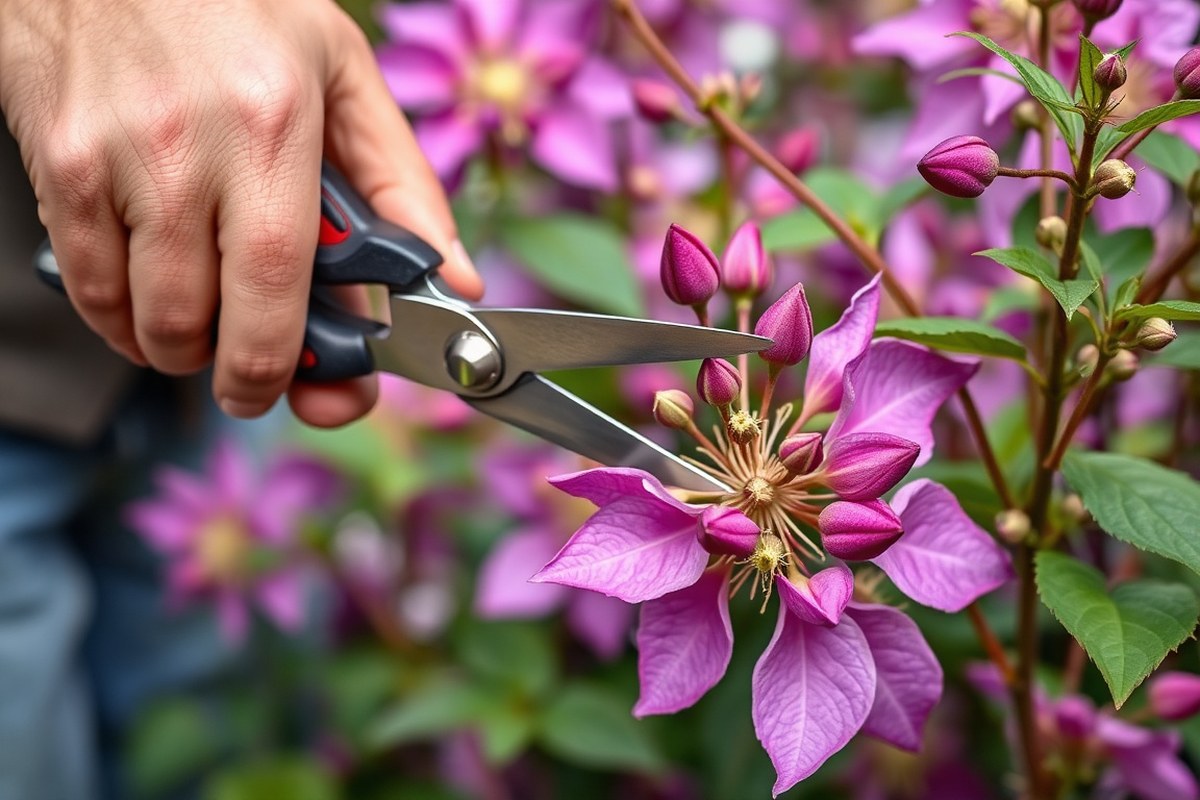
Cut the stems down to about 12 to 18 inches above the ground. Make your cuts just above a healthy bud, angled at 45 degrees.
Avoid cutting them too early. Wait until late winter or very early spring before pruning.
Other clematis groups usually need lighter pruning or none at all. Over-pruning the wrong type can stop your plant from flowering well. Knowing the right pruning group helps you care for your clematis the right way.
Key Takeaways
- Only prune Group 3 clematis hard every winter or early spring.
- Cut stems back to 12-18 inches above ground near a healthy bud.
- Make cuts at a 45° angle to help water run off.
- Wait until late winter or early spring to prune your clematis.
- Group 2 clematis may need light pruning, not hard cutting.
- Newly planted clematis should be cut back about 30 cm in the spring.
Do You Cut Back Clemtis? Understanding When and Why
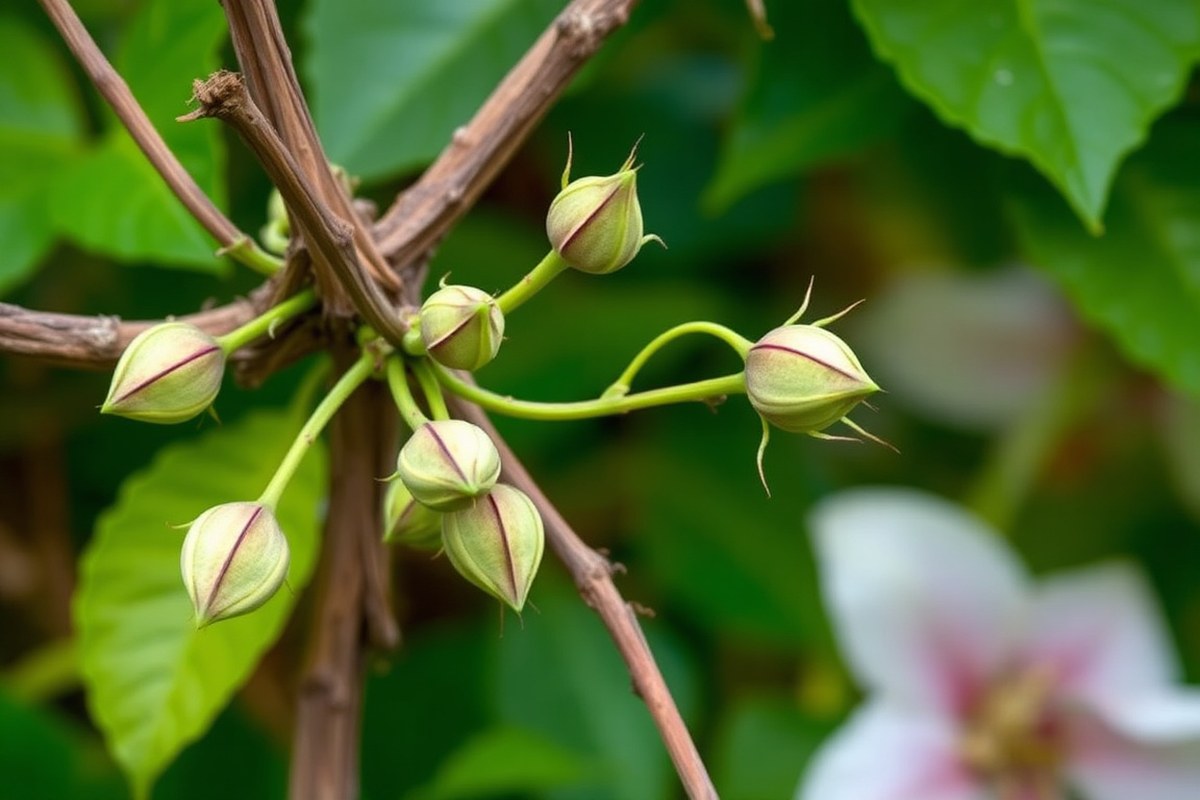
Not all clematis need to be cut back the same way. Only Group 3 clematis require hard pruning every winter.
These plants bloom on new wood. So cutting them back to 12-18 inches in late winter encourages strong growth.
Group 2 clematis may need light pruning in late winter too. But just remove weak stems and old growth. Group 1 types don’t get a hard cut.
They only need dead wood taken out after flowering. Pruning timing depends on your local climate and last frost dates.
Cutting back clematis has clear benefits. It keeps plants bushy, prevents leggy stems, and helps avoid disease by removing old, weak growth. Prune your clematis in late winter or early spring.
This helps it focus on fresh shoots. Healthy shoots lead to better blooms.
It’s best not to prune before winter. Cold weather can harm new cuts and weaken your plant. Wait until late winter, around February for many areas, to cut back.
For Group 3, cut all old stems back. Leave two healthy buds about 15-30 centimeters high. This encourages strong new growth.
Pruning correctly means your clematis looks fuller and flowers more. Without this step, plants get overgrown and bloom less. Prune lightly or skip pruning based on your clematis group.
This prevents cutting off next season’s flowers. Check your group before you prune.
How to Identify Your Clematis Pruning Group
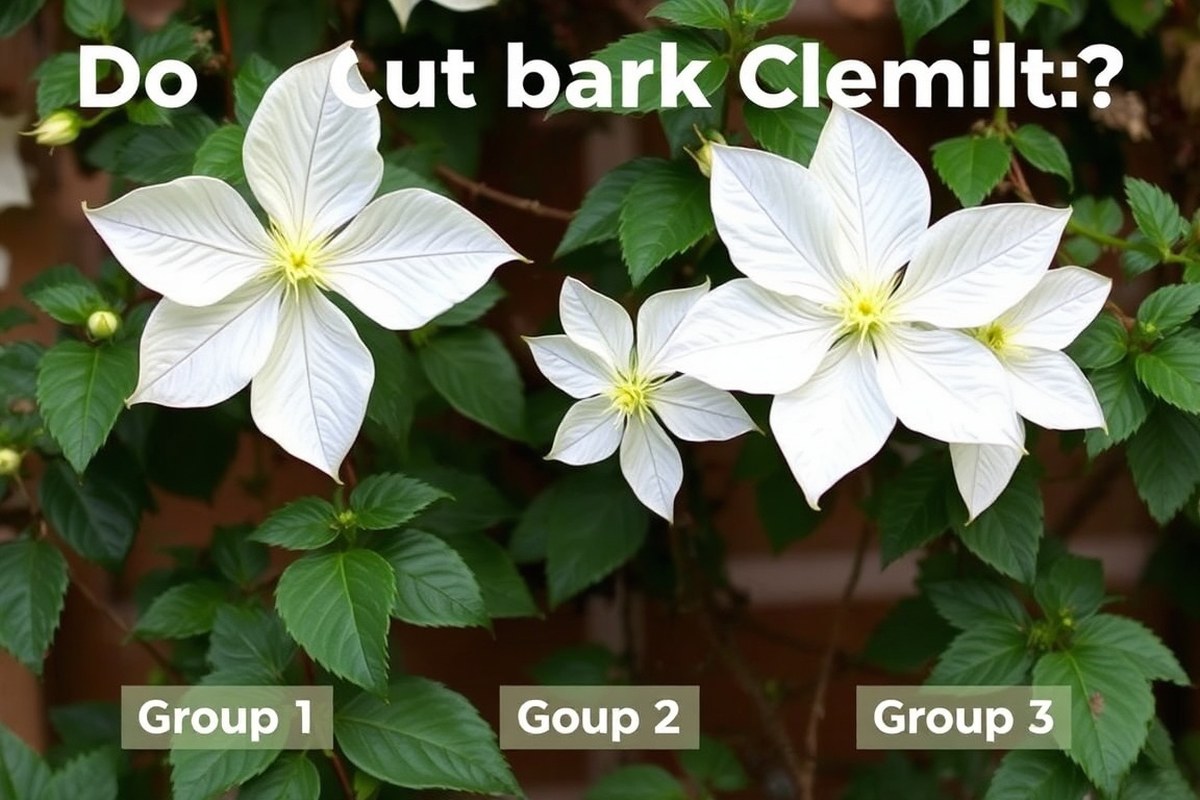
You can identify your clematis pruning group mainly by when it blooms and how it grows. Clematis are sorted into three groups based on whether they flower on old or new wood. Knowing your group’s bloom time helps you decide the right pruning method and timing.
Characteristics of Group 1 Clematis
Group 1 clematis bloom in early spring on old wood from the previous year. You’ll see flowers before the leaves fully develop. These plants only need light pruning, mainly removing dead flower heads after blooming.
This group includes evergreen clematis, which require gentle pruning to avoid cutting off flower buds. Pruning happens right after the flowers fade, usually avoiding any major cuts. It keeps your clematis healthy without losing their spring blooms.
Identifying Group 2 Clematis Varieties
Group 2 clematis bloom on old and new wood. Large flowers appear in late spring or early summer. These plants have two main blooming times each year.
First on old wood, then on new growth. This means pruning needs to be more careful and moderately aggressive.
Prune these clematis in early spring, late March or early April. Cut back dead stems. Keep some old stems for the first bloom.
Cut them to about 12 to 18 inches from the ground. Do this if they become too large or tangled. It balances old and new growth for better flowers.
Features of Group 3 Clematis
Group 3 clematis bloom on new wood only, usually from mid-summer to fall. The flowers are often smaller and appear later in the season than the other groups. These are the ones you prune the hardest.
Cut back Group 3 clematis in late winter or early spring, just before new growth begins. Trim all stems down to about 12 to 18 inches. This encourages strong new stem growth with lots of flowers later in the summer and fall.
Pruning Group 3 clematis too early can cause frost damage to new shoots.
Pruning Guidelines for Each Clematis Pruning Group
Different clematis groups require specific pruning times and cuts. Group 1 blooms on old wood, so wait until their spring flowers finish. Cut back only dead or weak stems then.
Groups 2 and 3 bloom on new wood and old wood or just new wood. Prune these in late winter or early spring. Remove damaged stems and cut back to healthy buds to encourage new growth.
Newly planted clematis should be cut about 30 cm above the ground the first spring. Use sharp bypass pruners for clean cuts. Late winter or early spring on a dry, cloudy day is best for pruning.
| Pruning Group | Bloom Type | Best Pruning Time | How Much to Cut |
|---|---|---|---|
| Group 1 | Old wood | After spring blooms fade | Prune dead/damaged stems only |
| Group 2 | Old and new wood | Late winter or early spring | Cut back to healthy buds, remove dead stems |
| Group 3 | New wood | Late winter or early spring | Cut back 12-18 inches above ground |
| Newly planted | All types | First spring after planting | Cut back to about 30 cm (12 inches) tall |
Starting cuts at the wrong time can harm flower buds or reduce bloom. Group 1 clematis will not bloom well if pruned too early. Groups 2 and 3 need pruning before growth starts, or new flowers might not develop.
Cutting group 3 clematis back about 12 to 18 inches is best. Do this near the ground. It helps strong new shoots grow.
Group 2 often needs care to balance old stems with new growth. Clear dead branches to keep plants healthy and photosynthesizing well.
Step-by-Step How to Cut Back Clematis Correctly
Cutting back clematis safely means making clean, precise cuts above healthy buds. You want to avoid damaging new growth and help the plant bloom well. Use sharp, clean shears for pruning clematis plants.
Cut at a 45° angle. Make your cut just above a leaf node to encourage growth.
Finding the Right Bud to Cut Above
Look closely at each stem to find healthy, plump buds. Avoid cutting too close to weak or damaged buds because they may not grow well. Choose buds that point outward for better air flow and light exposure.
Cutting near an emerging bud ensures the plant grows strong and flowers better. Look carefully for new buds in early spring or pruning time.
Recognize the best season for your clematis type. Take your time to avoid mistakes.
Making a 45° Angle Cut
Position your shears to cut away from the bud at an angle. This angled cut lets water drip off, stopping rot. Make quick, clean cuts to protect the stem.
Cut about ¼ inch above the chosen bud without touching it. A small distance keeps the bud safe while cutting off old growth. Sharp, sterilized shears reduce damage and risks of disease.
Disposing of Cuttings and Cleaning Tools
Remove all cuttings from around your clematis to prevent pests and diseases. Dispose of them in compost only if healthy, or in yard waste if damaged or diseased. Clean your pruning shears after use with rubbing alcohol or soapy water.
This cleaning stops infections spreading to other plants. Regular shears maintenance makes each cut smoother and safer for your clematis.
- Identify the pruning group of your clematis before starting cuts.
- Find healthy, outward-facing buds on each stem to prune above.
- Use sharp, clean pruning shears for all cuts.
- Cut at a 45° angle, slanting the blade away from the bud.
- Make the cut about ¼ inch above the bud to avoid damage.
- Remove all trimmed stems and leaves from the planting area.
- Clean your shears with rubbing alcohol or soapy water after pruning.
How to Care for Clemtis After Pruning
After pruning clematis, keep the soil moist but not soggy. Water the plant deeply once or twice a week, depending on rainfall. This helps the roots recover and supports new growth.
Mulch around the base with a 2- to 4-inch layer of organic material like shredded bark. Mulch keeps the soil temperature steady and protects roots over winter. Be careful not to pile mulch against the stem to avoid rot.
Feeding clematis after pruning boosts its recovery and future blooms. Apply a balanced fertilizer, such as 10-10-10, in early spring once you see new shoots. Avoid overfeeding, as too much nitrogen can reduce flowering.
- Water deeply once or twice weekly depending on weather
- Add 2 to 4 inches of mulch around the base, away from stems
- Fertilize with a balanced formula after new growth appears
- Remove any dead or diseased branches promptly
- Check soil drainage to prevent root rot
- Keep the clematis supported with stakes or trellises as it grows
Pruned clematis needs light and air circulation to prevent fungal issues. Trim damaged or crowded foliage if it grows back too dense. Good airflow helps stop disease and helps flowers develop well.
Mulch too thick or touching the stems can trap moisture and cause rot.
Regular checks during growing seasons help catch problems early. Adjust watering if leaves droop or turn yellow. Consistent care after pruning leads to a healthy, blooming clematis that thrives for years.
Special Pruning Considerations for New and Container Clematis
Newly planted clematis and those grown in containers need careful pruning. You cut back new plants hard in their first spring to promote strong growth. Container clematis need softer pruning because their roots are limited.
Their roots are also more sensitive. They need extra winter care to stay healthy.
Pruning Newly Planted Clematis in First Spring
Cutting back newly planted clematis helps it grow well. This pruning encourages more stems and better flowering in coming years. You only need to do this hard pruning once, in early spring after planting.
Use clean, sharp pruning shears to make clean cuts. Remove weak or damaged stems first. Keep one or two healthy base stems.
Each stem should be about 8 to 12 inches tall. This gives your plant a strong start.
- Look for weak or damaged stems and remove them at the base.
- Cut the main healthy stems back to 8 to 12 inches above ground.
- Check that your cuts are clean and angled to shed water.
- Clear away any plant debris near the base to reduce pests.
- Water the plant well after pruning to help new growth.
Adjusting Pruning for Container-Grown Plants
Prune container-grown clematis more gently than garden-planted ones. Limited space means roots can’t support heavy trimming. Cut just the top growth back to control size and encourage more blooms.
Keep pruning to group 3 clematis only. Avoid cutting too close to the base.
Thin out tangled stems to improve air flow. This reduces disease risks common in pots.
- Identify group 3 clematis before pruning.
- Trim top growth lightly, removing no more than one-third of the plant’s size.
- Thin any crowded or tangled stems near the pot’s rim.
- Discard cuttings to prevent pests or diseases.
- Check soil moisture regularly after pruning since pots dry fast.
Protecting Containers from Winter Damage
Container clematis roots are more vulnerable to cold than those in the ground. Insulate pots to protect roots during freezing weather. Wrap pots with bubble wrap or burlap and move them to sheltered spots.
Improve pots off cold surfaces using bricks or wooden blocks. This helps prevent freeze damage. Monitoring soil moisture carefully in winter also supports plant health.
Common Mistakes to Avoid When Cutting Back Clematis
One common mistake is not using clean, sharp tools. Dull or dirty shears can damage stems, increasing disease risk. Use a good-quality sharpening tool to keep your pruning shears sharp and clean before cutting.
Another error is cutting back too aggressively, especially on leggy or tangled clematis stems. A gradual pruning approach works better to avoid shocking the plant. Trim the longest stems first, then assess the plant’s shape before more cuts.
Failing to prune leggy growth allows the plant to become weak and prone to disease. Regularly cutting back leggy stems improves air circulation and controls the plant’s size. This keeps your clematis neat and healthier overall.
- Use sharp, clean pruning shears for smooth cuts
- Avoid cutting more than one-third of the plant at once
- Start pruning with the longest or most damaged stems
- Gradually remove tangled growth instead of heavy aggressive cutting
- Check your plant’s pruning group before cutting back
- Prune container-grown clematis more often to prevent legginess
Pruning without knowing your clematis group can hinder blooming or cause poor growth. It’s best to confirm group type before pruning heavily. Also, container plants need more frequent pruning along with better watering and feeding.
After cutting, watch how the plant responds over weeks. Healthy regrowth, strong stems, and good bloom numbers show you pruned right. Over-pruning or rushing can stress the clematis and reduce flowers next season.
When Environmental Factors Affect Clematis Pruning Timing
USDA hardiness zones help you choose the best time to prune clematis. These zones show your area’s typical winter lows and growing conditions. Clematis in zones 4 to 9 handle cold well.
They need pruning timed to avoid frost damage. Timing matters to keep the plant safe.
Look at your local frost dates to plan pruning for your clematis. Pruning too early risks killing new growth if a frost hits afterward. Prune after the last spring frost in colder zones.
In warmer zones, prune in late winter. This helps protect the plant as it grows.
Climate changes how long your clematis grows and blooms before and after pruning. In warmer zones, plants may start growing earlier. So wait to prune until after new shoots appear.
In colder zones, prune later after frost risk ends. Pruning too early can harm your clematis. Wait for safer weather.
Checking your USDA zone and frost schedule helps you keep pruning on track. For example, in zone 5, wait until late April or early May to prune.
In zone 8, early February might work well since winters are milder. This timing protects buds and encourages stronger blooms.
Pruning at the wrong time can lead to weak flowering or dieback. Cutting clematis too soon can remove buds that make flowers. Waiting too long may cause thick, woody growth that’s harder to prune later.
Don’t prune before the last frost date in your zone. This protects new clematis growth from cold damage. Wait until the risk passes.
Step-by-Step Action Plan for Cutting Back Clematis
Follow these steps to prune your clematis at the right time and encourage healthy blooms.
- Before Spring Bud Break: Find your clematis pruning group. This tells you how much to cut. Knowing this helps your plant grow strong.
- Early Spring (Late Winter for Group 1): Grab sharp tools. Remove dead or weak stems. Follow your pruning group guide.
- After First Bloom (Group 3): Cut old flowering stems back. Leave healthy buds to get a second bloom.
- Immediately After Pruning: Clear all cuttings to reduce pests and diseases. Check for proper disposal.
- Within Two Weeks: Water the plant well and apply balanced fertilizer to support new growth.
- Throughout Growing Season: Keep an eye on stress signs or growth issues. Change your care if needed.
- Late Fall or Dormant Season: Mulch around the base to protect roots from winter cold.
Frequently Asked Questions
How Do I Know If My Clematis Is a Group 3 Type?
Look at when it blooms: Group 3 blooms late summer and needs hard pruning. Check plant tags or a clematis guide to confirm your type.
Can I Prune Clematis at Any Time of Year?
No, pruning time depends on the group. Late winter or early spring suits most. But avoid pruning before winter for Group 3.
What Happens If I Don’t Cut Back My Group 3 Clematis?
You might get fewer flowers and tangled stems. Regular pruning keeps it healthy and encourages blooms.
Can I Prune a Newly Planted Clematis Right Away?
You wait until the first spring after planting. Then cut back to about 30 cm to encourage growth.
Should I Prune Clematis Flowers Right After Blooming?
Only for Group 1 clematis, which bloom early spring. Remove dead wood then, but don’t cut hard back.
Is Cutting Back Clematis the Same for Potted Plants as for Garden Planted Ones?
Potted clematis need the same pruning but watch for root crowding. Light pruning helps container plants stay healthy.
The Bottom Line
You should always cut back clematis according to its pruning group and timing. Proper pruning helps your plant stay healthy and bloom well year after year. Check your clematis now and plan your pruning to get the best results next season.