Do Annuals Bloom Every Year? A Complete Guide with Practical Tips
Do annuals bloom every year? The short answer is no.
Annuals complete their life cycle in one growing season and then die. They don’t come back unless you replant them or they self-seed.
Some annuals drop seeds that sprout the next spring, giving the illusion they returned. This works well if your climate allows seeds to survive winter outdoors. You should check if your annuals produce seeds that can grow.
Next, see if your garden can support seed germination. Both affect your success with annual flowers.
That said, some annuals tolerate light frost and can last longer in mild climates. Knowing your plant’s hardiness helps decide if trying to overwinter it makes sense. Otherwise, treating annuals as true seasonal plants and replanting yearly is the safer bet.
Key Takeaways
- Annuals finish their life cycle each year and do not regrow naturally.
- Self-seeding annuals can appear to return but depend on climate.
- Collect and save seeds to grow annuals the next season.
- Some annuals tolerate light frost but rarely survive harsh winters.
- Overwintering annuals requires extra care and may not save money.
- Replanting annuals each spring ensures reliable blooming.
Do Annuals Naturally Bloom Every Year?

Annual plants finish their entire life cycle in a single growing season. They sprout from seed, grow, bloom, produce seeds, and then die. Because of this, the original plants do not come back to bloom year after year.
This happens because annuals use all their energy to bloom and set seed quickly. Once they do, their roots, stems, and leaves die off completely. Their death is a natural part of their life plan.
It is not a sign of poor care. It also doesn’t mean the plant has a disease.
People sometimes think they bloom every year because some annuals self-seed. These plants drop viable seeds that germinate the next season. New plants grow where the old ones died.
This makes it seem like the plants returned. The old ones are gone though.
Some tender perennials look like annuals but survive mild winters. They do so indoors or in warmer climates. This can cause confusion.
These plants may bloom again without replanting, but true annuals will not. You need to plant new seeds or seedlings each season for annual flowers.
Deadheading spent blooms helps flowers last longer in one season. It doesn’t stop plants from dying after the season. Succession planting means adding new plants every few weeks.
This keeps your garden colorful all season long. Without this, the blooms from original annuals end once their season finishes.
You can’t expect the same annual plant to bloom back after its life cycle ends. The seed bank in the soil may grow new plants later.
But those are new individuals. Planning which annuals to plant each year is necessary to keep your garden blooming yearly.
How Annuals Differ from Perennials and Biennials
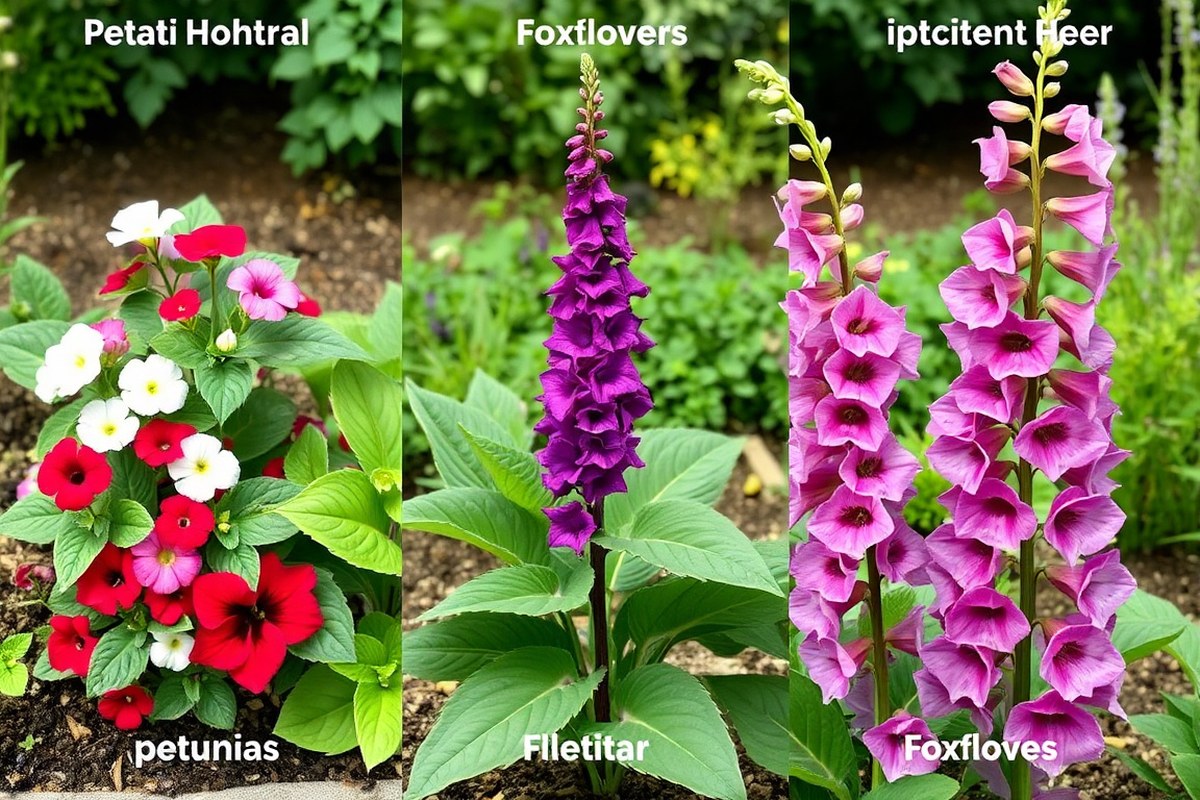
Annuals grow, bloom, and die all in one season, usually under 12 months. They don’t come back the next year unless you plant new seeds or seedlings. Perennials live for several years and bloom every season once mature.
Biennials take two years to complete their life cycle. They usually grow leaves the first year and flower the second before dying.
Knowing these differences helps you plan your garden better. Perennials return without replanting, but they often bloom only part of the season. Annuals need replanting yearly to keep your garden colorful.
Sometimes, plants labeled as annuals may actually be tender perennials. These can survive multiple years in warm zones but die in cold winters.
Here’s a simple table to compare how these plants grow and bloom:
| Plant Type | Life Cycle Length | Bloom Pattern | Replant Needed? | Example |
|---|---|---|---|---|
| Annual | One season (less than 1 year) | Blooms once, then dies | Yes, every year | Zinnia, marigold |
| Biennial | Two years | Leaves year one, blooms year two, then dies | Yes, after two years | Foxglove, hollyhock |
| Perennial | Multiple years (3+) | Blooms yearly or seasonally, then goes dormant | No, unless killed by weather | Coneflower, daylily |
A common mix in gardens uses perennials for structure and annuals to fill quickly with color. Plants like dahlias and gladiolus are perennials. They need digging up each winter in cold zones.
Then, store them safely until spring. This shows how regional climate plays a role in treating plants as annuals or perennials. Skipping soil prep can hurt your annuals.
Slow-release fertilizer may not feed them fast enough. Annuals need quick nutrition all season long.
Check your plant tags carefully. What you buy as an annual might be a tender perennial in warmer zones.
Garden centers often sell tender perennials as annuals because they won’t survive cold winters there. Artificially changing their environment, like bringing them indoors, can extend their life. Pruning annual stems in early spring won’t help.
True annuals do not regrow after flowering ends. You won’t get new growth that way. Planting a mix of these three types keeps a garden flowering longer without big gaps.
Why Some Annuals Seem to Come Back Each Spring
Some annuals appear to come back each spring because of self-seeding, root survival, or climate effects. These help new plants grow from old seeds or roots that survive winter. Knowing how these work helps you plan your garden better.
Self-Seeding Annuals and Their Habits
Self-seeding happens when annuals drop their seeds and new plants pop up next year. Open-pollinated varieties are best for this since their seeds grow true to the parent. Leaving seed heads on the plant after blooming lets the seeds spread naturally.
When spring soil reaches about 55 °F with enough moisture, these seeds start to sprout. You might find new plants where old ones once stood without replanting. Some common annuals that self-seed well include:
- Cosmos
- Calendula
- Nasturtium
- Sweet peas
- Scabiosa
- Cleome
- Forget-me-nots
Good self-seeding needs moderate conditions and seed heads left intact until they spread. Problems happen if you cut flowers too soon.
Birds might eat the seeds before they drop. This stops new plants from growing in your garden.
Root Survival and Dormant Structures
Some plants have roots or crowns that survive winter, then regrow in spring. Species with fleshy taproots or tuberous crowns stand a better chance of doing this. Root persistence happens more in border perennials.
Sometimes, annuals called tender perennials in warm spots keep roots too. That helps them come back after winter.
Lantana is an annual in most places. In Zones 9 to 11, it acts like a perennial. Its roots survive mild winters there.
In colder zones, these roots freeze, and the plant won’t return. Think of these roots as star players resting underground, waiting for warm soil to grow back.
To protect these roots, keep soil well-drained and add mulch in fall. Water less to encourage dormancy but don’t let roots dry out completely. Avoid heavy foot traffic that can damage underground parts.
Roots that aren’t protected can die in winter. The plant’s top might look fine in fall. But the whole plant can still die.
Climate and Zone Impact on Survival
Local climate strongly affects whether annuals come back each year. Plants suited to your USDA hardiness zone handle winter better.
An annual plant on the edge of your zone might survive winter. It could regrow from roots or spread seeds on its own.
Cold winters usually kill annuals outright, but milder zones let some reappear naturally. Russian sage will die back in Zone 4 winters. But it grows again from its crown in springtime.
Gardeners in colder zones see more wipeout. In warmer zones, many annuals act like perennials.
Understanding your zone helps set expectations. Matching plants to your climate improves chances of seeing familiar flowers the next year. This match reduces the need for replanting and saves time and money.
How to Successfully Save Seeds for Next Year’s Blooms
You can save seeds from your annual flowers to plant next year. Harvesting, drying, and storing them properly helps keep seeds healthy. Good seed care raises your chance for strong new plants.
When to Harvest Annual Seeds
Wait until seed pods dry on the plant before harvesting. Seeds mature late in the season, usually in October or November. Avoid picking seeds too soon, or they won’t grow well later.
Look for pods that feel dry and rattle when shaken. Some annuals, like marigolds and cosmos, drop seeds naturally. You can gather seeds directly from these dried pods for next year.
Drying and Cleaning Seed Pods
After you pick seed pods, dry them indoors in a cool, dry spot. Spread pods on a paper towel or mesh screen to aid airflow. Let them dry 1 to 2 weeks until fully brittle.
To clean, gently crush dried pods to release the seeds. Remove any plant debris or chaff by winnowing or blowing lightly. Clean seeds promote better storage and prevent mold or pests.
Here’s how to process your seeds:
- Collect fully dried seed pods from your plants.
- Place pods on a paper towel in a shaded, dry place for 1-2 weeks.
- Check daily and turn pods for even drying.
- Once brittle, crush pods gently over a bowl to release seeds.
- Remove plant bits by blowing lightly or using a fine screen.
- Store cleaned seeds in labeled paper envelopes or small jars.
Proper Seed Storage Conditions
Store seeds where it’s cool, dry, and dark to keep them viable. A temperature near 40°F (4°C), like in a fridge, works well. Avoid places with temperature swings or humidity.
Keep seeds in breathable containers such as paper envelopes or cloth bags. Plastic containers can trap moisture and cause mold. Label containers with seed type and date for easy use next season.
Seeds stored this way usually stay good for 2 to 3 years. Older seeds may still grow but expect lower germination rates. Proper drying and storage matter most to boost your success.
Overwintering Strategies for Container and Garden Annuals
Annuals in containers can survive winter with proper protection. You need to shield roots from freezing and harsh wind. Bringing pots indoors or insulating them outdoors works well.
Insulating Potted Annuals
Containers hold less soil, which freezes faster than garden beds. Wrap pots in bubble wrap or burlap to add insulation. Setting pots close to a south-facing wall helps trap heat.
Adding mulch like straw or shredded bark on top of the soil keeps roots warmer. Avoid overwatering since wet soil freezes quicker and damages roots. Improve pots off cold surfaces using bricks or wood pallets.
- Wrap pots with bubble wrap or burlap
- Add 2, 3 inches of mulch around soil
- Place pots near a south-facing or sheltered wall
- Raise pots off cold concrete or asphalt
- Limit watering to prevent soggy, freezing soil
Wet soil freezes faster and can kill roots; keep soil moist but not wet.
Moving Plants Indoors Temporarily
Move container annuals inside before temperatures drop below 32°F (0°C). A cool basement or garage that stays above freezing works well. Provide bright light near a window or under grow lights.
Check plants monthly for rot or pests. Cut back stems if annuals become leggy or stop blooming. Avoid warm rooms above 60°F (16°C) as they may stress dormant plants.
Bringing plants indoors can require space and time, but it lowers winter loss risk. Moving too late or putting annuals in dark spots commonly leads to failure.
Soil Preparation to Protect Root Zones
Annuals planted directly in garden beds can survive mild winters with soil prep. Mulch soil heavily with 3, 4 inches of compost or straw after frost begins. This slows soil freeze and protects roots.
Dig or loosen soil around roots before first freeze to improve drainage and aeration. Poor drainage invites root rot if winter soil stays soggy. Avoid cutting back foliage until frost blackens it; dead leaves shield roots better.
- Loosen soil near roots before frost
- Apply 3, 4 inches of mulch or compost after frost
- Leave foliage until it turns brown or black
- Ensure good drainage to prevent soggy winter soil
- Plant frost-tolerant annuals in sheltered garden spots
Optimizing Growing Conditions for Annuals to Maximize Blooming
Annuals need plenty of sunlight for strong blooms. Most flower best with at least 6 hours of direct sunlight daily.
Some, like marigolds and zinnias, thrive in full sun. Others, such as impatiens, prefer partial shade.
Good soil helps annuals flower longer and more profusely. Start with well-draining soil rich in organic matter, like compost or aged manure. Mix in 2 to 3 inches of compost per square foot of soil.
This will boost the soil fertility. Do this before you plant.
Watering affects how well annuals bloom throughout the season. Keep soil evenly moist but not soggy, watering deeply about once or twice a week. Dry soil stresses plants and reduces flowering, especially in hot weather.
Fertilizing properly gives annuals the nutrients they need for continual blooms. Use a balanced, water-soluble fertilizer every 2 to 3 weeks.
It should have equal parts nitrogen, phosphorus, and potassium. Avoid overdoing nitrogen since it can cause lush leaves but fewer flowers.
For a simple fertilizing routine, mix 1 tablespoon of 10-10-10 fertilizer into a gallon of water. Pour this around the base of the plant after watering to prevent root burn. Some gardeners choose slow-release fertilizers applied once at planting to feed for several weeks.
Changing needs happen as annuals grow older. Flowering may slow down sometimes.
To fix this, add a bloom booster with high phosphorus, like a 15-30-15 formula. This helps trigger fresh flower buds and extends bloom time.
Different annuals have varying light and soil needs. Succulents like dry, hot spots with sandy soil, while others require richer, moist ground. Matching plants to your garden’s sun and soil conditions saves effort and improves success.
Good results mean plants with plenty of vibrant blooms and healthy leaves. Dark green leaves and multiple flower clusters signal your watering and fertilizing are on track. Wilting or leaf yellowing suggests too little water or nutrients.
Common mistakes include planting shade-loving annuals in full sun or skipping fertilization. Overwatering can cause root rot and less flowering.
Underwatering leads to stress and early bloom drop. Pay attention to each plant’s tag instructions for best care.
Timing and Planting Techniques to Extend Bloom Cycles
Planting spring annuals at the right time helps you get early blooms. Most annuals do best when you transplant them outdoors after the last frost. This timing gives them enough warm days to grow buds and flowers.
Starting seeds indoors lets you push bloom time earlier. You sow seeds under lights six to eight weeks before moving plants outside. It helps small annuals bloom weeks before direct sowing.
Succession planting stretches flowering throughout the season. Instead of planting all at once, you space out your plantings every two to three weeks. This keeps fresh flowers appearing as older ones fade.
You can use seedlings or seeds to keep blooms coming nonstop. Succession planting reduces gaps in color and helps fill your garden well into fall.
Here are steps to extend bloom cycles with timing and planting:
- Check your last frost date. Look online or call a local extension office to find your average last frost day.
- Start seeds indoors six to eight weeks early. Use seed trays and a clear cover under grow lights or in a sunny window.
- Harden off seedlings before transplanting. Move plants outside daily, increasing time over one week. It lets them adjust to sun and wind.
- Plant seedlings outdoors after last frost. Space plants according to packet instructions. Water thoroughly after planting.
- Succession plant every two to three weeks. Sow new seeds or plant fresh seedlings to keep blooms coming.
- Water and feed regularly. Use a balanced fertilizer and keep soil moist, especially for container-grown annuals.
- Deadhead flowers often. Remove spent blooms to stop seed set and encourage fresh flowering.
Starting seeds indoors takes space, light, and about $10 for seed trays and soil. Cheap annuals might not always be worth indoor starts versus buying plants. Succession planting uses more seeds and care but pays off with longer bloom seasons.
If you skip deadheading, some annuals will drop seed and self-sow, leading to new plants next spring. This natural reseeding works well but means less control over bloom timing.
Common Mistakes That Prevent Annuals from Returning or Blooming
Annuals often stop blooming mid-season due to common care mistakes. Overwatering or underwatering can stress plants, reducing flower production. Water your plants when the top inch of soil feels dry.
Check soil moisture often, as weather changes affect it. Container size also changes how often you need to water.
Fertilizing too much or too little also affects blooms and seed growth. Use a balanced fertilizer every 4 to 6 weeks during the growing season. Too much nitrogen pushes leaf growth but limits flowers and seeds.
Pruning errors can prevent plants from producing more flowers or seeds. Deadhead spent blooms regularly to encourage new flowers. Avoid cutting back too hard, which can shock plants and delay blooming.
- Water deeply but less often, aiming for moist soil without puddles
- Use a slow-release or balanced liquid fertilizer every month
- Remove spent flowers promptly to boost seed and bloom production
- Mulch to keep soil moisture consistent and reduce watering needs
- Check for pests or diseases that weaken the plants
- Adjust watering based on temperature, especially during hot spells above 85°F (29°C)
Failing to allow plants to set seeds naturally limits self-seeding in the next season. Let seeds mature fully on the plant before collecting or dropping. Cutting flowers too early or leaving debris can reduce seed spread.
Water container annuals daily when temperatures rise above 85°F to prevent wilting.
Step-by-Step Action Plan for Yearly Annual Blooms
Follow these steps to get your annuals blooming year after year. Each phase helps you keep your garden fresh and colorful.
- Early spring: Choose healthy annual seeds or plants that fit your zone. Check that seedlings look strong and green.
- After planting: Water new plants daily but avoid soaking the soil. Soil should feel moist but not muddy.
- During growth: Use a balanced fertilizer every 3 weeks. Notice if flowers start to appear and leaves stay vibrant.
- Mid-summer: Deadhead spent blooms weekly to encourage more flowers. You’ll see more buds forming in weeks.
- Late summer: Save seeds from the best flowers by drying seed pods indoors. Seeds should be dry and easy to store.
- Fall: Overwinter container plants indoors in a sunny window. Plants should maintain green leaves without wilting.
- Winter months: Keep seeds in cool, dry places for spring planting. Check seeds remain firm and free of mold.
- Early next spring: Start new plants from saved seeds or healthy cuttings. Watch for consistent sprouting and growth.
Frequently Asked Questions
Can Some Annuals Behave Like Perennials in Mild Climates?
Yes, some annuals live longer or reseed in mild climates, appearing perennial. They survive winter and bloom again without replanting.
This depends on the weather. It also depends on the species.
Why Do Some Annuals Fail to Self-Seed or Volunteer?
Poor seed development or bad conditions can stop self-seeding. Plants may drop seeds that don’t survive due to weather or soil. Also, cleaning garden beds in fall removes seeds.
How Does Soil Quality Affect Annual Blooms Year to Year?
Soil lacking nutrients can limit annual flower growth and blooms. Good soil feeds annuals well during one season.
You need to renew soil each year. Adding fertilizer is important too.
Can You Overwinter Annual Seed Indoors for Spring Planting?
Yes, storing seeds inside over winter helps start plants earlier. Keep seeds dry and cool but avoid freezing to keep them viable. This gives a jump on bloom time.
What Role Does Deadheading Play in Annual Flower Longevity?
Removing spent blooms helps annuals produce more flowers. Deadheading stops seed production, directing energy to new blooms instead of seed. This prolongs and increases flower display.
Are There Annuals That Bloom All Summer Without Replanting?
Some annuals bloom constantly in one season but not across years without replanting. Proper deadheading and watering extend a season’s bloom but yearly replanting is still needed.
The Bottom Line
Annual plants don’t naturally bloom every year. But you can grow them again with care.
Saving seeds and proper winter care help a lot. Now, start collecting seeds from your favorite blooms this fall.