How to Create a Herb Garden: A Complete Guide for Beginners
Wondering how to create a herb garden that thrives and saves trips to the store? Start by picking a sunny spot that gets at least 6 hours of direct sunlight. Good light helps herbs grow strong and flavorful, which you’ll notice when you cook with them.
First, turn your soil over 12 to 18 inches deep. Mix in some aged compost well.
This prepares your soil for planting. Healthy soil feeds herbs naturally, so they need less extra care later.
Use seeds, starts, or cuttings to plant your herbs based on your time and patience. Seeds need warmth and light to sprout well. So begin indoors under lights if the weather is still cool outside.
Key Takeaways
- Choose a garden spot with at least 6 hours of direct sunlight daily.
- Prepare soil deeply, adding aged compost for nutrient-rich planting beds.
- Start herb seeds indoors 6 to 10 weeks before the last frost date.
- Transplant seedlings into the garden when they reach 4 inches tall.
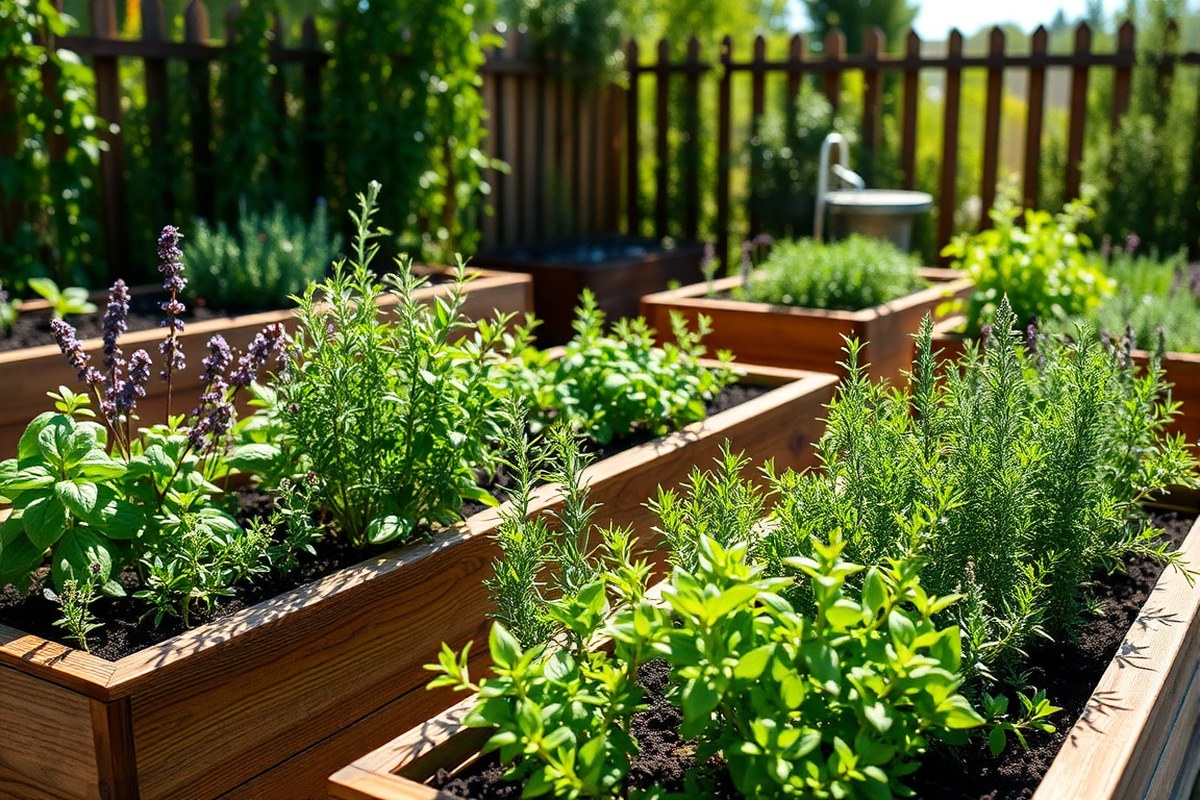
- Raised beds about 4 feet square and 8 to 12 inches deep suit beginners well.
- Some herbs like dill can be sown directly outdoors once soil is 60, 70°F.
Step-By-Step Guide to Creating Your Herb Garden
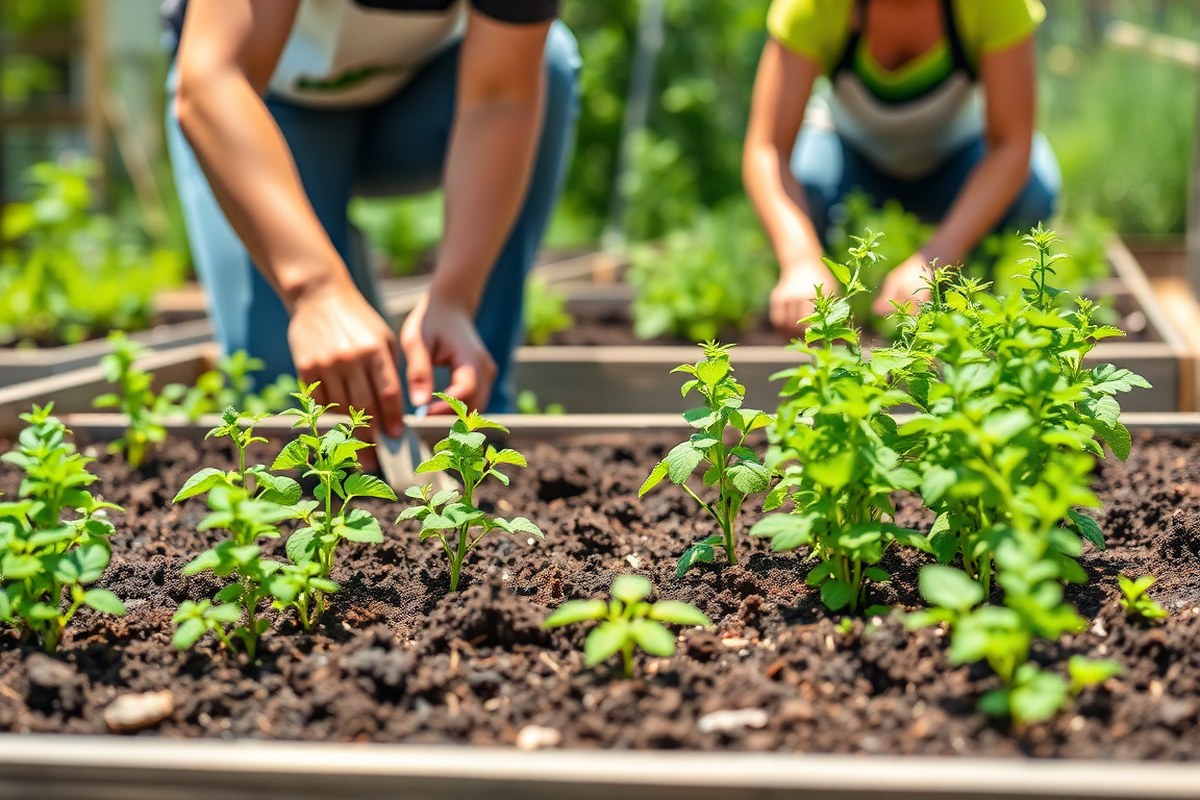
Starting a herb garden needs a clear plan to get good results. Start by finding a sunny spot. It needs 6 hours of direct light daily.
Herbs also need well-drained soil that’s loose and rich in organic matter. You can grow herbs in garden beds or raised boxes. Raised boxes are about 4 feet square.
Large containers work if space is tight. Get basic tools: a trowel, gloves, and a watering can. Add some compost to improve soil quality.
Planning well at the start helps avoid problems later. Your soil should feel crumbly and shouldn’t hold water after light rain. Mix compost or sand into the soil if it’s heavy or clay-like.
This will help drainage. Test the site before planting by digging a small hole and filling it with water.
Water should drain away within an hour. That shows the spot will work well.
- Pick a location with at least 6 hours of sunlight every day. Make sure it has good air flow too.
- Clear the area of weeds, rocks, and debris to avoid competition and pests.
- Test the soil by digging a hole and checking drainage. Amend with compost if needed.
- Gather your tools: gloves, trowel, watering can, and quality compost.
- Mark out your garden size based on available space and the number of herbs planned.
- Prepare the soil by loosening it 6 to 8 inches deep. Then mix in some compost.
- Choose your herb plants suited for your local climate and sun exposure.
- Plant your herbs according to spacing guidelines, leaving room for growth and airflow.
A raised bed 4 feet square is good for beginners. Make it 8 to 12 inches deep. It lets you control soil quality and drainage better.
Proper space between plants, usually about 6 to 12 inches, prevents crowding. This means healthier herbs and easier care.
Make sure to check local frost dates because planting too early can kill tender seedlings. Start planting when soil and air temperatures hit about 70°F. This helps seeds and young plants grow well.
Choosing the Right Herbs for Your Garden
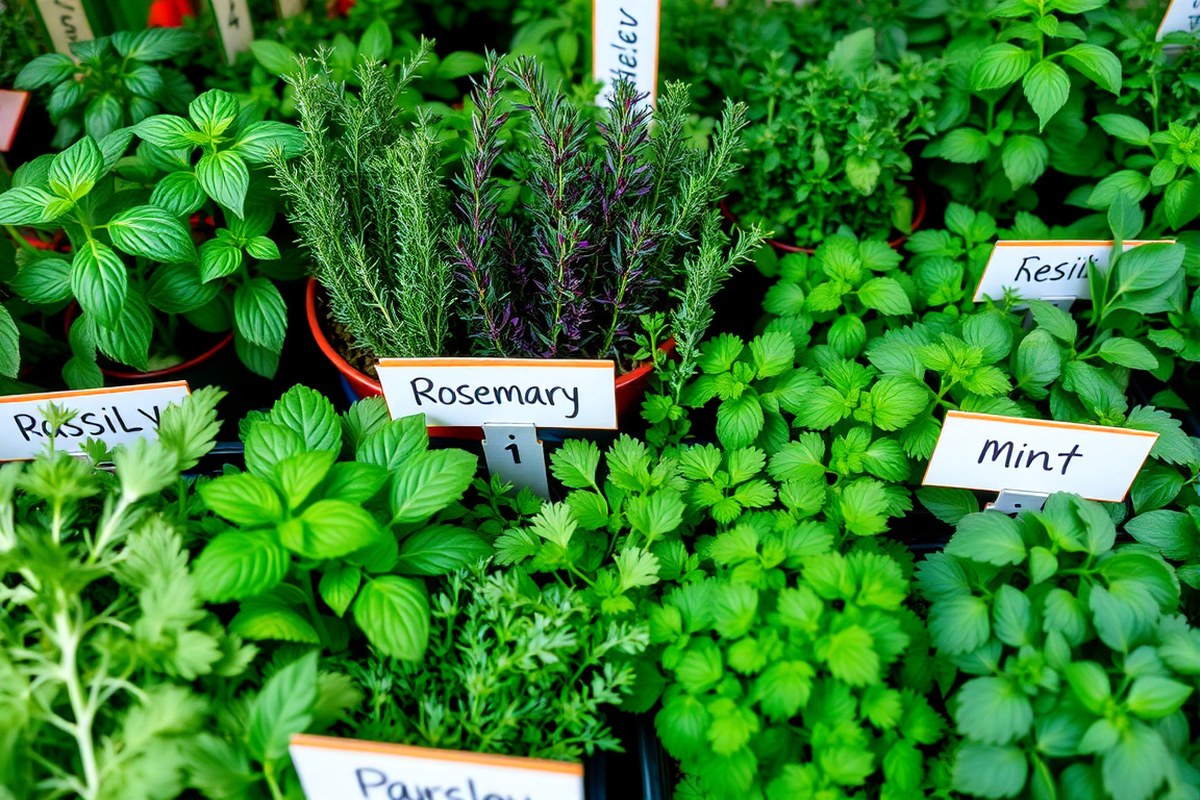
Start with herbs that are easy to grow from seed or starts if you’re new. Basil, dill, parsley, and sweet marjoram grow fast and handle beginner mistakes well. Pick herbs you use most in your cooking.
This makes harvesting easier and useful. Your garden will feel practical and rewarding this way.
Annual herbs complete their life cycle in one season, then die. Examples are basil and dill. Perennial herbs, like rosemary and thyme, come back year after year.
Knowing this helps plan your garden since perennials don’t need replanting. Annuals do every spring.
| Herb | Type | Ease of Growth | Climate Suitability |
|---|---|---|---|
| Basil | Annual | Easy | Warm summers |
| Dill | Annual | Easy | Cool to warm |
| Parsley | Biennial (grown as annual) | Easy | Cool to warm |
| Rosemary | Perennial | Moderate | Mild winters |
| Thyme | Perennial | Easy | Varied climates |
| Mint | Perennial | Easy but aggressive spreader | Cool to warm |
Climate matters: rosemary thrives in mild winters, while basil prefers warm summers. Mint spreads aggressively and needs space or container growing to avoid overrunning other herbs. You can plant themed herb gardens for different cooking styles.
Try Italian herbs like basil, oregano, and parsley. Or grow tea herbs such as chamomile, mint, and lemon balm.
Pick your herbs based on these factors:
- Ease of growth for your experience.
- What dishes you cook often.
- Annual or perennial types for garden planning.
- Climate where you live or garden location.
Container growing is best for aggressive herbs like mint to keep them from spreading.
Grow herbs in a space where you can reach them easily for frequent harvesting. Start small with easy, popular herbs to build confidence and enjoyment. You can change or add herbs as you learn what grows well.
Choose what tastes best for you. Your herb garden can grow with your skills.
Planting Methods: Seeds, Starts, or Cuttings
You can plant herbs from seeds, starts, or cuttings. Seeds are cheaper and let you grow unique varieties. Starts and cuttings save time and give you a head start.
Starting Seeds Indoors: Timing and Conditions
Start herb seeds indoors about 6 to 8 weeks before the last frost date. Most seeds need soil temperatures between 60 and 70 degrees Fahrenheit to germinate.
Basil seeds need warmer soil and won’t tolerate cold at all. Use seed trays or small pots with a light seed-starting mix for best results.
- Plant seeds at the recommended depth on the seed packet
- Keep soil moist but not soggy
- Place containers where they get bright, indirect light
- Maintain temperatures around 65 to 75 degrees Fahrenheit
- Use a spray bottle to water gently
- Thin seedlings so the strongest remain
Seeds usually sprout in 7 to 21 days. Avoid freezing temperatures or drafts near seedlings.
Using Herb Starts and Seedlings from Garden Centers
Herb starts from nurseries are young plants that give you a quick garden. They are easier than seeds but cost more, usually $3 to $7 per plant. Use starts to save time when the growing season is short.
Choose healthy plants with no yellowing leaves or pests. Buying starts helps with herbs slow or tricky to grow from seed.
Rosemary and sage are good examples of this. They save you time and effort.
- Look for compact, bright green plants
- Avoid plants with wilting or brown spots
- Pick varieties suited for your climate
- Repot into your garden or containers quickly
- Water well after transplanting
Starts transplant better when roots are well developed but not rootbound.
Propagating Herbs by Cuttings
Many herbs grow well from cuttings, saving money and duplicating favorite plants. Take cuttings from healthy, non-flowering stems of rosemary, sage, or thyme. Cut a 4-inch stem just below a leaf node.
Remove the lower leaves from the cutting. Put it in water or moist soil.
Keep it bright but out of direct sun. Roots form in one to three weeks.
- Use clean scissors or pruning shears
- Change water every few days if rooting in water
- Keep soil moist but not soaked if rooting directly in soil
- Cover cuttings with a plastic bag to keep humidity high
- Transplant cuttings to soil once roots reach about 1 to 2 inches
Cuttings avoid slow germination and can build your garden quickly.
Transplanting Seedlings Safely Outdoors
Transplant herb seedlings after all danger of frost has passed. Prepare a hole slightly larger than the root ball. Set the plant at the same depth it grew indoors, not deeper.
Water seedlings generously after planting and keep the soil moist for the next two weeks. Protect new transplants from harsh sun or wind with shade cloth if needed.
- Harden off seedlings by gradually exposing them to outdoor conditions for 7 to 10 days
- Dig a hole slightly bigger than the root ball
- Place seedling gently and fill soil around roots firmly
- Water well to settle the soil
- Space plants according to their needs, avoiding crowding
Planting too deep or in cold soil can cause seedlings to wilt or die. Proper transplant care helps herbs settle and grow strong.
Planning Your Herb Garden Layout and Spacing
Pick a spot for your herb garden where you’ll visit often. Arrange herbs so none are more than 2 feet 6 inches from a path. This keeps everything within easy reach when you’re cooking or tending plants.
Space herbs according to their growth size. Small herbs like thyme and chives can sit 6 to 8 inches apart.
Larger plants like rosemary and basil need about 12 to 18 inches between each. This prevents overcrowding, which can cause poor airflow and disease.
Raised beds or containers work well when space is limited. Choose a layout that suits your space and makes harvesting simple. Group herbs with similar sunlight and soil needs together to keep them happy.
- Allow 6, 8 inches spacing for small, compact herbs
- Give larger herbs 12, 18 inches between plants
- Place beds or containers near your kitchen or path
- Use raised beds about 2, 3 feet wide for easy reaching
- Group herbs by water and sunlight needs
- Leave open paths so you can harvest without stepping on plants
- Mix upright and trailing herbs for fuller, efficient use of space
Design your layout around easy harvesting. Keep herbs you use often closest to the path. Avoid putting tall herbs in front, which can block sunlight for smaller ones.
Adding containers lets you move herbs to find the perfect light or bring them indoors. This flexibility safeguards plants and helps them thrive. Take care not to crowd containers; good airflow supports healthy growth and prevents mold.
Essential Care: Watering, Sunlight, and Feeding Herbs
Most herbs need at least six to eight hours of direct sunlight daily. They thrive in spots where the sun hits without interruption. Choose a garden area with good drainage to avoid soggy soil, which harms roots.
Watering depends on the herb type and weather conditions. Mediterranean herbs like rosemary and thyme need less water once established. Leafy herbs like basil need regular watering to stay moist.
The soil should be damp but not too soggy. Parsley also needs this careful watering routine. Mint and lemon balm prefer frequent watering since they spread quickly.
Feed your herbs to keep them healthy. Leafy herbs benefit from a liquid fertilizer every few weeks, especially in pots.
Mediterranean and spreading herbs need much less feeding. Testing your soil helps decide if adding fertilizer is necessary.
Adjust watering based on the season and temperature. Warmer months dry the soil faster, requiring more frequent watering.
Cooler or rainy periods mean watering less often. Check soil moisture by touching it; damp soil usually means watering can wait.
Soil quality plays a big role in herb growth. Mediterranean herbs prefer gritty, free-draining soil.
Leafy herbs do better in fertile soil that holds moisture. You might mix sand or compost into your garden bed to meet your herbs’ needs.
Don’t let your herbs sit in soggy soil, that invites root rot and kills plants fast.
Pruning and Harvesting Herbs for Best Growth
Harvest herbs when they grow 4 to 6 inches tall for best results. Cut regularly but never take more than one-third of the plant at once. This routine helps herbs stay healthy and produce new leaves all season.
Identifying the Right Time to Harvest
Pick leafy herbs once they reach 4 to 6 inches tall to encourage new growth. Early to mid-season is the best time for harvesting healthy foliage. Avoid late-season cutting so plants can prepare for winter.
Look for vibrant, fully formed leaves before cutting. Harvest in the morning after dew dries for stronger aroma and flavor. Flowers can use different timing, but leaves are best picked before blooms appear.
Proper Cutting Techniques to Encourage Growth
Use clean, sharp scissors or garden shears to avoid damaging stems. Always cut just above a leaf node or joint.
This triggers new growth from that point. Snip selectively to keep the center of the plant open and airy.
Avoid cutting into old wood on woody herbs like rosemary or thyme. Instead, trim new shoots, leaving the older base intact. This method keeps plants from dying back and ensures fresh growth each season.
Pruning Schedules for Different Herb Types
Prune fast-growing herbs such as basil, parsley, and cilantro regularly to keep them bushy. Do this every 1 to 2 weeks during the growing seasons. Woody herbs like rosemary and lavender benefit from pruning once or twice a year.
In late summer, reduce pruning to let plants store energy for winter. Annual herbs need harvesting until they flower and then replaced yearly. Perennials can be pruned in early spring to remove old growth.
How to Avoid Overharvesting
Never take more than one-third of any herb plant at a time. Overharvesting weakens plants and can decrease future growth. Frequent, small harvests produce the most leaves and keep plants producing longer.
Give your herbs time to recover between cuts. If you notice slow growth or yellowing leaves, ease off pruning and focus on care. Healthy soil, consistent watering, and feeding support recovery after harvesting.
Follow these steps to harvest your herbs the right way:
- Wait until herbs reach 4 to 6 inches tall.
- Use clean, sharp scissors for cutting.
- Cut above a leaf node or joint.
- Harvest early to mid-season for best flavor.
- Limit harvest to one-third of the plant.
- Avoid cutting woody old growth on herbs.
- Prune fast growers every 1 to 2 weeks.
- Reduce pruning late season for plant rest.
Common Mistakes and How to Fix Struggling Herbs
Yellow leaves usually come from either watering issues or a lack of nutrients. Overwatering softens leaves and causes root problems.
Let soil dry before watering again to fix that. Herbal plants need well-drained soil to avoid water sitting around roots.
Too little sun can cause weak, leggy herbs that bolt or flower too fast. Most herbs like rosemary, thyme, and sage want full sun, around six hours or more daily. Put tall plants on the north side of your garden bed.
This way, shorter plants get enough sunlight every day. It helps all plants grow better.
Pests like aphids and thrips can leave sticky residue on leaves and stunt your plants. Use a strong spray of water to wash them off regularly. Insecticidal soap from garden centers works too and doesn’t harm helpful insects.
- Check if soil feels wet or dry before watering to prevent overwatering.
- Place herbs like basil and rosemary in sunniest spots of the garden.
- Use good potting soil for container herbs; avoid using garden soil.
- Try insecticidal soap or water spray to remove small pests safely.
- Fertilize monthly if leaves turn pale, indicating nitrogen deficiency.
- Rotate indoor herbs to help all sides get light evenly.
Soil texture matters too. Most Mediterranean herbs thrive in poor, gritty soil with good drainage.
When planting in containers, choose a high-quality potting mix to support healthy growth. Maintaining the right water and sun balance keeps herbs from struggling and bolting early.
Salt build-up happens if you over-fertilize or use hard water, which can stress herbs. Flush pots with water occasionally to wash away excess minerals. Check your herbs in late winter or early spring.
Some, like lavender and thyme, take longer to sprout. They need extra time to grow strong.
Growing Herbs Indoors and Protecting Them in Winter
Growing herbs indoors works well if you provide enough light, use proper pots, and water carefully. Bringing outdoor herbs inside before it gets colder than 55°F helps them survive winter. You can protect your tender herbs by giving them the right conditions indoors.
Cover outdoor plants when there is a mild frost. This helps keep your herbs safe.
Choosing Suitable Herbs for Indoor Growth
Pick herbs that handle lower light or smaller pots like chives, parsley, cilantro, or dill. Sage grows big and needs space, so place it only if you have room. Herbs adapted to Mediterranean climates usually prefer warmth and bright spots indoors.
Herbs with less light tolerance survive better indoors. Cilantro and dill still grow if your window light is weaker or you use artificial light. Select herbs based on your sunlight access and pot size to avoid wasting effort.
Providing Adequate Light and Humidity Indoors
Place herbs in your brightest window, ideally south-facing, to meet their sunlight needs. When natural light is not enough, use LED grow lights. Keep the lights on for 12 to 16 hours each day.
This supports healthy herb growth indoors. Avoid overwatering since indoor air can dry out plants quickly.
Keep moderate humidity by misting your herbs gently with water. Another way is to put pots on a tray with water and pebbles. This helps mimic their natural environment.
Herbs usually need around 40% to 60% humidity to stay healthy. Good airflow also prevents mold and helps herbs thrive indoors.
Turn your herbs weekly under grow lights to keep them growing evenly and prevent leaning.
Overwintering Outdoor Herbs Safely
Bring tender herbs indoors before nighttime temperatures dip below 55°F to avoid frost damage. Hardenier herbs can stay outside but may need mulch or frost cloth covers for protection. Remember to check outdoor herbs regularly for cold damage or pests.
Place pots close to your home’s warm walls if you can’t bring plants indoors. Choose spots that are sheltered from cold winds. This gives some protection from frost.
Reducing watering in winter helps prevent root rot since plants grow slower in cold. Watch for signs of stress like drooping leaves or yellowing stems to adjust care quickly.
Selecting the Right Pots and Soil for Containers
Choose pots at least 8 to 12 inches wide with drainage holes to stop overwatering. Terra-cotta pots drain well but dry out faster.
Ceramic or plastic pots keep moisture longer. Use quality, well-draining potting soil designed for herbs or vegetables.
Match pot size to herb type, 6-8 inch pots suit smaller herbs like thyme and chives. Larger herbs like sage need bigger pots. Make sure soil stays moist but not soggy.
Replace it every year to keep nutrients fresh. Bigger pots reduce stress during dry periods indoors.
Step-by-Step Action Plan to Start Your Herb Garden
This quick plan helps you get your herb garden growing and thriving. Follow each step and check your progress.
- Day 1: Choose 3 to 5 herbs you like cooking with. Pick easy ones like basil, mint, or chives to start.
- Day 2: Decide where to plant your herbs. Check if the spot gets 6 hours of sunlight daily.
- Day 3: Buy seeds or starter plants from a local nursery. Look for fresh leaves and no spots.
- Day 4: Prepare your soil. Mix in compost or potting mix until the dirt feels loose and drains water well.
- Day 5: Plant your herbs with proper spacing. Leave 6 to 12 inches between plants for airflow.
- Week 1: Water lightly every day to keep soil moist but not soggy. Check leaves for wilting.
- Week 3: Start pruning your herbs when they have 4-6 leaves. This encourages bushy growth.
- Month 2 and on: Harvest leaves regularly. Taste test to see the herbs’ fresh flavor and adjust care.
Frequently Asked Questions
What Type of Soil Is Best for a Herb Garden?
Well-draining soil with some organic matter works best. It stops waterlogging and lets roots breathe. Testing your soil can help you add needed nutrients.
Can I Mix Different Herbs in the Same Container?
Yes, but choose herbs with similar water and sun needs. Mixing herbs that like dry conditions with moisture lovers won’t work well. Keep containers large enough so herbs don’t crowd.
How Much Space Do Herbs Need to Grow?
Usually, give herbs about 12 to 18 inches apart. Some, like basil, need more space, while thyme can be closer. Crowding makes airflow poor, increasing disease risk.
Is It Okay to Use Kitchen Scraps for Compost in Herb Gardens?
Kitchen scraps like vegetable peelings make great compost. Avoid meats or dairy because they attract pests. Compost adds nutrients and improves soil texture for herbs.
What Tools Do I Need to Start a Simple Herb Garden?
A trowel, watering can, pruning scissors, and gloves are essential. These help plant, water, and harvest herbs easily. You don’t need fancy tools for small herb gardens.
How Often Should I Change the Soil in a Container Herb Garden?
Every 1 to 2 years is ideal to keep soil fresh and fertile. Old soil loses nutrients and may build pests. Replacing or refreshing soil helps herbs grow strong.
Key Points to Remember
Your herb garden will bring fresh flavors to your meals and satisfaction to your space. Keep watching your plants as they grow. Try harvesting some leaves now to enjoy your first taste.