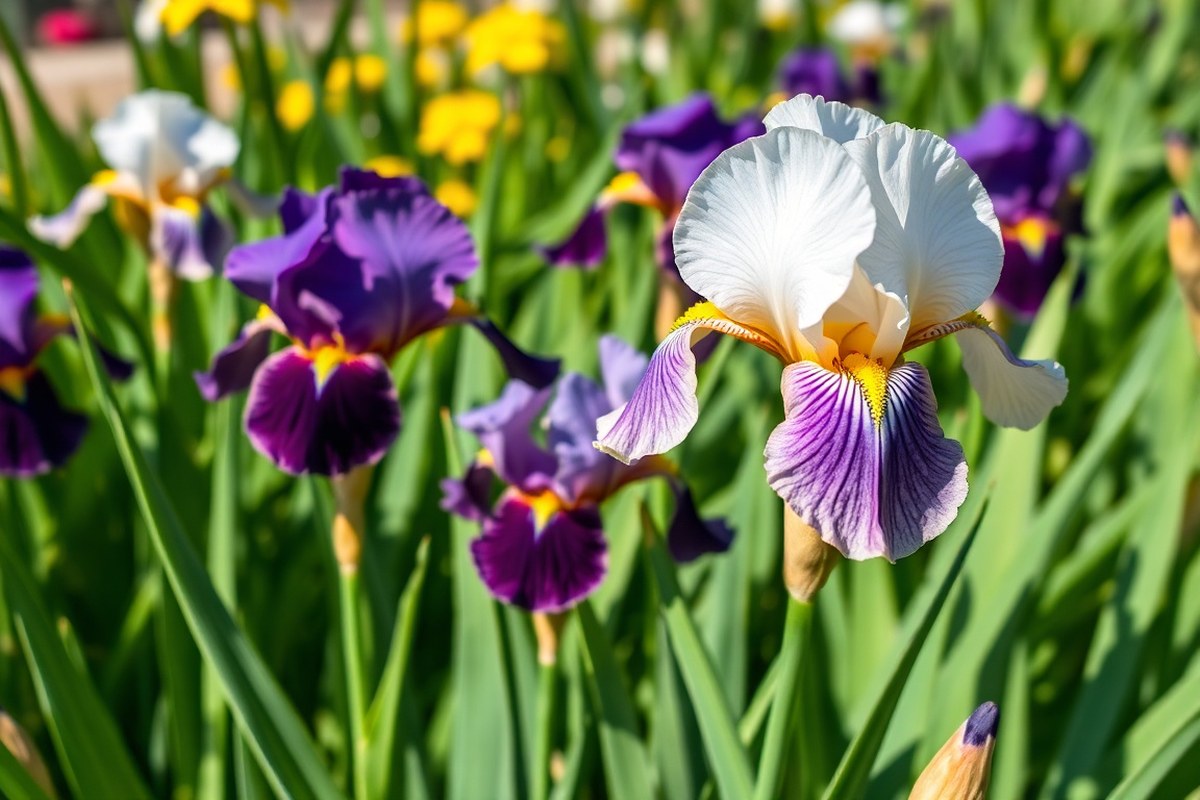
Are Iris Perennials? What You Need to Know to Help Them Return Year After Year
Are iris perennials? Yes, most iris plants are perennials, meaning they return year after year.
When planted and cared for right, they can bloom for 5 to 20 years. This makes them a lasting addition to your garden with seasonal care.
Iris plants grow from rhizomes or bulbs, which store nutrients through winter. This helps them survive cold or dry periods and restart growth in spring. You’ll want to plant them where they get full sun for best results.
Since iris are perennials, you need to keep an eye on overcrowding. Dividing the rhizomes every 3 to 4 years helps avoid this and encourages better blooms. It’s a simple, key step in keeping your iris healthy over time.
Key Takeaways
- Most iris plants come back each year as perennials for 5 to 20 years.
- Plant iris in an area receiving at least 6, 8 hours of full sun daily.
- Divide rhizome-type iris every 3 to 4 years to prevent overcrowding.
- Bulbous iris use underground storage to survive cold seasons.
- Iris bloom sizes and heights vary by type, affecting garden placement.
- Healthy soil and sun exposure are essential for perennial iris success.
Are Iris Plants Perennials? The Definitive Answer

Iris plants are perennials, which means they grow back year after year. Unlike annual plants that live for only one season, iris stores energy in underground rhizomes. These rhizomes help the plants survive winter and start growing again in early spring.
Each iris rhizome acts like a food storage unit, holding carbohydrates for the next growing season. Once the flowers finish blooming, the rhizomes quickly begin producing new shoots.
This cycle repeats every year. So the iris comes back reliably as long as you care for it.
What makes iris perennial is this continuous growth and dormancy pattern. Most iris species sold, like bearded iris and Siberian iris, follow this growth cycle.
They need almost a full year to settle in. After that, they show strong flowers the next spring.
Understanding Rhizomatous and Bulbous Iris Types

Rhizomatous and bulbous irises are the two main types you’ll find in gardens. They grow and store energy in different ways. This changes how long they last.
That matters for perennials. Understanding their traits helps you pick the right variety for lasting blooms.
Characteristics of Rhizomatous Iris
Rhizomatous iris have thick, horizontal stems called rhizomes. These grow at or just under the soil surface.
These rhizomes store energy and help the plant spread and survive from year to year. Bearded iris and Siberian iris are common rhizomatous types known for their height and summer blooms.
This type is taller than bulbous irises and thrives in full sun with well-drained soil. Rhizomatous iris need dividing every 3 to 5 years. This stops overcrowding.
It helps keep blooming strong. You should divide them soon after the bloom period, usually in late spring or early summer.
Traits of Bulbous Iris
Bulbous iris grow from true bulbs rather than rhizomes. These bulbs lie deeper in the soil. They store food to survive winter.
They use it to regrow each year. They tend to be smaller plants.
They grow 1 to 2 feet tall. Their spread is 5 to 7 centimeters.
Bulbous irises bloom in late spring and prefer well-drained soil to avoid bulb rot. They generally require less dividing than rhizomatous types.
Some bulbous iris can handle colder climates. Still, they often need extra winter help in harsh zones.
Perennial Reliability Comparison
Rhizomatous iris usually grow better long-term. Their rhizomes spread and store energy near the surface.
However, they require regular division every few years to remain healthy. Proper planting depth is key to perennial success, especially for rhizomatous irises.
Bulbous iris can also be perennial. But they spread less vigorously. They may also live shorter lives in garden beds.
They don’t demand as much maintenance but may need extra care in wet or cold conditions. Gardeners who want taller plants with strong perennial habits usually choose rhizomatous types.
| Feature | Rhizomatous Iris | Bulbous Iris |
|---|---|---|
| Energy Storage | Horizontal rhizomes at/near soil surface | True bulbs, buried deeper in soil |
| Typical Height | A few inches to over 3 feet tall | 1 to 2 feet tall |
| Bloom Time | Summer | Late spring |
| Division Frequency | Every 3-5 years, soon after bloom | Less frequent, varies by species |
| Soil Preference | Well drained, tolerates some heavier clay (Siberian type) | Well drained to avoid bulb rot |
| Shade Tolerance | Better (e.g., Siberian iris tolerates partial shade) | Less tolerant |
Watch for overcrowded rhizomes; divide to keep blooms fresh and avoid disease.
Ideal Growing Conditions for Iris to Thrive Perennially
Iris plants do best in soil that drains well and has plenty of organic matter. They need at least 12 inches of loose, fertile soil to grow strong roots and rhizomes. The soil pH should be neutral to slightly acidic, around 6.8 to 7.0, for healthy growth.
Sunlight is important for irises to bloom and come back each year. Most iris varieties need 6 to 8 hours of direct sun daily.
Some types like Siberian or Japanese iris can handle a bit of shade. But bearded irises need full sun to thrive.
Spacing iris plants correctly helps prevent disease and keeps airflow steady. Give each plant about 12 to 24 inches of room to spread. Crowded irises often have trouble blooming and get more pests.
- Use fertile, well-drained soil with organic compost mixed in.
- Maintain soil pH between 6.8 and 7.0 for best results.
- Plant irises in spots with 6 to 8 hours of direct sunlight.
- Space iris rhizomes 12 to 24 inches apart for airflow.
- In the first season, water weekly or when soil feels dry.
- Avoid overwatering; irises dislike soggy soil and root rot.
Watering is most important during an iris’s first growing season. Water once a week or when the top soil feels dry. Keep the soil moist but not soaking wet.
Avoid overwatering since it can harm your plants. After that, irises are quite drought-tolerant and need less frequent watering.
Planting iris rhizomes a bit exposed to air also helps stop rot. They do not like to sit deeply buried.
A little sun on the rhizomes keeps them healthy. Following these steps will let your irises come back strong for years of blooms.
How Climate Zones Affect Iris Perennial Success
Iris plants grow well in USDA zones 3 through 9, making them hardy in many regions. Gardeners in cold zone 3 should mulch after the ground freezes. This helps stop frost heaving.
Mulching keeps the soil stable through winter. This protects the rhizomes from shifting and suffering winter damage.
Siberian irises handle wet soils well and thrive across zones 3 to 9. They tolerate “wet feet” better than other types.
So they’re perfect for gardens with occasional standing water or boggy spots. You can plant them early in spring after the last frost.
Some iris types don’t do well outside their preferred zones. Louisiana irises, for example, survive best in zones 6 to 10. They need hot summers and humid weather to thrive.
Avoid planting them in cold or dry areas. They won’t grow well without enough heat and moisture. Bearded and Japanese irises grow well from zones 3 to 9.
They handle winter cold better than others. These types suit colder climates well.
Hot regions in the far South can challenge iris survival unless you pick heat-tolerant varieties. Zones 10 and 11 get very warm, and many irises won’t perennialize well there. Choose iris species carefully if you live in warm climates.
Otherwise, you might only grow irises as seasonal plants. The right species lasts longer.
To succeed, match your iris type to your climate zone and soil moisture levels. In colder zones, mulching costs time and a bit of material. But it helps the plants come back strong.
In humid zones, watch for soft rot disease. It happens when irises stay in wet soil too long.
This disease can damage or kill your plants. Proper drainage can prevent this problem.
When and How to Divide Iris Rhizomes to Maintain Blooming
Dividing iris rhizomes every 3 to 4 years keeps your plants healthy and blooming well. The best time to do this is late summer, right after the bloom period ends. This helps avoid overcrowding and restores energy to the plants.
Signs It’s Time to Divide Your Iris
Notice fewer blooms or rhizomes popping out of the soil? These are clear signals to divide. Overcrowded rhizomes compete for space and nutrients, dropping your iris’s vigor and flower count.
Another sign is when rhizomes overlap or push each other up above soil level. This makes them dry out and weak. These issues usually show up every few years.
Preparing Rhizomes for Division
First, wait until late summer or early fall, just after the iris finish blooming. Dig up the entire root ball carefully. Avoid damaging the fragile rhizomes while you work.
Look for thick, fleshy rhizomes free of soft spots or rot. Each division must have at least one healthy fan of 3 to 4 leaves. Trim dead leaves down to about 4 inches.
Step-By-Step Division Process
Follow these steps to divide your iris rhizomes properly. Each division should be healthy and ready to replant right away for best results.
- Dig up the iris clump gently using a garden fork or spade.
- Shake or wash soil off the rhizomes to see them clearly.
- Use a sharp knife to cut rhizomes apart where they connect.
- Remove any old, blackened, or mushy parts to prevent disease.
- Cut back foliage to about 4 inches to reduce water loss.
- Ensure each piece has healthy roots and a leaf fan.
- Dispose of any diseased or very weak rhizomes immediately.
Always disinfect your knife between cuts to stop disease spreading.
Replanting Tips for Best Recovery
Plant the divided rhizomes with the top exposed and roots spread below soil. They like full sun and well-drained soil. Avoid burying rhizomes deeply or they may rot.
Space new plants about 12 to 18 inches apart. Water lightly right after planting, but don’t soak the soil. Fertilize in late summer or fall to support growth.
Common Pests and Diseases That Affect Iris Longevity
Iris borers pose the biggest threat to iris health. These pests lay eggs on last year’s iris leaves in fall. When larvae hatch, they tunnel into rhizomes, causing holes and inviting rot and diseases.
To stop iris borers, remove and burn dead foliage in late fall or early spring. This destroys eggs before they hatch.
You can also spray with spinosad, a natural insecticide toxic to insect larvae. Apply in early spring when new growth appears and repeat every 10 days through June.
Slugs are another culprit that chew holes in leaves and flowers. Handpicking slugs at night helps, as they are more active then. Using iron phosphate slug baits around plants also reduces damage without harming pets or wildlife.
Crown rot and bacterial soft rot can quickly kill iris rhizomes. These diseases thrive in wet, poorly drained soil or if mulch is piled against rhizomes.
Avoid thick mulch on iris bases. Water early in the day so leaves dry fast.
Fungal leaf spot and bacterial leaf blight show up as brown or yellow spots on leaves. Remove and destroy infected leaves to reduce spread. A fungicide spray might be needed if infections worsen, follow label instructions carefully.
Always inspect rhizomes during division or planting. Wash off soil and look for soft spots or holes. Discard any damaged rhizomes to prevent spreading pests or disease in your garden.
Healthy iris plants have firm leaves and plump rhizomes with no soft or sunken areas. Constant vigilance and good garden hygiene keep your iris strong and blooming for years. Avoid overcrowding plants to improve air flow and reduce wetness that helps diseases.
Mistakes That Shorten Iris Lifespan and How to Avoid Them
Planting bearded iris rhizomes too deep limits their sun exposure. The top of the rhizome should stay at or just above the soil surface. This helps the plant grow strong and avoid rot.
Spacing iris rhizomes correctly matters a lot. Crowding them closer than 12 inches can cause poor air flow, which invites disease. Leave 12 to 18 inches between each rhizome for healthy growth and fewer problems.
Overwatering irises causes rhizomes to rot since they dislike soggy soil. Water only when the top inch of soil feels dry. Avoid beds that keep waterlogged soil to protect your irises from decay.
- Plant rhizomes at soil surface level, not deep
- Space plants 12, 18 inches apart to prevent overcrowding
- Water only when soil surface is dry to avoid rot
- Prepare the bed 1, 2 weeks ahead for soil settling
- Divide rhizomes every 3, 5 years to maintain blooming
- Remove diseased leaves promptly to prevent spread
- Use well-draining soil to reduce waterlogging risk
Irises often stop blooming when crowding occurs. Without dividing every three to five years, rhizomes compete for nutrients. Dividing helps keep clumps productive and blooming well.
Preparing the soil a couple of weeks before planting helps it settle. This resting allows the ground to get ready for strong roots. Strong roots grow best in soil that isn’t freshly disturbed.
Bad soil or poor watering tricks can kill iris plants quickly. Use loose, well-drained soil with moderate watering to keep rhizomes healthy. Watch for early signs of rot like soft or discolored rhizomes.
So you can remove affected parts. That keeps the entire patch strong and flowering.
Extending Iris Perennial Life with Seasonal Care and Protection
Protecting iris plants through the seasons keeps them healthy for years. Protect irises in winter with proper care. Prune at the right time.
Fertilize twice a year and mulch carefully. These steps help irises bloom and grow back strong year after year.
Winter Protection Strategies
In cold winters, iris rhizomes need shelter to survive freeze-thaw cycles. Cover the rhizomes with 1 to 2 inches of sand after the ground freezes.
Next, place a light layer of evergreen boughs on top. This keeps the cold out until early spring.
For new irises in their first winter, extra protection helps. Use pine needles or evergreen boughs to cover them thoroughly. This guards against sudden cold snaps and moisture loss during dry winter winds.
Adding several inches of straw around established plants in November also adds insulation. This helps irises in USDA zones 5 and 6 the most. These zones get harsher freezes.
- Apply 1 to 2 inches of sand over rhizomes after soil freezes
- Cover sand with evergreen boughs for extra insulation
- Use pine needles on new plants’ first winter
- Add several inches of straw around plants in November
- Remove these covers in early spring as soil thaws
- Do not use heavy mulch that traps moisture against rhizomes
Keep mulch layers light in winter to avoid rot in iris rhizomes.
Fall and Spring Pruning Tips
Prune iris leaves and stalks in late summer after blooming ends. Cutting back helps the plants conserve energy during dormancy. Remove all old, brown foliage to reduce disease risk.
In early spring, clear away dead leaves and any winter mulch layers you put down. This allows fresh growth to reach the sun freely and prevents mold or rot. Keep pruning tools clean to avoid spreading issues.
Fertilizing Schedule for Iris
Fertilize irises in early spring before new growth starts. Lightly scratch a balanced fertilizer version, like 10-10-10, around the base. This fuels strong leaf and flower development.
Apply another round of fertilizer after blooming finishes in late summer. This helps the plants store energy for the next year’s blooms. Avoid fertilizing late in the season, which can encourage soft growth vulnerable to frost.
Mulching Best Practices
Mulch helps protect irises by keeping soil moist and cooler during hot summers. After spring growth begins, add a 1- to 2-inch mulch layer.
Use shredded leaves or straw as mulch. Avoid piling mulch against rhizomes.
Take off winter mulch in early spring once the ground thaws and forsythias bloom. Leaving mulch on too long traps moisture and promotes rot. Watch for signs of mold or soggy soil under your mulch.
Proper mulching reduces weeds and improves soil structure. It also helps insulate roots from temperature swings when used moderately. Keep mulch layers light and let air circulate freely around rhizomes.
Step-by-Step Action Plan to Grow Perennial Irises Successfully
Follow this simple plan to keep your iris plants healthy and blooming year after year. Each step helps you check that your care is working.
- Spring (when new shoots appear): Remove old leaves and cut away dead parts to prevent disease. You’ll see fresh, healthy growth after pruning.
- Early summer (after bloom): Cut off spent flowers to direct energy to the rhizomes. The leaves stay green and strong as a sign it worked.
- Late summer (August to September): Divide iris rhizomes if the clump looks crowded or blooms decrease. New plants will show fresh growth in a few weeks.
- Fall: Apply a balanced fertilizer around the base to feed the roots before winter. Leaves should stay vibrant through the season.
- Winter: Add a light layer of mulch to protect rhizomes from freeze-thaw cycles. Remove mulch by early spring to avoid rot.
- Monthly during growing season: Watch for pests like iris borers or fungal spots. Use recommended treatments if you spot damage.
- Weekly in dry spells: Water plants deeply once a week, more if soil dries fast. Check soil moisture; it should feel damp but not wet.
Frequently Asked Questions
Are Iris Plants Perennial Bloomers or Do They Need Replanting Annually?
Iris plants are perennial and come back year after year without replanting. With the right soil and sun, they can thrive in your garden for many seasons.
Can You Grow Iris in Pots and Still Expect Them to Be Perennial?
Yes, iris can grow in pots and act like perennials if drained well. Make sure pots have enough depth for rhizomes and water carefully to avoid rot.
Do All Iris Species Bloom Every Year Once Established?
Most iris species bloom annually once settled, but some may skip years. Proper sunlight and regular division help maintain strong blooming cycles for your irises.
Are Iris Perennials Deer and Rabbit Resistant in a Garden Setting?
Irises generally resist deer and rabbits, making them good perennials for such areas. Though not completely immune, they usually face less damage than other plants.
Does Iris Height Affect How Perennial and Hardy the Plant Is?
Iris height doesn’t impact perennial nature but can reflect the variety’s hardiness. Dwarfs, intermediates, and tall irises all live multiple years with correct care.
Will Iris Planted in the Fall Reliably Come Back the Next Spring?
Yes, iris planted in fall usually return in spring as healthy perennials. Plant them early enough to establish roots before winter for best results.
Key Points to Remember
Iris plants are perennials that can bloom for years with the right care. Start by checking your irises regularly for signs of crowding or pests. Keeping up with timely care lets you enjoy their flowers season after season.