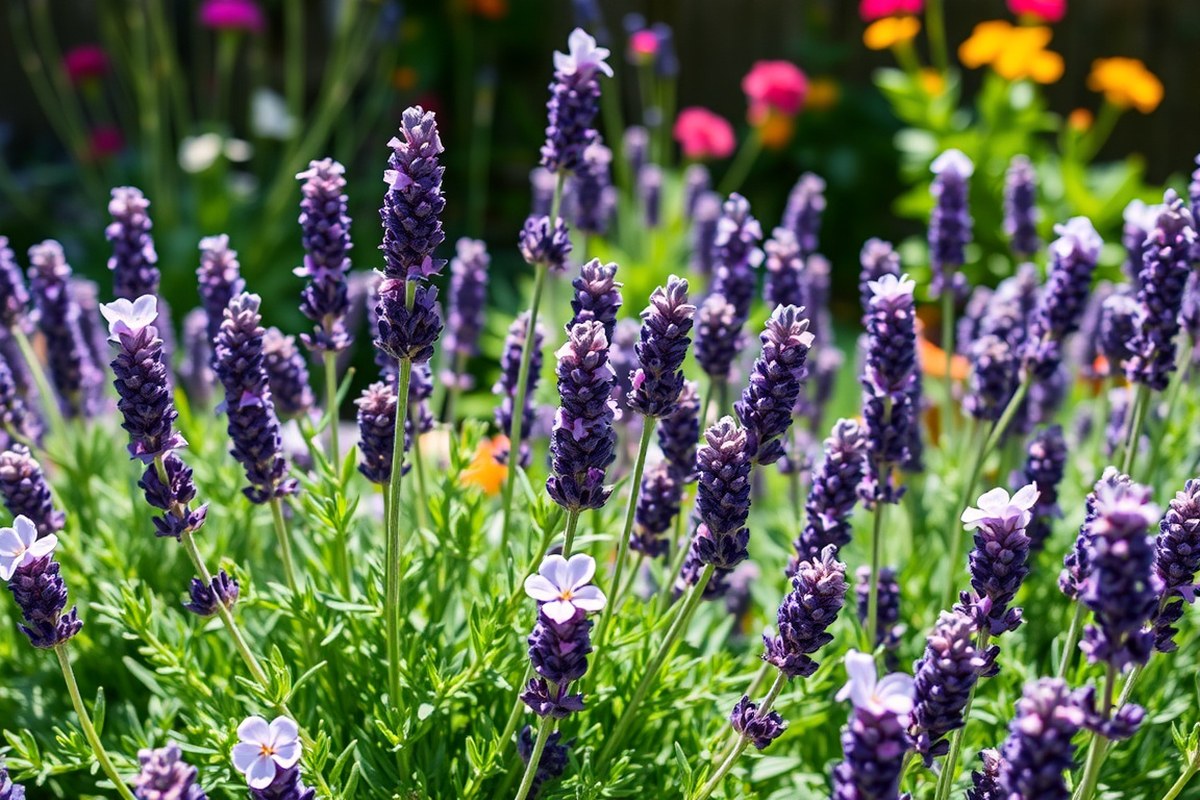
When to Plant Lavender: Best Timing, Zones, and Expert Tips for Success
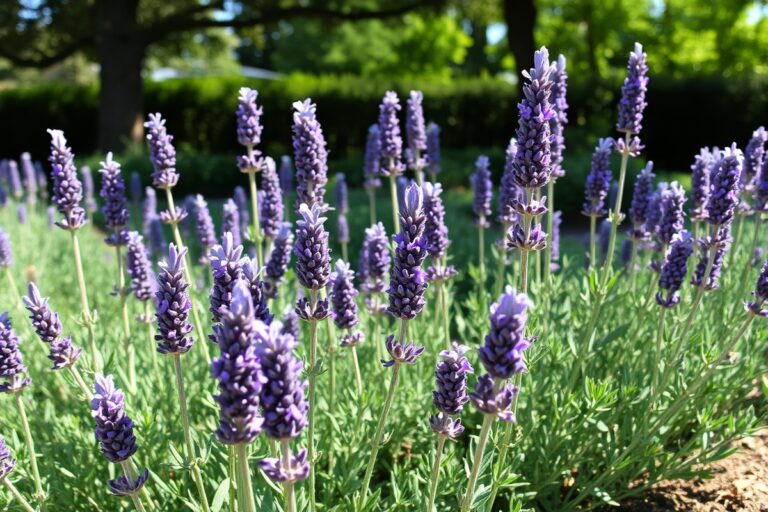
Knowing when to plant lavender is key to a healthy harvest. The best time is when the soil stays above 10°C consistently. Planting too early risks soggy roots and weak plants that don’t thrive.
Choose a spot with six to eight hours of direct sunlight daily. Lavender loves warmth and sun, which helps it bloom well. Avoid heavy, wet soils by building a raised bed or mound before planting.
Plan your planting around your climate zone’s last frost date. For colder areas, start seeds indoors about 10 weeks before that date. This timing gives lavender good roots before setting outside.
Make sure to space plants about 2 to 3 feet apart for proper air circulation. Good airflow helps prevent fungal diseases, common in damp conditions. Also, use well-draining soil mixed with sand or gravel to improve drainage.
Key Takeaways
- Plant lavender outdoors only after soil temperature exceeds 10°C consistently.
- Pick a sunny spot that gets 6-8 hours of direct sunlight daily.
- Improve planting area in heavy soil to prevent water-logged roots.
- Space lavender plants about 90cm (3ft) apart for healthy growth.
- Start lavender seeds indoors 10 weeks before your last frost date.
- Use grow lights or a south-facing window for 14 hours daily on seedlings.
Best Time to Plant Lavender Outdoors
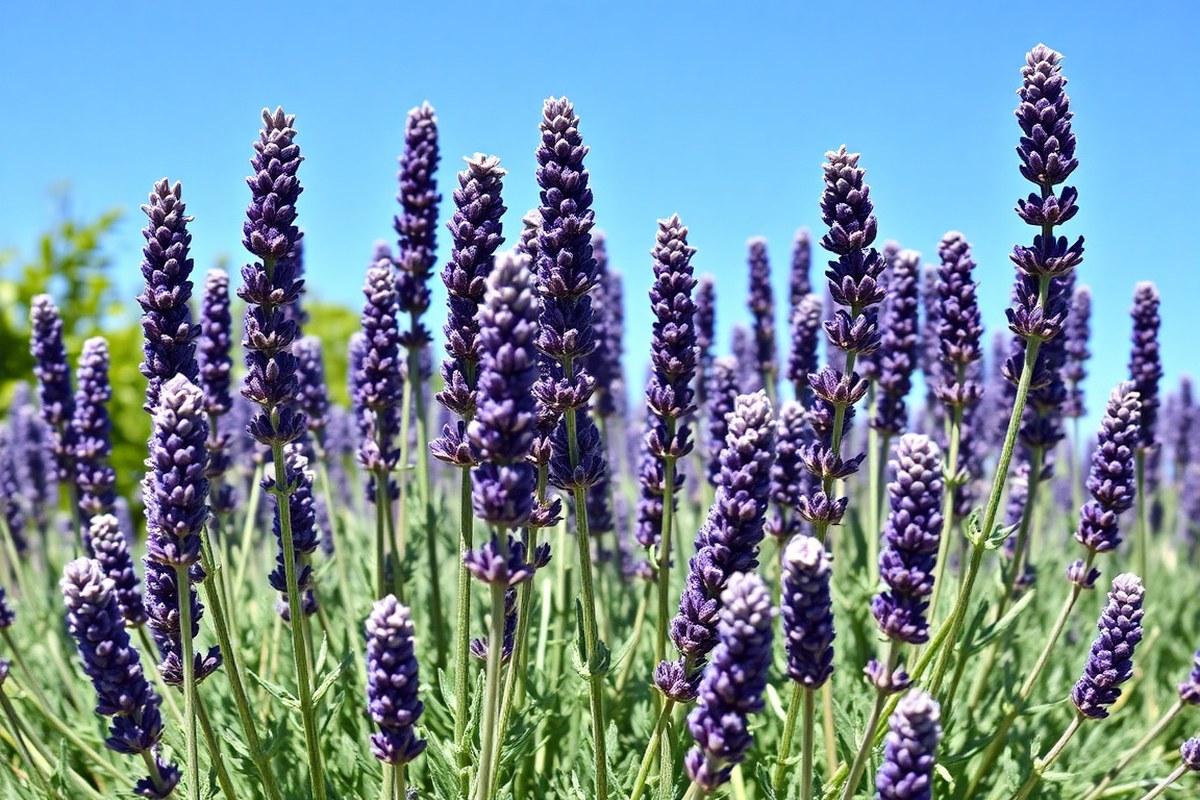
Plant lavender outdoors in early spring after the last frost date. Soil temperature should reach at least 50°F (10°C) for good root growth. This timing helps plants avoid frost damage while taking advantage of warming soil.
You can plant lavender in early fall. Do this about eight to ten weeks before frost. This timing helps the roots set well.
Fall planting lets lavender establish roots in mild weather, which boosts survival and growth. Avoid planting if frost is likely within two weeks of transplanting.
Watch your local frost dates closely. For example, the last frost might be mid-April. You should plan to plant lavender in late April.
Early May also works. Start planting by mid-August when fall frost arrives late October. This lets plants settle in without cold shocks.
Colder zones near USDA Zone 5 need spring planting. This timing lets lavender root before the winter. Planting in fall is risky here.
In milder areas like Zones 7 to 9, early fall can work well. You can also plant from mid-spring to early summer. Make sure the soil stays warm and frost is unlikely.
Raised beds help keep lavender roots from staying wet during cold snaps, reducing frost damage risk. Mound your soil 8 to 12 inches high if it is heavy clay.
This helps with water drainage to keep roots dry. This improves drainage and warms roots faster in spring.
Check plants for damage and pests before planting. Stress from pests or broken roots lowers cold tolerance. Healthy plants established during the recommended planting window stand a better chance through frost and winter.
How Climate Zones Affect Lavender Planting Time

Climate zones help you figure out the best time to plant lavender. These zones show how cold winters get and how long your growing season lasts. Lavender grows best when soil stays warmer than 50°F (10°C).
Plant it after the soil warms. This prevents damage to the roots from cold temperatures.
Lavender’s winter hardiness varies by type. English lavenders like ‘Hidcote’ and ‘Munstead’ tolerate colder zones. Some lavender varieties need milder winters to survive outdoors.
Knowing your USDA Hardiness Zone helps you choose the right lavender. It also tells you when to plant. This makes growing lavender easier.
Here’s a simple guide to the ideal planting times across common US climate zones:
| USDA Hardiness Zone | Winter Hardiness | Ideal Planting Time | Recommended Lavender Type |
|---|---|---|---|
| 5, 6 | Cold, harsh winters | Late spring after last frost | English Lavender (e.g., Hidcote, Munstead) |
| 7, 8 | Mild to moderate winters | Early spring or fall | English Lavender or Lavendins |
| 9, 10 | Warm winters, mild frost | Fall to winter | Lavendins or French Lavender |
| 11+ | Frost-free | Winter planting | French Lavender or Spanish Lavender |
Choosing lavender varieties adapted to your zone is key to success. English lavenders handle cold better and are good in zones 5 to 6. Lavendins combine traits of English and French types, doing well in zones 7 to 9.
French and Spanish lavender thrive in warmer areas. They handle heat well but don’t need much cold protection. These types suit warmer zones best.
Plant lavender only after the risk of frost passes. Check local frost dates and soil temperature during spring. Choose a sunny spot that gets 6 to 8 hours of sun daily.
Always check your local frost dates before planting to avoid freezing damage to young lavender plants.
Preparing Soil and Site for Successful Lavender Planting
Lavender thrives in full sun and soil that drains well. Aim for a soil pH near 6.5 to 7.5 for best growth. Leave enough space between plants for good airflow and no crowding.
Ideal Soil Texture and Drainage
Lavender thrives in soil that drains well. Heavy clay soils can trap water and cause root rot, which kills most lavender plants. Clay soil drains poorly, so start by fixing that problem.
Add horticultural grit, coarse sand, or small gravel to loosen soil. Mix these into the planting hole to help water flow away quickly. This prevents soggy roots and keeps plants healthy.
Required Sunlight Exposure
Give lavender six to eight hours of direct sunlight each day. Choose a spot free from shade caused by trees or structures. Sunlight encourages strong growth and helps flowers develop fragrance.
Choose a spot that gets morning and afternoon sun for best results. Limited sun can cause leggy plants and poor blooming. Full sun exposure encourages strong stems and rich color.
Proper Plant Spacing Guidelines
Spacing helps air flow and prevents disease. For a lavender hedge, plant small varieties about 12 inches (30 cm) apart. Larger types should have at least 18 inches (45 cm) between plants.
More space suits larger lavender cultivars to avoid crowding. Crowded plants dry slower and are more prone to rot. Leaving the right gaps allows each plant to receive sunlight evenly.
- Small lavender plants: space 12 inches (30 cm) apart
- Larger cultivars: space 18 inches (45 cm) apart
- Ensure no shade blocks sunlight
- Improve soil drainage in heavy clay areas
- Provide 6 to 8 hours of daily direct sun
- Check soil pH and adjust to between 6.5 and 7.5
- Mix grit or sand into soil to prevent waterlogging
Soil pH Range and Adjustment Methods
Lavender prefers a near-neutral to slightly alkaline soil pH between 6.5 and 7.5. This pH range helps lavender absorb nutrients properly. Acidic soils below this range slow growth and reduce flower quality.
Use a soil test kit to check pH before planting. Add garden lime to raise pH if soil is acidic. Work lime into the soil a few weeks before planting to prevent shock to roots.
Starting Lavender Seeds Indoors: When and How
Start lavender seeds indoors about 8 to 10 weeks before the last expected frost. Seeds need warmth and light, with soil temperatures around 65 to 70°F. They take between 14 and 28 days to sprout. So timing is key for good growth before moving outside.
Timing Seed Starting Relative to Frost Dates
Begin sowing seeds indoors in late winter to early spring. This timing lets seedlings develop enough before transplanting outdoors after frost. Avoid starting seeds year-round indoors since lavender needs a natural spring warmth cycle to thrive.
Match seed starting with your local frost dates by working backward. For example, in zone 6a with a last frost near May 13, start seeds in mid-February. This gives them 8 to 10 weeks to grow indoors comfortably before outdoor planting.
Setting Up Soil and Temperature for Germination
Use well-draining seed-starting mix to prevent soggy roots. Fill containers or trays with this soil and moisten it without soaking. Keep soil temperature steady, ideally between 65 to 70°F, for best seed sprouting.
Warm soil encourages seed swelling and root sprouting. Cold or fluctuating temperatures will slow germination and may kill seeds. Using a heating mat can help keep consistent warmth, especially in cooler homes.
Providing Adequate Light Exposure
Lavender seeds need plenty of light once they sprout to prevent legginess. Place trays near a south-facing window or under grow lights. They require at least 12 to 14 hours of light daily for strong growth.
Without sufficient light, seedlings become weak and stretch thin. Keep light 2 to 4 inches above the seedlings for even exposure. Adjust height as seedlings grow to avoid burning or shading.
Monitoring Seedling Growth Before Transplanting
Watch seedlings closely for 14 to 28 days until they sprout. Thin out weaker seedlings to give stronger ones room to grow. Maintain warmth, light, and moderate moisture during this time.
Start hardening off seedlings about two weeks before moving outdoors. Gradually expose them to outdoor sunlight and temperatures to reduce shock. Only transplant after all danger of frost has passed and soil warms above 60°F.
Follow these steps to start lavender seeds indoors:
- Fill a seed tray with moist, well-draining seed-starting mix.
- Sow lavender seeds thinly on the surface, not buried deep.
- Cover seeds lightly with a thin layer of soil or sand.
- Place the tray in a warm spot with soil at 65 to 70°F.
- Keep the soil consistently moist but not soggy with a spray bottle.
- Provide 12 to 14 hours of bright light daily using a grow light or window.
- Thin out seedlings when they develop their first true leaves.
- Start hardening off seedlings outdoors about two weeks before transplanting.
Transplanting and Hardening Off Lavender Seedlings
Move lavender seedlings outdoors when they are big enough and the weather is cool. Properly harden them off over about 10 days before planting to prevent shock. This helps young plants adjust to sun, wind, and cooler outdoor temperatures safely.
Signs Seedlings Are Ready to Transplant
Seedlings should have several sets of true leaves and be about 3 to 4 inches tall. Their stems need to feel sturdy, not thin or floppy. The roots should fill the pot lightly but not be tight and root-bound.
Check the weather before deciding to move seedlings outside. Cool days around 60 to 65°F with nights no lower than 50°F work best. Avoid transplanting if a hard freeze is expected in the next week.
10-Day Hardening Off Process Explained
Start by placing seedlings outdoors in a shaded, sheltered spot for a few hours each day. Slowly increase their sun exposure and outdoor time daily to build tolerance. Finish with seedlings outside all day but brought indoors overnight.
This slow adjustment reduces stress from wind, sun, and temperature changes. Avoid watering seedlings just before moving them out; moist roots handle change better. Don’t skip hardening off, or the plants might wilt or die after transplanting.
- Put seedlings outside in partial shade for 2 to 3 hours on day 1.
- Add an hour of outdoor time each day, increasing sun exposure gradually.
- On day 5, move seedlings to a spot that gets morning sun but afternoon shade.
- By day 7, leave seedlings in full sun for 4 to 6 hours.
- On day 9, leave seedlings outside all day but bring them indoors at night.
- On day 10, keep seedlings outdoors day and night if no frost risk exists.
Hardening off gently prepares young plants for outdoor weather without shock.
Transplanting Technique for Best Root Establishment
Choose a calm, cool day to transplant, ideally in the morning or late afternoon. Water seedlings well a few hours before moving them to ease root stress. Handle seedlings by their leaves, not stems, to avoid damage.
Dig holes a bit bigger than the root balls. Gently loosen roots if they circle tightly. Plant each lavender with care.
Set plants at the same soil depth they grew indoors. Firm soil around each plant and water it thoroughly to settle roots.
- Water seedlings well a few hours before transplanting.
- Dig a hole a bit bigger than the seedling’s root ball.
- Gently remove the seedling from its pot, handling leaves only.
- Loosen roots carefully if they are circling inside the pot.
- Place the seedling at the same soil depth it had indoors.
- Fill the hole and firm soil gently around the roots.
- Water the transplant deeply after planting to reduce shock.
Check soil moisture regularly after transplanting to prevent drying out.
Planting Lavender from Nursery Plugs or Young Plants
Plant nursery lavender outdoors after the threat of night frost ends. Early spring or late spring is best in zones where frost can still occur. Avoid planting if heavy rainfall is predicted to prevent root rot in young plants.
Planting depth and spacing help young lavender thrive. Set plugs so their roots sit just below soil level, not too deep. Space each plant 12 to 18 inches apart.
This helps air flow well. It also encourages bushy growth.
Controlling watering and care during the first months lowers plant stress. Water newly planted lavender thoroughly but avoid soggy soil. Keep soil moist without saturation for the first year to help roots establish well.
Follow these steps to plant nursery-grown lavender plugs properly:
- Choose a sunny, well-drained spot with slightly alkaline soil.
- Dig a hole twice as wide and as deep as the plug’s root ball.
- Remove the lavender from the plug container carefully, keeping roots intact.
- Place the plant in the hole with roots just beneath soil surface.
- Backfill the hole gently, firming soil around roots without compacting.
- Water the plant deeply just after planting to settle soil.
- Mulch around the plant with gravel or sand to improve drainage.
- Check weather forecasts and only water if no rain is expected soon.
Water the young plants once or twice a week, depending on rainfall. Overwatering causes root rot, so feel the soil first. After the first year, cut back on water to help develop drought resistance.
Healthy lavender plants look full and firm with no yellowing leaves. Wilting or mushy stems signal overwatering or poor soil drainage. Keeping an eye on these signs early helps your lavender last for many years.
Special Considerations for Planting Lavender in Containers
Lavender grows well in containers, but you must pick the right pot and soil. Choose terracotta pots with drainage holes to stop water from pooling. Drainage is key because lavender hates soggy roots and can easily rot in wet soil.
Pick a container at least 12 inches wide and deep. This size gives roots plenty of space to grow and keeps your plant stable.
Too small a pot strains the plant and dries out faster. Fill the pot with a soil mix that drains quickly but holds some moisture.
Make your own mix with two or three parts compost. Add up to 25 percent coarse grit or horticultural grit. This helps improve soil drainage for the lavender.
This mix lets water move through easily but keeps the roots moist enough. Plant lavender at the same soil level as its nursery pot.
Do not bury the stem too deeply. This helps the plant grow well.
Timing matters for container lavender. Start plants in the spring once the danger of frost is gone. Containers warm up faster than garden soil in spring.
So you can plant a bit earlier than outdoors. Avoid planting lavender in the summer heat.
Small pots dry out fast and may stress the plant. Plant at cooler times instead.
- Pick a terracotta pot 12+ inches wide and deep with drainage holes
- Use a soil mix of 2-3 parts compost plus up to 25% coarse grit
- Plant at the same depth as nursery pot soil level
- Water well after planting, then let soil mostly dry before watering again
- Avoid planting pots in frost or peak summer heat
- Place pots in full sun, like the garden
- Check drainage carefully, add grit if soil feels too dense
Watering varies with containers. After planting, give plenty of water to settle soil. Later, lavender likes to dry out between waterings.
Pots lose water quicker than garden beds, so check soil moisture often. Too much water leads to root rot, while too little causes wilting.
Using a saucer under the pot helps catch runoff but don’t let water sit there. Move pots outdoors to avoid stagnant water and improve airflow.
Drought tolerance happens once the plant is established. But newly planted lavender needs closer attention to watering.
Common Lavender Planting Mistakes and How to Avoid Them
Poor drainage is a top mistake in lavender planting. Lavender hates wet roots and soggy soil. Fix this by planting in raised beds or mixing sand and gravel into the soil.
Timing also matters. Planting lavender too early in spring risks frost damage.
Too late, and the plant struggles to settle before winter. Aim for late spring to early summer once the soil warms up.
Spacing errors can stunt lavender’s growth. Crowded plants fight for sunlight and airflow, raising disease risks. Space them 12 to 18 inches apart based on the variety size.
Watch moisture carefully. Overwatering or poorly draining spots cause root rot. Let the soil dry between waterings and avoid planting in low areas.
- Check soil drains in a bucket test before planting.
- Plant lavender after danger of frost passes.
- Space plants 12-18 inches apart, depending on type.
- Add sand or grit if soil stays wet after rain.
- Avoid heavy clay soil or create mounds for planting.
- Water only when top 1-2 inches of soil feel dry.
- Trim back if plants get too dense to improve airflow.
Never let lavender sit in waterlogged soil; dry roots keep plants healthy.
Early or late planting shows in slow growth or frost scallops on leaves. Give lavender a few weeks of warmth to root well. This helps it bloom longer and keeps the plant stronger.
Good spacing lets air move through the plants. It reduces mold and encourages bigger, fuller blooms. Proper drainage paired with good timing creates the best start for your lavender garden.
Step-by-Step Action Plan for Planting Lavender
Follow these steps to plant lavender at the right time. You will set it up for healthy growth.
- Before planting: Check your USDA hardiness zone to pick the best planting window.
- Two weeks before planting: Prepare your soil by adding sand or grit for drainage. Test soil pH near 6.5 to 7.
- Day of planting: Dig holes twice as wide as lavender roots. Space plants 12 to 18 inches apart.
- Immediately after planting: Water the plants well but avoid soaking. Moist soil helps roots settle without rotting.
- Week 1: Check soil moisture daily. Water only if top inch feels dry to avoid overwatering.
- Weeks 2 to 4: Begin feeding with a balanced, low-nitrogen fertilizer once soil settles.
- Weeks 4 to 6: Use gravel or small rocks to mulch around plants. This keeps soil dry.
- After 6 weeks: Observe plants for steady growth and new shoots as signs of success.
Frequently Asked Questions
When Should I Plant Lavender for the Longest Bloom Season?
Plant lavender in early spring after the last frost date. This timing helps the plant establish and produce flowers throughout summer.
Can I Plant Lavender in Fall Instead of Spring?
Fall planting is okay in warm climates but not in cold ones. It gives lavender time to root before winter but risks frost damage in colder zones.
How Long After Planting Does Lavender Bloom?
Lavender usually blooms within the first year of planting. Seed-grown plants take longer, about 12 to 18 months, while nursery plants bloom sooner.
Should I Water Lavender Immediately After Planting?
Yes, water lavender well right after planting to settle roots. Avoid overwatering later as lavender prefers dry soil conditions.
Is It Better to Plant Lavender in a Sunny or Shady Spot?
Lavender needs full sun with 6 to 8 hours daily for best growth. Too much shade reduces blooming and makes plants leggy.
How Deep Should I Plant Lavender Seedlings?
Plant seedlings so their root ball sits just below soil surface. Don’t bury stems deeply to avoid rot and poor growth.
Wrapping Up
Plant lavender at the right time and care for it well. This helps you enjoy thriving, fragrant plants. Start by checking your local climate zone now to narrow your planting window.
Paying attention to soil and watering helps lavender grow better. It makes a big difference long term.