What Is Considered Low Humidity: A Complete Guide with Solutions
What is considered low humidity varies a bit, but it’s usually anything below 30%. Most experts say indoor humidity below 30% feels dry. Low humidity can cause discomfort and other issues.
Keeping it above 30% helps avoid those problems. Some say levels below 35% count as low. But 30% is a good rule to follow.
Low humidity means there’s too little water vapor in the air, often under 30% relative humidity. This makes the air feel dry, which can affect your health and your home’s condition. When humidity dips too low, it can cause discomfort and damage.
Start by checking your home’s humidity with a reliable meter. Watching for numbers under 30% helps you catch low humidity early. Taking action when levels are too low keeps your home comfy and prevents damage.
Key Takeaways
- Indoor humidity below 30% is usually considered low and uncomfortable.
- Keeping indoor humidity between 30% and 50% feels best. This range helps balance comfort and air quality. Too much or too little humidity can cause trouble.
- Low humidity often means the air has less water vapor than needed.
- Use a good hygrometer to track your home’s humidity levels accurately.
- Humidity below 30% can cause dry skin, nose irritation, and static shocks.
- Low humidity harms wood floors, furniture, and can cause paint to crack.
What Is Considered Low Humidity Indoors?
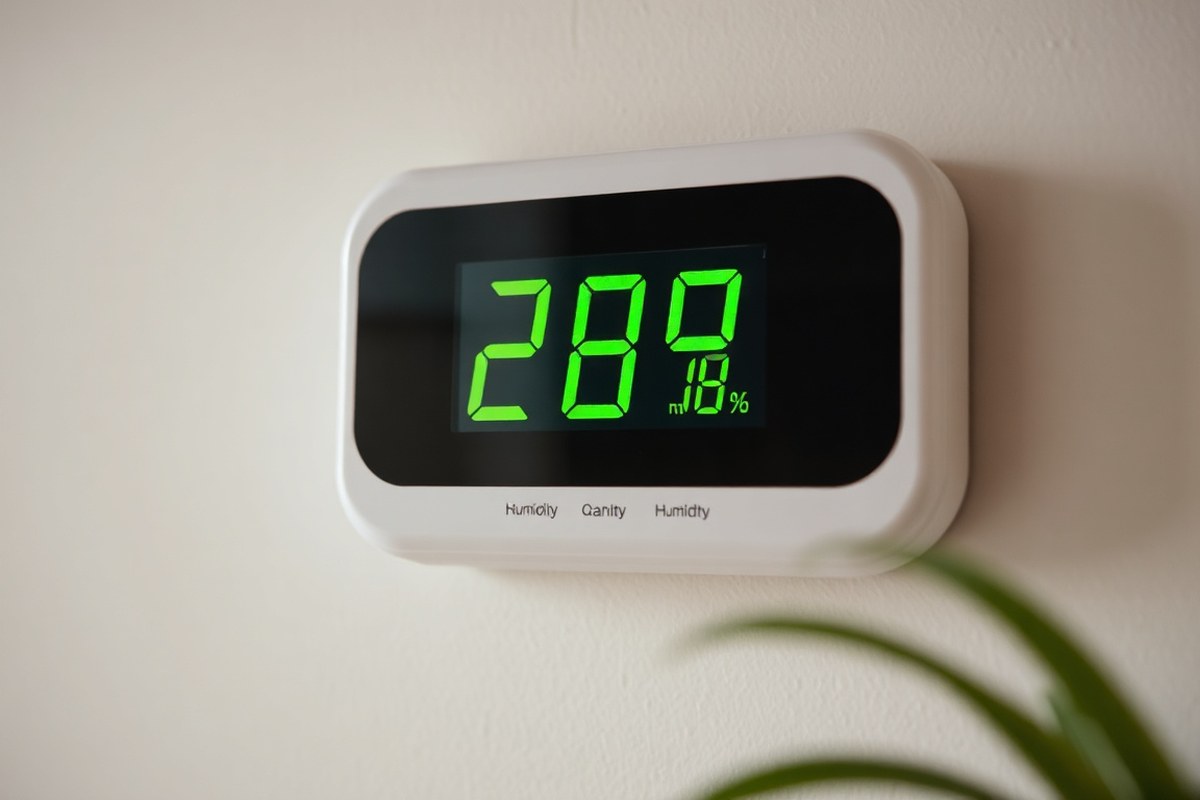
Indoor humidity below 30% relative humidity (RH) is generally considered low for most homes. Experts often say anything under 30% is too dry and can make the air uncomfortable. Some say humidity below 35% is low.
It depends on your home’s temperature. Ventilation also matters when deciding if humidity is low.
Low humidity means the air holds less moisture than is healthy or comfortable. This usually happens during winter when heating dries out indoor air.
In warmer months, humidity tends to rise naturally. So a reading below 30% indoors is less common and more noticeable.
Health agencies and indoor air quality experts recommend keeping indoor humidity between 30% and 50%. This range balances comfort and reduces problems like dry skin or static electricity. Anything below 30% can cause discomfort and may contribute to issues in your home environment.
The definition of low humidity varies by room and season. For example, living rooms and bedrooms often feel comfortable with 40% to 60% humidity. Basements safely hold slightly higher ranges, up to 65%.
You might find 40% humidity low in bedrooms. For bathrooms, 40% is often normal. Bathrooms usually have higher moisture than bedrooms.
Seasonal changes affect humidity levels inside your home. Winter heating dries the air in your home. Humidity can fall to 20% or less.
This happens without using a humidifier. In summer, air conditioning might lower humidity. But levels rarely fall as low as in winter.
Measuring your home’s humidity with a reliable hygrometer helps you know if it’s too low. Put the device in rooms you use often. Place it about five feet high off the floor.
Keep it away from windows and vents. Check humidity at different times during the day.
Especially when the heater or air conditioner runs. This shows real changes in humidity levels.
Health and Comfort Effects of Low Humidity

How Low Humidity Dries Skin and Irritates Eyes
Low humidity speeds up water evaporation from your skin. When indoor humidity falls below 30%, your skin can feel flaky, itchy, and tight. These dry air effects get worse when heating runs all day.
Heating pulls moisture from your skin and eyes. It leaves you feeling dry and uncomfortable.
Your eyes also lose moisture faster. Tear evaporation increases in dry air, making your eyes red and irritated. This dryness can cause discomfort and may make it harder to wear contact lenses comfortably.
Respiratory Issues Linked to Dry Indoor Air
Dry air inflames and dries out the mucous membranes lining your nose and throat. This irritation can cause a scratchy throat, nasal congestion, or nosebleeds. You might notice more frequent respiratory discomfort, especially if you have asthma or allergies.
Low humidity helps viruses survive longer in the air. This raises your chances of getting sick. Keeping humidity up can reduce this risk.
It also worsens allergy symptoms by irritating airway passages. Breathing dry air while sleeping may lead to snoring.
It can also cause a dry throat when you wake up. Both make sleep less restful.
Static Electricity and Its Effects
Static shocks become more common when humidity drops below 30%. Dry air reduces moisture that otherwise dissipates electrical charges. This causes more frequent static shocks, which can feel annoying or even damage sensitive electronics.
You’ll often notice static cling on clothes and hair during winter. This buildup feels uncomfortable and means your home is too dry.
Dry air can damage wood furniture or floors by causing cracks. It also makes the air feel harsh.
Overall Comfort and Well-Being Impacts
Low humidity can make your indoor environment feel stale and uncomfortable. Dry air leaves you feeling thirsty and your throat scratchy. You might struggle more with sleep, often waking due to irritation from dry air.
Many people like indoor humidity between 40% and 50%. This range helps keep skin and airways moist. It feels comfortable for most people.
When humidity drops to about 20% or lower, discomfort grows fast. You may start to feel dryness and other health effects. Try to avoid this low level.
Keep track of your indoor humidity and keep it above 30%. This helps prevent dry skin, static shocks, and breathing problems. Use a humidifier if needed.
Indoor Damage and Household Problems from Low Humidity
Wood floors, furniture, and trim suffer most when humidity dips below 30%. Wood holds moisture naturally. When the air dries out, wood loses moisture and starts to shrink.
This causes cracks, warping, or gaps that show between floorboards or seams in furniture. You might notice your wooden cabinets or tables slowly developing fine cracks or uneven edges.
Wood is sensitive because its fibers expand and contract with moisture changes. Small shifts can cause joints to loosen or surfaces to roughen. Protect wood by keeping indoor humidity between 30% and 50%.
Using a humidifier takes a few hours daily during dry months. Entry-level models usually cost under $50.
They add moisture to your indoor air easily. This keeps your expensive wood items stable and lowers long-term repair costs.
Low humidity also raises static electricity inside your home. When humidity drops below 30%, static shocks happen more often. You might feel zaps from doorknobs, electronics, or clothing.
Low humidity makes static electricity worse. That happens because dry air can’t transfer electrical charges well, causing buildup on surfaces and people.
This static buildup can threaten sensitive electronics like computers and TVs. It can cause glitches or damage circuit boards over time.
Electronics fare better in balanced humidity levels between 30% and 50%. Use a hygrometer to check your home’s humidity. See values below 30%?
Use a humidifier or add moisture indoors. You can place water fountains or houseplants to help. These add humidity naturally to your home.
Water plants properly to help raise humidity without risks. Put water bowls near heat sources for natural moisture. This avoids water damage to your electronics.
Besides wood and electronics, materials like paper, textiles, and paintings also suffer in dry air. Papers curl or become brittle. Upholstered furniture and artwork can crack or fade faster.
The drier the air, the quicker these materials age and degrade. Using affordable humidifiers or natural moisture stops damage.
It keeps your belongings looking better for longer. Managing humidity is cheaper than fixing water or dryness issues.
Common Causes of Low Indoor Humidity
Cold outdoor air holds less moisture, which lowers indoor humidity during winter. When you heat this cold air indoors, its relative humidity drops further. Central heating and dry air from furnaces often cause indoor humidity to fall below 20 percent.
Air conditioning also lowers indoor moisture by removing water vapor as it cools the air. Running your AC for a long time can dry the air. This happens in summer or in dry climates.
Your home’s air might feel dry and uncomfortable. Mechanical ventilation systems that pull in cold, dry outdoor air without balancing moisture make this worse.
Everyday household habits add to low humidity too. Cooking, showering, and breathing add moisture.
But if your home’s ventilation runs too much in winter, it flushes that moist air out. Using dehumidifiers or air conditioners excessively also dries the air inside.
- Heating cold outdoor air raises temperature but lowers relative humidity.
- Overusing air conditioning removes indoor moisture and dries the air.
- High mechanical ventilation in winter flushes out indoor moisture fast.
- Dehumidifiers set too high reduce humidity below comfortable levels.
- Homes with air leaks lose moist air and let in dry outdoor air.
- Lack of indoor plants or water sources lowers humidity naturally.
- Excessive use of exhaust fans during cooking and showering removes humidity.
Low humidity often stems from environmental causes plus how your home’s heating and cooling systems work. Homes with leaks push dry air inside, worsening the drop in humidity. Watching ventilation settings and indoor moisture sources helps keep humidity in a healthy range.
How to Accurately Measure Indoor Humidity Levels
Measuring indoor humidity starts with choosing the right device and placing it properly. You need regular checks for reliable results. This helps keep your home’s air comfortable and healthy.
Types of Indoor Humidity Meters
Hygrometers measure the moisture level in the air. For home use, digital hygrometers are common and cost around $15 to $30. They offer quick readings and easy display.
Hair hygrometers are highly accurate but usually cost more and need careful handling. Analog models provide basic readings but can drift over time and need calibration. Choose a device with a range covering 20% to 80% relative humidity (RH) for home use.
Digital devices often combine temperature and humidity sensors, giving more info at once. The Environmental Protection Agency (EPA) says indoor humidity between 30% to 60% feels safe and comfortable. For best results, pick a device with a calibration option and a clear digital readout.
Best Locations to Place Humidity Sensors
Place the humidifier in the main living area or bedroom for the most accurate readouts. Avoid putting it near windows, doors, heating vents, or humidifiers as these can skew measurements.
Keep the sensor about 3 to 5 feet above the floor. This height roughly matches where people breathe and live.
Do not put the hygrometer in direct sunlight. Avoid placing it near water sources like bathrooms or kitchens. Unless you are measuring those specific rooms.
These spots can cause fluctuations outside normal room conditions. Placing the device away from heat and moisture extremes gives better overall readings.
Tips for Consistent and Accurate Readings
Check your humidity levels at the same time daily, ideally in the morning and evening. This catches day and night differences.
Keep a log or note of readings to track trends so you notice changes early. Calibrate your digital device every few months following the manufacturer’s steps.
Use multiple hygrometers in bigger homes or on different floors. This helps you know the humidity in the whole house better.
Clean your device’s sensor area to prevent dust or dirt affecting accuracy. Replace batteries regularly to keep accuracy sharp.
Place your hygrometer away from sources of steam or drafts to avoid false humidity spikes.
Here’s how to measure indoor humidity properly:
- Select a reliable hygrometer suitable for indoor use.
- Put the hygrometer in a central room. It should be 3 to 5 feet above the floor. Keep it away from windows and vents.
- Turn on and let it stabilize for 15 to 30 minutes.
- Record the humidity reading displayed.
- Check the reading at the same time each day to spot trends.
- Calibrate the device every 3 to 6 months per instructions.
- Replace batteries as needed to maintain performance.
- Use additional devices in different rooms if your home is large.
Recommended Humidity Levels by Season and Temperature
Indoor humidity should match outdoor temperatures carefully to balance comfort and prevent moisture problems. Lower outdoor temperatures need lower indoor humidity to avoid window condensation and mold risks. Adjusting humidity based on seasons keeps air comfortable and your home safe.
Outdoor Temperature and Humidity Recommendations
Humidity indoors depends on how cold it is outside. Colder air holds less moisture, so indoor humidity must stay lower. When temperatures are below freezing, keep humidity under 40%.
Higher humidity can cause condensation to form on your windows. This leads to moisture problems inside your home.
The table helps you match humidity levels to outdoor temperatures. It shows safe rates to avoid moisture problems. It also keeps your home comfortable.
| Outdoor Temperature (°F) | Recommended Indoor Humidity (%) |
|---|---|
| Above 60 | 30, 50 |
| 40 to 60 | 30, 45 |
| 20 to 40 | 30, 40 |
| 0 to 20 | 25, 35 |
| Below 0 | 20, 30 |
These values help keep your indoor air comfortable and avoid excess moisture. Setting humidity too high in very cold weather causes condensation.
This moisture can damage window frames and walls. Keep humidity levels in check during winter.
Adjusting Humidity Targets for Winter vs Summer
Winter months usually need lower humidity levels indoors to avoid window condensation. A target around 35% is a good balance when it’s freezing outside.
Summer lets you keep humidity closer to 40% or a bit higher, but still below 50%. Too much humidity in hot months can feel sticky and invite mold.
Heating and cooling systems impact humidity. Overusing air conditioning in summer can lower humidity too much.
Avoiding Mold and Window Condensation Risks
Condensation shows humidity is too high inside for the current temperature. Sticky windows and mold growth follow if not controlled quickly.
Keeping humidity below 40% during winter avoids damage like rotting wood and mold. Watch windows for moisture as a warning sign.
Lowering humidity gradually when it gets colder helps prevent sudden moisture buildup. Use a humidistat on whole-house humidifiers to adjust automatically.
Effective Ways to Increase Low Humidity at Home
Humidifiers are the most effective tool for raising low indoor humidity. Ultrasonic and evaporative humidifiers work well because they release moisture steadily without creating too much wetness. Whole-home humidifiers connect to your HVAC system.
They keep humidity balanced throughout the house. These units usually cost several hundred dollars and need pro installation.
You can also boost humidity with simple daily habits. Boiling water while cooking adds moisture to your air. You can hang damp towels inside to add moisture.
Placing water basins near heaters also helps water evaporate slowly. This raises room humidity gradually. Houseplants also release moisture as part of their natural process, helping increase humidity.
- Use an ultrasonic or evaporative humidifier sized for your room (expect $40 to $150).
- Set humidifiers to maintain about 45% indoor humidity to avoid over-humidifying.
- Boil water on the stove with lids off when cooking to release steam.
- Place shallow water trays near radiators or vents to promote evaporation.
- Hang damp towels or clothes indoors to dry, releasing moisture slowly.
- Add several houseplants that thrive indoors, like peace lilies or Boston ferns.
- Use a whole-home humidifier if several rooms are affected, but expect higher cost.
Balancing humidity is key to avoid creating too much moisture that can damage your home. Watch for condensation on windows as a sign of excessive humidity.
Adjust your humidifier’s settings or reduce water sources if you notice this. Using a digital hygrometer helps keep humidity steady and protects your comfort and home.
Common Mistakes When Dealing with Low Humidity
You may think adding a humidifier fixes low humidity right away. Sometimes people skip measuring humidity before or after installing one.
This can lead to running the device too long or not enough. Too much moisture creates problems similar to dry air, such as mold or dust mites.
Running a humidifier without cleaning it often causes bacteria and mold to grow inside. Dirty humidifiers can spread harmful particles into your air. Regular maintenance costs little but prevents health issues and malfunctions.
Many think a portable humidifier is enough for an entire house. Whole-home humidifiers work best in big homes or dry places. They attach to your HVAC system for better coverage.
This setup keeps the air moisture balanced throughout your house. These models automatically keep humidity near 45%, adjusting as the air changes. This prevents both dry air and excess moisture buildup.
- Check humidity levels with a reliable hygrometer before and after adding moisture.
- Clean your humidifier weekly to stop mold and bacteria.
- Set the humidifier to maintain indoor humidity around 40% to 50%.
- Avoid running humidifiers when outdoor humidity is very high.
- Consider a whole-home system if your house is larger than 1,500 square feet.
- Watch for condensation on windows or walls as a sign of too much humidity.
Excess humidity can harm your health and damage house surfaces just like very dry air.
Check how humidity feels at different times and rooms. Your home’s moisture is in a good range at 40% to 50%. Staying in that range helps keep the air comfortable.
You want to avoid too dry or too wet conditions inside. Otherwise, adjust your humidifier or see if other factors lower humidity again.
A stable, comfortable level means your solutions are working. Sticking to this keeps your air healthy without risks or waste.
Step-by-Step Action Plan to Fix Low Indoor Humidity
Keep your home comfortable by raising low humidity levels carefully. Follow these steps and check your results as you go.
- Day 1: Measure your indoor humidity with a reliable hygrometer. Know your starting point before making changes.
- Week 1: Use a portable humidifier in main living areas. Check if humidity readings rise to the 30%-50% range.
- Week 2: Add houseplants that release moisture, like ferns or peace lilies. Notice if your skin feels less dry.
- Week 3: Dry clothes indoors on racks to add moisture. See if furniture or wood stops cracking or shrinking.
- Month 1: Seal drafts and leaks to keep warmth and humidity inside. Feel warmer air and less cold spots near windows.
- Month 2: Adjust humidifier settings seasonally for cooler or warmer months. Maintain 30%-40% in cold months, 40%-50% in warm.
- Ongoing: Check humidity weekly and keep the humidifier clean. Prevent mold growth and maintain comfort.
Frequently Asked Questions
What Is Considered Low Humidity for Outside?
Outdoor low humidity usually means below 30% relative humidity. Dry air like this can feel cooler and may affect plants and skin health.
Is 70 Humidity High or Low?
A 70% humidity level is high, not low. It usually feels sticky and can cause discomfort indoors and outdoors.
Does AC Work Better with Low Humidity?
Air conditioners cool more efficiently with lower humidity levels. Dry air allows your AC to remove heat easier and keep rooms comfortable.
Is 35% Indoor Humidity Too Low?
Thirty-five percent humidity is on the low side but usually okay. Some experts say anything below 30% is truly low and unhealthy.
What Is Considered Low Humidity?
Low humidity means indoor air below 30% relative humidity. It causes dry skin, static electricity, and can harm wood furniture and paint.
Can Outdoor Low Humidity Affect Indoor Air Quality?
Yes, dry outdoor air can lower your indoor humidity. Constant ventilation or air leaks bring in dry air, causing indoor humidity to drop.
Wrapping Up
Low indoor humidity means dry air that feels uncomfortable and can damage your home. Start by measuring your home’s humidity today. Then add moisture carefully to protect your health and belongings.