When to Plant Red Pepper Seeds: A Complete Guide for Best Harvest Timing
Knowing when to plant red pepper seeds sets you up for a great harvest. Start seeds indoors 6 to 8 weeks before your last frost date. This gives plants time to grow strong.
It helps them get ready for planting outside. This timing helps protect seedlings from cold outdoor conditions.
Red pepper seeds need warm soil to sprout, between 75 and 85 degrees Fahrenheit. Keep the soil moist during germination, which usually takes 7 to 14 days. Warmth and moisture are key to healthy seed starts.
Check your local frost dates first to pick the best start date indoors. Begin seeds too early, and plants may get leggy.
Start too late, and you miss growing time. Getting this timing right improves your chances of a full pepper harvest.
Key Takeaways
- Start red pepper seeds indoors 6 to 8 weeks before last frost dates.
- Maintain soil temperatures at 75-85°F for fastest seed germination.
- Keep seed soil moist but not soggy during germination.
- Identify your area’s last frost date to schedule planting correctly.
- Avoid starting seeds too early to prevent weak, leggy seedlings.
- Transplant seedlings outdoors only after frost risk passes and nights stay above 55°F.
When Exactly to Plant Red Pepper Seeds Indoors

Start planting red pepper seeds indoors 8 to 10 weeks first. Count back from your last frost date. This timing helps them grow strong before going outside.
This timing gives your seedlings plenty of time to grow strong enough for outdoor transplanting. Counting back from your frost date helps you pick the exact day to sow seeds.
Use a seed-starting mix for best results. Keep soil temperature between 75 and 85 °F. This warmth helps seeds sprout well. Use a heat mat to warm soil if your home is cool.
This keeps soil in the right temperature range. Check the temp to avoid overheating. Keeping soil moist but not soggy speeds up sprouting, which usually takes 7 to 14 days.
Say your last frost date is May 1. Begin seeds indoors in late February to early March. Keep seedlings in a warm, bright spot and avoid starting too early to prevent leggy plants.
How Local Frost Dates and Growing Zones Impact Planting Time
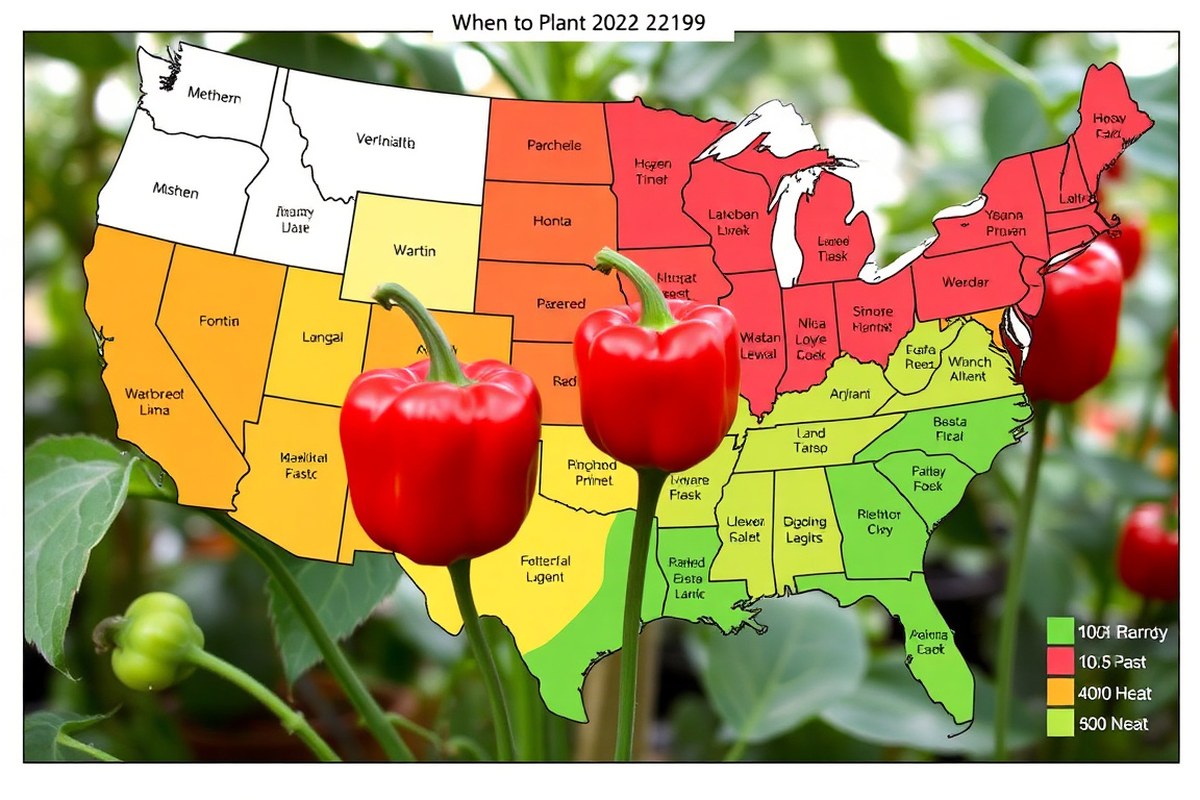
Local frost dates are essential for planning when to start red pepper seeds. Peppers need warm soil and air. So you start seeds indoors 8 weeks before your last frost date.
Your growing zone tells you how long your season is. It helps you pick the best transplant date. These dates keep your plants safe and healthy.
Use your zip code or city to check your last frost date. Find it online or with a planting calendar. This info guides your planting time.
This date shows when outdoor temperatures stay above 32°F. Peppers cannot handle colder temps without damage. So don’t plant outdoors before this. Transplant seedlings outdoors a week or two after this date for safety.
| Step | Timing | Details |
|---|---|---|
| Find last frost date | Check local data | Use zip code online or frost date calendars |
| Start seeds indoors | About 8 weeks before last frost | Allows seedlings to grow until outdoor planting |
| Transplant outdoors | 1-2 weeks after last frost | After soil and air warm, frost risk ends |
| Consider zone length | Adjust indoor start for long/short seasons | Long seasons: start earlier; short seasons: faster varieties |
Zones help decide if you need more indoor growing time. Hot pepper types may need 12 weeks indoors in colder zones. In warmer zones, fewer weeks work and you can transplant earlier.
Knowing your zone and frost dates helps peppers mature well. It lets your plants have enough time to produce fruit. This leads to a better harvest.
Wait to transplant until soil stays above 55°F at night to avoid shock or death.
Ignoring frost dates risks dead seedlings or slow growth. Starting too late indoors means small plants that struggle outdoors. Using your local frost and zone info reduces guesswork and helps you grow bigger, healthier peppers.
What Soil Temperatures and Moisture Levels Promote Germination
Red pepper seeds germinate best when soil temperatures stay between 75°F and 85°F. The soil should be kept evenly moist but not soaked. Consistent warmth and moisture help the seeds sprout within 7 to 21 days.
Ideal Soil Temperature Range for Germination
Red pepper seeds like it warm to start growing. Temperatures between 75°F and 85°F are best for reliable sprouting. Cooler soil below 60°F slows growth and may prevent seeds from sprouting at all.
Soil that stays too cold can delay germination by weeks. That’s why many gardeners wait until the soil warms in late spring. Watch for crabgrass growth when soil warms up for peppers.
It shows soil is warm enough for your peppers to thrive. Keep an eye out in early spring or whenever soil heats up.
How to Keep Soil Warm Enough
Use a seed heating mat under trays to keep soil warm. This helps steady temperatures during the cooler months. It supports better seed germination and growth.
These mats run on electricity and cost around $15 to $30 online or garden stores. Use a soil thermometer to check the warmth.
Planting outdoors? Cover seeds or seedlings with row covers. You can also use plastic tunnels to protect them.
These shields keep warmth and pests away. They trap heat and protect from cool nights. Mulching with straw or pine needles also helps keep soil temperatures regular.
Preparing Soil for Red Pepper Seeds
Use good-quality seed-starting mix or well-draining soil with organic matter. Avoid heavy or compacted soil that holds too much water. Loosen the soil to about 6 inches deep to help roots start strong.
Adding a balanced fertilizer designed for vegetables can feed young seedlings. Use according to package instructions to avoid burning seeds. This gives plants nutrients while they grow their first leaves.
Keeping Soil Moist but Not Soaked
Water lightly right after planting so the soil is moist but not soggy. Check moisture after 10 minutes.
The soil near the surface should look darker but not dripping wet. Too much water can cause seeds to rot.
Use a spray bottle or gentle watering can for even moisture. Let the top inch of soil dry slightly before watering again. This balance avoids fungal problems while encouraging steady root growth.
Adjusting for Different Situations
Your climate feels cool, so start seeds indoors first. Use heat mats and lights to raise soil warmth and light. This gives peppers a better chance to grow strong before transplanting.
This gives you control over warmth and moisture. Transplant outdoors only after soil warms above 60°F and nights are frost-free.
In warm regions, direct sowing outdoors works once soil hits about 70°F and stays moist. Mulch to keep moisture steady in dry spots. Watch for temperature dips at night, row covers help protect young sprouts then.
Step-By-Step Guide to Starting Red Pepper Seeds Indoors Successfully
Start red pepper seeds indoors using the right soil. Plant seeds at a proper depth. Provide enough warmth and light for growth.
They generally take 7 to 14 days to germinate. Keep seedlings under 14 to 16 hours of light daily to grow strong and healthy.
Preparing Seed Trays and Soil Mix
Use seed trays with drainage holes to avoid waterlogging. Fill them with a light seed starting mix, not regular potting soil. The mix lets air stay around roots and drains well, which peppers need to sprout well.
Seed starting mix costs about $5 to $10 per bag. You can easily find it at garden centers.
Avoid heavy soil that clumps and stays soggy. Preparing your trays this way helps young pepper plants develop strong roots.
Proper Sowing Depth and Seed Spacing
Plant red pepper seeds ¼ inch deep in the soil. This protects seeds and lets sprouts break through.
Cover seeds gently with mix but don’t pack soil down. Crowded seeds can cause weak growth and increase disease risks.
Place seeds 1 to 2 inches apart in each cell. Give each plant enough space to grow well.
This spacing helps the seedlings get enough air and room to grow without competition. Thin or transplant the strongest seedlings later if needed.
Providing Adequate Warmth and Light
Keep soil temperatures between 75 and 85°F for best germination speed. Use a heat mat if your home is cooler. Proper warmth speeds germination, which can take 7 to 14 days for red peppers.
After sprouting, provide seedlings with at least 14 to 16 hours of light daily. A fluorescent or LED grow light on a timer works well. Light prevents seedlings from becoming leggy and weak.
Watering and Moisture Management
Keep soil evenly moist but not soggy during seedling growth. Water lightly when the top layer feels dry. Overwatering may cause seeds to rot, while underwatering slows germination.
Use a spray bottle or gentle watering can to avoid washing seeds away. Moisture control helps soften the hard seed coat. It also helps sprouts push up through soil easily.
Follow these steps for indoor starting:
- Fill seed trays with seed starting mix and water lightly until moist.
- Plant red pepper seeds ¼ inch deep, spacing them 1 to 2 inches apart.
- Cover seeds gently with more seed mix and press lightly.
- Place trays on a heat mat maintaining 75-85°F soil temperature.
- Set grow lights to run 14-16 hours a day, adjusting the height 2-3 inches above seedlings.
- Keep the soil moist but avoid letting it become soggy.
- Watch for seeds to sprout in 7 to 14 days, then lower heat temps slightly.
When and How to Transplant Seedlings Outdoors Safely
Transplant your red pepper seedlings outside only after the last frost date. Nighttime temperatures should stay above 55°F (13°C). Soil temperature also needs to be steady at 70°F or warmer for the best results.
Seedlings usually need 6 to 8 weeks of indoor growth before transplanting. Look for plants around 2 inches tall with at least four leaves. This size shows they’re strong enough to handle outdoor conditions.
Wait 2 to 3 weeks after the last frost. This helps the soil warm up well. Warmer soil boosts your red pepper seed growth.
The soil should be at least 55°F to 60°F when you plant. Cooler soil can stunt growth or cause transplant shock.
Make sure to “harden off” your seedlings by slowly exposing them to outdoor weather. This process takes about a week. Start with a few hours in shade and increase sun and time daily.
Don’t rush transplanting before temperatures are stable. Cold stress delays growth and may kill your plants.
Check the soil temperature with a probe or an accurate thermometer. Do this in the morning when the soil is coolest. When it’s cold, wait a few days before testing again.
Transplant in the early morning or late afternoon to reduce stress. Avoid hot midday sun during transplanting. Keep the soil moist but not soggy around the new plants for faster root settling.
How to Harden Off Red Pepper Seedlings Before Transplanting
Harden off red pepper seedlings by taking them outside a little each day. Do this for 7 to 10 days. This helps them get used to the outdoor weather.
This process helps seedlings adjust without shock before planting outside. Gradually increase their time outdoors while protecting them from harsh elements during this period.
Reducing Water and Shelter Gradually
Start by bringing seedlings outside for short periods in a shady spot. Keep them in their pots and protected from wind and direct sun at first. Over several days, slowly reduce watering frequency but don’t let the soil dry out completely.
Move plants to a less sheltered spot a little longer each day. Avoid watering when the sun is strong to prevent leaf damage. Water early morning or late evening to keep leaves dry and reduce stress.
Increasing Outdoor Light and Airflow
Expose seedlings to more sunlight in small increments, starting with a few hours of indirect light. Avoid full sun on the first days, since leaves can scorch easily. After a few days, increase direct sunlight exposure while watching for wilting or leaf browning.
Open air circulation is important too. Allow gentle breezes to reach seedlings by removing covers or moving pots to open areas. This strengthens stems and lowers disease risk, preparing seedlings for outdoor conditions.
Duration and Ideal Weather for Hardening Off
Spend about 7 to 10 days hardening off your seedlings outdoors. Start with just 1 to 2 hours outside on the first day.
Add 1 to 2 more hours outside each day slowly. Keep increasing time until seedlings stay outdoors all day and night.
Pick a calm weather period with temperatures between 60°F and 75°F for best results. Avoid frosts, strong winds, and heavy rain during hardening off. Bring seedlings inside at night or in bad weather during the first few days.
Follow these steps for hardening off red peppers:
- Set pots outdoors in a shaded, sheltered spot for 1 to 2 hours.
- Move pots to a slightly sunnier location for increased time each day.
- Reduce watering frequency but keep soil moist.
- Expose seedlings to gentle breeze or open air daily.
- Gradually increase direct sun exposure, monitoring leaf condition.
- Bring plants indoors overnight or during bad weather.
- By days 8 to 10, leave seedlings outdoors all day and night.
- Transplant outdoors once seedlings handle full sun and cooler nights.
Direct Sowing vs Indoor Starting: Risks and Benefits
Direct sowing red pepper seeds outdoors is possible but not the best choice. Peppers need warm soil and about 8 weeks of growing before frost risk ends. Starting seeds indoors gives you control over temperature and moisture, helping seeds sprout faster and stronger.
Outdoor soil often stays too cold for red pepper seeds to germinate well. Seedlings growing outside face threats from pests, weather changes, and uneven moisture. Starting seeds indoors helps avoid weather risks.
It gives seedlings a safer start. This also extends your growing season.
| Factor | Direct Sowing Outdoors | Starting Indoors |
|---|---|---|
| Timing | Sow after soil warms to 70°F to 85°F | Sow 8 weeks before last frost date |
| Germination Time | 7 to 21 days (longer for hot varieties) | 7 to 21 days (faster with controlled heat) |
| Success Rate | Lower due to pests and weather risk | Higher with stable conditions |
| Care Needed | Protect seedlings from cold, bugs, and dryness | Water regularly, provide warmth and light |
| Transplanting | No transplanting needed | Transplant seedlings after hardening off |
Choosing direct sowing suits regions with long, warm seasons and mild pests. You must wait to plant outdoors until the soil reaches at least 70°F. In cooler areas or places with short seasons, indoor starting is safer.
To start indoors, plant seeds 8 weeks before the last frost date. Use a seed-starting mix and keep soil moist and warm (around 80°F). You’ll see seedlings in 7 to 21 days.
Wait until seedlings have 2 or 3 true leaves. Then slowly expose them to sun and cooler air. After that, move them outside.
Try direct sowing only if you can monitor soil temperature and protect young peppers from pests. Otherwise, indoor starting helps you avoid losing plants to cold or bugs. It costs a bit more time and effort but grows stronger peppers with less risk.
Common Timing Mistakes and How to Avoid Them
Starting red pepper seeds too early often causes weak seedlings. They may stretch toward light and grow leggy, which hurts later growth. Starting too late can mean a short growing season that limits pepper size and yield.
Soil temperature plays a big part in seed success. Red pepper seeds need a steady 70°F to 85°F soil to sprout well.
Cooler soil slows germination and can stop it completely. Seedlings exposed to frost risk dying or stunting.
Here’s what to watch and do to avoid these timing errors:
- Check soil temperature with a soil probe or thermometer.
- Wait until nighttime temps stay above 50°F outdoors before transplanting.
- Start seeds indoors about 8 to 10 weeks before the last frost date.
- Keep seed trays near a heat mat if indoor temps drop below 70°F.
- Avoid planting seeds directly outdoors until soil has warmed consistently.
- Use a tiller or fork to prepare loose, well-drained soil before planting.
- Give seedlings plenty of light to prevent stretching and leggy growth.
Starting seeds too early indoors without enough heat or light leads to slow or spindly growth. This wastes your time and seed nutrients. Starting late outdoors risks frost or poor fruit development.
Don’t rush planting. Use a soil thermometer and local frost data to time seed starting right.
Adjust timing depending on your local climate. If you live where frost ends late, give seeds more indoor time.
In warmer areas, you can start outdoors sooner once soil is warm. You want sturdy seedlings ready for outdoor life after frost risk fades.
Step-by-Step Action Plan for Planting Red Pepper Seeds
Plant your red pepper seeds following these steps. Get strong seedlings ready. Then move them to your garden.
- 6-8 weeks before last frost: Start seeds indoors. Use seed trays or pots and warm soil (70-85°F). Seeds should sprout in 7 to 14 days.
- When seedlings show 2-3 true leaves: Thin to the strongest plants. Keep soil moist but not soggy. Seedlings should look healthy and sturdy.
- 1-2 weeks before transplant: Begin hardening off by placing seedlings outside for a few hours daily. Increase time and sunlight each day to toughen plants.
- After last frost date: Transplant seedlings outdoors in well-drained, warm soil. Make sure night temperature stays above 50°F to avoid shock.
- First 2 weeks after transplant: Water regularly to keep soil moist without puddles. Watch for wilting or leaf yellowing as signs to adjust care.
- Direct sowing (optional): Sow seeds outside after soil warms to 70°F. Wait till frost risk ends. Expect slower germination and watch closely for pests.
- Ongoing: Fertilize every 3 weeks with a balanced, vegetable fertilizer for best growth. Healthy leaves mean the feeding is working.
Frequently Asked Questions
How Early Can I Start Red Pepper Seeds Indoors for Best Results?
Start red pepper seeds indoors about 8 weeks before your last frost date. This gives seedlings enough time to grow strong before moving outside after frost risk ends.
Does Planting Red Pepper Seeds Too Late Indoors Affect the Harvest?
Yes, planting seeds too late indoors shortens their growing time outdoors. That can reduce fruit size and delay ripening. So stick to the recommended start window.
What If My Soil Is Cooler Than 70°F When Planting Red Pepper Seeds Outside?
Red pepper seeds won’t germinate well in soil cooler than 70°F. You should wait until soil warms or start seeds indoors to keep them warm.
Can I Plant Red Pepper Seeds Directly in Pots on My Porch?
Yes, you can direct sow seeds in pots if temperatures stay above 70°F. But seedlings usually do better if started indoors first to avoid cold stress.
Is It Better to Start Pepper Seeds Indoors Under Lights or on a Sunny Windowsill?
Using grow lights helps seeds germinate evenly and stay strong indoors. A sunny windowsill works but may cause uneven growth due to shifting light.
How Do Changing Local Weather Patterns Affect When to Plant Red Pepper Seeds?
Unpredictable spring weather can delay soil warming or cause late frosts. Adjust planting times based on recent weather rather than just calendar dates.
Final Thoughts
Plant your red pepper seeds indoors early enough to avoid frost. Take time to harden off seedlings to help them adjust outdoors. Start today by checking your last frost date and gathering seed-starting supplies.